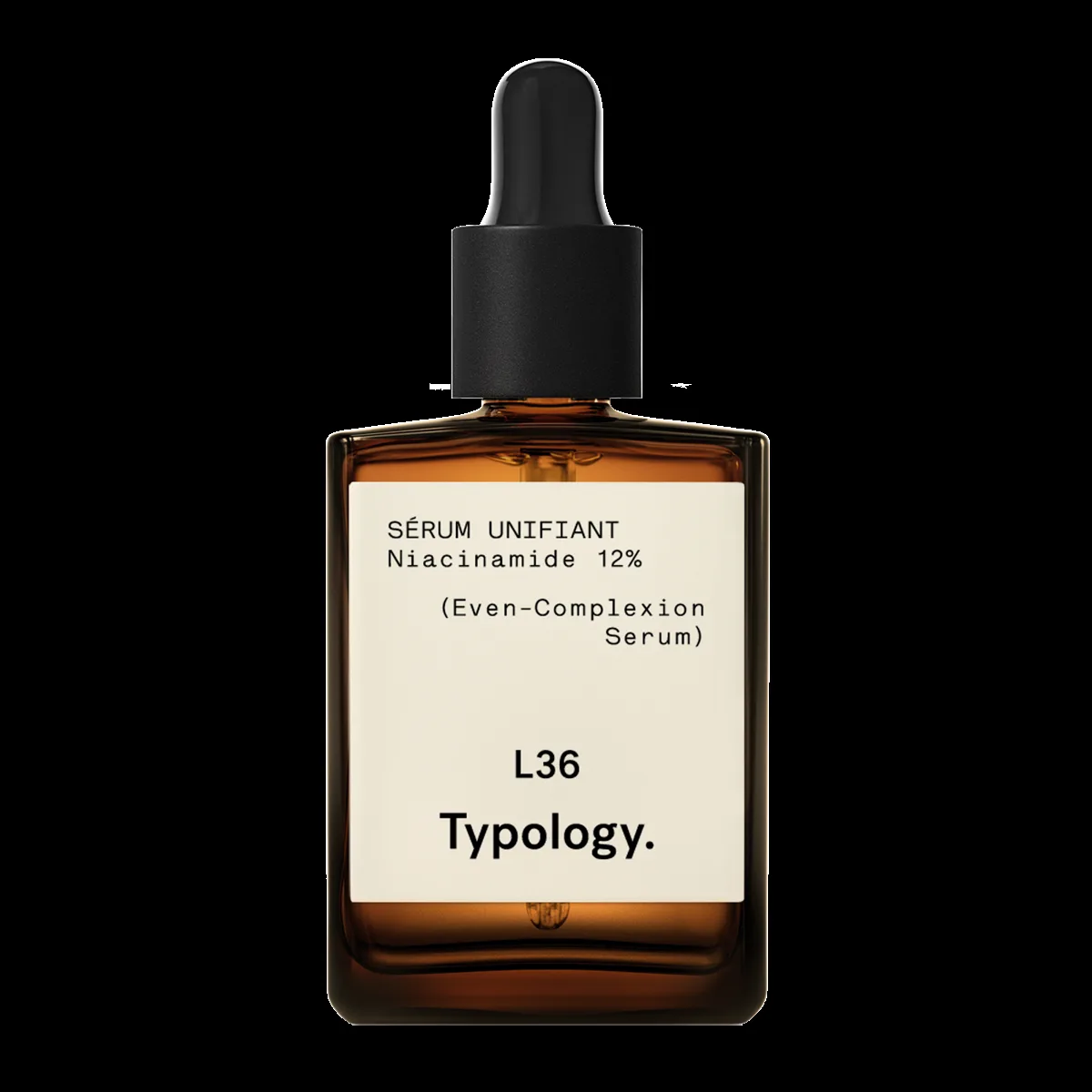
A high-strength 12% niacinamide serum in one of the cleanest, most minimalist bases available — water, propanediol, the active, and a chelator. Best for oily and combination skin dealing with pores, shine, and post-acne marks. Sensitive skin should start with a lower concentration first.
Niacinamide 12% + Zinc Serum
A high-strength 12% niacinamide serum in one of the cleanest, most minimalist bases available — water, propanediol, the active, and a chelator. Best for oily and combination skin dealing with pores, shine, and post-acne marks. Sensitive skin should start with a lower concentration first.
Score Breakdown
Where this product gains points and where it loses them — broken down across the four scoring pillars.
A clean, high-strength niacinamide serum at 12% in a minimalist base. The high concentration drives both efficacy and a slightly elevated flushing risk for sensitive skin.
Pros & Cons
- ✓12% niacinamide is at the upper end of useful concentration
- ✓Minimalist water-and-propanediol base with no fragrance
- ✓Phytic acid adds a second brightening mechanism
- ✓Compatible with virtually all other actives
- ✓Fungal-acne safe and pregnancy-safe
- ✓Strong direct-to-consumer value vs department-store equivalents
- ✓Vegan, cruelty-free, recyclable amber glass packaging
- ✗12% can cause flushing in sensitive or first-time users
- ✗Despite the name, current formula does not contain zinc
- ✗Slightly more expensive than The Ordinary 10% niacinamide
- ✗Six-month PAO is short due to clean preservative system
Full Review
Niacinamide became the breakout skincare ingredient of the late 2010s for a simple reason — it works on almost everyone. It regulates sebum production in oily skin, fades post-inflammatory marks in pigmented skin, supports ceramide synthesis in dry skin, calms redness in sensitive skin, and is generally one of the easiest-to-tolerate active ingredients in cosmetic chemistry. The Ordinary's 10% Niacinamide + Zinc serum became the category-defining product, sold tens of millions of bottles, and triggered an arms race among other brands to push the concentration even higher. Suddenly there were 15%, 20%, and even 30% niacinamide serums on shelves, each one promising more dramatic results than the last. Most of those higher-strength versions are marketing performance, not formulation science. The published research on niacinamide overwhelmingly uses concentrations between 2% and 5%, and the benefit curve flattens hard above 10%. Above that point, you mostly add flushing risk, not efficacy.
Typology's 12% niacinamide serum sits in an interesting place in this conversation. It's higher than The Ordinary's benchmark but well below the inflated concentrations of brands chasing TikTok trends. It's deliberately positioned at the upper limit of what's actually useful, formulated in one of the cleanest, most stripped-down bases available, and priced at the fair direct-to-consumer mid-market that defines the entire Typology brand.
The ingredient list deserves attention because of how short it is. Water, niacinamide, propanediol, and 1,2-hexanediol as the carrier and humectancy backbone. Caprylyl glycol and tropolone for preservation. Xanthan gum and carrageenan as gentle texture stabilizers. Phytic acid as a brightening chelator and citric acid for pH adjustment. That's the entire formula. There's no fragrance, no essential oils, no co-actives competing for attention, no penetration enhancers, no glycols meant to drive the active deeper. It's about as honest a delivery system as you'll find at this concentration.
The choice of propanediol over propylene glycol is small but worth noting — propanediol is plant-derived, gentler, and adds mild humectancy without the slight tackiness or potential sensitization of the older glycol. The phytic acid is the more interesting inclusion. It's a chelator derived from rice bran that binds free metal ions in the skin which can drive oxidation and uneven tone, and it works alongside niacinamide to give the formula a second brightening mechanism without the irritation of stronger acids like glycolic. The two work in complementary ways: niacinamide reduces melanosome transfer to keratinocytes (the mechanism behind pigment fading), and phytic acid neutralizes oxidative drivers that contribute to dullness.
Application is uneventful in the best way. The serum is a thin, completely fragrance-free water-gel that absorbs within seconds and leaves no tackiness. Three to four drops cover the full face. There's no immediate sensation for most users beyond a faint cooling, but a meaningful minority will experience temporary flushing in the first few applications — this is the well-documented niacin-flush response to high concentrations and it fades within minutes. If you've never used niacinamide above 5%, consider patch-testing for a few days before committing to twice-daily use. The flushing typically disappears entirely within a week or two of consistent use as the skin adapts.
Results track with what the literature predicts. Reduced shine and visible pore tightening become noticeable in the first one to two weeks, particularly across the T-zone and around the nose. Post-acne marks fade more slowly — expect six to eight weeks for visible improvement on darker spots, longer for stubborn marks on pigmented skin. The barrier-supporting effects build quietly over the same timeline as the skin produces more endogenous ceramides in response to ongoing niacinamide exposure. None of this is dramatic; niacinamide's superpower is cumulative, predictable improvement over weeks rather than visible transformation overnight.
Where this serum particularly shines is in compatibility with the rest of a routine. There are no exfoliating actives, no irritants, no oil components — which means it stacks cleanly with virtually anything you might layer on top. The famous claim that niacinamide and vitamin C cancel each other out is a persistent myth from a 1960s lab study that used non-cosmetic forms of both ingredients; modern formulations have demonstrated stability and compatibility for decades. You can layer this with retinol, with AHAs and BHAs, with peptides, with vitamin C, and with HA without worrying about pH conflicts or efficacy losses. For people building a routine that involves multiple actives, that flexibility is genuinely valuable.
The limitations are honest and worth naming. The 12% concentration is the right call for most users but the wrong call for very sensitive or rosacea-prone skin — those users should start with a lower-strength niacinamide serum and build tolerance gradually. The formula does not contain zinc despite the product naming convention from earlier batches; if zinc co-formulation is essential to your acne management approach, look elsewhere or layer separately. And while the formula is clean, the propanediol and 1,2-hexanediol combination means it's still not a true "only the active" minimalist serum the way Typology's oil-based products are.
For oily, combination, and normal skin dealing with enlarged pores, ongoing breakouts, post-acne marks, or general T-zone shine, this is one of the more thoughtfully formulated high-strength niacinamide serums on the market. It earns its place by being honest about its concentration, clean about its formulation, and pleasant about its application — three things that are rarer than they should be in this category.
Formula
Key Ingredients
The hero actives that drive this product's performance.
| Ingredient | Function | Evidence |
|---|---|---|
| Niacinamide (12%) | At 12%, this is one of the highest niacinamide concentrations on the market — well above the 4-5% range most studies use. In this stripped-back water-and-propanediol base, with no fragrance or competing actives to interfere, the niacinamide gets clean access to the skin to regulate sebum, fade post-inflammatory marks, and support ceramide synthesis. | well-established |
| Phytic Acid | A gentle plant-derived chelator that brightens by binding to free metal ions in the skin that can drive oxidation and uneven tone. Working alongside the niacinamide, it adds a second pigment-targeting mechanism without the irritation of stronger acids. | promising |
| Propanediol | Replaces propylene glycol as the main solvent here — gentler, plant-derived, and provides mild humectancy. It carries the high-concentration niacinamide into the skin without the drying alcohol carriers that some 10%+ niacinamide serums rely on. | well-established |
Full INCI List · pH 5.5
Aqua/Water, Niacinamide, Propanediol, 1,2-Hexanediol, Caprylyl Glycol, Xanthan Gum, Carrageenan, Citric Acid, Phytic Acid, Tropolone
Product Flags
✓ Fragrance Free✓ Alcohol Free✓ Oil Free✓ Silicone Free✓ Paraben Free✓ Sulfate Free✓ Cruelty Free✓ Vegan✓ Fungal Acne Safe
Potential Irritants
high-concentration niacinamide
Compatibility
Skin Match
Best For
Works For
Not Ideal For
Addresses These Conditions
acne blackheads large pores hyperpigmentation oiliness dullness
Use With Caution
Routine Step
serum
Time of Day
AM & PM
Pregnancy Safe
Yes ✓
Layering Tips
Apply to clean skin before heavier serums and moisturizer. At 12%, this is on the high end — patch test first if your skin reacts to niacinamide flushing.
Results Timeline
Reduced shine and pore visibility within 1-2 weeks. Post-acne mark fading and tone improvement at 6-8 weeks. Full sebum regulation and barrier benefits at 8-12 weeks.
Pairs Well With
hyaluronic-acidretinolceramidessalicylic-acidazelaic-acid
Sample AM Routine
- Cleanser
- Typology Niacinamide 12% + Zinc Serum
- Moisturizer
- SPF
Sample PM Routine
- Cleanser
- Typology Niacinamide 12% + Zinc Serum
- Treatment
- Moisturizer
Evidence
Science & Expert Perspective
The Science
Niacinamide — the amide form of vitamin B3 — has one of the most extensive evidence bases of any cosmetic ingredient. A landmark 2005 study by Hakozaki et al. published in the British Journal of Dermatology demonstrated that 5% niacinamide significantly reduced melanosome transfer from melanocytes to keratinocytes, producing measurable fading of hyperpigmented spots over four to eight weeks. Separate work has documented niacinamide's role in upregulating ceramide and free fatty acid synthesis in the stratum corneum, which strengthens the barrier and reduces transepidermal water loss. Studies have also shown reduced sebum production with topical application, though the mechanism is less well-characterized than the pigmentation pathway. Most published research uses concentrations between 2% and 5%, where benefit is clearly demonstrated. Above approximately 10%, the dose-response curve flattens and the risk of niacin-flush — temporary cutaneous vasodilation and warmth — increases. At 12%, this serum sits at the upper functional ceiling rather than venturing into the marketing-driven 20%-plus territory. The choice of phytic acid as a complementary brightening agent is supported by in vitro work showing it can chelate iron and copper ions involved in oxidative reactions in skin, though independent clinical data on phytic acid in cosmetic concentrations remains thinner than for niacinamide. The minimalist propanediol and water base avoids the alcohol and glycol carriers that some high-concentration niacinamide products use, reducing the variables involved in any irritation response.
References
- The effect of niacinamide on reducing cutaneous pigmentation and suppression of melanosome transfer — British Journal of Dermatology (2002)
Dermatologist Perspective
Dermatologists frequently recommend niacinamide as one of the most universally tolerated and evidence-based topical actives. Board-certified dermatologists generally agree that 4-5% is sufficient for the majority of clinical effects, and that pushing concentrations above 10% offers diminishing returns. At 12%, this serum is at the upper end of useful — most dermatologists would not flag it as concerning, but they would advise sensitive or rosacea-prone patients to start at a lower strength and build tolerance. Niacinamide is widely considered safe in pregnancy and breastfeeding, and it pairs well with virtually all other actives, making it a frequent recommendation for patients managing multiple skin concerns simultaneously. The famous claim about niacinamide-vitamin C incompatibility is regarded by most dermatologists as outdated and not relevant to modern cosmetic formulations.
Guidance
Usage Guide
How to Use
Apply morning and night to clean skin. Three to four drops cover the full face. Pat in gently and follow with the rest of your routine — moisturizer, treatment serum, or SPF in the morning. Compatible with all other actives; layer this first if you're using multiple water-based serums. If your skin flushes the first few applications, drop to once-daily use for a week and build up. Always finish daytime use with SPF 50.
Value Assessment
At $30 for 30ml, this serum sits in the upper end of mid-market niacinamide pricing — more expensive than The Ordinary's 10% Niacinamide + Zinc serum but cheaper than nearly every department-store niacinamide product. Twice-daily use stretches the bottle to about three to four months, which works out to roughly $8-10 per month for a clinically meaningful concentration in a clean formula. A larger 1 fl oz size is available for slightly better per-ml value. The premium over The Ordinary buys you the cleaner preservative system, the higher concentration, and Typology's transparent formulation philosophy — whether that's worth the upgrade depends on how much you value those formulation upgrades.
Who Should Buy
Oily, combination, and normal skin types dealing with enlarged pores, T-zone shine, post-acne marks, or general dullness. Particularly suited to anyone who tolerates niacinamide well and wants the clean, minimalist version of a high-strength serum without fragrance or fillers.
Who Should Skip
Very sensitive skin, rosacea-prone individuals new to niacinamide, and anyone who has experienced persistent flushing from high-concentration formulas. Those users should start with a 5% niacinamide product and build tolerance before considering this concentration.
Ready to try Typology Niacinamide 12% + Zinc Serum?
Details
Details
Texture
Lightweight, fast-absorbing water serum with no tackiness.
Scent
Completely fragrance-free.
Packaging
Amber glass dropper bottle in Typology's signature minimalist style.
Finish
lightweightfast-absorbingmatte
What to Expect on First Use
Most users notice a temporary flush on the first few applications — a normal response to high-strength niacinamide that fades within minutes. Sebum control and reduced shine become visible within the first week. No purging.
How Long It Lasts
3-4 months with twice-daily use.
Period After Opening
6 months
Best Season
All Year
Background
The Why
Typology launched the niacinamide serum in 2020 after the ingredient's TikTok-driven popularity surge made high-concentration formulations a category in their own right. The brand chose 12% specifically to differentiate from The Ordinary's 10% benchmark while keeping the formula otherwise minimalist.
About Typology Emerging Brand (2–5 years)
Typology launched in 2019 as a French direct-to-consumer brand emphasizing transparency and short ingredient lists. Its niacinamide serum has gathered a strong European following with thousands of reviews, though brand-specific clinical validation is limited.
Brand founded: 2019 · Product launched: 2020
Myth vs. Reality
Myths & Misconceptions
Myth
Higher niacinamide percentages always mean better results.
Reality
Studies on niacinamide efficacy generally use 4-5%. Above 10%, the marginal benefit drops and flushing risk rises. 12% is at the upper end of useful — going higher mostly adds irritation.
Myth
Niacinamide and vitamin C cancel each other out.
Reality
This is an outdated claim from a 1960s lab study using non-cosmetic forms. Modern formulations of both ingredients are stable together and frequently used in the same routine.
FAQ
Frequently Asked Questions
Is 12% niacinamide too strong for daily use?
For most skin types, no — 12% is at the upper end of what's commonly formulated and is well-tolerated by the majority of users. Sensitive or rosacea-prone skin may want to start with a lower concentration and build tolerance.
Does this serum have actual zinc in it?
The current formulation lists niacinamide as the primary active without a separate zinc compound on the INCI. If zinc co-formulation is critical to your routine, check the latest packaging — formulas can change between batches.
Can I use this with retinol?
Yes. Niacinamide actually buffers some of retinol's irritation and supports the barrier while retinol drives turnover. Apply this serum first, then your retinol treatment, then moisturizer.
Will it cause purging or breakouts?
No. Niacinamide doesn't accelerate cell turnover the way retinol or acids do, so there's no purge phase. If you break out after starting it, suspect another product or ingredient sensitivity.
Why does my face flush after applying it?
Mild temporary flushing is a known response to high-concentration niacinamide. It usually fades within minutes and disappears entirely within a week or two of consistent use. If it persists, drop to a lower concentration.
Is this serum fungal-acne safe?
Yes — none of the ingredients in this minimal formula feed Malassezia. It's one of the few high-strength niacinamide serums that fits a fungal-acne-friendly routine.
Can I layer it with hyaluronic acid?
Yes — apply this niacinamide serum first to clean skin, then your HA serum on top, then moisturizer. They complement each other without conflict.
Community
Community Voices
Common Praise
"Visible pore reduction"
"Strong concentration for the price"
"No fragrance or fillers"
"Helps fade post-acne marks"
Common Complaints
"High concentration causes flushing for some"
"Too strong for very sensitive skin"
Notable Endorsements
Marie Claire FranceVogue France
Appears In
best niacinamide serum for pores best high strength niacinamide best niacinamide for oily skin best fragrance free niacinamide
Related Conditions
acne large pores hyperpigmentation oiliness
Related Ingredients
You Might Also Like
 Sensitive Skin Soother
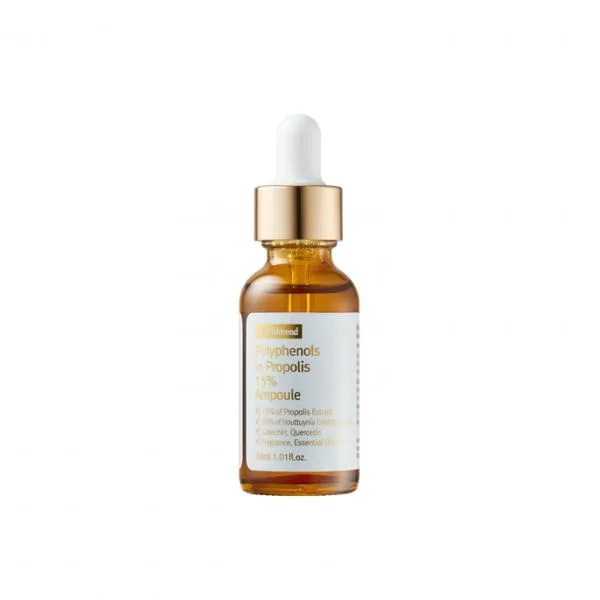
 Polyphenols In Propolis 15% Ampoule
A 15% propolis ampoule that earns its name with a real polyphenol stack — French Auvergne propolis layered over a houttuynia cordata base, with tulsi and pomegranate piling on. It's slightly sticky and not cheap by volume, but for sensitive, breakout-prone skin chasing calm, this is one of the most reliable K-beauty soothers in production.
 Budget Brightening Hero
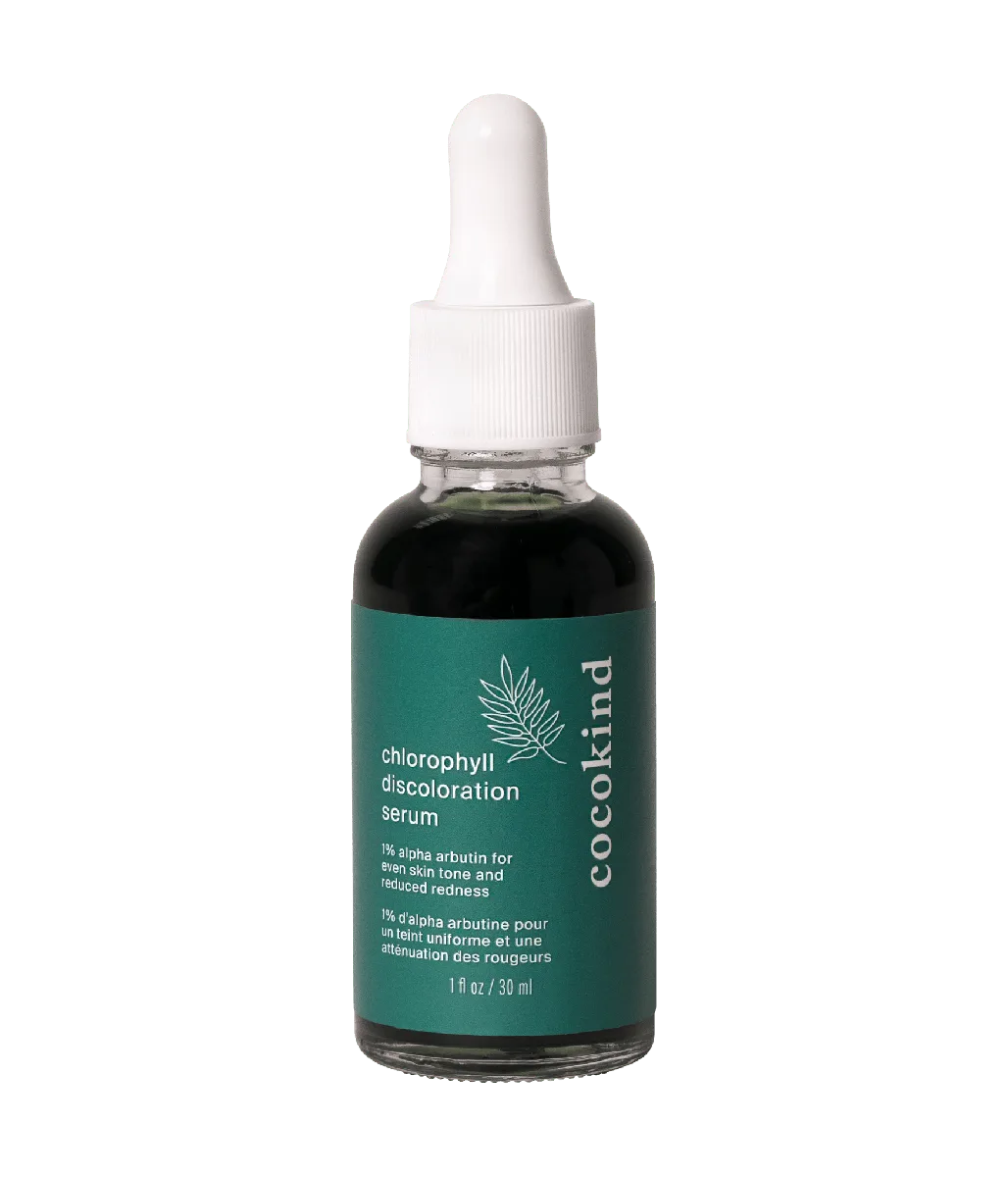
 Chlorophyll Discoloration Serum
A quietly brilliant brightening serum that proves you do not need luxury prices or harsh actives to fade dark spots effectively. The alpha-arbutin and licorice root combination delivers genuine multi-pathway melanin inhibition, the sensitive-skin-friendly formula is impeccable, and $20 makes it accessible to virtually everyone. The chlorophyllin is more marketing differentiator than scientific powerhouse, but it does not hurt anything either.
 The People's HA Serum
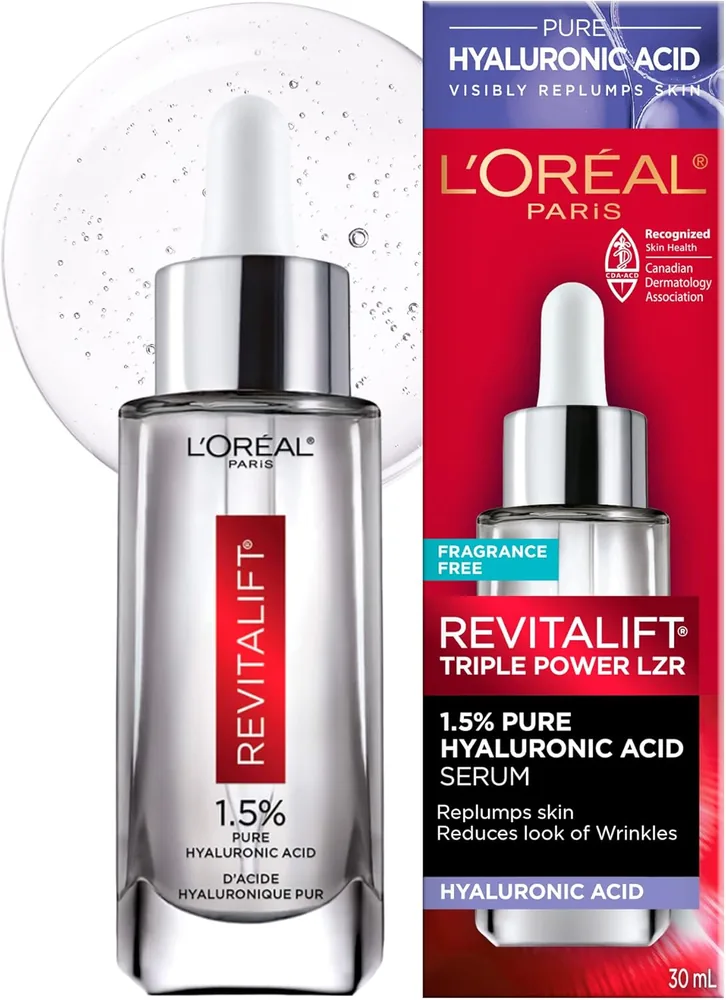
 Revitalift Derm Intensives 1.5% Pure Hyaluronic Acid Serum
A masterclass in minimalist formulation — thirteen ingredients, no filler, four functional actives, and over thirty thousand glowing reviews. L'Oréal's multi-weight HA system delivers genuine hydration at every level of the skin, and the fragrance-free, alcohol-free formula is clean enough for virtually anyone. The drugstore serum that embarrasses its prestige competitors.
 Budget Hydration Holy Grail
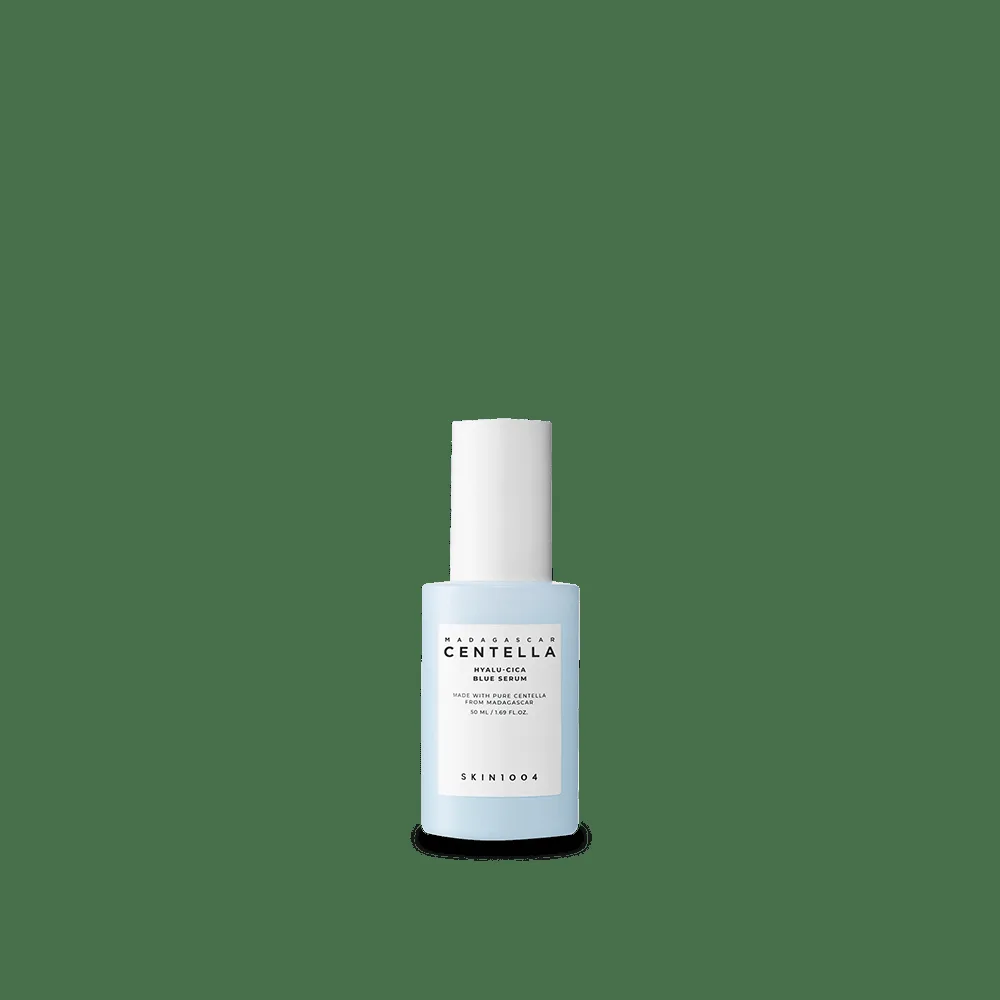
 Hyalu-Cica Blue Serum
A quietly excellent budget serum that stacks Centella asiatica leaf water, five types of hyaluronic acid, niacinamide, ceramide NP, and adenosine into a fragrance-free under-$20 bottle. It is genuinely one of the best hydration-plus-soothing serums at any price, and the fact that it costs less than a salad in Manhattan is the point.
 Sensitive Skin First-Line Defense
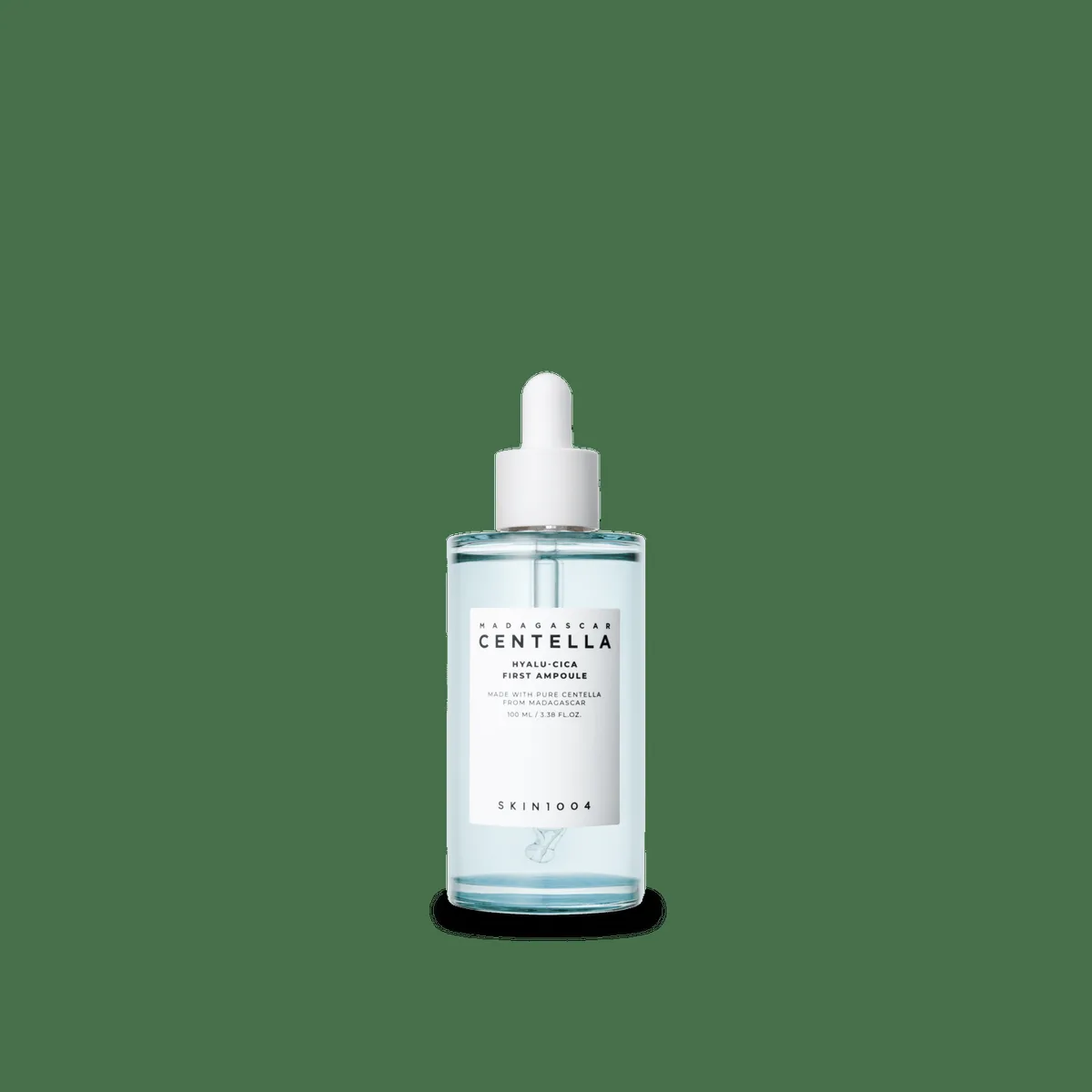
 Hyalu-Cica First Ampoule
A 92% Centella asiatica extract ampoule paired with niacinamide and a multi-weight HA complex, fragrance-free and purpose-built for sensitive, compromised, and reactive skin. At $25 for 100ml, it is one of the most justifiable skincare purchases a budget-conscious buyer can make, and it earns a place in almost any routine that needs a soothing anchor.
 Sensitive Skin MVP
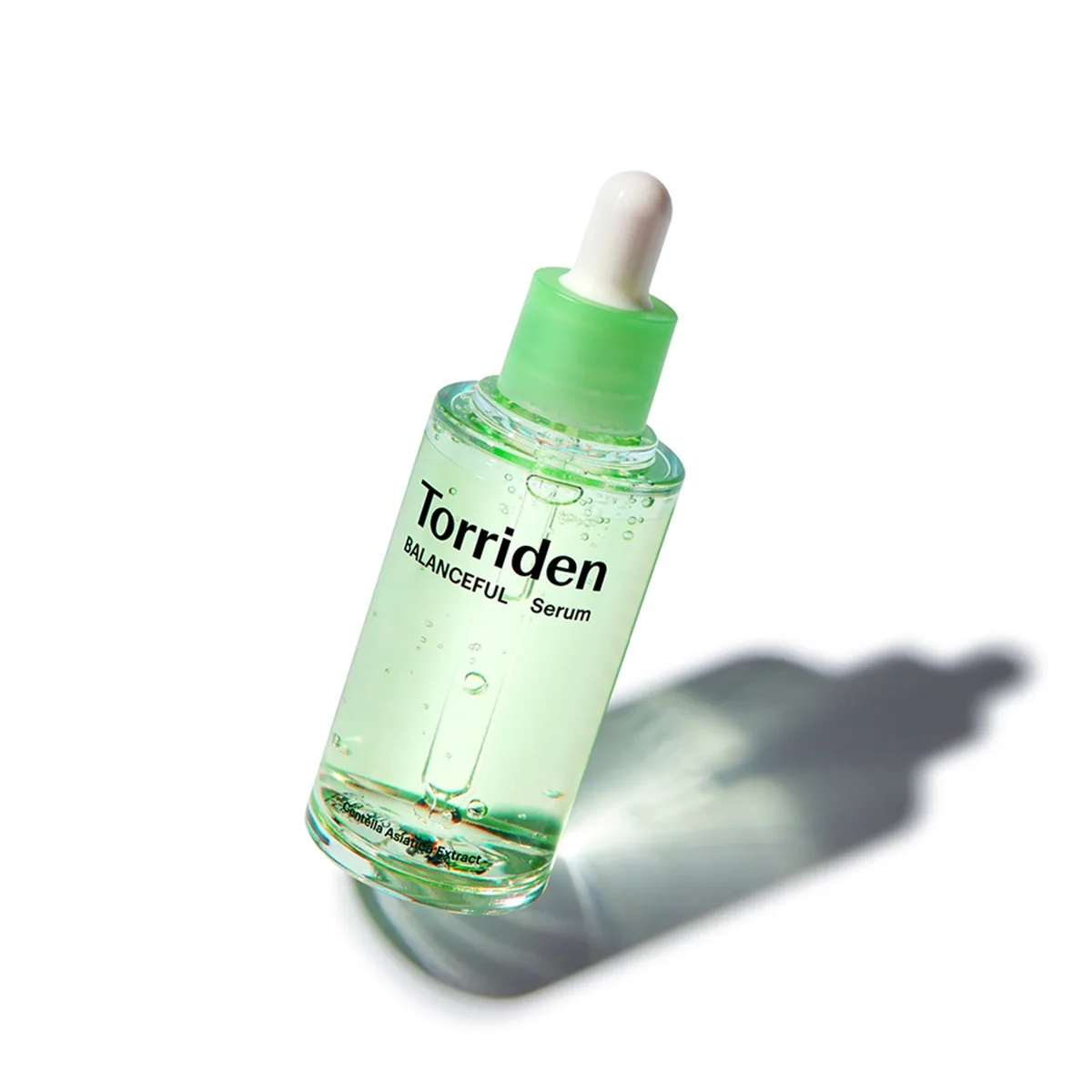
 Balanceful Cica Serum
Torriden's Balanceful Cica Serum is one of the most recommendable calming serums in K-beauty — a genuinely fragrance-free, multi-weight hyaluronic acid and 5D cica complex treatment that quietly reduces redness, supports the barrier, and buffers other actives without drama. At under $25 it's a near-automatic pick for sensitive, rosacea-prone, and barrier-compromised skin.