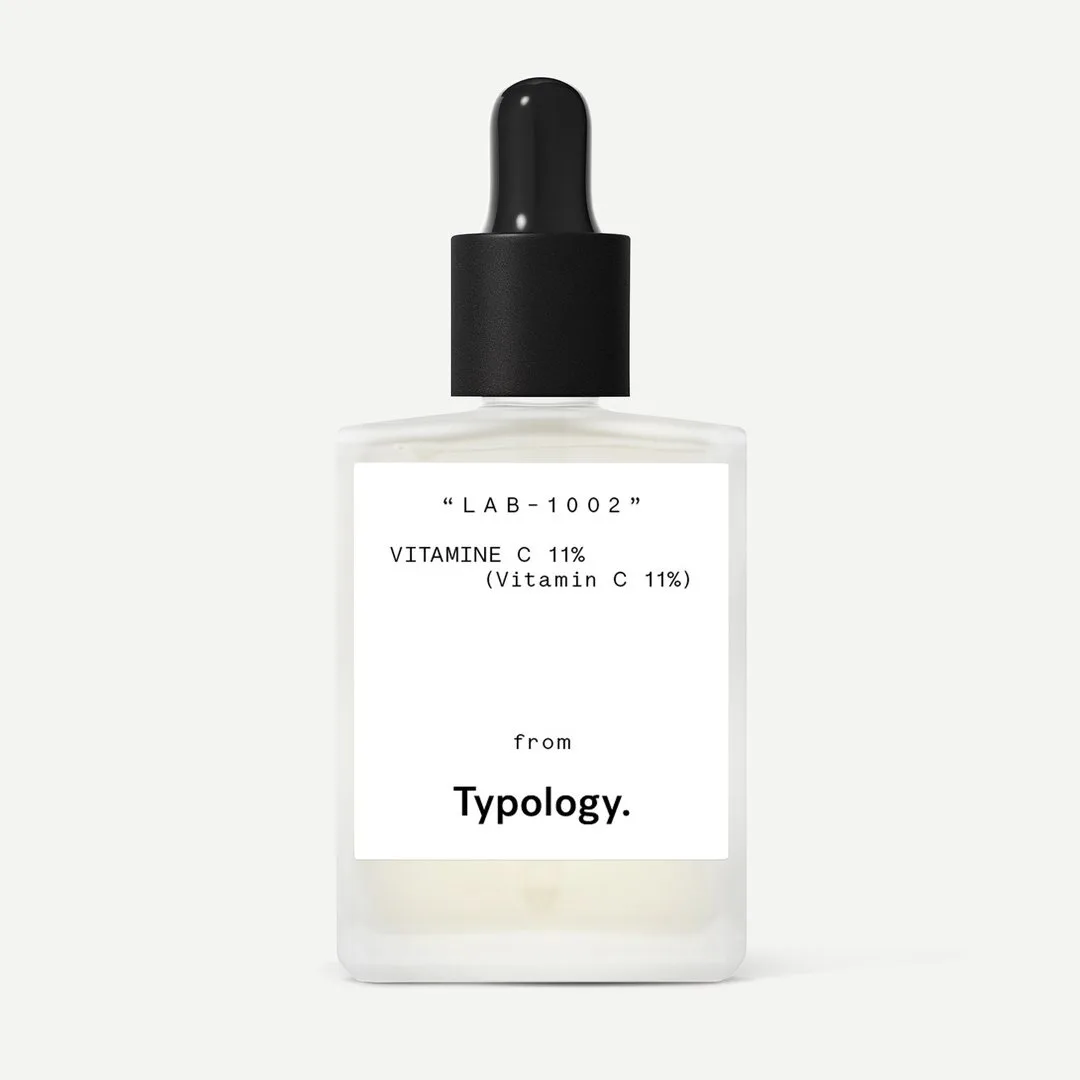
A gentle 11% sodium ascorbyl phosphate serum that does something most vitamin C products don't — meaningfully target acne alongside its brightening work. Best for oily and breakout-prone skin that wants stable, non-stinging vitamin C. Not the most potent option for deep hyperpigmentation.
Vitamin C Serum 11%
A gentle 11% sodium ascorbyl phosphate serum that does something most vitamin C products don't — meaningfully target acne alongside its brightening work. Best for oily and breakout-prone skin that wants stable, non-stinging vitamin C. Not the most potent option for deep hyperpigmentation.
Score Breakdown
Where this product gains points and where it loses them — broken down across the four scoring pillars.
A gentle, sensitive-skin-friendly vitamin C derivative serum with a clean formulation. Loses points compared to L-ascorbic acid for raw potency, but uniquely positioned as a vitamin C with documented acne benefits.
Pros & Cons
- ✓11% sodium ascorbyl phosphate has documented anti-acne effects
- ✓Near-neutral pH eliminates stinging and flushing
- ✓Stable formulation that doesn't oxidize quickly
- ✓Pairs cleanly with niacinamide, BHA, and retinoids
- ✓Fragrance-free, fungal-acne safe, pregnancy-safe
- ✓Phytic acid and silk tree extract add layered brightening
- ✓Suitable for sensitive and reactive skin
- ✗Less potent than L-ascorbic acid for hyperpigmentation
- ✗Sodium benzoate may bother extremely sensitive skin
- ✗Slower brightening timeline than L-AA serums
- ✗Not the strongest pick for stubborn melasma or deep marks
Full Review
Ask ten people to name a vitamin C serum and they'll all describe the same product — a low-pH L-ascorbic acid formula that stings on application, oxidizes quickly in the bottle, and is positioned as the gold standard for brightening dull skin and fading dark spots. That product exists, it works for the right user, and brands like SkinCeuticals built their entire reputation on a properly formulated version of it. But somewhere in the consumer conversation about vitamin C, an interesting fact got lost: there's another form of vitamin C called sodium ascorbyl phosphate, and unlike L-ascorbic acid, it has actual published clinical data for treating active acne. Multiple studies have shown that 5-10% SAP applied topically reduces inflammatory acne lesion counts, partly through direct antibacterial action against Cutibacterium acnes and partly through other mechanisms still being characterized. No other common vitamin C derivative has this kind of acne-specific evidence behind it. And almost nobody is talking about it.
Typology's 11% Radiance Serum is built around exactly this active. It's the brand's original vitamin C formulation, launched in 2020, and it sits in an interesting position in the lineup. The newer 15% Vitamin C Complex uses two different derivatives — ethyl ascorbic acid and ascorbyl glucoside — and is positioned as the brand's general-purpose brightening serum. The 11% SAP version is the one Typology never quite retired, because it does something the newer formulation doesn't. For breakout-prone skin, this is arguably the more interesting product.
The ingredient list is short and clean. Water and propanediol form the base. Sodium ascorbyl phosphate at 11% is the headline active. Albizia julibrissin bark extract — silk tree — adds a brightening mechanism by targeting glycation byproducts that contribute to dull skin. Phytic acid provides a chelating brightening effect and helps stabilize the vitamin C. Glycerin pulls in mild humectancy. Carrageenan and xanthan gum stabilize the texture. The preservative system is built around 1,2-hexanediol, caprylyl glycol, sodium benzoate, and tropolone — a clean blend that avoids parabens, methylisothiazolinones, and the usual sensitizers.
Typology comes from Ning Li, the founder of Made.com, who launched the brand in 2019 to bring French-pharmacy minimalism to direct-to-consumer skincare. The whole catalog reflects a preference for short ingredient lists, transparent labeling, and active doses that sit at the upper end of what's actually useful rather than being inflated for marketing. The 11% SAP serum is consistent with that approach — high enough to be clinically meaningful, low enough to remain gentle, and free of the fragrances and fillers that complicate most vitamin C formulations.
Application is uneventful in the best way. The serum is a thin water-gel that absorbs in seconds without leaving any residue or tackiness. There's no tingling, no warmth, no flushing — sodium ascorbyl phosphate works at a near-neutral pH around 6.5, which is much closer to skin's natural pH than the 3.0 needed for L-ascorbic acid. For anyone who has tried L-AA serums and found them uncomfortable, this is the alternative that genuinely feels good to use every morning. There's no fragrance to mask or compete with, and no nutty undertone like the brand's hazelnut-based bakuchiol serum.
Results follow two parallel timelines. The brightening effect is gradual and gentle — expect subtle radiance improvements within two weeks, more visible tone evening at six to eight weeks, and meaningful fading of mild post-inflammatory hyperpigmentation by twelve weeks. The acne-related effects show up faster. Most users notice fewer new breakouts within three to four weeks, less inflammation in active lesions, and reduced post-acne mark formation as fewer new marks form. The combination of SAP's antibacterial action, the gentle exfoliating effect of phytic acid, and the absence of any pore-clogging ingredients in the formula makes this one of the more thoughtful vitamin C serums for breakout-prone skin.
Where this serum particularly shines is in compatibility with the rest of an acne-focused routine. SAP layers cleanly with niacinamide, salicylic acid, retinoids, and benzoyl peroxide without pH conflicts or stability issues. There are no oils, no fatty alcohols, and no silicones to interfere with active treatments layered above it. Fungal-acne sufferers can use it without triggering Malassezia. Sensitive skin tolerates it where L-AA would cause flushing. It's about as universally compatible as a vitamin C serum gets.
The limitations are honest. SAP is less potent than L-ascorbic acid for raw brightening — if your primary concern is significant melasma, deep sun damage, or established hyperpigmentation, a properly formulated 15% L-AA serum will work faster and reach further. The brightening ceiling is real. The sodium benzoate in the preservative system can occasionally bother extremely reactive skin, though it's a well-tolerated cosmetic preservative for the vast majority of users. And while the formulation is clean, it's not as minimalist as Typology's three-ingredient oil serums.
For oily, combination, and normal skin dealing with both active breakouts and dullness or post-acne marks — which is one of the most common skin concern combinations in adults dealing with hormonal acne — this serum is a more thoughtful choice than the brand's better-known 15% version. It's not the gold-standard L-AA option for pigmentation correction, but it's one of the only vitamin C serums on the market that genuinely earns a place in an acne-focused routine.
Formula
Key Ingredients
The hero actives that drive this product's performance.
| Ingredient | Function | Evidence |
|---|---|---|
| Sodium Ascorbyl Phosphate (11%) | A phosphate-stabilized vitamin C derivative that's notably more stable than L-ascorbic acid and works at a higher pH where the skin is more comfortable. In this formula it converts to L-ascorbic acid in the skin while also providing direct anti-acne effects — sodium ascorbyl phosphate is one of the few vitamin C forms with documented sebum-regulating activity. | promising |
| Albizia Julibrissin Bark Extract | Silk tree bark extract used here as a brightening adjunct — it targets glycation byproducts in the skin that contribute to a sallow, yellow undertone. Working alongside the vitamin C, it supports the radiance-restoring claim of the serum without adding irritation. | emerging |
| Phytic Acid | Plant-derived chelator that binds free metal ions involved in oxidation reactions in the skin. Adds a third brightening mechanism on top of the SAP and silk tree, and helps stabilize the vitamin C against oxidation in the bottle. | promising |
Full INCI List · pH 6.5
Aqua/Water, Sodium Ascorbyl Phosphate, Propanediol, Albizia Julibrissin Bark Extract, Glycerin, Citric Acid, 1,2-Hexanediol, Caprylyl Glycol, Xanthan Gum, Carrageenan, Evodia Rutaecarpa Fruit Extract, Phytic Acid, Sodium Benzoate, Tropolone
Product Flags
✓ Fragrance Free✓ Alcohol Free✓ Oil Free✓ Silicone Free✓ Paraben Free✓ Sulfate Free✓ Cruelty Free✓ Vegan✓ Fungal Acne Safe
Compatibility
Skin Match
Best For
oily combination normal sensitive
Works For
Not Ideal For
Addresses These Conditions
acne dullness hyperpigmentation blackheads dark spots
Routine Step
serum
Time of Day
AM
Pregnancy Safe
Yes ✓
Layering Tips
Apply morning to clean skin before moisturizer and SPF. SAP works well with niacinamide and is one of the few vitamin C forms with established acne benefits.
Results Timeline
Subtle radiance within 2 weeks. Acne and pore improvements at 4-6 weeks. Pigmentation fading at 8-12 weeks.
Pairs Well With
niacinamidehyaluronic-acidsalicylic-acid
Sample AM Routine
- Cleanser
- Typology Vitamin C Serum 11%
- Moisturizer
- SPF 50
Sample PM Routine
- Cleanser
- Treatment
- Moisturizer
Evidence
Science & Expert Perspective
The Science
Sodium ascorbyl phosphate (SAP) is a phosphate ester of ascorbic acid that converts to L-ascorbic acid in the skin via enzymatic hydrolysis. Unlike pure L-AA, it remains stable at near-neutral pH and resists oxidation in the bottle, eliminating the stability problems that plague most vitamin C formulations. A 2008 study published in the Journal of Cosmetic Science by Klock et al. demonstrated that 5% SAP produced significant reductions in inflammatory acne lesions over twelve weeks of treatment, with the authors attributing the effect to a combination of antibacterial activity against Cutibacterium acnes and reduction of inflammatory cytokines. This anti-acne activity is largely unique to SAP among common vitamin C derivatives. The 11% concentration in this serum is above the minimum studied dose, which is generally considered to be in the 5% range. Phytic acid in the formulation contributes additional brightening through chelation of free metal ions involved in melanogenesis, while also helping to protect the vitamin C from oxidation. Albizia julibrissin bark extract has been studied for its inhibition of advanced glycation end products in the skin, which contribute to the yellow-sallow tone associated with photoaged skin, though independent clinical data remains limited. The minimal preservative system avoids the parabens and methylisothiazolinones that can sensitize skin over time, and the absence of fragrance, essential oils, and fatty alcohols reduces the variables involved in any irritation response. Compared to a properly formulated 15% L-ascorbic acid + ferulic acid serum, this formulation is less potent for pure brightening but uniquely positioned as a vitamin C with documented anti-acne effects.
References
- Sodium ascorbyl phosphate shows in vitro and in vivo efficacy in the prevention and treatment of acne vulgaris — International Journal of Cosmetic Science (2008)
Dermatologist Perspective
Dermatologists recognize sodium ascorbyl phosphate as one of the few vitamin C derivatives with published evidence for treating active acne, in addition to its more general antioxidant and brightening effects. Board-certified dermatologists note that SAP's stability at near-neutral pH makes it a more comfortable option for sensitive or breakout-prone patients who cannot tolerate L-ascorbic acid serums. The 11% concentration in this serum exceeds the minimum studied effective dose. Dermatologists do generally regard L-ascorbic acid as the more potent option for established hyperpigmentation, sun damage, and melasma, and would likely recommend SAP-based serums primarily for patients with concurrent acne concerns or sensitivity to L-AA. The clean preservative system and absence of fragrance make this serum a frequent recommendation for patients managing multiple sensitivities simultaneously.
Guidance
Usage Guide
How to Use
Apply in the morning to clean skin. Press three to four drops into the face and neck after cleansing. Follow with moisturizer and SPF 50 — vitamin C is most useful when paired with sunscreen as layered photoprotection. Compatible with niacinamide, salicylic acid, retinoids, and most other actives. Storage is straightforward; SAP doesn't require refrigeration or special handling and remains stable through the full PAO.
Value Assessment
At $30 for 30ml, this serum is priced in the mid-market for derivative-based vitamin C — slightly cheaper than Typology's 15% version and significantly less than department-store SAP serums. With daily morning use, the bottle stretches to about three to four months, which works out to roughly $8-10 per month for a clinically meaningful 11% concentration in a clean formula. No larger sizes are currently available for this specific formulation. The value calculation depends on what you're buying it for: as a vitamin C with anti-acne benefits it's well-priced; as a pure brightening serum it competes with cheaper L-AA alternatives that work faster on pigmentation.
Who Should Buy
Oily, combination, and normal skin types dealing with both active breakouts and dullness or post-acne marks. Particularly suited to sensitive skin that cannot tolerate L-ascorbic acid, and to anyone wanting a vitamin C serum that earns its place in an acne-focused routine.
Who Should Skip
Anyone targeting stubborn hyperpigmentation, melasma, or deep sun damage — those concerns are better served by a properly formulated L-ascorbic acid serum or prescription tyrosinase inhibitor. Also skip if you tolerate L-AA without irritation and are looking for the most potent brightening option.
Ready to try Typology Vitamin C Serum 11%?
Details
Details
Texture
Lightweight water serum that absorbs quickly with no residue.
Scent
Completely fragrance-free.
Packaging
Amber glass dropper bottle in Typology's minimalist apothecary style.
Finish
lightweightfast-absorbingmatte
What to Expect on First Use
No tingling or warmth on application — the SAP-based formula at near-neutral pH is gentle from day one. Subtle radiance becomes visible within two weeks; the acne-targeting effects build over four to six weeks of consistent use.
How Long It Lasts
About 3-4 months with daily morning use.
Period After Opening
6 months
Best Season
All Year
Background
The Why
Typology launched the 11% Radiance Serum in 2020 as its original vitamin C formulation, choosing sodium ascorbyl phosphate specifically for its stability advantages and the published research on its anti-acne effects. The brand later expanded the line with a 15% dual-derivative version, but the SAP-based serum remains a distinct option for breakout-prone users.
About Typology Emerging Brand (2–5 years)
Typology launched in 2019 as a French direct-to-consumer brand emphasizing minimalist active formulas. The 11% Radiance Serum was an earlier formulation predating the current 15% complex version, and reflects the brand's preference for stable derivatives over L-ascorbic acid.
Brand founded: 2019 · Product launched: 2020
Myth vs. Reality
Myths & Misconceptions
Myth
All vitamin C serums work the same way.
Reality
Different vitamin C forms have different mechanisms. Sodium ascorbyl phosphate uniquely targets acne bacteria and sebum production — a benefit that L-ascorbic acid and most other derivatives don't share.
Myth
Vitamin C makes acne worse because it's an acid.
Reality
SAP at a near-neutral pH is one of the gentlest forms of vitamin C and has actually been studied for acne improvement. The acidity concern applies mainly to L-ascorbic acid at pH 3.
FAQ
Frequently Asked Questions
How does Typology's 11% serum differ from the 15% version?
The 11% uses sodium ascorbyl phosphate, which has documented anti-acne effects and is gentler. The 15% version uses ethyl ascorbic acid and ascorbyl glucoside for stronger brightening. The 11% is better for breakout-prone skin; the 15% is better for general antioxidant defense and tone.
Does sodium ascorbyl phosphate actually help acne?
Yes — multiple published studies have shown SAP at 5-10% reduces acne lesion counts and inflammation, with mechanisms including direct antibacterial action against C. acnes. It's one of the only vitamin C forms with this benefit.
Can I use this with niacinamide?
Yes — they pair particularly well. Niacinamide regulates sebum and reduces marks; SAP targets bacteria and brightens. Use them in the same morning routine without conflict.
Is it safe during pregnancy?
Yes — sodium ascorbyl phosphate is considered pregnancy-safe, as is the rest of the formula.
Will this serum oxidize and turn brown?
Far less than L-ascorbic acid serums. SAP is one of the most stable vitamin C forms and remains active in standard amber glass packaging through the full PAO.
Should I use this morning or night?
Morning is optimal. Vitamin C provides daytime antioxidant defense against UV-generated free radicals and pairs naturally with sunscreen as a layered photoprotection strategy.
Will it help fade post-acne marks?
Yes, gradually. The combination of SAP and phytic acid fades mild post-inflammatory hyperpigmentation over 8-12 weeks. For deeper or older marks, a stronger treatment may be needed.
Community
Community Voices
Common Praise
"No stinging or burning"
"Helps with breakouts and brightness"
"Stable and doesn't oxidize"
"Clean ingredient list"
Common Complaints
"Slower brightening than L-AA serums"
"Sodium benzoate may bother very reactive skin"
Notable Endorsements
Marie Claire France
Appears In
best vitamin c for acne best sodium ascorbyl phosphate serum best gentle vitamin c best vitamin c for oily skin
Related Conditions
acne dullness hyperpigmentation dark spots
Related Ingredients
You Might Also Like
 Sensitive Skin Soother
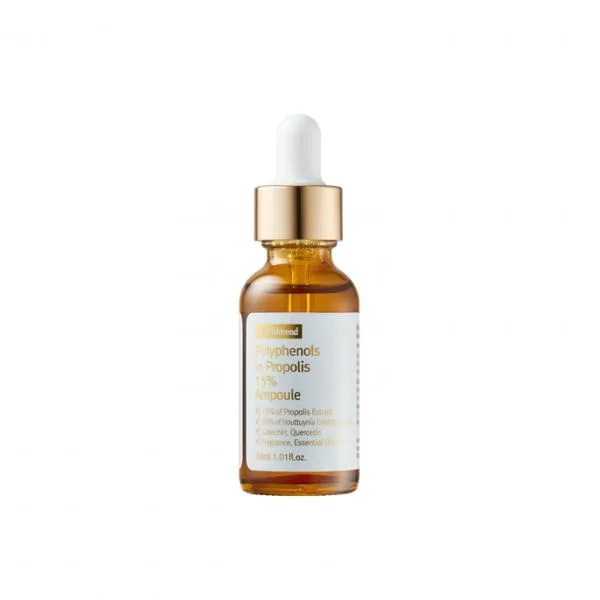
 Polyphenols In Propolis 15% Ampoule
A 15% propolis ampoule that earns its name with a real polyphenol stack — French Auvergne propolis layered over a houttuynia cordata base, with tulsi and pomegranate piling on. It's slightly sticky and not cheap by volume, but for sensitive, breakout-prone skin chasing calm, this is one of the most reliable K-beauty soothers in production.
 Budget Brightening Hero
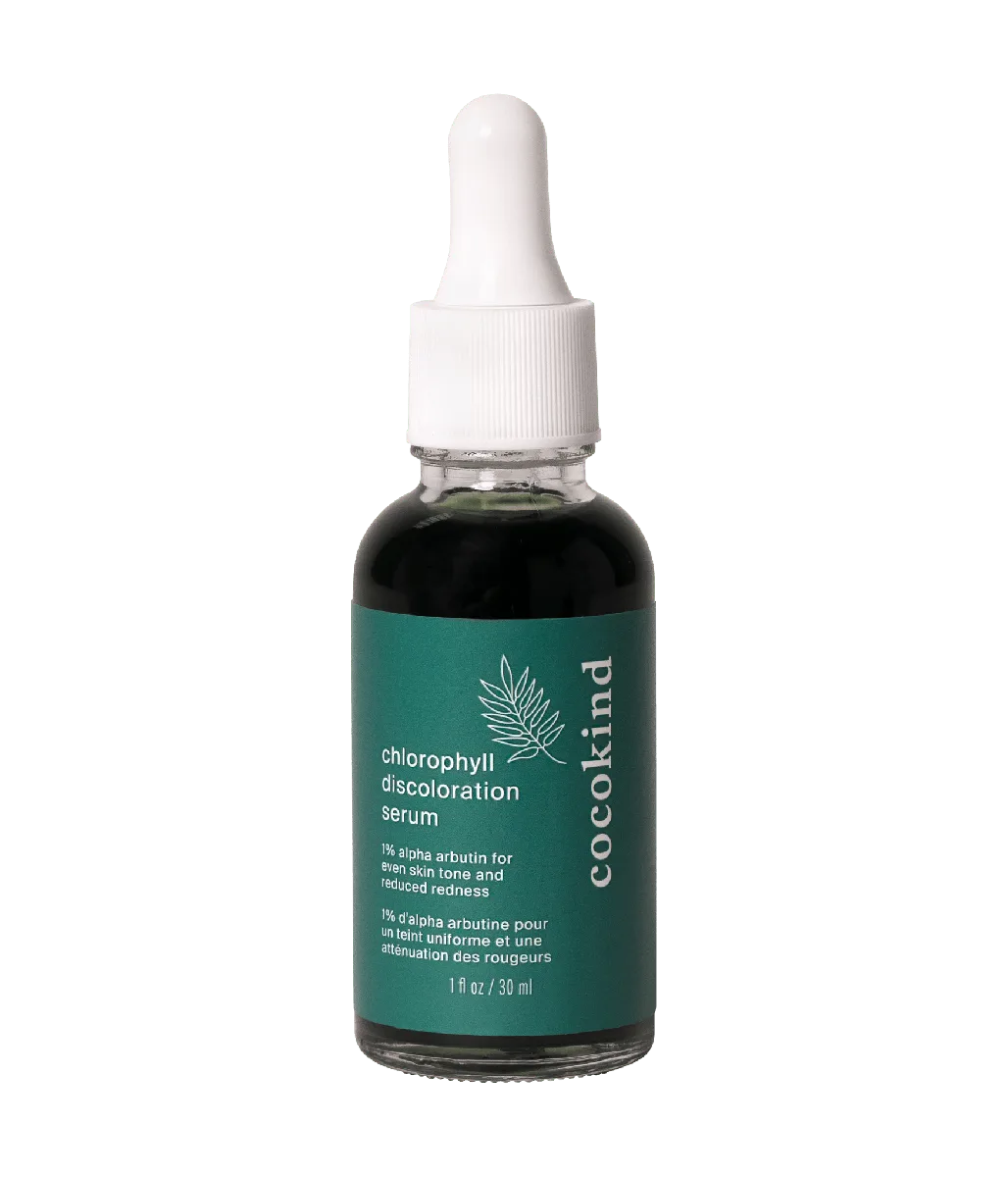
 Chlorophyll Discoloration Serum
A quietly brilliant brightening serum that proves you do not need luxury prices or harsh actives to fade dark spots effectively. The alpha-arbutin and licorice root combination delivers genuine multi-pathway melanin inhibition, the sensitive-skin-friendly formula is impeccable, and $20 makes it accessible to virtually everyone. The chlorophyllin is more marketing differentiator than scientific powerhouse, but it does not hurt anything either.
 The People's HA Serum
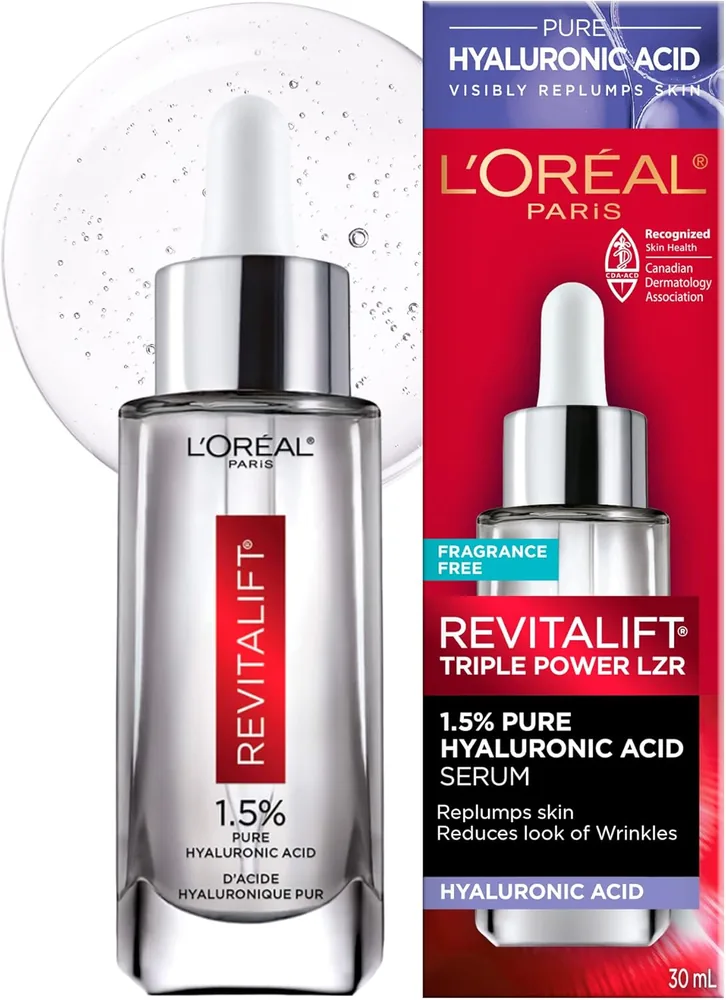
 Revitalift Derm Intensives 1.5% Pure Hyaluronic Acid Serum
A masterclass in minimalist formulation — thirteen ingredients, no filler, four functional actives, and over thirty thousand glowing reviews. L'Oréal's multi-weight HA system delivers genuine hydration at every level of the skin, and the fragrance-free, alcohol-free formula is clean enough for virtually anyone. The drugstore serum that embarrasses its prestige competitors.
 Budget Hydration Holy Grail
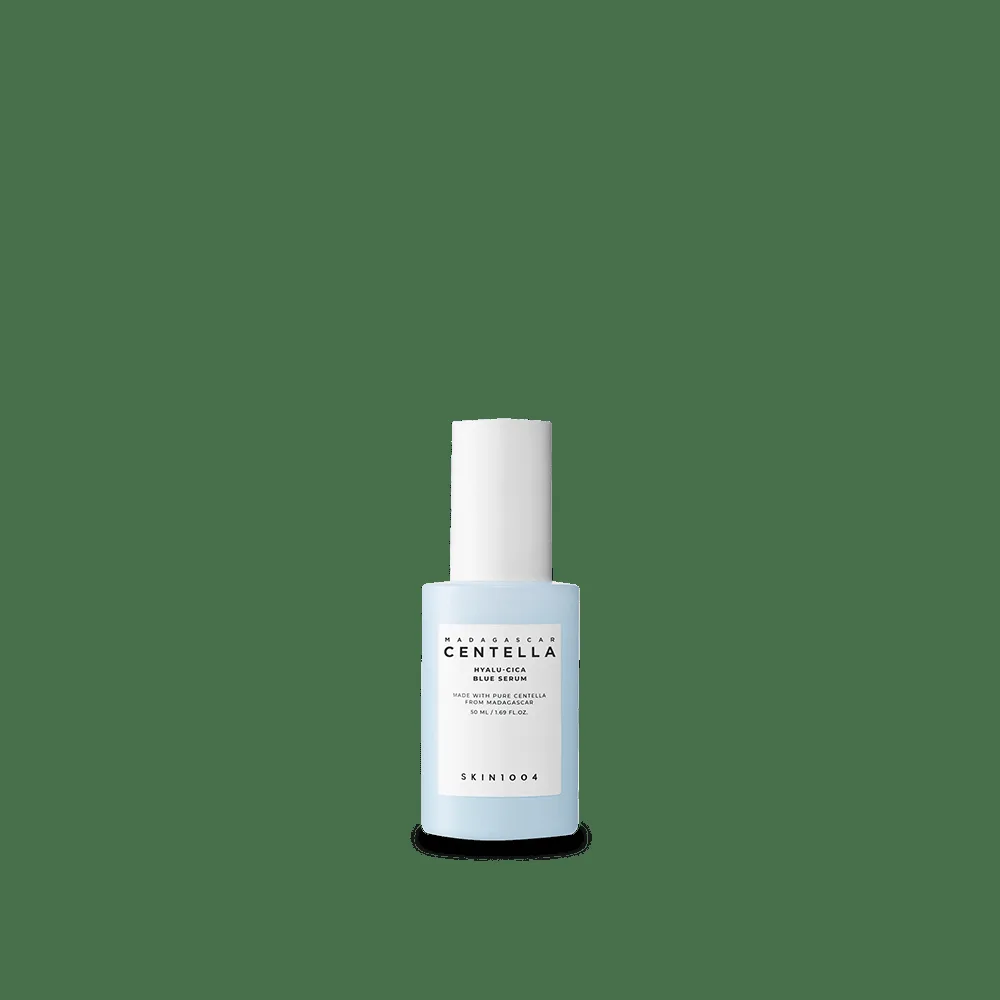
 Hyalu-Cica Blue Serum
A quietly excellent budget serum that stacks Centella asiatica leaf water, five types of hyaluronic acid, niacinamide, ceramide NP, and adenosine into a fragrance-free under-$20 bottle. It is genuinely one of the best hydration-plus-soothing serums at any price, and the fact that it costs less than a salad in Manhattan is the point.
 Sensitive Skin First-Line Defense
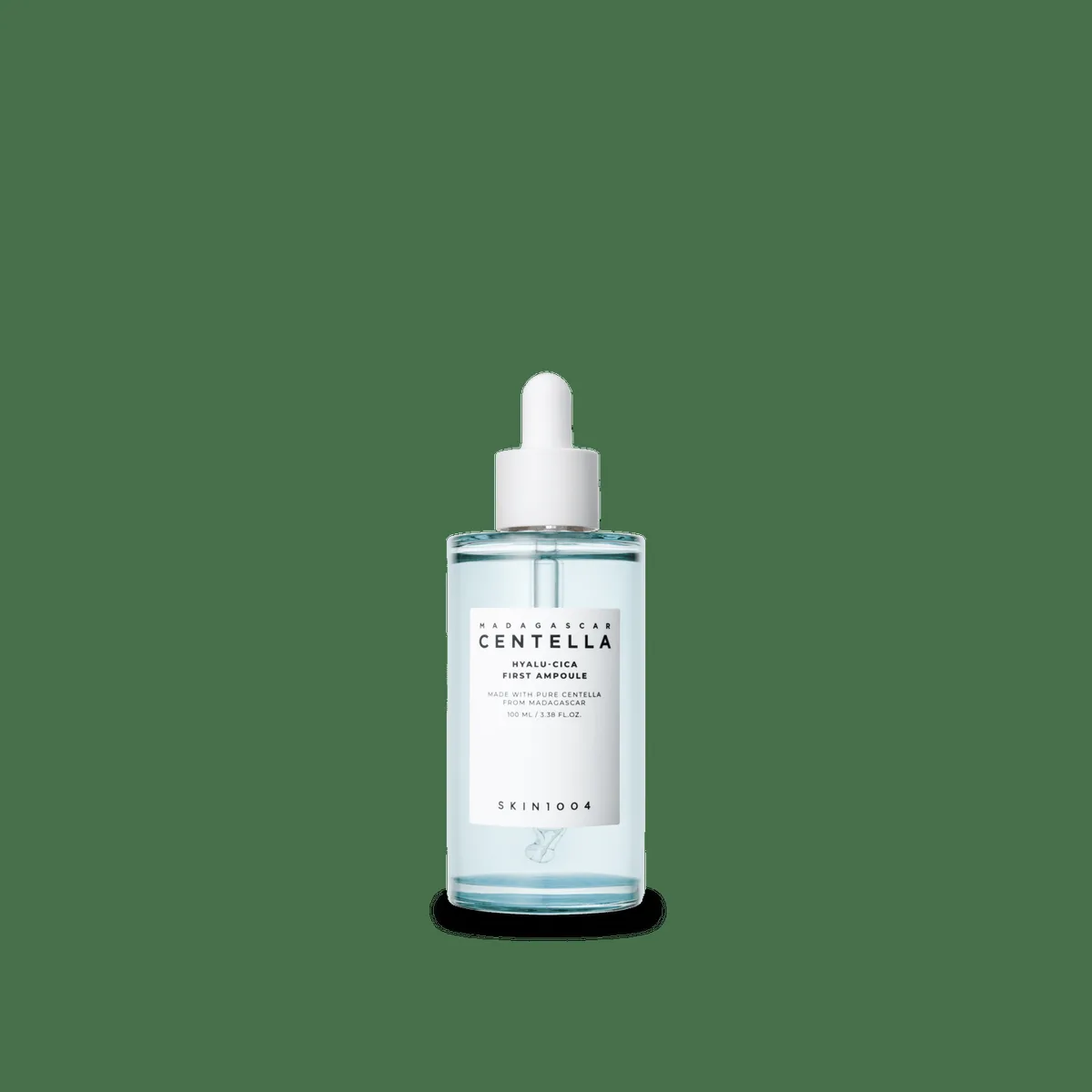
 Hyalu-Cica First Ampoule
A 92% Centella asiatica extract ampoule paired with niacinamide and a multi-weight HA complex, fragrance-free and purpose-built for sensitive, compromised, and reactive skin. At $25 for 100ml, it is one of the most justifiable skincare purchases a budget-conscious buyer can make, and it earns a place in almost any routine that needs a soothing anchor.
 Sensitive Skin MVP
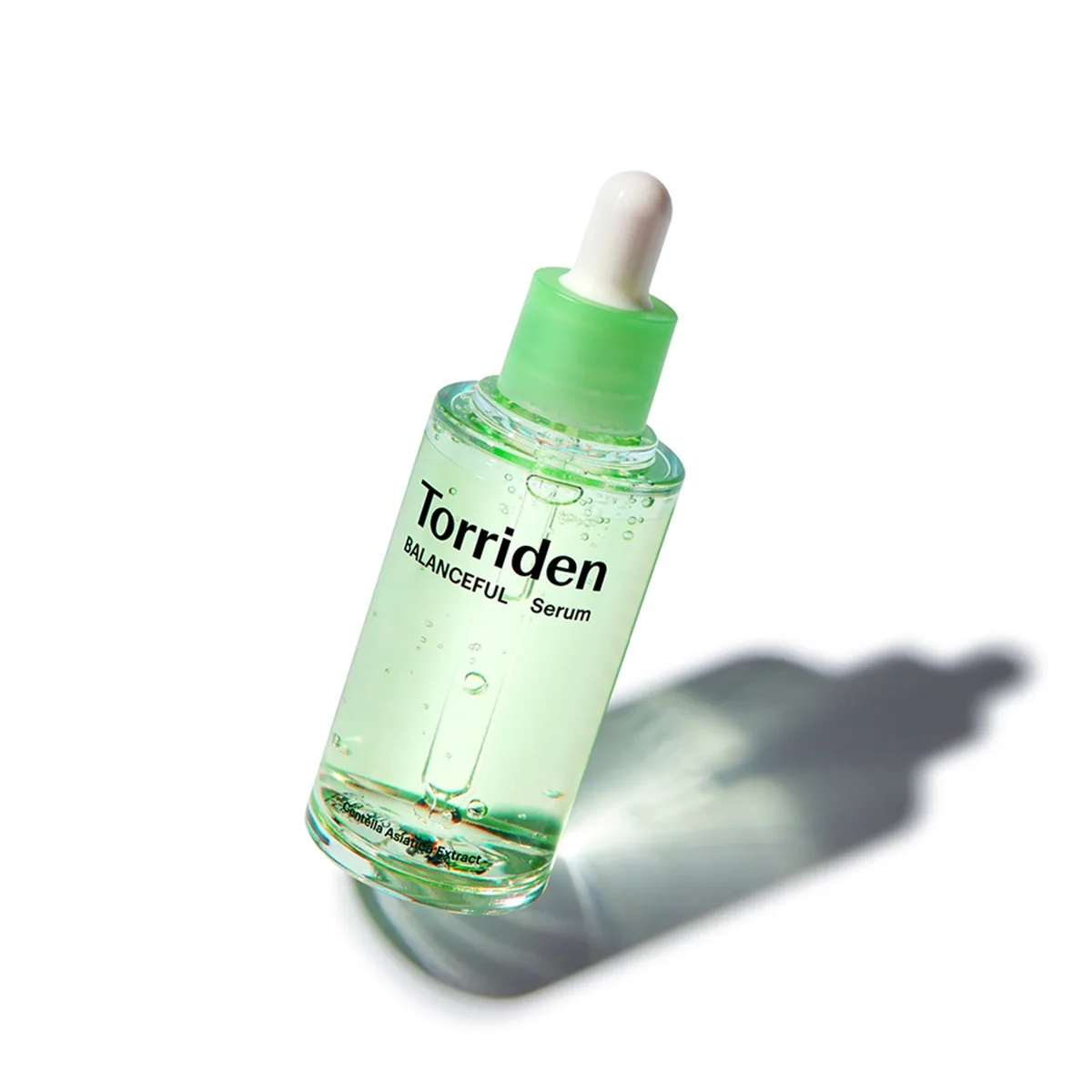
 Balanceful Cica Serum
Torriden's Balanceful Cica Serum is one of the most recommendable calming serums in K-beauty — a genuinely fragrance-free, multi-weight hyaluronic acid and 5D cica complex treatment that quietly reduces redness, supports the barrier, and buffers other actives without drama. At under $25 it's a near-automatic pick for sensitive, rosacea-prone, and barrier-compromised skin.