
The most important skincare product ever made — not because it is exciting, but because it is perfect at its one job. A single ingredient, 156 years of proof, and a price tag that makes it accessible to everyone. Every skincare routine should have a jar of this somewhere nearby.
Original Healing Jelly
The most important skincare product ever made — not because it is exciting, but because it is perfect at its one job. A single ingredient, 156 years of proof, and a price tag that makes it accessible to everyone. Every skincare routine should have a jar of this somewhere nearby.
Score Breakdown
The most studied and effective occlusive in skincare history at a price that borders on absurd. A single ingredient with 150+ years of clinical validation, FDA OTC status, and NEA acceptance. The only limitations are its greasy texture (making daytime use impractical) and the fact that it seals moisture but does not add it — it needs to be layered over hydrating products to work optimally.
Data Confidence: high
This is arguably the most well-studied skincare product in existence. Over 150 years of continuous market presence, 22,000+ reviews across retailers, FDA OTC drug registration, National Eczema Association acceptance, and dozens of peer-reviewed studies on petrolatum's barrier repair mechanisms.
0/100
Overall Score
Ingredient Quality 0
Value for Money 0
Suitability Breadth 0
Irritation Risk (↑ = safer) 0
Assessment
Pros
- Single ingredient eliminates all risk of irritation, allergy, or sensitivity
- The most effective occlusive available — reduces TEWL by up to 98%
- Research proves it actively repairs the barrier rather than just sealing it
- Under $6 for a 13 oz jar lasting 6-12+ months of regular use
- FDA OTC Skin Protectant and NEA Seal of Acceptance
- Versatile — face slugging, lip care, wound care, dry patches, cuticles, heels
- 36-month PAO with functional stability lasting years beyond that
Cons
- Very greasy texture — completely impractical for daytime or under-makeup use
- Does not add moisture — only seals existing hydration (must layer over hydrating products)
- Jar packaging requires finger contact, raising hygiene concerns
- Too heavy and occlusive for oily facial skin or active acne areas
- Can stain pillowcases, clothing, and fabric
- Not cruelty-free under Unilever's animal testing policies
Full Review
In a skincare industry obsessed with innovation — with new actives, novel delivery systems, and ingredient lists that read like chemistry dissertations — there is something almost defiant about a product that has not changed its formula since 1870. Vaseline Original Healing Jelly is 100% white petrolatum. That is it. One ingredient. And after 156 years, no one has invented anything that does its specific job better.
Robert Chesebrough was a chemist who traveled to the oil fields of Titusville, Pennsylvania in 1859 and noticed workers using a waxy residue from the drilling rigs to heal their cuts and burns. He spent years refining a purification process, testing the product on his own deliberately inflicted wounds, and eventually began distributing it under the Vaseline name in 1870. The product sitting in your bathroom today is functionally identical to what Chesebrough sold from his horse-drawn cart in New York City.
What makes petrolatum remarkable is not complexity but thoroughness. As an occlusive, it reduces transepidermal water loss by up to 98% — a figure no other commercially available skincare ingredient can match. But the story goes far deeper than surface sealing. A 1992 study by Ghadially and colleagues in the Journal of the American Academy of Dermatology demonstrated that petrolatum actually permeates into the stratum corneum, integrating into the intercellular lipid bilayer structure and replacing depleted lipids. It does not just sit on top — it fills in the gaps.
Then in 2016, Czarnowicki and colleagues published a landmark study in the Journal of Allergy and Clinical Immunology that dismantled the 'inert barrier' narrative entirely. They showed that petrolatum application upregulates antimicrobial peptides, increases expression of barrier proteins like filaggrin and loricrin, stimulates innate immune genes, and reduces inflammatory T-cell infiltrates in atopic dermatitis skin. Petrolatum is not passive. It actively triggers the skin's own healing mechanisms.
The practical implications are profound. A 1996 JAMA study by Smack and colleagues compared white petrolatum to bacitracin antibiotic ointment in 922 post-surgical patients and found identical infection prevention rates — with zero allergic reactions in the petrolatum group versus a 1% rate with the antibiotic. This study is why dermatologists and surgeons increasingly recommend plain petroleum jelly over Neosporin for wound care. In 2014, Simpson and colleagues published a randomized trial in the Journal of Allergy and Clinical Immunology showing that daily emollient application (including petrolatum) from birth reduced the incidence of atopic dermatitis by 50% in high-risk infants.
The product's modern resurgence owes much to the slugging trend — the practice of applying a thin layer of petroleum jelly as the final step of a nighttime skincare routine to seal in serums and moisturizers. What Reddit's SkincareAddiction community discovered organically, dermatologists had been recommending for decades. The approach works because petroleum jelly creates an environment where the active ingredients underneath can work at maximum concentration without moisture evaporation undermining their effects.
Texturally, there is no way around it: this is a thick, greasy jelly that does not absorb. It sits on the skin as a visible, glossy film. For nighttime use as a facial occlusive or targeted treatment on dry patches, this is a feature. For daytime use or under makeup, it is completely impractical. The jar packaging requires finger contact, which is a hygiene consideration — using the squeeze tube format or a clean spatula solves this.
The product is effectively hypoallergenic in the truest sense. With one active ingredient and no fragrance, preservatives, or common allergens, the risk of a reaction is virtually zero. It holds the National Eczema Association Seal of Acceptance. The American Academy of Dermatology publishes recommended uses. It is registered as an FDA OTC skin protectant — a regulatory designation that means it is classified as a drug, not merely a cosmetic.
At $5.48 for 13 ounces, the value calculation is absurd. A jar lasts six months to a year even with nightly facial use. The cost per application is effectively unmeasurable. For a product backed by more clinical evidence than most prescription skincare, the pricing reflects the raw material cost of purified petrolatum — one of the least expensive effective ingredients in dermatology.
Vaseline Original Healing Jelly will never trend for its aesthetic. It will never win a packaging design award or appear in a luxury beauty flatlay. But it will still be on shelves long after today's viral serums have been reformulated, discontinued, and forgotten. Some products earn their place not through novelty but through the slow accumulation of proof over a century and a half. This is that product.
Formula
Ingredients
The hero actives that drive this product's performance.
| Ingredient | Function | Evidence |
|---|---|---|
| White Petrolatum USP (100%) (100%) | The single active ingredient and the most effective occlusive agent known in skincare. Reduces transepidermal water loss by up to 98%, but its action goes far beyond simple surface sealing — research shows it permeates into the stratum corneum, replaces depleted intercellular lipids, upregulates barrier proteins like filaggrin and loricrin, and stimulates antimicrobial peptide production. This is not an inert barrier — it is a biologically active skin protectant. | well-established |
Full INCI List
White Petrolatum USP (100%), Water
Product Flags
✓ Fragrance Free✓ Alcohol Free✗ Oil Free✓ Silicone Free✓ Paraben Free✓ Sulfate Free✗ Cruelty Free✓ Vegan✗ Fungal Acne Safe
Compatibility
Skin Match
Best For
Works For
Not Ideal For
Addresses These Conditions
dryness eczema compromised skin barrier post procedure winter skin sensitivity
Use With Caution
Routine Step
occlusive
Time of Day
PM
Pregnancy Safe
Yes ✓
Layering Tips
Apply as the last step of your nighttime routine — after cleansing, serums, and moisturizer. A thin layer is all you need; the goal is to seal everything underneath, not to apply a thick mask. For slugging, warm a pea-sized amount between fingertips and press gently over the face. Can also be applied to specific dry patches (lips, elbows, heels, cuticles) any time of day.
Results Timeline
Immediate barrier protection and moisture sealing. Chapped lips and cracked skin show visible improvement within 24-48 hours. Used as a nightly slugging occlusive, skin feels significantly softer and more resilient within 3-5 days. Long-term barrier repair benefits accumulate over 1-2 weeks of consistent use.
Pairs Well With
hyaluronic acid serumsceramide moisturizersgentle cleansersretinoids (as a buffer layer)
Sample AM Routine
- Gentle cleanser
- Moisturizer
- Sunscreen
Sample PM Routine
- Gentle cleanser
- Treatment serums
- Moisturizer
- THIS PRODUCT (thin layer as final occlusive)
Evidence
Science
The Science
Vaseline Original Healing Jelly is supported by what is arguably the most extensive evidence base of any single skincare product. The active ingredient — 100% white petrolatum USP — has been the subject of dermatological research for over a century.
The foundational mechanism study by Ghadially et al. (1992, Journal of the American Academy of Dermatology) demonstrated that petrolatum does not merely form a surface barrier. Using electron microscopy and lipid analysis, they showed petrolatum permeates into the stratum corneum interstices and replaces depleted intercellular lipid bilayers, allowing normal barrier recovery to proceed while maintaining hydration. This challenged the prevailing view that petrolatum was simply an inert seal.
Czarnowicki et al. (2016, Journal of Allergy and Clinical Immunology) expanded this understanding dramatically. In a study of nonlesional atopic dermatitis skin, they demonstrated that petrolatum application upregulates antimicrobial peptide expression (including S100A7 and S100A8/9), increases barrier differentiation markers like filaggrin and loricrin, stimulates innate immune gene expression, and reduces inflammatory T-cell infiltrates. This study established petrolatum as a biologically active agent that triggers the skin's own repair pathways.
Smack et al. (1996, JAMA) provided landmark clinical evidence in a randomized controlled trial of 922 post-surgical patients (1,249 wounds). White petrolatum was equally effective as bacitracin antibiotic ointment for wound infection prevention, with zero allergic contact dermatitis cases in the petrolatum group versus 1% in the antibiotic group. This study fundamentally changed post-operative wound care recommendations.
Simpson et al. (2014, Journal of Allergy and Clinical Immunology) demonstrated in a randomized trial of 124 high-risk neonates that daily full-body emollient application from birth — including petrolatum — reduced the cumulative incidence of atopic dermatitis by 50% at 6 months (RR 0.50, p=0.017). This is among the strongest evidence for eczema prevention through barrier protection.
References
- Effects of petrolatum on stratum corneum structure and function — Journal of the American Academy of Dermatology (1992)
- Petrolatum: Barrier repair and antimicrobial responses underlying this 'inert' moisturizer — Journal of Allergy and Clinical Immunology (2016)
- Infection and allergy incidence in ambulatory surgery patients using white petrolatum vs bacitracin ointment: A randomized controlled trial — JAMA (1996)
- Emollient enhancement of the skin barrier from birth offers effective atopic dermatitis prevention — Journal of Allergy and Clinical Immunology (2014)
Dermatologist Perspective
Dermatologists consider petroleum jelly the reference standard for occlusive moisturization. The American Academy of Dermatology explicitly recommends petroleum jelly for five key uses: moisturizing dry skin, helping injured skin heal, preventing chafing, treating diaper rash, and rehydrating nails and cuticles. Board-certified dermatologists frequently recommend it as the final step in nighttime skincare routines, as a post-procedure wound care agent (increasingly preferred over antibiotic ointments), and as a maintenance therapy for eczema between flares. Its NEA Seal of Acceptance and FDA OTC status reflect institutional-level confidence in its safety and efficacy.
Guidance
Usage Guide
How to Use
For slugging: after completing your nighttime skincare routine (cleanser, serums, moisturizer), warm a pea-sized amount between fingertips and press gently over the face. A thin layer is sufficient. For targeted treatment: apply directly to dry patches, chapped lips, cracked heels, cuticles, or minor cuts and scrapes. For wound care: apply a thin layer to clean, minor wounds to maintain a moist healing environment. For overnight lip repair: apply a generous layer to lips before bed.
Value Assessment
At $5.48 for 13 ounces — or roughly $0.42 per ounce — Vaseline Original Healing Jelly may be the highest-value skincare product in existence when measured by evidence base per dollar. A single jar lasts 6-12 months with regular use, bringing the monthly cost to roughly $0.50-$1.00. This is a product backed by more peer-reviewed research than most prescription skincare ingredients, carrying FDA drug registration and NEA acceptance, available for less than the price of a coffee. The value is not just good — it is historically unprecedented in skincare.
Who Should Buy
Everyone should have a jar of this somewhere. Specifically recommended for anyone practicing nighttime slugging, people with chronically dry or eczema-prone skin, post-procedure wound care, winter lip and hand protection, and anyone who wants the most evidence-backed occlusive available at a negligible price.
Who Should Skip
Those with very oily, acne-prone facial skin should use it cautiously — while petrolatum itself is non-comedogenic, trapping excess sebum under a heavy occlusive layer can worsen breakouts. If you need a product that provides hydration (not just seals it in), this is not a standalone solution — pair it with a hydrating moisturizer or serum.
Ready to try Vaseline Original Healing Jelly?
Details
Details
Texture
Thick, semi-solid jelly that is smooth, translucent, and slightly waxy. Melts on contact with warm skin into a slippery, heavy film. Does not absorb — sits on the surface as an occlusive barrier, which is its intended function.
Scent
Unscented. A very faint, neutral petroleum-like note may be detectable if you smell the jar directly, but it is effectively odorless on the skin.
Packaging
Classic clear or blue-tinted plastic jar with iconic blue screw-on lid. Available in 1.75 oz tube, 3.75 oz jar, 7.5 oz jar, and 13 oz jar. Simple, functional packaging that has remained largely unchanged for decades.
Finish
dewy
What to Expect on First Use
The jelly scoops from the jar as a thick, translucent gel. On the skin, it melts into a heavy, glossy film that does not absorb. This is not a moisturizer in the traditional sense — it is a sealant. Used over a moisturizer at night, the occlusive layer is immediately noticeable. In the morning, skin feels significantly softer and more hydrated than with moisturizer alone.
How Long It Lasts
6-12+ months with typical use for the 13 oz jar, even with nightly slugging
Period After Opening
36 months
Best Season
All Year
Certifications
National Eczema Association Seal of AcceptanceFDA OTC Skin ProtectantTriple PurifiedHypoallergenicHSA/FSA Eligible
Background
The Why
Robert Chesebrough discovered petroleum jelly on oil rigs in Titusville, Pennsylvania in 1859, where oil workers used a rod wax residue to heal cuts and burns. He spent years developing a purification process, eventually patenting it and branding the product as Vaseline in 1870. He reportedly demonstrated its efficacy by cutting and burning himself, then applying the jelly to heal the wounds. The product he created 156 years ago is still sold in essentially the same formulation today — a fact that speaks to the extraordinary staying power of getting a single ingredient right.
About Vaseline Legacy Brand (20+ years)
Vaseline was founded by Robert Chesebrough in 1870, making petroleum jelly one of the oldest branded skincare products in continuous production worldwide. The product is triple-purified using Chesebrough's original process, is FDA-registered as an OTC skin protectant, and carries the National Eczema Association Seal of Acceptance. Over 150 years of clinical and consumer use have established it as the gold standard occlusive in dermatology.
Brand founded: 1870 · Product launched: 1870
Myth vs. Reality
Myths
Myth
Petroleum jelly is made from crude oil and puts toxins on your skin.
Reality
While derived from petroleum, pharmaceutical-grade white petrolatum undergoes Vaseline's triple-purification process to remove all polycyclic aromatic hydrocarbons (PAHs) and impurities. The USP (United States Pharmacopeia) grade designation means it meets strict purity standards. The European Food Safety Authority and FDA both classify purified petrolatum as safe for topical and even food-contact use.
Myth
Vaseline clogs pores and causes acne.
Reality
Petrolatum has a comedogenic rating of 0 in human testing — meaning it does not clog pores. Vaseline's own clinical data confirms this, and dermatologists regularly recommend it for facial slugging. The misconception likely stems from confusing petroleum jelly with comedogenic petroleum derivatives like mineral oil or isopropyl myristate. That said, trapping excess sebum under a heavy occlusive layer can worsen existing acne, which is why it is best used on non-acne-prone skin or as a spot treatment.
Myth
Petroleum jelly is just an inert barrier that does nothing but sit on the skin.
Reality
A 2016 study in the Journal of Allergy and Clinical Immunology proved this wrong definitively. Petrolatum actively upregulates antimicrobial peptides, barrier differentiation markers like filaggrin and loricrin, and innate immune genes. It reduces inflammatory T-cell infiltration in atopic skin. Far from being inert, petrolatum triggers the skin's own repair pathways.
FAQ
FAQ
Is Vaseline safe to use on your face for slugging?
Yes — dermatologists widely endorse petrolatum for facial slugging, and Vaseline's product has a comedogenic rating of 0 in human testing. Apply a thin layer as the last step of your nighttime routine to seal in serums and moisturizers. Those with active acne or very oily skin should approach cautiously, as trapping excess sebum under an occlusive layer may worsen breakouts. For most skin types, it is safe and effective.
Does Vaseline actually heal skin or just protect it?
Both. While it primarily functions as an occlusive barrier, a 2016 study in the Journal of Allergy and Clinical Immunology demonstrated that petrolatum actively upregulates barrier repair proteins (filaggrin, loricrin), antimicrobial peptides, and innate immune genes. It also reduces inflammatory T-cell activity in atopic skin. This means petrolatum triggers the skin's own healing mechanisms — it is biologically active, not inert.
Can Vaseline be used on wounds instead of antibiotic ointment?
Yes — a landmark 1996 JAMA study of 922 post-surgical patients found white petrolatum was equally effective as bacitracin antibiotic ointment for preventing wound infections, with the added benefit of zero allergic reactions versus a 1% allergic contact dermatitis rate with bacitracin. Many dermatologists and surgeons now recommend plain petrolatum over antibiotic ointments for post-operative wound care.
Is Vaseline petroleum jelly safe during pregnancy?
Yes — triple-purified, pharmaceutical-grade petrolatum is considered safe during pregnancy and breastfeeding. It contains no retinoids, no salicylic acid, no active ingredients of concern, and has minimal to zero systemic absorption. Dermatologists routinely recommend it for pregnant patients with dry or irritated skin.
What is the difference between Vaseline and generic petroleum jelly?
Vaseline uses a proprietary triple-purification process dating to 1865 that ensures its petrolatum meets USP pharmaceutical-grade standards. Generic petroleum jelly is also purified but may not undergo the same level of refinement. For most applications, both work similarly, but Vaseline's brand consistency, NEA acceptance, and FDA OTC registration provide additional assurance of purity and quality.
Does Vaseline expire?
Petroleum jelly is extraordinarily stable due to its inert hydrocarbon composition. Vaseline indicates a 3-year best-by date, but properly stored petroleum jelly can remain usable for 5-10+ years. The product contains no water-based ingredients that would support microbial growth, making it one of the most shelf-stable skincare products available.
Community
Community
Common Praise
"Exceptional barrier protection for severely dry and cracked skin"
"Incredibly affordable — under $6 for a jar that lasts months"
"Versatile — lips, cuticles, elbows, heels, post-procedure, slugging"
"Zero irritation risk for virtually all skin types"
"Locks in moisture from other products when used as a final layer"
"Single ingredient means no hidden allergens or sensitizers"
Common Complaints
"Very greasy and sticky — does not absorb into the skin"
"Not practical for daytime use under makeup or clothing"
"Jar packaging requires finger-dipping which raises hygiene concerns"
"Too heavy and occlusive for oily or acne-prone facial skin"
"Does not add moisture itself — only seals existing moisture in"
"Can stain pillowcases and clothing"
Notable Endorsements
National Eczema Association Seal of AcceptanceAmerican Academy of Dermatology recommended usesFDA OTC Skin Protectant registrationPopularized by the 'slugging' skincare trend
Appears In
best body care for dryness best body care for eczema best body care for compromised skin barrier best body care for winter skin best body care for sensitivity
Related Conditions
dryness eczema compromised skin barrier post procedure winter skin sensitivity
Related Ingredients
You Might Also Like
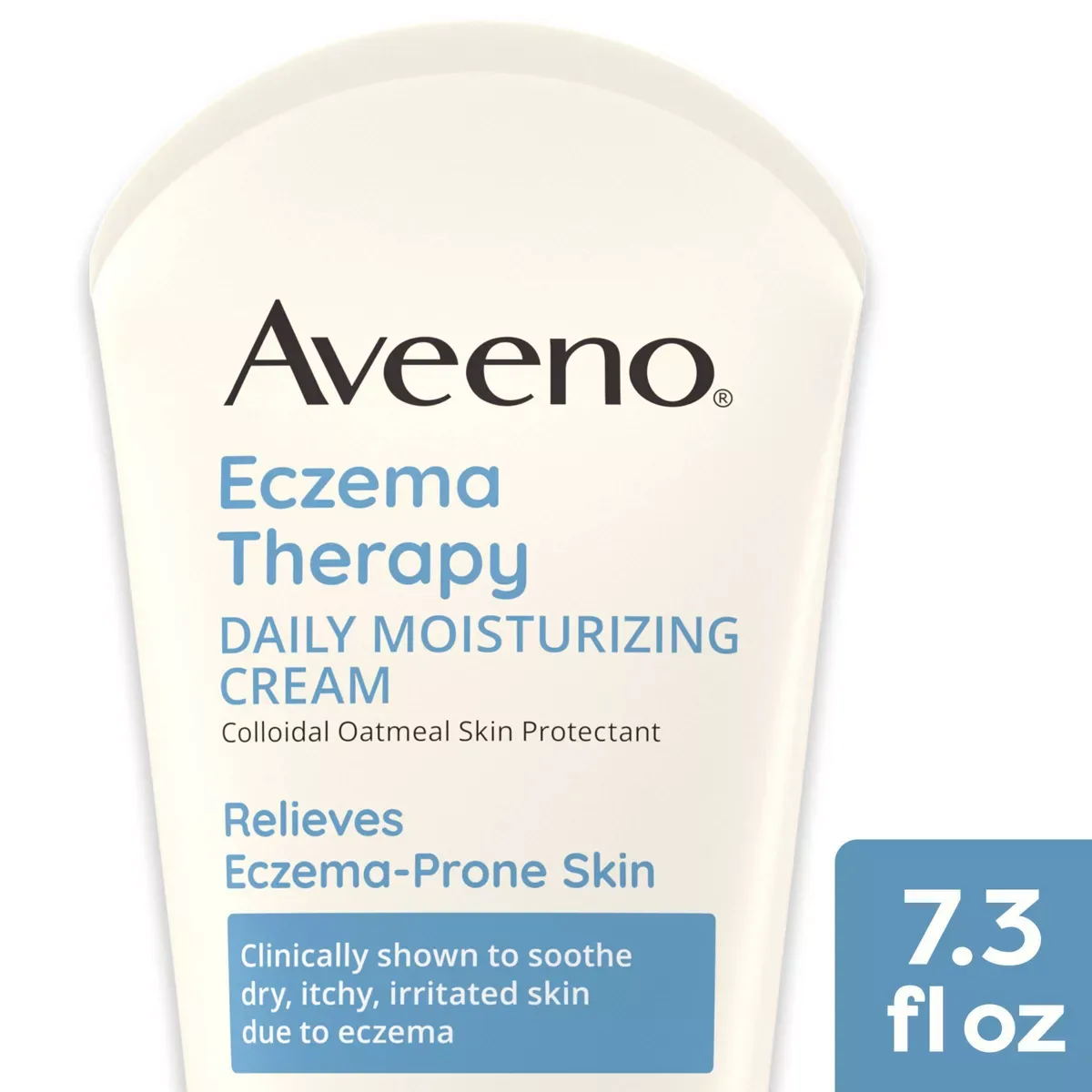 Eczema Gold Standard
 Eczema Therapy Moisturizing Cream
The strongest formulation in Aveeno's lineup for eczema-prone skin, combining FDA-regulated colloidal oatmeal with ceramide NP and panthenol for a multi-mechanism approach to barrier repair. Steroid-free, fragrance-free, and HSA/FSA eligible — this is the drugstore eczema cream dermatologists actually recommend by name.
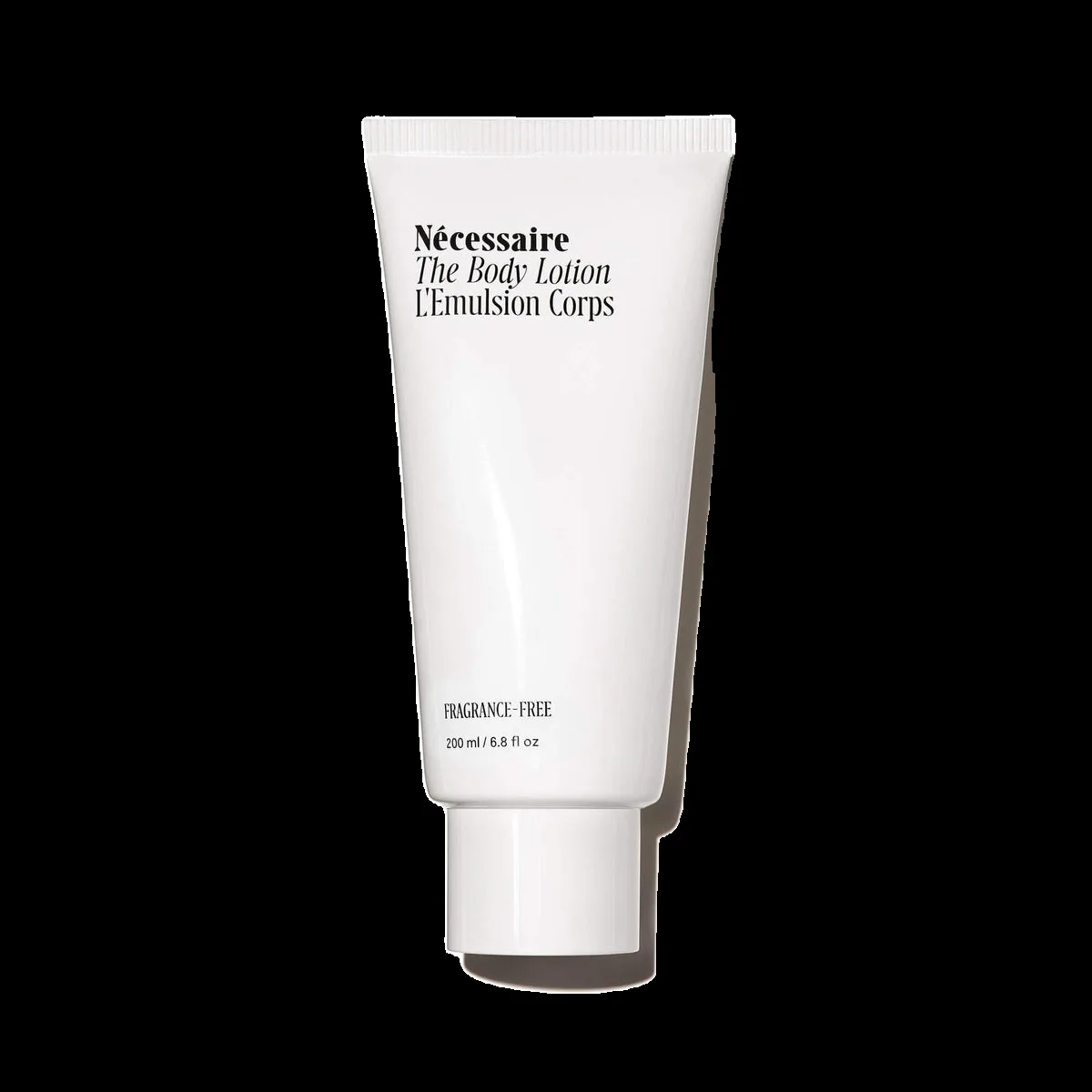 Sensitive Skin MVP
 The Body Lotion Fragrance-Free
The scented version's equal on active ingredients with none of the fragrance risk — and that makes this the better pick for sensitive skin, eczema-prone users, and anyone pregnant who wants to play it safe. At $25 it's still a premium price, but the formula genuinely earns it.
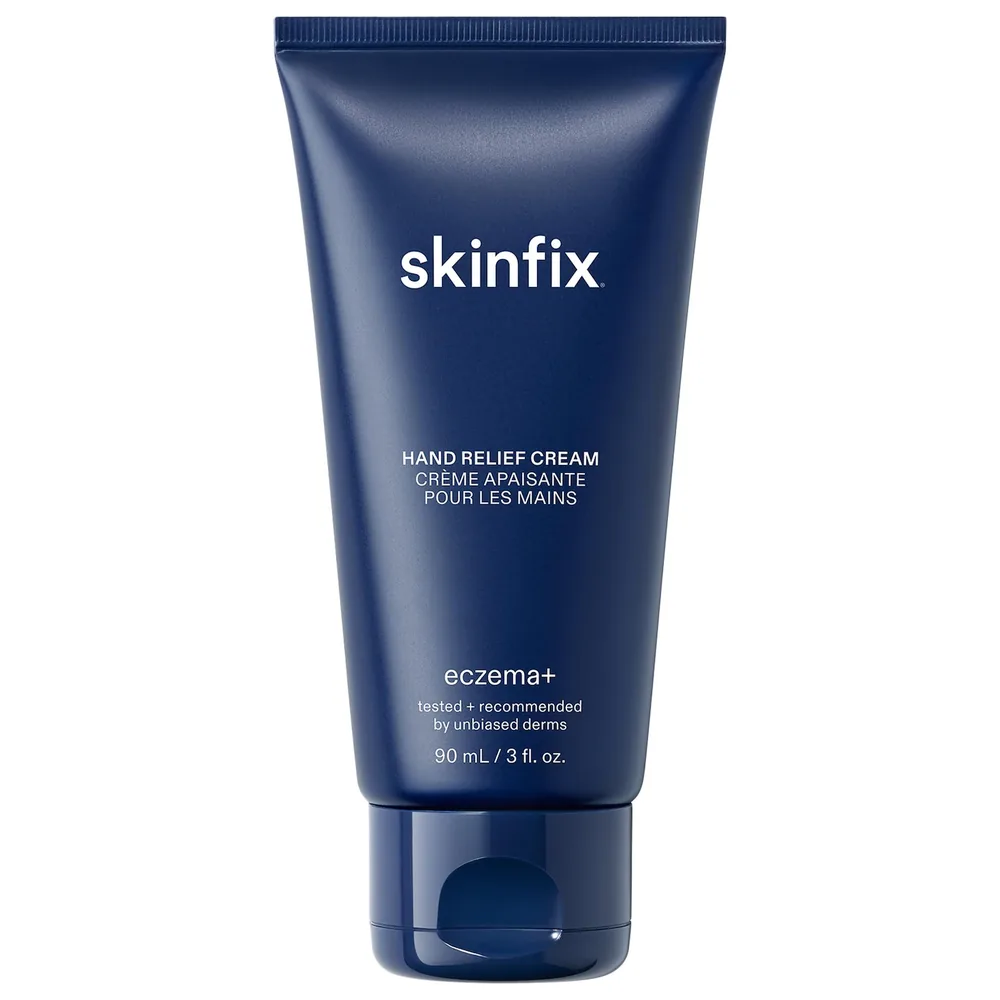 Sensitive Skin MVP
 Eczema+ Hand Repair Cream
A serious, NEA-seal-certified hand cream that treats the underlying mechanism of hand eczema rather than just coating it. Colloidal oatmeal, ceramide-cholesterol lipid repair, and panthenol combine in a texture that actually absorbs fast enough to use at the sink. At eighteen dollars it's genuinely well-priced for what it does.
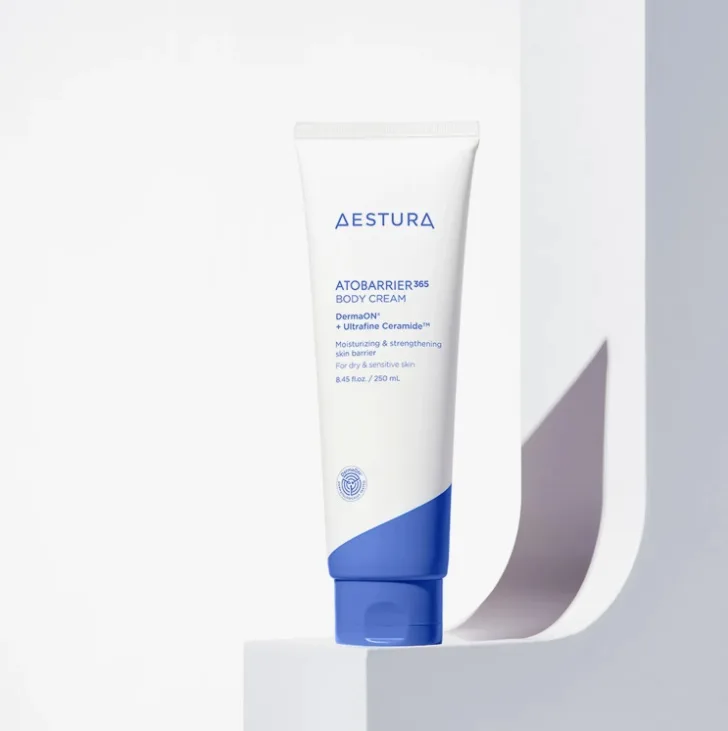 Korean Derm-Clinic Staple
 Atobarrier 365 Body Cream
A genuinely outstanding ceramide-forward body cream from a dermatologist-developed Korean brand with real clinical backing. Fragrance-free, effective for compromised body barriers, and reasonably priced for a 300ml jar — this is one of the better body moisturizers available in the barrier-repair category.
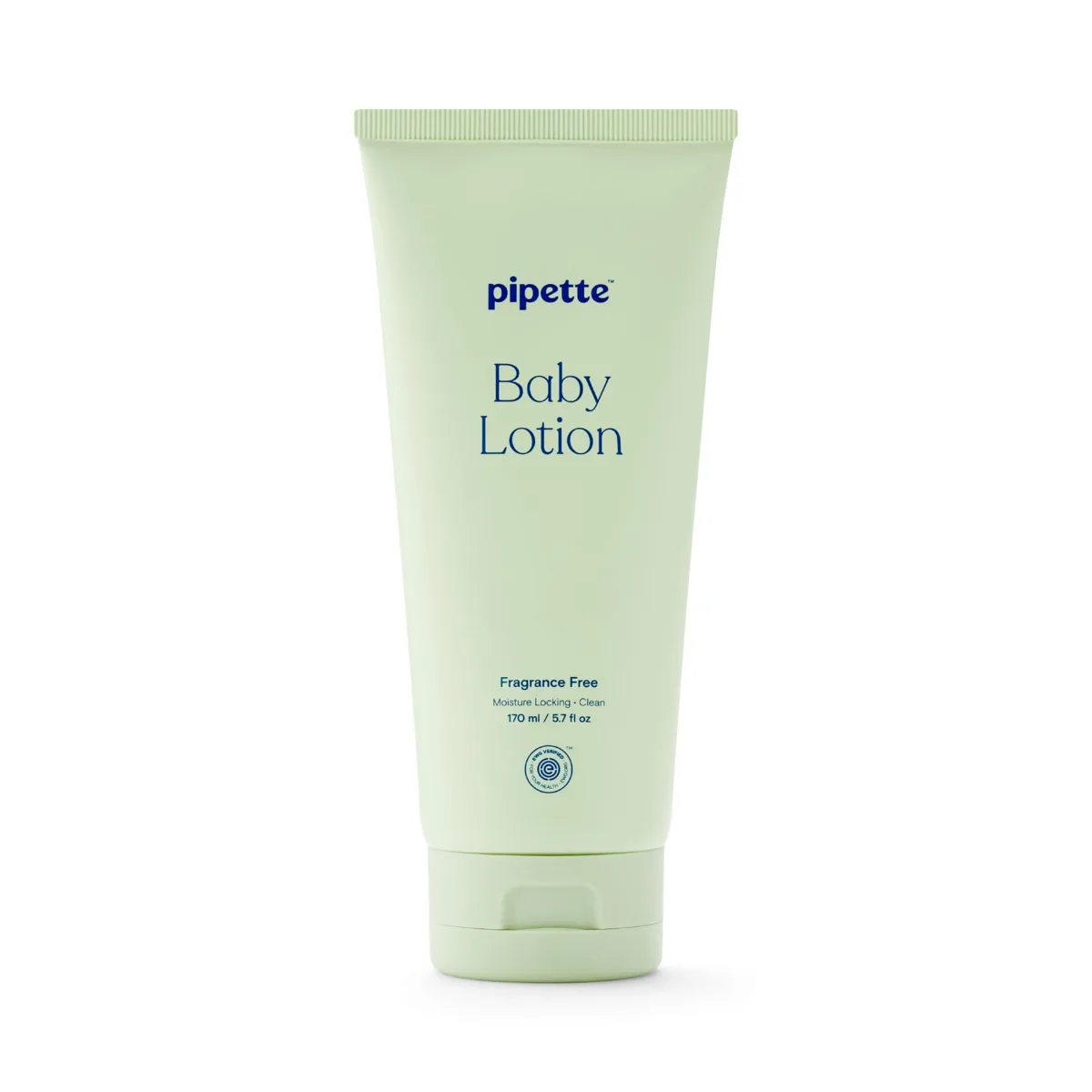 Clean Baby Staple
 Baby Lotion Fragrance Free
A lightweight, biomimetic baby lotion that proves you do not need mineral oil, silicones, or fragrances to deliver serious hydration. The squalane-ceramide-glycerin core provides evidence-based barrier support, and the olive-derived emulsifier system ensures it integrates into skin rather than sitting on top. At under $12 for 5.7 ounces with EWG Verified certification, the value is genuinely remarkable.
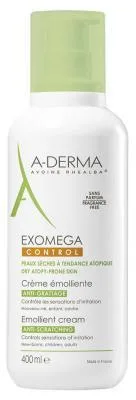 Daily Atopic Companion
 Exomega Control Emollient Cream
The lighter sibling of A-Derma's Exomega Control balm — same Rhealba oat, sunflower oil unsaponifiables, and niacinamide active set, in a cream base that works better for year-round daily use and milder atopic-prone skin. For most adult users and for summer routines, this is the more practical choice of the two Exomega variants.