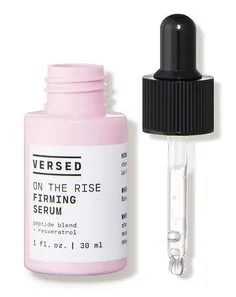
A gentle, beginner-friendly firming serum built around a peptide duo, resveratrol, and the mildest form of topical vitamin A. For users who want a soft introduction to anti-aging actives without irritation, it's a reasonable pick — but results are modest and retinyl palmitate is a much weaker active than a proper retinol at the same price range.
On the Rise Firming Serum
A gentle, beginner-friendly firming serum built around a peptide duo, resveratrol, and the mildest form of topical vitamin A. For users who want a soft introduction to anti-aging actives without irritation, it's a reasonable pick — but results are modest and retinyl palmitate is a much weaker active than a proper retinol at the same price range.
Score Breakdown
Where this product gains points and where it loses them — broken down across the four scoring pillars.
A gentle, beginner-friendly peptide-and-retinyl-palmitate firming serum with a reasonable antioxidant support cast. Loses points because retinyl palmitate is the weakest form of topical vitamin A and the peptide and resveratrol dosing is invisible — results are modest compared to a proper retinol or prescription retinoid at the same price range.
Pros & Cons
- ✓Peptide duo at a reasonable INCI position for a budget firming serum
- ✓Resveratrol at the sixth slot contributes meaningful antioxidant support
- ✓Retinyl palmitate is gentle enough for sensitive beginners
- ✓Fragrance-free and alcohol-free base
- ✓Lightweight texture layers cleanly under moisturizer and sunscreen
- ✓Well-suited to users who have been irritated by traditional retinols
- ✗Retinyl palmitate is the weakest form of topical vitamin A
- ✗Peptide and resveratrol dosing not disclosed
- ✗Results are slow and subtle compared to a real retinol or adapalene
- ✗PEG-40 hydrogenated castor oil makes it not fungal-acne-safe
- ✗Not pregnancy-safe due to the vitamin A derivative content
- ✗Propylene glycol high on the INCI list may sensitize some users
Full Review
Anti-aging skincare has a recurring problem: the ingredients with the best evidence for meaningful results — tretinoin, adapalene, well-formulated retinol, high-strength acids — are also the ingredients most likely to irritate, peel, and drive new users away from the category entirely. The industry response has been to build a whole tier of 'gentle anti-aging' products that use peptides, resveratrol, and the milder vitamin A derivatives, which are tolerable for almost anyone but which also deliver much smaller results. On the Rise sits squarely in that tier. It is one of the more coherently-built examples of the genre, but you should understand what it is before you buy it.
The active story starts with a peptide duo — palmitoyl tripeptide-1 and palmitoyl tetrapeptide-7 — that is a common pairing in firming serums and is sold commercially under the name Matrixyl 3000. The mechanism is that these signal peptides mimic fragments of broken collagen and trigger fibroblasts to produce new collagen in response, with some supporting evidence of reduced inflammatory signaling in the dermis. The published research on this peptide combination is modest but real: several studies have shown measurable improvements in the appearance of fine lines and skin firmness over several months of daily use, generally at concentrations that work out to around three percent in finished products. Versed doesn't disclose the exact dosing here, which is a legitimate complaint, but the peptides are at a reasonable enough position on the INCI list to suggest they are not cosmetic window dressing.
The next interesting inclusion is resveratrol, sitting unusually high at the sixth position on the list. Resveratrol is a polyphenol antioxidant from red grapes with a growing evidence base for topical photoprotection and anti-inflammatory activity. Its inclusion at this concentration — plus the supporting vitamin E duo of tocopherol and tocopheryl acetate — gives the formula a small multi-antioxidant defense system. Not a blockbuster result on its own, but a thoughtful supporting layer.
Then comes retinyl palmitate, and here is where the honest assessment has to get sharper. Retinyl palmitate is the gentlest form of topical vitamin A you can buy, and it is several metabolic steps removed from the active form, retinoic acid. When you apply retinyl palmitate to your skin, your own enzymes have to convert it through retinol, then to retinal, and finally to retinoic acid before it can do anti-aging work. Each conversion step loses efficacy, which means that a retinyl palmitate serum at a given percentage will deliver substantially less active retinoid to your skin than a retinol or prescription retinoid at the same percentage. In published research, retinyl palmitate has the weakest anti-aging evidence of any vitamin A derivative, and dermatologists generally view it as a 'marketing retinoid' — present on the label for the anti-aging association but not doing much of the heavy lifting.
That doesn't make On the Rise a bad product. It makes it a specific kind of product. If you are brand-new to anti-aging skincare, if you have sensitive or reactive skin that has stung with previous retinols, if you want a fragrance-free daily firming step that layers comfortably with other serums and moisturizers, On the Rise is a reasonable and well-tolerated option. It will produce mild improvements in texture, a subtle plumping effect from the humectants, and over two to three months of disciplined daily use, a gentle firming effect that is probably real but that you will not notice dramatically. For the user who wants 'something' rather than 'nothing' and who values daily comfort over dramatic results, this is a fair product.
If, on the other hand, you have normal-to-tolerant skin and you want anti-aging results that are actually visible in the mirror within a few months, On the Rise is a soft pick at the same price range where harder-working products exist. A well-formulated adapalene 0.1 percent gel is available over the counter for a similar price and has decades of clinical evidence for both acne and photoaging. A drugstore retinol at 0.5 to one percent produces visibly more effect than retinyl palmitate. A prescription tretinoin is the most-studied anti-aging ingredient in dermatology history and is not dramatically more expensive once you factor in insurance. None of these are gentle, and none of them are right for every skin type, but for the buyer who wants results, they outperform peptide-plus-retinyl-palmitate serums on the same timeline. Knowing where On the Rise sits on that spectrum is the key to deciding whether it's the right purchase for you.
Application is unremarkable in a good way. The serum is a clear, thin gel that sinks in within about a minute without tingling or residue, and it layers cleanly under moisturizer and sunscreen. There is no sensory drama, no pilling issues, and no fragrance. Used twice daily, it delivers a soft, hydrated finish that is pleasant to wear and that stacks reasonably with other products in a routine. For pregnancy, the retinyl palmitate content disqualifies it — vitamin A derivatives of any form are generally avoided during pregnancy out of caution, even though the systemic absorption from a daily topical is small. For acne-prone fungal skin, the PEG-40 hydrogenated castor oil and polysorbate 20 in the formula mean this is not a fungal-acne-safe product.
On value, twenty-two dollars for one fluid ounce is a fair price for a gentle daily firming serum. A bottle lasts two to three months at twice-daily use. Against more expensive department-store firming serums with similar formulation stories, it's significantly cheaper and holds its own on gentleness. Against better-performing retinol or adapalene products at the same price range, it is the softer, slower, less effective choice. Both of those positionings are valid, and which one is right for you depends entirely on what you're actually trying to accomplish.
Formula
Key Ingredients
The hero actives that drive this product's performance.
| Ingredient | Function | Evidence |
|---|---|---|
| Palmitoyl Tripeptide-1 and Palmitoyl Tetrapeptide-7 | A signal-peptide duo commonly known as the 'Matrixyl 3000' system, positioned to support collagen production and reduce inflammatory signaling in the dermis. This specific pair has some published support for improvement in fine lines and skin firmness with daily use over several months, and is the central active story of this firming serum. | promising |
| Resveratrol | A polyphenol antioxidant from red grapes that sits unusually high on this INCI list — sixth position — suggesting a meaningful concentration. It provides free-radical protection against environmental stressors and mild anti-inflammatory support alongside the peptides. | promising |
| Retinyl Palmitate | The gentlest form of topical vitamin A, several steps removed from active retinoic acid and significantly less potent than retinol or tretinoin. Its inclusion here is consistent with a 'firming serum for users new to vitamin A' positioning rather than a serious anti-aging treatment — it contributes mild cell-turnover support without the irritation of stronger retinoids. | limited |
| Sodium Ascorbyl Phosphate | A stable vitamin C derivative that converts to ascorbic acid in the skin, providing mild antioxidant and brightening support. It sits low on the INCI list, so its contribution is supportive rather than headline-level — it is not positioned as the main active. | limited |
| Sodium Hyaluronate | The water-phase humectant that provides baseline hydration and a soft, plumping feel at the surface. It ensures the serum doesn't feel stripping and supports the immediate tighter, smoother appearance the product is pitched on. | well-established |
| Tocopherol | Natural vitamin E, included alongside tocopheryl acetate as an antioxidant support layer. Works with resveratrol to provide a small multi-antioxidant defense against environmental stressors. | well-established |
Full INCI List
Water, Propylene Glycol, Glycerin, Propanediol, Butylene Glycol, Resveratrol, Palmitoyl Tripeptide-1, Palmitoyl Tetrapeptide-7, Retinyl Palmitate, Tocopheryl Acetate, Tocopherol, Sodium Hyaluronate, Citric Acid, Phenoxyethanol, PEG-40 Hydrogenated Castor Oil, Polyacrylate Crosspolymer-6, Sodium Ascorbyl Phosphate, Xanthan Gum, Trisodium Ethylenediamine Disuccinate, 1,2-Hexanediol, Carbomer, Sodium Metabisulfite, Polysorbate 20, Sodium Lactate
Product Flags
✓ Fragrance Free✓ Alcohol Free✓ Oil Free✓ Silicone Free✓ Paraben Free✓ Sulfate Free✓ Cruelty Free✓ Vegan✗ Fungal Acne Safe
Potential Irritants
Propylene GlycolPEG-40 Hydrogenated Castor OilRetinyl PalmitatePhenoxyethanol
Compatibility
Skin Match
Best For
Works For
Not Ideal For
Addresses These Conditions
Use With Caution
sensitivity compromised skin barrier
Routine Step
serum
Time of Day
AM & PM
Pregnancy Safe
No ✗
Layering Tips
Apply after cleansing and before moisturizer, morning and night. Safe to layer with hydrating serums and most non-retinoid actives. Avoid using alongside a stronger retinol on the same night.
Results Timeline
Mild immediate smoothing and plumping from the humectant base. Subtle firmness improvement after 8-12 weeks of consistent daily use. This is a slow, cumulative product, not a dramatic one.
Pairs Well With
hydrating tonersniacinamide serumsceramide moisturizersmineral sunscreens
Conflicts With
high-strength retinols on the same nightAHAs or BHAs in the same routine
Sample AM Routine
- Gentle cleanser
- Versed On the Rise Firming Serum
- Moisturizer
- Sunscreen
Sample PM Routine
- Gentle cleanser
- Versed On the Rise Firming Serum
- Moisturizer
Evidence
Who Should Skip
- Retinyl palmitate is the weakest form of topical vitamin A
- Peptide and resveratrol dosing not disclosed
- Results are slow and subtle compared to a real retinol or adapalene
- PEG-40 hydrogenated castor oil makes it not fungal-acne-safe
Science & Expert Perspective
The Science
The peptide combination in On the Rise — palmitoyl tripeptide-1 and palmitoyl tetrapeptide-7, together known as Matrixyl 3000 — has some supporting research for improvements in fine lines and skin firmness. A study published in the International Journal of Cosmetic Science and cited in dermatology reviews demonstrated measurable improvements in wrinkle depth and skin tonicity with Matrixyl 3000 over several months of daily application. The mechanism involves signal-peptide mimicry of broken collagen fragments, which stimulates fibroblast activity and new collagen synthesis, and is one of the better-documented peptide approaches in cosmetic science.
Resveratrol has an expanding research base for topical photoprotection and anti-inflammatory activity. Studies published in Experimental Dermatology and other journals have shown that topical resveratrol provides measurable antioxidant protection against UV-induced free radicals and may reduce inflammatory signaling in photoaged skin. Its position at the sixth slot on this formula is high for a resveratrol-containing serum and suggests a functional rather than decorative inclusion.
The retinyl palmitate evidence base is the weakest of the vitamin A derivatives. Published comparative research on topical vitamin A forms has consistently shown retinoic acid as the most effective, retinol as the best-studied over-the-counter option, retinaldehyde as an intermediate, and retinyl palmitate as the gentlest but significantly less efficacious on anti-aging endpoints. The FDA has recognized retinol for OTC cosmetic use but retinyl palmitate is generally viewed in the dermatology literature as a weak anti-aging ingredient. The inclusion here is consistent with a gentle beginner positioning rather than a serious anti-aging mechanism.
The overall formulation — peptides plus antioxidants plus a gentle vitamin A derivative in a humectant-heavy base — is coherent for a soft-introduction firming serum. It is not a formulation strategy that will match the results of a well-formulated retinol or a prescription retinoid, and the honest science assessment is that it is more supportive than transformative.
Dermatologist Perspective
Dermatologists generally view peptide-and-retinyl-palmitate serums like Versed On the Rise as reasonable soft-introduction products for patients who are new to anti-aging actives, have sensitive or reactive skin, or are not comfortable with the irritation profile of stronger retinoids. Board-certified dermatologists frequently note that retinyl palmitate is the weakest form of topical vitamin A and that meaningful anti-aging results in clinical populations are typically associated with retinol, retinaldehyde, tretinoin, or adapalene rather than retinyl palmitate. The typical clinical guidance is that a product like this is appropriate for daily maintenance and gentle early-stage use, but that patients seeking significant improvement in photoaging, fine lines, or skin laxity should progress to a retinol or prescription retinoid when their skin can tolerate it. Dermatologists also emphasize that peptide serums work on a multi-month timeline and that expectations should be calibrated accordingly. This product is avoided during pregnancy because of the vitamin A derivative content.
Guidance
Usage Guide
How to Use
After cleansing, apply three to five drops to clean, dry skin and pat evenly across the face, avoiding the eye area. Follow with moisturizer. In the morning, always follow with a broad-spectrum sunscreen — vitamin A derivatives mildly increase photosensitivity. Use twice daily for best results, though once-daily evening use is a reasonable starting point. Avoid layering with a stronger retinol on the same night. Do not use during pregnancy or breastfeeding. Store away from direct sunlight and heat. Patch test on the jawline before the first full-face application.
Value Assessment
At around twenty-two dollars for one fluid ounce, On the Rise is fairly priced for a gentle daily firming serum with a peptide and resveratrol story. A bottle lasts two to three months at twice-daily use. The value question is not about the price itself but about the opportunity cost: for the same price, a well-formulated drugstore retinol or an over-the-counter adapalene gel will deliver meaningfully stronger anti-aging results for users whose skin can tolerate them, and a fragrance-free ceramide moisturizer with niacinamide covers most of what On the Rise does for sensitive skin without the vitamin A concern. The serum makes sense as a dedicated pick for sensitive beginners, and it is hard to justify as an upgrade for anyone already running a more active routine.
Who Should Buy
Users with normal, combination, or dry skin who are new to anti-aging actives and want a gentle, daily-use firming serum that won't sting or peel. A reasonable pick for sensitive-skinned users who have been irritated by traditional retinols and want a softer vitamin A derivative, and for anyone looking for a beginner-friendly introduction to the category.
Who Should Skip
Users with normal, tolerant skin who want meaningful anti-aging results — a proper retinol, over-the-counter adapalene, or prescription tretinoin will deliver much more at similar or lower prices. Anyone pregnant or breastfeeding. Users specifically managing fungal acne, because of the PEG-40 hydrogenated castor oil and polysorbate 20 content.
Ready to try Versed On the Rise Firming Serum?
Details
Details
Texture
Clear, lightweight gel-serum that spreads easily and absorbs without residue.
Scent
Fragrance-free with a faint neutral scent.
Packaging
1 fl oz glass dropper bottle.
Finish
lightweightfast-absorbing
What to Expect on First Use
On first use, expect a thin, clear gel-serum that sinks in within about a minute with no tingling, no scent, and no immediate drama. Over the first week of daily use, skin feels marginally softer and looks slightly more hydrated. Meaningful changes in firmness or fine lines take two to three months of consistent use.
How Long It Lasts
A 1 fl oz bottle typically lasts 2-3 months with daily morning and evening use.
Period After Opening
12 months
Best Season
All Year
Background
The Why
On the Rise launched as part of Versed's original 2019 catalog as the brand's answer to users who wanted to start using firming ingredients but didn't want to commit to a stinging retinol or an irritating acid. Its layered peptide-and-gentle-vitamin-A approach was pitched as a daily-use alternative to stronger products, and the formula has remained in the brand's core lineup largely unchanged.
About Versed Established Brand (5–20 years)
Versed launched in 2019 with On the Rise as one of its original firming serums. The brand does not publish peer-reviewed efficacy data, and this particular formula leans on peptides, resveratrol, and a gentler retinyl palmitate rather than more aggressive retinoids. The ingredient story is competent for the price, but the peptide and vitamin A dosing is invisible to consumers.
Brand founded: 2019 · Product launched: 2019
Myth vs. Reality
Myths & Misconceptions
Myth
Retinyl palmitate works the same as retinol.
Reality
It doesn't. Retinyl palmitate is several metabolic steps removed from retinoic acid — the active form of vitamin A — and has to be converted through retinol and retinal before it reaches the active form. By the time that conversion happens, the effective dose is much smaller than what you'd get from a retinol product of the same labeled strength. It is gentler, and it is also less effective.
Myth
Peptides in a daily serum deliver dramatic anti-aging results.
Reality
Peptides can contribute real but modest improvements in skin firmness and the appearance of fine lines over months of daily use. They do not match the evidence base of tretinoin, adapalene, or well-formulated retinols for serious anti-aging endpoints. Peptide serums are supportive, not transformative.
FAQ
Frequently Asked Questions
Does Versed On the Rise Firming Serum actually work?
It produces subtle, cumulative improvements in skin texture, hydration, and perceived firmness over two to three months of daily use. The results are real but modest — this is not a substitute for a well-formulated retinol or a prescription retinoid if you want meaningful anti-aging effects.
Is Versed On the Rise a retinol serum?
No. It contains retinyl palmitate, which is the gentlest and least potent form of topical vitamin A. Retinyl palmitate converts through several metabolic steps before reaching active retinoic acid, so its effect is much milder than retinol or prescription retinoids of the same labeled strength.
Can I use Versed On the Rise during pregnancy?
No. The retinyl palmitate content means this serum is generally avoided during pregnancy. If you are pregnant or breastfeeding and want a firming serum, look for a peptide-only formulation with no vitamin A derivatives, or ask your obstetrician for specific guidance.
How long does Versed On the Rise take to work?
Most users start to notice mild improvements in skin texture and hydration within the first two weeks, but meaningful firmness and fine-line results take 8-12 weeks of consistent twice-daily use. Peptide serums are slow and cumulative — patience is the entire point.
Can I use Versed On the Rise with retinol?
You can, but not on the same night. Layering a retinyl palmitate serum with a retinol adds vitamin A exposure from both products and increases irritation risk. If you are already using a retinol, On the Rise is either unnecessary or should be used on alternating nights at most.
Is Versed On the Rise good for sensitive skin?
Yes, relatively. The retinyl palmitate is the gentlest vitamin A derivative, and the formula is fragrance-free and alcohol-free. It is one of the more forgiving anti-aging serums at this price point for sensitive skin, though users should still patch test before daily use.
What is the difference between Versed On the Rise and a retinol?
On the Rise uses retinyl palmitate, which is gentler but much less potent than retinol. Retinol is one step closer to the active form of vitamin A and produces stronger anti-aging effects at the cost of more irritation. On the Rise is a soft introduction; a retinol is the real next step if you want dramatic results.
Community
Community Voices
Common Praise
"Gentle enough for daily use"
"Nice texture and layers well"
"Fragrance-free formula"
"Affordable firming serum option"
Common Complaints
"Results are subtle and slow to appear"
"Retinyl palmitate is a weak form of vitamin A"
"Peptide concentration is not disclosed"
"Not suitable during pregnancy because of the vitamin A content"
Notable Endorsements
Featured in editorial 'gentle anti-aging' roundups at launchRecurring Target beauty staff-pick
Appears In
best beginner firming serum best gentle anti aging serum best drugstore peptide serum best firming serum for sensitive skin best budget anti aging serum
Related Conditions
Related Ingredients
You Might Also Like
 Sensitive Skin Soother
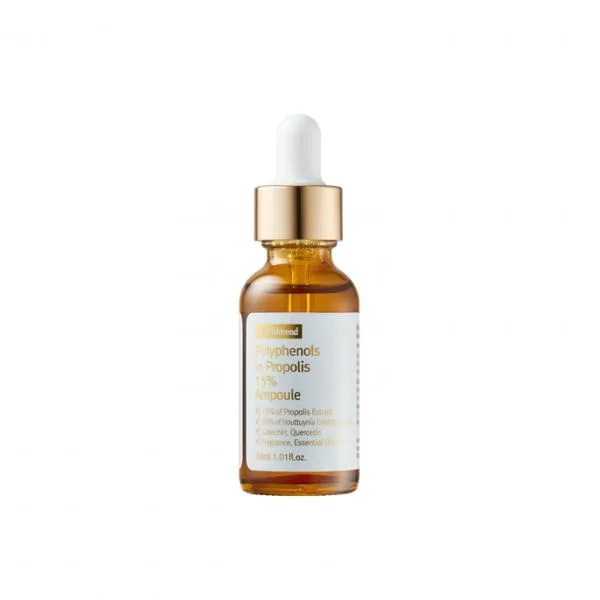
 Polyphenols In Propolis 15% Ampoule
A 15% propolis ampoule that earns its name with a real polyphenol stack — French Auvergne propolis layered over a houttuynia cordata base, with tulsi and pomegranate piling on. It's slightly sticky and not cheap by volume, but for sensitive, breakout-prone skin chasing calm, this is one of the most reliable K-beauty soothers in production.
 Budget Brightening Hero
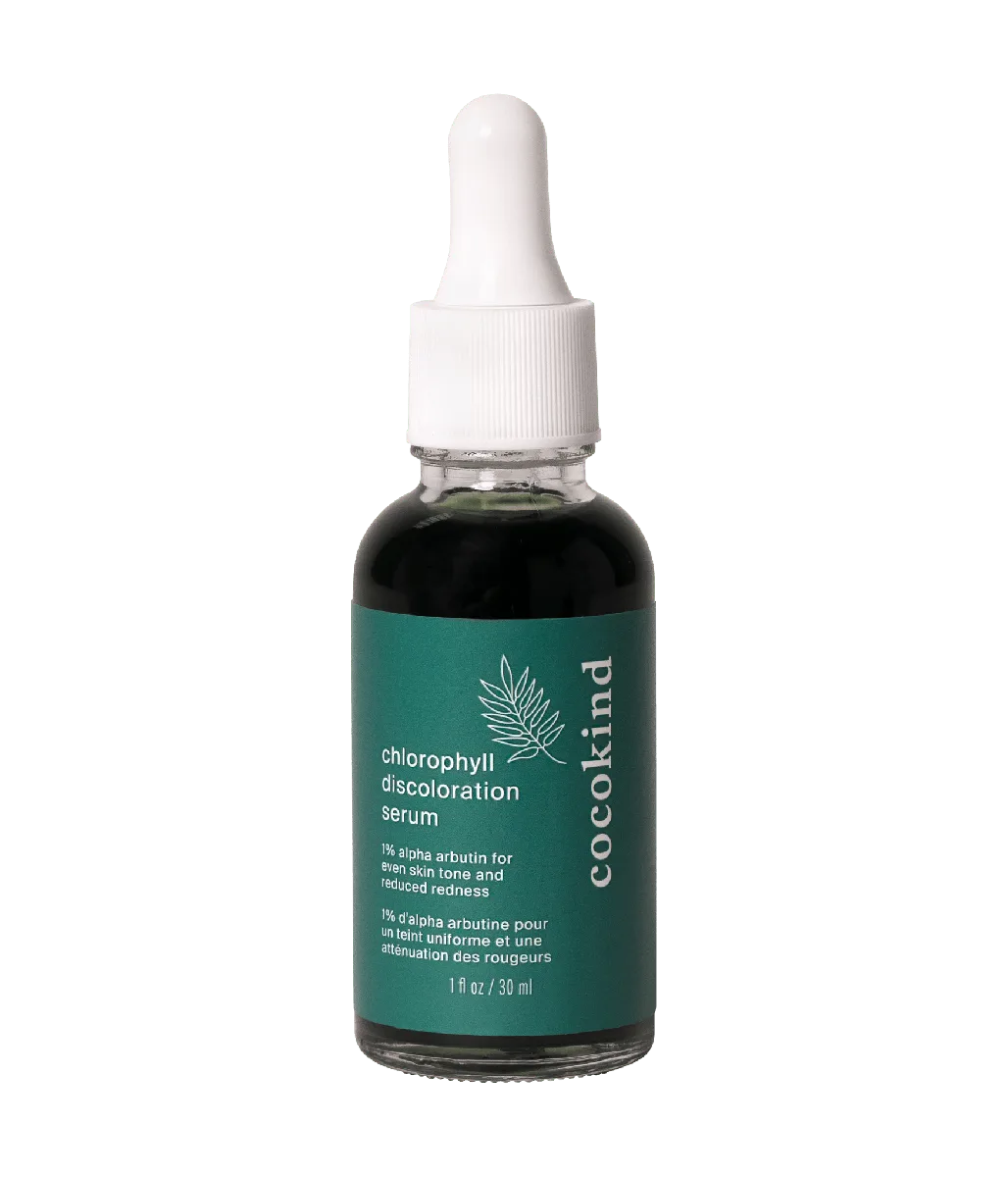
 Chlorophyll Discoloration Serum
A quietly brilliant brightening serum that proves you do not need luxury prices or harsh actives to fade dark spots effectively. The alpha-arbutin and licorice root combination delivers genuine multi-pathway melanin inhibition, the sensitive-skin-friendly formula is impeccable, and $20 makes it accessible to virtually everyone. The chlorophyllin is more marketing differentiator than scientific powerhouse, but it does not hurt anything either.
 The People's HA Serum
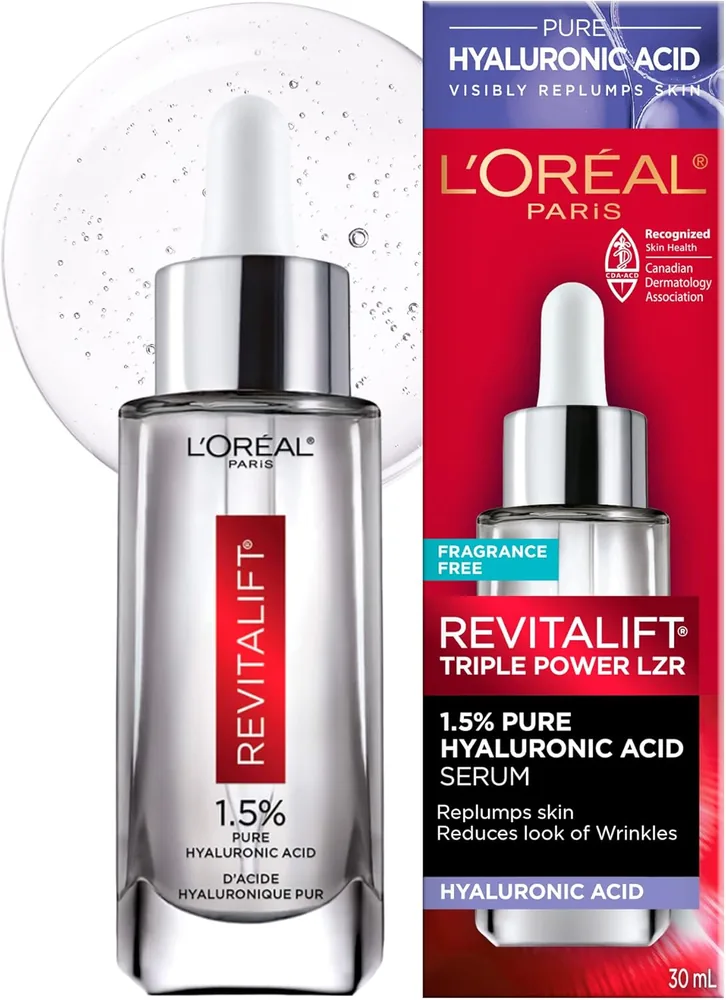
 Revitalift Derm Intensives 1.5% Pure Hyaluronic Acid Serum
A masterclass in minimalist formulation — thirteen ingredients, no filler, four functional actives, and over thirty thousand glowing reviews. L'Oréal's multi-weight HA system delivers genuine hydration at every level of the skin, and the fragrance-free, alcohol-free formula is clean enough for virtually anyone. The drugstore serum that embarrasses its prestige competitors.
 Budget Hydration Holy Grail
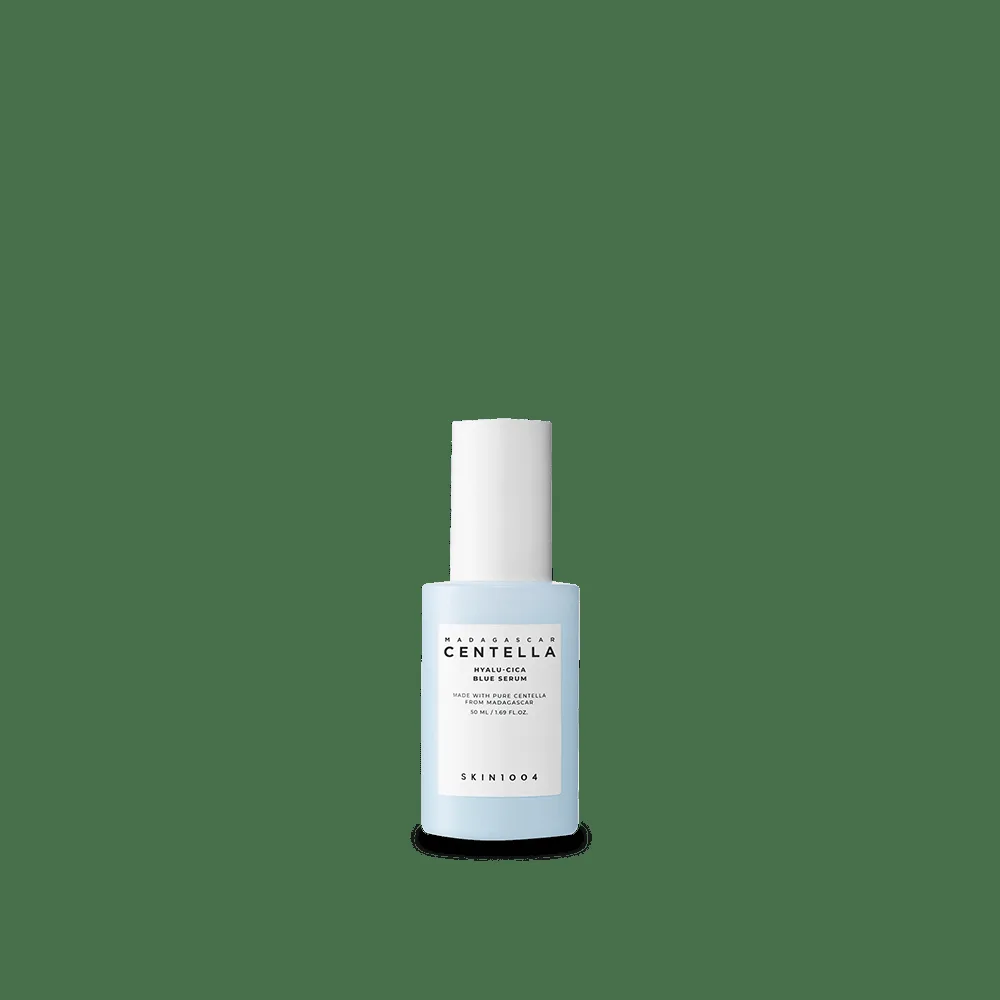
 Hyalu-Cica Blue Serum
A quietly excellent budget serum that stacks Centella asiatica leaf water, five types of hyaluronic acid, niacinamide, ceramide NP, and adenosine into a fragrance-free under-$20 bottle. It is genuinely one of the best hydration-plus-soothing serums at any price, and the fact that it costs less than a salad in Manhattan is the point.
 Sensitive Skin First-Line Defense
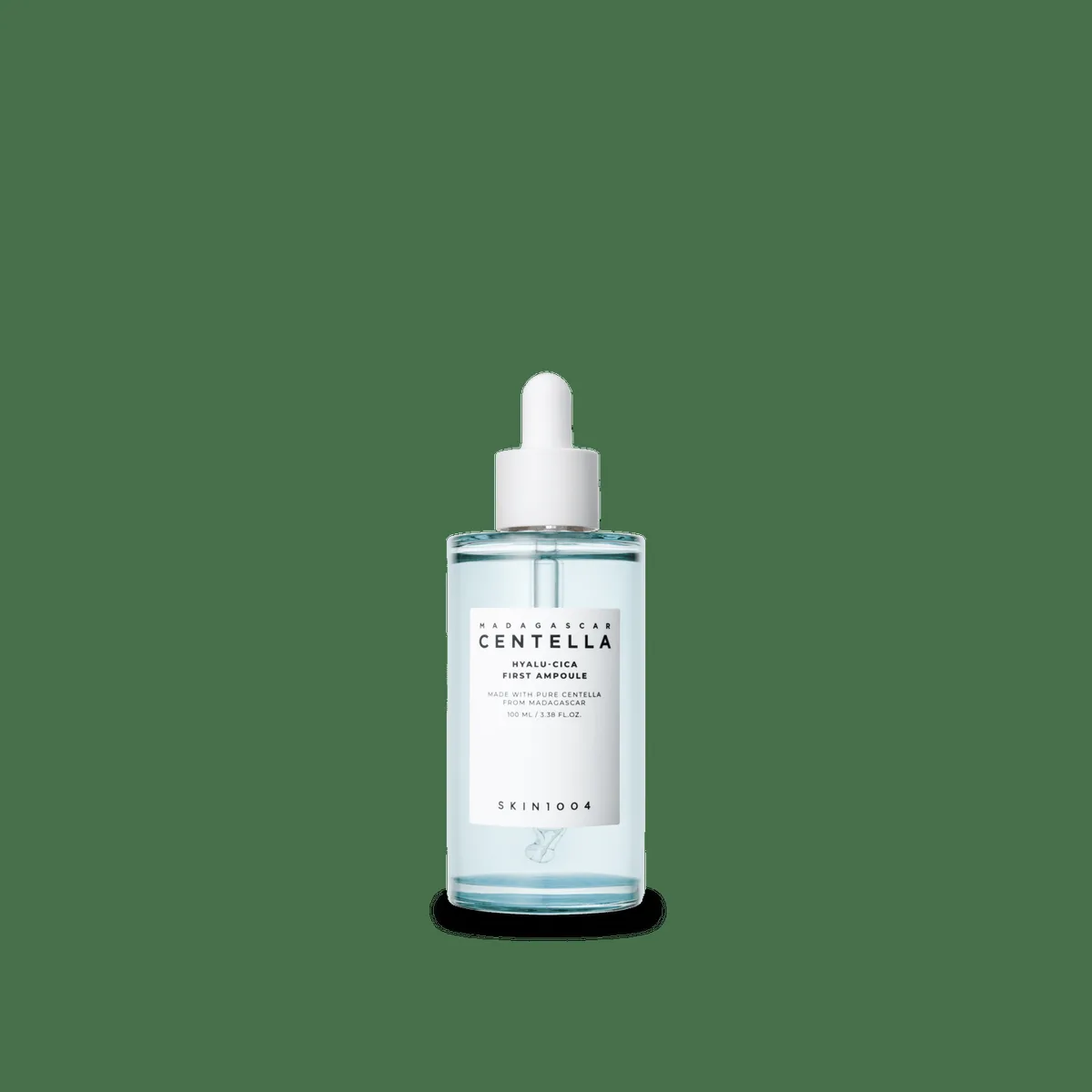
 Hyalu-Cica First Ampoule
A 92% Centella asiatica extract ampoule paired with niacinamide and a multi-weight HA complex, fragrance-free and purpose-built for sensitive, compromised, and reactive skin. At $25 for 100ml, it is one of the most justifiable skincare purchases a budget-conscious buyer can make, and it earns a place in almost any routine that needs a soothing anchor.
 Sensitive Skin MVP
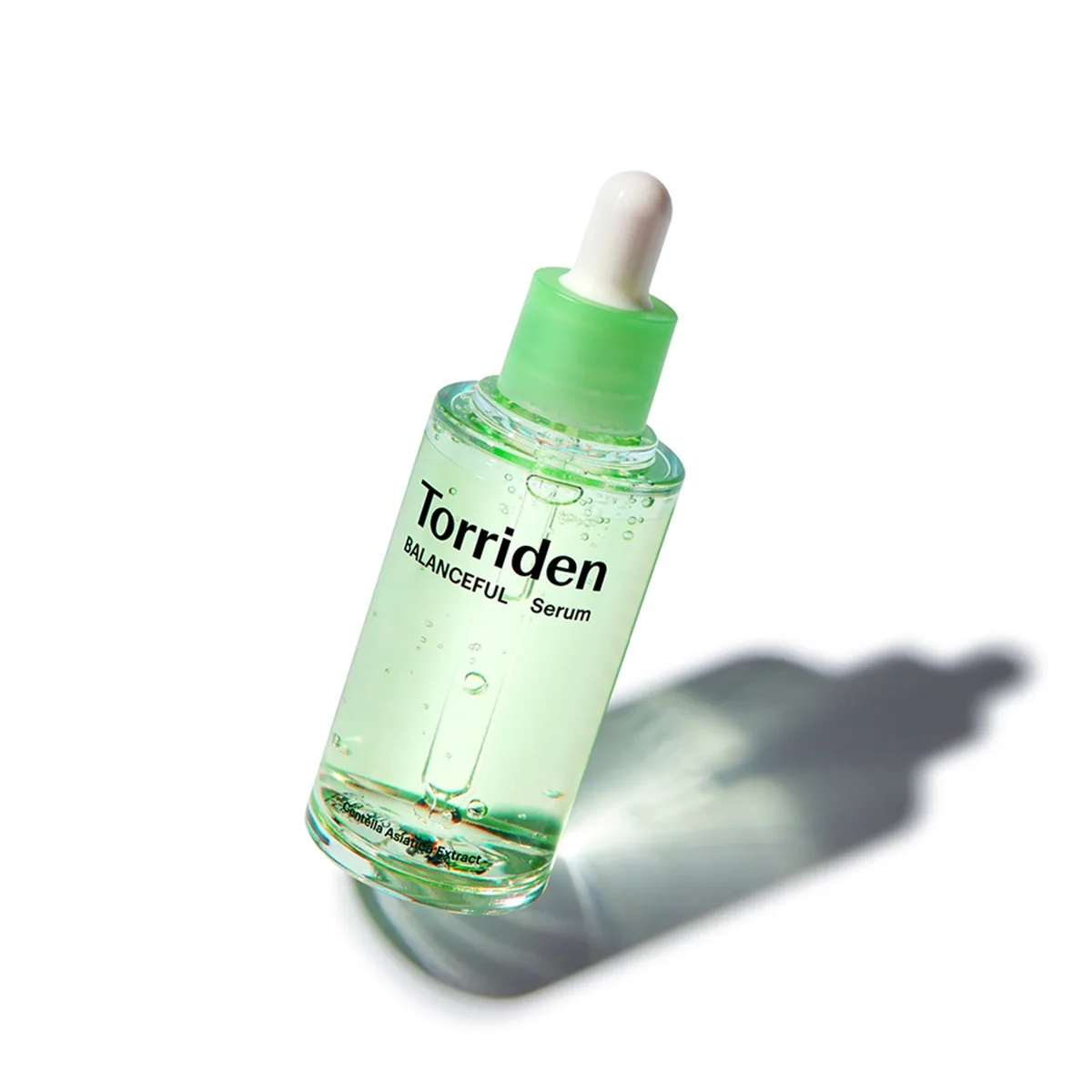
 Balanceful Cica Serum
Torriden's Balanceful Cica Serum is one of the most recommendable calming serums in K-beauty — a genuinely fragrance-free, multi-weight hyaluronic acid and 5D cica complex treatment that quietly reduces redness, supports the barrier, and buffers other actives without drama. At under $25 it's a near-automatic pick for sensitive, rosacea-prone, and barrier-compromised skin.
This review reflects our independent analysis of publicly available ingredient data, manufacturer claims, and verified user reviews. We are reader-supported — Amazon links may earn us a commission at no cost to you. We do not accept paid placements; rankings are based solely on the evidence.