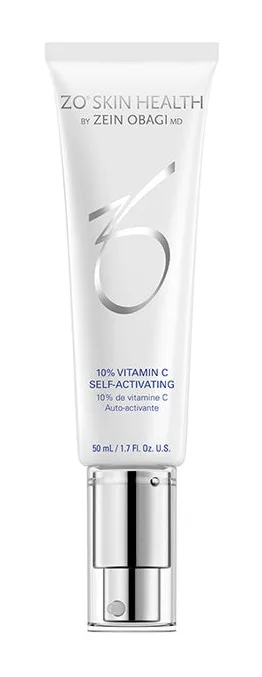
An impressively engineered solution to the L-ascorbic acid stability problem, suspending the active in an anhydrous silicone base so the vitamin C only activates on contact with skin moisture. The formulation craft is real, the brightening results over months are visible, and the multi-antioxidant network around the C is more thoughtful than most serums in the category. The price tag and the citrus fragrance are the two reasons this isn't a slam-dunk recommendation.
10% Vitamin C Self-Activating
An impressively engineered solution to the L-ascorbic acid stability problem, suspending the active in an anhydrous silicone base so the vitamin C only activates on contact with skin moisture. The formulation craft is real, the brightening results over months are visible, and the multi-antioxidant network around the C is more thoughtful than most serums in the category. The price tag and the citrus fragrance are the two reasons this isn't a slam-dunk recommendation.
Score Breakdown
Where this product gains points and where it loses them — broken down across the four scoring pillars.
An impressively engineered self-activating L-ascorbic acid that solves the stability problem most vitamin C serums struggle with, but the citrus oil fragrance and the medical-aesthetic price point limit its appeal.
Pros & Cons
- ✓Anhydrous silicone base solves the L-ascorbic acid stability problem genuinely
- ✓Multi-antioxidant network with vitamin E, CoQ10, and THD ascorbate alongside the L-AA
- ✓Silky, non-tacky silicone texture absorbs in seconds without pilling
- ✓Visible brightening over 8-12 weeks with consistent daily morning use
- ✓Dermatologist-developed by Dr. Zein Obagi with clinical channel credibility
- ✓Long bottle life — 3-4 months with daily use
- ✓Fungal-acne safe and pregnancy-compatible
- ✓Stable in clear glass packaging without refrigeration
- ✗Citrus oil and limonene fragrance disqualifies it for sensitive or rosacea-prone skin
- ✗Premium price at $112 for the full size
- ✗Only available through dermatologist offices and authorized professional retailers
- ✗Requires damp skin for proper activation — extra application step
- ✗Not vegan or cruelty-free certified
Full Review
The dirty secret of vitamin C serums is that most of them are dying in your medicine cabinet. L-ascorbic acid, the most-studied and most-effective form of topical vitamin C, has a problem: it's profoundly unstable in water. The moment you mix L-ascorbic into an aqueous serum, oxidation begins. Light accelerates it. Air accelerates it. A few weeks after manufacturing, your fresh-out-of-the-box serum is already meaningfully less potent than the label suggests, and by the time you've worked through three-quarters of the bottle, the visible orange tint of dehydroascorbic acid is telling you what your skin already knows — most of the active is gone. The cosmetic industry has spent decades trying to solve this with low-pH formulations, ferulic acid stabilizers, opaque packaging, and refrigeration recommendations. Some of those approaches work better than others. The honest answer is that aqueous L-ascorbic is fighting against its own chemistry every minute it sits on a shelf.
Dr. Zein Obagi's solution is cleaner: don't put the L-ascorbic in water in the first place. ZO Skin Health's 10% Vitamin C Self-Activating suspends powdered ascorbic acid in an anhydrous silicone-and-squalane base. As long as the bottle stays sealed, there's no water for the molecule to react with, no oxidation cascade to fight, no slow degradation eating the potency. The 'self-activating' name refers to the moment of application: you press the dropper, the silicone-borne powder hits your slightly damp skin, and that's when the L-ascorbic finally encounters water. The brief warming or mild tingling some users feel during application is the activation reaction happening in real time. From there, the vitamin C does its work on skin instead of having done most of its work in the bottle before you bought it.
The formulation surrounding the L-ascorbic is also more sophisticated than most vitamin C serums in the category. Tetrahexyldecyl ascorbate sits alongside the L-AA as a second, oil-soluble vitamin C derivative — slower to release but better at penetrating the lipid layers, which broadens the delivery profile. Vitamin E (tocopheryl acetate) is included to recycle oxidized vitamin C back to its active form, extending the antioxidant network's effective lifespan on skin. Ubiquinone, better known as coenzyme Q10, adds a mitochondrial antioxidant that supports cellular energy production and complements the ascorbate-vitamin-E pairing. Squalane provides emollient slip and prevents the silicone base from feeling squeaky. It's a complete antioxidant network, not just a single hero molecule.
The sensory experience is part of the appeal. The serum is silky and almost weightless thanks to the cyclopentasiloxane base. It glides without tackiness, absorbs in seconds, and doesn't leave the slight stickiness that aqueous L-ascorbic serums often have. Layered under sunscreen it disappears completely, with no pilling or rolling. Two drops are enough for the whole face, which is part of why a 1.7oz bottle stretches to three or four months of daily morning use even at a high-cost-per-bottle position. Brightening is gradual rather than instant — most users notice tone improvements at four weeks, more meaningful pigmentation fading at eight to twelve weeks, and the full antioxidant-and-collagen benefits at three to four months. This is a long-game vitamin C, not a quick-fix one.
The limitations are real and worth being clear about. The fragrance is the biggest one. The serum is scented with bitter orange peel oil, plus naturally occurring limonene and citral, and the citrus note is pronounced. Most users find it pleasant — it's part of the brand identity — but anyone with rosacea, sensitive skin, or fragrance reactivity should look at fragrance-free vitamin C alternatives. There's no good reason to fight your skin to get an antioxidant benefit. The second limitation is the price and distribution. At $112 for the full 1.7oz size and only available through dermatologist offices and authorized professional retailers, this isn't a casual purchase. You're paying for the formulation engineering, the medical-line positioning, and the brand cachet that comes with a Dr. Obagi formulation. Whether that's worth roughly twice what a comparable Sephora-tier serum costs depends on how much you value the stability advantage and the dermatologist channel — both legitimate reasons, but neither universal.
The third honest note is application logistics. The self-activating format is genuinely effective, but it requires a tiny adjustment to your routine: you need to apply to slightly damp skin rather than bone-dry skin for the activation to happen efficiently. This isn't difficult — a hydrating mist or a thin layer of a water-based serum underneath does the job — but it's an extra step compared to grab-and-go application, and users who skip the dampness step report less dramatic results. The brand could probably do a better job of communicating this in the application instructions.
What ultimately makes this serum worth the conversation, even at the price, is that it represents genuine engineering rather than marketing dressed up as innovation. The L-ascorbic acid stability problem is real, the anhydrous solution is a legitimate response to it, and the multi-antioxidant network around the C is well-considered. For people who've tried aqueous vitamin C serums and watched them turn orange, who want a clinically credible formulation through a dermatology channel, and who don't react to citrus fragrance, this earns its place. For everyone else, there are excellent vitamin C serums at half the price that will do most of the same work — just with the unspoken cost of slightly more in-bottle degradation.
Formula
Key Ingredients
The hero actives that drive this product's performance.
| Ingredient | Function | Evidence |
|---|---|---|
| Ascorbic Acid 10% (L-Ascorbic Acid) (10%) | The hero active here, suspended in an anhydrous silicone base instead of the usual water-glycerin matrix — that's the 'self-activating' part of the name. The L-ascorbic powder only encounters water (and starts oxidizing) when it meets the moisture on your skin during application, which solves the stability problem that limits most aqueous vitamin C serums. | well-established |
| Tetrahexyldecyl Ascorbate | A second, oil-soluble vitamin C derivative layered with the L-ascorbic acid. Where the L-AA delivers immediate brightening punch, THD ascorbate provides a slower, more lipid-friendly release — the two together broaden the vitamin C delivery profile. | promising |
| Ubiquinone (Coenzyme Q10) | Mitochondrial antioxidant included alongside the vitamin C and vitamin E to round out a multi-pathway antioxidant network. CoQ10 specifically supports cellular energy production and complements ascorbate in regenerating other antioxidants. | promising |
| Tocopheryl Acetate (Vitamin E) | The classic vitamin C partner — vitamin E recycles oxidized vitamin C back to its active form, extending the antioxidant network's effective lifespan on skin. | well-established |
| Squalane | Provides the lightweight emollient base that lets the silicone phase glide and absorb without leaving the squeaky finish that anhydrous formulas can have. | well-established |
Full INCI List
Cyclopentasiloxane, Dimethicone Crosspolymer, Ascorbic Acid, Dimethicone, Citrus Aurantium Amara (Bitter Orange) Peel Oil, Squalane, Tetrahexyldecyl Ascorbate, Tocopheryl Acetate, Ubiquinone, Limonene, Citral, Phenoxyethanol.
Product Flags
✗ Fragrance Free✓ Alcohol Free✗ Oil Free✗ Silicone Free✓ Paraben Free✓ Sulfate Free✗ Cruelty Free✗ Vegan✓ Fungal Acne Safe
Potential Irritants
bitter orange peel oillimonenecitralascorbic acid
Common Allergens
limonenecitral
Compatibility
Skin Match
Best For
Works For
Not Ideal For
Addresses These Conditions
hyperpigmentation dullness aging sun damage dark spots
Use With Caution
Routine Step
serum
Time of Day
AM
Pregnancy Safe
Yes ✓
Layering Tips
Apply 1-2 drops to dry, clean skin in the morning. The silicone base needs slightly damp skin to activate the powdered vitamin C — use a hydrating mist or a thin layer of water-based serum first, then layer this on top before moisturizer and SPF.
Results Timeline
Initial brightening at 2-4 weeks. Visible improvement in tone and dark spots at 8-12 weeks. Full antioxidant and collagen-supporting benefits at 12-16 weeks of consistent daily morning use.
Pairs Well With
vitamin-eferulic-acidsunscreenhyaluronic-acid
Conflicts With
benzoyl-peroxide
Sample AM Routine
- Cleanser
- Hydrating mist
- ZO Skin Health 10% Vitamin C Self-Activating
- Moisturizer
- SPF
Sample PM Routine
- Cleanser
- Retinoid
- Moisturizer
- Occlusive
Evidence
Science & Expert Perspective
The Science
The formulation strategy here is built on the well-documented instability of L-ascorbic acid in aqueous environments. Pure L-ascorbic acid is highly water-soluble but oxidizes rapidly when dissolved in water, particularly in the presence of light and air, converting first to dehydroascorbic acid (which still has some biological activity) and then to inactive degradation products including 2,3-diketogulonic acid. The dermatology literature has documented this stability challenge extensively, and various stabilization strategies — low pH (2.5-3.5), inclusion of ferulic acid as a synergistic antioxidant, opaque packaging, and tight pH control — have been used to mitigate but not eliminate the problem.
The anhydrous approach used in this serum is mechanistically distinct. By suspending the L-ascorbic acid powder in a water-free silicone base, the molecule remains in its most stable solid-state form throughout the product's shelf life. Activation occurs only at the point of application, when the powder encounters the residual moisture on skin (and any dampness left from a hydrating mist or water-based serum applied first). This approach has support in cosmetic chemistry literature as a viable strategy for stabilizing reactive water-sensitive actives, and similar approaches have been used for other unstable molecules like glycolic acid and certain peptides.
The research base for L-ascorbic acid itself in topical skincare is robust. Multiple clinical studies have documented benefits in pigmentation reduction, collagen synthesis support, photoaging mitigation, and antioxidant protection against UV-induced free radicals. The 10% concentration used in this product is within the typical effective range (5-20%) and aligns with the percentage used in many widely-cited dermatology trials. Pinnell's work on stabilized vitamin C formulations and Humbert's research on vitamin C and collagen synthesis are foundational references in this area.
The inclusion of tetrahexyldecyl ascorbate alongside the L-ascorbic provides a second-pathway vitamin C delivery — THD ascorbate is lipid-soluble and converts to active ascorbate intracellularly, offering a complementary mechanism. Vitamin E (tocopheryl acetate) is included for the well-documented vitamin C/vitamin E synergy: vitamin E donates an electron to oxidized ascorbate, regenerating it back to active form, and the network effect extends the antioxidant lifespan. Ubiquinone (coenzyme Q10) contributes a separate mitochondrial antioxidant pathway, with research support for its role in cellular energy production and oxidative stress mitigation.
Dermatologist Perspective
Dermatologists generally regard L-ascorbic acid at 10-20% as the gold-standard topical vitamin C form, and stabilization strategies that address the molecule's well-known instability are seen as meaningful improvements rather than marketing claims. Board-certified dermatologists who use ZO Skin Health in their practices typically position this serum as a clinical-grade morning antioxidant for patients seeking professional-line vitamin C, particularly those with sun damage, hyperpigmentation, or photoaging concerns. The most common dermatologist caution is the fragrance content — patients with rosacea, sensitive skin, or fragrance sensitivities are usually steered toward fragrance-free vitamin C alternatives. Dermatologists also typically emphasize that vitamin C is most effective when paired with daily broad-spectrum sunscreen, and that consistent daily use over months (not weeks) is required to see meaningful clinical benefit.
Guidance
Usage Guide
How to Use
Use in the morning. Cleanse, then apply a hydrating mist or a thin layer of a water-based serum (hyaluronic acid serum is ideal) so your skin is slightly damp. Dispense 1-2 drops into the palm and press onto face and neck — don't rub aggressively, let the silicone base glide and absorb. Wait 30 seconds, then follow with moisturizer and broad-spectrum SPF 30+ (essential — vitamin C without daily sunscreen is wasted effort). Use daily for at least 12 weeks before judging effectiveness. Avoid layering directly with benzoyl peroxide, which can oxidize the vitamin C on contact.
Value Assessment
At $112 for 1.7 oz, this is firmly luxury-tier vitamin C. The travel 20ml size is around $52, which is the right way to test compatibility before committing to the full size. The per-month cost works out to roughly $30 with daily use, since a bottle lasts 3-4 months. Compared to other clinical-line vitamin C serums (SkinCeuticals C E Ferulic at $182, SkinMedica Vitamin C+E Complex at $98), it sits in the expected range for the category. Compared to mass-market alternatives (Maelove Glow Maker at $30, The Ordinary Ascorbic Acid 8% + Alpha Arbutin 2% at around $11), it's significantly more expensive — and a meaningful portion of the price gap is explained by the formulation engineering rather than just brand positioning. Worth the spend if the stability advantage and the medical-channel credibility matter to you. Not necessary if you're price-conscious and willing to replace a cheaper aqueous serum more frequently to compensate for oxidation.
Who Should Buy
Anyone seeking a clinical-grade L-ascorbic acid vitamin C serum with genuine stability advantages over typical aqueous formulations, particularly people with hyperpigmentation, sun damage, or photoaging concerns who appreciate professional-line skincare and don't react to citrus fragrance.
Who Should Skip
Sensitive, rosacea-prone, or fragrance-reactive skin should look at fragrance-free vitamin C alternatives. Budget-focused users can find effective vitamin C serums for a third of the price. Anyone unwilling to apply to slightly damp skin will not get the full benefit of the self-activating format.
Ready to try ZO Skin Health 10% Vitamin C Self-Activating?
Details
Details
Texture
Silky silicone-based serum that glides without tacky residue
Scent
Bright citrus-orange from bitter orange peel oil
Packaging
Glass dropper bottle in branded box
Finish
non-greasylightweightfast-absorbing
What to Expect on First Use
First few uses feel almost weightless thanks to the silicone base. The L-ascorbic 'activates' on contact with skin moisture, which can cause a brief warming or mild tingling — completely normal. No purging. Brightening is gradual rather than instant.
How Long It Lasts
About 3-4 months with daily morning use
Period After Opening
12 months
Best Season
All Year
Background
The Why
ZO Skin Health was founded by Dr. Zein Obagi, a Beverly Hills dermatologist who previously developed the original Obagi Medical line in the 1980s before parting ways with the company. ZO launched in 2007 as a sold-through-derms-only professional line, and this self-activating vitamin C is one of its signature formulations — built on Dr. Obagi's preference for clinically meaningful concentrations of L-ascorbic acid in a stability-protected delivery system.
About ZO Skin Health Established Brand (5–20 years)
ZO Skin Health was founded in 2007 by Dr. Zein Obagi, a board-certified dermatologist who previously developed the original Obagi Medical line. The brand is sold primarily through dermatologists and medical aesthetic offices, and its formulations are positioned as clinical-grade with a long track record in professional skincare.
Brand founded: 2007 · Product launched: 2017
Myth vs. Reality
Myths & Misconceptions
Myth
All 10% vitamin C serums are essentially the same.
Reality
Form, stability, and pH matter as much as concentration. A 10% L-ascorbic acid that has oxidized halfway through the bottle is functionally less potent than a fresh 5% serum. The self-activating format is a real engineering choice that affects how much active vitamin C actually reaches your skin.
Myth
Vitamin C serums need to be in opaque packaging or they're useless.
Reality
Light protection matters for aqueous L-ascorbic acid because the molecule degrades rapidly in light and water. An anhydrous formulation like this one is much less light-sensitive, which is why it can be packaged in a clear glass dropper bottle without losing potency.
FAQ
Frequently Asked Questions
What does 'self-activating' actually mean?
It means the L-ascorbic acid is suspended in an anhydrous (water-free) silicone base, so it stays in powder form until it meets the moisture on your skin during application. That moment of water contact is what 'activates' the vitamin C. The point is to keep the molecule from oxidizing inside the bottle.
Do I need to apply it to wet skin?
Slightly damp is ideal. Apply a hydrating mist or a thin layer of water-based serum first, then layer this on top. The silicone base needs that moisture to fully activate the vitamin C powder — applying to bone-dry skin is less effective.
Is this better than SkinCeuticals C E Ferulic?
Different approaches. SkinCeuticals uses a stabilized aqueous L-ascorbic + vitamin E + ferulic acid system at low pH. ZO uses anhydrous L-ascorbic + THD ascorbate + vitamin E + CoQ10. Both are well-formulated. SkinCeuticals has more clinical research; ZO has the stability advantage of the anhydrous format. Either is a defensible choice.
Why is it sold through dermatologists?
ZO Skin Health is positioned as a professional/medical line, similar to Obagi or SkinMedica. The brand restricts distribution to dermatologist offices, medical spas, and authorized professional retailers as part of its clinical positioning. You won't find it at Sephora or Ulta.
Will the citrus fragrance irritate my skin?
Possibly. The bitter orange peel oil and naturally occurring limonene and citral are real irritants for fragrance-sensitive users. If you have rosacea, sensitive skin, or have reacted to citrus before, this isn't the right vitamin C for you.
Is it safe during pregnancy?
Yes — vitamin C is pregnancy-compatible and there are no retinoids, salicylates, or hydroquinone in this formula.
How long does the bottle last?
About 3-4 months with daily morning use. The 1.7oz size is the standard, with a 20ml travel mini available for around $52.
Community
Community Voices
Common Praise
"Visible brightening over time"
"No tackiness or stickiness"
"Stays stable longer than typical L-ascorbic serums"
"Pairs well with the rest of the ZO line"
Common Complaints
"Premium price"
"Citrus scent too strong for some"
"Requires damp skin for proper activation"
"Only available through derm offices"
Notable Endorsements
Dr. Zein Obagi formulationWidely used in dermatologist offices
Appears In
best professional vitamin c serum best stable vitamin c best anhydrous vitamin c best dermatologist recommended vitamin c
Related Conditions
hyperpigmentation dullness aging sun damage dark spots
Related Ingredients
You Might Also Like
 Sensitive Skin Soother
 Polyphenols In Propolis 15% Ampoule
A 15% propolis ampoule that earns its name with a real polyphenol stack — French Auvergne propolis layered over a houttuynia cordata base, with tulsi and pomegranate piling on. It's slightly sticky and not cheap by volume, but for sensitive, breakout-prone skin chasing calm, this is one of the most reliable K-beauty soothers in production.
 Budget Brightening Hero
 Chlorophyll Discoloration Serum
A quietly brilliant brightening serum that proves you do not need luxury prices or harsh actives to fade dark spots effectively. The alpha-arbutin and licorice root combination delivers genuine multi-pathway melanin inhibition, the sensitive-skin-friendly formula is impeccable, and $20 makes it accessible to virtually everyone. The chlorophyllin is more marketing differentiator than scientific powerhouse, but it does not hurt anything either.
 The People's HA Serum
 Revitalift Derm Intensives 1.5% Pure Hyaluronic Acid Serum
A masterclass in minimalist formulation — thirteen ingredients, no filler, four functional actives, and over thirty thousand glowing reviews. L'Oréal's multi-weight HA system delivers genuine hydration at every level of the skin, and the fragrance-free, alcohol-free formula is clean enough for virtually anyone. The drugstore serum that embarrasses its prestige competitors.
 Budget Hydration Holy Grail
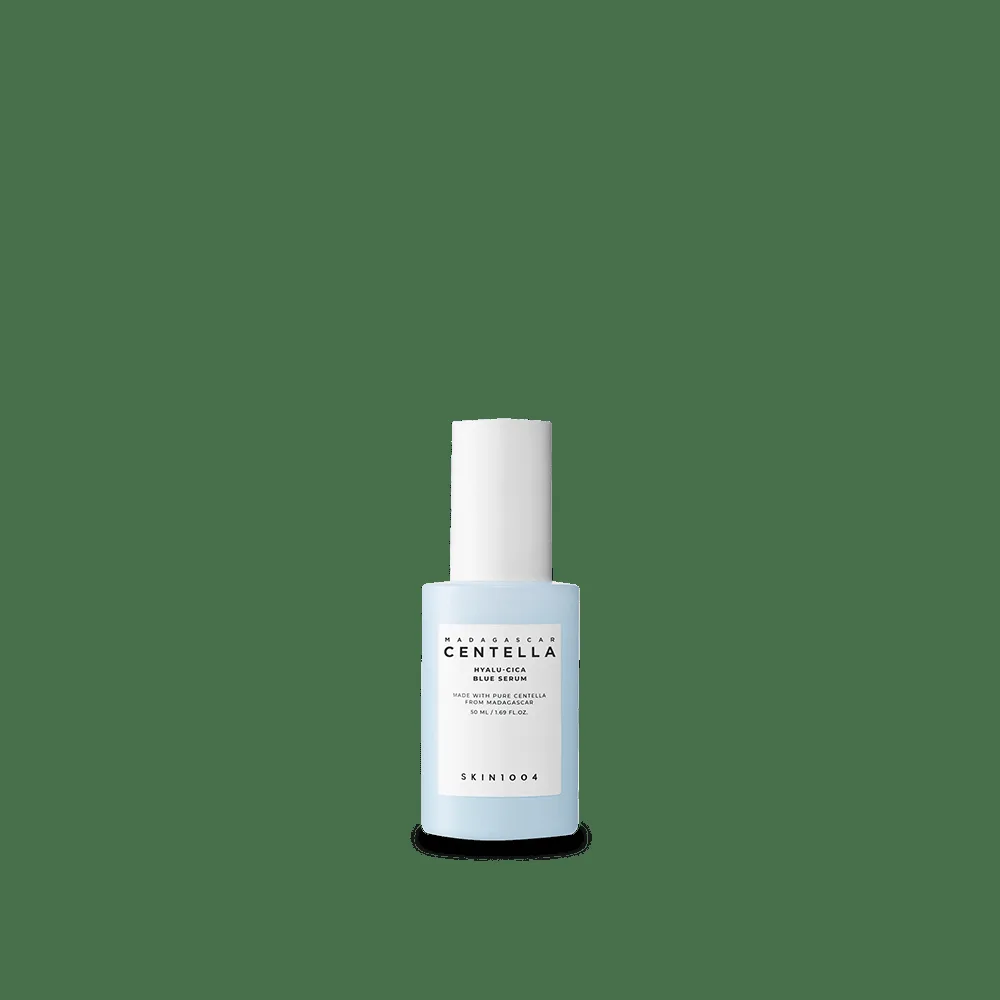
 Hyalu-Cica Blue Serum
A quietly excellent budget serum that stacks Centella asiatica leaf water, five types of hyaluronic acid, niacinamide, ceramide NP, and adenosine into a fragrance-free under-$20 bottle. It is genuinely one of the best hydration-plus-soothing serums at any price, and the fact that it costs less than a salad in Manhattan is the point.
 Sensitive Skin First-Line Defense
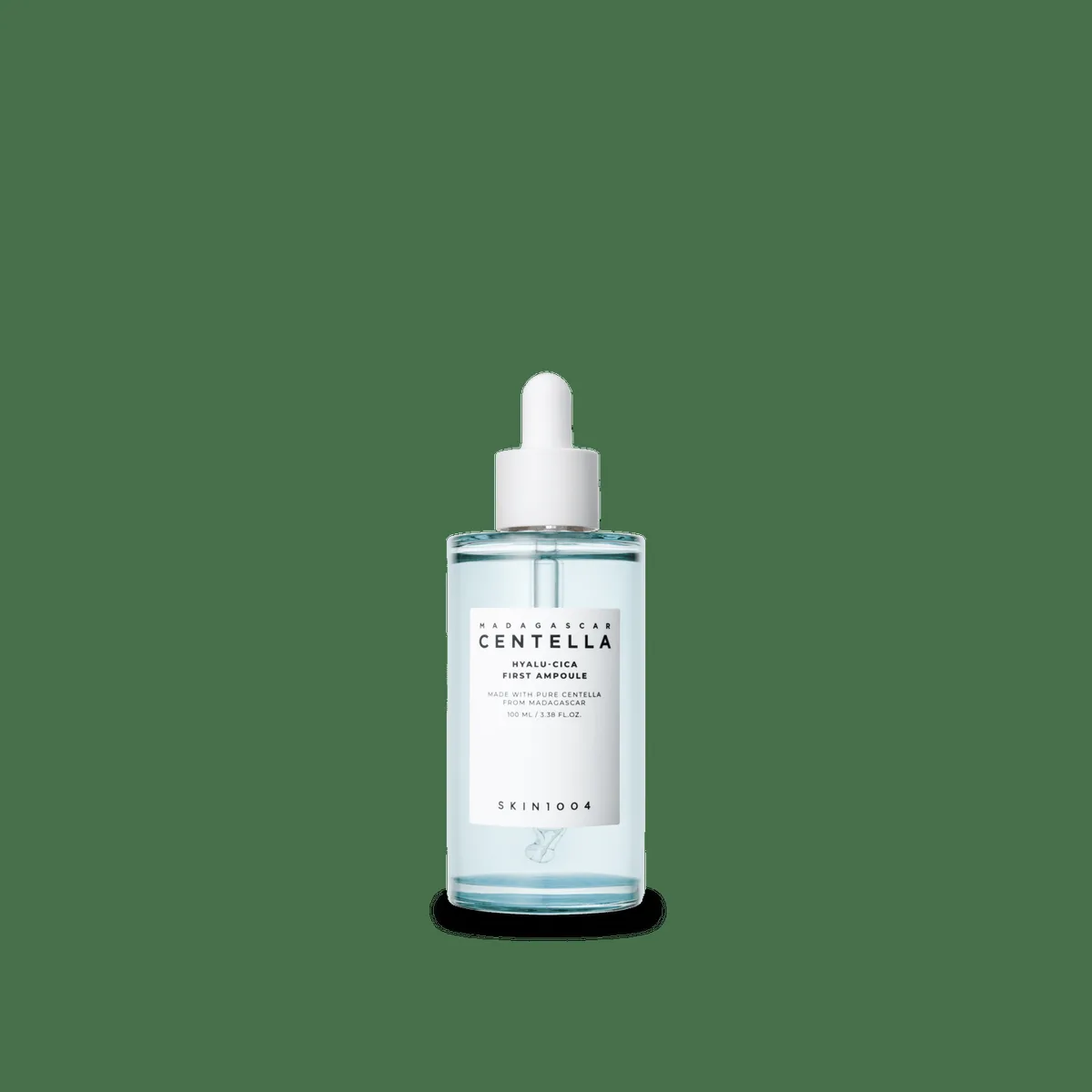
 Hyalu-Cica First Ampoule
A 92% Centella asiatica extract ampoule paired with niacinamide and a multi-weight HA complex, fragrance-free and purpose-built for sensitive, compromised, and reactive skin. At $25 for 100ml, it is one of the most justifiable skincare purchases a budget-conscious buyer can make, and it earns a place in almost any routine that needs a soothing anchor.
 Sensitive Skin MVP
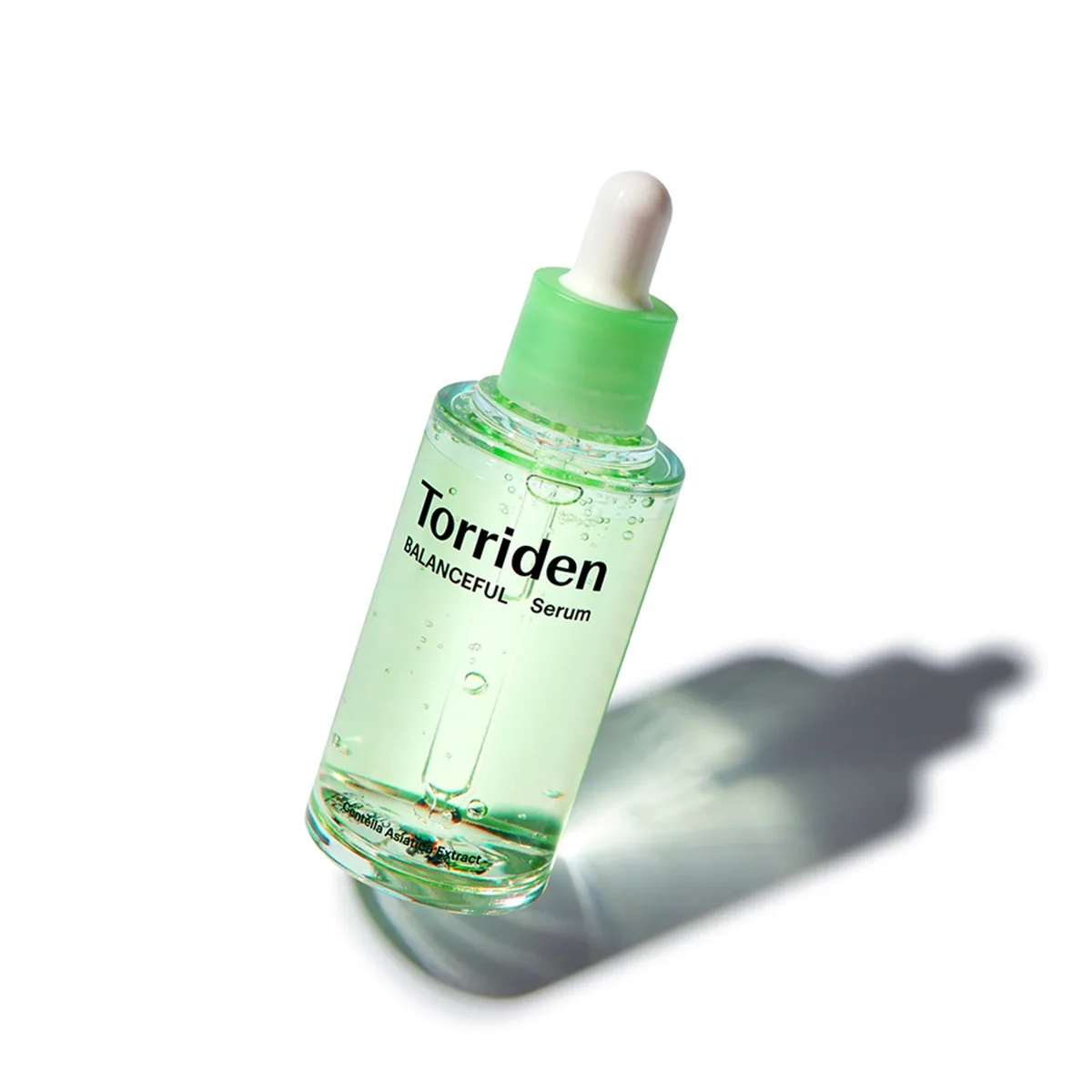
 Balanceful Cica Serum
Torriden's Balanceful Cica Serum is one of the most recommendable calming serums in K-beauty — a genuinely fragrance-free, multi-weight hyaluronic acid and 5D cica complex treatment that quietly reduces redness, supports the barrier, and buffers other actives without drama. At under $25 it's a near-automatic pick for sensitive, rosacea-prone, and barrier-compromised skin.