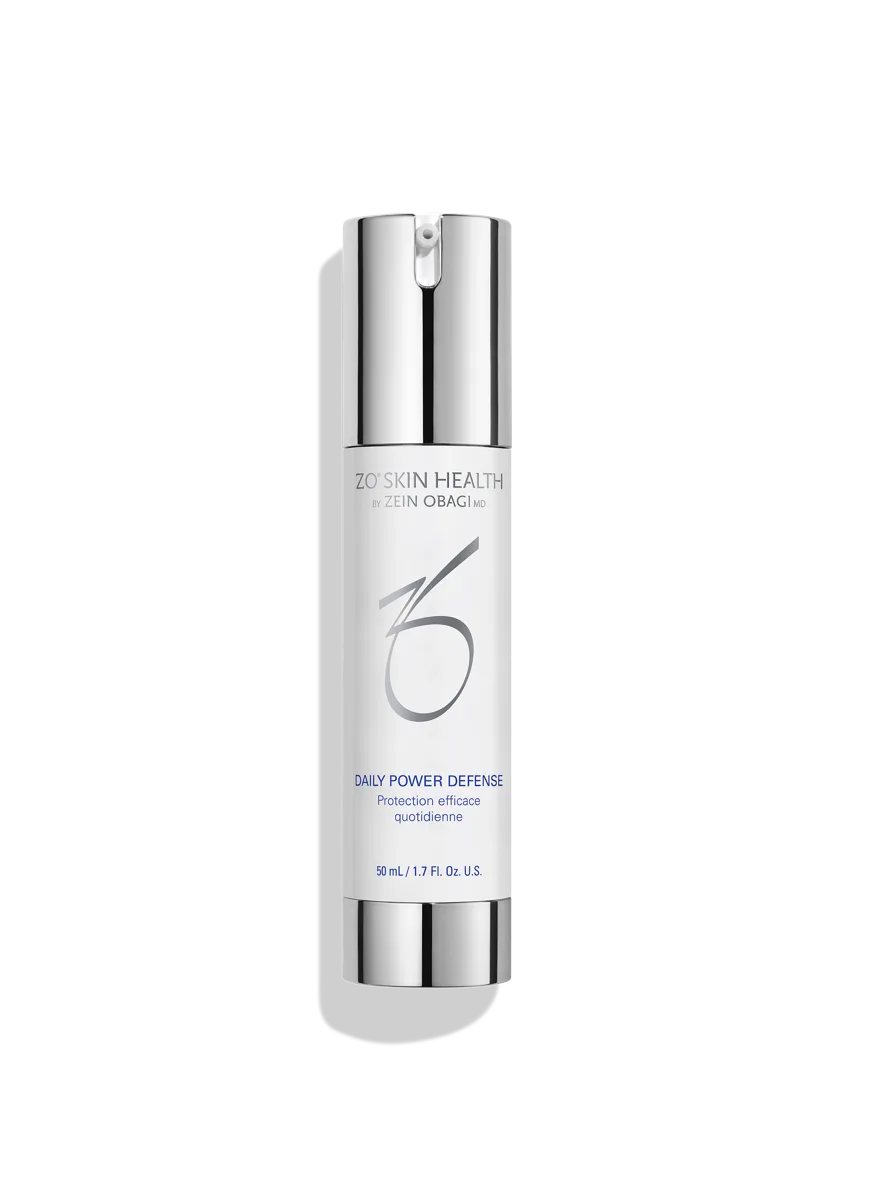
Daily Power Defense is the rare derm-office serum that earns its placement in the protocol. Encapsulated retinol, a three-ceramide barrier system, and ZO's DNA repair enzyme blend make it a credible daily anti-ager — provided you can stomach the $160 price tag and the perfume that ZO refuses to drop.
Daily Power Defense
Daily Power Defense is the rare derm-office serum that earns its placement in the protocol. Encapsulated retinol, a three-ceramide barrier system, and ZO's DNA repair enzyme blend make it a credible daily anti-ager — provided you can stomach the $160 price tag and the perfume that ZO refuses to drop.
Score Breakdown
Where this product gains points and where it loses them — broken down across the four scoring pillars.
A genuinely sophisticated retinol-plus-repair serum with a credible lipid system, dragged down only by the dermatology-channel pricing and a fragrance addition that's hard to defend in 2026.
Pros & Cons
- ✓Encapsulated retinol gentle enough for true twice-daily use
- ✓Sophisticated three-ceramide and cholesterol lipid system
- ✓ZO's distinctive DNA repair enzyme blend with published in vitro data
- ✓Silky silicone texture that layers well under sunscreen and makeup
- ✓Minimal flaking or visible peeling compared to stronger retinoids
- ✓Backed by nearly two decades of in-office clinical use
- ✓Airless pump packaging protects the photosensitive retinol payload
- ✗Premium dermatology-channel pricing for a 1 oz bottle
- ✗Contains added fragrance that's hard to justify in 2026
- ✗Not pregnancy or breastfeeding safe due to retinol content
- ✗Can cause pilling under heavy mineral sunscreens if rushed
- ✗Sold mainly through doctor offices, harder to source online
Full Review
Walk into almost any U.S. dermatology office that sells skincare and you will, eventually, hear someone mention Daily Power Defense. It's the bottle the front desk reorders without checking, the one the aestheticians use on their own faces between facials, the one the dermatologist quietly slips into the bag of a patient who's tolerating tretinoin badly. That insider status is the most interesting thing about this serum, because ZO Skin Health does not advertise on television, does not run TikTok seeding campaigns, and does not have a direct-to-consumer presence to speak of. Daily Power Defense earned its reputation the slowest possible way: by working, in clinical hands, on actual patients, for almost twenty years.
The formula is a study in how to layer modes of action without stepping on any of them. The active that does the headline work is an encapsulated retinol — concentration undisclosed, but tuned low enough that ZO is comfortable telling patients to use it morning and night. Encapsulation matters here. Free retinol oxidizes quickly, irritates aggressively, and tends to spike rather than drip into the skin. By wrapping the molecule inside a silicone-and-cyclomethicone matrix, ZO slows the release and lets the surrounding antioxidants and lipids do their soothing work in parallel. The result is a retinol product that actually behaves like a daily serum rather than a periodic treatment.
Underneath the retinol sits one of the more thoughtful ceramide systems in any serum at any price. Ceramide 1, ceramide 3, and ceramide 6 II are joined by cholesterol and phytosphingosine — that's not just a marketing nod to barrier care, that's an attempt to mimic the actual lipid ratio of healthy stratum corneum. Anyone who has used a single-ceramide drugstore moisturizer alongside a retinoid knows the difference between 'has ceramides' and 'has the ceramides your skin needs.' Daily Power Defense lives in the second category, and it's the reason most patients tolerate the retinol in here far better than they tolerate stronger options.
Then there's ZO's signature DNA repair enzyme blend — plankton extract, micrococcus lysate, and Arabidopsis thaliana extract. These ingredients are easy to dismiss as biotech theater until you read the literature on photolyase and endonuclease activity in topical formulations. The evidence isn't airtight, and no topical 'reverses sun damage' the way ZO marketing sometimes implies, but the published in vitro data on these specific extracts is more substantive than the average antioxidant claim. In a serum being used daily under sunscreen, having something that targets the day's cumulative UV damage at the cellular level is more than window dressing.
The texture is the part that makes this serum feel expensive in a way the price almost justifies. Cyclopentasiloxane and dimethicone crosspolymer give it a blur-primer glide; it disappears into skin without leaving the typical retinol residue, and it's compatible with most sunscreens layered over it. A small minority of users get pilling — usually when stacking it under a heavy mineral SPF too quickly — and the fix is a 60-second wait between layers.
Now the limitations, because pretending this is a perfect product would be doing you a disservice. The fragrance. There is no defensible reason for a 2026 retinol serum at this price point to contain added perfume, and ZO has been reformulating other products in the line without it. Sensitive skin and rosacea patients should approach with caution, and users with active barrier compromise should fix the barrier first before introducing this. The price is the other obvious sticking point — $160 for one ounce in a category where direct-to-consumer brands are delivering similar (if less elegant) ingredient stacks for $60-80. What you're paying for is the encapsulation system, the lipid ratio, the in-office distribution overhead, and twenty years of derm-chair credibility. Whether that math works for you depends on how much that last item is worth.
Value-wise, this product sits in an awkward spot. It is genuinely better-formulated than most $60 retinol serums. It is not three times better, which is what the price implies. The honest answer is that if you have access to a dermatologist who recommends it, and you've been disappointed by lower-priced options, Daily Power Defense is likely to deliver. If you're shopping cold and you don't have skin that's reactive to standard retinols, you can probably reach 80% of the result for half the money. ZO has built something that works. They've also priced it like a brand that knows its customers will pay.
Formula
Key Ingredients
The hero actives that drive this product's performance.
| Ingredient | Function | Evidence |
|---|---|---|
| Retinol | An encapsulated low-percentage retinol that drives cell turnover and collagen support without the punishing flake-fest of higher-strength formulas. ZO buffers it inside a silicone-and-ceramide matrix so the retinoid releases gradually rather than dumping onto the barrier all at once. | well-established |
| DNA Repair Enzyme Blend (Plankton Extract, Micrococcus Lysate, Arabidopsis Thaliana Extract) | ZO's signature trio of photolyase- and endonuclease-containing extracts that aim to assist the skin's own UV damage repair machinery. Paired with the retinol here, they target the daily oxidative and photodamage that the rest of the formula is trying to undo. | promising |
| Ceramide Complex (Ceramide 1, 3, 6 II + Cholesterol + Phytosphingosine) | A near-physiological lipid blend that backstops the retinol's barrier-disrupting tendencies. Including cholesterol and phytosphingosine alongside three ceramide species pushes this closer to the lipid ratio of healthy stratum corneum than a single-ceramide formula. | well-established |
| Tocopheryl Acetate (Vitamin E) | Sits high enough on the INCI to do real antioxidant work, quenching the free radicals generated by UV exposure that the DNA repair enzymes are trying to address downstream. Also helps stabilize the encapsulated retinol. | well-established |
| Probiotic Ferment Blend (Lactobacillus, Bifida, Saccharomyces) | Three fermentation-derived lysates that contribute amino acids, peptides, and beta-glucans to support a more balanced surface microbiome. In a retinol-forward formula like this one, that microbial soothing matters more than it would in a passive moisturizer. | promising |
Full INCI List
Cyclopentasiloxane, Dimethicone Crosspolymer, Dimethicone, Glycerin, Phenyl Trimethicone, Butylene Glycol, Cetyl PEG/PPG-10/1 Dimethicone, Sodium Chloride, Tocopheryl Acetate, Retinol, Ceramide 6 II, Ceramide 1, Ceramide 3, Phytosphingosine, Cholesterol, Sodium Lauroyl Lactylate, Carbomer, Xanthan Gum, Plankton Extract, Enteromorpha Compressa Extract, Caffeine, Zingiber Officinale (Ginger) Root Extract, Vaccinium Myrtillus Fruit Extract, Saccharomyces Cerevisiae Extract, Micrococcus Lysate, Lactobacillus Ferment, Arabidopsis Thaliana Extract, Bifida Ferment Lysate, Glycine Soja (Soybean) Sterols, Lecithin, Disodium EDTA, Phenoxyethanol, Ethylhexylglycerin, Fragrance
Product Flags
✗ Fragrance Free✓ Alcohol Free✓ Oil Free✗ Silicone Free✓ Paraben Free✓ Sulfate Free✗ Cruelty Free✗ Vegan✗ Fungal Acne Safe
Potential Irritants
RetinolFragrance
Common Allergens
FragranceSoybean Sterols
Compatibility
Skin Match
Best For
Works For
Not Ideal For
Addresses These Conditions
aging sun damage dullness texture hyperpigmentation
Use With Caution
rosacea sensitivity compromised skin barrier
Avoid With
Routine Step
treatment
Time of Day
AM & PM
Pregnancy Safe
No ✗
Layering Tips
Apply after cleansing and any water-based serums, before heavier moisturizers. ZO protocols usually have you use it morning and night under sunscreen.
Results Timeline
Skin feels smoother and more comfortable within the first 1-2 weeks. Visible improvement in tone evenness and fine lines around 4-8 weeks. Full collagen-driven changes need 12+ weeks of consistent use.
Pairs Well With
sunscreenceramide-moisturizersvitamin-c-am
Conflicts With
aha-bha-exfoliantsbenzoyl-peroxidehigh-strength-retinoids
Sample AM Routine
- Gentle cleanser
- Vitamin C serum
- ZO Skin Health Daily Power Defense
- Moisturizer
- SPF 50
Sample PM Routine
- Cleanser
- Hydrating toner
- ZO Skin Health Daily Power Defense
- Ceramide moisturizer
Evidence
Who Should Skip
- Premium dermatology-channel pricing for a 1 oz bottle
- Contains added fragrance that's hard to justify in 2026
- Not pregnancy or breastfeeding safe due to retinol content
- Can cause pilling under heavy mineral sunscreens if rushed
Science & Expert Perspective
The Science
The retinol story in Daily Power Defense rests on two well-established lines of evidence. First, topical retinoids reliably increase epidermal turnover, normalize keratinization, and stimulate procollagen synthesis — this is consensus dermatology, supported by decades of studies on retinol, retinaldehyde, and tretinoin. Second, encapsulation systems for retinol have been shown in formulation literature to reduce TEWL spikes and clinical irritation while preserving efficacy, which is why ZO and most modern retinol formulators have moved away from free retinol. The more interesting evidence concerns the DNA repair enzyme blend. Photolyase derived from plankton and endonuclease activity from Micrococcus lysate have been studied in the context of UV-induced cyclobutane pyrimidine dimers — the specific DNA lesions that drive photoaging and skin cancer risk. A frequently cited paper in the Journal of Investigative Dermatology in the early 2000s reported reductions in actinic damage markers in patients using topical photolyase under controlled conditions, and follow-up work has explored similar enzymes in xeroderma pigmentosum populations. None of this means the serum 'repairs' visible damage on its own, and the in vivo evidence is thinner than the in vitro evidence, but the mechanistic plausibility is real. The ceramide-cholesterol-phytosphingosine system reflects the work of Peter Elias and colleagues, whose research established that physiological lipid mixtures applied topically support stratum corneum repair more effectively than single-lipid formulas. Daily Power Defense formalizes that finding into its base, which is the part of the serum that explains its unusual tolerability.
Dermatologist Perspective
Board-certified dermatologists frequently dispense Daily Power Defense as a daily anchor in patients who need consistent retinoid exposure but cannot tolerate prescription tretinoin. It's commonly used to bridge sensitive patients off harsher retinoids during periods of barrier compromise, and as a maintenance product between laser, microneedling, and chemical peel sessions. Dermatologists tend to appreciate the ceramide ratio for its ability to stabilize barrier function while the retinol does its work, and many in-office protocols pair it with a vitamin C serum in the morning and a stronger retinoid at night. The fragrance addition is a recurring complaint within the dermatology community, and patients with rosacea or known fragrance sensitivity are typically routed to a different ZO option or a different brand entirely. As with any retinoid, dermatologists advise discontinuing during pregnancy and breastfeeding and pairing daily use with broad-spectrum sunscreen.
Guidance
Usage Guide
How to Use
Apply one to two pumps to clean, dry skin after any water-based serums and before moisturizer, both morning and night. ZO's protocol calls for use across the entire face, neck, and upper chest. In the AM, follow with a broad-spectrum SPF 30 or higher — non-negotiable with any retinoid. Wait 60 seconds between layers to prevent pilling, especially under heavier mineral sunscreens. New users with sensitive skin should start every other night for the first two weeks, then build to twice daily. Discontinue 5-7 days before any in-office resurfacing procedure and resume only once the dermatologist clears it. Always store in the original airless pump container away from heat and direct light.
Value Assessment
At $190 for 1.7 oz (with a smaller travel size around $117), Daily Power Defense is priced like the dermatology-channel product it is. The formula is genuinely sophisticated — encapsulated retinol, three ceramides, cholesterol, phytosphingosine, ZO's DNA repair enzyme blend — and the texture is more refined than most direct-to-consumer competitors. That said, you can build a similar daily retinol-plus-barrier routine with a Skinceuticals or PCA serum and a quality ceramide moisturizer for closer to $100 total. The premium here pays for the encapsulation system, the in-office distribution, and the brand credibility built over fifteen-plus years. For patients whose dermatologist actively recommends it, the price is defensible. For shoppers without that endorsement, less expensive options will get most of the way there.
Who Should Buy
Patients who want a credible daily retinol that won't wreck their barrier, and who already have a dermatologist familiar with the ZO system. Best for normal, combination, and resilient oily skin types looking to address fine lines, sun spots, and texture without committing to prescription tretinoin.
Who Should Skip
Anyone with active rosacea, fragrance sensitivity, or a compromised barrier should look elsewhere — at minimum until the skin is calmer. Pregnant or breastfeeding users should not use this product. Bargain hunters who want a clean, fragrance-free retinol stack will find better value at brands like Skinceuticals, Naturium, or The Ordinary.
Ready to try ZO Skin Health Daily Power Defense?
Details
Details
Texture
Silky, weightless silicone serum that blurs across the skin like a primer.
Scent
Light, slightly powdery fragrance from the added perfume.
Packaging
Opaque airless pump bottle, which is appropriate for the photosensitive retinol payload.
Finish
satinnon-greasyfast-absorbing
What to Expect on First Use
Most users feel an immediate blur-and-smooth effect from the silicone matrix. Mild tingling or dryness is possible in the first 1-2 weeks as skin adjusts to the encapsulated retinol; visible flaking is uncommon at this strength.
How Long It Lasts
Roughly 3-4 months at twice-daily face and neck use from the 1.7 oz bottle; a travel size is also available.
Period After Opening
12 months
Best Season
All Year
Background
The Why
Dr. Zein Obagi built ZO Skin Health in 2007 around the idea that healthy skin is a year-round project, not a series of in-office events. Daily Power Defense was developed as the 'every day, everyone' anchor of his Daily Skincare Program — gentle enough to use morning and night, loaded enough to actually do something between facials and laser sessions.
About ZO Skin Health Established Brand (5–20 years)
ZO Skin Health was founded in 2007 by Dr. Zein Obagi, a board-certified dermatologist with decades of clinical practice. The brand is sold primarily through dermatology offices and medspas, and many of its formulas were developed alongside in-office protocols.
Brand founded: 2007 · Product launched: 2009
Myth vs. Reality
Myths & Misconceptions
Myth
DNA repair enzymes can reverse existing sun damage.
Reality
The plankton, micrococcus and Arabidopsis extracts in this serum have published in vitro evidence for assisting cellular repair pathways, but no topical product 'reverses' sun damage. They support what your skin is already trying to do under daily UV stress.
Myth
Because it has retinol, you can skip dedicated retinol elsewhere in your routine.
Reality
The retinol concentration here is intentionally low so the product can be used twice daily. Patients who tolerate stronger retinoids often layer Daily Power Defense in the AM and a higher-strength ZO retinol or prescription tretinoin at night.
FAQ
Frequently Asked Questions
Is ZO Daily Power Defense actually a retinol product?
Yes. It contains an encapsulated low-percentage retinol alongside DNA repair enzymes and a three-ceramide barrier complex. ZO buffers the retinol with silicones and lipids so it can be used twice daily by most patients without the visible peeling associated with stronger retinoids.
Can I use Daily Power Defense in the morning?
Yes — it's specifically designed for AM and PM use, which is unusual for a retinol product. The encapsulation system and antioxidant payload make daytime use sensible, but you must commit to broad-spectrum SPF 30+ over it.
Is this safe to use during pregnancy?
No. Despite the low concentration and encapsulation, this product contains retinol and should be discontinued during pregnancy and breastfeeding.
Why does ZO Daily Power Defense cost so much?
ZO sells through dermatology and plastic surgery offices rather than mass retail, so the pricing reflects that distribution model. The formula itself is genuinely loaded — encapsulated retinol, three ceramides, cholesterol, and ZO's DNA repair complex — but a comparable ingredient stack from a direct-to-consumer brand would typically run $60-90.
Can I use this with vitamin C?
Yes. The standard ZO morning protocol is vitamin C serum first, then Daily Power Defense, then sunscreen. Wait about a minute between layers to minimize pilling on the silicone base.
Does it cause purging?
True purging is uncommon at this retinol strength, but some users see a brief uptick in small bumps in the first 2-3 weeks as cell turnover increases. Persistent breakouts after the first month are not purging and warrant a routine review.
How does Daily Power Defense fit into the ZO Skin Health system?
It's the daily anchor of Dr. Obagi's Skin Health program — meant to be the thing you use between in-office treatments to maintain results. It's not a standalone anti-aging cure; it's designed to layer with cleanser, sunscreen, and stronger periodic treatments.
Community
Community Voices
Common Praise
"Smoother texture within weeks"
"Non-greasy silicone glide"
"Tolerable as a daily retinol"
"Fades sun spots over time"
Common Complaints
"Expensive at $190 for a single bottle"
"Contains fragrance"
"Some pilling under makeup"
"Not available at standard retail"
Notable Endorsements
Frequently dispensed in U.S. dermatology and plastic surgery officesCited in ZO's Daily Skincare Program protocol
Appears In
best retinol for daily use best derm office retinol serum best retinol with ceramides best anti aging serum for combination skin
Related Conditions
aging sun damage hyperpigmentation dullness texture
Related Ingredients
You Might Also Like
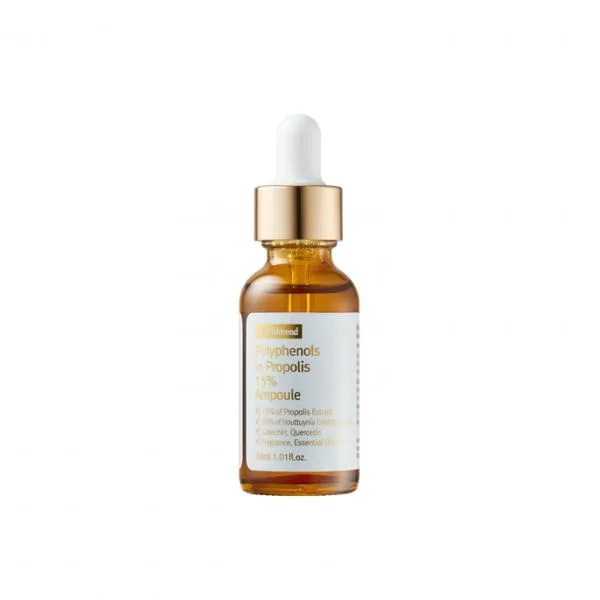 Sensitive Skin Soother
 Polyphenols In Propolis 15% Ampoule
A 15% propolis ampoule that earns its name with a real polyphenol stack — French Auvergne propolis layered over a houttuynia cordata base, with tulsi and pomegranate piling on. It's slightly sticky and not cheap by volume, but for sensitive, breakout-prone skin chasing calm, this is one of the most reliable K-beauty soothers in production.
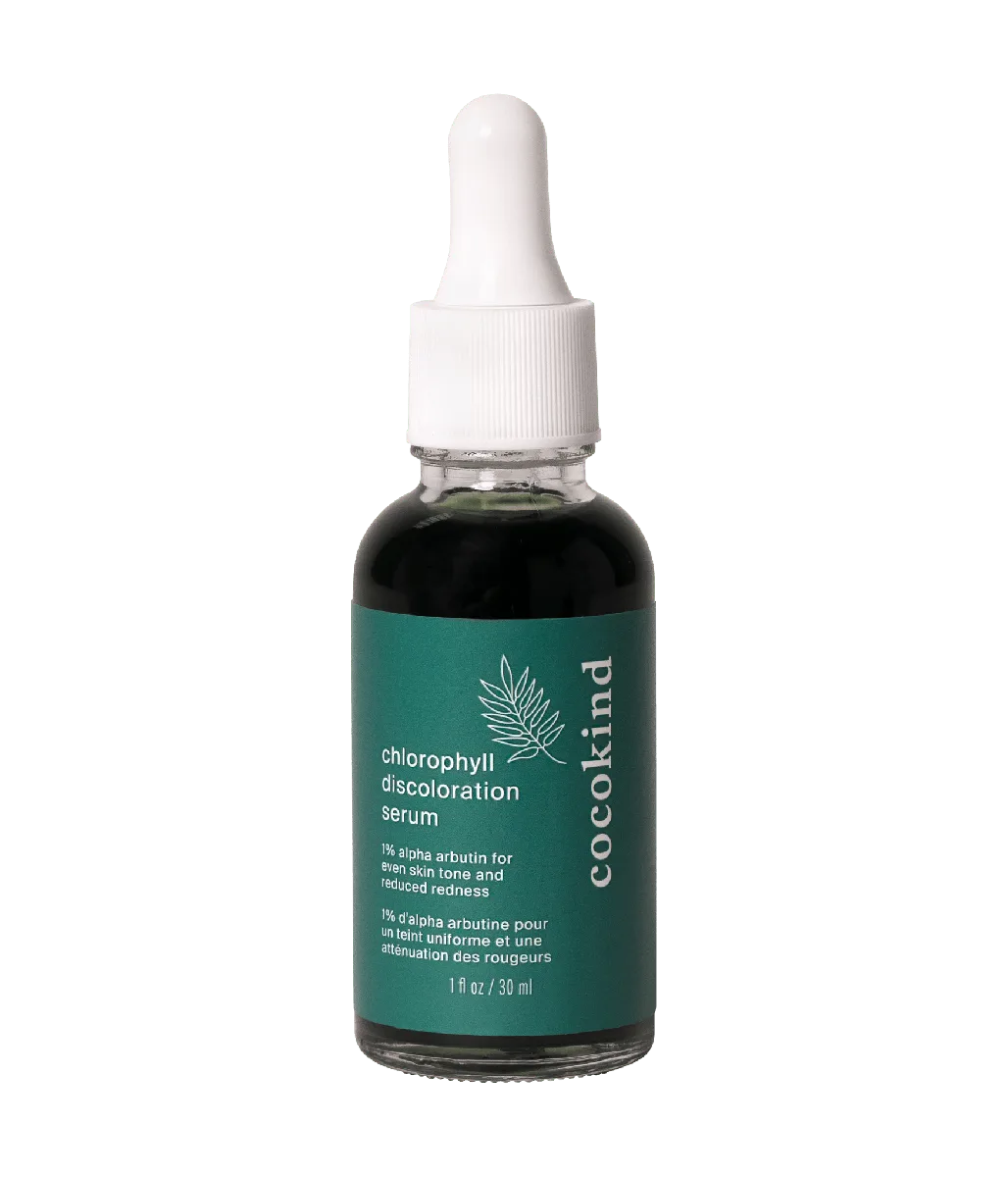 Budget Brightening Hero
 Chlorophyll Discoloration Serum
A quietly brilliant brightening serum that proves you do not need luxury prices or harsh actives to fade dark spots effectively. The alpha-arbutin and licorice root combination delivers genuine multi-pathway melanin inhibition, the sensitive-skin-friendly formula is impeccable, and $20 makes it accessible to virtually everyone. The chlorophyllin is more marketing differentiator than scientific powerhouse, but it does not hurt anything either.
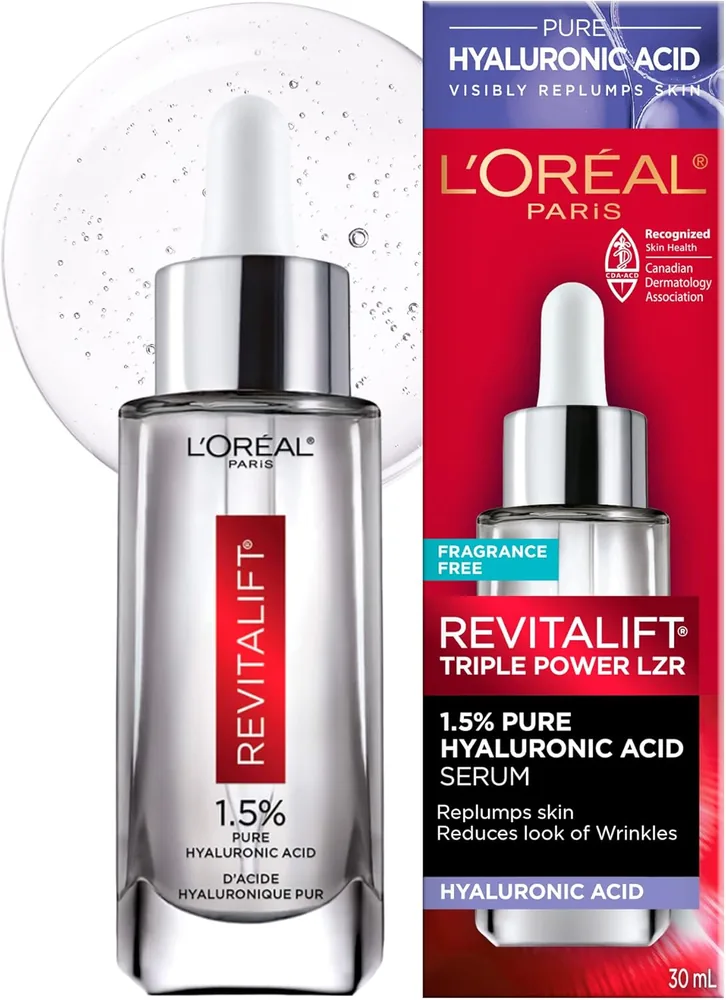 The People's HA Serum
 Revitalift Derm Intensives 1.5% Pure Hyaluronic Acid Serum
A masterclass in minimalist formulation — thirteen ingredients, no filler, four functional actives, and over thirty thousand glowing reviews. L'Oréal's multi-weight HA system delivers genuine hydration at every level of the skin, and the fragrance-free, alcohol-free formula is clean enough for virtually anyone. The drugstore serum that embarrasses its prestige competitors.
 Budget Hydration Holy Grail
 Hyalu-Cica Blue Serum
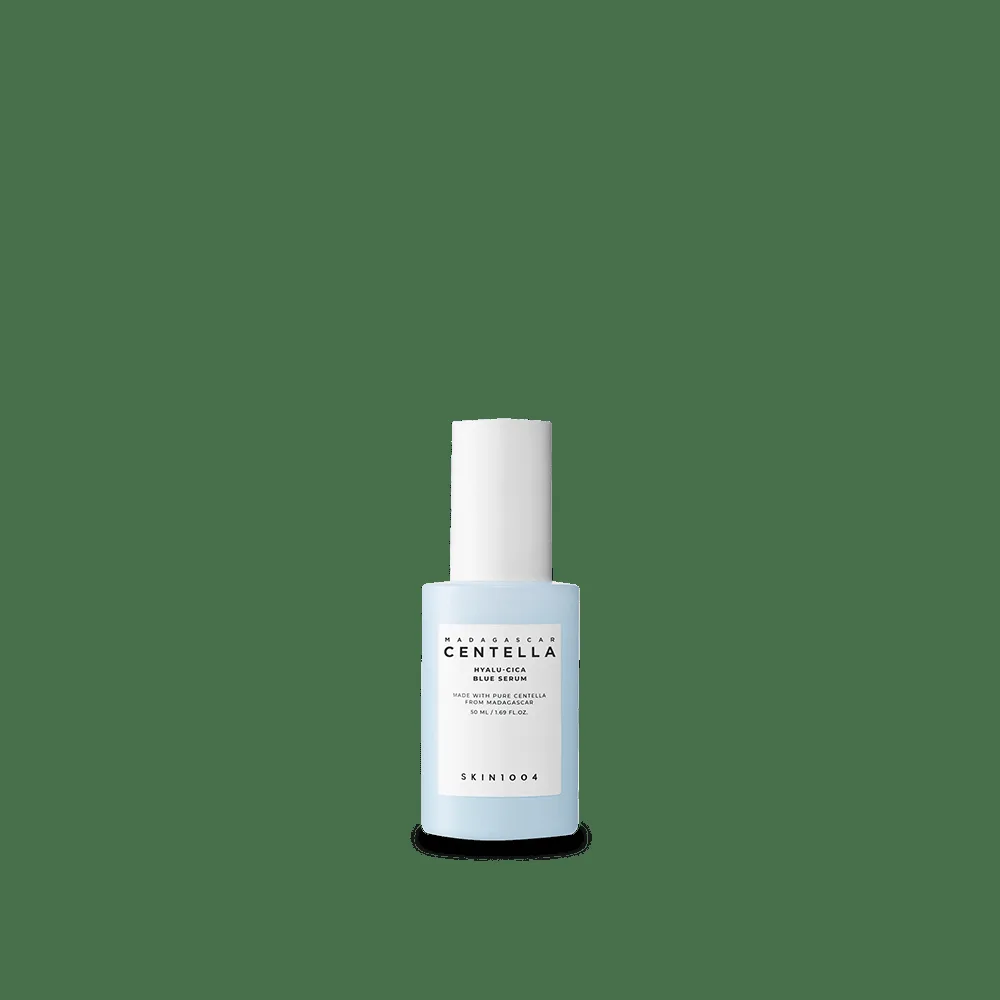
A quietly excellent budget serum that stacks Centella asiatica leaf water, five types of hyaluronic acid, niacinamide, ceramide NP, and adenosine into a fragrance-free under-$20 bottle. It is genuinely one of the best hydration-plus-soothing serums at any price, and the fact that it costs less than a salad in Manhattan is the point.
 Sensitive Skin First-Line Defense
 Hyalu-Cica First Ampoule
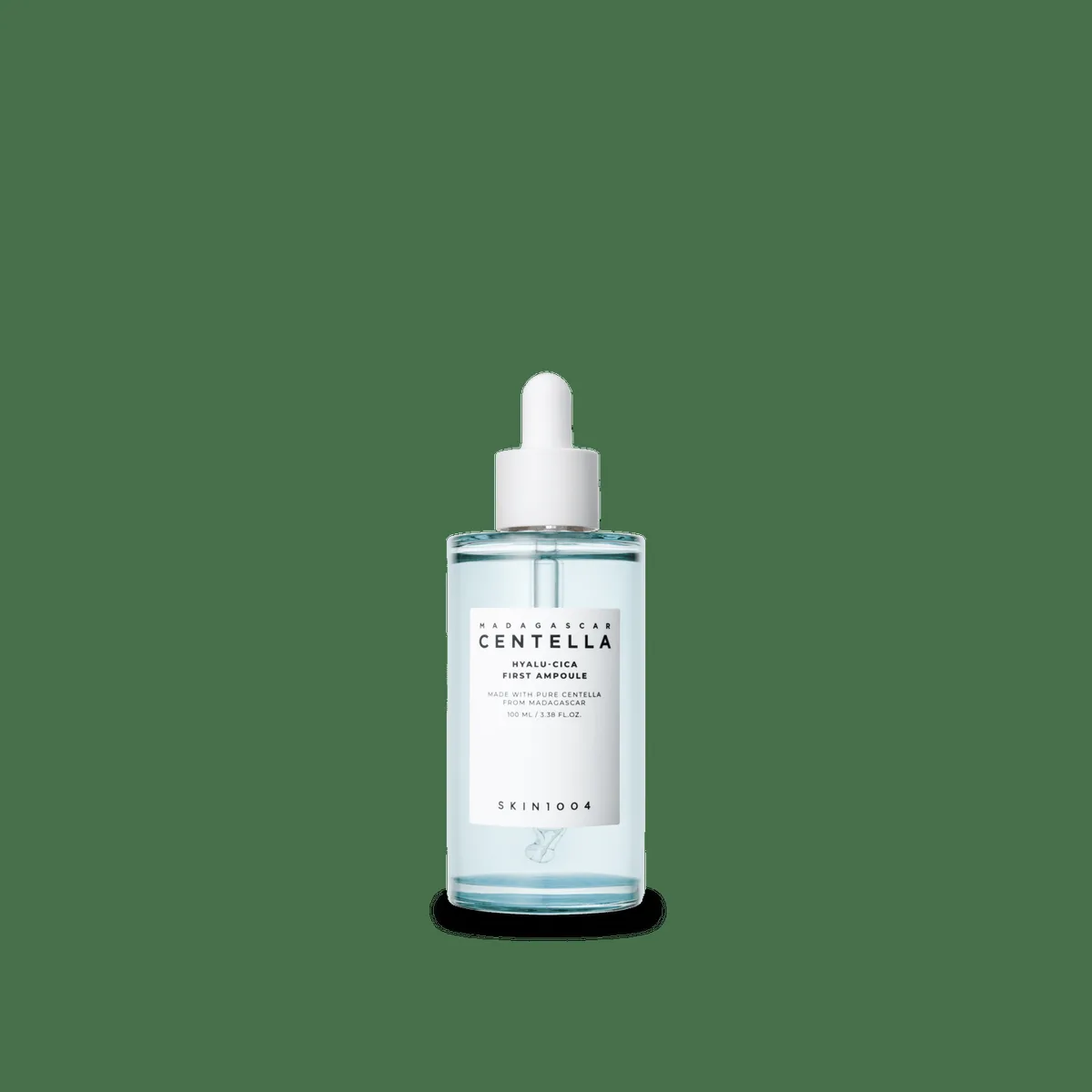
A 92% Centella asiatica extract ampoule paired with niacinamide and a multi-weight HA complex, fragrance-free and purpose-built for sensitive, compromised, and reactive skin. At $25 for 100ml, it is one of the most justifiable skincare purchases a budget-conscious buyer can make, and it earns a place in almost any routine that needs a soothing anchor.
 Sensitive Skin MVP
 Balanceful Cica Serum
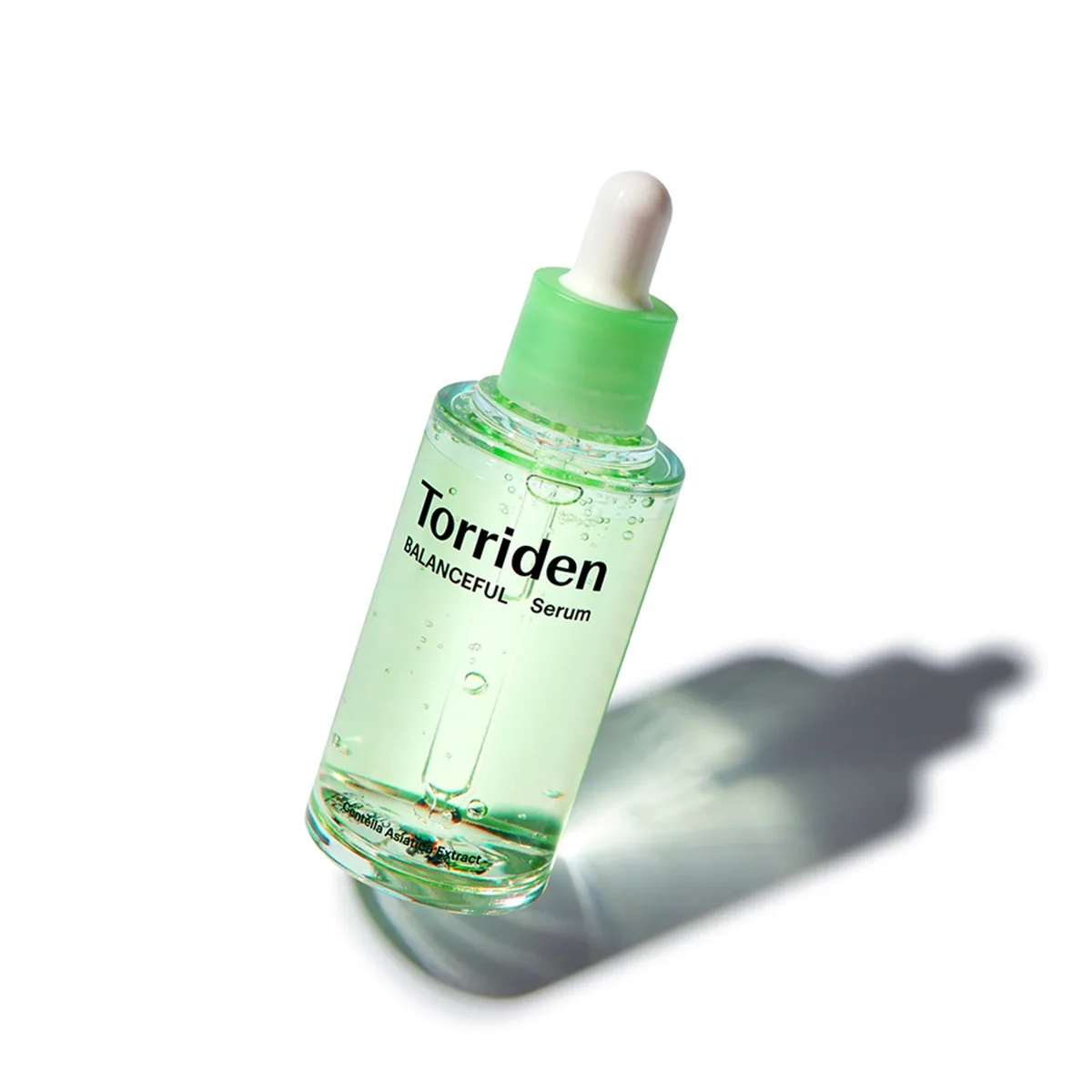
Torriden's Balanceful Cica Serum is one of the most recommendable calming serums in K-beauty — a genuinely fragrance-free, multi-weight hyaluronic acid and 5D cica complex treatment that quietly reduces redness, supports the barrier, and buffers other actives without drama. At under $25 it's a near-automatic pick for sensitive, rosacea-prone, and barrier-compromised skin.
This review reflects our independent analysis of publicly available ingredient data, manufacturer claims, and verified user reviews. We are reader-supported — Amazon links may earn us a commission at no cost to you. We do not accept paid placements; rankings are based solely on the evidence.