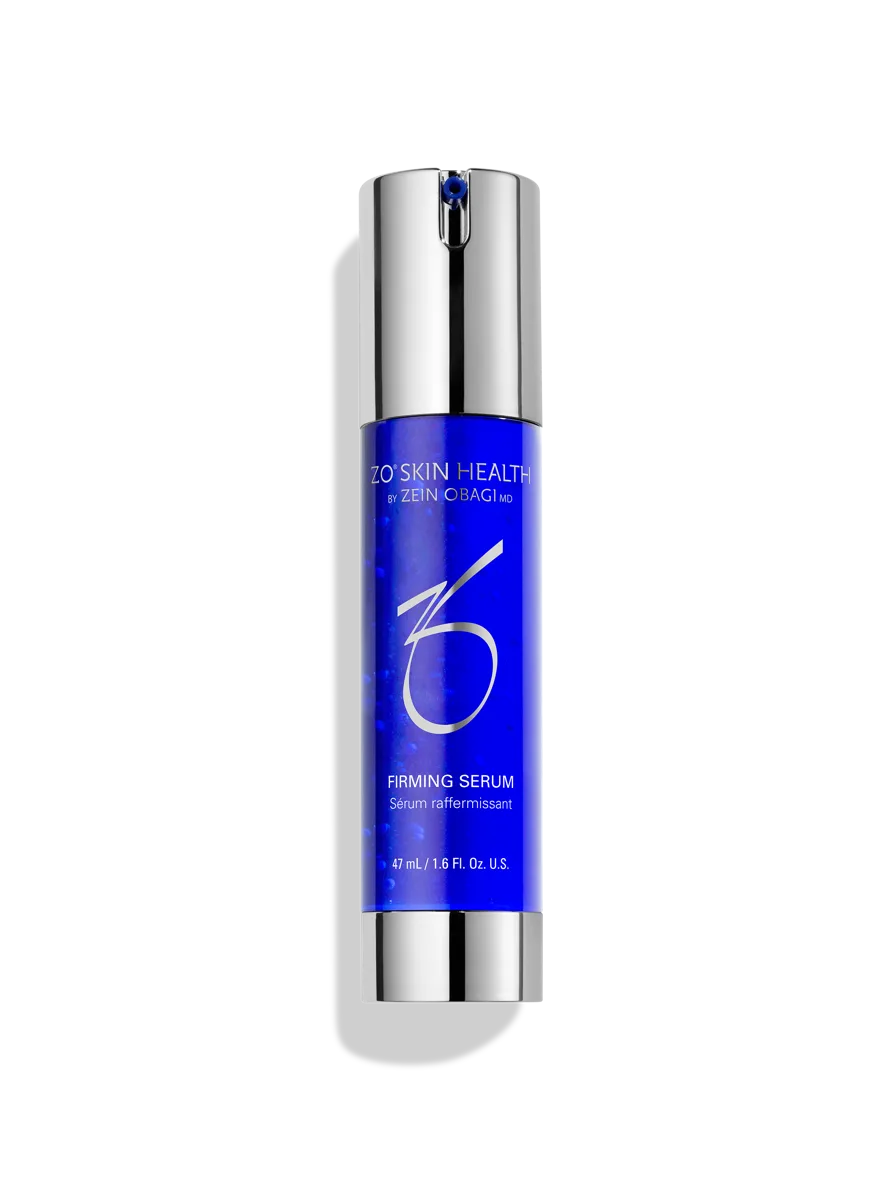
Firming Serum is a pleasantly formulated peptide-plus-plant-stem-cell serum that genuinely has a thoughtful design — but at $265, it's asking you to pay luxury pricing for ingredients that haven't caught up to the promise. Best viewed as a complement to stronger retinoid treatments, not a hero product.
Firming Serum
Firming Serum is a pleasantly formulated peptide-plus-plant-stem-cell serum that genuinely has a thoughtful design — but at $265, it's asking you to pay luxury pricing for ingredients that haven't caught up to the promise. Best viewed as a complement to stronger retinoid treatments, not a hero product.
Score Breakdown
Where this product gains points and where it loses them — broken down across the four scoring pillars.
A decently formulated peptide-plus-plant-stem-cell firming serum with a real retinoid ester, dragged down significantly by a $265 price tag that is not justified by the evidence base for its headline ingredients.
Pros & Cons
- ✓Layered peptide, plant stem cell, and retinoid ester system
- ✓Immediate tightening sensation from the DNA-based film former
- ✓Thin, fast-absorbing texture that layers well under sunscreen and makeup
- ✓Designed to complement stronger retinoids without overloading skin
- ✓Gentle enough for daily twice-a-day use on most non-sensitive skin
- ✓Frosted glass pump packaging protects light-sensitive actives
- ✗Extreme price tag not supported by peptide ingredient evidence alone
- ✗Contains added fragrance and limonene
- ✗Retinyl palmitate inside means not pregnancy-safe
- ✗Plant stem cell marketing overpromises against actual mechanism
- ✗Effects are subtle and hard to attribute in a multi-product routine
Full Review
The most interesting thing about ZO Firming Serum is the gap between its ingredient list and its price tag. Read the INCI with a dermatology-chemistry eye and you see a perfectly defensible formulation: a signal peptide, two plant stem cell cultures with published in vitro antioxidant data, a mild retinoid ester, vitamin E, and a humectant-rich hydration base. Read the shelf tag and you see $265 for 1.6 ounces. Both of those facts are true simultaneously, and any honest review has to sit with the tension between them.
The formula opens with water and three humectants — glycerin, propanediol, and dipropylene glycol — which is a sensible base for a leave-on serum at this price point. Sodium DNA appears early, and this is where the immediate 'firming' sensation comes from. High-molecular-weight DNA fragments form a thin, slightly tacky film on the skin surface that users consistently describe as tightening. It's a real sensation but it's a sensory effect, not a structural one, and it rinses off at the next cleanse. If you're evaluating this serum on the 'I feel it working' test, you'll pass the test on day one, but that reaction is not the reason to pay $265 for it.
The actual case for the product lives in the caprooyl tetrapeptide-3 and the two plant stem cell cultures. Caprooyl tetrapeptide-3 is a signal peptide that has preliminary in vitro data suggesting it can stimulate fibroblast activity and encourage collagen and elastin production. The evidence base is real but it's not as robust as the data behind, say, Matrixyl 3000 or copper peptides — both of which have more human clinical work behind them. The plant stem cell cultures (edelweiss and Marrubium) are positioned in the marketing as 'cellular support' but their actual mechanism in skin is antioxidant activity. They don't regenerate anything. They don't 'tell your cells' to do anything. They quench free radicals like any other antioxidant, and that's a useful function, but calling them stem cells creates an expectation the ingredient cannot fulfill.
The retinyl palmitate placement is the most clever part of the formula. Rather than using a stronger retinoid and competing with ZO's own Wrinkle + Texture Repair or Growth Factor Serum, Firming Serum runs a deliberately mild retinoid ester that converts slowly to retinoic acid. This means you can layer Firming Serum with stronger retinoids without overloading the skin. In the ZO protocol, that's exactly the point: Firming Serum is a complement to the heavy-hitting retinoid products, not a substitute for them. Used that way — as one step in a multi-serum regimen — the formula makes more sense than it does on its own.
The texture is where ZO earns part of the markup. It's a thin, slightly violet-tinted liquid that applies weightlessly, absorbs within seconds, and leaves that characteristic tight, clean finish. Makeup sits well over it. There's no pilling with most sunscreens. The fragrance is present and detectable — lighter than the Exfoliating Cleanser but still added perfume, and the limonene on the ingredient list is worth noting for fragrance-sensitive users. For the third time in a ZO review, the fragrance is an unforced error that a 2026 reformulation could fix.
What about actual results? The honest answer is that firming serums are among the hardest products to evaluate in skincare, because structural changes to skin happen slowly and they happen regardless of what you apply if you're also using retinoids, sunscreen, and a decent moisturizer. Users who use Firming Serum consistently for three months do report smoother, more taut-feeling skin — but most of them are also using other ZO products at the same time. Attribution is hard. The peptide and stem cell literature supports the mechanism in principle; the magnitude of benefit in a real person, in a real routine, is modest at best.
Which brings us back to the price. At $265 for 1.6 ounces, this serum sits at the top of the peptide category by a wide margin. Drunk Elephant Protini is under $70. The Ordinary's peptide options are under $15. Clinical peptide serums from Skinbetter or SkinMedica run $150-200. Nothing on the market at $265 is dramatically more effective on peptides alone, which means you're paying for the plant stem cell cultures, the retinyl palmitate, the ZO texture, and the derm-office distribution model. If you're already deep in a ZO protocol and your dermatologist recommends it, the serum earns its spot. If you're shopping the category cold, there are more honest places to spend your money.
Formula
Key Ingredients
The hero actives that drive this product's performance.
| Ingredient | Function | Evidence |
|---|---|---|
| Caprooyl Tetrapeptide-3 | A signal peptide that aims to stimulate fibroblast activity and encourage new collagen and elastin production. Paired with the plant stem cell cultures earlier in this formula, it positions the serum as a long-play firming product rather than an instant-tightening cosmetic. | emerging |
| Leontopodium Alpinum (Edelweiss) Stem Cell Culture | A stem cell culture extract with in vitro data suggesting antioxidant and MMP-inhibiting activity. In this formula it's positioned alongside Marrubium and Melilotus extracts as part of ZO's 'cellular support' story — protecting the structural proteins that the peptide is trying to rebuild. | emerging |
| Marrubium Vulgare Stem Cell Culture | A secondary plant stem cell extract chosen for in vitro antioxidant and detoxification activity. Works alongside edelweiss to provide the environmental protection layer of this firming system. | emerging |
| Sodium DNA | A high-molecular-weight DNA fragment positioned very high on the INCI, used as a film-forming humectant and structural hydrator. It's the reason the serum leaves behind a distinctive tight, slightly tacky finish that users read as 'firming.' | limited |
| Retinyl Palmitate | A gentle retinoid ester that converts slowly to retinoic acid in the skin. It's a supporting rather than headlining active here — intentional, because the serum is designed to be layered with stronger retinoids like ZO Wrinkle + Texture Repair rather than compete with them. | limited |
| Tocopheryl Acetate (Vitamin E) | Backs up the plant stem cell antioxidants and helps stabilize the retinyl palmitate. In a serum built around structural preservation, having a reliable lipid-soluble antioxidant in the mix is basic hygiene. | well-established |
Full INCI List
Aqua/Water/Eau, Glycerin, Propanediol, Dipropylene Glycol, Sodium DNA, Leontopodium Alpinum Meristem Cell Culture, Marrubium Vulgare Meristem Cell Culture, Melilotus Officinalis Extract, Tocopheryl Acetate, Retinyl Palmitate, Caprooyl Tetrapeptide-3, Lecithin, Dextran, Hydroxypropyl Methylcellulose, Carbomer, Aminomethyl Propanol, Cellulose, Polysorbate 20, Caprylyl Glycol, Lactose, Ethylhexylglycerin, Hexylene Glycol, Disodium EDTA, Citric Acid, Phenoxyethanol, Fragrance/Parfum, Ultramarines (CI 77007), Ext. Violet 2 (CI 60730), Limonene.
Product Flags
✗ Fragrance Free✓ Alcohol Free✓ Oil Free✓ Silicone Free✓ Paraben Free✓ Sulfate Free✗ Cruelty Free✗ Vegan✗ Fungal Acne Safe
Potential Irritants
FragranceLimonene
Common Allergens
FragranceLimoneneLecithin
Compatibility
Skin Match
Best For
Works For
Not Ideal For
Addresses These Conditions
aging dullness texture dehydration
Use With Caution
Avoid With
post procedure compromised skin barrier
Routine Step
serum
Time of Day
AM & PM
Pregnancy Safe
No ✗
Layering Tips
Apply after water-based serums and any vitamin C, before moisturizer. ZO positions this as the firming step that sits between treatment and barrier care in the full protocol.
Results Timeline
A soft tightening effect is noticeable immediately from the film-forming base. Visible changes to firmness and texture require 8-12 weeks of consistent twice-daily use, as is typical for any peptide-and-retinoid-ester product.
Pairs Well With
retinol-serumsgrowth-factor-serumspeptide-moisturizersvitamin-c-am
Conflicts With
aggressive-exfoliating-acids-same-session
Sample AM Routine
- Cleanser
- Vitamin C serum
- ZO Skin Health Firming Serum
- Moisturizer
- SPF 50
Sample PM Routine
- Cleanser
- Retinol treatment
- ZO Skin Health Firming Serum
- Ceramide moisturizer
Evidence
Science & Expert Perspective
The Science
The case for topical signal peptides like caprooyl tetrapeptide-3 rests on in vitro fibroblast stimulation studies and a smaller number of human use studies showing modest improvements in wrinkle depth and firmness over 8-12 weeks. The evidence is more robust for long-studied peptides like palmitoyl pentapeptide-4 (Matrixyl) and copper peptide complexes, and caprooyl tetrapeptide-3 is often considered a promising but less thoroughly characterized member of the class. Plant stem cell extracts like Leontopodium alpinum meristem cell culture have published in vitro antioxidant and metalloproteinase-inhibiting data — a 2010s paper in the Journal of Drugs in Dermatology examined edelweiss extract's effects on MMP activity in cultured human skin cells and reported meaningful reductions, though translating cell-culture findings into in vivo results remains an open question. Marrubium vulgare stem cell culture has similar in vitro antioxidant data but less human clinical work. Retinyl palmitate is a retinoid ester that must be converted through retinol and retinaldehyde to retinoic acid before exerting any activity, and the conversion is inefficient enough that retinyl palmitate alone is considered a mild actor — useful as a supporting ingredient, not a headline retinoid. Sodium DNA functions as a film-forming humectant with limited data on structural skin effects but well-established immediate tactile benefits. The combination here is mechanistically coherent but the human clinical evidence for the overall product is primarily driven by ZO's internal data rather than independent published trials.
Dermatologist Perspective
Dermatologists familiar with the ZO line typically position Firming Serum as a layering product rather than a standalone hero. It's recommended to patients already using stronger ZO retinoids who want an additional firming step, or to patients recovering from radiofrequency or ultrasound-based tightening procedures who want a supportive topical. Board-certified dermatologists generally acknowledge that the peptide and plant stem cell evidence base is promising but less robust than the evidence for retinoids, sunscreen, and growth factors, and the price point is a regular topic of patient-practitioner discussion. As with any retinoid-containing product, dermatologists advise discontinuation during pregnancy and breastfeeding. Sensitive skin and fragrance-allergic patients are usually routed to an alternative peptide serum.
Guidance
Usage Guide
How to Use
Apply two to three pumps to clean skin after any water-based serums and any strong treatment products like vitamin C or retinol, before moisturizer. Use morning and evening. Pair with an SPF 30+ in the morning — the retinoid ester means daytime UV protection is non-negotiable. For best results, build up gradually if you're new to multi-serum routines: start once daily for the first two weeks, then twice daily. Discontinue for 5-7 days before any in-office resurfacing procedure. Store away from heat and direct sunlight to preserve the light-sensitive retinyl palmitate and peptide.
Value Assessment
At $265 for 1.6 oz, Firming Serum is the most expensive product in the ZO serum category and one of the priciest peptide serums in mainstream skincare. The formula is thoughtful — a peptide, two plant stem cell cultures, a retinoid ester, and vitamin E in a pleasant base — but the evidence for the headline actives does not justify the premium over $80-150 clinical peptide serums with more robust research. You're paying for ZO's distribution overhead, the texture, and the integrated protocol. For patients already committed to the ZO system under dermatologist guidance, it can be a reasonable addition. For shoppers outside that context, there are better-value peptide serums available.
Who Should Buy
Patients already following a ZO protocol who want to add a complementary firming step alongside their main retinoid treatment, and who have the budget to support a full multi-serum regimen. Best suited for normal, combination, or dry skin types in their 40s and beyond looking for gradual improvement in skin firmness and texture.
Who Should Skip
Anyone shopping for a peptide serum on value should skip this — comparable results are available at a fraction of the price. Sensitive or fragrance-reactive skin, pregnant or breastfeeding users, and anyone with unrealistic expectations about topical tightening should all look elsewhere.
Ready to try ZO Skin Health Firming Serum?
Details
Details
Texture
Thin, slightly violet-tinted serum with a quick-absorbing, film-forming finish.
Scent
Signature ZO floral fragrance, lighter than the Exfoliating Cleanser but still present.
Packaging
Frosted glass bottle with a pump — premium feel that matches the price bracket.
Finish
satinnon-greasyfast-absorbing
What to Expect on First Use
Most users feel an immediate skin-tightening sensation from the film-forming DNA and stem cell base — this is a sensory effect rather than a structural change. No purging or irritation expected for most users. The real anti-aging work takes weeks to judge.
How Long It Lasts
Roughly 3 months at twice-daily face and neck application from the 1.6 oz bottle.
Period After Opening
12 months
Best Season
All Year
Background
The Why
Firming Serum was added to the ZO lineup in the mid-2010s as patients and clinicians asked for a product specifically targeting the mid-face and jawline laxity that retinol alone wasn't addressing. ZO positioned it not as a competitor to their retinol products but as a complementary step meant to layer alongside them — the 'firming' slot in the broader anti-aging protocol.
About ZO Skin Health Established Brand (5–20 years)
ZO Skin Health was founded in 2007 by Dr. Zein Obagi and distributes primarily through U.S. dermatology and plastic surgery offices. The brand's firming and anti-aging formulas are often used alongside in-office tightening procedures like radiofrequency and ultrasound treatments.
Brand founded: 2007 · Product launched: 2014
Myth vs. Reality
Myths & Misconceptions
Myth
Plant stem cell cultures 'regenerate' your own skin cells.
Reality
Plant stem cell extracts contribute antioxidants and secondary metabolites that can protect skin cells from oxidative stress. They do not interact with human stem cells or trigger human cell regeneration — the marketing around 'stem cells' in cosmetics has run ahead of the actual mechanism.
Myth
Firming Serum will replace surgical or in-office tightening.
Reality
No topical peptide serum — at any price — is a substitute for radiofrequency, ultrasound, or surgical interventions for significant skin laxity. Firming Serum is a complement to those procedures, not a replacement.
FAQ
Frequently Asked Questions
Is ZO Firming Serum actually worth $265?
Honestly, the formula is thoughtful but the price is tough to defend on ingredients alone. The peptide, plant stem cell cultures, and retinyl palmitate are a reasonable combination, but comparable peptide serums from other clinical brands retail for half the price. You're paying for the ZO ecosystem and the texture as much as the actives.
Can I use ZO Firming Serum with retinol?
Yes — and that's how ZO actually recommends using it. In their protocol, Firming Serum is layered with stronger retinol products rather than used as a standalone treatment. The retinyl palmitate here is deliberately gentle so it can coexist with other retinoids.
How long until I see results?
You'll feel a soft tightening effect on first application from the film-forming base, but don't mistake that for structural change. Real improvements in texture and firmness take 8-12 weeks of consistent use, which is typical for any peptide-based formulation.
Is this product safe during pregnancy?
No. Firming Serum contains retinyl palmitate, and dermatology guidance is to avoid topical retinoids during pregnancy and breastfeeding. Switch to a peptide-only product without retinoid esters during that period.
Can I use it around my eyes?
ZO positions it as safe for use around the orbital bone but not on the delicate lash line or lid. For direct under-eye work, ZO's dedicated eye products are a better match for the thinner skin.
Does Firming Serum replace a moisturizer?
No. This is a treatment step, not a moisturizer — it lacks the occlusive and emollient components needed to properly seal in hydration. Follow it with a ceramide or peptide moisturizer to finish the routine.
Why is there a retinoid in a firming serum?
Retinyl palmitate is a mild retinoid ester that converts slowly to retinoic acid in the skin. ZO includes it to support cell turnover while the peptides and plant stem cell cultures do their structural work. It's a supporting role, not the headline active.
Community
Community Voices
Common Praise
"Pleasant immediate tightening feel"
"Light, non-greasy texture"
"Works well under makeup"
"Noticeable smoothing over weeks"
Common Complaints
"Extremely expensive"
"Contains fragrance"
"Effects described as subtle"
"Hard to evaluate vs layered retinoid results"
Notable Endorsements
Dispensed in U.S. dermatology and plastic surgery officesPart of ZO's anti-aging regimen protocol
Appears In
best firming serum with peptides best layerable anti aging serum best derm office firming serum
Related Conditions
aging dullness texture dehydration
Related Ingredients
You Might Also Like
 Sensitive Skin Soother
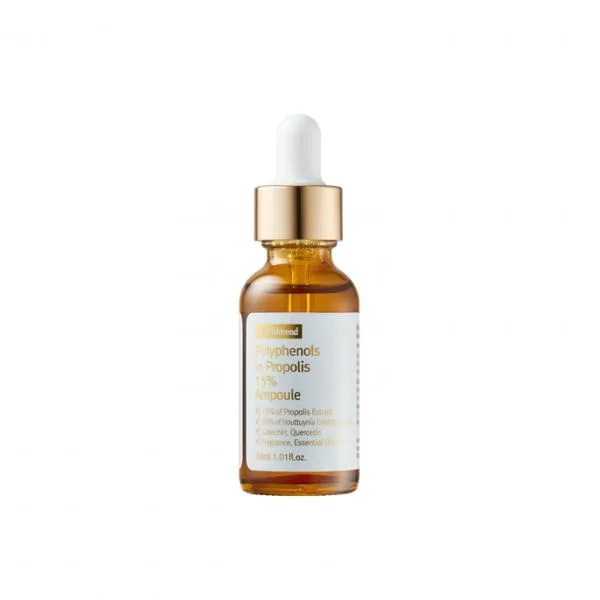
 Polyphenols In Propolis 15% Ampoule
A 15% propolis ampoule that earns its name with a real polyphenol stack — French Auvergne propolis layered over a houttuynia cordata base, with tulsi and pomegranate piling on. It's slightly sticky and not cheap by volume, but for sensitive, breakout-prone skin chasing calm, this is one of the most reliable K-beauty soothers in production.
 Budget Brightening Hero
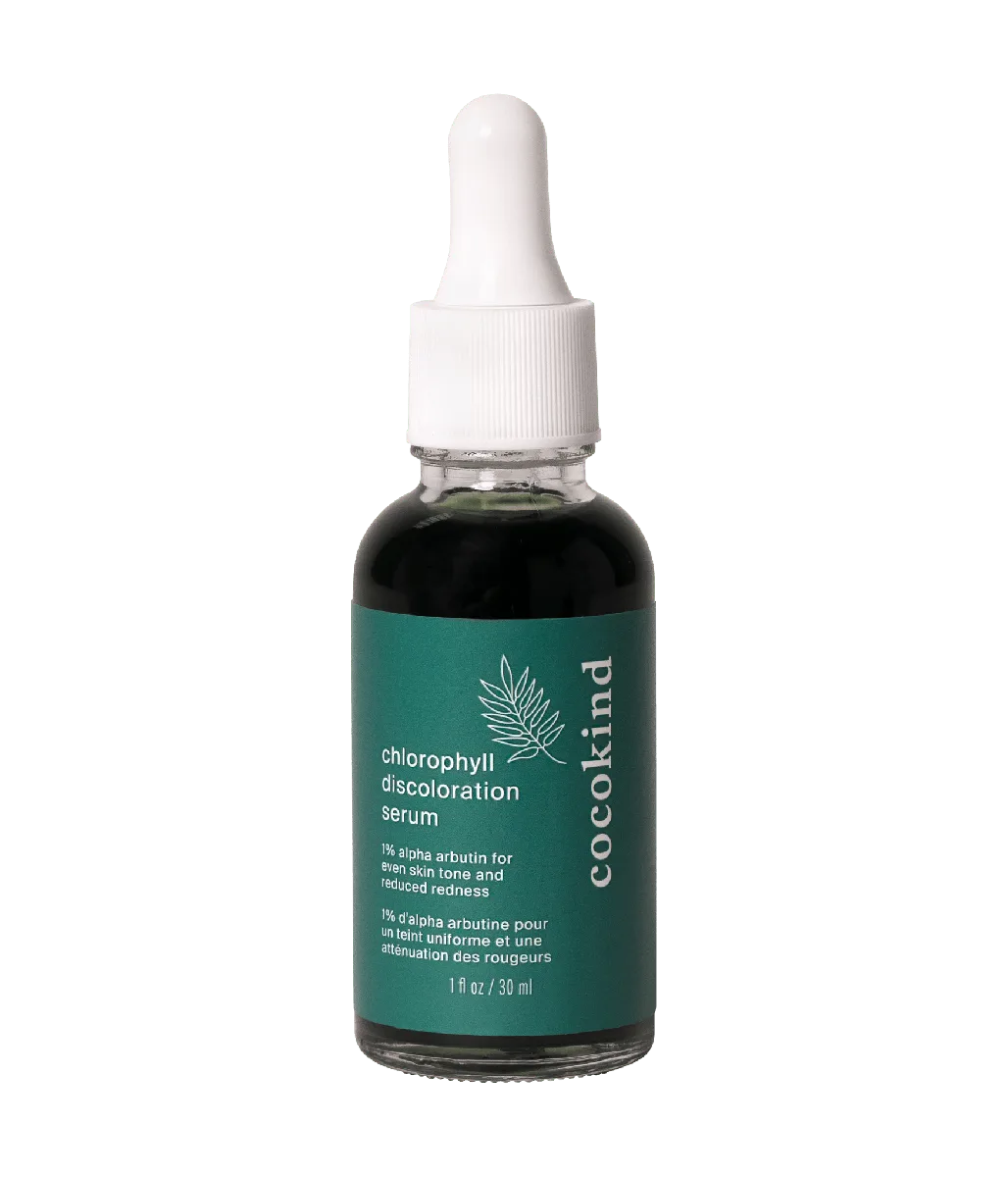
 Chlorophyll Discoloration Serum
A quietly brilliant brightening serum that proves you do not need luxury prices or harsh actives to fade dark spots effectively. The alpha-arbutin and licorice root combination delivers genuine multi-pathway melanin inhibition, the sensitive-skin-friendly formula is impeccable, and $20 makes it accessible to virtually everyone. The chlorophyllin is more marketing differentiator than scientific powerhouse, but it does not hurt anything either.
 The People's HA Serum
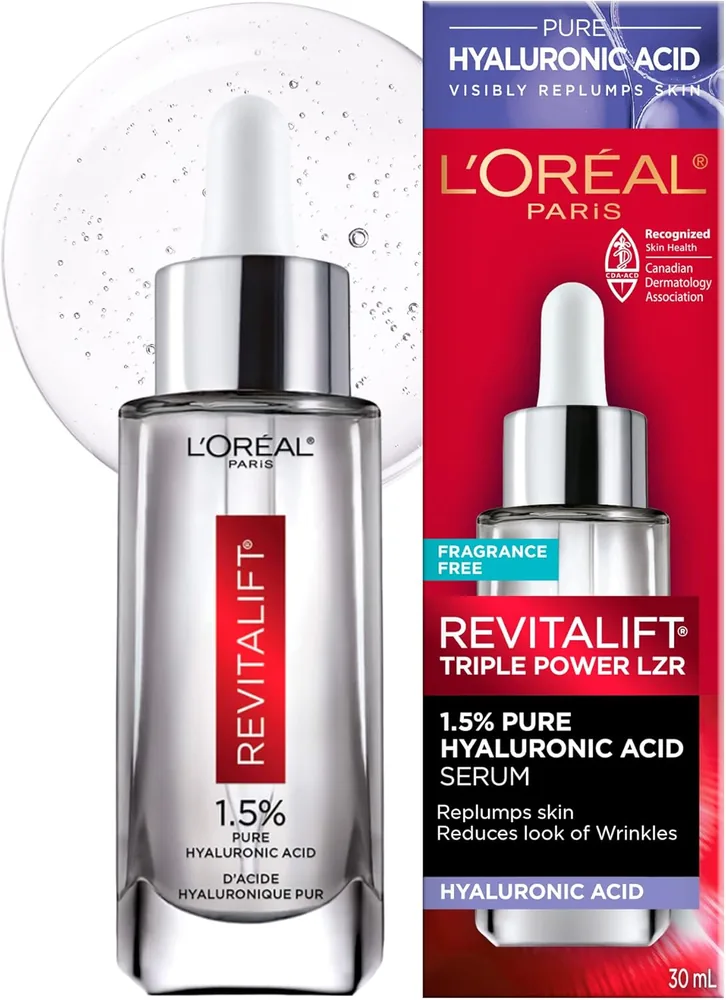
 Revitalift Derm Intensives 1.5% Pure Hyaluronic Acid Serum
A masterclass in minimalist formulation — thirteen ingredients, no filler, four functional actives, and over thirty thousand glowing reviews. L'Oréal's multi-weight HA system delivers genuine hydration at every level of the skin, and the fragrance-free, alcohol-free formula is clean enough for virtually anyone. The drugstore serum that embarrasses its prestige competitors.
 Budget Hydration Holy Grail
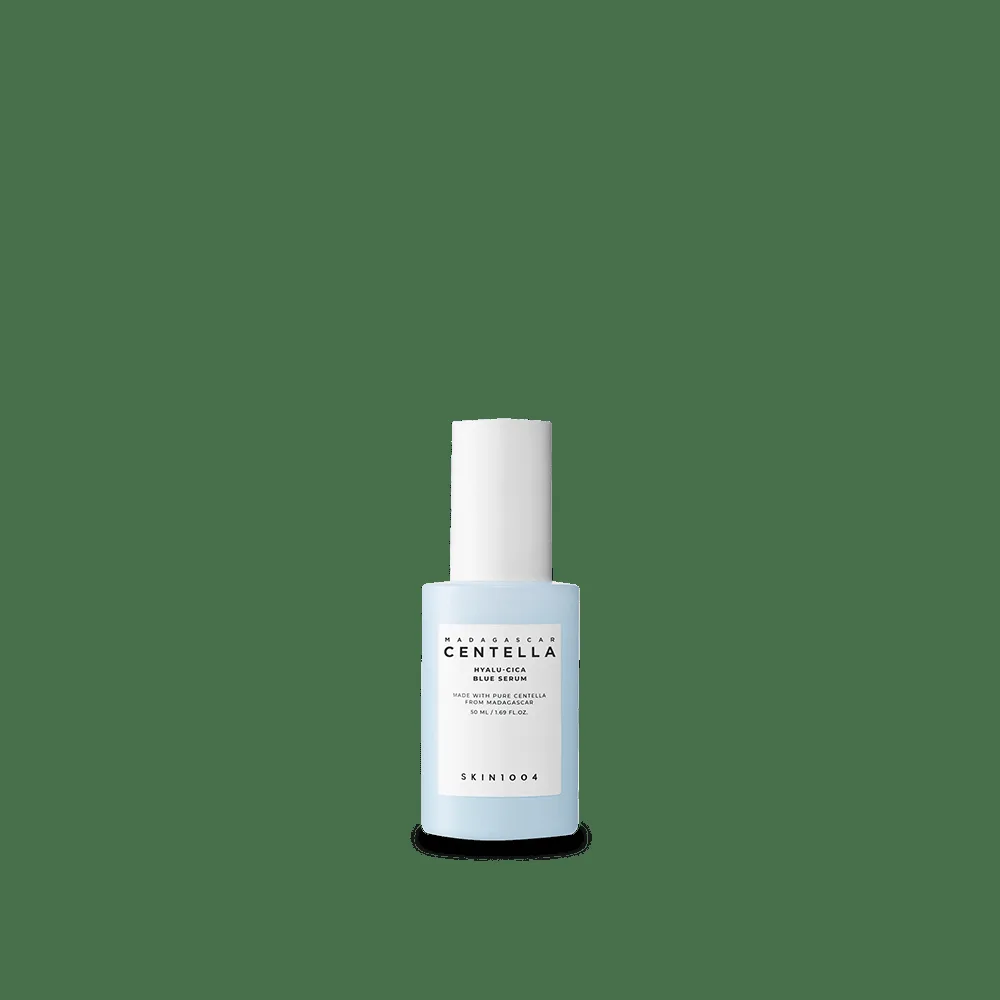
 Hyalu-Cica Blue Serum
A quietly excellent budget serum that stacks Centella asiatica leaf water, five types of hyaluronic acid, niacinamide, ceramide NP, and adenosine into a fragrance-free under-$20 bottle. It is genuinely one of the best hydration-plus-soothing serums at any price, and the fact that it costs less than a salad in Manhattan is the point.
 Sensitive Skin First-Line Defense
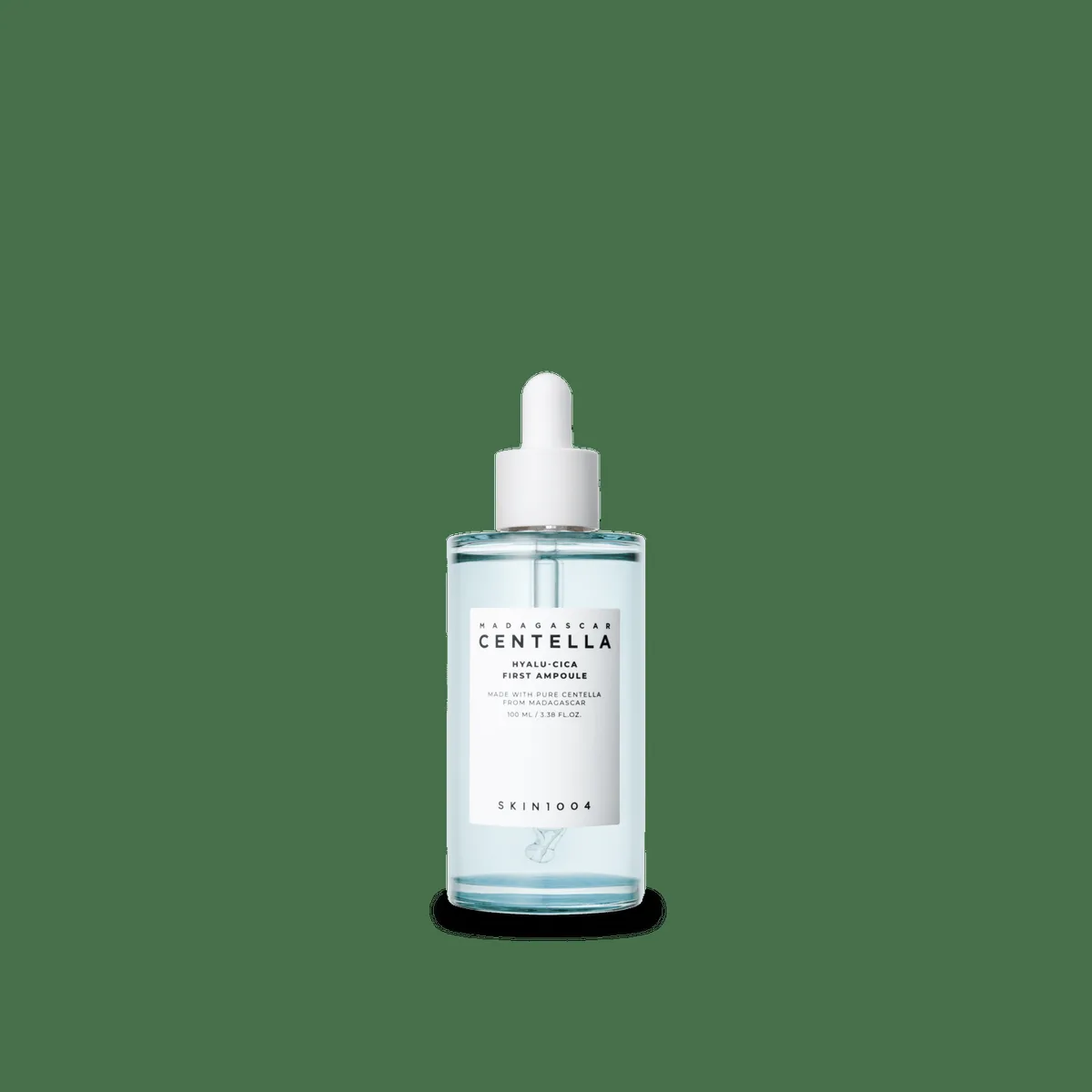
 Hyalu-Cica First Ampoule
A 92% Centella asiatica extract ampoule paired with niacinamide and a multi-weight HA complex, fragrance-free and purpose-built for sensitive, compromised, and reactive skin. At $25 for 100ml, it is one of the most justifiable skincare purchases a budget-conscious buyer can make, and it earns a place in almost any routine that needs a soothing anchor.
 Sensitive Skin MVP
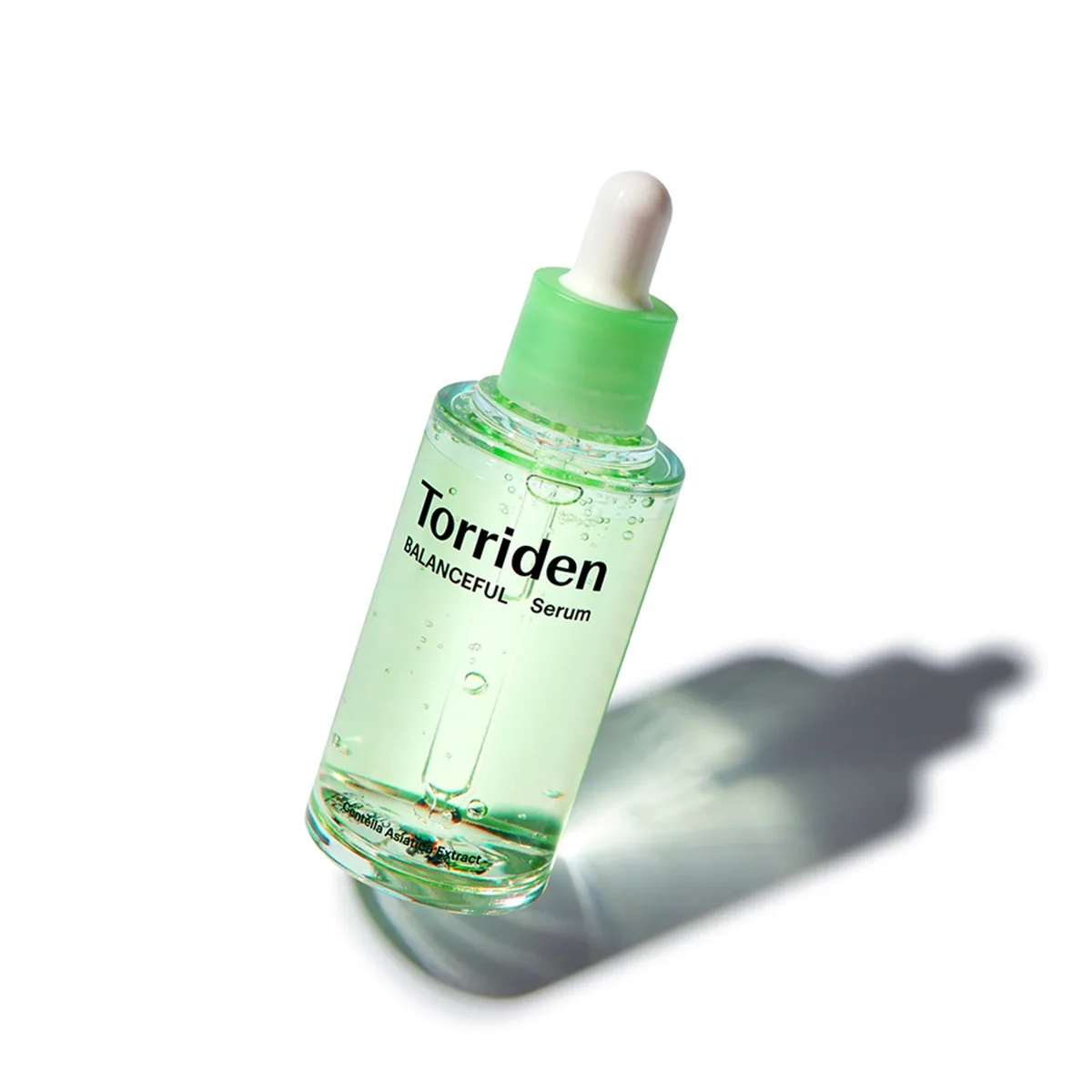
 Balanceful Cica Serum
Torriden's Balanceful Cica Serum is one of the most recommendable calming serums in K-beauty — a genuinely fragrance-free, multi-weight hyaluronic acid and 5D cica complex treatment that quietly reduces redness, supports the barrier, and buffers other actives without drama. At under $25 it's a near-automatic pick for sensitive, rosacea-prone, and barrier-compromised skin.