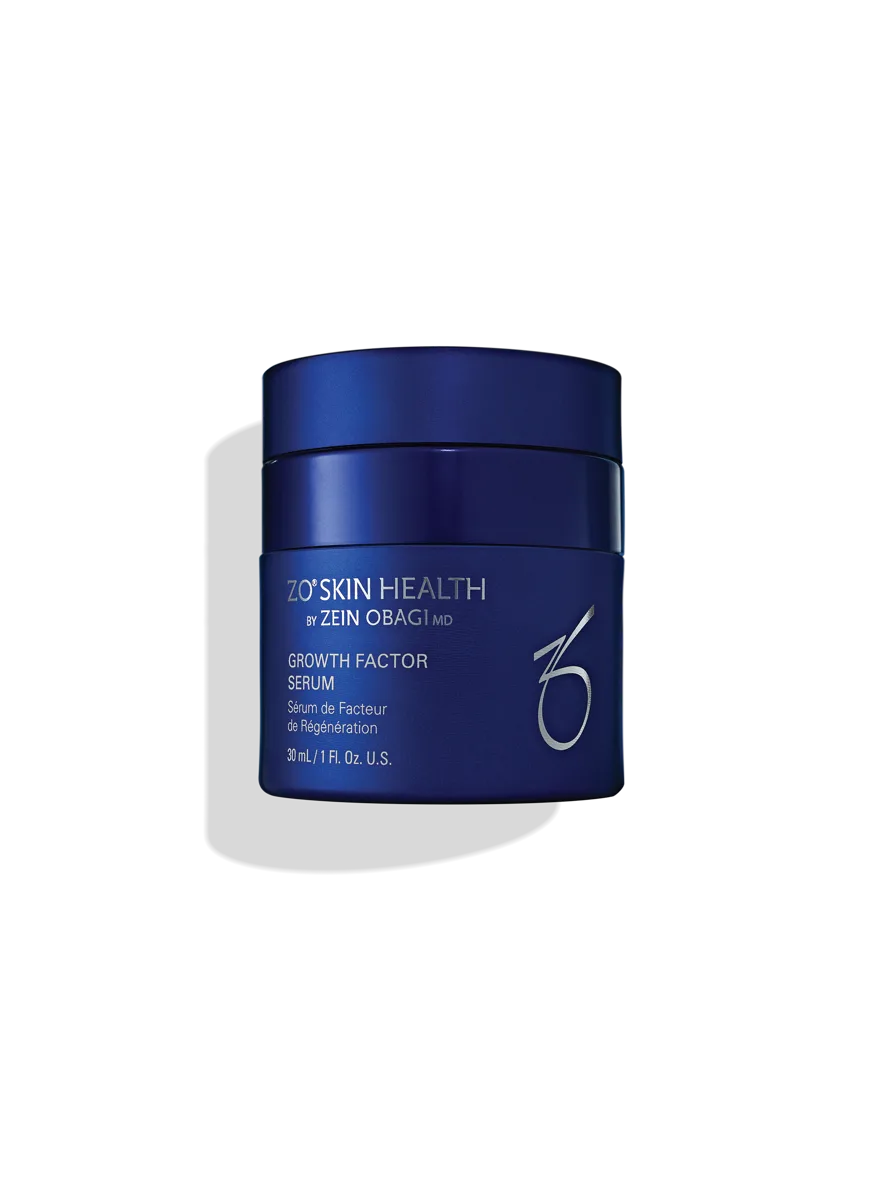
ZO Growth Factor Serum is one of the smarter products in the category because it hedges the growth factor evidence base with a supporting-dose retinol, a real peptide, and a comfort-focused delivery system. The plant growth factor story is overhyped, but the full formula earns more respect than the marketing suggests.
Growth Factor Serum
ZO Growth Factor Serum is one of the smarter products in the category because it hedges the growth factor evidence base with a supporting-dose retinol, a real peptide, and a comfort-focused delivery system. The plant growth factor story is overhyped, but the full formula earns more respect than the marketing suggests.
Score Breakdown
Where this product gains points and where it loses them — broken down across the four scoring pillars.
A genuinely elegant serum with a layered growth factor, peptide, retinol, and ATP design — marked down for fragrance, propylene glycol, and a price that outpaces the evidence base for plant-derived growth factors.
Pros & Cons
- ✓Layered system of plant growth factors, retinol, Syn-Ake peptide, and ATP
- ✓Silky silicone-rich texture that glides and layers beautifully
- ✓Supporting-dose retinol is well-tolerated for daily use
- ✓Commonly recommended by dermatologists for post-procedure support
- ✓Airless pump packaging protects light-sensitive actives
- ✓Pairs well with stronger retinoids in a complete ZO protocol
- ✗$200 price tag harder to justify on plant growth factors alone
- ✗Contains added fragrance
- ✗Contains propylene glycol, which can irritate a minority of users
- ✗Retinol content means not pregnancy-safe
- ✗Growth factor marketing outpaces the published evidence base
Full Review
If you read ZO's Growth Factor Serum marketing copy, you'd think this is a product about growth factors. If you read the INCI list, you'd think this is a product about silicones, retinol, and peptides. Both are true, and the gap between them is the most interesting thing about this serum. ZO wanted to compete in the growth factor category that SkinMedica TNS had dominated for years, but ZO also wanted to avoid human-derived growth factors on biosafety grounds, which left them with plant and ferment-derived extracts whose evidence base is more limited. Their solution was to hedge the entire formulation with a retinol underlayer, making Growth Factor Serum less of a pure growth factor product and more of a layered anti-aging treatment with a growth factor story on the label.
The formula opens with cyclopentasiloxane and water, setting up the silicone-dominant delivery system that defines the texture. Dipropylene glycol, propylene glycol, and glycerin handle humectancy. A cascade of dimethicone crosspolymers provides the blur-and-glide sensory signature that ZO serums are known for. By the time you reach the actives, the skin is already being prepared with a smoothing, primer-like base that makes everything downstream feel comfortable. This is the part ZO does better than most of its competitors in the category.
The growth factor components are Buddleja davidii meristem cell culture, Lactobacillus/Panax ginseng ferment filtrate, hydrolyzed vegetable protein, and hydrolyzed sericin. These are plant- and ferment-derived ingredients that contribute oligopeptides, amino acids, and antioxidants to the formula. Do they function as growth factors in the strict dermatological sense — binding to specific receptors on fibroblasts and keratinocytes to stimulate proliferation? The honest answer is no, not in the way human fibroblast-derived growth factors do. Do they contribute bioactive molecules that can support skin metabolism and provide antioxidant benefits? Yes, and the in vitro data on Buddleja davidii in particular is legitimate. The semantic gap between 'contains growth-factor-like activity' and 'growth factors' is where the marketing gets ahead of the science.
What actually drives results in this serum is the combination of retinol, dipeptide diaminobutyroyl benzylamide diacetate (better known as Syn-Ake), ATP, and beta-glucan. The retinol is the workhorse — even at supporting dose, retinol has the strongest evidence base of any ingredient in the formula for collagen stimulation and turnover. Syn-Ake is a peptide that targets expression line relaxation through a well-documented in vitro mechanism. ATP and beta-glucan support the surrounding environment, keeping skin calm enough to tolerate the retinol consistently. Put together, this is the part of the product where your money is actually being spent on proven mechanisms.
The texture is a clear win. The silicone and humectant base gives the serum a silky, blurring glide that most retinol-containing products can't match, and the airless pump packaging protects the light-sensitive payload. Application is effortless, makeup sits well over it, and the immediate sensory payoff is the kind of thing that justifies premium pricing in a purely experiential sense. The fragrance is present — this is three ZO reviews in a row where the fragrance is the recurring issue — and users with known fragrance sensitivity should approach with caution. The propylene glycol is another consideration for a small subset of contact-dermatitis-prone patients, though it's well-tolerated by most.
The real question is value. At $200 for 1 oz, Growth Factor Serum is priced in line with the premium growth factor category (SkinMedica TNS is in a similar range) and above more basic retinol serums by a wide margin. If you think of this as 'a retinol product with a premium delivery system, peptides, and some antioxidant support,' the price is tough but not absurd. If you think of this as 'a growth factor serum,' you're paying a premium for a class of ingredients that the evidence base doesn't fully support. The patients who get the most out of this product are ones who already use ZO's retinol-forward treatments at night and want a gentler, more comfortable daytime option that still contributes retinoid activity. Used that way, it earns its spot. Used as a standalone 'growth factor product,' it's overpriced for what the plant growth factors actually do.
In the dermatology office world, Growth Factor Serum is frequently used post-microneedling, post-laser, and alongside RF treatments because of its soothing base and the perception that growth factors support healing. The evidence for that specific application is mostly mechanistic and anecdotal rather than randomized-trial backed, but it's consistent with how clinicians use it in practice. If your dermatologist is recommending it for post-procedure care, that's a defensible use case. If you're shopping for anti-aging without that context, a straight retinol plus a clinical peptide serum will get you most of the way there for less money.
Formula
Key Ingredients
The hero actives that drive this product's performance.
| Ingredient | Function | Evidence |
|---|---|---|
| Plant-Derived Growth Factor Complex (Buddleja Davidii + Lactobacillus/Panax Ginseng Ferment + Hydrolyzed Vegetable Protein) | ZO's proprietary stack of plant and ferment-derived extracts chosen as a biosafety-conscious alternative to human fibroblast growth factors. In this silicone-rich delivery base, they're positioned to support the fibroblast and keratinocyte activity that the retinol and peptide later in the INCI depend on. | emerging |
| Retinol | A supporting-dose retinol that provides the proven collagen-stimulating and turnover-boosting activity that no growth factor blend can match on evidence. Buffered by the extensive silicone matrix and peptide-plus-ATP support, it behaves more gently than standalone retinol serums at similar strengths. | well-established |
| Adenosine Triphosphate (ATP) | A cellular energy molecule included to support the metabolic activity of skin cells that the growth factors are trying to stimulate. In practice it also contributes to the smooth, immediately comfortable feel of the serum on application. | limited |
| Dipeptide Diaminobutyroyl Benzylamide Diacetate (Syn-Ake) | A synthetic peptide that targets expression line relaxation by mimicking a mechanism found in temple viper venom. It's there to pair with the retinol's structural work and give the product a softer-on-expression-lines story. | emerging |
| Beta-Glucan | A polysaccharide that contributes soothing and mild immunomodulatory effects. In a serum built around growth factors and retinol, it helps keep the skin calm enough to tolerate the more active ingredients consistently. | promising |
| Panthenyl Triacetate + Acetyl Tyrosine | A pro-vitamin B5 derivative paired with a tyrosine derivative to support hydration, barrier resilience, and tone evenness. In the overall design, these sit behind the headline actives as the supporting moisturization layer. | well-established |
Full INCI List
Cyclopentasiloxane, Water (Aqua), Dipropylene Glycol, Propylene Glycol, Glycerin, Dimethicone, Dimethicone/PEG-10/15 Crosspolymer, Dimethicone Crosspolymer, PEG-12 Dimethicone Crosspolymer, Butylene Glycol, Phenoxyethanol, Panthenyl Triacetate, Acetyl Tyrosine, Phospholipids, Ethyl Linoleate, Sodium Phosphate, Dimethicone/Vinyl Dimethicone Crosspolymer, Fragrance (Parfum), Hydrolyzed Sericin, Magnesium Sulfate, Proline, Oleyl Alcohol, Polysorbate 20, Retinol, Buddleja Davidii Meristem Cell Culture, Menthyl Ethylamido Oxalate, Angelica Polymorpha Sinensis Root Extract, Hydrolyzed Vegetable Protein, Adenosine Triphosphate, Dimethiconol, 1,2-Hexanediol, Pentylene Glycol, PEG-35 Castor Oil, PEG-12 Glyceryl Laurate, Lactobacillus/Panax Ginseng Root Extract Ferment Filtrate, Tocopherol, Sodium Citrate, Disodium Acetyl Glucosamine Phosphate, Caprylyl Glycol, Beta-Glucan, Dipeptide Diaminobutyroyl Benzylamide Diacetate, BHT, Sodium Chloride, Potassium Sorbate.
Product Flags
✗ Fragrance Free✓ Alcohol Free✓ Oil Free✗ Silicone Free✓ Paraben Free✓ Sulfate Free✗ Cruelty Free✗ Vegan✗ Fungal Acne Safe
Potential Irritants
RetinolFragrancePropylene Glycol
Common Allergens
FragrancePropylene Glycol
Compatibility
Skin Match
Best For
Works For
Not Ideal For
Addresses These Conditions
aging dullness texture sun damage
Use With Caution
Avoid With
post procedure compromised skin barrier
Routine Step
serum
Time of Day
AM & PM
Pregnancy Safe
No ✗
Layering Tips
Apply to clean, dry skin after water-based serums and before moisturizer. In the ZO protocol this sits alongside (not instead of) a dedicated retinoid when patients need more aggressive anti-aging — the retinol here is supporting, not headlining.
Results Timeline
Skin feels softer and smoother within 1-2 weeks. Visible changes in tone and fine lines develop over 8-12 weeks of consistent use. Growth factor-driven structural changes — if any — typically need 12+ weeks to assess.
Pairs Well With
retinol-treatmentsvitamin-c-amsunscreen
Conflicts With
strong-leave-on-acids-same-session
Sample AM Routine
- Cleanser
- Vitamin C serum
- ZO Skin Health Growth Factor Serum
- Moisturizer
- SPF 50
Sample PM Routine
- Cleanser
- Hydrating toner
- ZO Skin Health Growth Factor Serum
- Ceramide moisturizer
Evidence
Who Should Skip
- $200 price tag harder to justify on plant growth factors alone
- Contains added fragrance
- Contains propylene glycol, which can irritate a minority of users
- Retinol content means not pregnancy-safe
Science & Expert Perspective
The Science
The core claim for growth factor serums rests on cellular biology research showing that topical application of growth factors — particularly human epidermal growth factor (EGF) and fibroblast growth factor — can modulate fibroblast and keratinocyte activity and support collagen production. The strongest published evidence is for human fibroblast-derived growth factors, used in conditioned media products like SkinMedica TNS, which have randomized clinical trial data showing measurable improvements in fine lines and skin texture over 60-90 days. Plant-derived growth factors, including Buddleja davidii meristem cell culture, have in vitro antioxidant and minor bioactive data but far less human clinical evidence. Ferment filtrates like Lactobacillus/Panax ginseng have some supportive data on skin barrier and microbiome effects. The retinol component of this serum rests on decades of consensus dermatology research showing that retinol and other retinoids reliably increase epidermal turnover, normalize keratinization, and stimulate procollagen synthesis. ATP as a topical ingredient is less well-studied — its role is mostly supportive in cosmetic formulations. Dipeptide diaminobutyroyl benzylamide diacetate (Syn-Ake) has in vitro data showing inhibition of muscle cell calcium influx, a mechanism associated with expression line softening, though human clinical data is more limited than for longer-studied peptides. The overall picture is that the retinol provides the strongest evidence backbone while the growth factor and peptide components layer additional plausible but less thoroughly proven benefits.
Dermatologist Perspective
Dermatologists familiar with ZO frequently recommend Growth Factor Serum as a supportive product alongside in-office procedures like microneedling, fractional laser, and radiofrequency, where the soothing silicone base and gentle retinoid activity are well-suited to post-procedure recovery. Board-certified dermatologists tend to view the plant growth factor positioning with measured enthusiasm — acknowledging the mechanistic plausibility but not overclaiming — and typically rely on the retinol, peptide, and overall delivery system to drive results. Clinicians routinely pair it with stronger ZO retinoids, vitamin C, and sunscreen in a full anti-aging regimen, and tend to route rosacea or fragrance-sensitive patients to alternatives. Pregnancy and breastfeeding are absolute contraindications due to the retinol content.
Guidance
Usage Guide
How to Use
Apply one to two pumps to clean, dry skin after any water-based serums and before moisturizer, both morning and night. Pair with a broad-spectrum SPF 30+ in the morning — the retinol content makes daily sunscreen non-negotiable. New users should start once daily for the first two weeks, then build to twice daily as tolerated. In the ZO protocol, it's often layered alongside a stronger retinol treatment at night rather than used as the only retinoid source. Discontinue for 5-7 days before in-office resurfacing unless your provider specifically recommends continuing. Store in the original airless pump container away from heat and direct sunlight.
Value Assessment
At $200 for 1 oz, Growth Factor Serum sits in the premium end of the anti-aging category. It is priced comparably to SkinMedica TNS Advanced+ and other clinical growth factor serums, and above most direct-to-consumer retinol serums by a wide margin. The value proposition depends on what you're paying for: if it's a premium delivery system plus retinol plus supporting actives, the price is on the high side but not unreasonable for the ZO ecosystem. If it's plant growth factors as the headline purchase, the evidence doesn't fully justify the premium over a $60-80 retinol serum. Patients already committed to the ZO protocol under dermatologist guidance will find it fits naturally into the regimen; value shoppers can get most of the benefit with a cheaper retinol plus a separate peptide serum.
Who Should Buy
Patients following a ZO protocol who want a comfortable, fragrance-tolerant daily serum that contributes retinoid activity and post-procedure support. Best for normal, combination, and dry skin in their 30s and beyond, particularly those recovering from microneedling, laser, or RF treatments under a dermatologist's care.
Who Should Skip
Sensitive skin, rosacea, fragrance allergies, and pregnancy all point away from this product. Value shoppers looking for pure retinol or pure growth factor products will find more honest options at lower prices. Anyone who reacts to propylene glycol should also look elsewhere.
Ready to try ZO Skin Health Growth Factor Serum?
Details
Details
Texture
Silky, silicone-rich serum with a blurring, almost primer-like glide.
Scent
Soft floral ZO signature fragrance, noticeable on application.
Packaging
Opaque airless pump bottle that protects the light-sensitive retinol and peptide payload.
Finish
satinnon-greasyfast-absorbingvelvety
What to Expect on First Use
Immediate soft-focus, blurred-skin effect from the silicone matrix. Most users experience no irritation or purging because the retinol concentration is intentionally low. The 'growth factor work' happens at the cellular level over weeks and isn't something you'll feel day to day.
How Long It Lasts
Roughly 2-3 months at twice-daily face and neck application from the 1 oz bottle.
Period After Opening
12 months
Best Season
All Year
Background
The Why
Growth Factor Serum was one of ZO's entry points into the growth factor category in the early 2010s, at a time when competitors like SkinMedica TNS were dominating the conversation with human-derived growth factors. ZO deliberately positioned itself on plant and ferment-derived ingredients for biosafety reasons, and then hedged the formula with a retinol underlayer so the product could earn results regardless of how the growth factor science eventually shook out.
About ZO Skin Health Established Brand (5–20 years)
ZO Skin Health was founded in 2007 by Dr. Zein Obagi and sells primarily through U.S. dermatology and plastic surgery offices. Growth Factor Serum uses a blend of plant-derived and enzymatically produced growth factors rather than human-derived ones, which is the brand's stated position on biosafety.
Brand founded: 2007 · Product launched: 2012
Myth vs. Reality
Myths & Misconceptions
Myth
Plant growth factors work the same way as human fibroblast growth factors.
Reality
They don't. Plant and ferment-derived extracts contribute oligopeptides, amino acids, and antioxidants that can support skin metabolism, but they do not bind to human growth factor receptors in the way human-derived EGF or FGF does. The evidence base for plant growth factors is meaningful but more limited.
Myth
Growth factor serums replace retinol.
Reality
No growth factor serum has evidence comparable to prescription tretinoin or even OTC retinol for collagen stimulation. ZO's inclusion of a supporting-dose retinol here is a quiet acknowledgment that retinoids still do the heavy structural lifting in any credible anti-aging regimen.
FAQ
Frequently Asked Questions
Does ZO Growth Factor Serum actually contain growth factors?
It contains plant and ferment-derived extracts that ZO characterizes as growth factors, including Buddleja davidii meristem cell culture, Lactobacillus/Panax ginseng ferment filtrate, and hydrolyzed vegetable protein. These are not the same as human fibroblast-derived growth factors used in other clinical serums. The evidence base for plant growth factors is more limited, but the formula also includes retinol, peptides, and ATP to support results.
How does it compare to SkinMedica TNS?
SkinMedica TNS uses human fibroblast-derived growth factors, while ZO uses plant-derived extracts and ferment filtrates. TNS has more published human clinical data, but ZO's retinol underlayer gives its serum a retinoid-backed mechanism that TNS lacks. Both are premium products; which one suits you depends on your comfort with human-derived actives and your retinoid tolerance.
Can I use this after microneedling or laser?
ZO Growth Factor Serum is frequently used post-procedure because of its supportive growth factor and peptide profile, but always confirm with your provider first. Many dermatologists wait 24-72 hours after procedures before reintroducing retinol-containing products, even at low doses like this one.
Is it safe during pregnancy?
No. Despite the low concentration, the formula contains retinol and is not recommended during pregnancy or breastfeeding. Switch to a retinol-free growth factor or peptide serum during that period.
Can I use it with vitamin C or other retinoids?
Yes — ZO actually designs this to coexist with other treatments. Vitamin C in the morning and a stronger retinoid at night both work alongside Growth Factor Serum in the ZO protocol. Build up slowly if you're new to multi-active routines.
How long until I see results?
Skin usually feels smoother and softer within the first 1-2 weeks from the silicone and panthenol base. Visible improvements in tone, fine lines, and texture typically appear at 8-12 weeks, and the full growth factor-plus-retinol benefit takes 12+ weeks of consistent twice-daily use.
Why is there propylene glycol in it?
Propylene glycol is used as a solvent and penetration enhancer to help deliver the actives through the stratum corneum. It's well tolerated for most users but can be sensitizing in a small subset of people, particularly those with a history of contact dermatitis.
Community
Community Voices
Common Praise
"Silky non-greasy texture"
"Skin feels smoother quickly"
"Less irritating than standalone retinol"
"Pairs well with in-office treatments"
Common Complaints
"Expensive for 1 oz"
"Contains fragrance"
"Growth factor claims feel overstated"
"Results hard to attribute in a multi-product routine"
Notable Endorsements
Widely dispensed in U.S. dermatology and plastic surgery officesCommonly recommended post-microneedling and post-laser
Appears In
best growth factor serum best post procedure serum best derm office anti aging serum best plant growth factor serum
Related Conditions
aging dullness texture sun damage
Related Ingredients
growth factors retinol peptides adenosine beta glucan panthenol
You Might Also Like
 Sensitive Skin Soother
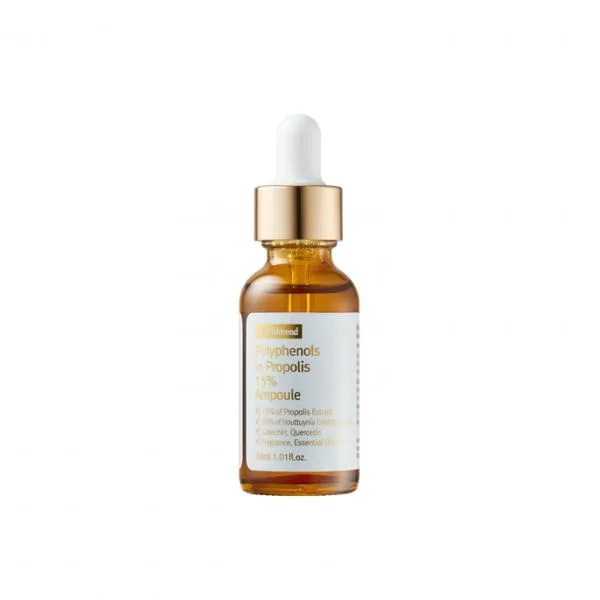
 Polyphenols In Propolis 15% Ampoule
A 15% propolis ampoule that earns its name with a real polyphenol stack — French Auvergne propolis layered over a houttuynia cordata base, with tulsi and pomegranate piling on. It's slightly sticky and not cheap by volume, but for sensitive, breakout-prone skin chasing calm, this is one of the most reliable K-beauty soothers in production.
 Budget Brightening Hero
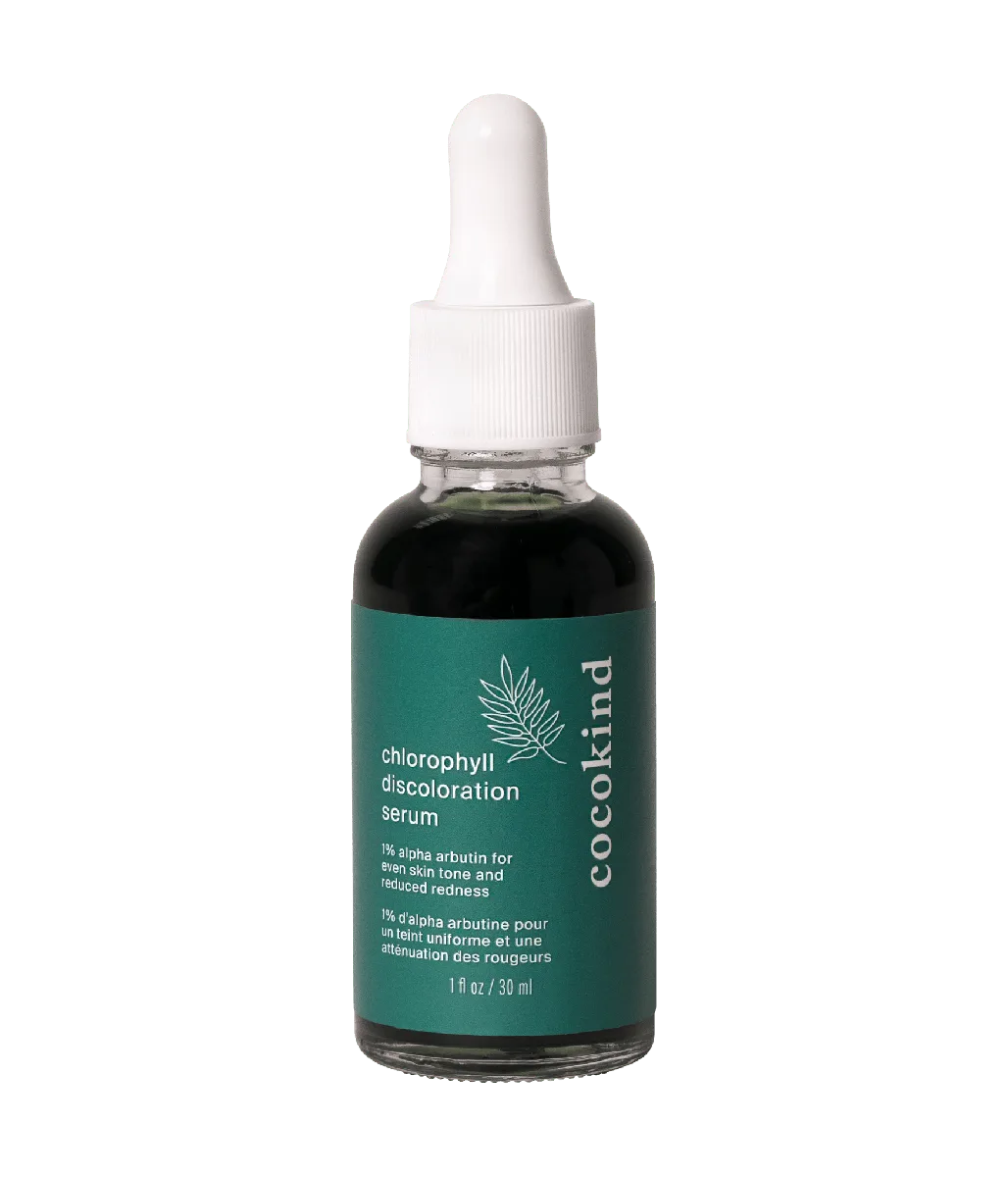
 Chlorophyll Discoloration Serum
A quietly brilliant brightening serum that proves you do not need luxury prices or harsh actives to fade dark spots effectively. The alpha-arbutin and licorice root combination delivers genuine multi-pathway melanin inhibition, the sensitive-skin-friendly formula is impeccable, and $20 makes it accessible to virtually everyone. The chlorophyllin is more marketing differentiator than scientific powerhouse, but it does not hurt anything either.
 The People's HA Serum
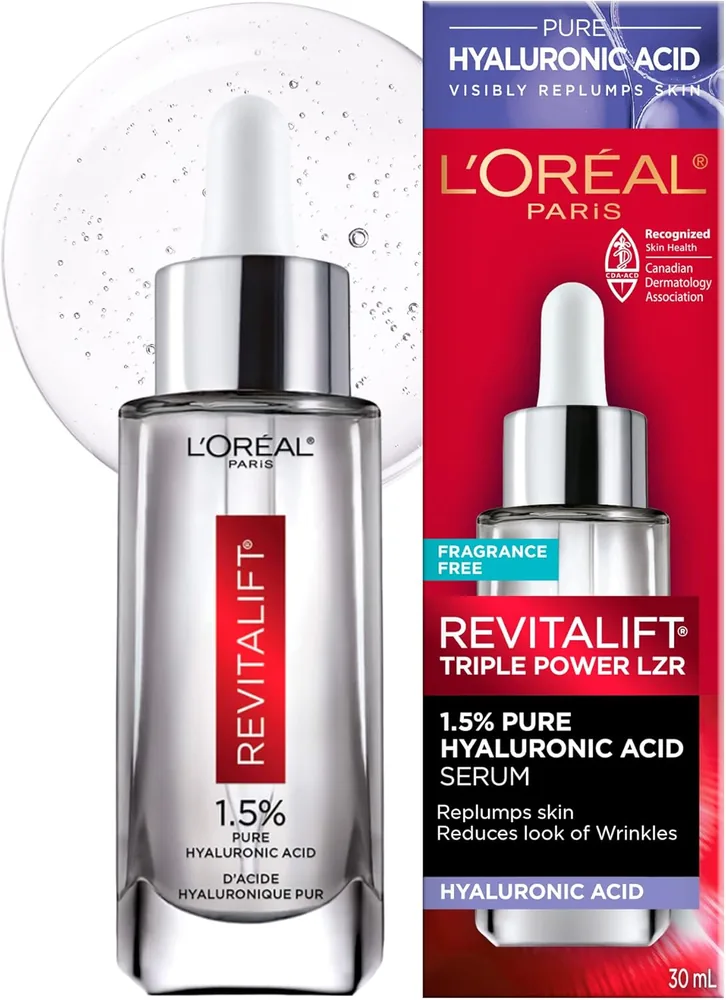
 Revitalift Derm Intensives 1.5% Pure Hyaluronic Acid Serum
A masterclass in minimalist formulation — thirteen ingredients, no filler, four functional actives, and over thirty thousand glowing reviews. L'Oréal's multi-weight HA system delivers genuine hydration at every level of the skin, and the fragrance-free, alcohol-free formula is clean enough for virtually anyone. The drugstore serum that embarrasses its prestige competitors.
 Budget Hydration Holy Grail
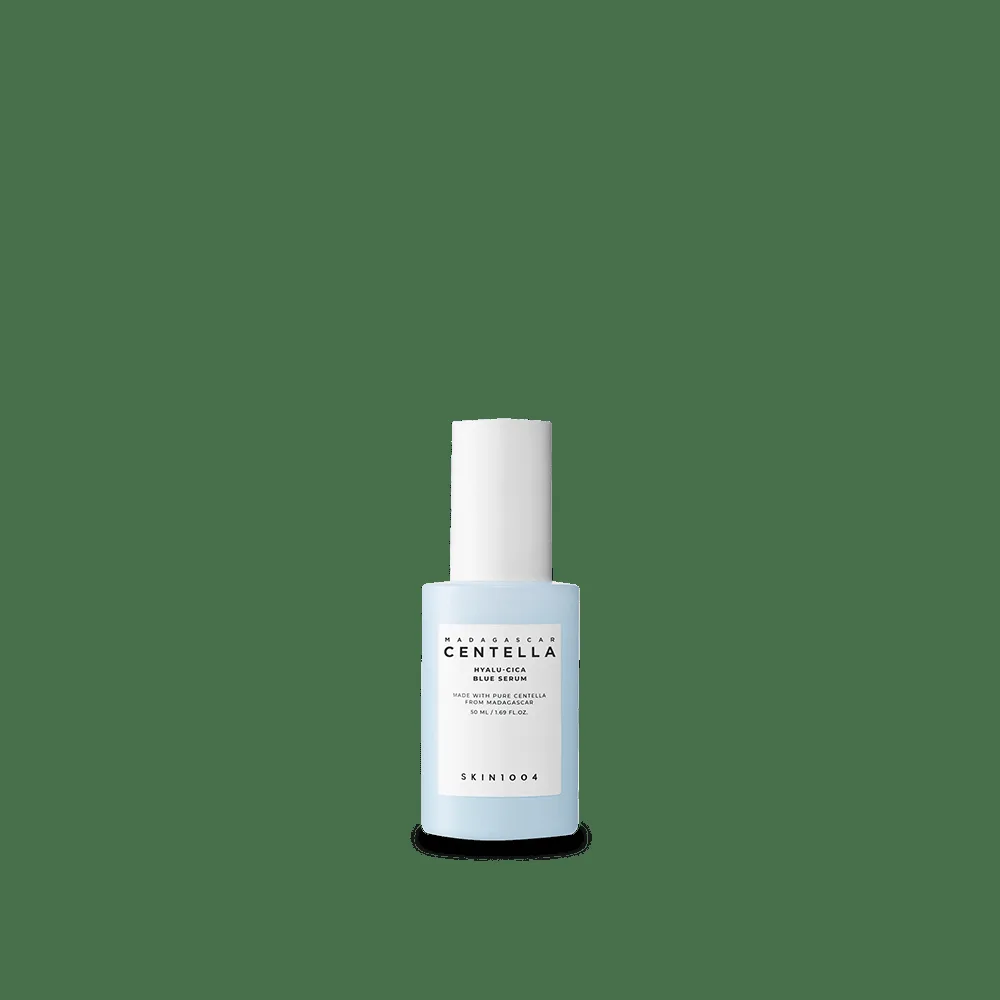
 Hyalu-Cica Blue Serum
A quietly excellent budget serum that stacks Centella asiatica leaf water, five types of hyaluronic acid, niacinamide, ceramide NP, and adenosine into a fragrance-free under-$20 bottle. It is genuinely one of the best hydration-plus-soothing serums at any price, and the fact that it costs less than a salad in Manhattan is the point.
 Sensitive Skin First-Line Defense
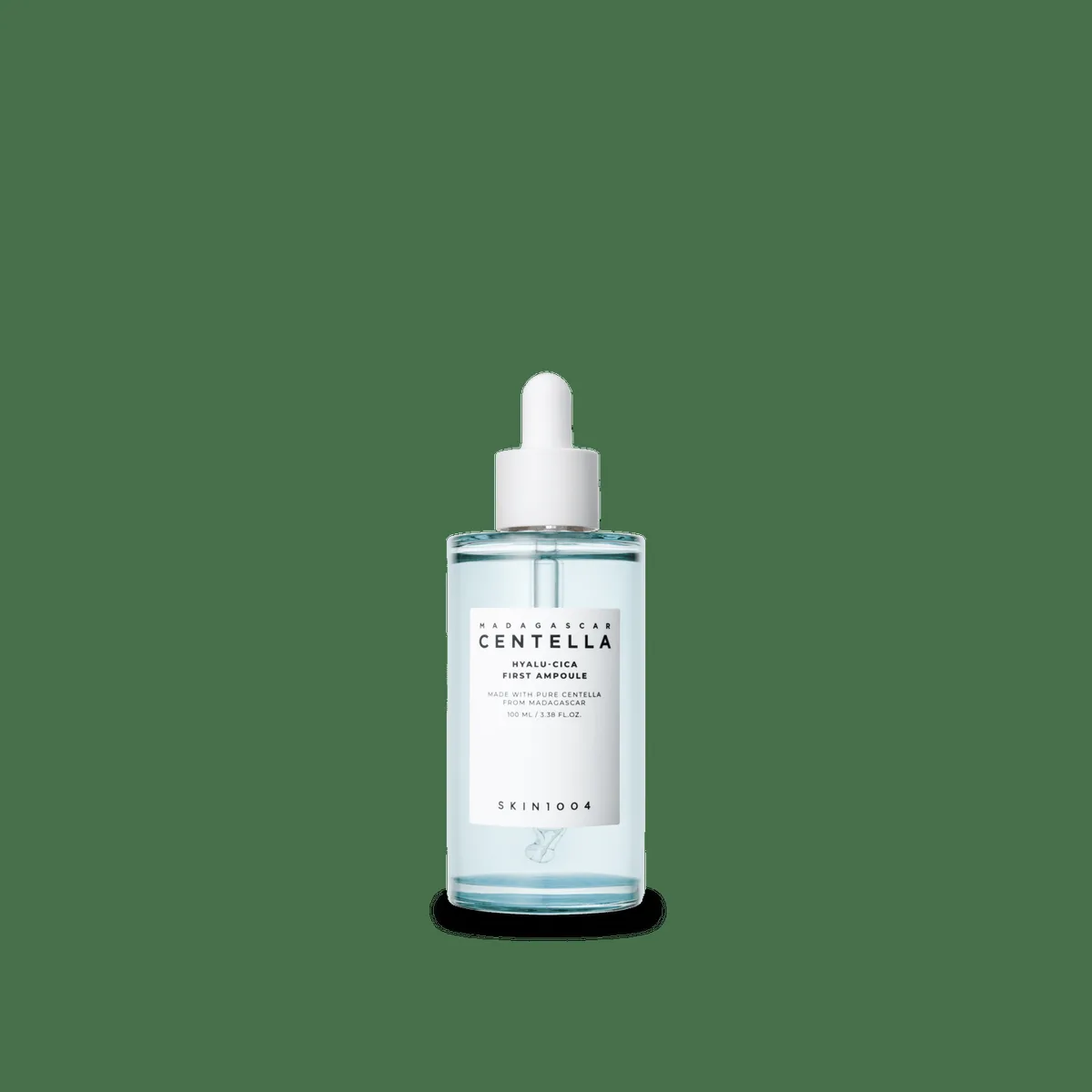
 Hyalu-Cica First Ampoule
A 92% Centella asiatica extract ampoule paired with niacinamide and a multi-weight HA complex, fragrance-free and purpose-built for sensitive, compromised, and reactive skin. At $25 for 100ml, it is one of the most justifiable skincare purchases a budget-conscious buyer can make, and it earns a place in almost any routine that needs a soothing anchor.
 Sensitive Skin MVP
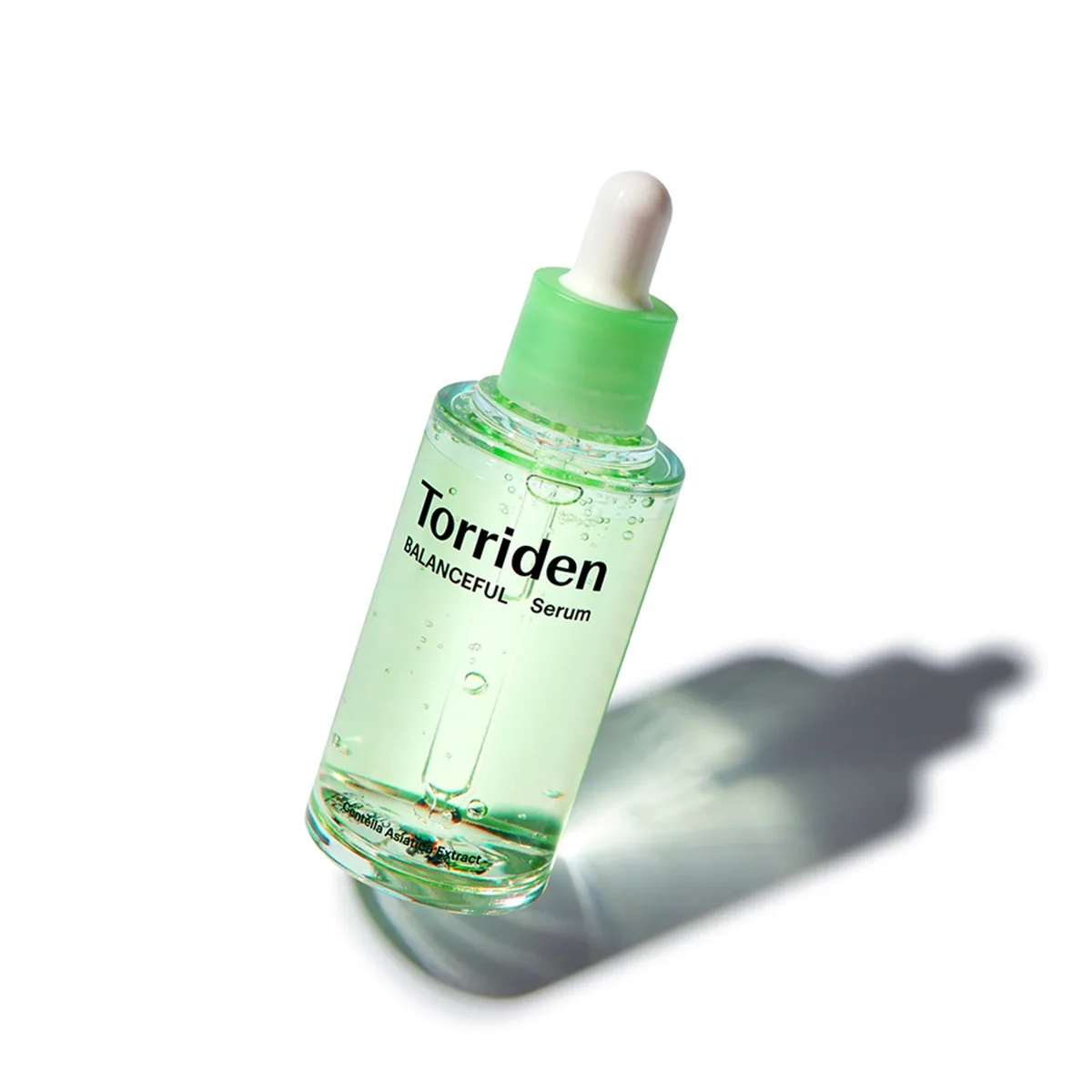
 Balanceful Cica Serum
Torriden's Balanceful Cica Serum is one of the most recommendable calming serums in K-beauty — a genuinely fragrance-free, multi-weight hyaluronic acid and 5D cica complex treatment that quietly reduces redness, supports the barrier, and buffers other actives without drama. At under $25 it's a near-automatic pick for sensitive, rosacea-prone, and barrier-compromised skin.
This review reflects our independent analysis of publicly available ingredient data, manufacturer claims, and verified user reviews. We are reader-supported — Amazon links may earn us a commission at no cost to you. We do not accept paid placements; rankings are based solely on the evidence.