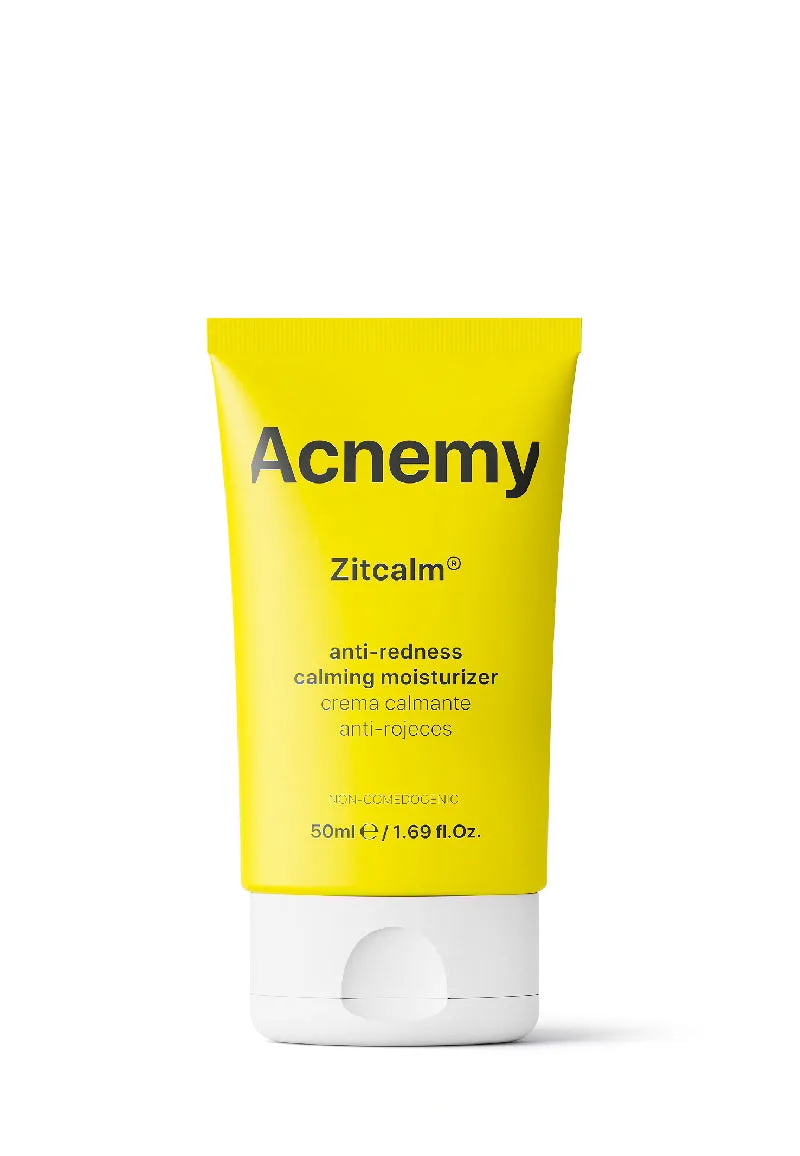
Zitcalm is the recovery-day moisturizer that most acne brands forget to make. With 2% bisabolol, 2% allantoin, and a topical vitamin F complex addressing the linoleic acid deficiency documented in acne-prone sebum, it's purpose-built to sit between aggressive treatments like benzoyl peroxide or tretinoin and a stressed-out skin barrier — and it does that job with the kind of focused intent the category usually lacks.
Zitcalm Anti-Redness Calming Moisturizer
Zitcalm is the recovery-day moisturizer that most acne brands forget to make. With 2% bisabolol, 2% allantoin, and a topical vitamin F complex addressing the linoleic acid deficiency documented in acne-prone sebum, it's purpose-built to sit between aggressive treatments like benzoyl peroxide or tretinoin and a stressed-out skin barrier — and it does that job with the kind of focused intent the category usually lacks.
Score Breakdown
Where this product gains points and where it loses them — broken down across the four scoring pillars.
A thoughtfully built recovery moisturizer with high doses of bisabolol and allantoin, vitamin F to support depleted acne-prone lipid profiles, and a hydrating base that won't clog. Loses minor points for the inclusion of sunflower oil, which can be problematic for fungal acne sufferers.
Pros & Cons
- ✓2% bisabolol is a meaningfully high anti-inflammatory dose
- ✓2% allantoin supports surface smoothing and barrier recovery
- ✓Vitamin F addresses the linoleic acid deficit in acne-prone sebum
- ✓Light texture layers cleanly over serums and treatments
- ✓Airless pump protects unstable actives from oxidation
- ✓Fragrance-free and won't sting irritated post-treatment skin
- ✓Vegan and cruelty-free with a clean, focused ingredient list
- ✗50ml size is small for the per-milliliter price
- ✗Sunflower oil disqualifies it for fungal acne sufferers
- ✗Underweight hydration for very dry winter skin
- ✗Limited availability outside European retailers
- ✗Brand still lacks the long clinical track record of legacy options
Full Review
Walk into the moisturizer section of any acne brand and you'll find the same pattern. The brand will have built its identity on aggressive actives — benzoyl peroxide, sulfur, salicylic acid, retinoids — and then almost as an afterthought, it will have a moisturizer. The moisturizer will usually be a generic lightweight gel that exists mostly so the brand can claim a 'complete routine,' and it will rarely be formulated with any specific thought about what acne-prone skin actually needs once it's been through a regimen of barrier-stripping treatments. Acnemy, to its credit, did not do that. Zitcalm Anti-Redness Calming Moisturizer is one of the few acne-brand moisturizers that reads like the formulator actually thought about the recovery half of the acne equation. The 2% bisabolol concentration is the first tell. Bisabolol is one of the most well-validated topical anti-inflammatories outside of corticosteroids, derived from chamomile and used in dermatology for everything from atopic dermatitis to post-procedure recovery. Most products that include it use it at 0.1-0.5%. Acnemy uses it at 2%, which is a meaningful clinical dose, and pairs it with allantoin at the same concentration — also unusually high for a daily moisturizer, where allantoin is more typically used at 0.5%. The combination of high bisabolol and high allantoin is what gives Zitcalm its visible effect on redness, which most users notice within a day or two of starting it. The smarter choice, though, is the inclusion of topical vitamin F at 1%. Vitamin F is the old name for the essential fatty acid complex of linoleic and linolenic acid, and there's a body of literature going back to the 1980s documenting that acne-prone sebum is consistently low in linoleic acid compared to non-acne sebum. The deficiency is one of the contributing factors to the abnormal follicular keratinization that drives comedone formation. Topping linoleic acid up topically isn't a cure for acne, but it does help normalize the lipid composition of the skin barrier in users whose acne is partly driven by this deficit, and almost no other moisturizer in the acne category bothers to include it at a meaningful concentration. The texture supports the formulation work. Zitcalm comes out of an airless pump as a light white cream that melts to a watery emulsion on contact with skin and absorbs within a minute. There's no greasy residue, no tacky finish, no waiting around before you can apply sunscreen on top of it. It layers cleanly over serums and treatments and disappears under makeup without pilling. The packaging is the right call too — airless pumps protect the bisabolol and the unsaturated fatty acids from the oxidation that would otherwise degrade them within a few weeks of opening. The hydration level is calibrated for combination and acne-prone skin specifically. If you have very dry winter skin and you're looking for something with the rich emollient feel of CeraVe Moisturizing Cream or First Aid Beauty Ultra Repair, Zitcalm will feel underweight. It's not designed to replace a barrier balm for severely dehydrated skin. It's designed to deliver enough hydration to support recovery from acne treatments without contributing to congestion or weighing down already-oily skin, and within that target audience the calibration is right. The honest limitations are worth flagging. The 50ml size is on the smaller side for the price — at around sixteen dollars, the per-milliliter cost is meaningfully higher than mainstream drugstore moisturizers like CeraVe AM or PM. The inclusion of sunflower seed oil also means it's not a clean fit for users with confirmed fungal acne, since fatty acids of certain chain lengths can feed Malassezia yeasts. For most acne sufferers this is irrelevant, but anyone who has identified Malassezia folliculitis as their specific issue should look at strictly fungal-acne-safe alternatives. The other consideration is that Acnemy is still an emerging brand without the depth of clinical data that legacy derm brands like La Roche-Posay or CeraVe can point to. That doesn't mean the formulation is worse — in many ways the bisabolol and vitamin F dosing here is more thoughtful than what those legacy brands offer at this price point — but it does mean you're paying for formulation philosophy rather than a track record of independent dermatological validation. For the user who's been through every iteration of mass-market acne moisturizer and still feels like their skin is fighting a losing battle against their own treatments, Zitcalm earns its place in the routine. It's the rare acne-brand moisturizer that takes recovery as seriously as the brand takes the treatment side of the equation, and the result is a product that deserves more attention than it currently gets.
Formula
Key Ingredients
The hero actives that drive this product's performance.
| Ingredient | Function | Evidence |
|---|---|---|
| Bisabolol 2% (2%) | Sits high in the formula at 2% — a meaningfully high concentration for this anti-inflammatory derived from chamomile — and downregulates the cytokine cascade responsible for the redness around an active acne flare. In Zitcalm it works alongside allantoin to provide the calming action that gives the product its name. | well-established |
| Allantoin 2% (2%) | At 2% it's well above the typical 0.5% used in mainstream moisturizers and contributes to the keratolytic smoothing of the rough texture left behind by recent breakouts. In this formula it pairs with the high bisabolol dose to address both the inflammation and the surface texture of post-acne skin. | well-established |
| Vitamin F (Linoleic + Linolenic Acid) 1% (1%) | Linoleic acid is the essential fatty acid that's chronically depleted in acne-prone sebum, contributing to the abnormal keratinization that drives clogged pores. Topping it up topically — alongside the linolenic acid in the same omega complex — helps normalize the lipid profile of the skin barrier in users whose skin has been stripped by anti-acne actives. | promising |
| Quora Noni (Morinda Citrifolia Callus Culture Lysate) 2% (2%) | A plant cell culture extract from noni that the supplier markets as a barrier-recovery active. In Zitcalm it sits alongside the better-validated bisabolol and allantoin, providing additional antioxidant support though the independent clinical evidence behind it is thinner than the rest of the calming complex. | emerging |
| Zinc Hydrolyzed Hyaluronate | A zinc-bound form of hyaluronic acid that combines the humectant water-binding action of HA with the mild antimicrobial and sebum-regulating effect of topical zinc. Useful in an acne-recovery moisturizer because it adds hydration without compromising the formula's compatibility with breakout-prone skin. | promising |
Full INCI List
Aqua (Water), Coco-caprylate/Caprate, Ethyl Macadamiate, Glycerin, C10-18 Triglycerides, Propanediol, Polyglyceryl-6 Distearate, Bisabolol, Allantoin, Glycereth-26, Candelilla/Jojoba/Rice Bran Polyglyceryl-3 Esters, Sclerotium Gum, Isosorbide Dicaprylate, Zinc Hydrolyzed Hyaluronate, Linoleic Acid, Linolenic Acid, Squalene, Morinda Citrifolia Callus Culture Lysate, Potassium Cetyl Phosphate, Helianthus Annuus (Sunflower) Seed Oil, Tocopherol, Citric Acid, Beta-sitosterol, Phosphoric Acid, Malic Acid, Ethylhexylglycerin, Phenoxyethanol
Product Flags
✓ Fragrance Free✓ Alcohol Free✗ Oil Free✓ Silicone Free✓ Paraben Free✓ Sulfate Free✓ Cruelty Free✓ Vegan✗ Fungal Acne Safe
Comedogenic Ingredients
sunflower seed oil
Compatibility
Skin Match
Best For
Works For
Not Ideal For
Addresses These Conditions
acne compromised skin barrier sensitivity dehydration
Use With Caution
Routine Step
moisturizer
Time of Day
AM & PM
Pregnancy Safe
Yes ✓
Layering Tips
Use as your standard moisturizer step on days when active acne treatments have stressed the skin. Apply over serums and treatments, follow with SPF in the morning. Particularly useful as a buffer layer between retinoids and the rest of the routine.
Results Timeline
Visible reduction in redness within 1-2 days of starting use. Barrier improvement and reduced reactivity over 2-4 weeks of consistent application.
Pairs Well With
azelaic acidniacinamideretinoidsbenzoyl peroxide
Sample AM Routine
- Gentle cleanser
- Niacinamide serum
- Acnemy Zitcalm Anti-Redness Calming Moisturizer
- SPF 50
Sample PM Routine
- Gentle cleanser
- Acne treatment (BPO/retinoid)
- Acnemy Zitcalm Anti-Redness Calming Moisturizer
Evidence
Science & Expert Perspective
The Science
The two anchors of Zitcalm's calming claim are bisabolol and allantoin, both of which have decades of clinical use behind them. Bisabolol — specifically the alpha-bisabolol isomer derived from chamomile — has been documented in multiple controlled studies to reduce erythema and downregulate inflammatory cytokines including IL-1β and TNF-α. A 2014 review in the Journal of Investigative Dermatology summarized the topical anti-inflammatory evidence for botanicals and placed bisabolol among the best-supported plant-derived options for sensitive and reactive skin. Allantoin has similarly long-established keratolytic and soothing activity, recognized as a Category I active by the U.S. FDA for skin protectants. The two ingredients work via complementary mechanisms — bisabolol on the inflammation pathway, allantoin on the surface keratinization — which is why combining them at meaningful concentrations produces a more visible calming effect than either would alone. The vitamin F component is where Zitcalm pulls from older but still-relevant acne research. A series of papers beginning with Downing and colleagues in the 1980s documented that the sebum of acne patients contains significantly lower concentrations of linoleic acid than the sebum of unaffected controls, and that this deficiency contributes to follicular hyperkeratinization and comedogenesis. Topical replacement of linoleic acid has been shown in subsequent studies to reduce comedone counts in mild acne, though the effect size is smaller than what you'd see from prescription retinoids or benzoyl peroxide. The inclusion at 1% in Zitcalm reflects this body of evidence, and is one of the more technically interesting choices in the formula. The Quora Noni extract sits in a less well-validated category — it's a plant cell culture marketed by its supplier on the basis of in vitro data and cosmetic-industry studies rather than independent clinical trials — but it doesn't appear to interfere with the rest of the formulation and may contribute additional antioxidant support.
Dermatologist Perspective
Dermatologists frequently emphasize that managing acne is not just about the active treatments — it's also about supporting the skin barrier so that those treatments can be used consistently without causing irritation that drives patients to abandon them. Board-certified dermatologists routinely recommend lightweight, anti-inflammatory moisturizers for acne patients on retinoids, benzoyl peroxide, or oral isotretinoin, particularly during the initiation phase when skin is at its most reactive. The formulation principles in Zitcalm — high bisabolol, high allantoin, lipid replenishment, no fragrance — align with the recommendations clinicians have been making for years. The product is also the kind of thing a clinician might suggest alongside a prescription retinoid to reduce the dropout rate that drives so many treatment failures.
Guidance
Usage Guide
How to Use
Apply morning and night as the moisturizer step in your routine, after any serums or active treatments and before sunscreen in the morning. A pea-sized amount is enough for the entire face. Press gently into the skin rather than rubbing — this helps the bisabolol and allantoin settle into the most reactive areas. Particularly useful as a buffer layer over retinoids: apply your retinoid to dry skin, wait 10-15 minutes, then layer Zitcalm over the top to reduce the surface irritation without compromising the retinoid's effect. Safe to use on the eye area, though it isn't formulated specifically as an eye cream.
Value Assessment
At around sixteen dollars for 50ml, Zitcalm is priced higher per milliliter than mass-market acne moisturizers like CeraVe PM (which gives you 89ml for around fifteen dollars). The premium reflects the meaningfully higher concentrations of bisabolol and allantoin and the inclusion of vitamin F, none of which appear in the budget alternatives at clinically relevant doses. For someone whose skin is still struggling with reactivity on a standard drugstore moisturizer, the upgrade is justified. For someone whose skin tolerates basic CeraVe or La Roche-Posay Toleriane without issue, the additional cost may not deliver enough additional benefit to justify the switch. As an emerging brand without legacy clinical data, Acnemy is asking you to pay for a more thoughtful formulation philosophy, and the bet is reasonable but not unconditional.
Who Should Buy
Acne patients on retinoids, benzoyl peroxide, or oral isotretinoin who need a recovery moisturizer that won't trigger their breakouts. Anyone with combination or oily skin dealing with post-acne redness. Sensitive-skin users who haven't found a calming moisturizer that doesn't feel heavy or congesting.
Who Should Skip
Confirmed fungal acne sufferers — the sunflower oil is a potential trigger. Very dry skin types looking for a winter barrier balm — this is too lightweight for that role. Anyone whose current moisturizer is working perfectly fine, where the upgrade math doesn't pencil out.
Ready to try Acnemy Zitcalm Anti-Redness Calming Moisturizer?
Details
Details
Texture
A lightweight white cream that breaks down to a watery emulsion on contact with skin
Scent
Essentially scentless — no fragrance added
Packaging
50ml airless pump bottle that protects the actives from oxidation and contamination
Finish
non-greasylightweightfast-absorbing
What to Expect on First Use
Pumps out as a thick white cream, melts to liquid as it warms on the fingertips, absorbs in under a minute. No tacky residue. The first night you'll likely notice the absence of any sting or burn — a relief if your routine has been irritating your skin. Visible redness reduction often shows up by the next morning.
How Long It Lasts
About 6-8 weeks with twice-daily face application
Period After Opening
12 months
Best Season
All Year
Certifications
VeganCruelty-Free
Background
The Why
Acnemy launched in Barcelona in 2019 with a tight focus on every stage of the acne cycle, and the Zitcalm line was added to round out the brand's lineup with products designed for the recovery side of the equation. Zitcalm Cream specifically targets the moments after harsh treatments — chemical peels, benzoyl peroxide overuse, retinoid initiation — when the skin needs barrier support without anything that might trigger another flare.
About Acnemy Emerging Brand (2–5 years)
Acnemy is a Spanish indie brand founded in 2019 that focuses exclusively on acne-prone skin. The Zitcalm line is positioned as the recovery counterpart to the brand's more aggressive anti-acne actives, but independent clinical validation remains limited.
Brand founded: 2019 · Product launched: 2021
Myth vs. Reality
Myths & Misconceptions
Myth
Acne-prone skin should always avoid creams with oils.
Reality
The relevant question is which oils. Linoleic-acid-rich oils like sunflower and squalane are generally well tolerated by acne-prone skin and may even help normalize the lipid profile of acne sebum. The blanket 'no oils' rule is outdated.
Myth
Calming moisturizers are just for sensitive skin and don't help acne.
Reality
Acne is fundamentally an inflammatory condition. Reducing the inflammation around active spots with ingredients like bisabolol can shorten the visible lifespan of a breakout and reduce the post-inflammatory hyperpigmentation left behind.
FAQ
Frequently Asked Questions
Does Zitcalm contain SPF?
No. The standard Acnemy Zitcalm moisturizer does not contain sunscreen — it's a calming barrier-recovery cream meant to be worn under a separate SPF in the morning. Acnemy makes a separate sunscreen in their lineup if you want both functions.
Can I use Zitcalm with retinoids?
Yes — this is one of its primary use cases. The high bisabolol and allantoin content makes Zitcalm an excellent buffer for retinoid users dealing with peeling, redness, and irritation. Apply your retinoid first, let it absorb, then layer Zitcalm over the top.
Is Zitcalm fungal acne safe?
Not fully. It contains sunflower seed oil, which is a fatty acid source that some Malassezia strains can metabolize. If you have confirmed fungal acne, you'd be better served by a strictly fungal-acne-safe moisturizer like Stratia Liquid Gold or Hado Labo Premium Lotion.
Will Zitcalm clog my pores?
It's unlikely for most users. The formula is non-comedogenic by design and the only oil included is sunflower oil at a low position in the INCI. The texture is light and absorbs without leaving a film. Cystic acne sufferers may want to patch test on the jawline first.
How does Zitcalm compare to La Roche-Posay Cicaplast B5?
Both are barrier-recovery products for stressed skin, but Zitcalm is specifically calibrated for acne-prone skin — it's lighter, includes vitamin F to address the linoleic acid deficit in acne sebum, and skips the petrolatum that some acne sufferers find heavy. Cicaplast is a more universal barrier balm; Zitcalm is purpose-built for acne recovery.
Can I use Zitcalm during pregnancy?
Yes. The formula contains no retinoids, salicylic acid, or essential oils flagged for pregnancy. Bisabolol, allantoin, and the vitamin F complex are all considered safe for use during pregnancy and breastfeeding.
Community
Community Voices
Common Praise
"Visibly reduces redness within days"
"Pairs well with aggressive retinoid routines"
"Light texture absorbs without residue"
"No fragrance or sting on irritated skin"
Common Complaints
"Smaller 50ml size for the price"
"Not moisturizing enough for very dry winter skin"
"Sunflower oil triggers some users with fungal acne"
Appears In
best moisturizer for acne prone skin best calming moisturizers best moisturizer for retinoid users best barrier repair creams
Related Conditions
acne compromised skin barrier sensitivity
Related Ingredients
You Might Also Like
 Budget Holy Grail
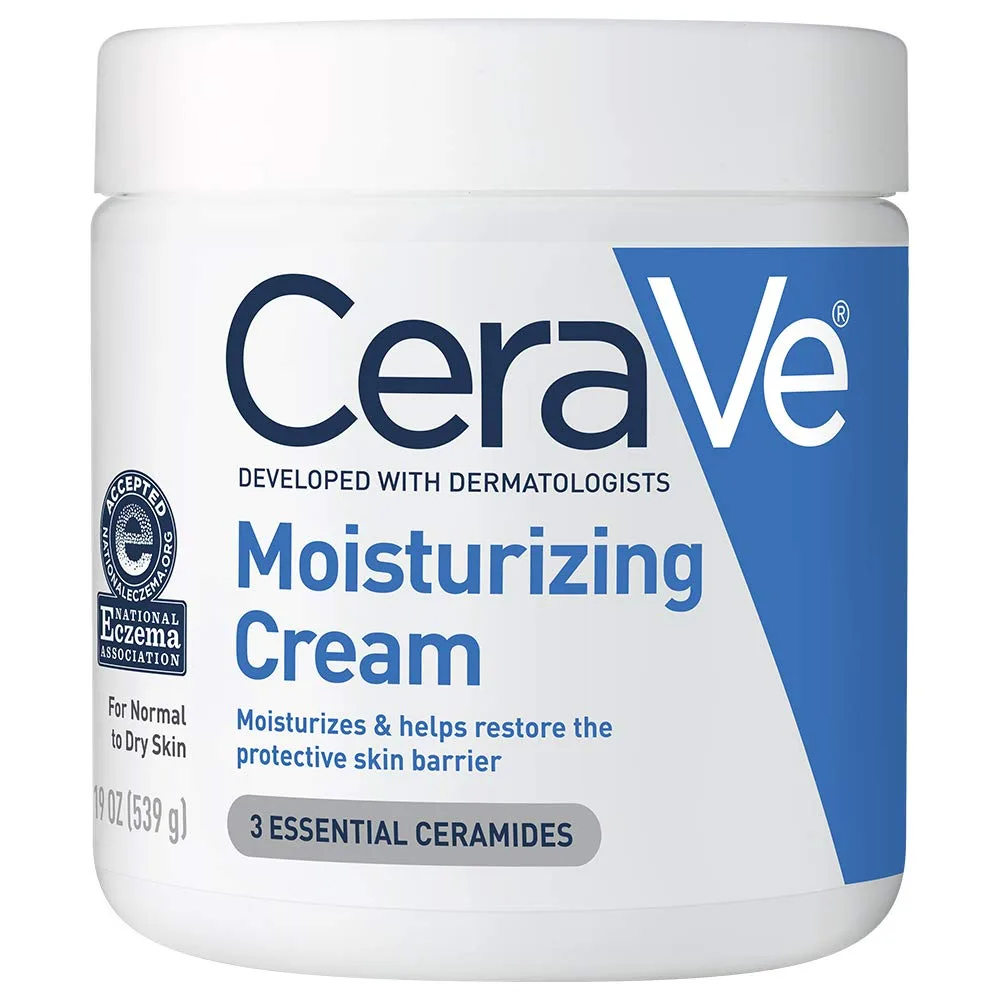
 Moisturizing Cream
The CeraVe Moisturizing Cream is the most important moisturizer in the drugstore — a ceramide-rich, dermatologist-developed formula that delivers barrier repair, multi-humectant hydration, and occlusive protection at a price so accessible it has no real excuse not to be in every household. Twenty-one years of consistent performance and universal dermatologist approval speak louder than any ingredient list.
 Barrier Repair Pioneer
 MLE Cream
Atopalm MLE Cream is one of the genuinely scientifically anchored barrier moisturizers in K-beauty — a fragrance-free, pseudo-ceramide cream built around a patented liquid-crystal lipid structure that mimics the skin's own intercellular matrix. For eczema, atopic skin, post-procedure recovery, or anyone with a stinging compromised barrier, it's one of the most reliably effective moisturizers in the entire category.
 K-Beauty Barrier Repair Staple
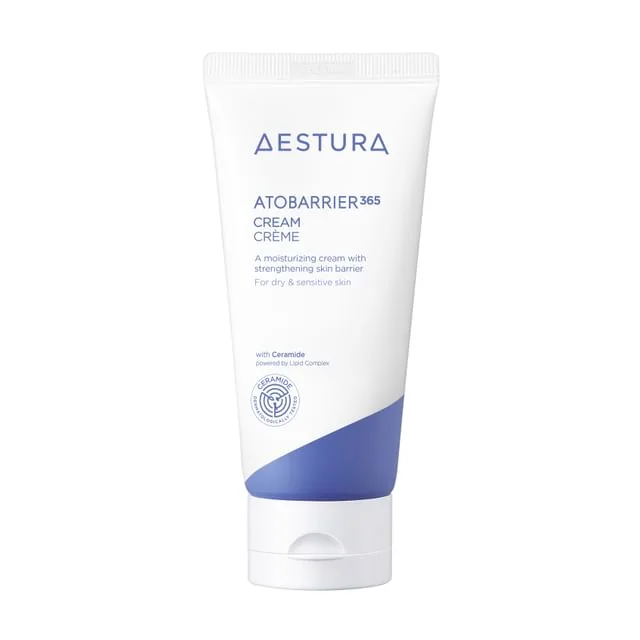
 Atobarrier 365 Cream
A Korean pharmacy cream that earns its cult following the hard way — with a lamellar lipid structure that actually rebuilds the barrier, not just coats it. If your skin has been through a rough winter, a retinoid ramp-up, or a bad reaction, this is the jar that quietly puts it back together.
 Korean Derm Clinic Recovery Pick
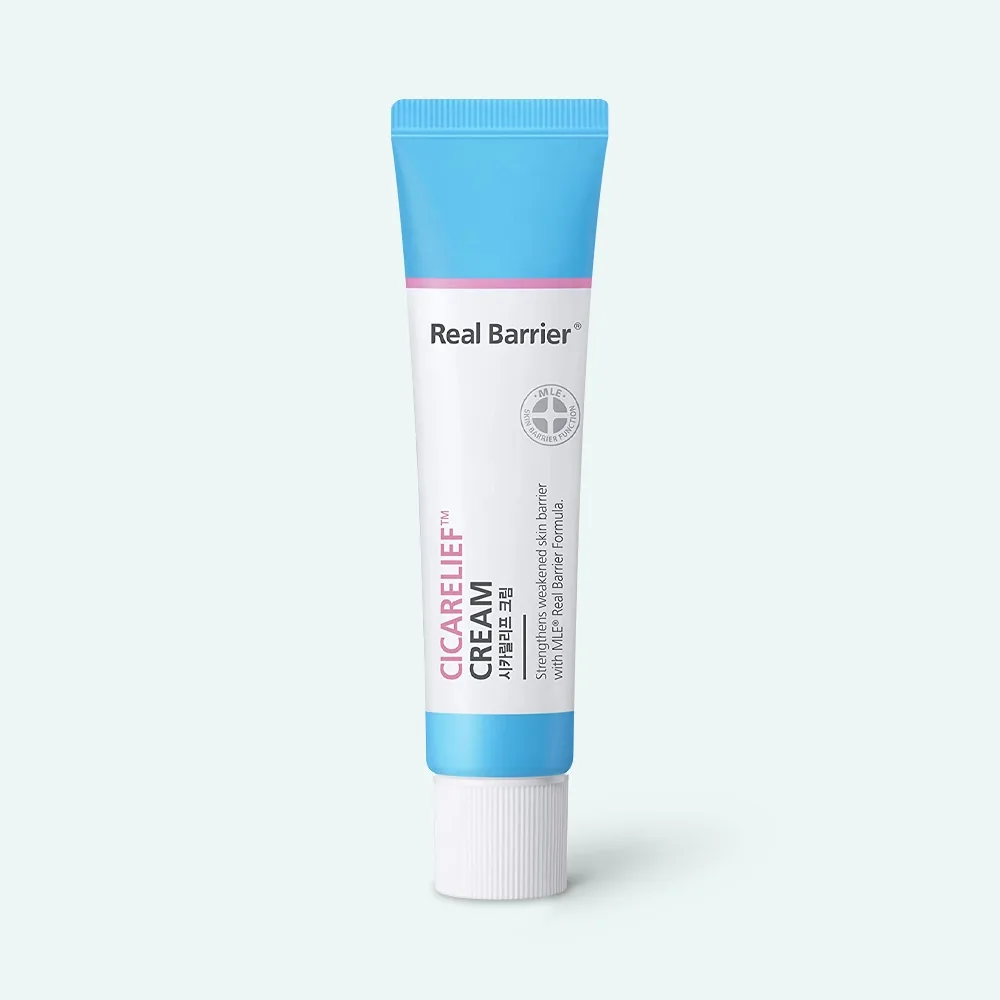
 Real Barrier Cicarelief Cream
One of the best consumer cica creams on the market, combining the full spectrum of centella actives with NeoPharm's MLE ceramide delivery and multiple complementary calming ingredients. Ideal for compromised, reactive, rosacea-prone, or recovering skin, and a staple in Korean dermatology clinic protocols. Minor limitations on packaging, but the formulation is genuinely excellent.
 Transparent 10% Panthenol Cream
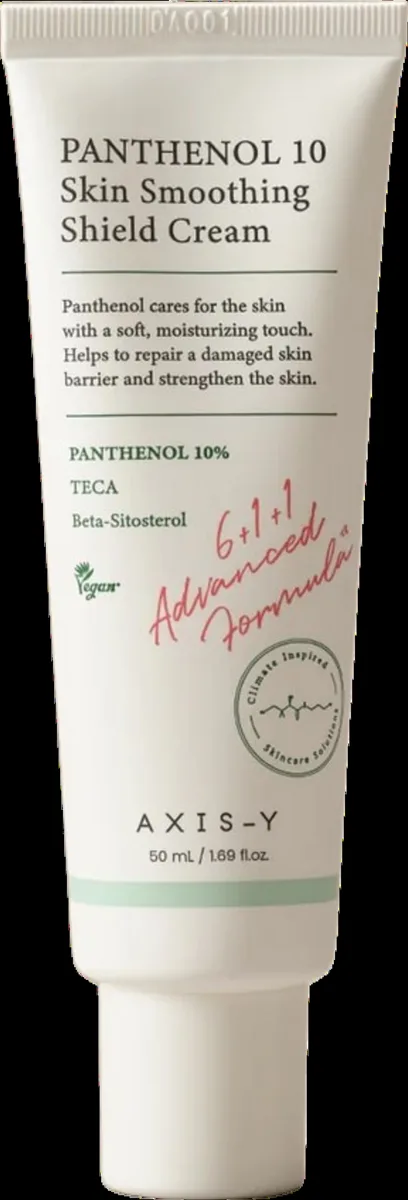
 Panthenol 10 Skin Smoothing Shield Cream
A disclosed 10% panthenol barrier cream built around a full physiological ceramide trio, a centella calming cast, and a modest shea butter occlusive. Fragrance-free, cross-season, and unusually transparent about its hero active — one of the brand's strongest moisturizer formulations.
 K-Beauty Icon
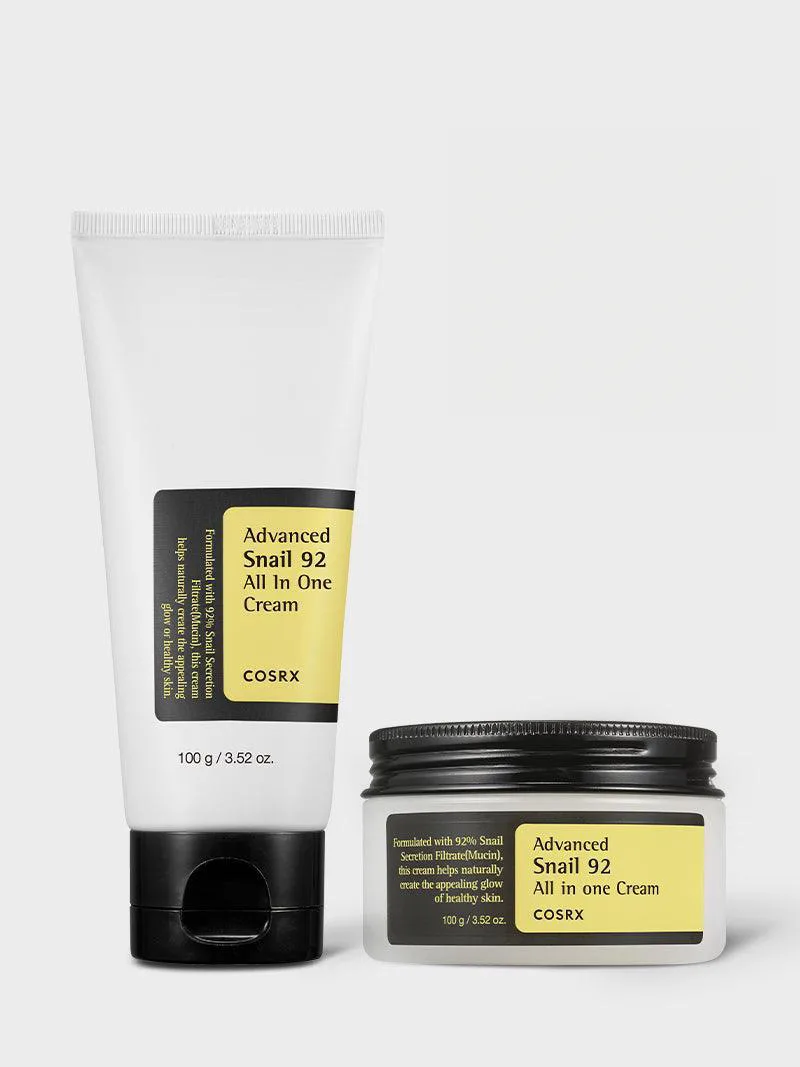
 Advanced Snail 92 All in One Cream
The cream that helped prove snail mucin to the world — and a decade later, it still deserves the reputation. At 92% snail secretion filtrate in a fragrance-free, gentle gel-cream, it delivers hydration, soothing, and gradual skin improvement across virtually every skin type. The texture takes getting used to, but 13 million sold units and 25,000+ reviews suggest most people manage.