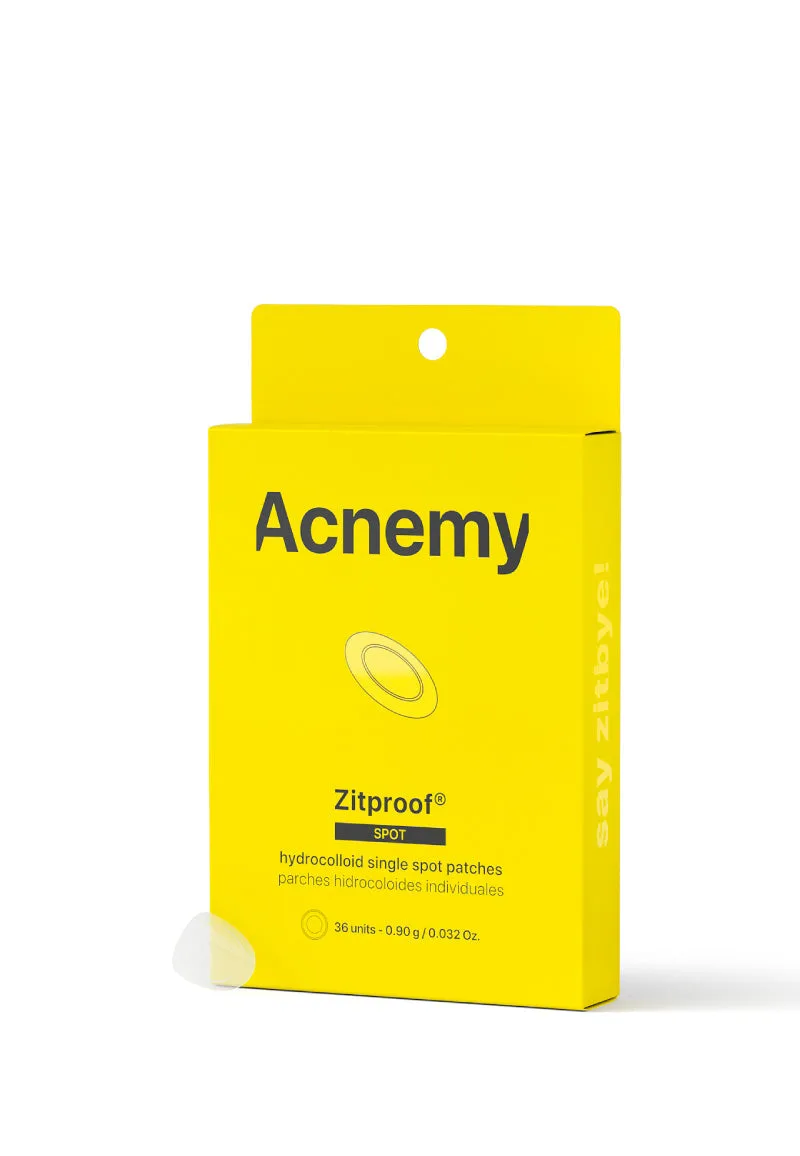
Zitproof Spot is the medicated counterpart to the simple hydrocolloid patch — embedding salicylic acid, tea tree oil, and centella triterpenes into the absorbent matrix so a single overnight application addresses both the fluid in a whitehead and the surrounding inflammation. The tradeoff is sensitization risk, so users with reactive skin should reach for an additive-free patch instead.
Zitproof Spot Pimple Patches
Zitproof Spot is the medicated counterpart to the simple hydrocolloid patch — embedding salicylic acid, tea tree oil, and centella triterpenes into the absorbent matrix so a single overnight application addresses both the fluid in a whitehead and the surrounding inflammation. The tradeoff is sensitization risk, so users with reactive skin should reach for an additive-free patch instead.
Score Breakdown
A medicated hydrocolloid patch that combines passive absorption with low-dose actives. The tea tree oil and salicylic acid work as advertised but slightly limit suitability for sensitive skin compared to additive-free patches like CosRx or Acnemy's own Dryzit format.
Data Confidence: medium
Zitproof Spot has been on market since around 2021 with several hundred reviews across European retailers. Our scoring reflects ingredient analysis and moderate real-world feedback.
0/100
Overall Score
Ingredient Quality 0
Value for Money 0
Suitability Breadth 0
Irritation Risk (↑ = safer) 0
Assessment
Pros
- Hybrid mechanism delivers absorption plus actives in one application
- Centella triterpenes offset some of the tea tree irritation potential
- Salicylic acid targets the follicular plug under sustained occlusion
- Strong adhesion holds through overnight wear
- Reasonable per-patch cost compared to premium medicated alternatives
- Vegan and cruelty-free with a focused ingredient list
Cons
- Tea tree oil is a known contact allergen for some users
- Salicylic acid disqualifies the patch for pregnancy use
- Mild stinging on broken skin or reactive complexions
- More visible under daytime makeup than ultra-thin alternatives
- Not suitable for fungal acne due to tea tree oil profile
Full Review
The pimple patch market has quietly split into two camps over the last few years. On one side are the purist hydrocolloid patches — CosRx, the original ones that started the category, and Acnemy's own additive-free Dryzit format — that bet everything on a thicker, stickier, better-engineered piece of medical-grade gel. On the other side are the medicated dots, which abandon the absorption-first philosophy in favor of delivering active ingredients through the patch matrix, sometimes with microneedles, sometimes with infused serums, sometimes with both. Acnemy's Zitproof Spot sits squarely in the middle. It keeps the absorption-first hydrocolloid base — the cellulose gum and polymer matrix that wicks fluid out of a whitehead overnight is essentially the same technology used in the brand's plain patches — but it adds three actives directly into that matrix. Salicylic acid for follicular keratolysis. Tea tree oil for antimicrobial action against C. acnes. And a triplet of centella asiatica triterpenes — asiaticoside, madecassic acid, and asiatic acid — for the anti-inflammatory and wound-healing effect that K-beauty brands have built half their identities around. The formulation logic is intelligent. Pure hydrocolloid is great at addressing the visible part of a spot but does nothing about the underlying acne process. Pure medicated dots deliver actives but skip the absorption that flattens a whitehead overnight. By embedding the actives directly into the absorbent matrix, Zitproof Spot tries to deliver both effects in a single overnight wear, and for the audience it's designed for, it largely succeeds. Apply one to a clean, dry whitehead before bed. You may feel a faint warmth or tingle within the first few minutes as the salicylic acid and tea tree oil engage with the skin under occlusion — for most users this is mild and fades quickly. Overnight the patch performs its absorption work, the central area turning opaque white as it pulls fluid out of the lesion, while the actives sit in sustained contact with the spot in a way that no leave-on serum or toner can match. By morning the visible flattening is comparable to a plain hydrocolloid patch, but with the added effect of reduced perimeter redness — the bit that the centella and tea tree are working on. The main reason to choose this over Acnemy's own Dryzit format is the dual mechanism. If you've found that plain hydrocolloid patches don't quite do enough — that the spot flattens but the redness lingers, or that the same comedone keeps re-emerging in the same spot week after week — the addition of low-dose salicylic acid in sustained contact with the skin can compound modestly over repeated applications. The salicylic acid is also better targeted than a wash-off product because it's confined to the patched area rather than being applied across the whole face. The honest tradeoff is irritation potential. Tea tree oil under occlusion is significantly more bioavailable than tea tree oil in a wash-off product, and tea tree is a documented contact allergen for somewhere in the range of 1-2% of the population. The salicylic acid contributes additional potential for stinging on broken skin. Acnemy partially offsets this with the centella triterpenes, which are well-documented anti-inflammatories, but the offset isn't complete. For users with reactive skin, rosacea-adjacent flushing, or a history of contact dermatitis, the smarter choice is the additive-free Dryzit patch format — same absorption mechanism, none of the sensitization risk. The pregnancy compatibility is another differentiator. Plain hydrocolloid patches are essentially universally pregnancy-safe because they contain no actives. Zitproof Spot is not, because of the salicylic acid. For pregnant or breastfeeding users dealing with hormonal acne, the additive-free patch is the only safe choice in this product family. The price is reasonable for what you get. At around twelve dollars for 36 patches, the per-patch cost is competitive with mass-market alternatives and lower than premium options like Hero Cosmetics Mighty Patch Original. The thickness is moderate — not as visible as Acnemy's plain Dryzit format hydrocolloid but more visible than ultra-thin daytime patches like the original CosRx, which means daytime wear under makeup is possible but not ideal. Save these for overnight use where the dual mechanism can actually compound across a longer wear time. As an emerging brand product, Zitproof Spot earns its place in the medicated patch category through the centella triterpene addition specifically. Most medicated patches load up on the actives without thinking about the irritation cost; Acnemy thought about both sides of that equation, and the result is a patch that delivers the benefits of medicated treatment without quite the same sensitization penalty. For users with normal-to-resilient skin who want more than a passive bandage on their breakouts, this is a reasonable upgrade.
Formula
Ingredients
The hero actives that drive this product's performance.
| Ingredient | Function | Evidence |
|---|---|---|
| Hydrocolloid (Cellulose Gum + Polymer Matrix) | The cellulose gum and polymer base form the absorbent matrix that draws fluid out of a surfaced whitehead overnight. In Zitproof Spot, this passive absorption is paired with leave-on actives, giving the patch a dual mechanism — physical drainage plus topical exfoliation and antimicrobial action. | well-established |
| Salicylic Acid | Embedded in the patch matrix to deliver a sustained low dose of BHA directly into the spot over the wear time. Unlike a leave-on toner, the salicylic acid here is confined to the patched area, which means it can do its keratolytic work on the follicular plug without exposing the rest of the face to additional acid. | well-established |
| Tea Tree Leaf Oil | Provides a low-dose antimicrobial action against the C. acnes bacteria implicated in inflammatory acne. In Zitproof Spot, the tea tree oil is held in contact with the spot under occlusion, which improves penetration compared to a wash-off product but at the cost of higher sensitization risk for users with reactive skin. | promising |
| Centella Asiatica Acids (Asiaticoside, Madecassic, Asiatic) | The trio of standardized centella triterpenes deliver an anti-inflammatory and wound-healing effect that complements the absorption mechanism. Including these alongside the salicylic acid and tea tree oil partially offsets the irritation potential of those two actives, which is the key formulation logic of the patch. | promising |
Full INCI List
Styrene/Isoprene Copolymer, Hydrogenated Poly (C6-20 Olefin), Cellulose Gum, Polyisobutene, Salicylic Acid, Melaleuca Alternifolia (Tea Tree) Leaf Oil, Asiaticoside, Madecassic Acid, Asiatic Acid
Product Flags
✓ Fragrance Free✓ Alcohol Free✗ Oil Free✓ Silicone Free✓ Paraben Free✓ Sulfate Free✓ Cruelty Free✓ Vegan✗ Fungal Acne Safe
Potential Irritants
tea tree oilsalicylic acid
Common Allergens
tea tree oil
Compatibility
Skin Match
Best For
Works For
Not Ideal For
Addresses These Conditions
Use With Caution
Routine Step
treatment
Time of Day
AM & PM
Pregnancy Safe
No ✗
Layering Tips
Apply to clean, dry skin over an isolated whitehead. Skip serums and moisturizers in the spot area to avoid blocking adhesion. Wear for 6-8 hours minimum. Do not stack with other salicylic acid leave-on products on the same spot.
Results Timeline
Visible flattening of a whitehead in 6-8 hours of wear. The salicylic acid effect on the keratin plug compounds modestly with repeated use on persistent comedones.
Pairs Well With
niacinamide serumsazelaic acid
Conflicts With
leave-on salicylic acid on the same spotretinoids on the same spot
Sample AM Routine
- Salicylic acid cleanser
- Niacinamide serum
- Oil-free moisturizer
- SPF 50
Sample PM Routine
- Gentle cleanser
- Acne treatment
- Moisturizer
- THIS PRODUCT on active spots
Evidence
Science
The Science
Zitproof Spot's formulation rests on three established mechanisms working in parallel under occlusion. The hydrocolloid matrix itself is well-established wound-care technology, with decades of clinical evidence in dermatology and wound management for its ability to maintain a moist healing environment and absorb exudate from superficial lesions. The mechanism for whitehead flattening is the same as for any other hydrocolloid patch — capillary action draws fluid out of the lesion into the swelling matrix. What's distinct about Zitproof Spot is the embedded actives. Salicylic acid is a beta hydroxy acid with extensive evidence for its keratolytic action on the follicular infundibulum, the site where comedones form. A 2009 study in the Journal of the American Academy of Dermatology compared salicylic acid to benzoyl peroxide in mild-to-moderate acne and found comparable reductions in lesion count over 12 weeks, with salicylic acid producing less surface dryness. Delivering it under occlusion in a patch is a relatively recent application of the same molecule, and small-scale studies on combination acne patches have shown additional benefit over plain hydrocolloid in lesion-by-lesion comparisons. Tea tree oil's antimicrobial activity against Cutibacterium acnes has been documented in multiple in vitro studies and a 2007 randomized controlled trial in the Indian Journal of Dermatology showed 5% tea tree oil gel produced comparable improvement to 5% benzoyl peroxide in mild-to-moderate acne over 45 days, though with slower onset. The centella asiatica triterpenes — asiaticoside, madecassic acid, and asiatic acid — have been studied extensively for their anti-inflammatory and wound-healing effects, with a 2016 review in Phytotherapy Research summarizing dozens of studies supporting their role in modulating fibroblast activity and reducing inflammation. The combination of all three actives in a single patch is a formulation choice rather than a clinically validated synergy, but each individual component is well-supported.
Dermatologist Perspective
Dermatologists generally view medicated pimple patches as a reasonable adjunct for managing isolated inflammatory lesions, though they note the format works best when used selectively rather than as a primary acne treatment. Board-certified dermatologists frequently recommend hydrocolloid patches for their behavioral benefit of preventing picking — a major driver of post-inflammatory hyperpigmentation and scarring. The addition of low-dose salicylic acid and tea tree oil in patches like Zitproof Spot is considered a reasonable enhancement for users with normal skin tolerance, though clinicians flag that tea tree oil specifically can cause sensitization with repeated use, and recommend additive-free patches for users with reactive or rosacea-adjacent complexions. As with all spot tools, dermatologists emphasize that patches treat symptoms rather than the underlying acne process, and recommend pairing them with a proper leave-on regimen.
Guidance
Usage Guide
How to Use
Apply at night to clean, dry skin over an isolated whitehead. Skip serums, moisturizers, and oils in the immediate spot area — they'll compromise adhesion. Press the patch gently for a few seconds to seal the edges. Leave on for at least 6 hours, ideally overnight. Remove gently in the morning by lifting from one edge — the central area should appear opaque white if the patch has done its absorption work. Continue your normal routine over the now-flattened spot. Do not stack with leave-on salicylic acid on the same spot, and avoid applying retinoids directly to the patched area on the same evening.
Value Assessment
At around twelve dollars for 36 medicated patches, Zitproof Spot is priced competitively against mass-market medicated patch options and slightly above pure hydrocolloid alternatives. The per-patch cost works out to roughly thirty cents, which is reasonable for a product that combines absorption and active delivery in a single application. Whether the upgrade from a plain hydrocolloid patch is worth it depends on your skin's tolerance and your acne pattern. For users whose breakouts respond to plain absorption, the cheaper additive-free patch is a better value. For users dealing with persistently inflamed spots that don't fully resolve on plain hydrocolloid, the medicated upgrade can earn its premium. As an emerging brand offering, Acnemy is competing on formulation thoughtfulness rather than legacy track record, and the price reflects fair market positioning rather than a premium reach.
Who Should Buy
People with normal-to-resilient skin whose breakouts don't fully resolve on plain hydrocolloid patches. Users who want a single-step medicated spot treatment without committing to a full salicylic acid leave-on routine. Anyone whose acne pattern includes persistently inflamed spots that benefit from both drainage and active treatment.
Who Should Skip
Anyone with sensitive skin, rosacea, or a history of contact dermatitis — tea tree oil under occlusion is a real sensitization risk. Pregnant or breastfeeding users due to the salicylic acid. People with confirmed fungal acne. Users whose breakouts respond well to plain hydrocolloid, where the medicated upgrade isn't necessary.
Ready to try Acnemy Zitproof Spot Pimple Patches?
Details
Details
Texture
Translucent hydrocolloid patches with a faint tacky feel and a mild herbal scent from the tea tree
Scent
Light tea tree on application, fades within minutes
Packaging
Resealable foil sachet of 36 patches in mixed sizes
Finish
lightweightinvisible
What to Expect on First Use
Apply to a clean, dry whitehead. You may feel a mild warmth or faint tingling within the first few minutes — this is the salicylic acid and tea tree oil engaging with the skin under occlusion. Overnight the patch turns opaque white at the center as it absorbs fluid. By morning the spot is visibly flatter with reduced redness around the perimeter.
How Long It Lasts
About 5-6 weeks for someone using 1-2 patches per night during active flares
Period After Opening
24 months
Best Season
All Year
Certifications
VeganCruelty-Free
Background
The Why
Acnemy added the Zitproof Spot patches to its lineup around 2021 to complement its passive Dryzit drying lotion, giving customers a medicated patch option for users who want the full active treatment without the alcohol base or daytime visibility of the bifasic format. The centella triterpenes were added specifically to offset the sensitization potential of tea tree oil under occlusion.
About Acnemy Emerging Brand (2–5 years)
Acnemy is a Spanish indie brand founded in 2019 that focuses exclusively on acne. Zitproof Spot is its medicated hydrocolloid line, infused with salicylic acid, tea tree, and centella asiatica derivatives.
Brand founded: 2019 · Product launched: 2021
Myth vs. Reality
Myths
Myth
Medicated patches always work better than plain hydrocolloid.
Reality
Not for everyone. The added actives improve effectiveness on inflamed spots but introduce sensitization risk that pure hydrocolloid avoids. For users with reactive skin, additive-free patches are often the smarter choice.
Myth
Tea tree oil is a 'natural' alternative to harsh acne medications.
Reality
Tea tree oil is a contact allergen for a meaningful percentage of users and can cause delayed irritation that's hard to distinguish from the original breakout. Natural doesn't mean low-risk — it just means the molecule came from a plant.
FAQ
FAQ
What's the difference between Zitproof Spot and Acnemy Dryzit?
Dryzit is Acnemy's bifasic drying lotion — a liquid you dab onto a spot with a cotton swab. Zitproof Spot is a medicated hydrocolloid patch you stick directly onto the whitehead. Both target whiteheads but the patch is more practical for overnight wear and the lotion is better for spots that need a more aggressive drying cap.
Can I use Zitproof Spot with retinol?
Yes, but apply your retinol to the rest of your face and let it fully absorb before placing the patch. Don't combine the patch's salicylic acid with retinol on the same spot — that's a recipe for irritation and won't speed healing.
Are these patches safe during pregnancy?
Not recommended. Zitproof Spot contains salicylic acid and tea tree oil, both of which most dermatologists advise against during pregnancy. For a pregnancy-safe alternative, use additive-free hydrocolloid patches like CosRx or Acnemy's Dryzit drying lotion is also off-limits — try plain hydrocolloid options instead.
Will Zitproof Spot work on cystic acne?
No. Like all hydrocolloid patches, Zitproof Spot only works on surfaced whiteheads with visible exudate. The added salicylic acid and tea tree oil cannot penetrate deeply enough to address cystic inflammation. For cysts you need an in-office cortisone injection or oral therapy.
Why do my patches sometimes sting?
The tea tree oil and salicylic acid in the matrix can cause mild tingling on broken skin or for users with reactive skin. If the sting is sharp or sustained, remove the patch — your skin may not tolerate this medicated version, and a passive hydrocolloid patch would be a better fit.
How long should I wear the patch?
At least 6 hours, ideally overnight. The hydrocolloid absorbs fluid passively while the actives work over the same period. Don't wear longer than 12 hours — the absorbed fluid saturates the matrix and the patch loses adhesion.
Community
Community
Common Praise
"Visible flattening overnight"
"Active ingredients tackle redness as well as fluid"
"Strong adhesion through the night"
"Centella balances out the tea tree irritation"
Common Complaints
"Tea tree scent on application"
"Mild stinging on broken skin"
"Not as invisible as ultra-thin patches under makeup"
Appears In
best medicated pimple patches best pimple patches for acne best salicylic acid spot treatments best tea tree acne products
Related Conditions
Related Ingredients
You Might Also Like
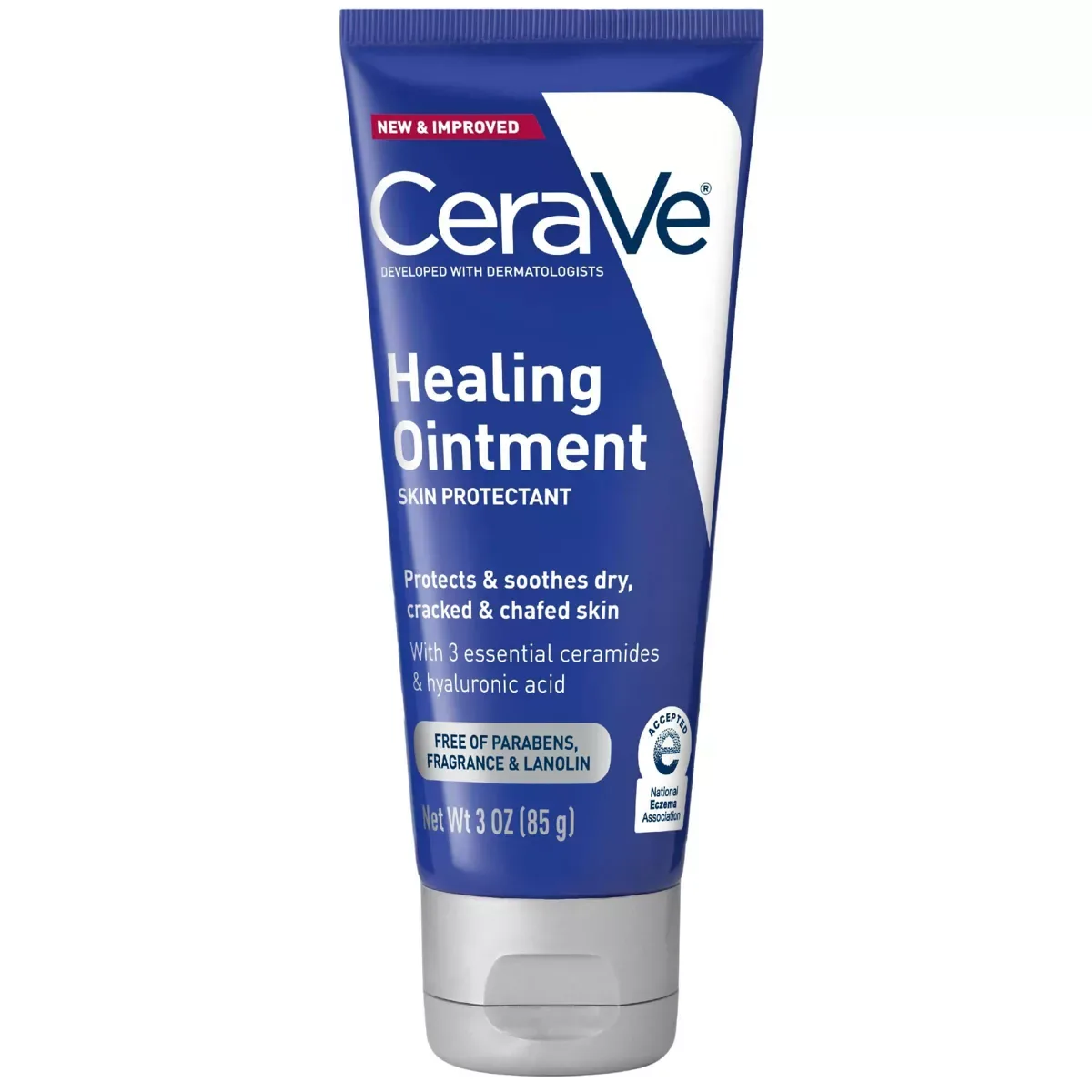 Barrier Rescue Hero
 Healing Ointment
CeraVe's Healing Ointment takes the simplest concept in skincare — seal the skin with petrolatum — and makes it genuinely intelligent by adding ceramides, hyaluronic acid, and panthenol beneath the occlusive layer. It is the gold standard drugstore occlusive for barrier rescue, slugging, and post-procedure care.
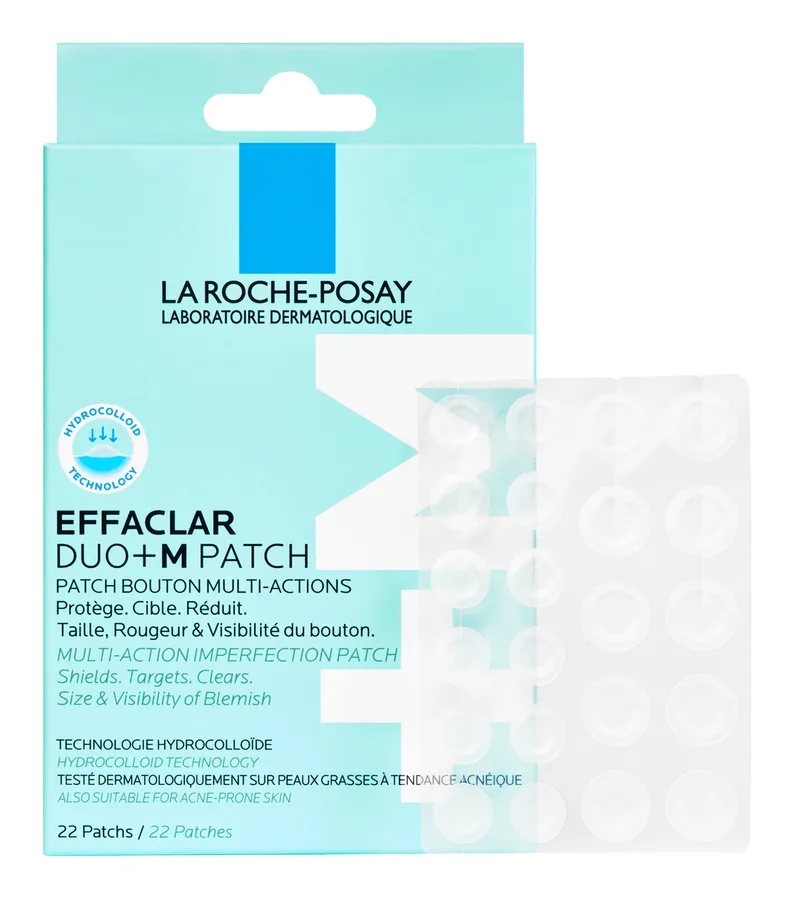 Derm Office Staple
 Effaclar Multi-Target Blemish Patches
One of the few hydrocolloid pimple patches that actually stays on overnight without curling off at 3am. At 420 microns thick with two size options in one pack and zero actives to irritate sensitive skin, this is the Effaclar line's quiet overachiever — and a legitimately good answer for anyone whose acne routine has been sabotaged by thinner patches that refuse to stay put.
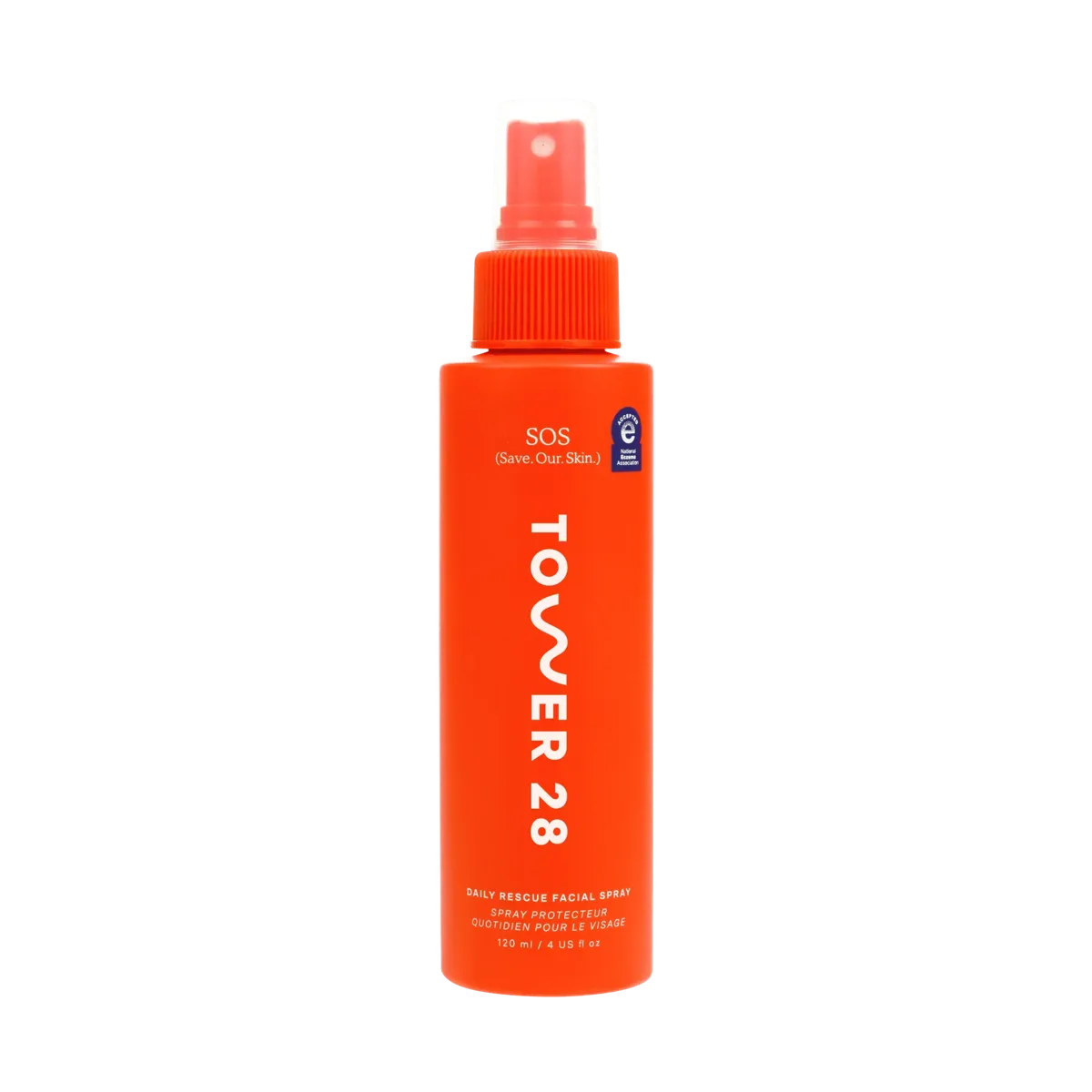 Reactive-Skin Cult Favorite
 SOS Save Our Skin Daily Rescue Facial Spray
The product that single-handedly brought hypochlorous acid into mainstream skincare. A fine-mist HOCl spray with genuine dermatology-organization validation, a near-perfect tolerability profile, and a cult following among people whose skin reacts to everything else. The price runs steeper than medical-grade HOCl, but the stabilization and design are worth the difference for daily use.
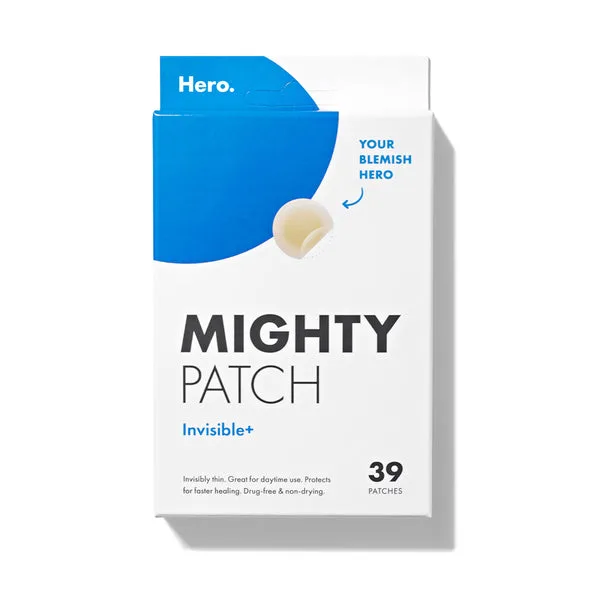
Mighty Patch Invisible+
The pimple patch that proved acne treatment could be invisible — Mighty Patch Invisible+ delivers the same fluid-absorbing hydrocolloid technology as the category-defining Original, but engineered thin enough to disappear under makeup. For daytime blemish management, nothing else comes this close to invisible.
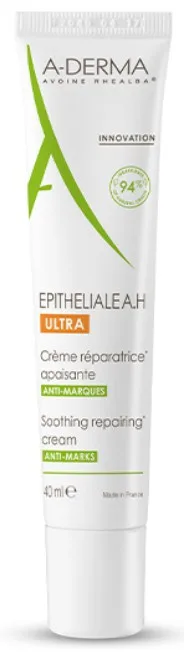 Post-Procedure MVP
 Epitheliale A.H Ultra Repairing Cream
One of the best-formulated French pharmacy repair creams on the market, full stop. Rhealba oat, three-weight HA, madecassoside, trace minerals, panthenol, and shea butter come together in a cream that handles post-procedure skin, eczema flares, friction damage, and compromised barriers with unusual competence for the price.
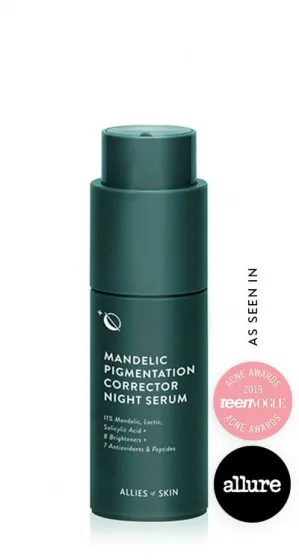 Pigmentation Specialist Pick
 Mandelic Pigmentation Corrector Night Serum
One of the most thoughtfully formulated pigmentation serums on the market. Mandelic acid leads, but the real story is the supporting cast — tranexamic acid, azelaic acid, niacinamide, and bakuchiol attacking hyperpigmentation through five different pathways. Specifically formulated to be safe on melanin-rich skin and it shows.