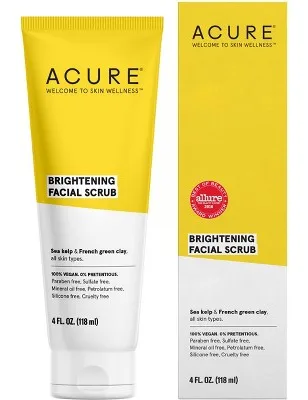
A holdover from the walnut-shell era of drugstore exfoliation, with all the problems that implies. Skin feels smoother immediately, the price is fair, and a long fanbase swears by it — but dermatology has moved on for good reasons, and most users would be better served by a chemical exfoliant.
Brightening Facial Scrub
A holdover from the walnut-shell era of drugstore exfoliation, with all the problems that implies. Skin feels smoother immediately, the price is fair, and a long fanbase swears by it — but dermatology has moved on for good reasons, and most users would be better served by a chemical exfoliant.
Score Breakdown
Where this product gains points and where it loses them — broken down across the four scoring pillars.
An old-school physical scrub that doesn't reflect current dermatology consensus on walnut-shell exfoliation. The price is fair, but most users would be better served by a chemical exfoliant — even Acure makes gentler options.
Pros & Cons
- ✓Affordable price point at around $10 for 4 oz
- ✓Long shelf life — a tube lasts 4-6 months
- ✓EWG Verified, vegan, and cruelty-free
- ✓Refreshing lemon and spearmint scent from natural extracts
- ✓Immediate smoother skin feel after rinsing
- ✗Walnut shell flour can cause microtears in the skin barrier
- ✗Too abrasive for sensitive, dry, rosacea, or acne-prone skin
- ✗Lemon peel granules add additional abrasion and potential photosensitivity
- ✗Outdated approach compared to current dermatology consensus on exfoliation
- ✗Better-tolerated chemical exfoliants available at the same price point
Full Review
Walking through the natural-beauty aisle in 2026 and finding a walnut shell scrub feels a little like finding a Walkman at Best Buy. It's not impossible — there are still buyers, still a niche — but the entire category has moved on. The story of why is one of the more interesting case studies in modern skincare consensus.
In 2016, St. Ives — the most famous walnut shell scrub on the market — was hit with a class-action lawsuit alleging that its Apricot Scrub caused microscopic tears in the skin and contributed to long-term damage. The lawsuit was eventually dismissed, but the publicity it generated cemented a shift that had already been happening in dermatology circles. Crushed walnut shells, no matter how finely milled, have irregular edges. Under magnification, the particles look more like broken glass than smooth pebbles. Used with even moderate pressure, they create microtears in the stratum corneum that are invisible to the eye but real under a microscope. The dermatology establishment quietly retired walnut scrubs from its recommendation lists, and most major brands either reformulated with rounder synthetic beads or pivoted to chemical exfoliation.
Acure's Brightening Facial Scrub didn't get the memo. Or rather, it got the memo and chose to ignore it, because the formula has remained largely unchanged for years and walnut shell flour is still listed prominently on the ingredient deck. Lemon peel granules add a second layer of physical abrasion, kaolin clay handles a bit of oil absorption, and the brand's signature berry antioxidant blend provides the brightening marketing story. The texture is a thick green-tinted cream studded with visible brown specks of walnut and yellow specks of lemon peel. It looks unmistakably like a scrub from 2012.
Here's the thing: a lot of people love it. The reviews are largely positive, the brand has built a loyal following over fifteen years, and the immediate post-rinse experience is undeniably satisfying — your skin feels smoother, your face feels clean, the lemon-spearmint scent is refreshing. If you have resilient skin, no active acne, no rosacea, no barrier compromise, and you use it once a week with very light pressure, you can probably get through a tube without obvious damage. The acute experience is good. The cumulative experience is harder to evaluate without a microscope, and that's exactly the problem.
The formulation isn't all bad. The kaolin clay and the gentle surfactants do real work. The aloe and berry extracts are pleasant additions even if their wash-off contribution is modest. And the price — $10 for a 4-ounce tube that lasts months — is honest. If walnut shell weren't the centerpiece, this would be a perfectly competent budget treatment.
But walnut shell is the centerpiece, and that makes the whole product hard to recommend in 2026. Acure makes other exfoliating products in their range that don't carry the same risk profile. Dozens of chemical exfoliants — including budget options at this same price point — deliver brightening and texture refinement without abrading the skin. There's almost no scenario where a derm would tell a patient to choose this scrub over a $10 glycolic acid toner or a salicylic acid cleanser. The math just doesn't work.
Who should consider it? Honestly, very few people. If you have very tough, oily skin that doesn't react to anything, you've used physical scrubs your entire life with no apparent issue, and you find chemical exfoliants drying — maybe. If you've used this product happily for years and your skin is doing well, you don't need to throw it out. But if you're new to skincare and trying to choose your first exfoliant, please don't start here. There are gentler, more effective options at the same price point with vastly less downside risk.
One thing worth saying clearly: people who love this scrub aren't wrong to love it. The immediate sensory experience is genuinely satisfying, and skincare community criticism of a beloved product can come across as gatekeeping. The point isn't to mock anyone who buys it. The point is that dermatology has accumulated a lot of evidence over the last decade about how the skin barrier responds to physical abrasion, and most of that evidence points away from walnut shell scrubs. A consumer who knows that and chooses this product anyway is making an informed decision. A consumer who buys it because the brand says "clean" and "brightening" deserves to have the trade-offs explained.
Acure is, on balance, a brand worth respecting — they've been around for fifteen years selling affordable plant-based products without resorting to fear-based marketing, and that's not nothing. But this particular product is the one in their lineup that hasn't aged well, and pretending otherwise would be doing readers a disservice.
Formula
Key Ingredients
The hero actives that drive this product's performance.
| Ingredient | Function | Evidence |
|---|---|---|
| Walnut Shell Powder (Juglans Regia Flour) | The primary physical exfoliant in this scrub. Walnut shell flour has been controversial in dermatology because crushed shells can have irregular jagged edges that cause microtears in the skin barrier — a key reason most modern scrubs have moved away from walnut-shell exfoliants entirely. | limited |
| Lemon Peel Granules (Citrus Limon Peel) | A secondary physical exfoliant that adds finer particle abrasion alongside the walnut shell. Lemon peel also contributes a small amount of citrus oils, which can be photosensitizing if not removed thoroughly during rinsing. | limited |
| Kaolin Clay (French Green) | Provides mild oil absorption alongside the physical exfoliation, giving this scrub a dual-action approach for clearing congested skin. The kaolin softens the overall feel and adds a slight clay-mask quality to the rinse. | well-established |
| Berry Antioxidant Blend | Acure's signature blend of acai, blackberry, rosehip, and pomegranate extracts contributes the brand's brightening narrative. As with the cleansing gel in this line, contact time in a wash-off scrub is too brief for these polyphenols to provide meaningful antioxidant or brightening action. | limited |
Full INCI List
Water/Eau, Aloe Barbadensis (Aloe Vera) Leaf Juice, Euterpe Oleracea (Acai) Fruit Extract, Rubus Fruticosus (Blackberry) Fruit Extract, Rosa Canina (Rosehips) Fruit Extract, Punica Granatum (Pomegranate) Fruit Extract, Calendula Officinalis (Calendula) Flower Extract, Matricaria Recutita (Chamomile) Flower Extract, Aspalathus Linearis (Rooibos) Leaf Extract, Vegetable Glycerin, Sodium Methyl Cocoyl Taurate, Juglans Regia (Walnut Shell) Flour, Kaolin (French Green) Clay, Sodium Lauroamphoacetate, Sodium PCA, Sodium Lauroyl Lactylate, Citrus Limon (Lemon) Peel Granules, Glyceryl Laurate, Sodium Cocoyl Isethionate, Cellulose Gum, Glucono Delta Lactone, Chlorophyll, Chondrus Crispus Extract, Potassium Sorbate, Olea Europaea (Olive) Fruit Oil, Argania Spinosa (Argan) Culture Extract, Chlorella Vulgaris Extract, Salvia Officinalis (Sage) Leaf Extract, Mentha Spicata (Spearmint) Leaf Extract, Laminaria Digitata (Kelp) Powder, Lilium Candidum Leaf (Madonna Leaf) Culture Extract
Product Flags
✓ Fragrance Free✓ Alcohol Free✗ Oil Free✓ Silicone Free✓ Paraben Free✓ Sulfate Free✓ Cruelty Free✓ Vegan✗ Fungal Acne Safe
Potential Irritants
walnut shell flourlemon peel granules
Common Allergens
walnutlemon
Compatibility
Skin Match
Best For
Works For
Not Ideal For
Addresses These Conditions
dullness texture blackheads oiliness
Use With Caution
sensitivity rosacea compromised skin barrier acne
Avoid With
Routine Step
treatment
Time of Day
PM
Pregnancy Safe
Yes ✓
Layering Tips
Use as a once or twice weekly treatment after cleansing. Massage with very light pressure — never scrub aggressively. Rinse thoroughly with lukewarm water and follow with a hydrating routine. Do not use on the same day as chemical exfoliants or retinoids.
Results Timeline
Immediate smoother feel after first use as surface dead cells are buffed away. Long-term benefit is debatable — physical scrubs can damage the barrier with regular use, so any visible improvements should be weighed against potential cumulative micro-damage.
Pairs Well With
hyaluronic-acidceramidescentella-asiatica
Conflicts With
retinoidsahabhavitamin-c
Sample AM Routine
- Gentle cleanser
- Vitamin C serum
- Moisturizer
- SPF 50
Sample PM Routine
- Cleanser
- THIS PRODUCT (1-2x per week)
- Hydrating serum
- Ceramide moisturizer
Evidence
Science & Expert Perspective
The Science
The dermatology consensus on physical exfoliation has shifted significantly over the past decade, and walnut shell scrubs are central to that shift. Crushed walnut shell particles are produced by mechanical grinding, which leaves irregular and often jagged edges visible under microscopy. When applied with pressure to the skin surface, these particles create microscopic tears in the stratum corneum that compromise barrier function. Multiple dermatology educational resources now explicitly recommend against walnut shell scrubs in favor of chemical exfoliants or scrubs with smoother, rounded particles such as jojoba beads or sugar.
Chemical exfoliation with alpha hydroxy acids (glycolic, lactic) and beta hydroxy acids (salicylic) has well-established evidence in peer-reviewed dermatology literature for improving skin texture, tone, and pigmentation without the mechanical trauma of physical scrubs. Gluconolactone and other polyhydroxy acids offer even gentler options for sensitive skin types. The mechanism is fundamentally different: rather than abrading dead cells off the surface, chemical exfoliants dissolve the corneodesmosomes that hold dead cells together, allowing them to slough naturally.
The brightening claim of this scrub relies on a combination of immediate physical removal of dead surface cells (which produces a temporary smoother appearance) and the brand's signature berry antioxidant blend. As with the Acure Brightening Cleansing Gel, the contact time in a wash-off product is too brief for the polyphenols in the berry extracts to provide meaningful antioxidant or brightening action. The visible brightness immediately after use is essentially a consequence of mechanical exfoliation, not chemical or antioxidant activity.
Dermatologist Perspective
Dermatologists generally advise against walnut shell scrubs and similar coarse physical exfoliants. Board-certified dermatologists frequently note that walnut shell particles can cause microtears in the skin barrier, and that chemical exfoliants offer more controlled, more even, and less traumatic alternatives. For patients with sensitive skin, rosacea, eczema, or active acne, dermatologists almost universally recommend avoiding physical scrubs entirely. For resilient skin types who prefer physical exfoliation, dermatologists may suggest finer-particle alternatives such as jojoba beads or enzyme-based scrubs. The shift away from walnut shell scrubs reflects roughly a decade of consensus building in clinical dermatology, and most dermatologists today consider them an outdated approach.
Guidance
Usage Guide
How to Use
If you choose to use it, limit it to once a week. Apply a small amount to damp skin, massage with extremely light fingertip pressure for no more than 30-60 seconds, and rinse thoroughly with lukewarm water. Do not scrub aggressively or use a washcloth in addition. Avoid the immediate eye area, any active breakouts, and any irritated skin. Do not use on the same day as retinoids, AHAs, BHAs, or vitamin C serums. Always follow with a hydrating routine and apply broad-spectrum SPF the next morning.
Value Assessment
At $10 for a 4-ounce tube that lasts 4-6 months, the per-use cost is genuinely low. But value isn't just price — it's price relative to what the product actually delivers and what alternatives exist at the same price point. A $10 glycolic acid toner or salicylic acid cleanser delivers comparable or better exfoliation benefits without the barrier risk. From an established budget brand, the price feels honest, but the formulation choices undermine the value proposition for most users. You're paying a fair price for a product that most modern dermatologists would steer you away from.
Who Should Buy
Resilient normal-to-oily skin types who already tolerate physical exfoliation well, have no active acne or barrier compromise, and prefer the immediate sensory experience of a scrub. Long-time fans who have used this product without incident and don't want to switch. Budget shoppers who specifically want a physical scrub format.
Who Should Skip
Sensitive, dry, rosacea-prone, or acne-prone skin. Anyone using retinoids, AHAs, BHAs, or vitamin C serums. People with active breakouts or any signs of barrier compromise. Anyone looking for an effective brightening treatment — chemical alternatives at the same price point will deliver better results with less risk.
Ready to try Acure Brightening Facial Scrub?
Details
Details
Texture
Thick green-tinted cream embedded with visible brown walnut shell particles and finer lemon peel grit
Scent
Bright lemon and herbal spearmint notes from the essential oils and extracts
Packaging
Squeeze tube with flip-top cap
Finish
non-greasy
What to Expect on First Use
Skin feels noticeably smoother immediately after rinsing and scent is fresh and pleasant. However, some users experience redness, stinging, or post-scrub sensitivity that suggests the abrasion is too aggressive for their skin type.
How Long It Lasts
About 4-6 months at one to two uses per week
Period After Opening
12 months
Best Season
All Year
Certifications
EWG VerifiedVeganCruelty-Free
Background
The Why
When Acure launched in 2010, walnut shell scrubs were standard across drugstore exfoliants — St. Ives Apricot Scrub being the most famous example. The Brightening Facial Scrub fit comfortably in that category and built a loyal following at Whole Foods and Target. As dermatology consensus shifted in the 2010s toward chemical exfoliation and away from harsh physical scrubs, this product remained on shelves largely unchanged, becoming one of the last walnut-shell holdouts in the natural-beauty aisle.
About Acure Established Brand (5–20 years)
Acure launched in 2010 and built distribution through Whole Foods and later Target and Ulta. Its products are EWG Verified and use plant-based actives, but the brand is known more for affordability and natural sourcing than peer-reviewed clinical backing.
Brand founded: 2010 · Product launched: 2010
Myth vs. Reality
Myths & Misconceptions
Myth
If a scrub feels gritty, it must be working.
Reality
The grittier sensation often correlates with greater risk of microtears and barrier damage, not greater effectiveness. Modern dermatology generally favors smoother, smaller-particle exfoliation or chemical alternatives that work without abrading the skin surface.
Myth
Walnut shell scrubs are fine because they're natural.
Reality
Walnut shell particles have irregular, sometimes jagged edges from the crushing process. Multiple dermatology sources have noted that they can cause invisible microtears in the stratum corneum. Natural origin doesn't change the physical mechanics of how the particles interact with skin.
Myth
Lemon peel granules brighten the skin.
Reality
Lemon peel in a wash-off scrub provides physical abrasion, not photoactive brightening. The brightening effect from lemon comes from leave-on products with stable forms of vitamin C, not granules in a face wash.
FAQ
Frequently Asked Questions
Is the Acure Brightening Facial Scrub safe to use?
It depends on your skin type and how you use it. Used very gently, no more than once a week, on resilient normal-to-oily skin without active acne or barrier compromise, it can be safe. For sensitive, dry, rosacea-prone, or acne-prone skin, the walnut shell flour and lemon peel granules are likely too aggressive and a chemical exfoliant would be a better choice.
Why are walnut shell scrubs controversial?
Crushed walnut shells have irregular, sometimes jagged edges that can cause microscopic tears in the skin barrier. Dermatologists generally recommend gentler alternatives — either chemical exfoliants like AHAs and BHAs or finer-particle physical scrubs with rounded beads. The St. Ives Apricot Scrub, which uses similar mechanics, was the subject of a high-profile lawsuit on this issue.
How often should I use this scrub?
If you choose to use it, limit it to once a week with very light pressure. Never scrub aggressively. Avoid using it on the same day as retinoids, AHAs, BHAs, or vitamin C serums, since the combination can compromise the barrier.
Is this scrub good for acne?
No — most dermatologists advise against physical scrubs for active acne. The abrasion can rupture inflamed pustules, spread bacteria, and trigger more breakouts. A salicylic acid cleanser or chemical exfoliant is a much better choice for acne-prone skin.
What's the difference between this and the Acure Brightening Cleansing Gel?
The Cleansing Gel is a daily wash with mild surfactants, no physical exfoliation, and a small amount of PHA. This scrub is a once-weekly treatment with physical exfoliants from walnut shell and lemon peel. They share the berry antioxidant blend but serve very different purposes.
Community
Community Voices
Common Praise
"Affordable price"
"Skin feels smoother immediately"
"Lemon-mint scent is refreshing"
"Long-running cult following at drugstores"
Common Complaints
"Walnut shell can feel scratchy and harsh"
"Caused breakouts or irritation for some users"
"Dermatologists generally advise against walnut scrubs"
"Too gritty for sensitive skin"
Notable Endorsements
Whole Foods Premium Body CareEWG Verified
Appears In
best budget physical scrub best drugstore exfoliating scrub best vegan face scrub
Related Conditions
Related Ingredients
You Might Also Like
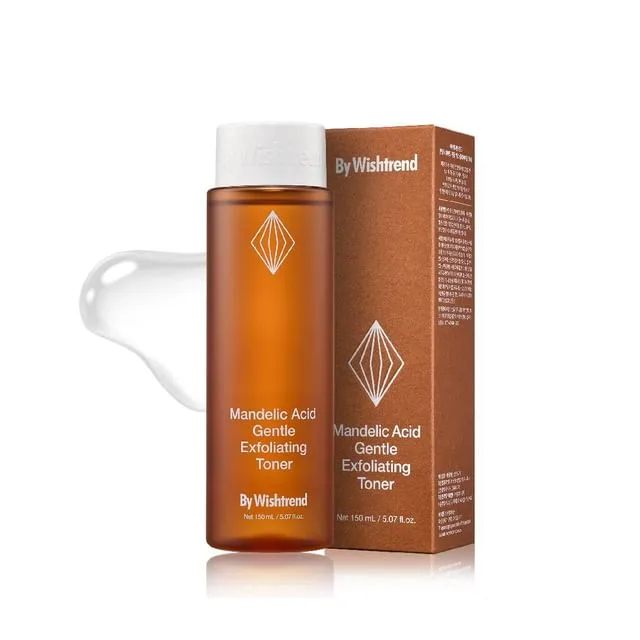 Sensitive Skin AHA Pick
 Mandelic Acid 5% Skin Prep Water
The mandelic acid prep water that quietly converted half of K-beauty Reddit away from glycolic — and for good reason. It delivers visible texture and PIH improvement at 5% without the sting or pigment risk that derails sensitive and darker skin, and it does so for around twenty bucks.
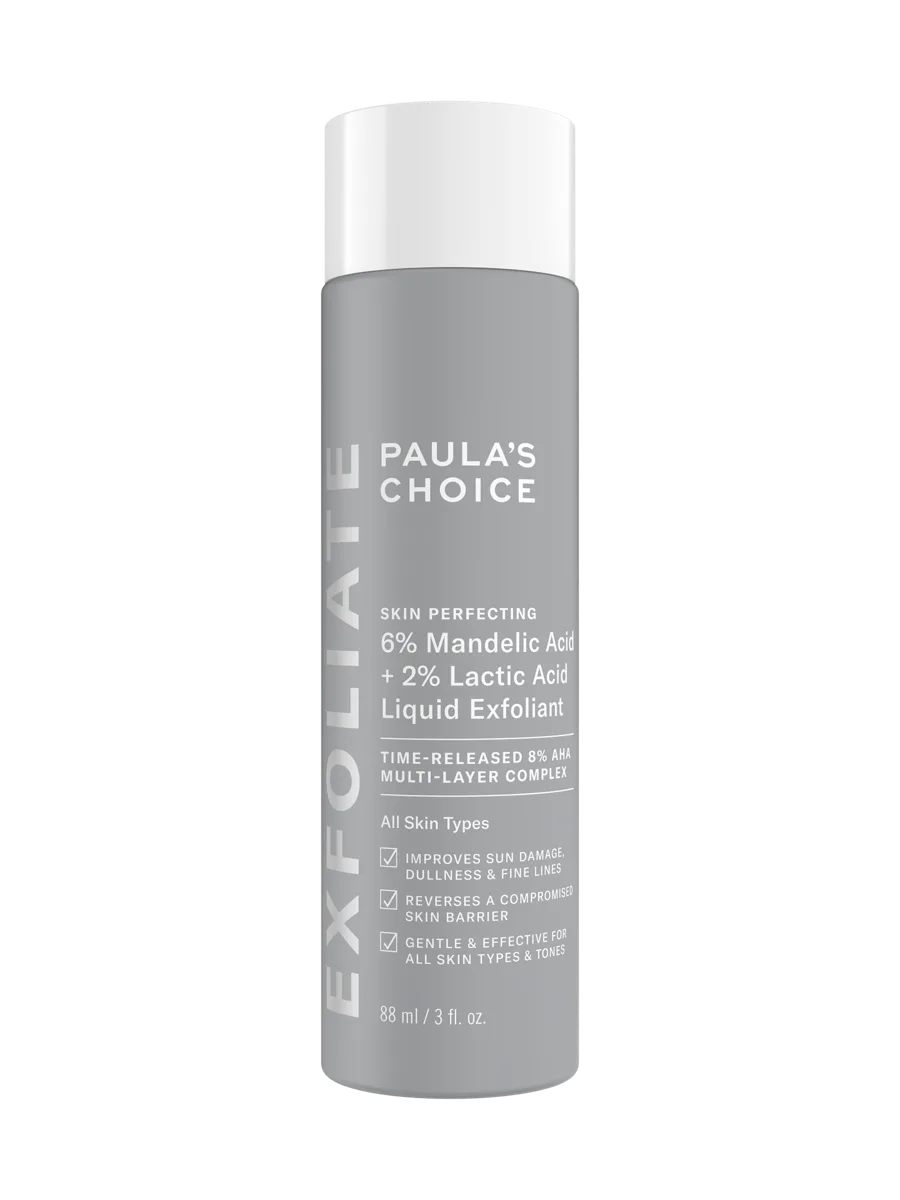 Gentle Glow Specialist
 Skin Perfecting 6% Mandelic Acid + 2% Lactic Acid Liquid Exfoliant
The exfoliant that finally treats sensitive and melanin-rich skin as the design priority rather than an afterthought. With a 4.8-star rating and 660+ reviews, this mandelic-lactic formula proves that gentleness and efficacy aren't mutually exclusive — it just requires smarter acid selection.
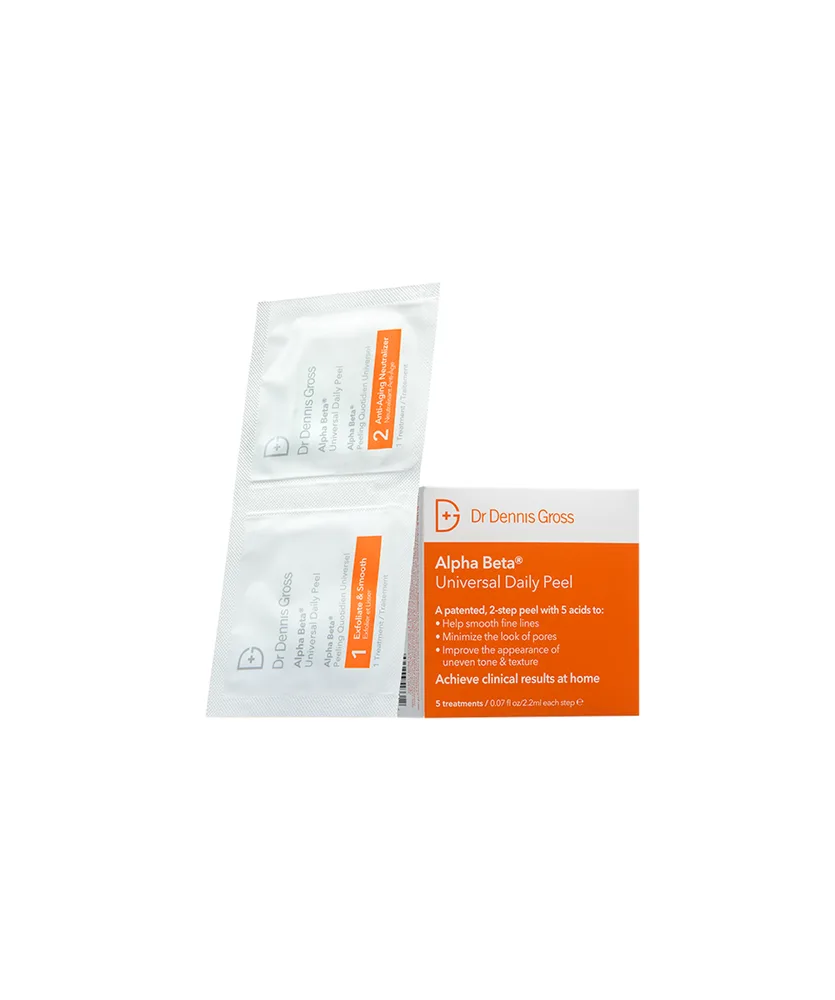 The Original At-Home Peel
 Alpha Beta Universal Daily Peel
The product that invented the at-home daily peel category in 2002 and still sits at the top of it. The five-acid Step 1 and retinol-antioxidant Step 2 deliver genuine resurfacing and anti-aging in a single five-minute routine. Expensive, but the results and track record justify the reputation.
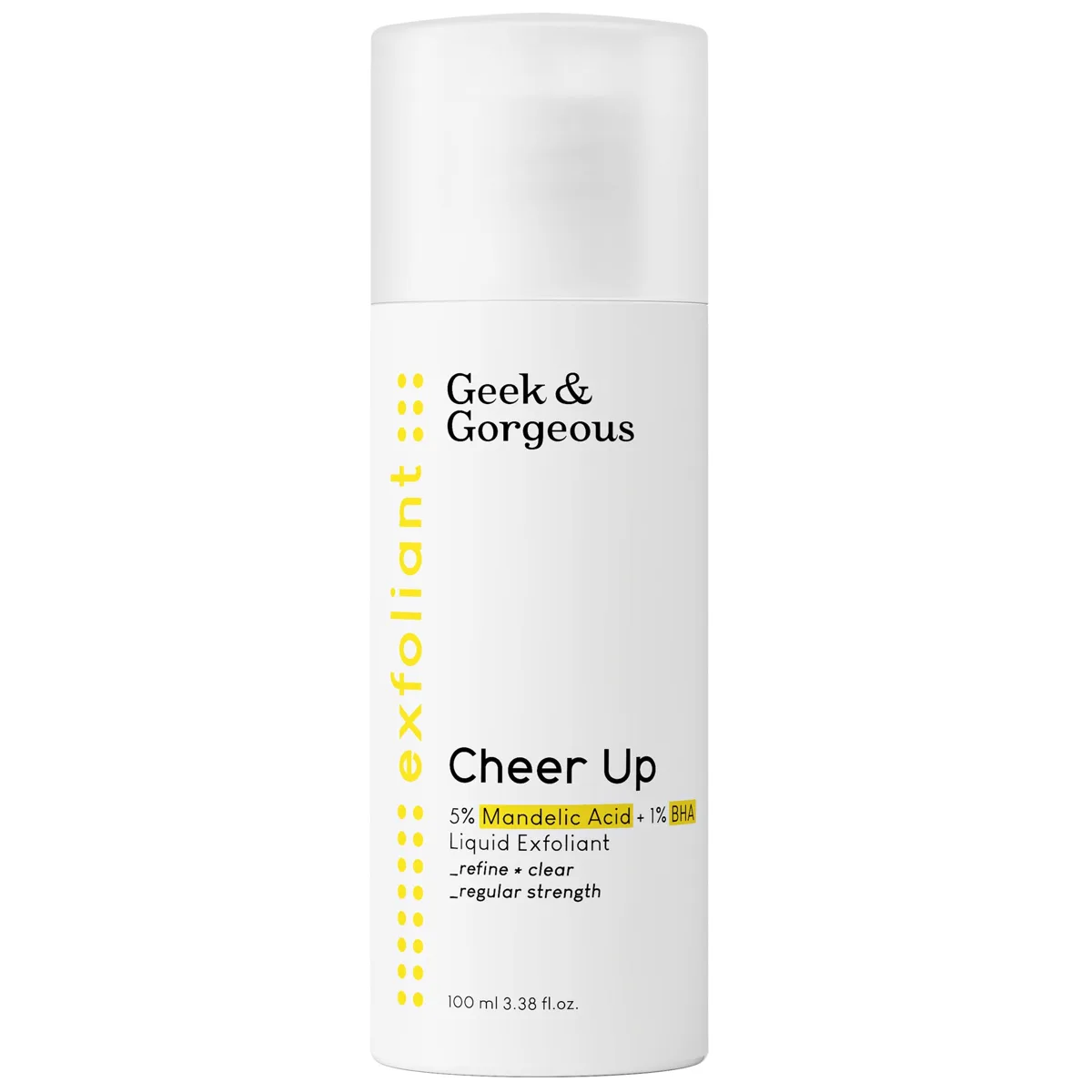 Beginner Exfoliant Pick
 Cheer Up 5% Mandelic + 1% Salicylic Exfoliant
A thoughtfully formulated beginner AHA/BHA exfoliant that uses mandelic acid — the gentlest mainstream AHA — in combination with low-strength salicylic, plus a sugar-humectant complex for comfort. At 100mL for around $12, the value is excellent, and the formulation choices reflect the kind of cosmetic-chemist thinking that separates this brand from typical indie exfoliants. Ideal for exfoliant newcomers and sensitive skin.
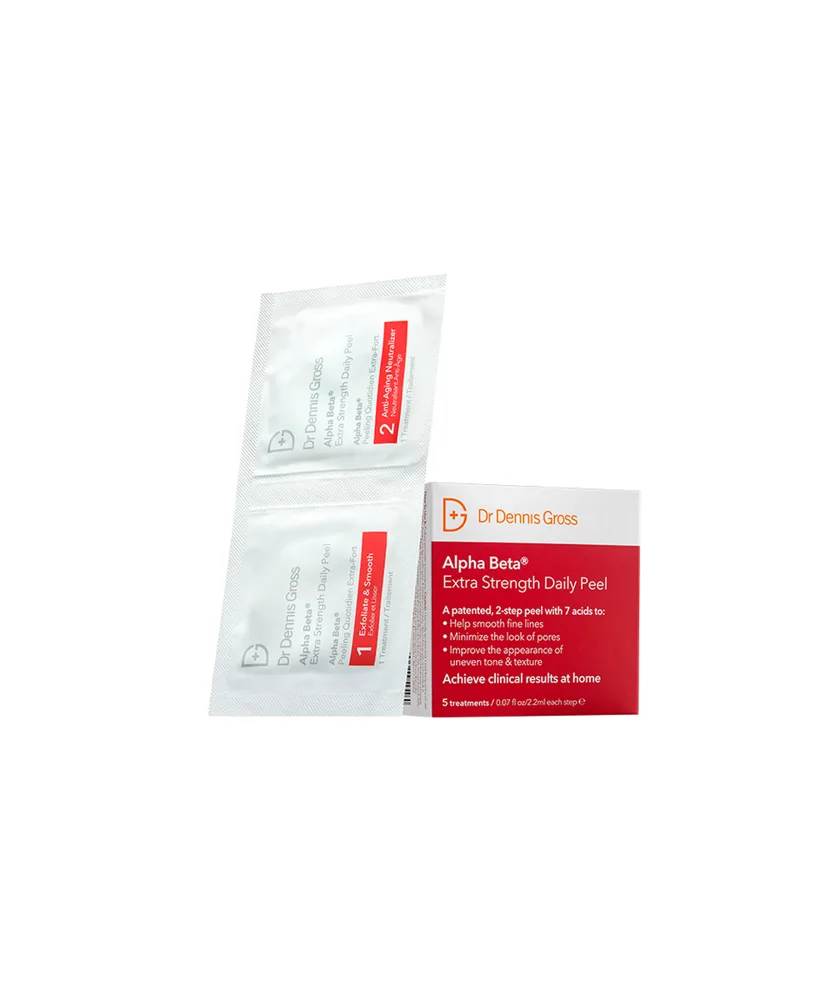 At-Home Peel Benchmark
 Alpha Beta Extra Strength Daily Peel
The harder-hitting version of the at-home peel that started the category. Step 1 delivers a serious five-acid blend and Step 2 follows with retinol and antioxidants, making this a combined resurfacing and anti-aging treatment in a single five-minute routine. Expensive but genuinely effective for experienced exfoliant users.
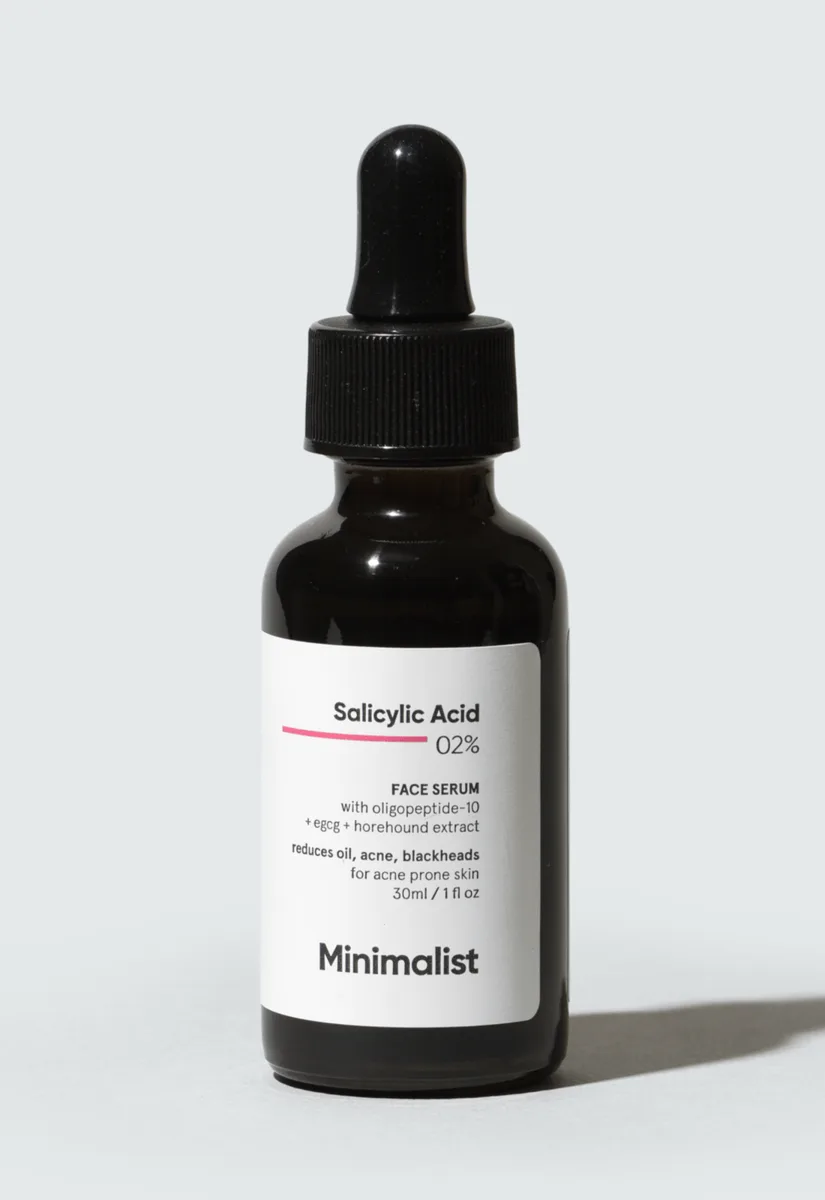 Pharma-Grade Budget BHA
 2% Salicylic Acid Face Serum
A pharma-grade 2% BHA serum at pH 3.75, built around Merck's RonaCare salicylic acid and flanked by Marrubium Vulgare, EGCG glucoside, and Oligopeptide-10 — a supporting cast most budget salicylic serums do not bother with. At ₹599 for 30ml, it is one of the best acne serums on the Indian market and genuinely competitive with the prestige alternatives.