 90/100Score
 Sensitive Skin AHA Pick. The mandelic acid prep water that quietly converted half of K-beauty Reddit away from glycolic — and for good reason. It delivers visible texture and PIH improvement at 5% without the sting or pigment risk that derails sensitive and darker skin, and it does so for around twenty bucks.
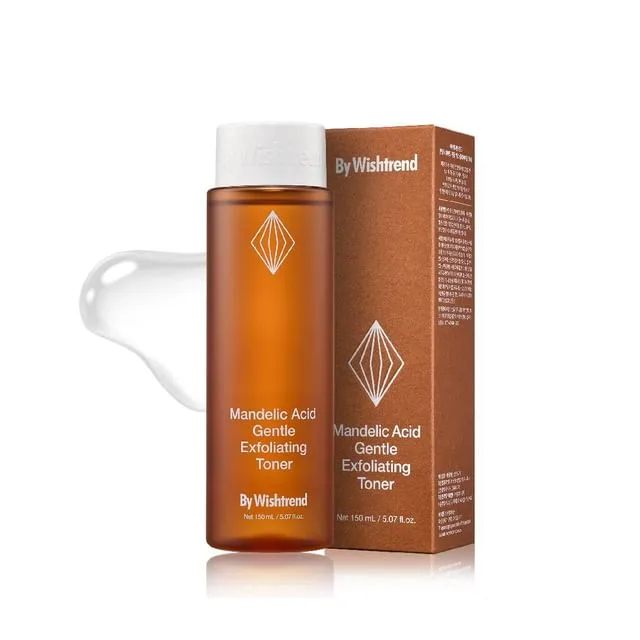
Mandelic Acid 5% Skin Prep Water
The mandelic acid prep water that quietly converted half of K-beauty Reddit away from glycolic — and for good reason. It delivers visible texture and PIH improvement at 5% without the sting or pigment risk that derails sensitive and darker skin, and it does so for around twenty bucks.
Data Confidence: high
Score Breakdown
One of the best-tolerated entry-level AHAs on the market: efficacious 5% mandelic at functional pH, with thoughtful soothing support, at a fair K-beauty price.
Data Confidence: high
This product has been on the market since 2018 with thousands of reviews on Wishtrend, Amazon, YesStyle and Reddit, and has been featured in mainstream K-beauty editorial coverage.
0/100
Overall Score
Ingredient Quality 0
Value for Money 0
Suitability Breadth 0
Irritation Risk (↑ = safer) 0
Assessment
Pros
- 5% mandelic at functional pH 3.7 is genuinely active
- Markedly less irritating than glycolic at the same strength
- Safer choice for medium-to-deep skin tones prone to PIH
- Beta-glucan, panthenol and centella buffer the AHA effectively
- Licorice root pairs intelligently with mandelic for pigment work
- No added fragrance, alcohol or essential oils
- Realistic price for a flagship K-beauty active
- Pregnancy-safe entry point to acid exfoliation
Cons
- 120ml goes quickly with daily cotton-pad application
- Faint almond scent isn't to everyone's taste
- PEG-60 hydrogenated castor oil disqualifies it for strict fungal acne protocols
- Carbomer can pill if you layer the next product too quickly
- Not appropriate on actively compromised or post-procedure skin
Full Review
Before this prep water, 'mandelic acid' was a thing dermatologists discussed in the context of in-office peels and a footnote that pharmacy-school students memorized for their cosmetic chemistry exam. Glycolic was the consumer AHA. Salicylic was the consumer BHA. Mandelic existed mostly in trade journals and on the shelf at your neighborhood medspa. Then By Wishtrend launched this 120ml bottle of pH-3.7 water in 2018, the K-beauty review community on Reddit picked it up over the next year, and somewhere in 2019-2020 it crossed over into the broader skincare conversation. By 2022 it was a category-definer. Almost everyone selling a mandelic toner today is, in some sense, chasing the bottle that made this acid into a household name.
The formulation logic is simple and exactly right. Mandelic acid is a larger molecule than glycolic, so it diffuses through the stratum corneum more slowly and more uniformly. The practical consequences are twofold: first, it stings substantially less, which means people who tried glycolic at 5%, peeled their face off and gave up on AHAs altogether can actually use this without the panic-rinse moment. Second — and this is the bigger deal — the gentler, slower diffusion means a much lower risk of triggering post-inflammatory hyperpigmentation in medium and deep skin tones. For anyone with skin that responds to insult by darkening, glycolic is a coin flip. Mandelic is the safer hand. The dermatology literature on acne and PIH bears this out, and so do thousands of testimonials from users who watched their post-breakout marks fade over six or eight weeks of using this exact prep water.
What keeps the formula from being a one-trick acid is the supporting cast. Beta-glucan provides a quiet humectant cushion that softens the inevitable mild dryness of any AHA. Panthenol does barrier-support work in parallel, so the skin you reveal under the loosened dead cells doesn't immediately go tight. Centella asiatica is doing K-beauty's beloved soothing job, and licorice root extract is the smart addition no one talks about — it has its own gentle pigment-modulating action and pairs beautifully with mandelic's known PIH benefit. The result is a 5% AHA that you can use four or five nights a week, indefinitely, without the rebound sensitivity that makes most acid users cycle on and off.
Texture is exactly what the name promises. This is a prep water, not an essence — thin, watery, slightly slippery, no viscosity to speak of. You can apply it with hands (recommended for both economy and to avoid the cotton-pad friction) or sweep it on with a soaked pad if you prefer the ritual. Either way it absorbs in seconds and leaves no residue. There's a faint marzipan-adjacent almond smell from the sweet almond fruit extract that some people love and a few find odd; it dissipates within a minute and there's no added fragrance underneath it.
The first-use experience for most people is uneventful — a brief, mild tingle that fades, no flaking, no purging. Texture starts feeling smoother within a week, and the pigmentation work shows up around week three to four. It is not a vitamin C or hydroquinone-level brightener, and it is not going to lift true scars, but for the post-acne marks that linger after a breakout heals, it is one of the most reliable over-the-counter options in this price band. The brightening is incremental and cumulative, and the longer you stay on it, the more even your tone gets.
The limitations are small but real. The 120ml bottle is on the smaller side for a daily-use toner, especially if you apply with a soaked cotton pad, and consistent users tend to finish a bottle every six to eight weeks. The mandelic acid is real exfoliation, so it absolutely needs daily SPF — anyone who skips sunscreen with this in their routine is undoing the work and inviting the exact pigmentation problem they bought it to fix. The carbomer in the formula can occasionally pill if you layer the next product too fast; give it a full minute. And while the formula is fungal-acne friendly in spirit, the PEG-60 hydrogenated castor oil disqualifies it for the strictest Malassezia protocols. Not a fungal-acne pick.
For everyone else — and especially for darker skin tones, sensitive types, and people whose first attempt at an AHA ended in regret — this is one of the safest, most repeatedly-validated entry points to acid exfoliation in the entire K-beauty market. It is not flashy, it is not expensive, and it does not need to be. It is just the bottle that changed the default acid in half the routines on the internet, and it deserved to.
Formula
Ingredients
The hero actives that drive this product's performance.
| Ingredient | Function | Evidence |
|---|---|---|
| Mandelic Acid 5% (5%) | A larger-molecule alpha hydroxy acid derived from bitter almonds that exfoliates the skin surface more slowly than glycolic, which is exactly why it is the active of choice in this prep water. The 5% load and pH of around 3.7 make it active enough for visible results without the irritation glycolic produces on darker, sensitive or barrier-impaired skin. | well-established |
| Beta-Glucan | Acts as the soothing scaffold around the mandelic acid in this formula, calming the low-grade irritation that any AHA can produce and locking water into the upper stratum corneum so the post-acid skin doesn't go tight. It is one of the reasons this prep water reads as 'gentle' even at full pH. | well-established |
| Panthenol | Provitamin B5 that is doing barrier-repair duty in parallel with the exfoliation. In a formula whose entire job is to thin the dead-cell layer, having panthenol present means the freshly exposed skin gets a moisture-binding cushion immediately rather than waiting for the next product. | well-established |
| Centella Asiatica Extract | K-beauty's go-to anti-irritant, included here specifically to take the edge off the AHA so the prep water can be used more frequently than a typical glycolic toner. The madecassoside fraction also has modest collagen-supporting evidence, which complements the cell-turnover from mandelic. | well-established |
| Licorice Root Extract | A gentle pigment-modulator that pairs intelligently with mandelic acid's known effect on post-inflammatory hyperpigmentation. Together they make this one of the few entry-level AHA products that can credibly claim a benefit for melasma-prone and acne-scarred skin tones. | promising |
Full INCI List · pH 3.7
Water, Mandelic Acid, Butylene Glycol, Beta-Glucan, Panthenol, Glycyrrhiza Glabra (Licorice) Root Extract, Prunus Amygdalus Dulcis (Sweet Almond) Fruit Extract, Sodium Hyaluronate, Sorbitan Sesquioleate, Centella Asiatica Extract, Houttuynia Cordata Extract, Sorbitol, Dimethyl Sulfone, Chlorphenesin, Sodium Citrate, Arginine, PEG-60 Hydrogenated Castor Oil, Ethylhexylglycerin, Natto Gum, Carbomer
Product Flags
✓ Fragrance Free✓ Alcohol Free✓ Oil Free✓ Silicone Free✓ Paraben Free✓ Sulfate Free✓ Cruelty Free✓ Vegan✗ Fungal Acne Safe
Potential Irritants
mandelic acidpeg-60 hydrogenated castor oil
Common Allergens
sweet almond fruit extract
Compatibility
Skin Match
Best For
combination oily normal sensitive
Works For
Not Ideal For
Addresses These Conditions
acne hyperpigmentation dark spots texture blackheads dullness scarring
Use With Caution
compromised skin barrier rosacea
Avoid With
Routine Step
treatment
Time of Day
PM
Pregnancy Safe
Yes ✓
Layering Tips
Apply on clean, dry skin after cleansing and before serums. Wait 1-2 minutes before layering hydrators. Avoid stacking with retinoids or vitamin C the same evening unless skin is well acclimated.
Results Timeline
Smoother surface and faded post-acne marks usually visible in 2-3 weeks. Meaningful improvement in tone evenness and pigmentation typically takes 6-8 weeks of consistent 3-5x weekly use.
Pairs Well With
niacinamidecentella-serumsceramide-moisturizerssunscreen
Conflicts With
retinoids-same-nighthigh-strength-vitamin-cbenzoyl-peroxide
Sample AM Routine
- Gentle Cleanser
- Hydrating Toner
- Niacinamide Serum
- Moisturizer
- Sunscreen
Sample PM Routine
- Cleanser
- By Wishtrend Mandelic Acid 5% Skin Prep Water
- Centella Serum
- Moisturizer
Evidence
Science
The Science
Mandelic acid is an aromatic alpha hydroxy acid derived from bitter almonds, with a molecular weight of 152 daltons — roughly twice that of glycolic acid (76 daltons). That size differential is the basis for its clinical profile. A 2020 review published in the Journal of Cosmetic Dermatology summarized the comparative literature on mandelic acid in acne and pigmentation and concluded that mandelic produces clinical outcomes comparable to glycolic for inflammatory acne and post-inflammatory hyperpigmentation, with significantly lower rates of erythema, stinging and post-procedure dyschromia. A series of split-face studies on mandelic acid peels in patients with Fitzpatrick IV-VI skin demonstrated meaningful reduction in PIH and acne lesion counts over 8-12 weeks, with adverse events limited to mild transient dryness. The 5% concentration in this prep water sits in the leave-on consumer range — it is sub-peel strength but high enough at pH 3.7 to be biologically active, given that AHAs require a free-acid fraction to exfoliate, and pH 3.7 puts roughly half the mandelic in its active form. The supporting actives have their own evidence base: beta-glucan has well-characterized humectant and immunomodulatory effects in topical formulations, panthenol's role in stratum corneum hydration and barrier repair is one of the most replicated findings in cosmetic dermatology literature, and licorice root extract — specifically the glabridin fraction — has been shown in multiple in vitro and small clinical studies to inhibit tyrosinase activity, the rate-limiting enzyme in melanin synthesis. The combination matters because mandelic addresses the cell turnover dimension of pigmentation while licorice addresses the upstream melanogenesis pathway, giving the formula two complementary mechanisms rather than a single point of attack.
References
- Topical alpha hydroxy acids: a review of their use in dermatology — Journal of Cosmetic Dermatology (2020)
- Mandelic acid in clinical dermatology: a review — Indian Dermatology Online Journal (2019)
Dermatologist Perspective
Dermatologists often recommend mandelic acid specifically for patients who cannot tolerate glycolic acid, including those with sensitive skin, rosacea-adjacent presentations, and Fitzpatrick types IV through VI. The lower risk of irritation-induced hyperpigmentation makes it a preferred over-the-counter AHA for melanin-rich skin, and board-certified dermatologists frequently note that mandelic-based products are appropriate for patients with mild to moderate inflammatory acne who want a gentler at-home exfoliant alongside a topical retinoid or benzoyl peroxide. Clinical guidance generally suggests starting at 2-3 times per week and titrating up, and emphasizes that mandelic acid does not exempt the user from daily sunscreen — if anything, the freshly-exfoliated stratum corneum is more vulnerable to UV-induced pigmentation. The formula is generally considered appropriate for use during pregnancy.
Guidance
Usage Guide
How to Use
Apply on clean, dry skin in the evening after cleansing. Two to three drops in the palm pressed onto the face is the most economical method; cotton pad application is also fine but uses more product. Wait one to two minutes for the formula to fully absorb before layering hydrating toner, serums or moisturizer. Start at two or three nights per week and build up to four or five as tolerated. Always follow with daily sunscreen the next morning. Do not stack with retinoids, high-strength vitamin C or benzoyl peroxide on the same evening until your skin is fully acclimated.
Value Assessment
At around twenty-three dollars for 120ml, this sits in the fair middle of the K-beauty active price band — well below clinical mandelic peels and competitive with cheaper indie mandelic toners on the market. The single 120ml size is the only option, and a bottle reasonably lasts six to eight weeks with consistent four-to-five-night-a-week use. The price is justified by the formulation work: the supporting cast of beta-glucan, panthenol, centella and licorice is not boilerplate, the pH is honest, and the brand has years of track record on this specific SKU. Cheaper mandelic toners exist, but most either lack the supporting actives or are pH-buffered into ineffectiveness. This is the version worth paying the extra few dollars for.
Who Should Buy
Anyone with acne-prone, hyperpigmentation-prone, sensitive or darker skin who has been intimidated by glycolic acid or burned by it. First-time AHA users who want a gentle entry point. Users chasing fading of post-acne marks at a realistic price.
Who Should Skip
Users with strict fungal acne protocols who cannot use the PEG-60 hydrogenated castor oil. People with actively compromised, post-procedure or eczema-flared skin. Anyone unwilling to wear daily sunscreen, since acid exfoliation without SPF is counterproductive.
Ready to try By Wishtrend Mandelic Acid 5% Skin Prep Water?
Details
Details
Texture
Watery, slightly slippery liquid with no viscosity — applies like a true prep water rather than an essence.
Scent
Faint marzipan-adjacent almond note from the sweet almond extract; no added fragrance.
Packaging
Frosted plastic bottle with screw cap; works with cotton pad or hands.
Finish
lightweightfast-absorbinginvisible
What to Expect on First Use
First few uses may produce a brief, mild tingle that fades within seconds. No purging in the classic sense — most users see smoother texture by the second week. If you experience persistent stinging, drop to 2x weekly and build up.
How Long It Lasts
About 2 months with 4-5x weekly use applied with hands; closer to 6 weeks with cotton pad application.
Period After Opening
12 months
Best Season
All Year
Certifications
cruelty-free
Background
The Why
By Wishtrend launched the mandelic line in 2018 as a deliberate counterpoint to the glycolic-acid-everything era, betting on a then-underused acid that had a strong dermatology literature for acne and PIH but almost no consumer-skincare presence. The bet paid off — it became the brand's flagship and helped popularize mandelic across the K-beauty market.
About By Wishtrend Established Brand (5–20 years)
By Wishtrend launched in 2013 as the in-house brand of Korean retailer Wishtrend, with a minimal-ingredient, evidence-led formulation philosophy. The mandelic acid line has become one of its most-reviewed and most-recommended SKUs in Western K-beauty communities.
Brand founded: 2013 · Product launched: 2018
Myth vs. Reality
Myths
Myth
Mandelic acid is too gentle to actually do anything.
Reality
At 5% and pH 3.7, mandelic is well within its active range. It works more slowly than glycolic — that is the point — but the dermatology literature shows comparable outcomes for acne and PIH after 8-12 weeks with substantially less irritation.
Myth
If it doesn't sting, it isn't working.
Reality
Stinging measures barrier irritation, not acid efficacy. A well-buffered AHA can deliver full exfoliation without the uncomfortable burn that lower-quality acids produce, and the lack of sting is a feature, not a flaw.
FAQ
FAQ
How is mandelic acid different from glycolic acid?
Mandelic has a larger molecular weight, so it penetrates more slowly and uniformly. The practical result in this prep water is much less stinging and a far lower risk of post-inflammatory pigmentation in darker skin tones, while still delivering measurable improvement in acne and surface texture over weeks of use.
Can darker skin tones safely use this?
Yes — this is one of the more highly recommended AHAs specifically for medium-to-deep skin tones because mandelic acid is markedly less likely to trigger post-inflammatory hyperpigmentation than glycolic. The 5% concentration here is also moderate rather than aggressive, which further reduces the risk.
How often should I use it?
Start at 2-3 times per week in the evening for the first two weeks. If well tolerated, build to 4-5 nights weekly. Daily use is possible but rarely necessary — and on most skin will eventually feel drying.
Does it help fade acne scars?
It can help fade post-inflammatory hyperpigmentation (the brown or red marks left after acne heals), which is what most people mean by 'acne scars.' True atrophic or icepick scars require professional treatment. The mandelic-plus-licorice combination here gives this prep water a credible edge for PIH compared to a plain AHA.
Is it safe in pregnancy?
Yes — mandelic acid is generally considered pregnancy-safe at this concentration, and the supporting ingredients are not on common pregnancy-restricted lists. Always confirm with your OB if you have specific concerns.
Why does it smell faintly like almonds?
There is a sweet almond fruit extract in the formula, and mandelic acid itself is derived from bitter almonds. The scent is mild and ingredient-driven — there is no added fragrance.
Can I use it with retinol or vitamin C?
Not in the same routine, especially when starting out. Use the prep water on alternate evenings from your retinoid, and reserve high-strength vitamin C for AM. Once your skin is fully acclimated, more advanced users can layer cautiously, but stacking everything on one night invites irritation.
Community
Community
Common Praise
"faded post-acne marks within weeks"
"noticeably gentler than glycolic"
"no stinging on sensitive skin"
"safe for darker skin tones"
"easy first-time AHA"
Common Complaints
"light almond scent from the extract"
"120ml runs out faster than expected"
"carbomer can pill if layered too quickly"
Notable Endorsements
r/AsianBeautySkincare Anarchy podcastK-beauty review community
Appears In
best aha for sensitive skin best mandelic acid toner best aha for dark skin best toner for hyperpigmentation best k beauty exfoliant
Related Conditions
acne hyperpigmentation dark spots scarring texture
Related Ingredients
mandelic acid centella asiatica licorice root panthenol beta glucan
You Might Also Like
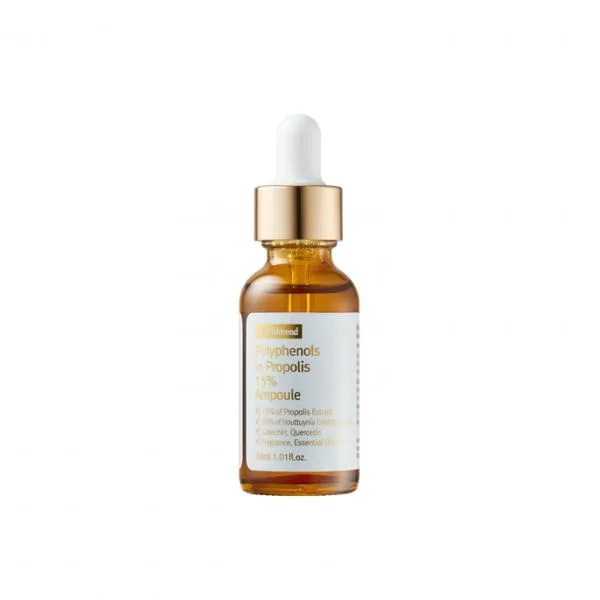 Sensitive Skin Soother
 A 15% propolis ampoule that earns its name with a real polyphenol stack — French Auvergne propolis layered over a houttuynia cordata base, with tulsi and pomegranate piling on. It's slightly sticky and not cheap by volume, but for sensitive, breakout-prone skin chasing calm, this is one of the most reliable K-beauty soothers in production.
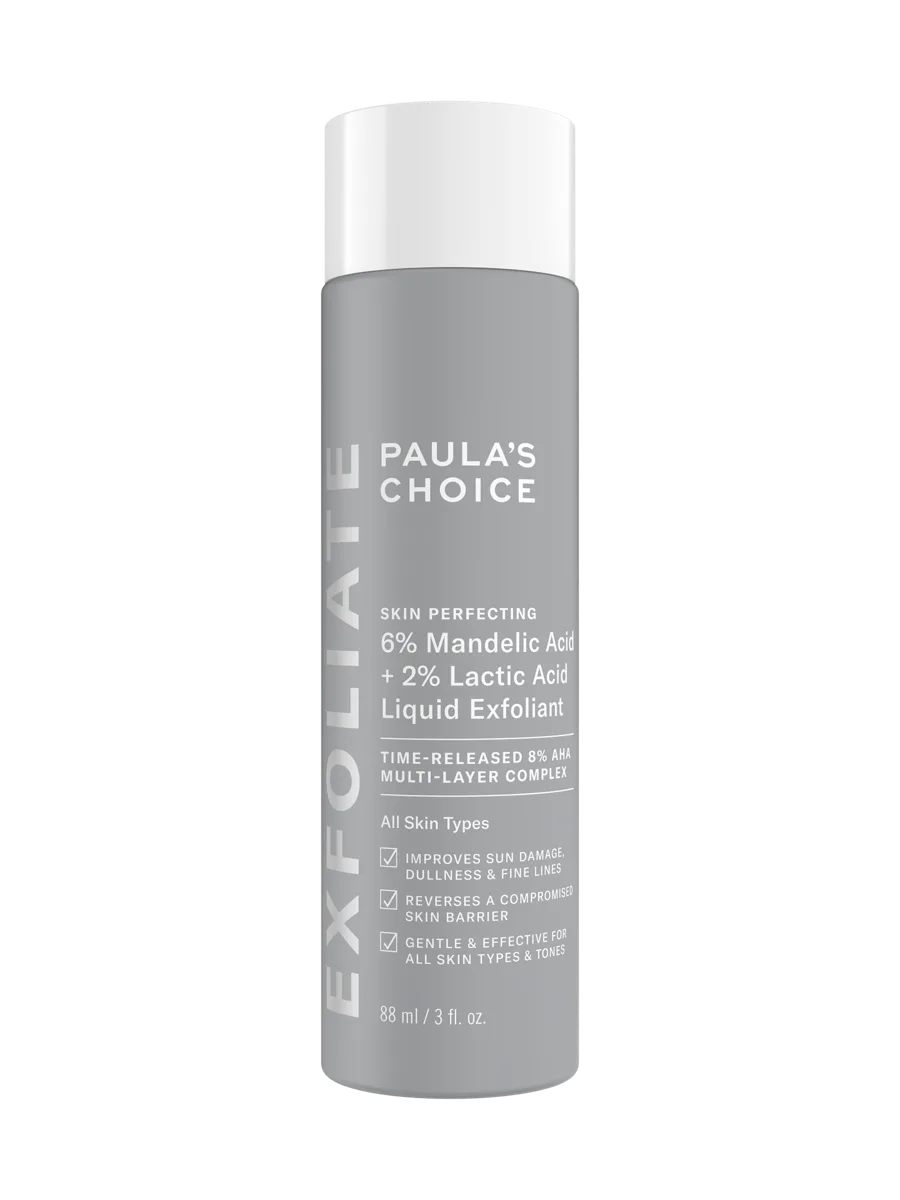 Gentle Glow Specialist
 The exfoliant that finally treats sensitive and melanin-rich skin as the design priority rather than an afterthought. With a 4.8-star rating and 660+ reviews, this mandelic-lactic formula proves that gentleness and efficacy aren't mutually exclusive — it just requires smarter acid selection.
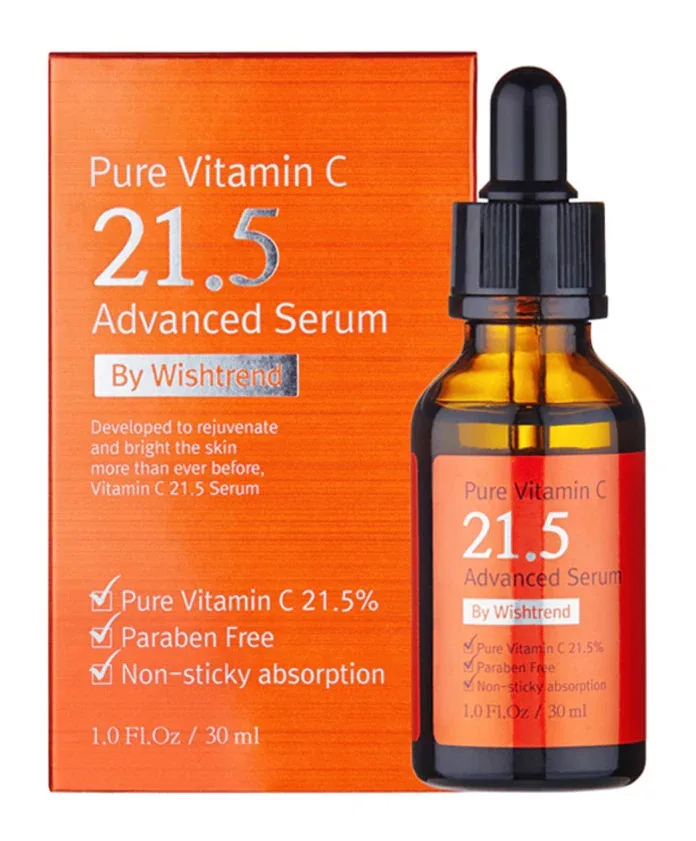 L-Ascorbic Acid Heavyweight
 One of the highest stable L-ascorbic acid concentrations on the consumer market, in a sea buckthorn water base with just nine other ingredients. It stings on application, oxidizes if you don't use it within three months, and excludes sensitive skin entirely — and within those constraints, it is one of the most effective vitamin C serums you can buy under forty dollars.
 Modern Filter Pick
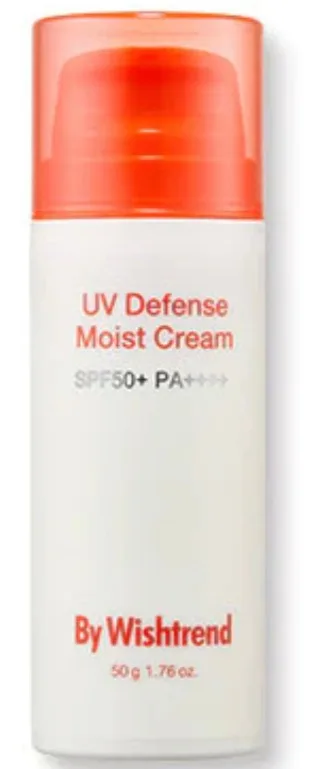
 A genuinely modern broad-spectrum sunscreen that runs three of the best UVA filters in the world simultaneously — Uvinul A Plus, Tinosorb S, and Mexoryl SX — in a moisturizing cream base that doubles as a daytime moisturizer. The white cast and the fungal-acne incompatibility limit its audience, but for normal-to-dry skin in the US frustrated by the FDA's old filter list, this is a serious upgrade.
 The Original At-Home Peel
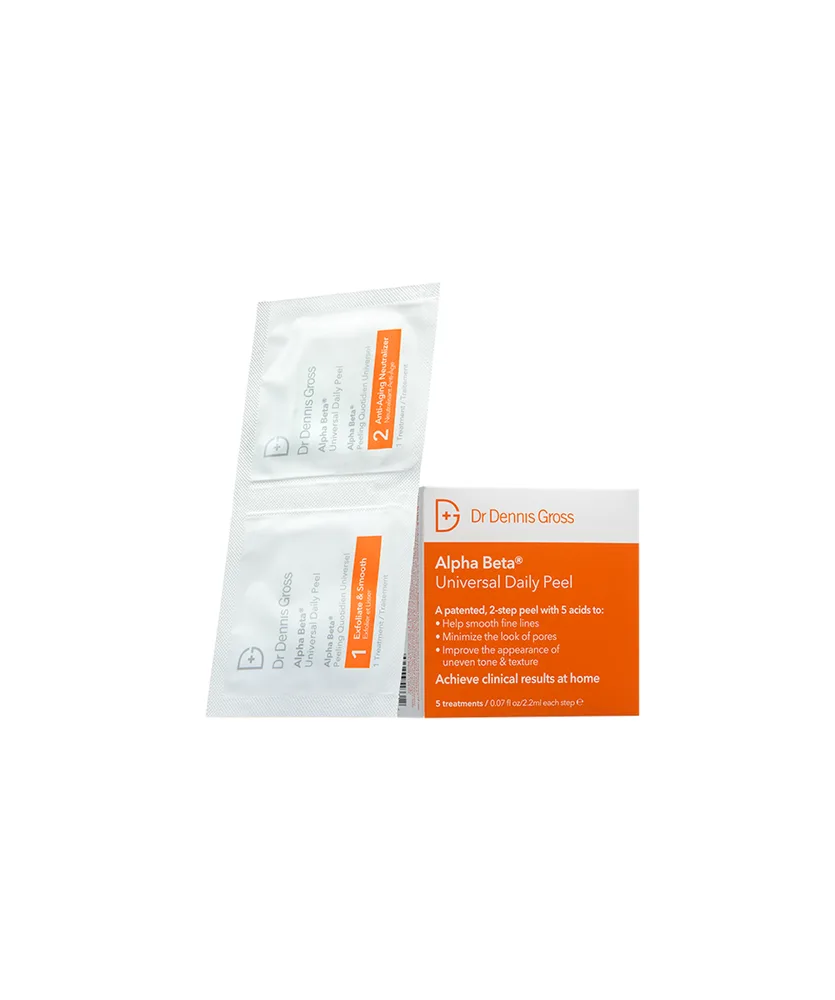
 The product that invented the at-home daily peel category in 2002 and still sits at the top of it. The five-acid Step 1 and retinol-antioxidant Step 2 deliver genuine resurfacing and anti-aging in a single five-minute routine. Expensive, but the results and track record justify the reputation.
 Beginner Exfoliant Pick
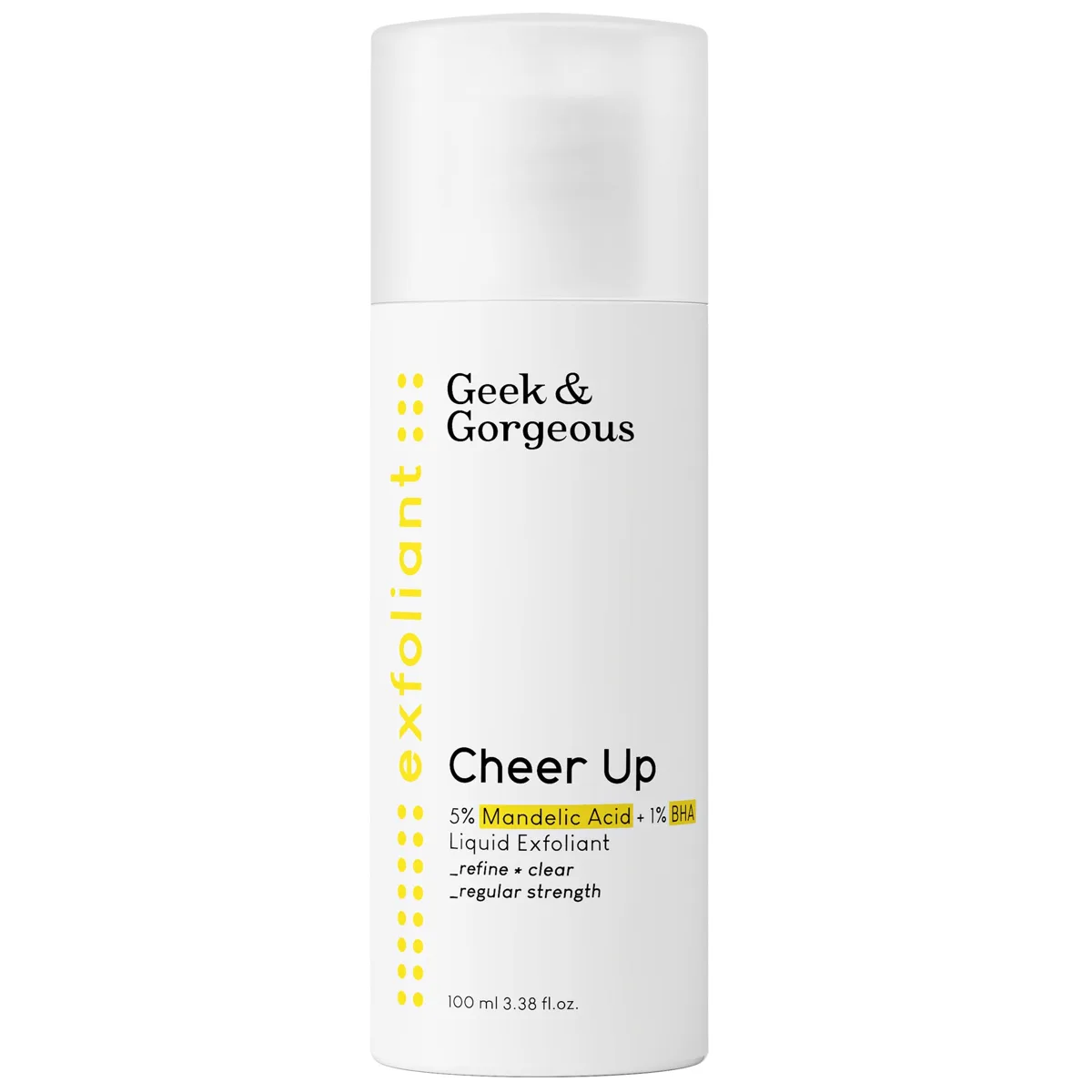
 A thoughtfully formulated beginner AHA/BHA exfoliant that uses mandelic acid — the gentlest mainstream AHA — in combination with low-strength salicylic, plus a sugar-humectant complex for comfort. At 100mL for around $12, the value is excellent, and the formulation choices reflect the kind of cosmetic-chemist thinking that separates this brand from typical indie exfoliants. Ideal for exfoliant newcomers and sensitive skin.