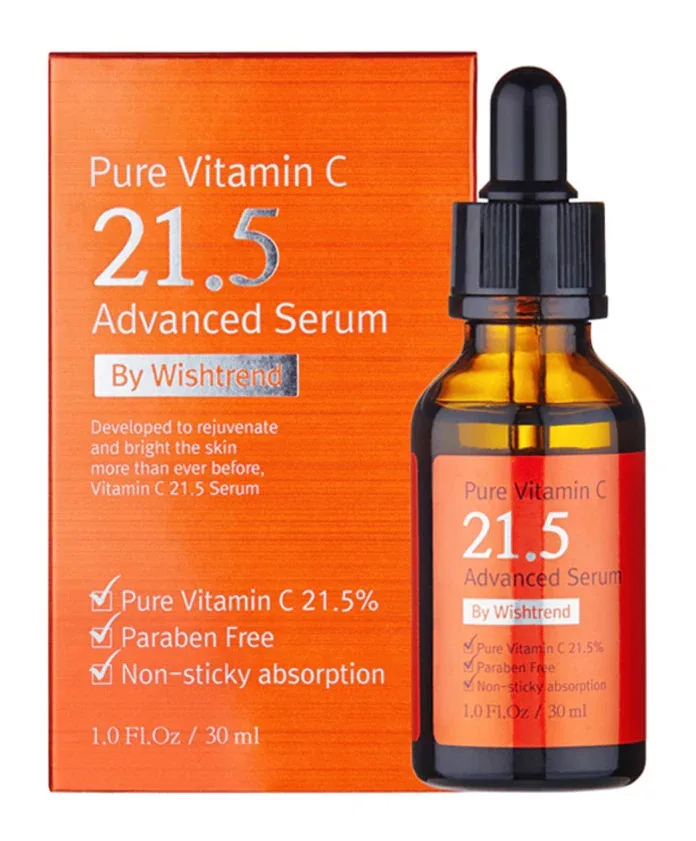
One of the highest stable L-ascorbic acid concentrations on the consumer market, in a sea buckthorn water base with just nine other ingredients. It stings on application, oxidizes if you don't use it within three months, and excludes sensitive skin entirely — and within those constraints, it is one of the most effective vitamin C serums you can buy under forty dollars.
Pure Vitamin C 21.5% Advanced Serum
One of the highest stable L-ascorbic acid concentrations on the consumer market, in a sea buckthorn water base with just nine other ingredients. It stings on application, oxidizes if you don't use it within three months, and excludes sensitive skin entirely — and within those constraints, it is one of the most effective vitamin C serums you can buy under forty dollars.
Score Breakdown
Where this product gains points and where it loses them — broken down across the four scoring pillars.
One of the highest-strength stable L-ascorbic acid serums on the consumer market with a thoughtful sea buckthorn base. Loses points for short shelf life and a sting-risk profile that excludes sensitive skin.
Pros & Cons
- ✓Honest 21.5% L-ascorbic acid at active pH 2.8
- ✓Sea buckthorn water base adds carotenoids and flavonoids
- ✓Minimal 10-ingredient formulation, no filler
- ✓Fungal-acne safe — no fatty alcohols, esters or plant oils
- ✓Stable when stored correctly within the 3-month window
- ✓Significantly cheaper than Skinceuticals CE Ferulic
- ✓Pregnancy-safe entry to high-strength vitamin C
- ✓Eight years of consistent community results
- ✗Stinging on first use can be off-putting for new users
- ✗Not appropriate for sensitive, rosacea or compromised skin
- ✗30ml runs out in about 6-8 weeks of daily use
- ✗Three-month shelf life after opening is short
- ✗Can pill under sunscreen if you don't wait long enough
Full Review
When this serum launched in 2017, the high-strength L-ascorbic acid market was essentially a Skinceuticals monopoly. CE Ferulic was the gold standard, the formulation everyone benchmarked against, and the price tag — north of a hundred and seventy dollars — was the price you paid for the only serum in the category that had real, replicated clinical data behind it. Other brands sold 20% vitamin C serums, but most were either oxidized brown by the time you opened them or used cheaper, less-studied derivatives like sodium ascorbyl phosphate. The serious users either paid for Skinceuticals or made their own ascorbic acid solutions in their kitchens. Then By Wishtrend dropped this 21.5% L-ascorbic acid serum in a frosted glass bottle for around thirty dollars, and the K-beauty side of Reddit collectively raised an eyebrow. Was this real? Was the percentage honest? Could a Korean indie brand actually formulate stable vitamin C at this concentration?
The answer, after eight years of community testing, is yes. The percentage is honest. The pH is honest — somewhere around 2.8, well within the active range for L-ascorbic acid. The formulation is genuinely stable when stored correctly and used within the recommended three-month window. And the brightening and dark-spot-fading effects are real and consistent across thousands of users with thousands of different skin types. This is not a Skinceuticals clone, and it is not pretending to be. The base is sea buckthorn water rather than propylene glycol. The supporting cast is allantoin, panthenol and sodium lactate rather than ferulic acid and vitamin E. The intent is the same — high-percentage L-ascorbic acid in a stable, low-pH carrier — but the execution is its own thing.
The sea buckthorn water choice is the part nobody talks about enough. Sea buckthorn is one of the more carotenoid-and-flavonoid-rich botanicals in skincare, and using its hydrosol as the base of the serum rather than plain water means the formula is smuggling additional polyphenols into the bottle alongside the headline ascorbic acid. Whether this meaningfully changes the clinical outcome compared to a plain-water-based 21.5% formula is impossible to say without a head-to-head study, but the formulation logic is consistent with the brand's broader interest in polyphenol-stack approaches, and it is at least more interesting than another generic ascorbic-acid-in-water serum.
The ingredient list is minimal in the best way. Ten items total: sea buckthorn water, ascorbic acid, sodium lactate, 1,2-hexanediol, sodium hyaluronate, panthenol, cassia obtusifolia seed extract, allantoin, xanthan gum, ethylhexanediol. No fragrance. No essential oils. No fatty alcohols. No surfactants. No PEGs that would disqualify it for fungal acne. This is one of the rare high-strength vitamin C serums that Malassezia-prone users can apply without anxiety, which is a small but meaningful gift to a population that gets locked out of most active serums in this category.
Application is exactly what you would expect from a 21.5% acid load. Two or three drops on dry, cleansed skin in the morning. There is a brief, real sting in the first few uses — a quick warm tingle that fades within 30 to 60 seconds. If you have never used a high-strength L-ascorbic acid serum before, the sensation can be alarming, but it is the active doing what it is supposed to do, not damage. Buffering with a thin moisturizer applied first reduces the sting if it bothers you. After the first week or two, most skin acclimates and the sting fades to almost nothing. Wait one to two minutes before layering moisturizer to avoid pilling, and finish with sunscreen. The vitamin C and the SPF compound their photoprotection benefits — that is the morning routine logic.
Results follow the timeline of every honest L-ascorbic acid serum: subtle brightening and a slight glow shift within two weeks, more obvious tone evenness around week four to six, and meaningful fading of dark spots and post-inflammatory hyperpigmentation over 8-12 weeks of consistent daily use. This is not a bleach. It is a tyrosinase inhibitor and an antioxidant, and it works gradually and cumulatively. The users who get the best results are the ones who use it every morning without skipping, who layer it under daily SPF without exception, and who stay on it for three or four months before judging it. The users who are disappointed are usually the ones who used it sporadically, skipped sunscreen, or expected it to lift true scars.
The limitations are honest and significant. Sensitive, rosacea-adjacent or actively-compromised skin should not start here — the 21.5% load is too much, and a milder 10-15% L-ascorbic acid serum or a derivative like ascorbyl glucoside will be a better starting point. The 30ml bottle is small for a daily-use serum, and you will finish it in about six to eight weeks, which means the per-month cost is higher than the sticker suggests. The three-month shelf life after opening is real — vitamin C oxidizes whether you use it or not, and a half-used bottle that has been sitting on the counter for five months has lost most of its potency, regardless of how it looks. The slight pilling-under-sunscreen issue can be fixed by waiting longer between layers, but new users sometimes struggle with it. And anyone planning to combine this with retinol needs to keep them at separate times of day to avoid stacking too much irritation.
For combination, oily, normal and resilient dry skin chasing a brightening, anti-pigmentation, antioxidant routine without paying Skinceuticals prices, this is one of the best vitamin C serums in production. It is not the cheapest. It is not the gentlest. It does not have the marketing budget or the clinical-paper ecosystem of the Western brands it implicitly competes with. But it has eight years of consistent community results behind it, an honest formulation, and a price-to-percentage ratio that nothing in the Western prestige category can touch. For the right skin type, it is a flagship purchase. And for the wrong skin type, it is the wrong serum — which is its own form of honesty.
Formula
Key Ingredients
The hero actives that drive this product's performance.
| Ingredient | Function | Evidence |
|---|---|---|
| L-Ascorbic Acid 21.5% (21.5%) | The gold-standard form of vitamin C at one of the highest stable concentrations on the consumer market. At 21.5% with pH 2.8, it is biologically active and well past the 8-15% threshold most cosmetic chemists cite as needed for measurable photoprotection and pigmentation work. The high load is why this serum has built a cult following despite its short shelf life. | well-established |
| Sea Buckthorn Water 70% (70%) | Replaces the water position on the INCI as the actual base of the formula — sea buckthorn water carries its own modest vitamin C content and a load of carotenoids and flavonoids that complement the ascorbic acid. Choosing it as the carrier rather than plain water is part of what makes this serum unusually polyphenol-rich for an L-ascorbic acid product. | promising |
| Sodium Lactate | Functions as a humectant and as a pH buffer that keeps the formula in the active 2.5-3.0 range without dropping into stinging-acid territory. It also adds gentle NMF-style hydration to a serum that would otherwise feel quite dry on the skin. | well-established |
| Panthenol | Provitamin B5 doing barrier-repair work in parallel with the high-percentage ascorbic acid. In a serum this acidic, panthenol is essential — it cushions the surface and reduces the irritation that L-ascorbic acid can produce on the way to its known clinical benefits. | well-established |
| Allantoin | Soothing botanical-derived ingredient included specifically to take the edge off the 21.5% acid load. Pairs with panthenol as the calming buffer that lets this serum be tolerated more often than a typical 20% L-ascorbic acid would be. | well-established |
Full INCI List · pH 2.8
Hippophae Rhamnoides (Sea Buckthorn) Water, Ascorbic Acid, Sodium Lactate, 1,2-Hexanediol, Sodium Hyaluronate, Panthenol, Cassia Obtusifolia Seed Extract, Allantoin, Xanthan Gum, Ethyl Hexanediol
Product Flags
✓ Fragrance Free✓ Alcohol Free✓ Oil Free✓ Silicone Free✓ Paraben Free✓ Sulfate Free✓ Cruelty Free✓ Vegan✓ Fungal Acne Safe
Potential Irritants
ascorbic acid
Compatibility
Skin Match
Best For
Works For
Not Ideal For
Addresses These Conditions
hyperpigmentation dark spots dullness sun damage melasma aging
Use With Caution
sensitivity rosacea compromised skin barrier
Avoid With
Routine Step
treatment
Time of Day
AM
Pregnancy Safe
Yes ✓
Layering Tips
Apply on dry skin in the morning. Wait one to two minutes before layering moisturizer. Always follow with broad-spectrum SPF — vitamin C and sunscreen compound the photoprotection benefit.
Results Timeline
Subtle radiance boost within 1-2 weeks. Meaningful fading of dark spots and pigmentation typically takes 8-12 weeks of consistent daily use, paired with strict sun protection.
Pairs Well With
sunscreenvitamin-eferulic-acidceramide-moisturizer
Conflicts With
retinoids-same-routineniacinamide-direct-layeringaha-bha-same-application
Sample AM Routine
- Gentle Cleanser
- By Wishtrend Pure Vitamin C 21.5% Advanced Serum
- Moisturizer
- Sunscreen
Sample PM Routine
- Cleanser
- Toner
- Retinoid
- Moisturizer
Evidence
Who Should Skip
- Stinging on first use can be off-putting for new users
- Not appropriate for sensitive, rosacea or compromised skin
- 30ml runs out in about 6-8 weeks of daily use
- Three-month shelf life after opening is short
Science & Expert Perspective
The Science
L-ascorbic acid is the only form of vitamin C with the depth of clinical evidence supporting topical use for photoprotection, antioxidant defense and inhibition of melanin synthesis. A foundational 1996 paper in the British Journal of Dermatology established that L-ascorbic acid penetrates the stratum corneum effectively only at concentrations of 10% or higher and at pH below 3.5, with maximum penetration reached around 20% concentration. This formulation lands at 21.5% and pH approximately 2.8, placing it firmly in the active range. A 2003 paper by Pinnell et al. in Dermatologic Surgery demonstrated that topical L-ascorbic acid combined with vitamin E provides synergistic photoprotection against UVB-induced erythema and DNA damage, providing the rationale for vitamin C as a daytime antioxidant adjunct to sunscreen. Tyrosinase inhibition — the mechanism by which L-ascorbic acid fades hyperpigmentation — has been demonstrated in multiple in vitro studies, and clinical work on melasma and post-inflammatory hyperpigmentation has shown meaningful improvement over 12-16 week treatment periods. Stability is the central formulation challenge: L-ascorbic acid is a notoriously unstable molecule that oxidizes rapidly in the presence of light, oxygen, heat and metal ions, transitioning to dehydroascorbic acid and then to inactive degradation products. This serum addresses stability through several formulation choices: an extremely low pH (which slows oxidation), a minimal-ingredient formula (fewer reaction pathways), opaque frosted glass packaging (light protection), and an explicit 3-month post-opening use window (acknowledging that even ideal storage will eventually degrade the active). The sea buckthorn water base is an unusual choice — sea buckthorn fruit and seed contain their own carotenoids, tocopherols and flavonoids, and using the hydrosol as the carrier delivers a small additional polyphenol load alongside the ascorbic acid. Whether this measurably affects clinical outcomes compared to a plain-water base is not established in the literature, but the formulation logic is consistent with the antioxidant-stack approach that has been validated for L-ascorbic acid plus vitamin E plus ferulic acid in other serums.
References
- Topical L-ascorbic acid: percutaneous absorption studies — Dermatologic Surgery (2001)
- Topical vitamin C: a useful agent for treating photoaging and other dermatologic conditions — Dermatologic Surgery (2005)
Dermatologist Perspective
Dermatologists widely consider L-ascorbic acid the gold-standard topical form of vitamin C, and 20% concentrations are within the range commonly used in clinical practice and research studies. Board-certified dermatologists frequently recommend high-strength L-ascorbic acid serums for patients with photoaging, hyperpigmentation, melasma and post-inflammatory hyperpigmentation, typically as part of a routine that pairs the vitamin C with daily broad-spectrum sunscreen. Clinical guidance generally suggests that high-strength L-ascorbic acid is best reserved for patients with resilient, non-sensitive skin, and that sensitive or rosacea-adjacent patients should start with lower concentrations or stable derivatives like sodium ascorbyl phosphate or ascorbyl glucoside. Dermatologists also emphasize that vitamin C serums oxidize over time, that consistency of use matters more than absolute concentration, and that the serum should be paired with daily SPF for the photoprotection benefit to translate. The product is generally considered appropriate for use during pregnancy.
Guidance
Usage Guide
How to Use
Apply 2-3 drops to dry, cleansed skin in the morning. Press into the face and neck rather than rubbing. Wait one to two minutes for the serum to absorb fully before layering moisturizer to avoid pilling. Always finish with broad-spectrum sunscreen — vitamin C and SPF compound their photoprotection benefits. Use daily for best results. New users with sensitive skin should start every other day and build up. Avoid layering directly with retinoids; use vitamin C in the morning and retinol at night. Store in a cool, dark place and use within 3 months of opening for maximum potency.
Value Assessment
At around thirty-two dollars for 30ml, this sits well below Western prestige L-ascorbic acid serums (Skinceuticals CE Ferulic is roughly five times the price for similar volume) and slightly above basic vitamin C derivative serums. The single 30ml size is the only option, and a bottle reasonably lasts six to eight weeks with daily morning use, which means the per-month cost is comparable to a mid-range moisturizer. The price is justified by the 21.5% concentration, the formulation honesty, and the years of consistent community validation. Cheaper L-ascorbic acid serums exist, but most either run lower percentages, use less stable carriers, or arrive already half-oxidized. This is the version worth paying the extra few dollars for if high-strength L-ascorbic acid is what you actually want.
Who Should Buy
Combination, oily, normal and resilient dry skin chasing brightening, anti-pigmentation and antioxidant benefits without paying Skinceuticals prices. Users with hyperpigmentation, melasma, sun damage or acne marks looking for a high-strength L-ascorbic acid serum. Fungal-acne-prone users locked out of most active serums in this category.
Who Should Skip
Sensitive, rosacea-adjacent, or compromised skin that cannot tolerate a 21.5% acid load. Users unwilling to wear daily sunscreen, since vitamin C without SPF is counterproductive. People who cannot commit to using the bottle within 3 months of opening.
Ready to try By Wishtrend Pure Vitamin C 21.5% Advanced Serum?
Details
Details
Texture
Light, slightly viscous serum that absorbs cleanly with no greasy residue.
Scent
Faint sour-citrus smell characteristic of high-percentage ascorbic acid; no added fragrance.
Packaging
Frosted glass dropper bottle with screw cap; opaque enough to slow oxidation.
Finish
lightweightfast-absorbingnon-greasy
What to Expect on First Use
First few uses produce a brief, real sting that fades within 30-60 seconds — this is the 21.5% ascorbic acid doing its job, not a defect. Most users notice a subtle brightening within two weeks; meaningful spot fading takes 8-12 weeks. If the stinging persists or intensifies, drop to every other day or pre-buffer with moisturizer.
How Long It Lasts
30ml lasts about 6-8 weeks with daily AM use; ideally finished within 3 months of opening to maintain potency.
Period After Opening
3 months
Best Season
All Year
Certifications
cruelty-freevegan
Background
The Why
By Wishtrend launched this serum in 2017 as a deliberate alternative to the expensive Western L-ascorbic acid serums dominating the high-strength vitamin C category. The 21.5% concentration was chosen to outperform the standard 15% benchmark, and the sea buckthorn water base was an intentional attempt to differentiate from the Skinceuticals-style ferulic-acid-and-water formulations. It quickly became a Reddit favorite and the brand's flagship treatment serum.
About By Wishtrend Established Brand (5–20 years)
By Wishtrend launched in 2013 as Korean retailer Wishtrend's in-house brand. The Pure Vitamin C 21.5% Advanced Serum has been a flagship since 2017 and is one of the most-recommended L-ascorbic acid serums in the K-beauty community.
Brand founded: 2013 · Product launched: 2017
Myth vs. Reality
Myths & Misconceptions
Myth
All vitamin C serums are equivalent at 'around 20%'.
Reality
L-ascorbic acid is the only form with the bulk of the dermatology evidence behind it, and stability at high percentages is genuinely difficult. A 20% serum that has oxidized to brown is delivering nothing. This formulation, the packaging and the recommended 3-month use window are all designed around keeping the active in usable form.
Myth
If it stings, it's hurting your skin.
Reality
Brief stinging from a 21.5% L-ascorbic acid serum is the active itself contacting the skin at low pH. It is not the same as the stinging from a damaged barrier or an irritant reaction. If the sting fades in under a minute, the formula is working as intended. Persistent burning is different and means you should buffer or step down.
FAQ
Frequently Asked Questions
How does this compare to Skinceuticals CE Ferulic?
Both use L-ascorbic acid as the active form of vitamin C. Skinceuticals CE Ferulic uses 15% L-ascorbic acid plus ferulic acid and vitamin E in a propylene glycol base. This serum uses 21.5% L-ascorbic acid in a sea buckthorn water base with allantoin and panthenol as buffers. The Wishtrend version is higher-strength and significantly cheaper; the Skinceuticals has more antioxidant synergy. Both are legitimate options.
Why does it sting?
L-ascorbic acid at 21.5% and pH 2.8 is a genuinely acidic active. A brief sting on application is normal and fades within 30-60 seconds. If you are new to high-strength vitamin C, you can buffer by applying moisturizer first and the serum on top, or by starting every other day.
How fast will it fade dark spots?
Realistically, expect subtle radiance changes in two weeks and meaningful fading of dark spots over 8-12 weeks of consistent daily use. Vitamin C is an inhibitor of melanin synthesis rather than a bleach, so it works gradually. Daily sunscreen is non-negotiable — without it, the spot will keep refilling.
How do I store it?
Keep the bottle in a cool, dark place — a bathroom counter is fine if it is not in direct sunlight. Some users refrigerate it to slow oxidation. The serum should look pale yellow or clear; if it turns dark amber or brown, it has oxidized and should be replaced. Use within 3 months of opening for maximum potency.
Can I use it with retinol or niacinamide?
Use vitamin C in the morning and retinol at night — the two work well in the same routine but not stacked together. Niacinamide can be combined with modern L-ascorbic acid formulas without the old 'they cancel each other out' myth being a real concern, but on this specific serum the cleanest layering is to use them at separate times of day.
Is it fungal acne safe?
Yes — the minimalist 10-ingredient list contains no fatty alcohols, esters or plant oils that feed Malassezia. It is one of the rare high-strength vitamin C serums Malassezia-prone users can apply without issue.
Is it safe in pregnancy?
Yes. Vitamin C is generally considered safe during pregnancy, and the formula contains no retinoids or other commonly restricted ingredients. It is one of the safer brightening options for pregnant users.
Community
Community Voices
Common Praise
"genuinely brightening within weeks"
"faded dark spots over a few months"
"stable formula doesn't oxidize fast"
"fungal acne safe"
"no fragrance"
Common Complaints
"stings on first use"
"can pill under sunscreen if you don't wait"
"30ml is not much for daily use"
"needs careful storage to avoid oxidation"
Notable Endorsements
r/AsianBeautyK-beauty review communitySkincare Anarchy podcast
Appears In
best vitamin c serum best vitamin c for dark spots best k beauty vitamin c best l ascorbic acid serum best vitamin c fungal acne safe
Related Conditions
hyperpigmentation dark spots dullness melasma sun damage
Related Ingredients
You Might Also Like
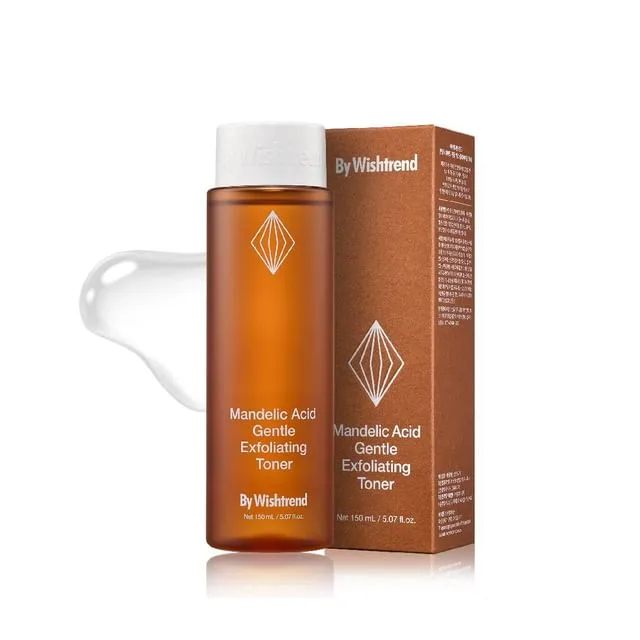 Sensitive Skin AHA Pick
 Mandelic Acid 5% Skin Prep Water
The mandelic acid prep water that quietly converted half of K-beauty Reddit away from glycolic — and for good reason. It delivers visible texture and PIH improvement at 5% without the sting or pigment risk that derails sensitive and darker skin, and it does so for around twenty bucks.
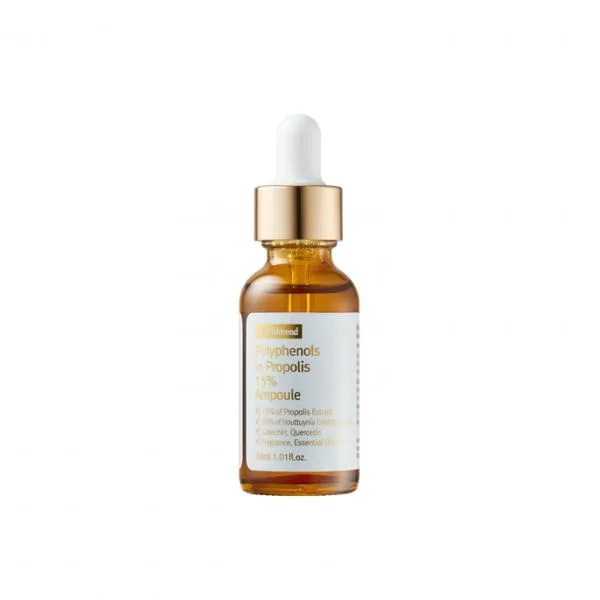 Sensitive Skin Soother
 Polyphenols In Propolis 15% Ampoule
A 15% propolis ampoule that earns its name with a real polyphenol stack — French Auvergne propolis layered over a houttuynia cordata base, with tulsi and pomegranate piling on. It's slightly sticky and not cheap by volume, but for sensitive, breakout-prone skin chasing calm, this is one of the most reliable K-beauty soothers in production.
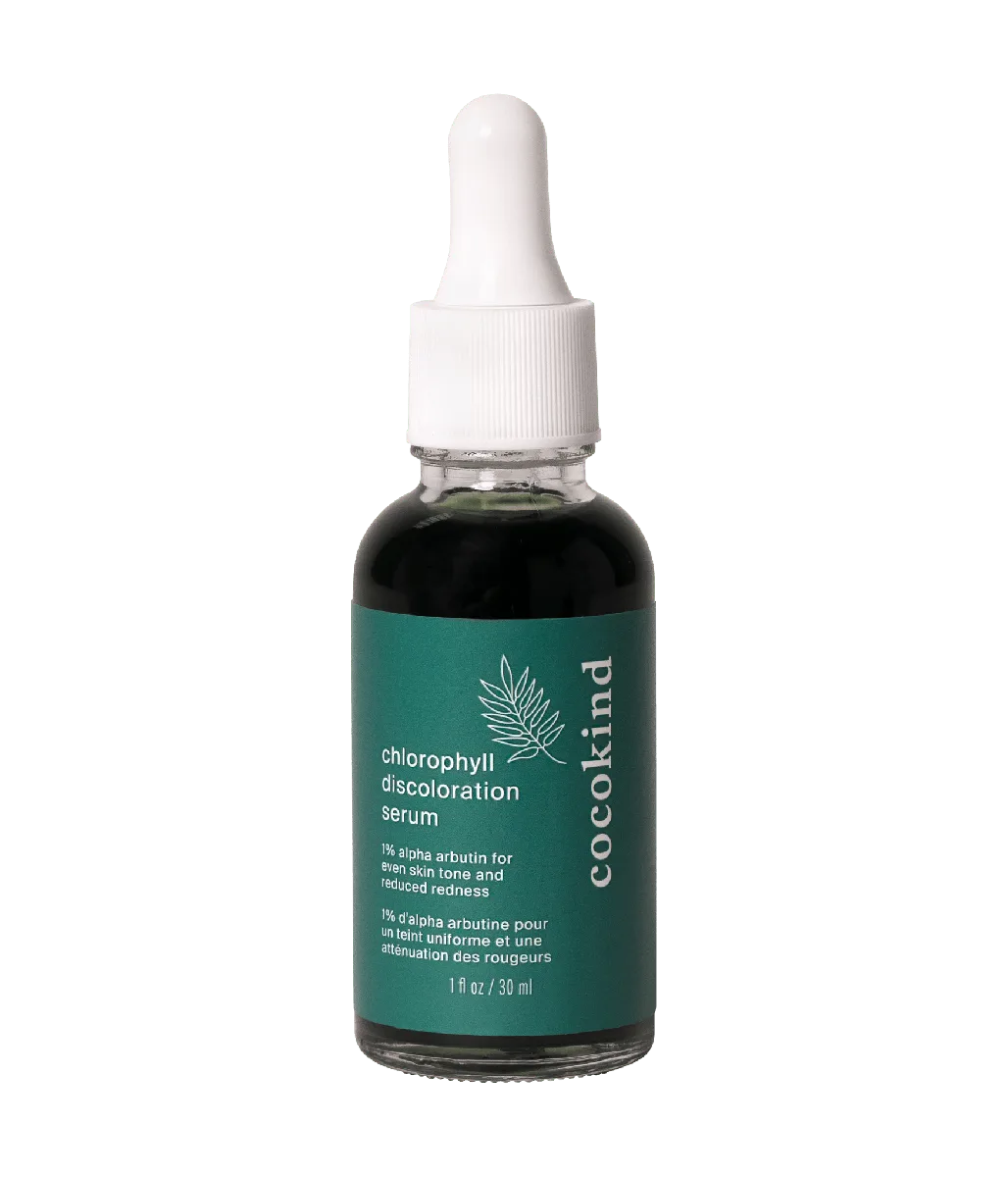 Budget Brightening Hero
 Chlorophyll Discoloration Serum
A quietly brilliant brightening serum that proves you do not need luxury prices or harsh actives to fade dark spots effectively. The alpha-arbutin and licorice root combination delivers genuine multi-pathway melanin inhibition, the sensitive-skin-friendly formula is impeccable, and $20 makes it accessible to virtually everyone. The chlorophyllin is more marketing differentiator than scientific powerhouse, but it does not hurt anything either.
 The People's HA Serum
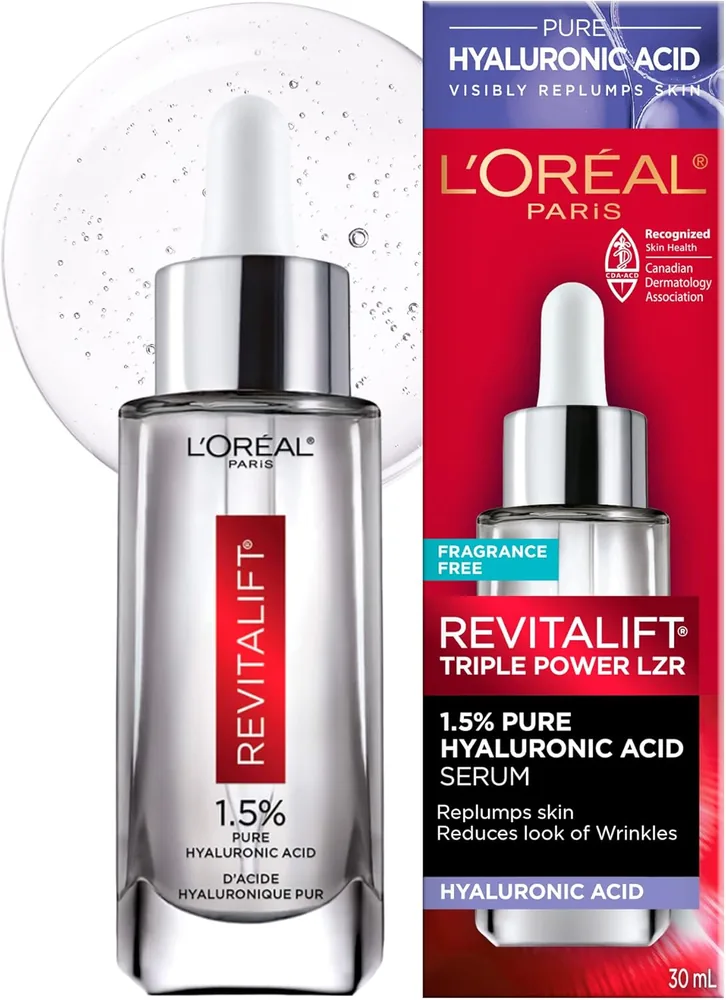
 Revitalift Derm Intensives 1.5% Pure Hyaluronic Acid Serum
A masterclass in minimalist formulation — thirteen ingredients, no filler, four functional actives, and over thirty thousand glowing reviews. L'Oréal's multi-weight HA system delivers genuine hydration at every level of the skin, and the fragrance-free, alcohol-free formula is clean enough for virtually anyone. The drugstore serum that embarrasses its prestige competitors.
 Budget Hydration Holy Grail
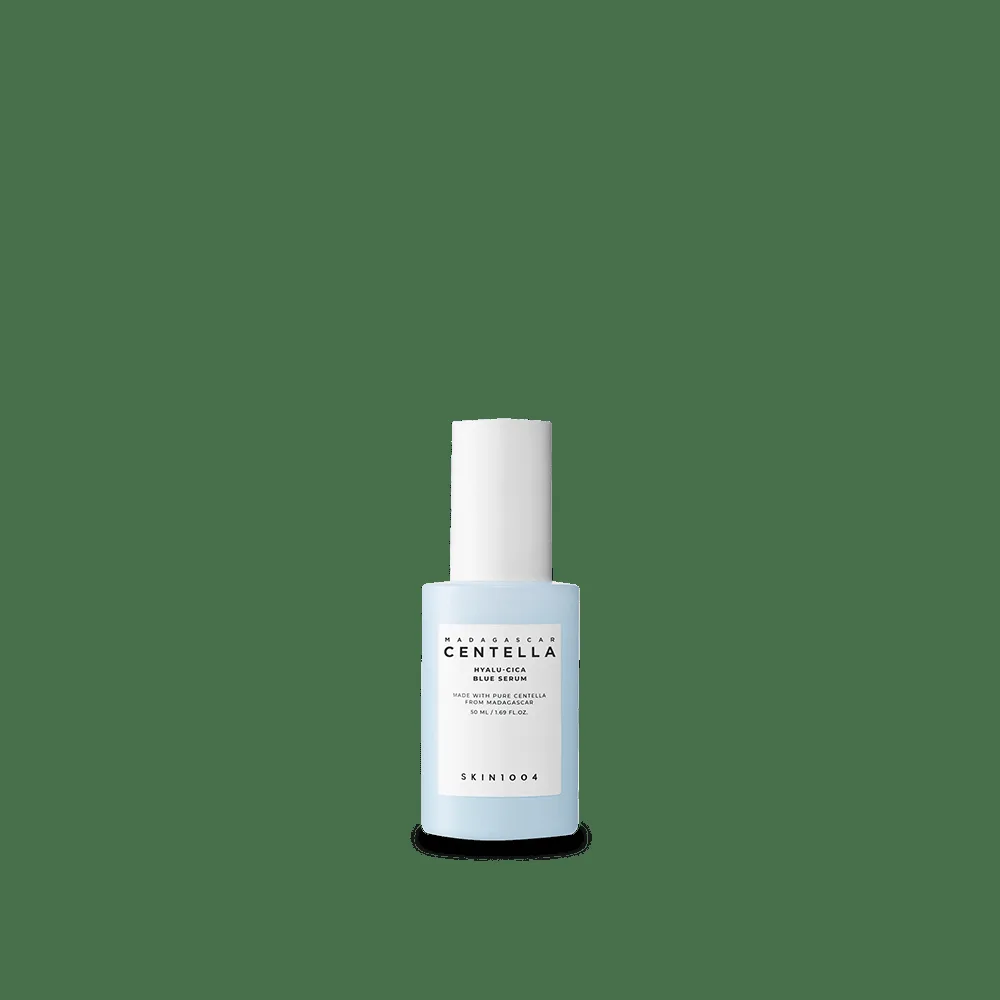
 Hyalu-Cica Blue Serum
A quietly excellent budget serum that stacks Centella asiatica leaf water, five types of hyaluronic acid, niacinamide, ceramide NP, and adenosine into a fragrance-free under-$20 bottle. It is genuinely one of the best hydration-plus-soothing serums at any price, and the fact that it costs less than a salad in Manhattan is the point.
 Sensitive Skin First-Line Defense
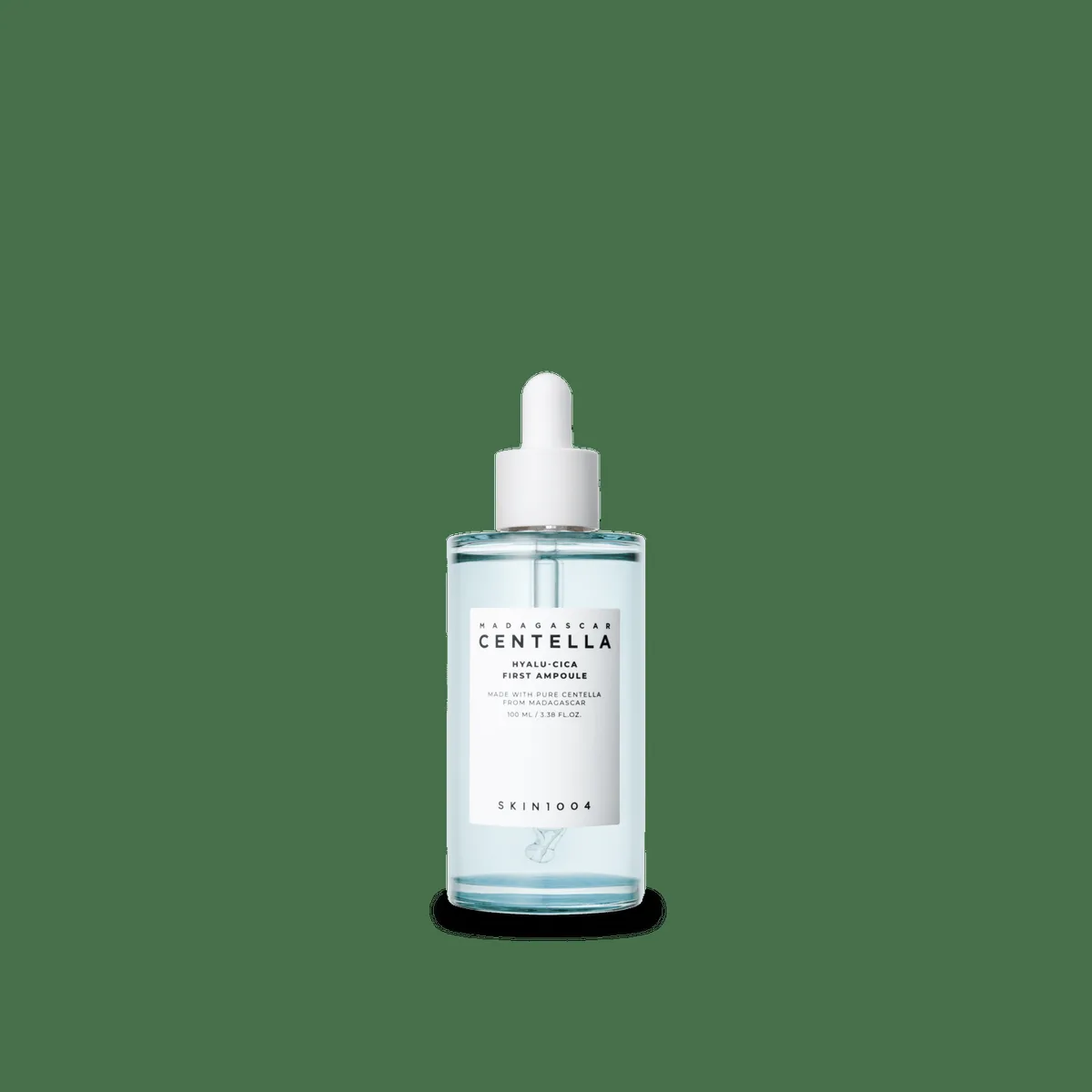
 Hyalu-Cica First Ampoule
A 92% Centella asiatica extract ampoule paired with niacinamide and a multi-weight HA complex, fragrance-free and purpose-built for sensitive, compromised, and reactive skin. At $25 for 100ml, it is one of the most justifiable skincare purchases a budget-conscious buyer can make, and it earns a place in almost any routine that needs a soothing anchor.
This review reflects our independent analysis of publicly available ingredient data, manufacturer claims, and verified user reviews. We are reader-supported — Amazon links may earn us a commission at no cost to you. We do not accept paid placements; rankings are based solely on the evidence.