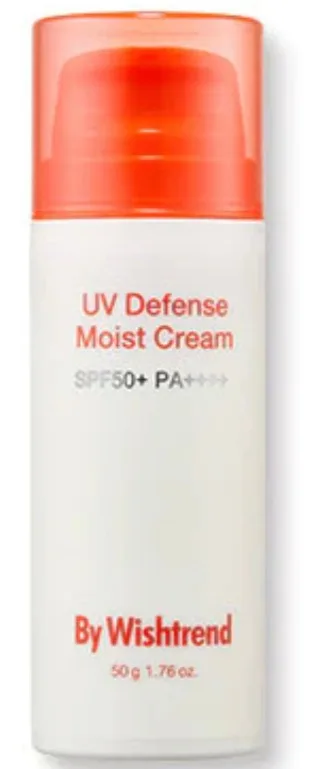
A genuinely modern broad-spectrum sunscreen that runs three of the best UVA filters in the world simultaneously — Uvinul A Plus, Tinosorb S, and Mexoryl SX — in a moisturizing cream base that doubles as a daytime moisturizer. The white cast and the fungal-acne incompatibility limit its audience, but for normal-to-dry skin in the US frustrated by the FDA's old filter list, this is a serious upgrade.
UV Defense Moist Cream SPF 50+
A genuinely modern broad-spectrum sunscreen that runs three of the best UVA filters in the world simultaneously — Uvinul A Plus, Tinosorb S, and Mexoryl SX — in a moisturizing cream base that doubles as a daytime moisturizer. The white cast and the fungal-acne incompatibility limit its audience, but for normal-to-dry skin in the US frustrated by the FDA's old filter list, this is a serious upgrade.
Score Breakdown
A genuinely modern broad-spectrum chemical sunscreen with three different UVA filters and a moisturizer-grade base. Loses points for white cast, fungal-acne incompatibility and a finish that won't suit very oily skin.
Data Confidence: high
This product launched in 2022 with a few years of reviews on Wishtrend, YesStyle and K-beauty review communities, plus mainstream coverage of its UV filter system.
0/100
Overall Score
Ingredient Quality 0
Value for Money 0
Suitability Breadth 0
Irritation Risk (↑ = safer) 0
Assessment
Pros
- Three modern UVA filters: Uvinul A Plus, Tinosorb S, Mexoryl SX
- Genuinely broad-spectrum SPF 50+ PA++++
- Moisturizing base doubles as daytime moisturizer for dry skin
- Panthenol, adenosine and licorice add real skincare value
- Fragrance-free, alcohol-free, well-tolerated by sensitive skin
- Works cleanly under makeup as a primer-like base
- More photostable UVA protection than US avobenzone formulas
- Pregnancy-safe option with modern filter technology
Cons
- Slight white cast on deeper skin tones
- Not fungal-acne safe due to fatty acids and alcohols
- Too rich for very oily skin
- 50g runs out in 4-6 weeks at proper application amount
- Cream texture is awkward to reapply over makeup
Full Review
American sunscreen lives in a kind of regulatory time capsule. The FDA last approved a new sunscreen filter for general cosmetic use in the late 1990s, which means the US-market SPF aisle is still working with avobenzone as its primary UVA tool, alongside the same handful of UVB filters that have been around for decades. The rest of the world has moved on. Europe approved Tinosorb S in 2002. Korea, Japan, Australia and most of Asia have been formulating with Uvinul A Plus, Mexoryl SX and several other modern filters for years. This By Wishtrend cream is a clean snapshot of what that gap looks like in practice: it runs three of the best modern UVA filters in the global market simultaneously — Uvinul A Plus, Tinosorb S, and Mexoryl SX — in a single bottle. There is no legal way to buy that filter combination in a sunscreen sold by an American brand.
The practical consequence is broader, more photostable UVA protection than you can get from a typical drugstore SPF in the US. Avobenzone, the workhorse UVA filter in American formulations, has a known photostability problem — it degrades when exposed to sunlight unless it is stabilized by other filters in the formula, and many drugstore SPFs handle that by adding octocrylene as a stabilizer. The modern filters in this Korean cream don't have that issue. Tinosorb S is exceptionally photostable on its own and stabilizes other filters around it. Uvinul A Plus covers the long UVA1 range that avobenzone covers less efficiently. Mexoryl SX is the water-soluble UVA filter that built La Roche-Posay's reputation. Stacking all three means the UVA protection is both broad and stable — exactly what you want for the everyday photoaging and melasma protection that most users are buying sunscreen for.
The formulation choice that gives this cream its name is that the SPF base is built like a moisturizer rather than a thin lotion. Glycerin, panthenol, hydrogenated lecithin, phytosterols and chamomile flower water contribute to a creamy, hydrating texture that absorbs into a slightly satin finish. Adenosine adds a quiet anti-aging signaling layer. Licorice root extract contributes mild brightening. Green tea leaf extract and tocopherol round out the antioxidant supporting cast. For normal-to-dry skin, this means the morning routine collapses cleanly: serum, then this cream, and the moisturizer step is essentially absorbed into the SPF. It is one of the few sunscreens that genuinely doesn't need a separate moisturizer underneath for the right skin type.
Application is where the practical reality of this category lives. The dermatologist-recommended amount for face and neck is roughly two finger lengths — the length of the cream stripe along your index and middle finger from base to tip — and most users under-apply by a factor of two or three. To get the labeled SPF 50, you need the full amount. With this cream, two finger lengths goes on smoothly because the texture is so creamy, but the trade-off is a slight white cast on application that takes about 60 to 90 seconds to fully blend out on light to medium skin tones. On deeper skin tones, the cast lingers longer, and users with very deep tones often find the cream sits visibly. This is the curse of a moisturizing chemical SPF that uses a high filter load — the formulation choices that make it comfortable also slightly compromise the cosmetic finish on darker skin. Users prioritizing zero white cast on deep tones should look at a tinted formula instead.
The finish, once it has fully absorbed, is satin and slightly hydrating. It works well under makeup if you wait the full minute for it to set; some users report a primer-like effect that helps foundation glide. Over the course of a day it stays comfortable on dry skin without the tight, dehydrated feeling that some lighter SPFs cause. Reapplication during the day is a little awkward because the cream is too rich to layer cleanly over makeup — most users use a powder or stick SPF for midday touch-ups instead.
The limitations are honest and significant. The white cast on deeper tones is the biggest one. The fungal-acne incompatibility is the second — lauric acid, myristic acid and several fatty alcohols disqualify the formula for Malassezia-prone users, which is unfortunate for a brand whose other products skew fungal-acne-friendly. Very oily skin may find the cream too rich and prefer a lighter K-beauty SPF instead. The 50g bottle is on the smaller side for a daily-use sunscreen at proper application amounts, and you will finish a bottle in roughly four to six weeks, which is faster than most sunscreens of this size suggest. And the modern filter set, while excellent, comes at a cost of a slightly higher irritation risk than a pure mineral sunscreen — the homosalate and ethylhexyl salicylate are well-tolerated by most users but can occasionally bother very sensitive eyes if applied too close to the lash line.
For normal, combination and dry skin in the US frustrated by the limited UVA filter options on domestic shelves — and willing to import a Korean SPF to get access to Tinosorb, Uvinul A Plus and Mexoryl in a single bottle — this is one of the more meaningful upgrades available right now. It is not a perfect sunscreen, and it is not the right tool for every skin type. But the filter system is genuinely state-of-the-art, the moisturizing base is comfortable enough to wear daily without complaint, and the cumulative photoprotection benefit over months and years of consistent use is the kind of long-term skincare investment that compounds. Within the modern-filter K-beauty SPF lane, this is one of the more thoughtfully formulated options.
Formula
Ingredients
The hero actives that drive this product's performance.
| Ingredient | Function | Evidence |
|---|---|---|
| Diethylamino Hydroxybenzoyl Hexyl Benzoate (Uvinul A Plus) | A modern UVA filter approved in the EU and Asia but not in the US, providing strong protection across the long UVA1 range that conventional filters like avobenzone struggle to cover stably. In this formula it is one of the four UV filters that give the cream its broad-spectrum SPF 50+ PA++++ rating. | well-established |
| Bis-Ethylhexyloxyphenol Methoxyphenyl Triazine (Tinosorb S) | An exceptionally photostable broad-spectrum UV filter that absorbs across both UVA and UVB ranges, and which also stabilizes other filters in the formula. It is part of the new generation of UV filters that European and Asian sunscreens have been allowed to use for over a decade. | well-established |
| Mexoryl SX (Terephthalylidene Dicamphor Sulfonic Acid) | A water-soluble UVA filter best known from La Roche-Posay's Anthelios sunscreens, valued for its strong UVA1 absorption and excellent photostability. Its inclusion alongside Uvinul A Plus and Tinosorb S gives this cream genuine three-filter UVA coverage rather than relying on a single UVA absorber. | well-established |
| Homosalate & Ethylhexyl Salicylate | Conventional UVB filters that handle the burn-spectrum portion of the protection while the modern filters handle UVA. The combination gives the formula its SPF 50+ rating with a comfortable, non-greasy dry-down. | well-established |
| Panthenol & Adenosine | Skincare actives layered into the sunscreen base — panthenol provides barrier-repair humectancy and adenosine contributes mild anti-aging signaling. They turn this from a pure SPF into a moisturizer-plus-SPF that can do double duty in a minimalist routine. | well-established |
Full INCI List · pH 6.5
Aqua (Water), Homosalate, Butylene Glycol, Diethylamino Hydroxybenzoyl Hexyl Benzoate, Ethylhexyl Salicylate, Glycerin, Phenyl Trimethicone, C12-15 Alkyl Benzoate, Silica, Bis-Ethylhexyloxyphenol Methoxyphenyl Triazine, Dibutyl Adipate, Cetearyl Alcohol, Terephthalylidene Dicamphor Sulfonic Acid, 1,2-Hexanediol, Behenyl Alcohol, Tromethamine, Panthenol, Potassium Cetyl Phosphate, Glyceryl Stearate, Polyacrylate Crosspolymer-6, Acrylates/C10-30 Alkyl Acrylate Crosspolymer, Chamomilla Recutita (Matricaria) Flower Water, Hydrogenated Lecithin, Glyceryl Caprylate, C12-15 Alcohols, Stearic Acid, Polyglyceryl-3 Methylglucose Distearate, Palmitic Acid, Disodium EDTA, Ethylhexylglycerin, Adenosine, Glycyrrhiza Glabra (Licorice) Root Extract, Phytosterols, T-Butyl Alcohol, Scutellaria Baicalensis Root Extract, Myristic Acid, Lauric Acid, Camellia Sinensis Leaf Extract, Tocopherol
Product Flags
✓ Fragrance Free✓ Alcohol Free✗ Oil Free✗ Silicone Free✓ Paraben Free✓ Sulfate Free✓ Cruelty Free✓ Vegan✗ Fungal Acne Safe
Potential Irritants
homosalateethylhexyl salicylate
Compatibility
Skin Match
Best For
Works For
Not Ideal For
Addresses These Conditions
sun damage hyperpigmentation aging melasma dehydration
Use With Caution
Routine Step
sunscreen
Time of Day
AM
Pregnancy Safe
Yes ✓
Layering Tips
Apply as the final morning step, two finger lengths for face and neck. Wait one minute before applying makeup. Reapply every two hours of direct sun exposure.
Results Timeline
Sun protection is immediate. Long-term photoprotection benefits — fewer dark spots, less photoaging, slower collagen breakdown — accumulate over months to years of daily use.
Pairs Well With
vitamin-c-serumniacinamideretinol-pm-routineall-moisturizers
Sample AM Routine
- Gentle Cleanser
- Vitamin C
- Moisturizer
- By Wishtrend UV Defense Moist Cream SPF 50+
Sample PM Routine
- Cleanser
- Toner
- Treatment
- Moisturizer
Evidence
Science
The Science
Modern broad-spectrum sunscreen formulation has moved well beyond the avobenzone-and-octocrylene combinations that dominated the 1990s and early 2000s. Diethylamino Hydroxybenzoyl Hexyl Benzoate (Uvinul A Plus, BASF) is a UVA1 filter approved in the EU since 2005 and widely used in Asian and European sunscreens; it has demonstrated excellent photostability and absorbs strongly in the 354 nm range. Bis-Ethylhexyloxyphenol Methoxyphenyl Triazine (Tinosorb S, BASF) is a broad-spectrum filter approved in the EU in 2002 with absorption peaks in both UVA and UVB ranges and exceptional photostability; it also functions as a stabilizer for other filters in the same formulation. Terephthalylidene Dicamphor Sulfonic Acid (Mexoryl SX, L'Oréal) is a water-soluble UVA filter best known from the L'Oréal/La Roche-Posay Anthelios line, with strong UVA1 absorption and demonstrated photostability. The combination of these three filters in a single sunscreen provides redundant, complementary UVA coverage across both UVA1 (340-400 nm) and UVA2 (320-340 nm) ranges, which is the technical basis for the PA++++ rating. Homosalate and ethylhexyl salicylate handle the UVB protection, and silica is included to improve cosmetic finish. The skincare actives layered into the base have their own evidence: panthenol's role in stratum corneum hydration and barrier repair is one of the most replicated findings in cosmetic dermatology; adenosine has been studied for its role in cellular signaling and modest anti-aging effects in topical use; and licorice root extract — specifically the glabridin fraction — has documented tyrosinase-inhibiting activity that complements the photoprotection by addressing pigmentation through a separate mechanism. The combination matters because daily photoprotection is the single most evidence-supported anti-aging intervention in dermatology, and the quality of the UV filter system meaningfully affects how much UVA radiation reaches the skin over years of cumulative use.
References
- Modern UV filters in cosmetic sunscreens: photostability and broad-spectrum coverage — Photodermatology, Photoimmunology & Photomedicine (2018)
Dermatologist Perspective
Dermatologists consider daily broad-spectrum sunscreen the single most evidence-supported anti-aging intervention available, and they routinely recommend modern UVA-coverage filter systems where regulations allow. Board-certified dermatologists in countries that have access to Tinosorb S, Uvinul A Plus and Mexoryl SX often recommend formulas containing these filters specifically for patients with melasma, hyperpigmentation and photoaging concerns, where strong UVA1 protection is clinically meaningful. In the US, where the FDA has not approved these filters for cosmetic use, dermatologists frequently recommend that patients import European or Asian sunscreens for this reason. Clinical guidance emphasizes that adequate application amount — approximately two finger lengths for face and neck — is essential for achieving the labeled SPF rating, and that reapplication every two hours of direct sun exposure is necessary regardless of the filter system. The product is generally considered appropriate for use during pregnancy, and the chemical filters used here have not been associated with the hormonal-disruption concerns sometimes raised about older filters like oxybenzone.
Guidance
Usage Guide
How to Use
Apply as the final morning step after serums and any moisturizer. Use approximately two finger lengths for face and neck — measure by squeezing a stripe of cream along your index and middle finger from base to tip. Pat and spread evenly, paying attention to the often-missed areas around the ears, jawline, hairline and back of the neck. Wait one minute for the formula to set before applying makeup. Reapply every two hours during direct sun exposure, using a powder or stick SPF for midday touch-ups over makeup if needed.
Value Assessment
At around twenty-five dollars for 50g, this sits in the K-beauty mid-range for sunscreens — comparable to other modern-filter Korean SPFs and well below European pharmacy options like La Roche-Posay Anthelios at the same volume. The single 50g size is the only option, and a bottle reasonably lasts four to six weeks at the dermatologist-recommended application amount, which puts the per-month cost in basic moisturizer territory. The price is justified by the filter system — three modern UVA filters in a single formulation is genuinely uncommon at any price point — and by the moisturizing base that allows the product to replace a separate morning moisturizer for many users. Cheaper Korean SPFs exist, but most use single-filter UVA coverage. This is the version worth paying for if you want the modern multi-filter approach.
Who Should Buy
Normal, combination and dry skin chasing modern broad-spectrum UV protection without paying European pharmacy prices. Users with melasma, hyperpigmentation or photoaging concerns who need strong UVA1 coverage. K-beauty enthusiasts who want a moisturizing SPF that can simplify their morning routine. US users frustrated by the limited UV filter options on domestic shelves.
Who Should Skip
Very oily skin that prefers a lighter, matte SPF finish. Fungal-acne-prone users who can't tolerate the fatty acids in the formula. Users with deep skin tones for whom any white cast is a dealbreaker.
Ready to try By Wishtrend UV Defense Moist Cream SPF 50+?
Details
Details
Texture
Rich, creamy white emulsion that absorbs into a slightly satin, hydrating finish.
Scent
No added fragrance; very faint sunscreen-base smell that dissipates quickly.
Packaging
White plastic bottle with screw cap.
Finish
satinnaturalnon-greasy
What to Expect on First Use
First few uses feel like applying a moisturizer that happens to also be SPF — comfortable, hydrating, no sting. The slight white cast on application disappears within a minute on most skin tones; on deeper skin tones it can take longer to blend out fully.
How Long It Lasts
50g lasts about 4-6 weeks at the dermatologist-recommended two-finger-length application across face and neck.
Period After Opening
12 months
Best Season
All Year
Certifications
cruelty-freevegan
Background
The Why
By Wishtrend developed the UV Defense Moist Cream as the brand's first dedicated SPF, choosing the modern filter stack to differentiate from the avobenzone-based formulas dominating the global market. The 'moist' positioning was a deliberate response to feedback that K-beauty SPFs often skewed toward oily/combination skin and left dry skin underserved.
About By Wishtrend Established Brand (5–20 years)
By Wishtrend launched in 2013 as Korean retailer Wishtrend's in-house brand. The UV Defense Moist Cream uses a four-filter chemical UV stack approved in Korea and Europe but not in the US, which is typical for K-beauty SPF formulations.
Brand founded: 2013 · Product launched: 2022
Myth vs. Reality
Myths
Myth
All SPF 50 sunscreens are basically equivalent.
Reality
SPF rating measures UVB protection; the UVA protection (PA rating) and the photostability of the filters are equally important and vary dramatically between formulas. A modern Korean SPF with Tinosorb and Mexoryl provides better UVA coverage than a US-market sunscreen with avobenzone alone, even if both are labeled SPF 50.
Myth
You only need sunscreen on sunny days.
Reality
UVA penetrates clouds and glass and is largely responsible for photoaging and melasma. Daily sunscreen on rainy days, in winter, and indoors near windows is the standard dermatologist recommendation, and it is the only way to get meaningful long-term photoprotection benefits.
FAQ
FAQ
Why isn't this sold in the US?
The UV filters in this sunscreen — Diethylamino Hydroxybenzoyl Hexyl Benzoate, Bis-Ethylhexyloxyphenol Methoxyphenyl Triazine, and Terephthalylidene Dicamphor Sulfonic Acid — are approved for use in Korea, Europe, Australia and most of Asia, but the US FDA has not approved them for cosmetic sunscreens. You can import the product, but you won't find it on a typical US drugstore shelf.
What does PA++++ mean?
PA++++ is the Asian rating system for UVA protection — the more pluses, the higher the protection, with PA++++ being the highest rating available. This sunscreen's PA++++ rating reflects its three-filter UVA coverage from Uvinul A Plus, Tinosorb S and Mexoryl SX.
Is it moisturizing enough to skip a separate cream?
For normal-to-dry skin, yes — the panthenol, glycerin, lecithin and adenosine in the base make this comfortable enough to wear as a combined moisturizer-plus-SPF in the morning. Very dry skin will still want a hydrating serum or essence underneath, but a separate heavy moisturizer is usually unnecessary.
Does it leave a white cast?
On light to medium skin tones, no — the cream blends out within a minute. On deeper skin tones, there can be a slight white cast that takes longer to blend out fully. Users with very deep skin tones may prefer a tinted sunscreen instead.
Is it fungal acne safe?
No — the formula contains lauric acid, myristic acid and several fatty alcohols that can feed Malassezia. Fungal-acne-prone users should look at a different SPF.
How much should I apply?
The dermatologist-recommended amount for face and neck is approximately two finger lengths (the equivalent of roughly 1/4 to 1/3 teaspoon). Most users under-apply sunscreen, which significantly reduces the protective effect — getting the full SPF 50 rating requires the full recommended dose.
Can I use it under makeup?
Yes — wait one minute after applying for the formula to set, then apply makeup over the top. The satin finish works well as a primer-like base under foundation.
Community
Community
Common Praise
"genuinely moisturizing"
"no white cast on light-medium skin"
"no fragrance, no sting"
"works under makeup"
"modern UVA filters"
Common Complaints
"slight white cast on deeper skin tones"
"too rich for very oily skin"
"not fungal acne safe"
"50g runs out fast at proper application amount"
Notable Endorsements
r/AsianBeautyr/30PlusSkinCareK-beauty review community
Appears In
best k beauty sunscreen best sunscreen for dry skin best modern filter sunscreen best moisturizing sunscreen best sunscreen with tinosorb
Related Conditions
sun damage hyperpigmentation aging melasma
Related Ingredients
You Might Also Like
 Sensitive Skin AHA Pick
 Mandelic Acid 5% Skin Prep Water
The mandelic acid prep water that quietly converted half of K-beauty Reddit away from glycolic — and for good reason. It delivers visible texture and PIH improvement at 5% without the sting or pigment risk that derails sensitive and darker skin, and it does so for around twenty bucks.
 Derm Office Staple
 Anthelios UV Clear Sunscreen SPF 50
One of the only US chemical sunscreens that genuinely earns its 'for sensitive and breakout-prone skin' positioning. A photostable Anthelios filter system paired with a legitimate azelaic acid dose in a lightweight serum-fluid that disappears on every skin tone. Excellent for rosacea, acne, and post-inflammatory hyperpigmentation — and probably the single best daily sunscreen in the La Roche-Posay US lineup for those conditions.
 K-Beauty Daily SPF Standout
 Hyaluronic Acid Watery Sun Gel SPF 50+
One of the strongest everyday K-beauty sunscreens in the international market — modern European filters, no white cast, fragrance-free, niacinamide-boosted, and built around the brand's signature six-weight HA complex. At twenty-two dollars for 50ml, it's a case study in how much better a daily sunscreen can be when the formulator cares about both protection and wearability.
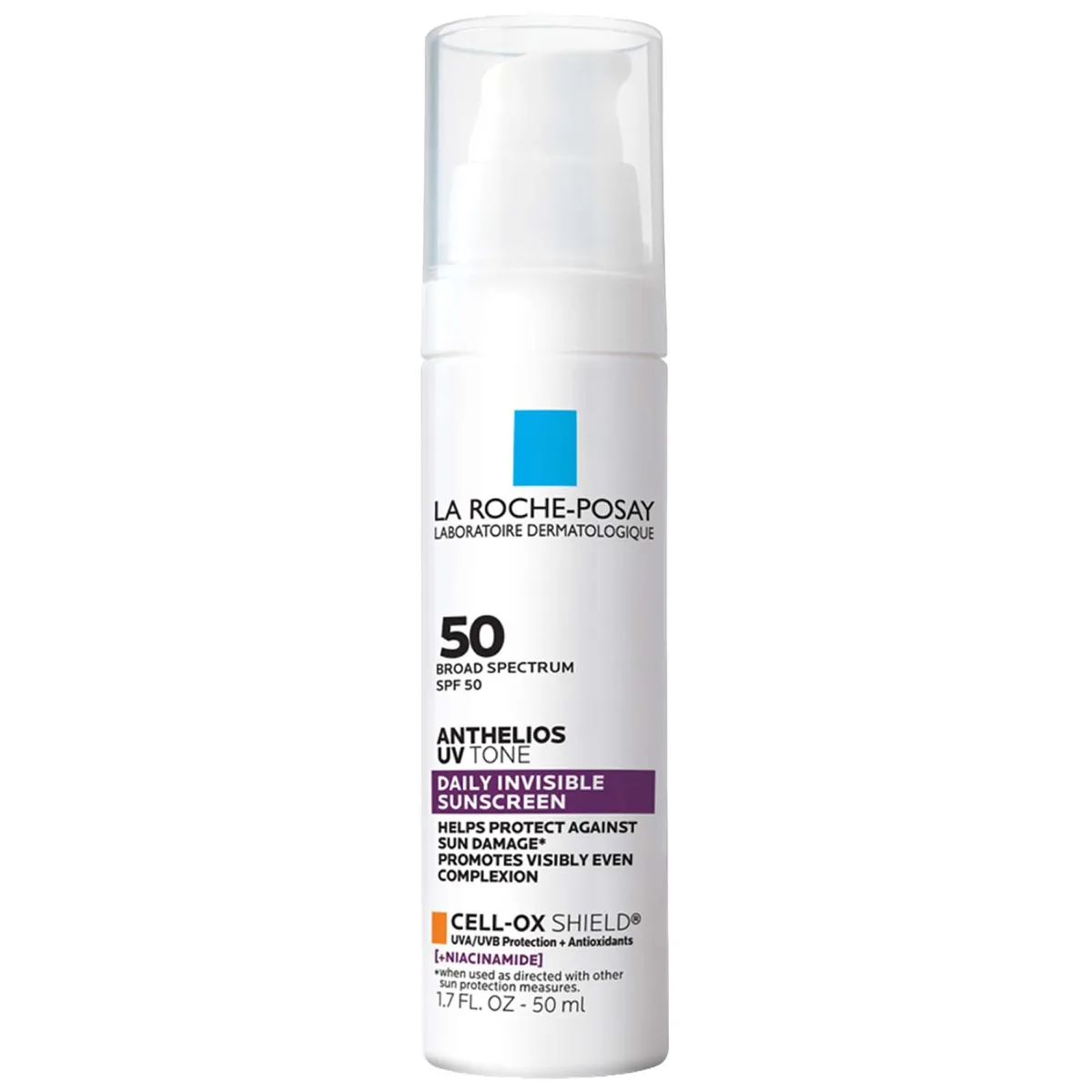 Derm Office Staple
 Anthelios UV Tone Daily Invisible Sunscreen SPF 50
La Roche-Posay's most thoughtful answer yet for hyperpigmentation-prone skin that needs daily SPF. A photostable avobenzone system reinforced with Oxynex ST, paired with a meaningful dose of niacinamide, in a serum-fluid base that goes on invisible on every skin tone. Expensive for 1.7 oz but legitimately well-built — and a rare chemical sunscreen that earns its 'for dark spots' marketing.
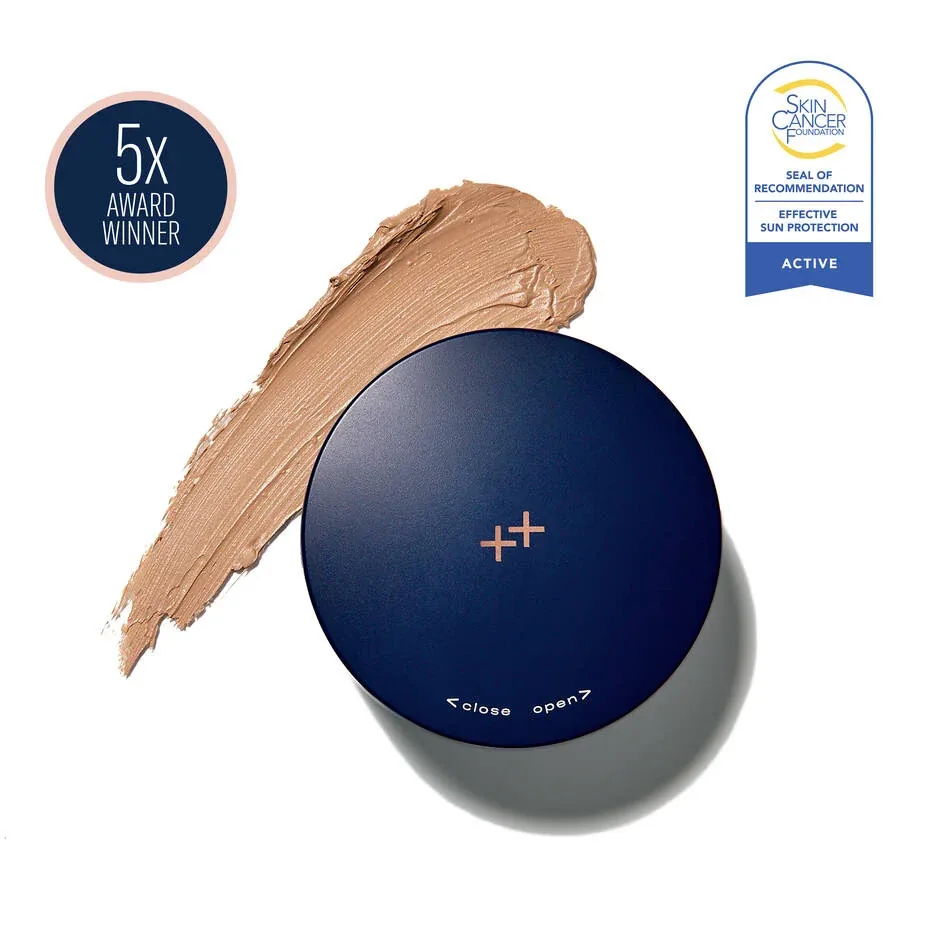 Melasma-Grade Mineral Sunscreen
 sunbetter TONE SMART SPF 68
One of the most clinically useful tinted mineral sunscreens in the professional category. SPF 68 from a 100% mineral formula, iron oxide tint that blocks visible light for melasma protection, and an unusually lightweight texture that doesn't feel like you're wearing high-concentration zinc. For patients with melasma or post-inflammatory hyperpigmentation, this is the category benchmark — and it's earned its Allure Best of Beauty wins.
 Sensitive Skin Soother
 Polyphenols In Propolis 15% Ampoule
A 15% propolis ampoule that earns its name with a real polyphenol stack — French Auvergne propolis layered over a houttuynia cordata base, with tulsi and pomegranate piling on. It's slightly sticky and not cheap by volume, but for sensitive, breakout-prone skin chasing calm, this is one of the most reliable K-beauty soothers in production.