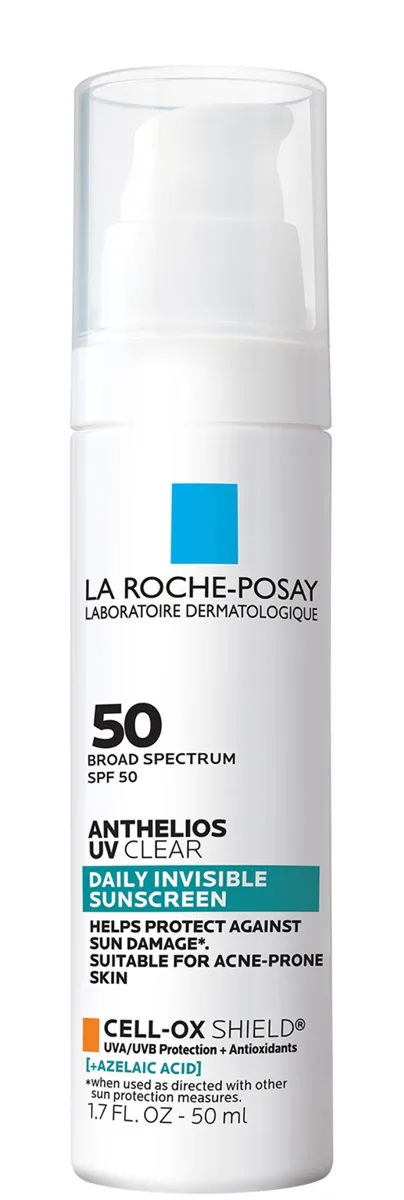
 90/100Score
 Derm Office Staple. One of the only US chemical sunscreens that genuinely earns its 'for sensitive and breakout-prone skin' positioning. A photostable Anthelios filter system paired with a legitimate azelaic acid dose in a lightweight serum-fluid that disappears on every skin tone. Excellent for rosacea, acne, and post-inflammatory hyperpigmentation — and probably the single best daily sunscreen in the La Roche-Posay US lineup for those conditions.
Anthelios UV Clear Sunscreen SPF 50
One of the only US chemical sunscreens that genuinely earns its 'for sensitive and breakout-prone skin' positioning. A photostable Anthelios filter system paired with a legitimate azelaic acid dose in a lightweight serum-fluid that disappears on every skin tone. Excellent for rosacea, acne, and post-inflammatory hyperpigmentation — and probably the single best daily sunscreen in the La Roche-Posay US lineup for those conditions.
Data Confidence: high
Score Breakdown
The Anthelios UV filter backbone plus a meaningful azelaic acid dose in a cosmetically elegant fluid — a legitimately excellent sunscreen for acne, rosacea, and PIH-prone skin. Loses value points at $40 for 1.7 oz, which is the franchise's consistent pricing weakness.
Data Confidence: high
This score is based on meaningful time on market since the 2024 Anthelios UV line relaunch, solid review counts across Dermstore, Ulta, and LRP's site, and the very extensive clinical research base behind both the Anthelios filter system and topical azelaic acid.
0/100
Overall Score
Ingredient Quality 0
Value for Money 0
Suitability Breadth 0
Irritation Risk (↑ = safer) 0
Assessment
Pros
- Photostable avobenzone system reinforced with Oxynex ST antioxidant booster
- Meaningful azelaic acid dose treats rosacea, acne, and PIH in the same step
- Lightweight serum-fluid texture with zero white cast on any skin tone
- Calms redness noticeably within the first week on rosacea-prone skin
- Fragrance-free, oil-free, alcohol-free formula tolerated by very sensitive skin
- Pregnancy-safe and one of the best SPFs for pregnancy rosacea and melasma
- Layers cleanly with retinoids, tretinoin, and adapalene treatment routines
- Sets to a satin-matte finish ideal under makeup
Cons
- Expensive at $39.99 for 1.7 oz — high per-ounce cost
- Contains 7% homosalate and 7% octocrylene that some users prefer to avoid
- Not water-resistant enough for heavy sweat or swim sessions
- No larger size option to reduce per-ounce cost
- Jojoba esters may bother fungal-acne-prone skin
Full Review
The hardest group of people to buy sunscreen for, if you ask any dermatologist, are adults with rosacea or persistent adult acne. The UV protection itself isn't the hard part — modern chemical filters do that job well. The hard part is that this population's skin is already being asked to tolerate active treatment ingredients (topical metronidazole, azelaic acid, adapalene, tretinoin) whose irritation profile is unforgiving, and stacking a fragranced or occlusive sunscreen on top is an easy way to push a sensitive barrier into flare-up territory. For years the workaround was to use a 'bland' mineral sunscreen that did nothing but block UV, grudgingly accept the white cast, and layer everything else separately. Anthelios UV Clear is La Roche-Posay's attempt to short-circuit that compromise. The filter system is the same photostable chemical quartet used across the Anthelios UV line — 3% avobenzone for UVA, stabilized by 7% octocrylene and 5% octisalate, with 7% homosalate for UVB breadth — and it's reinforced by the same Oxynex ST (diethylhexyl syringylidenemalonate) booster that keeps the avobenzone from degrading rapidly under real-world sunlight. That alone would make for a solid SPF 50, but it's not the interesting part of this formulation. The interesting part is the azelaic acid. Azelaic acid is one of the few skincare actives that hits three separate clinical indications with strong evidence: it reduces inflammation in rosacea, kills C. acnes and clears breakouts in acne, and fades post-inflammatory hyperpigmentation by inhibiting tyrosinase. It's a first-line dermatology prescription for rosacea (Finacea, Azelex), a well-studied OTC acne treatment, and one of the safest brightening agents during pregnancy. It also doesn't photosensitize the skin, which makes it one of the only treatment actives you can legitimately put inside a sunscreen without creating a conflict. La Roche-Posay dosed it high enough in the inactive list that it's reasonable to expect real clinical effect with daily use — not placebo-level inclusion. The texture is genuinely impressive for a US chemical sunscreen. It's a fluid serum that spreads like a hydrating essence, disappears within a minute to a satin-matte finish, and layers cleanly under makeup without pilling or flashback. There's no white cast at all because the formula contains zero mineral filters, which is specifically what makes it cosmetically viable on medium and deep skin tones where zinc oxide sunscreens have historically failed. For an oily-combination or rosacea-flush complexion, the matte tendency is actually welcome — it tones down surface shine without drying out the barrier. On first application for most users, the most noticeable immediate effect is calming. Rosacea-prone skin often feels less warm and looks less flushed within minutes of application, which is the azelaic acid doing its anti-inflammatory work on the surface. Acne-prone users report that it doesn't trigger breakouts the way some heavier chemical sunscreens can, and several weeks of consistent use typically brings visible reduction in post-inflammatory dark spots — a benefit that's cumulative and compounds over months. This is the rare SPF where users treat it as part of their treatment routine, not a stand-alone protective layer. The honest limitations are consistent with the broader Anthelios UV line. Price is the biggest one — $39.99 for 1.7 oz puts this well above drugstore options and above most Asian-import sunscreens that SPF enthusiasts cross-shop. Committing to daily use means committing to the budget, and there's no larger size to reduce the per-ounce cost. The filter choices include 7% homosalate and 7% octocrylene, which some users specifically avoid for preference reasons (there's no strong evidence of real-world harm at these concentrations, but they're on the 'scrutinized elsewhere' list). It's not water-resistant enough for beach days or heavy sweat workouts — this is strictly a daily driver, not a sports sunscreen. And if you're specifically fungal-acne-prone, the jojoba esters and C15-19 alkane in the base may not agree with your skin, in which case the UV Hydra or a specialized fungal-acne-safe sunscreen would serve you better. Within its intended scope, though, this is close to the best formulation decision a US dermatology brand has made in the sunscreen category in the past few years. It treats rosacea while blocking UV. It clears post-acne marks while blocking UV. It calms redness on sensitive skin that can't tolerate heavier formulations. It goes on invisible on every skin tone. It doesn't fight with retinoids, adapalene, or tranexamic acid serums. For the right user, this single product replaces what used to take a separate SPF and a separate azelaic acid treatment — which makes the $40 price tag a lot easier to justify once you do the combined math.
Formula
Ingredients
The hero actives that drive this product's performance.
| Ingredient | Function | Evidence |
|---|---|---|
| Avobenzone 3% + Homosalate 7% + Octisalate 5% + Octocrylene 7% (22% total filter load) | This is the same photostable US-market quartet used across the Anthelios UV line — avobenzone for UVA, homosalate for UVB breadth, and octocrylene plus octisalate as stabilizers that keep avobenzone from photodegrading. Together with Oxynex ST further down the list, they deliver the SPF 50 broad-spectrum rating. | well-established |
| Azelaic Acid | Azelaic acid is the differentiating active that earns this SKU the 'UV Clear' name — it's an anti-inflammatory dicarboxylic acid with real evidence for rosacea, acne, and post-inflammatory hyperpigmentation, and it reduces sebum oxidation on oily, clog-prone skin. In this sunscreen it runs alongside the filters to calm reactive and breakout-prone skin while providing UV defense in one step. | well-established |
| Diethylhexyl Syringylidenemalonate (Oxynex ST) | Oxynex ST is a photostability booster and antioxidant from L'Oréal's research labs that extends the useful life of avobenzone under UV exposure. In this formula it's what allows the filter system to maintain its SPF 50 rating through a full day of real-world wear rather than degrading within hours. | promising |
| Tocopherol (Vitamin E) | Tocopherol is a well-studied antioxidant that neutralizes UV-induced free radicals that slip past the filters. In this formula it stacks with cassia alata and azelaic acid to give clog-prone and rosacea-prone skin additional anti-inflammatory and oxidative-defense support beyond pure UV blocking. | well-established |
| Cassia Alata Leaf Extract | Part of La Roche-Posay's Cell-Ox Shield complex, cassia alata is included as a supplementary antioxidant aimed at infrared and visible-light damage. The independent evidence base is thinner than for vitamin E, but it contributes to the broader environmental-damage defense story of the formula. | emerging |
Full INCI List
Active Ingredients: Avobenzone 3%, Homosalate 7%, Octisalate 5%, Octocrylene 7%. Inactive Ingredients: Water, Glycerin, C15-19 Alkane, Propanediol, C12-22 Alkyl Acrylate/Hydroxyethylacrylate Copolymer, Tocopherol, Azelaic Acid, Sodium Stearoyl Glutamate, Cetearyl Alcohol, Sclerotium Gum, Hydroxyacetophenone, Caprylyl Glycol, Sodium Hydroxide, Sodium Starch Octenylsuccinate, Glyceryl Stearate, Jojoba Esters, Helianthus Annuus (Sunflower) Seed Wax, Hydroxypropyl Starch Phosphate, Trisodium Ethylenediamine Disuccinate, Pentylene Glycol, Diethylhexyl Syringylidenemalonate, Cassia Alata Leaf Extract, Maltodextrin, Caprylic/Capric Triglyceride, Polyglycerin-3, Citric Acid
Product Flags
✓ Fragrance Free✓ Alcohol Free✓ Oil Free✓ Silicone Free✓ Paraben Free✓ Sulfate Free✗ Cruelty Free✗ Vegan✗ Fungal Acne Safe
Potential Irritants
OctocryleneHomosalate
Compatibility
Skin Match
Best For
oily combination sensitive normal
Works For
Not Ideal For
Addresses These Conditions
acne rosacea hyperpigmentation sensitivity sun damage large pores dark spots
Routine Step
sunscreen
Time of Day
AM
Pregnancy Safe
Yes ✓
Layering Tips
Apply as the last step of morning skincare after moisturizer and before makeup. Two-finger-length dose for full face and neck. Reapply every 2 hours of direct sun exposure. Pairs particularly well with azelaic acid serum or adapalene — the two reinforce each other without conflict.
Results Timeline
UV protection is immediate at application. Reduction in redness and inflammation from the azelaic acid is often felt within the first few days. Visible improvements in rosacea, post-inflammatory hyperpigmentation, and breakout frequency typically appear at 4-8 weeks of consistent daily use, with continued improvement over months.
Pairs Well With
azelaic-acidniacinamideadapalenesalicylic-acidretinol
Sample AM Routine
- Gentle cleanser
- Azelaic acid serum
- Light moisturizer
- La Roche-Posay Anthelios UV Clear Sunscreen SPF 50
Sample PM Routine
- Double cleanse
- Adapalene or retinol
- Moisturizer
Evidence
Science
The Science
The clinical case for this sunscreen rests on two separate, well-established evidence bases. The UV filter strategy uses the standard photostable chemical quartet — avobenzone plus octocrylene plus octisalate — which has been studied extensively in photoprotection research. Avobenzone alone degrades rapidly under UV exposure, but the addition of octocrylene and octisalate substantially extends its photostability, which is why this pairing is the US-market baseline for reliable UVA protection. The inclusion of diethylhexyl syringylidenemalonate (Oxynex ST) from L'Oréal's research labs adds an additional layer of photostability and antioxidant defense, further extending the usable protection window. The azelaic acid story is independently robust. Azelaic acid is a naturally occurring dicarboxylic acid with multiple published mechanisms of action: it inhibits tyrosinase (reducing melanin synthesis and fading hyperpigmentation), exhibits anti-inflammatory activity that calms rosacea erythema and papulopustular lesions, and has antimicrobial activity against C. acnes that reduces acne lesion counts. Clinical studies on prescription-strength azelaic acid (15-20%) have demonstrated meaningful improvements in rosacea, acne, and post-inflammatory hyperpigmentation over 8-12 week treatment windows. Lower over-the-counter doses like the one in this sunscreen produce more modest effects, but the daily-use compliance advantage of having the azelaic acid delivered inside a step users already commit to (sunscreen) supports cumulative benefit over time. Combining a photostable filter system with a non-photosensitizing treatment active is strategically sound because azelaic acid's mechanism is complementary to UV protection rather than in conflict — UV drives both rosacea flares and post-inflammatory hyperpigmentation, so blocking UV and simultaneously calming inflammation and disrupting pigment formation is a two-pronged approach. The Cell-Ox Shield antioxidant complex (tocopherol, cassia alata extract) rounds out the formula with free-radical defense against ROS generated by both UV and visible light, consistent with current dermatology guidance that high-compliance sunscreens should include antioxidant support for environmental damage.
Dermatologist Perspective
Dermatologists treating rosacea and adult acne frequently recommend sunscreens that layer cleanly with treatment routines, and the Anthelios UV Clear formulation is specifically engineered for that patient population. Board-certified dermatologists note that daily broad-spectrum SPF is the single most effective rosacea intervention — more impactful than any topical prescription — because UV is the leading trigger for erythema and flushing flares. Adding azelaic acid to the daily SPF step is a common recommendation from dermatology practices because it delivers a first-line anti-inflammatory and anti-pigment treatment alongside the protection, without adding a separate step or increasing the irritation load. This sunscreen is often suggested for patients already on prescription metronidazole, ivermectin, or brimonidine for rosacea, and for acne patients using adapalene or tretinoin who need a non-comedogenic SPF that won't trigger breakouts. It's also commonly recommended during pregnancy for melasma and pregnancy-triggered rosacea, when most systemic and many topical treatments are off-limits.
Guidance
Usage Guide
How to Use
Apply as the final step of your morning skincare routine after moisturizer and before makeup. Use a full two-finger-length strip — enough to properly dose both face and neck at the labeled SPF 50 level. Press into skin with flat palms rather than rubbing to avoid pilling. Wait 60-90 seconds before applying makeup. Reapply every two hours during direct sun exposure or immediately after sweating or towel-drying. Can be layered over azelaic acid serums or used as the sole source of azelaic acid for mild cases. Store in a cool place — avoid leaving the tube in direct sun or hot cars, which degrades chemical filters.
Value Assessment
At $39.99 for 1.7 oz, this sunscreen runs about $24 per ounce — expensive in absolute terms. The premium becomes defensible when you account for what it's replacing: for a user who would otherwise buy a daily SPF and a separate azelaic acid serum (the 10% Ordinary option is cheap, but clinical-strength azelaic acid treatments often run $20-40), this product combines both steps in one bottle. For users whose skin doesn't specifically need the azelaic acid benefit, the math is harder to justify — cheaper drugstore sunscreens deliver comparable UV protection at a fraction of the price. The real value case is specifically for rosacea, acne, PIH, and sensitivity-focused users where the combined treatment-plus-protection story compounds over months of daily use.
Who Should Buy
Anyone with rosacea, adult acne, sensitive reactive skin, or post-inflammatory hyperpigmentation who needs a daily sunscreen that actively contributes to calming and treating their primary skin condition. Particularly strong for users on topical rosacea or acne prescriptions who need a non-irritating SPF. An excellent pregnancy option for melasma and pregnancy-triggered skin conditions when most actives are off-limits.
Who Should Skip
Skip if your main sunscreen need is water resistance for sports or swimming — this isn't water-resistant enough. Skip if you're specifically fungal-acne-prone, since the jojoba esters may contribute to breakouts. Skip if you don't have rosacea, acne, or PIH concerns and just want basic UV protection — cheaper drugstore options deliver comparable SPF without paying for the azelaic acid you don't need.
Ready to try La Roche-Posay Anthelios UV Clear Sunscreen SPF 50?
Details
Details
Texture
Lightweight serum-fluid that spreads like a hydrating essence — much lighter than traditional sunscreen lotions, closer in feel to a skincare serum.
Scent
Fragrance-free.
Packaging
Squeeze tube with narrow nozzle for dosing control.
Finish
invisiblesatinnon-greasymatte
What to Expect on First Use
First application feels surprisingly calming — the azelaic acid contributes a subtle reduction in redness within minutes on rosacea-prone skin. No white cast, no sting, no tacky finish. Settles to a satin-matte within 60-90 seconds and layers cleanly under makeup. Most users notice a visible reduction in redness and an evening of tone within the first week.
How Long It Lasts
About 6-8 weeks at the recommended two-finger daily face dose.
Period After Opening
12 months
Best Season
All Year
Background
The Why
UV Clear launched as part of La Roche-Posay's 2024 Anthelios UV line relaunch, which brought the brand's Advanced Research filter complexes and serum-fluid textures to the US market. This specific SKU was built for the patient population dermatologists see most often — adults with adult acne, rosacea, and post-inflammatory hyperpigmentation who need daily SPF that doesn't fight with their treatment routine. Azelaic acid was chosen because it's one of the few actives that calms inflammation, fades PIH, and reduces breakouts without irritation.
About La Roche-Posay Legacy Brand (20+ years)
La Roche-Posay was founded in 1975 and is one of the most dermatologist-recommended sensitive-skin brands globally. The Anthelios franchise specifically is one of the most clinically-studied sunscreen lines in dermatology, with decades of photoprotection research behind it.
Brand founded: 1975 · Product launched: 2024
Myth vs. Reality
Myths
Myth
Sunscreens cause breakouts on acne-prone skin.
Reality
Some heavy occlusive or fragranced sunscreens can. A properly formulated oil-free, non-comedogenic fluid like this one — especially one containing azelaic acid — often reduces breakouts rather than causing them. The bigger breakout driver for acne patients is UV damage compounding post-inflammatory hyperpigmentation.
Myth
You can't use azelaic acid in the morning because it makes you sun-sensitive.
Reality
Azelaic acid is one of the few 'active' ingredients that doesn't photosensitize the skin — it's safe and effective in AM routines. Having it inside a sunscreen is a particularly elegant delivery because the sun protection and the anti-inflammatory active are applied together in one step.
FAQ
FAQ
What's the difference between Anthelios UV Clear and the older Anthelios Clear Skin Oil-Free Dry Touch?
The older Clear Skin Oil-Free was a drying, alcohol-forward formula built around the Cell-Ox Shield complex but without any active treatment ingredient. UV Clear is built on a more modern serum-fluid base with a proper azelaic acid dose, Oxynex ST photostability booster, and no drying alcohols. It's a meaningful upgrade across the board.
Will this sunscreen help my rosacea?
Yes — in two ways. First, daily SPF is the single most important rosacea intervention, since UV is the top flare trigger. Second, the azelaic acid in this formula is one of the first-line prescription and OTC treatments for rosacea, and having it delivered daily alongside sun protection is a clinically coherent combination. Most users notice reduced redness within the first week or two.
Can I use this with my adapalene or tretinoin routine?
Yes — azelaic acid layers cleanly with retinoids and doesn't compete for the same receptors or mechanisms. Many dermatologists actively prescribe the combination for acne patients because the two work on different parts of the pathway. Apply your retinoid at night and this sunscreen in the morning.
Does this leave a white cast?
No. UV Clear is a 100% chemical filter formula with no titanium dioxide or zinc oxide, so it goes on invisible across all skin tones, including medium and deep. The fluid texture sets to a satin-matte finish without flashback.
Is this sunscreen fungal acne safe?
Not entirely — the formula contains jojoba esters and C15-19 alkane that some fungal-acne-prone users react to. If you're specifically managing malassezia folliculitis, this may not be your best pick. For traditional bacterial acne, comedonal acne, and hormonal acne, the azelaic acid and non-comedogenic base make it one of the stronger SPF options available.
Can I wear this during pregnancy?
Yes. The filters (avobenzone, homosalate, octisalate, octocrylene) are considered pregnancy-safe by dermatologists, and azelaic acid is one of the few acne and rosacea actives that's widely approved for use during pregnancy and nursing. This is a particularly useful sunscreen for pregnant patients managing melasma, pregnancy acne, or pregnancy-triggered rosacea.
How much should I apply?
A full two-finger-length strip for face and neck, applied as the final skincare step in the morning. Under-application is the biggest reason real-world SPF falls below label, so don't skimp. Press into skin with palms rather than rubbing aggressively — the fluid texture settles better that way and avoids pilling under makeup.
Community
Community
Common Praise
"Calms redness on first use"
"Invisible finish with no white cast"
"Non-greasy serum-fluid texture"
"Doesn't trigger breakouts on acne-prone skin"
"Works well layered under makeup"
Common Complaints
"High price for 1.7 oz size"
"Homosalate 7% bothers some users"
"Not water-resistant enough for beach or pool"
"Not quite enough hydration for very dry skin"
Notable Endorsements
Widely recommended by dermatologists treating rosacea and acne patients who need daily SPF without additional irritation risk
Appears In
best sunscreen for acne prone skin best sunscreen for rosacea best sunscreen with azelaic acid best sunscreen for redness best sunscreen for sensitive skin
Related Conditions
acne rosacea hyperpigmentation sensitivity dark spots
Related Ingredients
You Might Also Like
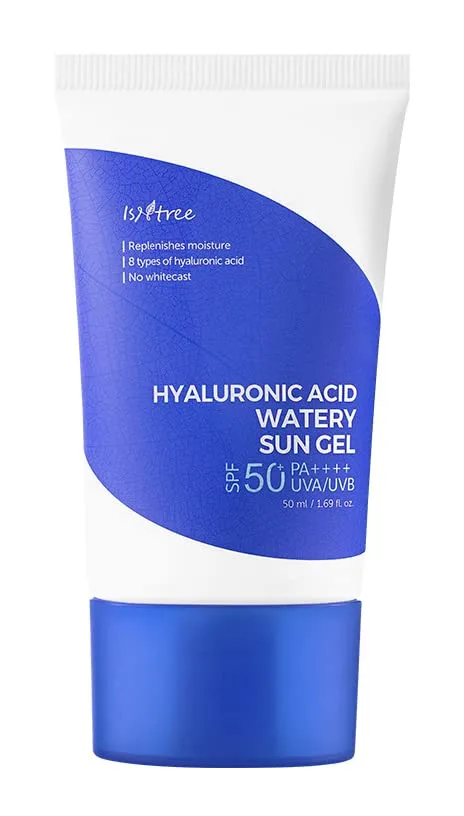 K-Beauty Daily SPF Standout
 One of the strongest everyday K-beauty sunscreens in the international market — modern European filters, no white cast, fragrance-free, niacinamide-boosted, and built around the brand's signature six-weight HA complex. At twenty-two dollars for 50ml, it's a case study in how much better a daily sunscreen can be when the formulator cares about both protection and wearability.
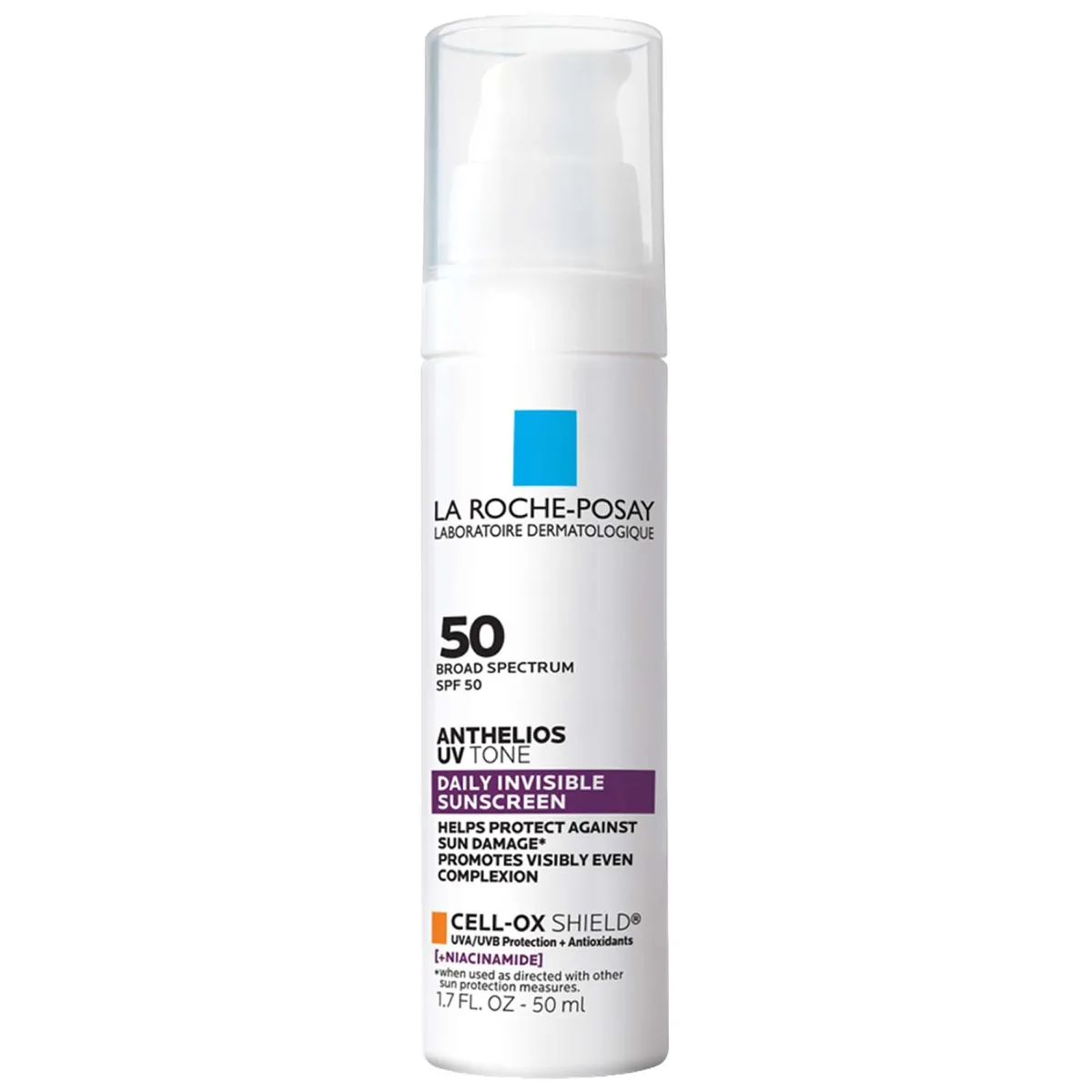 Derm Office Staple
 La Roche-Posay's most thoughtful answer yet for hyperpigmentation-prone skin that needs daily SPF. A photostable avobenzone system reinforced with Oxynex ST, paired with a meaningful dose of niacinamide, in a serum-fluid base that goes on invisible on every skin tone. Expensive for 1.7 oz but legitimately well-built — and a rare chemical sunscreen that earns its 'for dark spots' marketing.
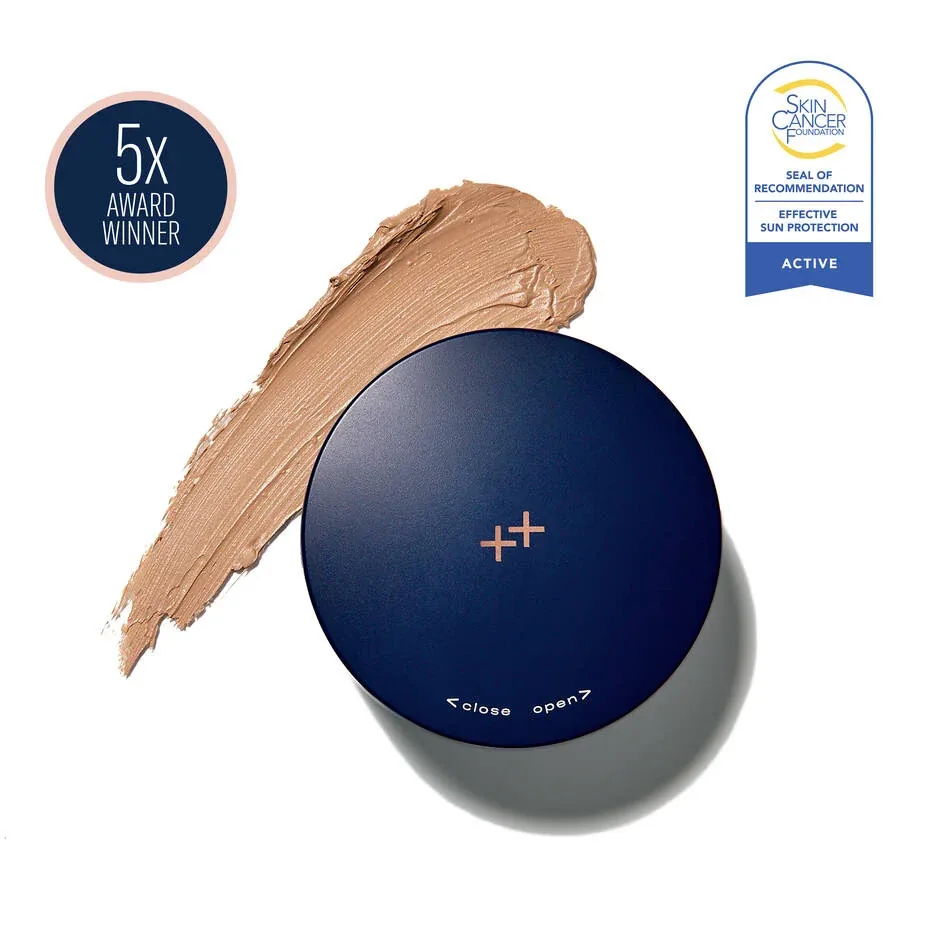 Melasma-Grade Mineral Sunscreen
 One of the most clinically useful tinted mineral sunscreens in the professional category. SPF 68 from a 100% mineral formula, iron oxide tint that blocks visible light for melasma protection, and an unusually lightweight texture that doesn't feel like you're wearing high-concentration zinc. For patients with melasma or post-inflammatory hyperpigmentation, this is the category benchmark — and it's earned its Allure Best of Beauty wins.
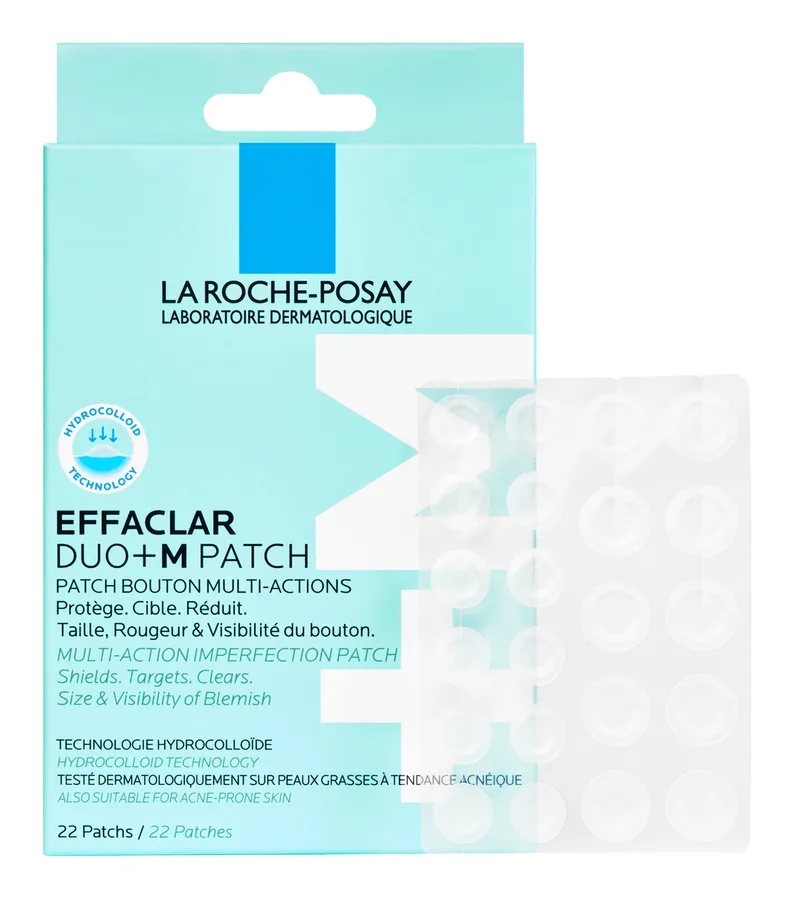 Derm Office Staple
 One of the few hydrocolloid pimple patches that actually stays on overnight without curling off at 3am. At 420 microns thick with two size options in one pack and zero actives to irritate sensitive skin, this is the Effaclar line's quiet overachiever — and a legitimately good answer for anyone whose acne routine has been sabotaged by thinner patches that refuse to stay put.
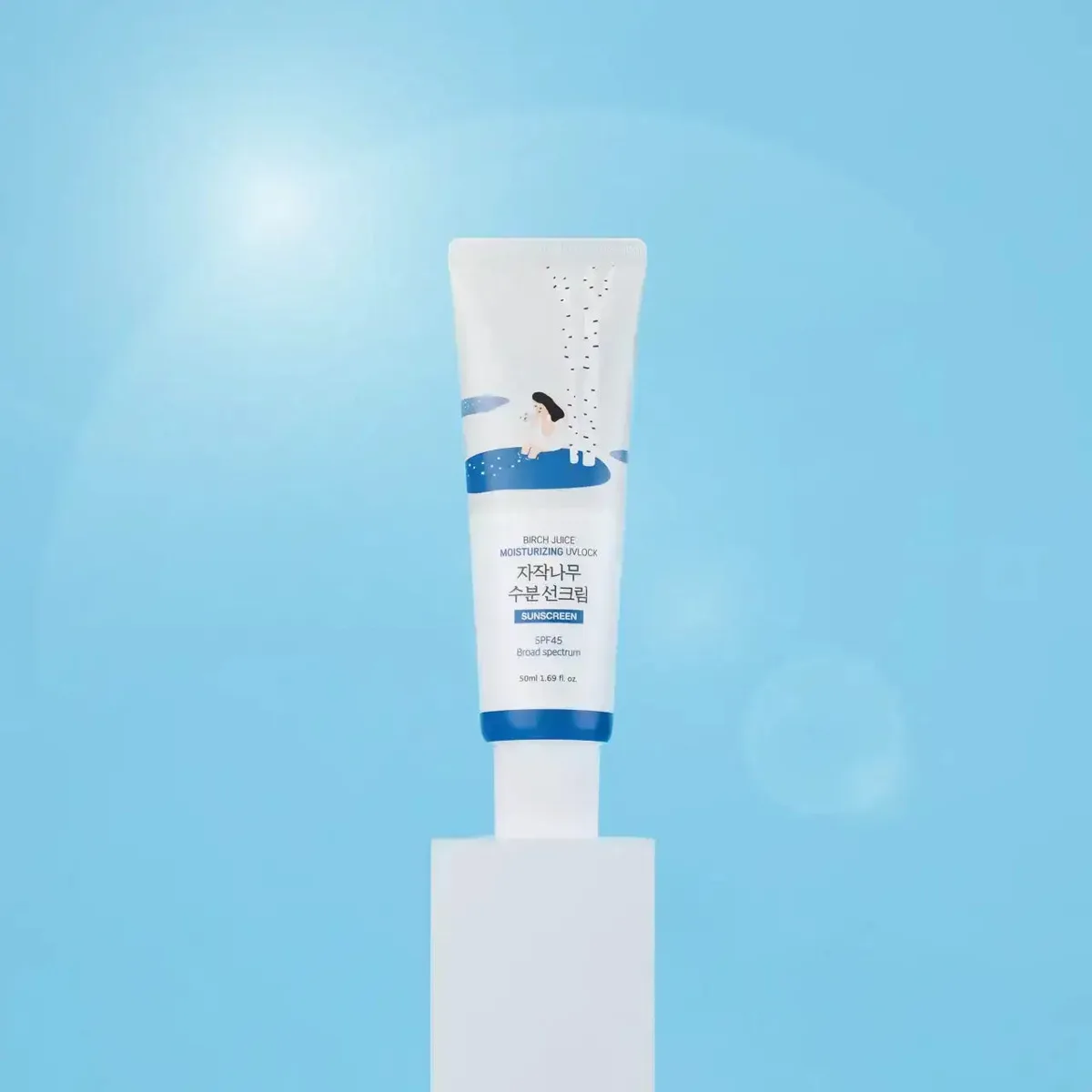 K-Beauty Cult Favorite
 One of the best hybrid sunscreens in K-beauty right now — a 70% birch sap base, modern UVA filters you can't get in the US, and a finish that wears like a lightweight moisturizer. Broadly compatible, well-priced, and genuinely pleasant to apply, with minor tradeoffs for oily and fungal-acne-prone users.
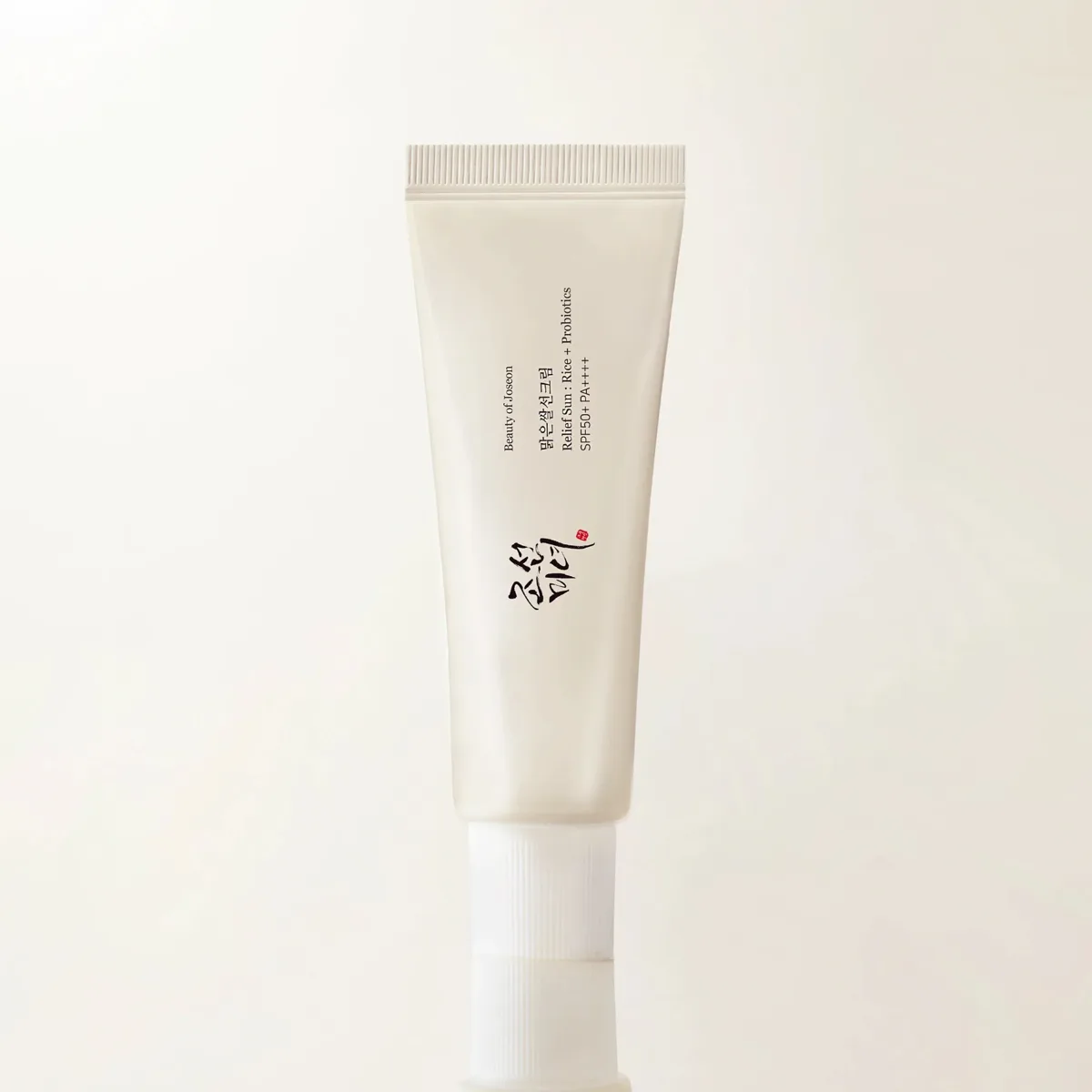 The K-Beauty Sunscreen That Changed Everything
 The sunscreen that rewrote the rules for what a $14 product could deliver. With independently verified SPF 50+, 30% rice extract, niacinamide, and a probiotic ferment complex, it offers protection and skincare benefits that rival products three times its price. The texture that feels like wearing nothing on your face is the reason it went viral — and stayed there.