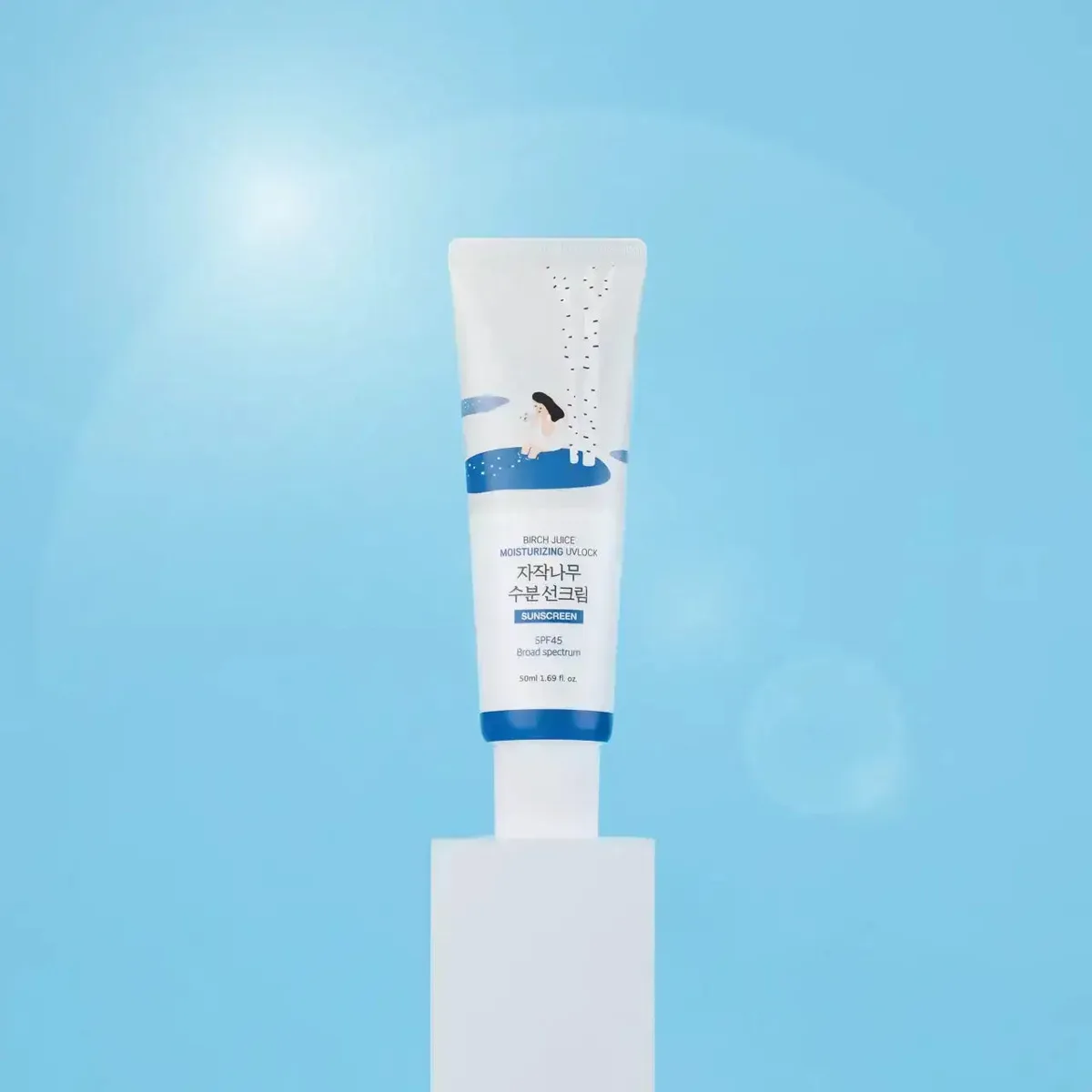
One of the best hybrid sunscreens in K-beauty right now — a 70% birch sap base, modern UVA filters you can't get in the US, and a finish that wears like a lightweight moisturizer. Broadly compatible, well-priced, and genuinely pleasant to apply, with minor tradeoffs for oily and fungal-acne-prone users.
Birch Juice Moisturizing Sun Cream SPF 50+
One of the best hybrid sunscreens in K-beauty right now — a 70% birch sap base, modern UVA filters you can't get in the US, and a finish that wears like a lightweight moisturizer. Broadly compatible, well-priced, and genuinely pleasant to apply, with minor tradeoffs for oily and fungal-acne-prone users.
Score Breakdown
A high-performing Korean hybrid SPF50+ PA++++ built on modern photostable filters, a 70% birch sap base, and a barrier-supporting finish. One of the best daily-wear sunscreens in its price bracket.
Data Confidence: high
This sunscreen has been on the global market since 2021 with tens of thousands of user reviews across Stylevana, YesStyle, Amazon, and independent K-beauty community coverage.
0/100
Overall Score
Ingredient Quality 0
Value for Money 0
Suitability Breadth 0
Irritation Risk (↑ = safer) 0
Assessment
Pros
- Modern UVA filters (Uvinul A Plus, Tinosorb S) deliver photostable broad-spectrum coverage
- 70% birch sap base produces a genuinely moisturizing dewy finish
- Minimal to no white cast across most skin tones
- Fragrance-free and alcohol-free — safe for sensitive skin
- Layers cleanly under makeup without pilling
- Niacinamide and panthenol add barrier-supporting skincare benefits
- Strong value for a modern hybrid SPF at under $25
Cons
- 50 ml tube runs out in ~6 weeks with proper application
- Contains fatty esters — not fungal acne safe
- Dewy finish may feel too rich for very oily skin
- Contains silicones some users prefer to avoid
- No larger-size option for regular users
Full Review
Most sunscreen disappointment starts the moment you squeeze it out of the tube. The finish is chalky, the film feels occlusive, the fragrance is aggressive, and by the time you've blended it in you've already decided you'll skip reapplication. Round Lab's thesis with the Birch Juice Moisturizing Sun Cream is essentially that you can fix this problem by solving it at the base of the formula instead of at the surface. Instead of starting from purified water and then trying to add enough humectants and emollients to compensate, the brand replaced water with Japanese white birch sap as the solvent base — a stated 70% of the formula — and built the rest of the sunscreen on top of that.
That choice matters less because birch sap is a mystical ingredient (it isn't) and more because it forces the rest of the formulation to behave differently. Sitting on top of the birch juice base is a thoughtfully chosen UV filter stack: zinc oxide for mineral broad-spectrum coverage, Uvinul A Plus for deep UVA1 protection, Tinosorb S for photostable broad-spectrum support, and Ethylhexyl Triazone handling the UVB end. Uvinul A Plus and Tinosorb S are both modern filters that aren't approved by the US FDA, which is the main reason Korean sunscreens consistently feel more elegant and protect more effectively against long-wave UVA than what you can buy off the shelf at an American drugstore. Then niacinamide, panthenol, adenosine, and a calming botanical blend — centella, licorice root, houttuynia, portulaca — round out the skincare layer. It's a real formula, not a gimmick with a marketing claim attached.
In use, the difference from a conventional sunscreen is immediate. The cream is milky-white in the tube, spreads thinly and easily, and disappears on medium-toned skin without a visible cast. There's no chalky finish, no tight pulling sensation as it dries, and no aggressive sunscreen smell — the scent is effectively neutral with a faint natural-ingredient whisper that dissipates in seconds. The dry-down is closer to a satin-dewy moisturizer than a traditional sunblock, which is either a feature or a bug depending on your skin type. For dry, normal, combination, and most sensitive-skin users, it's a genuine upgrade that makes daily SPF compliance much easier. For very oily or acne-prone users who want a matte finish, it may read as a little too dewy, and you'll want to set it or pair it with a mattifying base underneath.
The honest limitations are worth naming. The 50 ml tube is the biggest one — at proper face-and-neck application (roughly two finger lengths), you'll run through a tube in about six weeks, and Round Lab doesn't currently offer a larger size. That ups the real cost of daily use, even if the sticker price is friendly. The second issue is fungal-acne compatibility: the formula contains cetyl ethylhexanoate and other esters that can feed Malassezia, so users with confirmed fungal acne will need to look elsewhere. And while the silicone content is modest, silicone-avoiders will want to know it's there — it contributes to the smooth blend and the makeup-friendly finish, but it's not a water-only 'clean' formula. None of these are dealbreakers for the intended audience; they're just the tradeoffs you sign up for with a modern hybrid Korean sunscreen.
Where this cream genuinely excels is as a daily-wear SPF for users who've historically struggled with sunscreen texture. People who skip SPF because their old brand felt greasy, people on retinoids who need photoprotection but also need moisture, people with dry winter skin who couldn't stomach the usual Korean physical sunblocks — this is the formula that tends to convert them. The fact that you're also getting some of the best modern UVA filters available at a sub-$25 price tag, from a brand with a track record of formulation restraint and transparent sourcing, is close to a best-case outcome in the category. Round Lab didn't invent the hybrid Korean sunscreen, but it built one that consistently earns its cult positioning, and that's what makes the Birch Juice Sun Cream one of the easier sunscreen recommendations in the entire K-beauty space.
Formula
Ingredients
The hero actives that drive this product's performance.
| Ingredient | Function | Evidence |
|---|---|---|
| Birch (Betula Platyphylla Japonica) Juice (70%) | Replaces water as the formula's base — Round Lab markets the 70% birch sap concentration as the hydration backbone that offsets the classically drying feel of high-SPF chemical sunscreens, which is why this cream wears more like a light moisturizer than a traditional Korean sunblock. | emerging |
| Zinc Oxide | Provides broad-spectrum mineral coverage that works alongside the organic UV filters — the hybrid approach is what lets this formula hit SPF50+ PA++++ without the heavy white cast that a zinc-only sunscreen would require. | well-established |
| Uvinul A Plus (Diethylamino Hydroxybenzoyl Hexyl Benzoate) | A modern UVA filter not approved in the US that provides photostable protection across the UVA1 spectrum — the inclusion is a key reason Korean sunscreens like this one consistently outperform most US-available chemical SPFs on long-wave UVA. | well-established |
| Tinosorb S (Bis-Ethylhexyloxyphenol Methoxyphenyl Triazine) | A photostable broad-spectrum organic filter that covers both UVB and UVA, complementing Uvinul A Plus and helping stabilize the other filters in the formula over the course of a day of wear. | well-established |
| Niacinamide | Works alongside panthenol and the botanical extracts to add a gentle barrier-supporting layer — a deliberate choice so the sunscreen functions as a light AM moisturizer for users who want to simplify their routine. | well-established |
Full INCI List
Betula Platyphylla Japonica Juice, Butylene Glycol, Zinc Oxide, Diethylamino Hydroxybenzoyl Hexyl Benzoate, Dibutyl Adipate, Ethylhexyl Triazone, Cetyl Ethylhexanoate, Diethylhexyl Carbonate, Polymethylsilsesquioxane, Glycerin, Niacinamide, Bis-Ethylhexyloxyphenol Methoxyphenyl Triazine, 1,2-Hexanediol, Silica, Cetyl Peg/Ppg-10/1 Dimethicone, Disteardimonium Hectorite, Sodium Chloride, Tromethamine, Ethylhexylglycerin, Panthenol, Adenosine, Aluminum Hydroxide, Stearic Acid, Disodium EDTA, Tocopherol, Trihydroxystearin, Polyglyceryl-3 Polyricinoleate, Pentaerythrityl Tetra-Di-T-Butyl Hydroxyhydrocinnamate, Propanediol, Xanthan Gum, Centella Asiatica Extract, Camellia Sinensis Leaf Extract, Houttuynia Cordata Extract, Portulaca Oleracea Extract, Glycyrrhiza Uralensis (Licorice) Root Extract
Product Flags
✓ Fragrance Free✓ Alcohol Free✗ Oil Free✗ Silicone Free✓ Paraben Free✓ Sulfate Free✓ Cruelty Free✗ Vegan✗ Fungal Acne Safe
Comedogenic Ingredients
cetyl ethylhexanoate
Compatibility
Skin Match
Best For
dry normal combination sensitive
Works For
Not Ideal For
Addresses These Conditions
sun damage dehydration dryness aging hyperpigmentation
Use With Caution
Routine Step
sunscreen
Time of Day
AM
Pregnancy Safe
Yes ✓
Layering Tips
Apply as the last step of your morning routine after moisturizer, using roughly two finger-lengths for face and neck. Reapply every 2 hours with extended sun exposure. Plays well under makeup.
Results Timeline
Immediate hydration and a soft dewy finish on first use. Cumulative photoprotection benefits — reduced pigmentation and slowed photoaging — develop over months to years of consistent daily use.
Pairs Well With
vitamin-chyaluronic-acidniacinamideceramides
Sample AM Routine
- Gentle cleanser
- Hydrating toner
- Vitamin C serum
- Moisturizer
- ROUND LAB Birch Juice Moisturizing Sun Cream SPF 50+
Sample PM Routine
- Oil cleanser
- Gel cleanser
- Hydrating toner
- Treatment
- Moisturizer
Evidence
Science
The Science
The UV filter system in this sunscreen is the clearest part of its clinical story. Uvinul A Plus (diethylamino hydroxybenzoyl hexyl benzoate) is a photostable UVA filter with peak absorbance around 354 nm, well into the UVA1 range where most US-available chemical filters underperform. Tinosorb S (bis-ethylhexyloxyphenol methoxyphenyl triazine) absorbs across both UVB and UVA (peak absorbance around 310 and 343 nm), is highly photostable, and can also help stabilize other filters in a formula. Ethylhexyl Triazone is one of the strongest UVB absorbers available with peak absorbance around 314 nm. Published dermatology literature on modern organic filters generally supports their superior photostability and broader UVA coverage relative to older US-available chemical filters like avobenzone, which degrades quickly without stabilization. Zinc oxide adds baseline mineral coverage across UVB and UVA. Together, this filter stack is consistent with a legitimate SPF 50+ PA++++ claim under ISO 24444 testing, the standard Korean sunscreens are required to meet. Beyond UV filters, the supporting cast — niacinamide, panthenol, glycerin, adenosine, and the calming botanicals — has well-established evidence for barrier support, hydration, and mild anti-inflammatory effects. The birch sap base is the most speculative element: birch sap contains trace polyphenols, minerals, and organic compounds, and has a long history in Korean and Russian traditional skincare, but dedicated peer-reviewed research on topical birch juice is limited. Its role in this formula is best understood as a coherent hydration base rather than a proven unique active.
Dermatologist Perspective
Dermatologists frequently point to Korean and European sunscreens as benchmarks for modern photoprotection because of the availability of newer UV filters like Tinosorb S and Uvinul A Plus, which are not approved in the United States. Board-certified dermatologists note that these filters provide superior UVA1 protection and better photostability than older US-available chemical filters, which is meaningful because UVA contributes significantly to photoaging and pigment concerns. For patients struggling with daily sunscreen compliance due to texture complaints, dermatologists often recommend hybrid Korean formulations like this one — they tend to feel more elegant, layer better under makeup, and therefore get applied more consistently. Dermatologists also typically advise that proper quantity (approximately 1/4 teaspoon for face, 1/4 for neck) and reapplication every two hours in direct sun matter far more than the specific SPF value, and a well-tolerated formula a patient will actually wear is preferable to a higher-SPF product they skip.
Guidance
Usage Guide
How to Use
Apply as the final step of your morning routine, after moisturizer and before any makeup. Use roughly two finger lengths for face and neck — sunscreen underapplication is the most common reason users don't get the labeled SPF protection. Dot across forehead, cheeks, nose, and chin, then blend outward in gentle sweeping motions. Wait 60-90 seconds for the cream to set before applying foundation or tinted products to avoid pilling. Reapply every two hours with extended sun exposure, and more frequently if swimming or sweating. Store at room temperature away from direct heat.
Value Assessment
At around $20-22 for 50 ml, this is a strong value for a sunscreen featuring modern UVA filters, niacinamide, and a genuinely moisturizing base formula. Compared to prestige US sunscreens at $40-60 that often contain older, less photostable filters, it's a meaningful upgrade at less than half the price. The main caveat is size — you'll go through the tube in about six weeks at proper application volume, which pushes the real annual cost up. Round Lab doesn't currently offer a larger format, so daily users should budget for roughly 8-10 tubes a year. Even at that rate, the cost-per-use stays reasonable, and the formulation quality more than justifies it.
Who Should Buy
Dry, normal, combination, and most sensitive-skin users looking for a daily-wear sunscreen with modern UVA protection and a comfortable, moisturizing finish. An especially strong pick for users on retinoids, vitamin C, or other actives that require reliable photoprotection without added irritation.
Who Should Skip
Very oily skin types who need a strictly matte finish may find this too dewy. Anyone with confirmed fungal acne should choose a fungal-acne-safe formula instead, as this contains esters that can feed Malassezia.
Ready to try ROUND LAB Birch Juice Moisturizing Sun Cream SPF 50+?
Details
Details
Texture
Lightweight milky cream that spreads easily and dries down to a hydrated, satin-dewy finish.
Scent
Effectively unscented with a faint natural ingredient smell that dissipates on application.
Packaging
Soft plastic tube with flip cap — travel-friendly and easy to dispense cleanly.
Finish
dewysatinfast-absorbingglowy
What to Expect on First Use
First application feels like a lightweight hydrating cream — no sting, no heavy sunscreen film, and no visible white cast once rubbed in. Users often report surprise that a 50+ PA++++ sunscreen can feel this close to a regular moisturizer.
How Long It Lasts
Approximately 1.5-2 months with proper daily face and neck application — about 6 weeks for most users.
Period After Opening
12 months
Best Season
All Year
Background
The Why
After the success of the 1025 Dokdo line, Round Lab extended its regional-sourcing philosophy to sunscreen with the Birch Juice line — built around sap harvested from Japanese white birch trees, a traditional East Asian hydration ingredient. The formula rode the wave of renewed interest in Korean sunscreens on US and European K-beauty forums in the early 2020s and quickly became a staple recommendation.
About ROUND LAB Established Brand (5–20 years)
Round Lab launched in 2017 and built its reputation on regionally sourced, minimalist Korean skincare. The Birch Juice Sun Cream has become one of the brand's most reviewed products since its 2021 launch and sits alongside the 1025 Dokdo line in nearly every major K-beauty sunscreen roundup.
Brand founded: 2017 · Product launched: 2021
Myth vs. Reality
Myths
Myth
Birch juice is just a marketing gimmick.
Reality
Birch sap is the actual solvent base of the formula — it replaces purified water as the top ingredient. Whether its mineral and polyphenol content delivers unique skin benefits vs. plain water is debated, but it's not a decorative trace ingredient.
Myth
Korean sunscreens don't meet real SPF standards.
Reality
Korean SPF testing follows ISO 24444, the same standard used in Europe and most of the world. The PA++++ rating here reflects high measured UVA protection, not a marketing claim.
FAQ
FAQ
What's in the formula — is it chemical or mineral?
It's a hybrid sunscreen. Zinc oxide provides mineral coverage, while modern organic filters — Uvinul A Plus, Tinosorb S, and Ethylhexyl Triazone — handle most of the UVB and UVA work. The combination is why the formula achieves SPF 50+ PA++++ without heavy white cast.
Is it actually a 70% birch juice formula?
Yes — Betula Platyphylla Japonica (Japanese white birch) juice is the first ingredient on the INCI list at a stated 70% concentration, replacing water as the solvent base. Whether birch sap is biologically superior to purified water is debatable, but it's not a token inclusion.
Does it leave a white cast?
Minimal to none on most skin tones. The low zinc load combined with organic UV filters is specifically engineered to avoid the chalky look that mineral-only formulas tend to produce, and user reviews consistently note it blends cleanly on medium to deep skin.
Is it safe for sensitive skin?
For most sensitive-skin users, yes — the formula is fragrance-free, alcohol-free, and includes calming botanicals and panthenol. Users with eczema or reactive rosacea may still want to patch test, as the multiple organic filters can occasionally trigger reactions in very reactive skin.
Is it fungal acne safe?
No. The formula contains cetyl ethylhexanoate and other esters that can feed Malassezia. Users with confirmed fungal acne should choose a strictly FA-safe sunscreen instead.
Can I use it under makeup?
Yes. The satin-dewy finish plays nicely under most foundation and tinted products, and it doesn't pill with common layering as long as you give it 60-90 seconds to set before applying makeup.
Community
Community
Common Praise
"no white cast"
"genuinely moisturizing finish"
"comfortable under makeup"
"minimal scent"
"gentle on sensitive skin"
Common Complaints
"50 ml bottle runs out fast with proper application"
"slightly dewy for very oily skin"
"contains silicones some users avoid"
Appears In
best korean sunscreen best hybrid sunscreen for dry skin best sunscreen no white cast best spf 50 moisturizing best sunscreen under 25
Related Conditions
sun damage dryness aging hyperpigmentation sensitivity
Related Ingredients
You Might Also Like
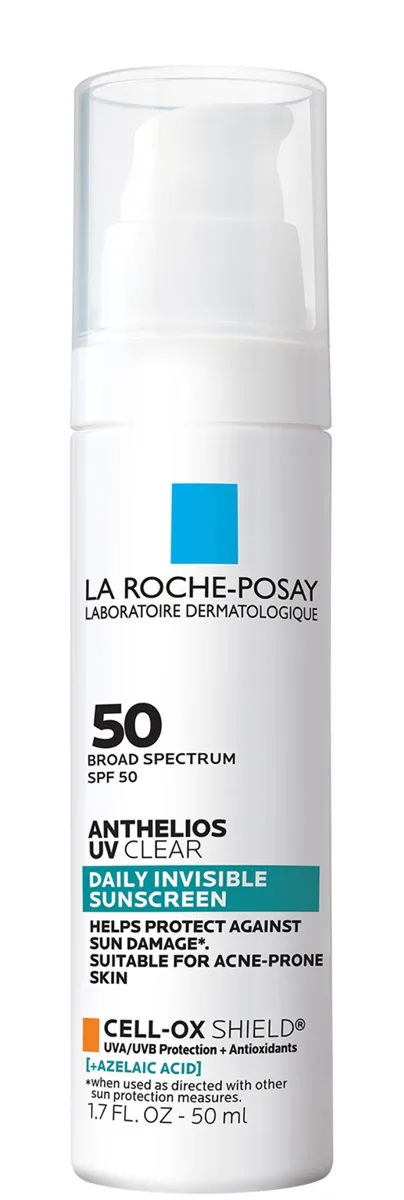 Derm Office Staple
 Anthelios UV Clear Sunscreen SPF 50
One of the only US chemical sunscreens that genuinely earns its 'for sensitive and breakout-prone skin' positioning. A photostable Anthelios filter system paired with a legitimate azelaic acid dose in a lightweight serum-fluid that disappears on every skin tone. Excellent for rosacea, acne, and post-inflammatory hyperpigmentation — and probably the single best daily sunscreen in the La Roche-Posay US lineup for those conditions.
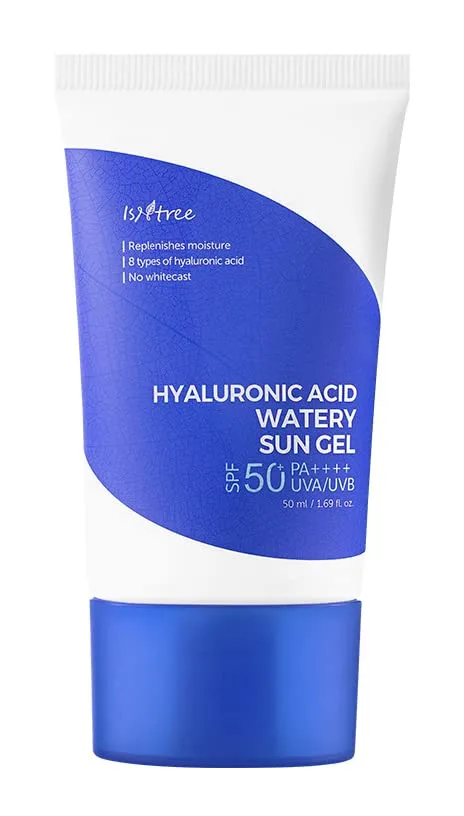 K-Beauty Daily SPF Standout
 Hyaluronic Acid Watery Sun Gel SPF 50+
One of the strongest everyday K-beauty sunscreens in the international market — modern European filters, no white cast, fragrance-free, niacinamide-boosted, and built around the brand's signature six-weight HA complex. At twenty-two dollars for 50ml, it's a case study in how much better a daily sunscreen can be when the formulator cares about both protection and wearability.
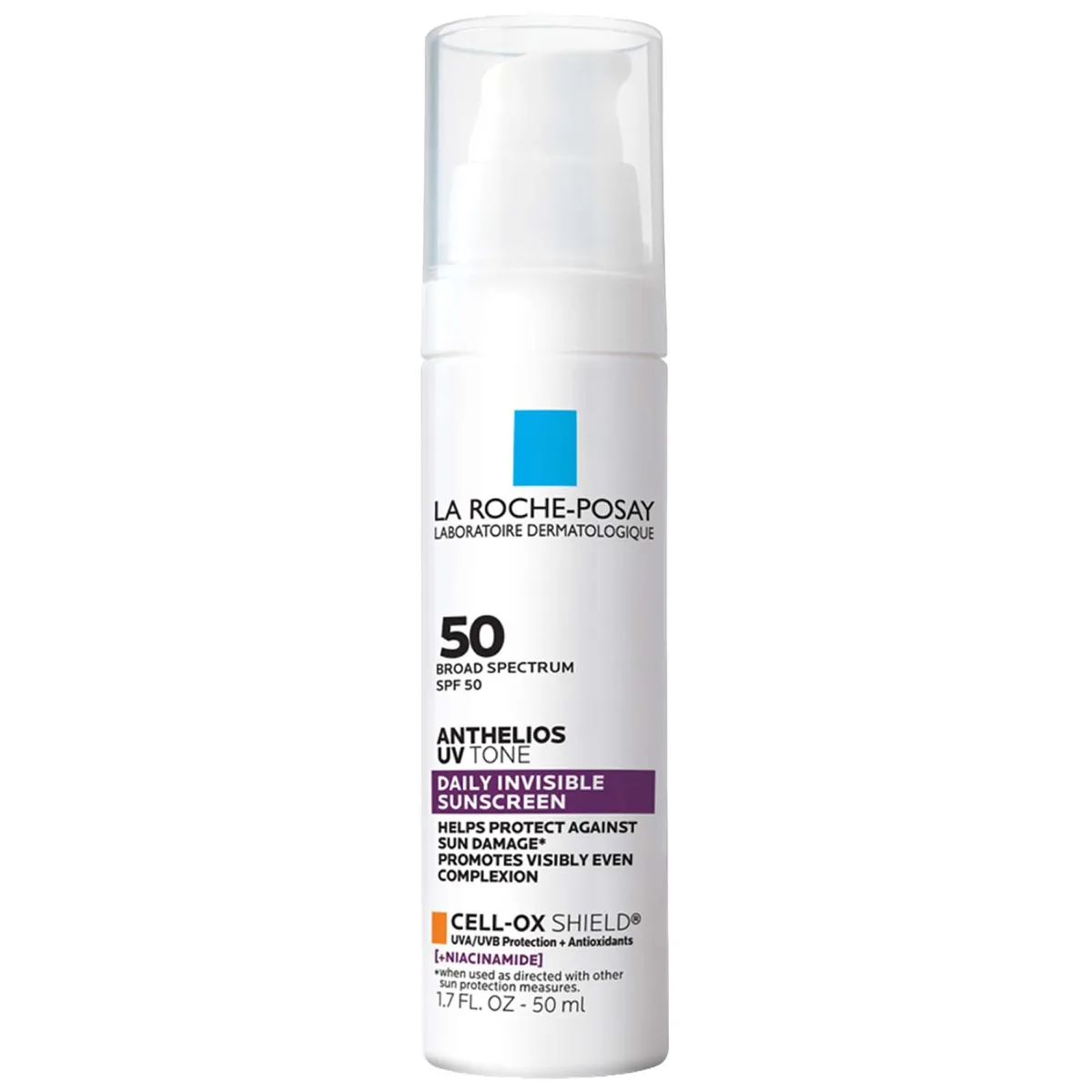 Derm Office Staple
 Anthelios UV Tone Daily Invisible Sunscreen SPF 50
La Roche-Posay's most thoughtful answer yet for hyperpigmentation-prone skin that needs daily SPF. A photostable avobenzone system reinforced with Oxynex ST, paired with a meaningful dose of niacinamide, in a serum-fluid base that goes on invisible on every skin tone. Expensive for 1.7 oz but legitimately well-built — and a rare chemical sunscreen that earns its 'for dark spots' marketing.
 Melasma-Grade Mineral Sunscreen
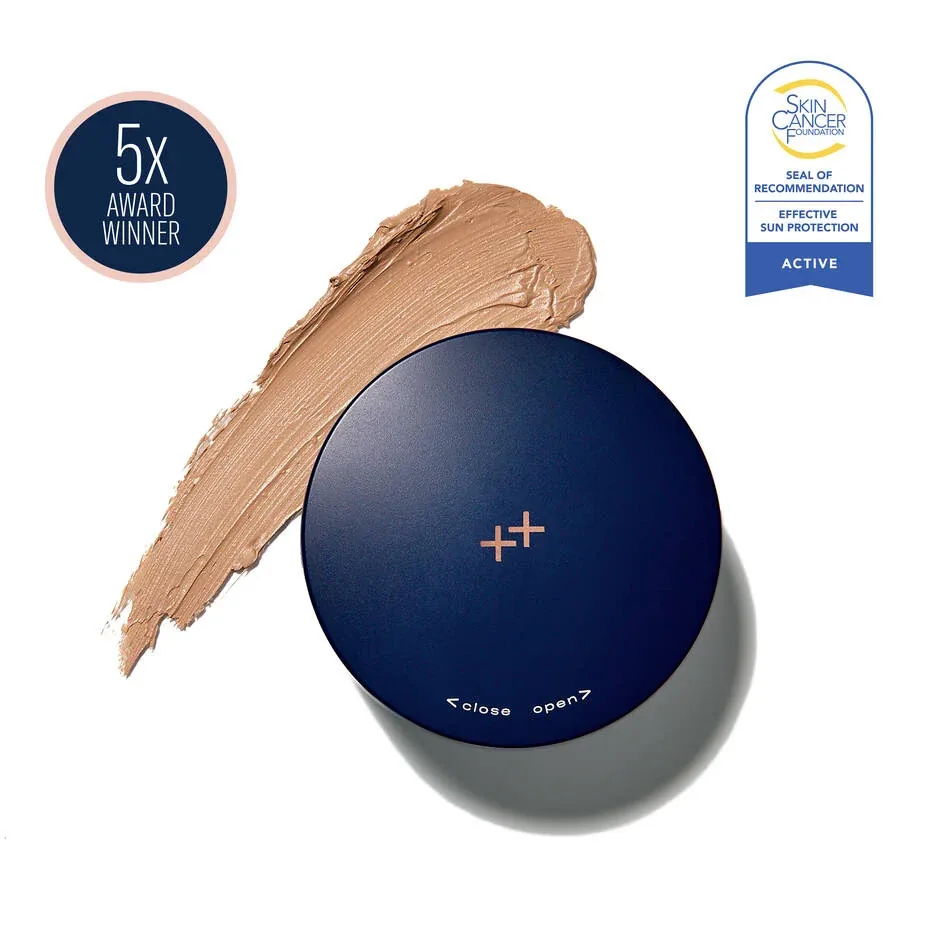
 sunbetter TONE SMART SPF 68
One of the most clinically useful tinted mineral sunscreens in the professional category. SPF 68 from a 100% mineral formula, iron oxide tint that blocks visible light for melasma protection, and an unusually lightweight texture that doesn't feel like you're wearing high-concentration zinc. For patients with melasma or post-inflammatory hyperpigmentation, this is the category benchmark — and it's earned its Allure Best of Beauty wins.
 The K-Beauty Sunscreen That Changed Everything
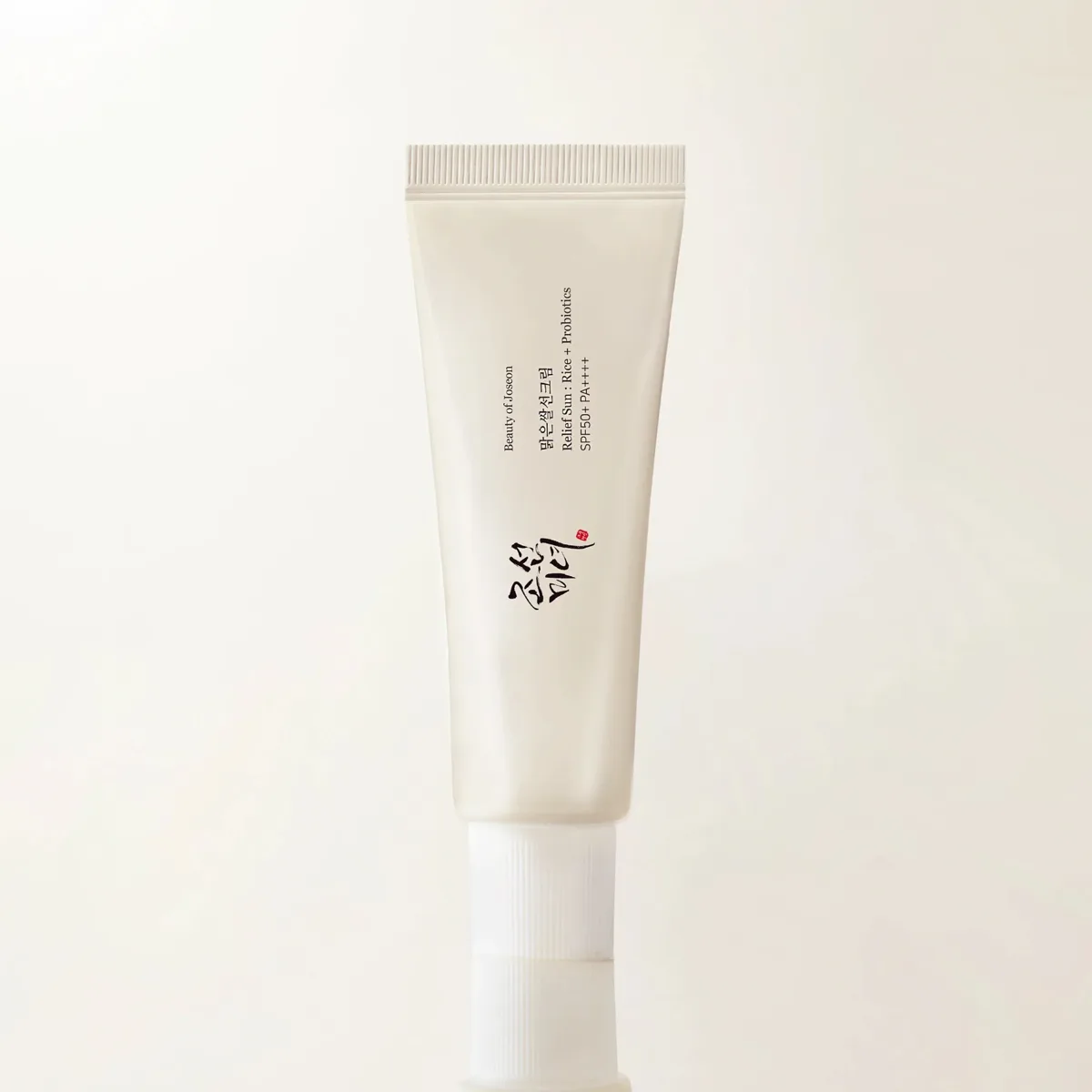
 Relief Sun: Rice + Probiotics SPF 50+
The sunscreen that rewrote the rules for what a $14 product could deliver. With independently verified SPF 50+, 30% rice extract, niacinamide, and a probiotic ferment complex, it offers protection and skincare benefits that rival products three times its price. The texture that feels like wearing nothing on your face is the reason it went viral — and stayed there.
 Modern Filter Pick
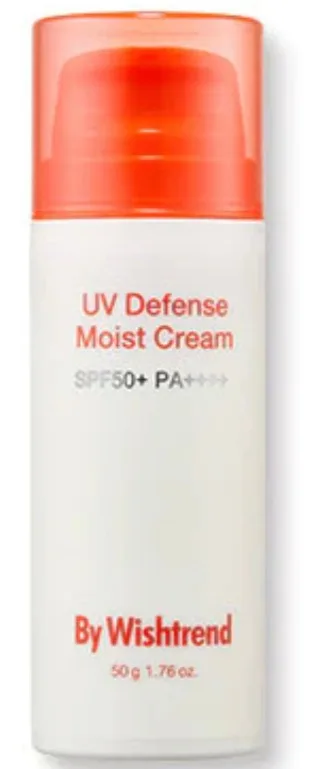
 UV Defense Moist Cream SPF 50+
A genuinely modern broad-spectrum sunscreen that runs three of the best UVA filters in the world simultaneously — Uvinul A Plus, Tinosorb S, and Mexoryl SX — in a moisturizing cream base that doubles as a daytime moisturizer. The white cast and the fungal-acne incompatibility limit its audience, but for normal-to-dry skin in the US frustrated by the FDA's old filter list, this is a serious upgrade.