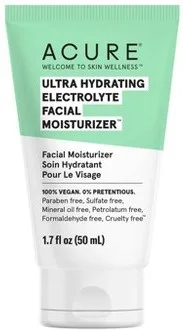
A genuinely thoughtful affordable hydrator that builds its moisture story on layered humectants, skin-identical squalane, and essential fatty acids rather than a single hero ingredient. Fragrance-free, vegan, and under $20 — a rare combination that actually holds up on the face.
Ultra Hydrating Electrolyte Facial Moisturizer
A genuinely thoughtful affordable hydrator that builds its moisture story on layered humectants, skin-identical squalane, and essential fatty acids rather than a single hero ingredient. Fragrance-free, vegan, and under $20 — a rare combination that actually holds up on the face.
Score Breakdown
Where this product gains points and where it loses them — broken down across the four scoring pillars.
A well-rounded affordable hydrator with a thoughtful electrolyte-and-humectant layered system and skin-identical emollients. Loses points on narrow suitability for truly oily or fungal-acne-prone skin and the reliance on botanicals for its differentiation story.
Pros & Cons
- ✓Layered humectant system with glycerin plus mineral electrolytes
- ✓Skin-identical squalane gives elegant slip without heaviness
- ✓Full essential fatty acid spread from multiple plant oils
- ✓Fragrance-free and alcohol-free for sensitive skin
- ✓Vegan, cruelty-free, and affordably priced
- ✓Absorbs quickly with a soft dewy finish suitable under makeup
- ✗Too light as a standalone winter cream in harsh climates
- ✗Not fungal-acne safe due to fatty-acid plant oils
- ✗Jar packaging exposes formula to air and contamination
- ✗'Electrolyte' marketing oversells the mechanism's novelty
- ✗Can feel slightly emollient on very oily skin in summer
Full Review
There was a period in the late 2010s when every wellness brand had discovered electrolytes at roughly the same moment. Coconut water replaced Gatorade on bodega shelves, hydration-powder sachets appeared in hiking backpacks, and it was only a matter of time before someone asked whether the same vocabulary could sell a face cream. Acure got there first with this moisturizer, and the result is a product that actually makes more sense than its marketing hook would suggest — because behind the wellness-era naming is a genuinely layered humectant formula doing real work.
The electrolyte story starts with sodium PCA, which is actually one of the better-characterized humectants in skincare — it's a component of natural moisturizing factor, the compound your skin already uses to hold water in the stratum corneum. Alongside it, Acure adds magnesium chloride, calcium chloride, and potassium chloride, the mineral salt trio that gives the product its name. These aren't rehydrating you the way a sports drink would, but they do support the skin's own osmotic machinery and pair with glycerin — the second ingredient on the INCI list — to create a multi-layered humectant system rather than a single-ingredient bet. It's a smarter approach than most moisturizers at this price point bother with.
The emollient side of the formula is equally considered. Squalane is the cosmetically elegant star — a skin-identical lipid that gives the cream its smooth slip and compatibility across skin types, without the oxidation issues of its unsaturated sibling squalene. Around it, Acure stacks sunflower, safflower, argan, and evening primrose oils, which together deliver a full spread of essential fatty acids. On top of all that, there's an additional drop of isolated linoleic acid — a deliberate inclusion that targets a specific pattern of linoleic deficiency often seen in problem skin. That level of specificity in a $17 moisturizer is genuinely unusual.
On application, the cream feels lighter than its ingredient list would suggest. It pours more like a heavy lotion than a traditional cream, spreads thin, and absorbs within about a minute into a soft dewy finish. The scent is barely there — a faint herbal whisper from the plant extracts, with no added fragrance — and there's no tingling, warming, or tackiness. By the end of the first week, skin feels plumper and less tight in the morning, and by the two-week mark the barrier benefits start showing up: less flaking after retinol nights, smoother texture on the cheeks, and an overall more settled skin surface.
Limitations deserve honest attention. This is not a rich winter occlusive — it's a lightweight daily hydrator, and if you live somewhere with single-digit winter temperatures you'll want to layer something heavier on top at night. It's also not fungal-acne safe; the fatty-acid-rich plant oils can feed Malassezia, so anyone dealing with seborrheic dermatitis should look elsewhere. The jar packaging is the other nitpick — a pump would be preferable for hygiene and to protect the formula from air exposure, though since the formula isn't relying on unstable actives like vitamin C or retinol, the impact is limited. And while the electrolyte story is clever marketing, it's not going to hydrate you the way an actual drink of water will. Good moisturizers work on the stratum corneum; they don't fix systemic dehydration.
The value case is strong. At around $17 for 1.7 ounces, you're getting a fragrance-free, vegan, cruelty-free moisturizer with squalane, an electrolyte humectant blend, linoleic acid, and a sensible plant-oil emollient stack. Comparable formulations from prestige brands run $40-60 and don't necessarily do the hydration work any better. If Acure had packaged this in a pump bottle and leaned less on the wellness-era naming, it would be an even easier recommendation, but the product inside the jar earns its spot in a daily routine.
Who's this for? Dry, normal, and dehydrated combination skin types who want meaningful hydration without fragrance or a premium price tag. Sensitive skin will likely tolerate it well given the fragrance-free and alcohol-free formulation. Oily skin types will probably find it a touch too emollient for AM use in warmer months, and fungal-acne-prone users should skip it entirely. For everyone else, this is one of the more thoughtfully composed affordable moisturizers in the clean-beauty aisle.
Formula
Key Ingredients
The hero actives that drive this product's performance.
| Ingredient | Function | Evidence |
|---|---|---|
| Electrolyte Blend (Sodium PCA, Magnesium/Calcium/Potassium Chloride) | The formula's namesake feature — a mineral salt mix that supports the skin's natural osmotic balance and supplements its natural moisturizing factor. It works alongside glycerin to pull water into the stratum corneum, creating a layered humectant system rather than relying on a single ingredient. | promising |
| Squalane | Acts as the formula's cosmetically elegant emollient, giving the cream its smooth slip without the heaviness of mineral oil or the oxidation risk of squalene. Mimics a lipid the skin already produces, which is why it plays well with all skin types in this moisturizer. | well-established |
| Linoleic Acid | Included as a standalone addition on top of the linoleic-rich plant oils, targeting the established pattern of linoleic acid deficiency in acne-prone sebum. In this hydrating moisturizer it contributes to barrier repair rather than doing heavy oil-regulation work. | promising |
| Glycerin | Second on the INCI list and the primary humectant doing the daily hydration work. The electrolyte blend is the marketing story, but glycerin is the actual engine. | well-established |
| Evening Primrose Oil | Contributes gamma-linolenic acid alongside the linoleic acid, rounding out the essential fatty acid profile of the emollient layer. Works with argan, sunflower, and safflower to build a plant-derived lipid barrier support network. | promising |
Full INCI List
Aqua, Glycerin, Caprylic/Capric Triglyceride, Squalane, Cetearyl Alcohol, Glyceryl Stearate Citrate, Helianthus Annuus (Sunflower) Seed Oil, Carthamus Tinctorius (Safflower) Seed Oil, Oenothera Biennis (Evening Primrose) Oil, Argania Spinosa (Argan) Kernel Oil, Aloe Barbadensis Leaf Juice, Sodium PCA, Sodium Lactate, Magnesium Chloride, Calcium Chloride, Potassium Chloride, Linoleic Acid, Tocopherol, Calendula Officinalis Flower Extract, Chamomilla Recutita (Matricaria) Flower Extract, Xanthan Gum, Glyceryl Caprylate, Potassium Sorbate, Citric Acid
Product Flags
✓ Fragrance Free✓ Alcohol Free✗ Oil Free✓ Silicone Free✓ Paraben Free✓ Sulfate Free✓ Cruelty Free✓ Vegan✗ Fungal Acne Safe
Potential Irritants
linoleic acid
Compatibility
Skin Match
Best For
Works For
Not Ideal For
Addresses These Conditions
dehydration dryness compromised skin barrier dullness
Use With Caution
Routine Step
moisturizer
Time of Day
AM & PM
Pregnancy Safe
Yes ✓
Layering Tips
Apply after serums and before sunscreen. The electrolyte-humectant blend works best on slightly damp skin — apply within a minute of cleansing or essence use to maximize water capture.
Results Timeline
Immediate hydration and a softer skin surface from the first application. Improved barrier feel and reduced tightness within 1-2 weeks. Long-term barrier support continues over 4-6 weeks with consistent use.
Pairs Well With
hyaluronic-acidniacinamidevitamin-c
Sample AM Routine
- Gentle cleanser
- Hyaluronic acid serum
- Acure Ultra Hydrating Electrolyte Facial Moisturizer
- Sunscreen
Sample PM Routine
- Cleanser
- Treatment serum
- Acure Ultra Hydrating Electrolyte Facial Moisturizer
Evidence
Who Should Skip
- Too light as a standalone winter cream in harsh climates
- Not fungal-acne safe due to fatty-acid plant oils
- Jar packaging exposes formula to air and contamination
- 'Electrolyte' marketing oversells the mechanism's novelty
Science & Expert Perspective
The Science
The hydration mechanism here is well-supported by decades of research on the stratum corneum's natural moisturizing factor (NMF). Sodium PCA, sodium lactate, and the mineral chloride salts in this formula mirror components of NMF itself — meaning the product is supplementing the skin's own water-holding apparatus rather than introducing a foreign humectant. Glycerin's role as a stratum corneum hydrator is supported by extensive evidence showing measurable improvements in skin water content at concentrations well below what's present in this formula. Squalane is a lipid the sebaceous glands already produce, and its role as an emollient and barrier-compatible oil has been documented in numerous formulation studies. The essential fatty acid story is where this product leans into newer territory: research has consistently shown that acne-prone sebum is depleted in linoleic acid relative to normal sebum, and topical linoleic application has preliminary evidence for supporting barrier function in this population. What this formula is not doing is treating dehydration systemically — the electrolyte marketing borrows vocabulary from nutrition but applies it to topical humectants, which is a clever analogy rather than a mechanism. The real story is a multi-humectant approach plus essential-lipid replenishment, and that story is supported by the ingredient science without needing the marketing hook.
Dermatologist Perspective
Dermatologists generally favor moisturizers that combine multiple humectants with barrier-repair lipids rather than relying on a single hydrating ingredient, and this formula follows that approach. Board-certified dermatologists note that skin-identical ingredients like sodium PCA and squalane are well-tolerated across skin types and particularly useful for patients with compromised barrier function. The fragrance-free and alcohol-free profile makes it a reasonable pick for patients with sensitive or reactive skin, though the fatty-acid-rich plant oils make it less appropriate for patients with seborrheic dermatitis or fungal acne. Dermatologists frequently recommend this category of layered-humectant moisturizer as a daily maintenance product paired with more targeted treatments.
Guidance
Usage Guide
How to Use
Apply a pea-to-dime-sized amount to clean, slightly damp skin morning and night. Smooth over face and neck after any serums or essences and before sunscreen in the AM. For very dry skin in winter, layer a heavier occlusive on top at night. Because of the jar packaging, use clean hands or a small spatula to reduce contamination risk, and finish the product within 12 months of opening to maintain ingredient freshness.
Value Assessment
At about $17 for 1.7 ounces, this is solid value in the clean-beauty category. You're getting a multi-humectant system, squalane, isolated linoleic acid, and a thoughtful plant-oil emollient stack at a price that undercuts most prestige hydrators by a wide margin. The closest comparable formulations from brands like Drunk Elephant or Indie Lee run two to three times the price without delivering materially better hydration. Given Acure's broad distribution at Target and Whole Foods, you can usually find it without shipping costs, which helps the real-world math. For anyone wanting a fragrance-free vegan hydrator without spending $40+, this is one of the better-value picks on the shelf.
Who Should Buy
Dry, normal, and dehydrated combination skin types wanting a meaningful daily hydrator that's fragrance-free, vegan, and under $20. Particularly good for anyone rebuilding a compromised barrier after retinoid or exfoliant use who wants a skin-identical formula without added actives.
Who Should Skip
Oily skin types in hot climates may find it slightly emollient for AM use. Anyone dealing with fungal acne or seborrheic dermatitis should avoid the fatty-acid-rich plant oil stack. People in severe winter climates will need something heavier as an overnight occlusive.
Ready to try Acure Ultra Hydrating Electrolyte Facial Moisturizer?
Details
Details
Texture
Lightweight cream-lotion hybrid that spreads like a fluid and absorbs quickly
Scent
Barely perceptible, faintly herbal from the plant extracts, no added fragrance
Packaging
1.7 fl oz glass jar with screw-top lid
Finish
dewynon-greasynatural
What to Expect on First Use
Skin feels immediately quenched on first application, with a soft dewy finish that doesn't feel sticky. There's no tingling or warming — just a clean hydration sensation. Full barrier benefits build over the first 10-14 days of consistent use.
How Long It Lasts
2-3 months with twice-daily full-face application
Period After Opening
12 months
Best Season
All Year
Certifications
vegancruelty-freeleaping-bunny
Background
The Why
Acure launched the Ultra Hydrating Electrolyte range to serve customers who wanted a dedicated dry-skin option from a vegan, affordable brand. The electrolyte hook came from the sports-hydration trend in consumer wellness — a framing that connected electrolyte drinks with skin hydration — and was aimed at giving the brand a differentiated hydration story without relying on HA.
About Acure Established Brand (5–20 years)
Acure has been a fixture in the affordable vegan skincare aisle since 2009, with broad distribution through Target, Whole Foods, and Amazon. Its formulas are botanically driven and supported by moderate consumer review volume rather than proprietary clinical research.
Brand founded: 2009 · Product launched: 2019
Myth vs. Reality
Myths & Misconceptions
Myth
Electrolytes in skincare work the same way they do in sports drinks.
Reality
Topical mineral salts like sodium PCA and magnesium chloride contribute to natural moisturizing factor and osmotic balance in the stratum corneum, but they're not rehydrating you the way an oral electrolyte drink rehydrates your body. The marketing parallel is clever, not literal.
Myth
Fragrance-free moisturizers are always boring to use.
Reality
This one proves otherwise. The cushiony squalane-forward texture and immediate dewy finish give the formula real sensory appeal without relying on added perfume.
FAQ
Frequently Asked Questions
What are 'electrolytes' doing in a moisturizer?
Mineral salts like sodium PCA, magnesium chloride, and potassium chloride support the skin's natural moisturizing factor and osmotic balance. They help the stratum corneum hold onto water alongside glycerin, which is the formula's primary humectant.
Is it heavy enough for very dry winter skin?
For most dry-skin users, yes — but in harsh winter climates you may want to layer a richer occlusive on top at night. The squalane and plant oils provide good emollient support, but this isn't a petrolatum-level barrier cream.
Is it fungal-acne safe?
No. The sunflower, safflower, evening primrose, and argan oils can feed Malassezia. If you deal with fungal acne or seborrheic dermatitis, choose a different moisturizer.
Can I use it on body too?
You can, but at 1.7 oz and this price point, it's more cost-effective to reserve it for the face. Acure makes larger-format body lotions that are better suited for below-the-neck use.
Will it work under makeup?
Yes. The finish is dewy but not slippery, so most liquid and powder foundations layer fine over it. Give the moisturizer 60-90 seconds to settle before applying base.
Does the jar packaging degrade the formula?
Jar packaging can compromise light- and air-sensitive antioxidants over time, which is a minor concern here since the formula isn't relying on unstable vitamin C or retinoids. Finish within 12 months of opening to be safe.
Community
Community Voices
Common Praise
"deeply hydrating"
"lightweight for dry skin"
"fragrance-free"
Common Complaints
"too light for very dry skin in winter"
"price creeping up"
"jar packaging"
Appears In
best affordable hydrating moisturizer best vegan moisturizer dry skin best fragrance free moisturizer under 20 best natural moisturizer dehydrated skin
Related Conditions
dehydration dryness compromised skin barrier
Related Ingredients
You Might Also Like
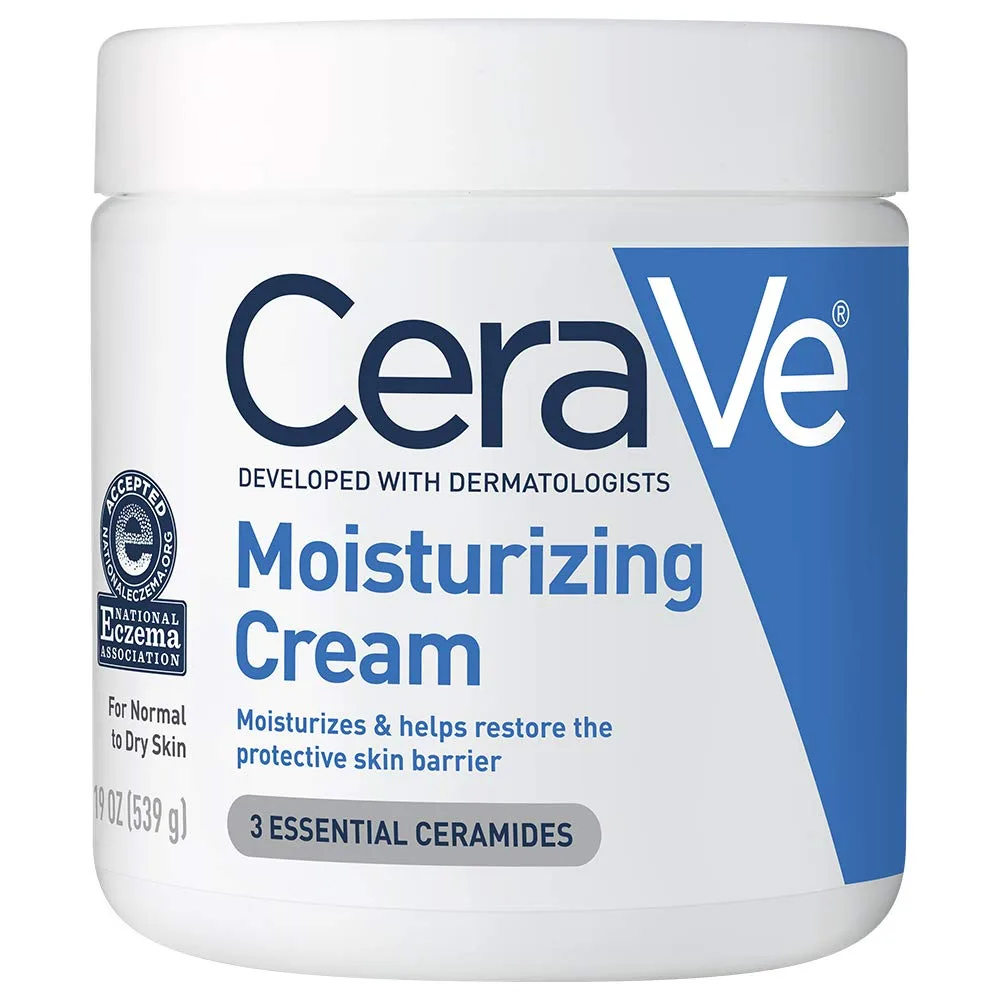 Budget Holy Grail
 Moisturizing Cream
The CeraVe Moisturizing Cream is the most important moisturizer in the drugstore — a ceramide-rich, dermatologist-developed formula that delivers barrier repair, multi-humectant hydration, and occlusive protection at a price so accessible it has no real excuse not to be in every household. Twenty-one years of consistent performance and universal dermatologist approval speak louder than any ingredient list.
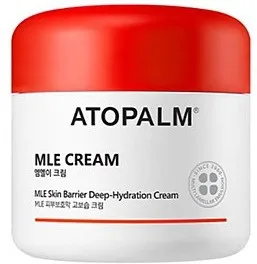 Barrier Repair Pioneer
 MLE Cream
Atopalm MLE Cream is one of the genuinely scientifically anchored barrier moisturizers in K-beauty — a fragrance-free, pseudo-ceramide cream built around a patented liquid-crystal lipid structure that mimics the skin's own intercellular matrix. For eczema, atopic skin, post-procedure recovery, or anyone with a stinging compromised barrier, it's one of the most reliably effective moisturizers in the entire category.
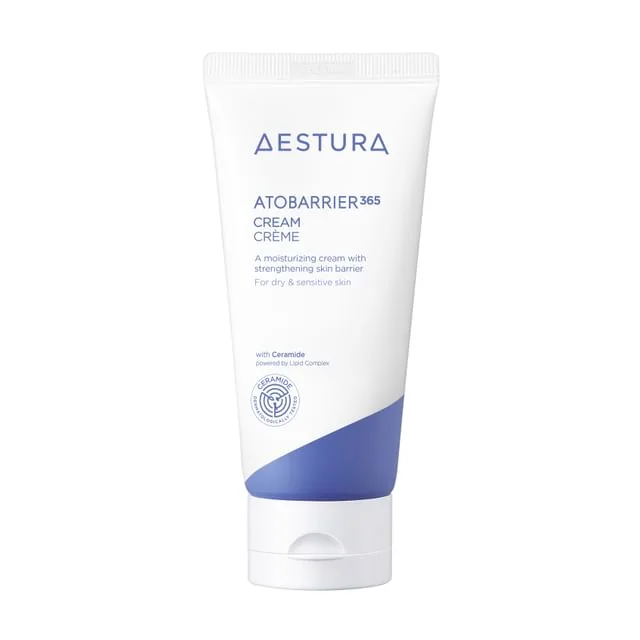 K-Beauty Barrier Repair Staple
 Atobarrier 365 Cream
A Korean pharmacy cream that earns its cult following the hard way — with a lamellar lipid structure that actually rebuilds the barrier, not just coats it. If your skin has been through a rough winter, a retinoid ramp-up, or a bad reaction, this is the jar that quietly puts it back together.
 Korean Derm Clinic Recovery Pick
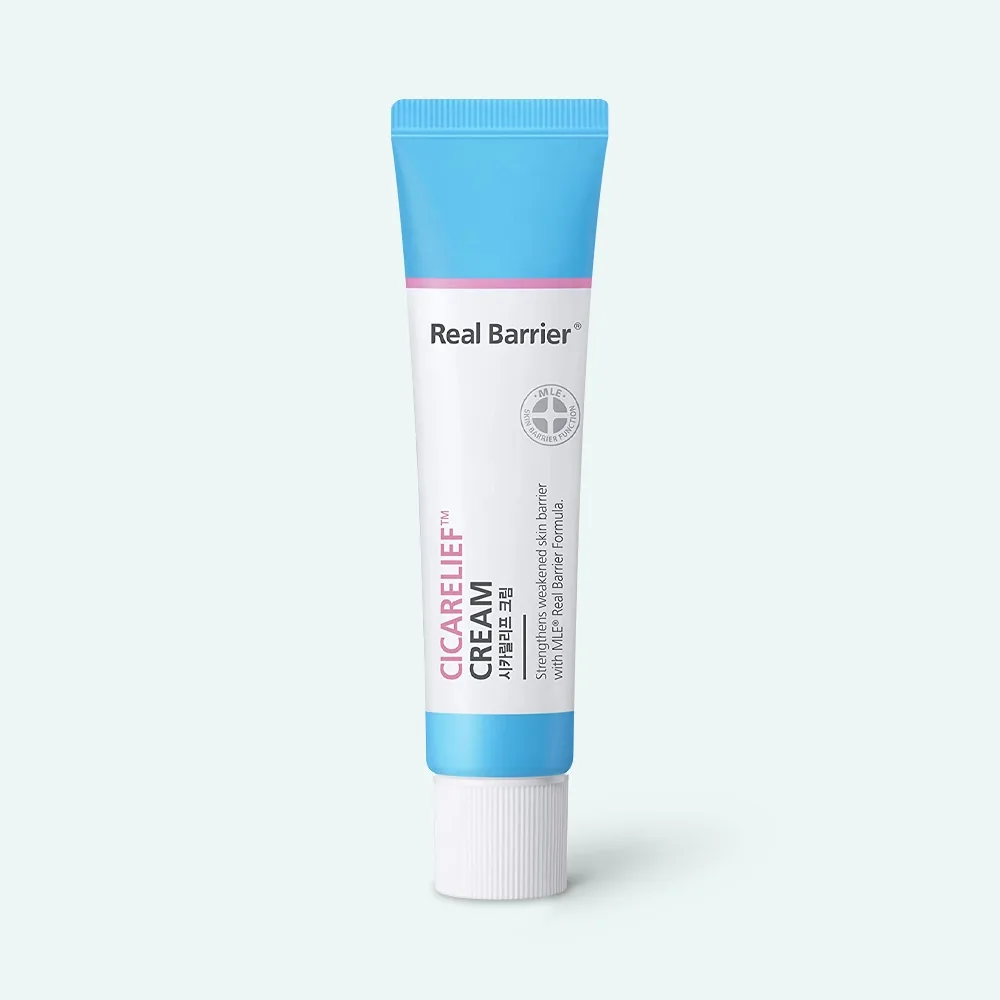
 Real Barrier Cicarelief Cream
One of the best consumer cica creams on the market, combining the full spectrum of centella actives with NeoPharm's MLE ceramide delivery and multiple complementary calming ingredients. Ideal for compromised, reactive, rosacea-prone, or recovering skin, and a staple in Korean dermatology clinic protocols. Minor limitations on packaging, but the formulation is genuinely excellent.
 Transparent 10% Panthenol Cream
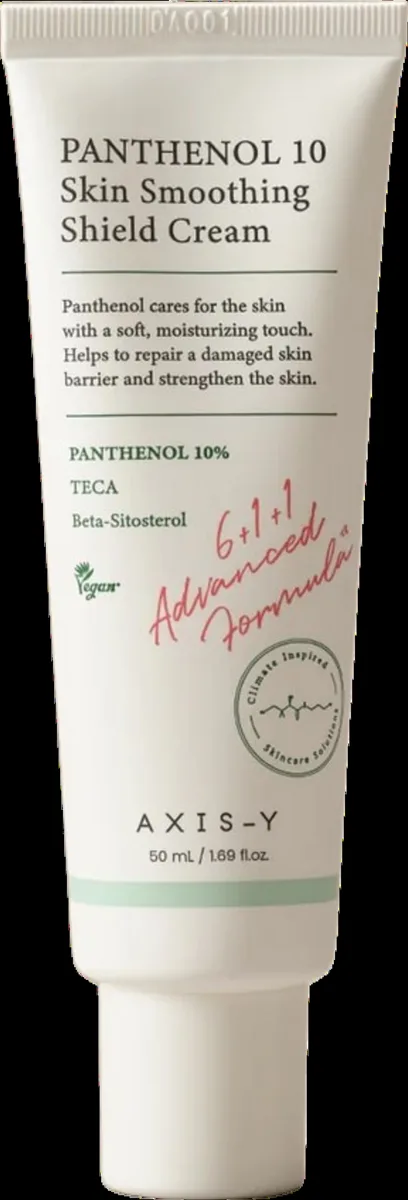
 Panthenol 10 Skin Smoothing Shield Cream
A disclosed 10% panthenol barrier cream built around a full physiological ceramide trio, a centella calming cast, and a modest shea butter occlusive. Fragrance-free, cross-season, and unusually transparent about its hero active — one of the brand's strongest moisturizer formulations.
 K-Beauty Icon
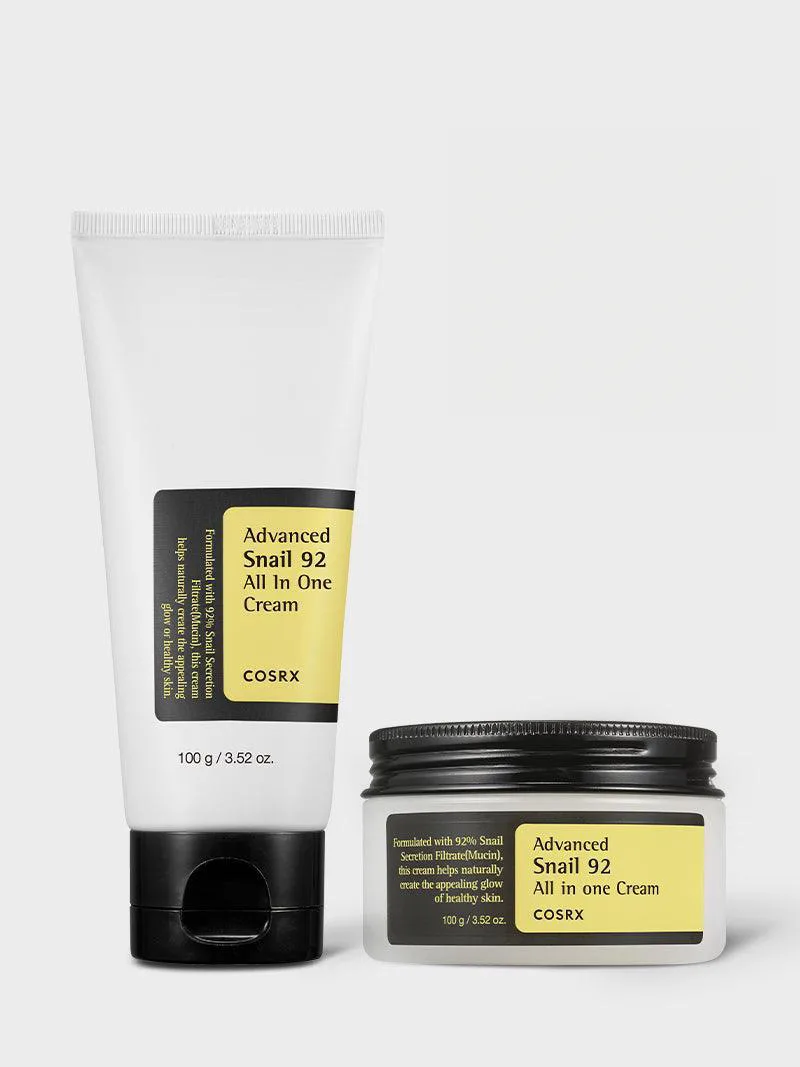
 Advanced Snail 92 All in One Cream
The cream that helped prove snail mucin to the world — and a decade later, it still deserves the reputation. At 92% snail secretion filtrate in a fragrance-free, gentle gel-cream, it delivers hydration, soothing, and gradual skin improvement across virtually every skin type. The texture takes getting used to, but 13 million sold units and 25,000+ reviews suggest most people manage.
This review reflects our independent analysis of publicly available ingredient data, manufacturer claims, and verified user reviews. We are reader-supported — Amazon links may earn us a commission at no cost to you. We do not accept paid placements; rankings are based solely on the evidence.