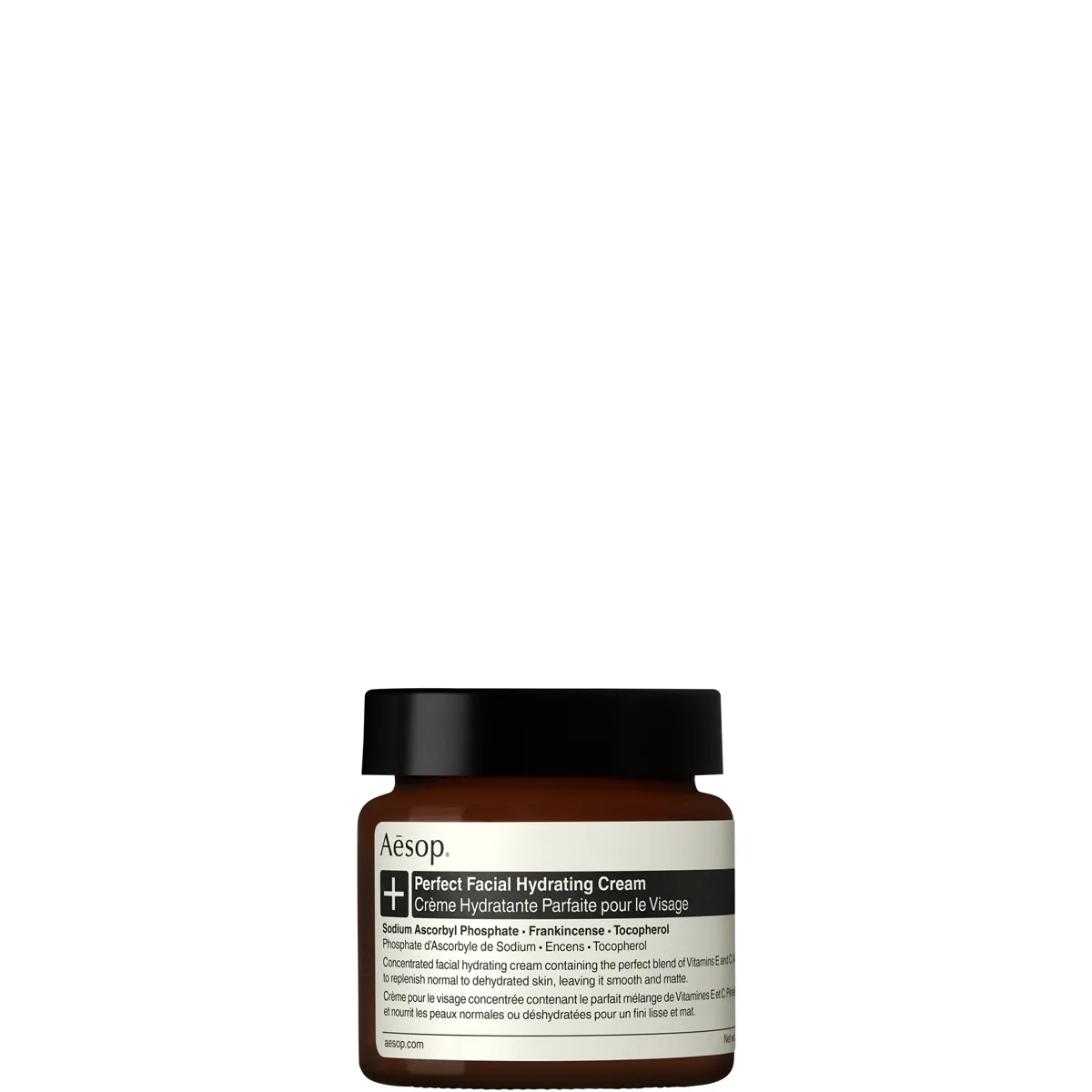
Aesop's Perfect Facial Hydrating Cream is a genuinely rich, comforting daytime moisturizer with a credible shea-and-jojoba lipid base and a small vitamin C derivative bonus, undermined badly by a preservative system that includes methylisothiazolinone, benzalkonium chloride, and iodopropynyl butylcarbamate — all known contact sensitizers. At $134, the math no longer works against newer Aesop alternatives that don't carry the same ingredient liabilities.
Perfect Facial Hydrating Cream
Aesop's Perfect Facial Hydrating Cream is a genuinely rich, comforting daytime moisturizer with a credible shea-and-jojoba lipid base and a small vitamin C derivative bonus, undermined badly by a preservative system that includes methylisothiazolinone, benzalkonium chloride, and iodopropynyl butylcarbamate — all known contact sensitizers. At $134, the math no longer works against newer Aesop alternatives that don't carry the same ingredient liabilities.
Score Breakdown
Where this product gains points and where it loses them — broken down across the four scoring pillars.
A genuinely rich, comforting daytime moisturizer let down severely by an outdated preservative system that includes methylisothiazolinone, benzalkonium chloride, and iodopropynyl butylcarbamate — all flagged sensitizers — at a luxury price that newer Aesop options now outperform.
Pros & Cons
- ✓Genuinely rich, comforting texture for dry skin
- ✓Substantial shea butter and jojoba lipid base
- ✓Small but functional vitamin C derivative inclusion
- ✓Distinctive Aesop woody scent profile
- ✓Effective relief from winter dehydration
- ✓Long sensorial application experience
- ✗Methylisothiazolinone is a known contact allergen
- ✗Benzalkonium chloride and iodopropynyl butylcarbamate compound the sensitization risk
- ✗Premium price for an aging formulation
- ✗Newer Aesop creams offer better preservative systems at similar prices
- ✗Too rich for combination, oily, or sensitive skin
- ✗Open-jar packaging exposes the vitamin C derivative to air
Full Review
Most reviews of long-running luxury skincare get to be polite about the brand's heritage choices. Decades of refinement, consistent reformulation, sensorial excellence — all of that is usually true, and Aesop in particular has earned the goodwill that comes with nearly forty years of careful work. But Perfect Facial Hydrating Cream is the rare Aesop product where polite framing would be misleading. There is something real to like about the formula. There is also something concretely wrong with it, and any honest review has to lead with the wrong part because it's the most important thing for a buyer to know.
The wrong part is the preservative system. Look at the bottom of the INCI and you'll find methylisothiazolinone (MI), benzalkonium chloride (BAK), and iodopropynyl butylcarbamate (IPBC). Each of these has a history. MI was named Allergen of the Year by the American Contact Dermatitis Society in 2013 in response to a sharp rise in contact allergies linked to its growing use in cosmetics — most major luxury and pharmacy brands have either removed it from leave-on products entirely or kept it only in rinse-off formulations where the contact time is brief. Benzalkonium chloride is a quaternary ammonium compound used as a preservative and surfactant, and it has its own history of contact sensitization, particularly in eye-area applications. Iodopropynyl butylcarbamate is a less famous ingredient but is also documented as a sensitizer with restrictions on its use concentration in the EU. The presence of any one of these in a luxury leave-on moisturizer in 2026 is a notable choice. The presence of all three together is the sign of a formula that has not been meaningfully updated in well over a decade, in a category where most premium brands have moved on.
This matters because Perfect Facial Hydrating Cream is targeted at exactly the demographic most likely to experience the consequences. It's marketed for normal-to-dehydrated skin, the kind that often correlates with mild barrier compromise and increased sensitivity. The people who want a rich, comforting day cream are often people whose skin is already a little reactive, and the preservative load here pushes them toward the wrong side of the contact-dermatitis line. None of this is hypothetical or theoretical. The published dermatological literature on MI in particular is extensive and clear. Aesop is a sophisticated brand and almost certainly knows this. The fact that this product still ships with the original preservative system suggests that the formula simply hasn't been touched, which is its own quiet statement about the cream's place in the brand's current priorities.
With that said — and it had to be said — let me describe what's good about the formula, because it's worth understanding what you would be getting if the preservatives weren't an issue. Glycerin sits third on the INCI, well above the lipids, doing the primary humectant work. Aloe leaf juice follows, which is generous placement for a base ingredient and contributes mild soothing activity. Then the lipid section opens with shea butter at the fifth position — a substantial inclusion that tells you this cream means business about richness — followed by jojoba seed oil, cocoa seed butter, soybean oil, and rosehip fruit oil. That combination of butters and oils builds a genuinely substantial occlusive layer that addresses dryness more effectively than most lighter moisturizers, and the texture on application reflects that work. The cream is dense, presses smoothly into dry skin, and provides immediate comfort that lasts for hours.
The vitamin C contribution is the second functional layer worth understanding. Sodium ascorbyl phosphate sits seventh on the INCI, which is a meaningful position for an active in a day cream. As a stable, water-soluble vitamin C derivative, it provides gradual brightening and antioxidant support without the irritation of L-ascorbic acid. The concentration is lower than in a dedicated vitamin C serum, but it adds a small functional layer to what is fundamentally a moisturizer. Tocopherol — vitamin E — sits a few positions later and works synergistically with the C derivative, regenerating its antioxidant capacity. For someone using this cream as their primary daytime hydration step, the vitamin combination contributes a modest but real defense layer over time.
The scent is the third feature that defines the cream's identity. The fragrance lead here is warm and woody — frankincense and sandalwood from the Boswellia and Fusanus oils, with a faint rosemary undertone from the rosemary leaf oil. It's distinctly Aesop, distinctly different from the citrus and herbal profiles of the brand's other moisturizers, and it lingers in the air for several minutes after application. People who already love the brand's woody scent profile will find this cream genuinely comforting to use. People who are neutral on Aesop's aesthetic may find it overpowering. As with everything in the catalog, the fragrance is a feature for the right buyer and a deal-breaker for the wrong one.
The texture is rich. That's the simplest way to describe it, and the most accurate. This is not a lightweight day cream that disappears on contact. It's a substantial, lipid-heavy formula that you feel on the skin for some time after application and that provides ongoing comfort in cold or dry environments. For dry skin types in winter conditions, it does what it says — addresses dehydration, softens flaking, and provides a barrier-supportive lipid layer that lighter moisturizers can't match. For combination or oily skin, it will likely feel too heavy, and for daytime use under makeup, the richness can cause foundation to slip if you apply too much. A pea-sized amount is usually the right dose.
Results are immediate on the comfort side. First use produces visible relief from surface dryness and a soft, supple feel that holds throughout the day. The vitamin C contribution is gradual — expect six to eight weeks of consistent daily use before any visible tone evenness emerges, and pair the cream with a daily broad-spectrum SPF for any pigmentation benefit to materialize. None of the long-term claims are dramatic; this is a moisturizer with a small treatment bonus, not a treatment cream with hydration on the side.
Which brings us back to the central tension. The texture, the lipid base, the small vitamin C contribution, and the woody scent profile add up to a genuinely pleasant product if you take the bottle in isolation. But the bottle does not exist in isolation. It exists in a market where most luxury moisturizers in 2026 have moved past the preservative system used here, and it exists alongside Aesop's own newer creams in the Parsley Seed and Elemental ranges that don't carry the same ingredient liabilities. The math against those alternatives is not flattering. For most buyers, the better Aesop pick is one of the newer creams; for buyers who specifically need the heavier butter-based texture and don't have any reactive skin history, this product still has a narrow audience, but it's much narrower than the brand's marketing implies.
Price is the final aggravating factor. One hundred and thirty-four dollars for sixty milliliters is firmly luxury territory, and the math at that price requires a formulation that earns its premium. This formula is not in a position to do that anymore — not because it's a bad cream, but because it's an aging cream sold at a current premium. The same money buys you better-formulated alternatives both within Aesop's catalog and across the broader luxury skincare market. The honest framing is that this is a product trading on brand goodwill more than on its current ingredient list.
If you do choose to buy it — and there's a defensible case for the right buyer with the right skin and tolerance profile — apply a pea-sized amount morning and evening, focus on dry areas, and pair it with a serious daily sunscreen. Patch test on the inner forearm for at least 48 hours before first full use, and stop immediately if you notice any redness, itching, or stinging — those are the early signs of contact sensitization and they're worth taking seriously with this preservative load. Once opened, finish within twelve months.
What Perfect Facial Hydrating Cream is, ultimately, is a product whose virtues are real but whose context has shifted. It used to be a competent luxury moisturizer in a market where the preservative system wasn't yet flagged. That market has changed. The cream hasn't. The honest recommendation is to look at the newer Aesop options first.
Formula
Key Ingredients
The hero actives that drive this product's performance.
| Ingredient | Function | Evidence |
|---|---|---|
| Glycerin | Sits third on the INCI as the primary humectant in this rich cream, doing the heavy lifting for water-binding while the butters and oils handle the lipid layer. It's the workhorse pulling the dehydration out of the formula's claim. | well-established |
| Shea Butter | Provides the substantial occlusive lipid layer that defines this cream's character. Aesop placed it fifth on the INCI, which is meaningful — most luxury day creams are far less generous with butters at this point in the formula. It's a major contributor to the cream's richness and barrier-supportive feel. | well-established |
| Jojoba Seed Oil | Sits sixth on the INCI as a structural lipid that mimics the skin's own sebum more closely than most plant oils. Its similarity to skin's natural lipids makes it absorb cleanly and reduces the heavy after-feel that shea butter alone might create. | well-established |
| Sodium Ascorbyl Phosphate | A water-soluble, pH-stable vitamin C derivative that contributes a small but functional brightening and antioxidant layer to what is fundamentally a moisturizer. Aesop placed it seventh, which is a meaningful concentration for an active in a day cream — though as a derivative, it works more gradually than a dedicated vitamin C serum. | promising |
| Tocopherol (Vitamin E) | Lipid-soluble vitamin E that works synergistically with the sodium ascorbyl phosphate, regenerating its antioxidant capacity and providing its own free-radical scavenging. A standard but functional inclusion for a moisturizer that wants to call itself an antioxidant treatment. | well-established |
Full INCI List
Water (Aqua), Cetearyl Alcohol, Glycerin, Aloe Barbadensis Leaf Juice, Butyrospermum Parkii (Shea Butter), Simmondsia Chinensis (Jojoba) Seed Oil, Sodium Ascorbyl Phosphate, Ceteareth-20, Rosa Canina Fruit Oil, Theobroma Cacao (Cocoa) Seed Butter, Glyceryl Stearate, PEG-100 Stearate, Tocopherol, Sorbitan Stearate, Glycine Soja (Soybean) Oil, Phenoxyethanol, Boswellia Carterii Oil, Citric Acid, Fusanus Spicatus Wood Oil, Rosmarinus Officinalis (Rosemary) Leaf Oil, Disodium EDTA, Xanthan Gum, Ethylhexylglycerin, PEG-4 Laurate, Benzalkonium Chloride, Iodopropynyl Butylcarbamate, Daucus Carota Sativa (Carrot) Root Extract, Methylisothiazolinone, Beta-Carotene, d-Limonene, Farnesol, Linalool.
Product Flags
✗ Fragrance Free✓ Alcohol Free✗ Oil Free✓ Silicone Free✓ Paraben Free✓ Sulfate Free✓ Cruelty Free✗ Vegan✗ Fungal Acne Safe
Comedogenic Ingredients
Cocoa Seed Butter
Potential Irritants
MethylisothiazolinoneBenzalkonium ChlorideIodopropynyl ButylcarbamateBoswellia Carterii OilRosemary Leaf Oild-LimoneneFarnesolLinalool
Common Allergens
MethylisothiazolinoneBenzalkonium Chlorided-LimoneneFarnesolLinaloolSoybean Oil
Compatibility
Skin Match
Best For
Works For
Not Ideal For
Addresses These Conditions
dehydration dryness dullness winter skin
Use With Caution
sensitivity rosacea eczema acne
Avoid With
fungal acne compromised skin barrier perioral dermatitis
Routine Step
moisturizer
Time of Day
AM & PM
Pregnancy Safe
Yes ✓
Layering Tips
Apply over serums to clean skin morning and evening. The texture is rich enough that some users will want to skip it in the AM and use a lighter alternative under makeup. Always follow with daily SPF 30 or higher in the morning.
Results Timeline
Immediate hydration and a softening of dryness on first use. Skin texture and overall comfort typically improve within 1-2 weeks. The vitamin C contribution is gradual and requires 6-8 weeks to show meaningful tone evenness.
Pairs Well With
hyaluronic-acid-serumsvitamin-c-serumsmineral-sunscreen
Conflicts With
high-strength-retinoid-treatments-irritation-phase
Sample AM Routine
- Gentle cleanser
- Hydrating toner
- Vitamin C serum
- Aesop Perfect Facial Hydrating Cream
- Mineral SPF 50
Sample PM Routine
- Oil cleanser
- Gentle cleanser
- Treatment serum
- Aesop Perfect Facial Hydrating Cream
Evidence
Who Should Skip
- Methylisothiazolinone is a known contact allergen
- Benzalkonium chloride and iodopropynyl butylcarbamate compound the sensitization risk
- Premium price for an aging formulation
- Newer Aesop creams offer better preservative systems at similar prices
Science & Expert Perspective
The Science
The hydration backbone of this cream is built on a humectant-and-lipid combination: glycerin as the primary humectant, aloe vera leaf juice as a secondary, and a substantial lipid layer of shea butter, jojoba seed oil, cocoa seed butter, soybean oil, and rosehip fruit oil. Glycerin is the most-studied small-molecule humectant in cosmetic chemistry, with decades of evidence supporting its role in surface hydration and barrier function. Shea butter contributes a complex lipid profile rich in stearic, oleic, and linoleic acids along with small amounts of vitamins A and E; published work supports its emollient and barrier-supporting effects in dry skin. Jojoba seed oil is structurally similar to skin's own sebum and absorbs cleanly without the heavy after-feel of pure butters, making it an effective complement in a butter-rich formula. The vitamin contribution comes from sodium ascorbyl phosphate (SAP) and tocopherol (vitamin E). SAP is a phosphorylated, water-soluble vitamin C derivative that is stable at near-neutral pH and converts to active ascorbic acid on the skin, where it can contribute to collagen synthesis support and mild brightening. Tocopherol works synergistically with vitamin C, regenerating its antioxidant capacity and providing its own lipid-soluble free-radical scavenging. The functional ingredients are well-supported by published evidence. The concerns lie in the preservative system. Methylisothiazolinone (MI) was added to consumer cosmetics in increasing concentrations during the 2000s and was named Allergen of the Year by the American Contact Dermatitis Society in 2013 in response to a documented surge in contact allergic reactions. Subsequent guidance from the EU Scientific Committee on Consumer Safety has restricted MI to rinse-off products only at very low concentrations, and most major luxury and pharmacy brands have removed it from leave-on formulations entirely. Benzalkonium chloride is a quaternary ammonium compound with documented sensitization potential in topical applications, and iodopropynyl butylcarbamate is restricted to limited concentrations in the EU due to sensitization concerns. The continued inclusion of all three preservatives in a leave-on luxury moisturizer in 2026 is unusual and represents the most significant concern with this formula. The essential oil components — frankincense, sandalwood, rosemary, and the disclosed allergens — add aromatic identity and minor traditional-use anti-inflammatory claims, but they also add their own contact-sensitization vector for fragrance-reactive skin.
Dermatologist Perspective
Dermatologists generally view this cream's preservative system with concern. Board-certified dermatologists frequently flag methylisothiazolinone as one of the most clinically relevant contact allergens currently in cosmetic use, and its presence in a leave-on luxury moisturizer is typically a reason to recommend an alternative. Patients with any history of contact dermatitis, eczema, rosacea, or barrier compromise are particularly likely to be advised against products containing MI. The combination of MI, benzalkonium chloride, and iodopropynyl butylcarbamate compounds the dermatological caution. Beyond the preservatives, dermatologists generally view the hydrating and lipid components of the formula as well-formulated, and the small vitamin C derivative inclusion as a reasonable bonus for daily antioxidant support. For patients seeking a rich daytime moisturizer with vitamin C in this price range, dermatologists would more typically recommend a SkinCeuticals or La Roche-Posay alternative without the preservative liability. As always, daily SPF use is emphasized for any pigmentation benefit from the vitamin C component to materialize.
Guidance
Usage Guide
How to Use
Apply a pea-sized amount to clean, dry skin morning and evening after any treatment serums. Focus on dry areas and avoid the eye area. In the morning, always follow with a broad-spectrum SPF 30 or higher. Patch test on the inner forearm for at least 48 hours before first full use — given the preservative load, this is more important than usual. Discontinue use immediately if you notice any redness, itching, or stinging, which can be early signs of contact sensitization. Once opened, finish within twelve months.
Value Assessment
At $134 for 60 ml in its only available size, the cream sits at the upper end of luxury daytime moisturizer pricing. The functional ingredients — glycerin, shea butter, jojoba oil, vitamin C derivative — are well-formulated, but they are also available in better preservative profiles at lower prices, both within Aesop's own newer Parsley Seed and Elemental ranges and across the broader luxury skincare market. Given the documented contact-sensitization history of methylisothiazolinone and the supporting concerns around benzalkonium chloride and iodopropynyl butylcarbamate, the value math here is genuinely difficult to defend. For most buyers, this is one of the harder Aesop products to justify on current standards.
Who Should Buy
People with normal-to-dry skin who specifically want the heavier, butter-based texture, who have no history of contact dermatitis or fragrance sensitivity, and who are willing to pay a luxury premium for a cream that is no longer the strongest formulation in Aesop's own catalog. The genuinely narrow target audience is winter-skin users with reliably non-reactive skin who already love the brand's woody scent profile.
Who Should Skip
Anyone with a history of contact dermatitis, rosacea, eczema, sensitive skin, or fragrance reactivity should look elsewhere — the methylisothiazolinone alone is reason enough. Skip it too if you have combination or oily skin (the texture is too rich), if you're shopping within Aesop's range and could choose the newer Parsley Seed or Elemental creams instead, or if the price-to-formula math matters to you at all.
Ready to try Aesop Perfect Facial Hydrating Cream?
Details
Details
Texture
Rich, dense cream that softens on application and absorbs slowly into a comforting lipid layer.
Scent
Distinct Aesop warm woody profile — frankincense, sandalwood, and a faint rosemary undertone.
Packaging
Aesop's signature amber glass jar with a screw lid. The open-jar format exposes the formula to air and fingers with each use, which is not ideal for a vitamin C-containing cream.
Finish
satinnon-greasy
What to Expect on First Use
First application is rich and immediately comforting — the cream presses into dry skin and provides instant relief. The warm woody scent sits in the air for several minutes after application. Some users will find the texture too rich for daytime; others will love it for the same reason.
How Long It Lasts
Approximately 3-4 months with twice-daily face and neck application.
Period After Opening
12 months
Best Season
fall winter
Certifications
Cruelty-Free
Background
The Why
Perfect Facial Hydrating Cream is one of Aesop's older premium moisturizers, dating to a time when the brand's formulations relied on preservative systems that have since been re-evaluated. It has remained essentially unchanged for over a decade, which is why the INCI still includes methylisothiazolinone and benzalkonium chloride — preservatives that newer Aesop formulas have largely moved away from.
About Aesop Legacy Brand (20+ years)
Aesop launched in Melbourne in 1987 and has nearly four decades of formulation experience. Perfect Facial Hydrating Cream sits within the brand's premium daytime moisturizer lineup with consistent global distribution, though its formulation reflects an older era of Aesop philosophy that includes preservatives now considered suboptimal by modern standards.
Brand founded: 1987 · Product launched: 2007
Myth vs. Reality
Myths & Misconceptions
Myth
Vitamin C in a moisturizer is just as effective as a vitamin C serum.
Reality
Vitamin C in a leave-on moisturizer can contribute to gradual brightening and antioxidant defense, but the concentration and delivery are typically lower than in a dedicated serum. Treat the C in this cream as a bonus rather than a replacement for a real vitamin C step.
Myth
If a luxury brand uses a preservative, it must be safe.
Reality
Methylisothiazolinone (MI) was named Allergen of the Year in 2013 by the American Contact Dermatitis Society due to a sharp rise in contact allergies. Its presence in any leave-on product is a legitimate concern for sensitization.
FAQ
Frequently Asked Questions
Is this cream really worth $134?
Honestly, no — not by 2026 standards. The formula contains preservatives like methylisothiazolinone and benzalkonium chloride that have been flagged as significant contact allergens, and Aesop's newer creams in the Parsley Seed and Elemental ranges offer better formulation at similar or lower prices. The texture and scent are lovely, but the ingredient list is showing its age.
Why does it contain methylisothiazolinone?
It's a relic of an older formulation. Methylisothiazolinone is an effective preservative, but it was named Allergen of the Year in 2013 due to a sharp rise in contact allergies. Most modern luxury skincare brands have moved away from it, and the fact that this Aesop product still uses it suggests the formula hasn't been meaningfully updated in years.
Does the vitamin C in the cream actually do anything?
Sodium ascorbyl phosphate contributes a small amount of brightening and antioxidant activity, but the concentration in a moisturizer is much lower than in a dedicated vitamin C serum. Think of it as a bonus rather than a primary brightening treatment.
Is it suitable for sensitive skin?
No. The combination of methylisothiazolinone, benzalkonium chloride, iodopropynyl butylcarbamate, and several essential oils makes this one of the higher-irritation-risk products in Aesop's catalog. Anyone with reactive skin should look at the brand's newer creams instead.
How does it compare to Aesop's Parsley Seed cream?
The Parsley Seed Anti-Oxidant Hydrating Cream is built on a more modern formulation philosophy and has a better preservative profile. For most buyers in 2026, it's the better pick within Aesop's range — Perfect Facial Hydrating Cream is mainly for those who specifically prefer the heavier, butter-based texture.
Is it pregnancy-safe?
The active profile contains nothing typically restricted during pregnancy. However, given the preservative load and essential oil content, more conservative pregnancy routines often steer toward simpler, fragrance-free moisturizers.
Can I use it under makeup?
Yes, but be conservative with the amount. The texture is rich enough that heavy application may cause foundation to slip or feel heavy. A pea-sized amount is usually enough for the entire face.
Community
Community Voices
Common Praise
"Rich, comforting texture for dry skin"
"Distinctive woody-citrus scent"
"Visible relief from dehydration after first use"
"Layers well over treatment serums"
"Pleasant sensorial experience"
Common Complaints
"Outdated preservative system raises sensitization concerns"
"Premium price for an aging formula"
"Methylisothiazolinone is a known contact allergen"
"Too rich for combination or oily skin"
"Newer Aesop creams offer better formulation"
Notable Endorsements
Long-running Aesop core rangeStocked at Dermstore, Lookfantastic, SSENSE
Appears In
best rich luxury day cream best aesop moisturizer for dry skin best vitamin c day cream best aesop winter moisturizer
Related Conditions
dehydration dryness dullness winter skin
Related Ingredients
You Might Also Like
 Budget Holy Grail
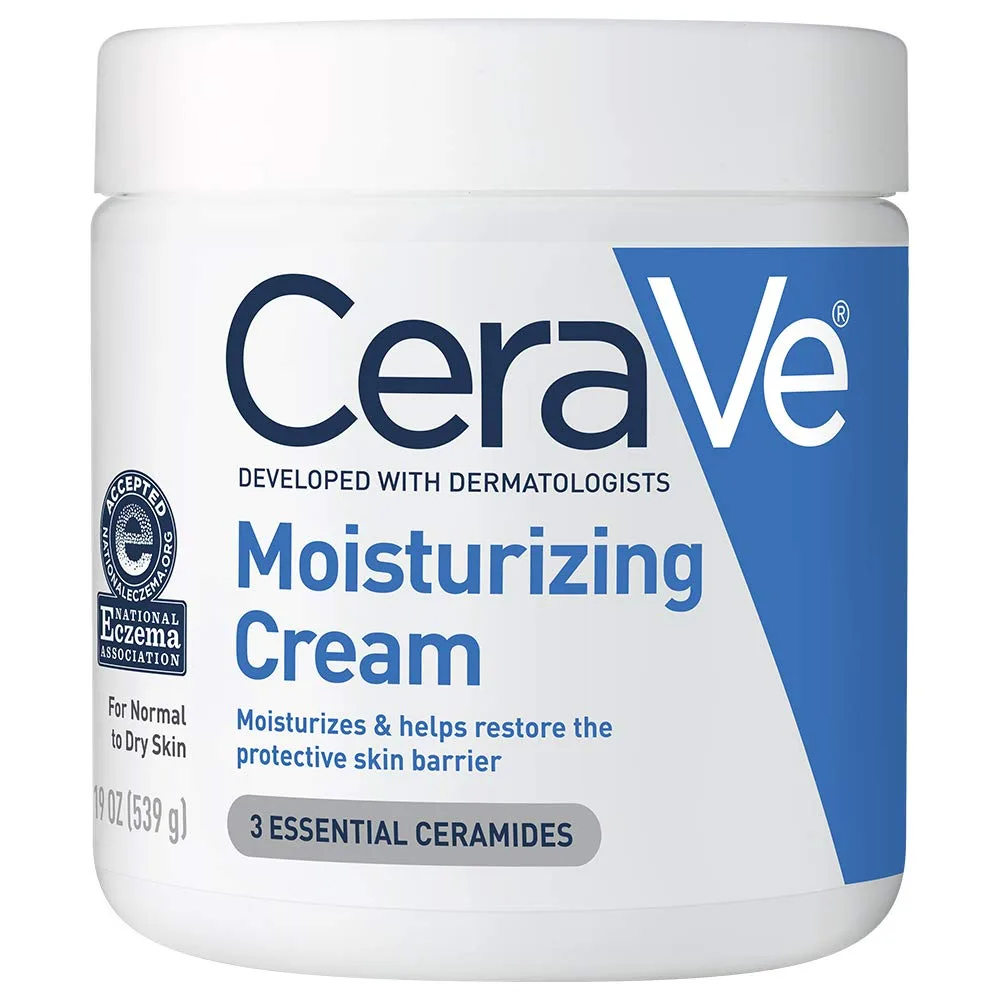
 Moisturizing Cream
The CeraVe Moisturizing Cream is the most important moisturizer in the drugstore — a ceramide-rich, dermatologist-developed formula that delivers barrier repair, multi-humectant hydration, and occlusive protection at a price so accessible it has no real excuse not to be in every household. Twenty-one years of consistent performance and universal dermatologist approval speak louder than any ingredient list.
 Barrier Repair Pioneer
 MLE Cream
Atopalm MLE Cream is one of the genuinely scientifically anchored barrier moisturizers in K-beauty — a fragrance-free, pseudo-ceramide cream built around a patented liquid-crystal lipid structure that mimics the skin's own intercellular matrix. For eczema, atopic skin, post-procedure recovery, or anyone with a stinging compromised barrier, it's one of the most reliably effective moisturizers in the entire category.
 K-Beauty Barrier Repair Staple
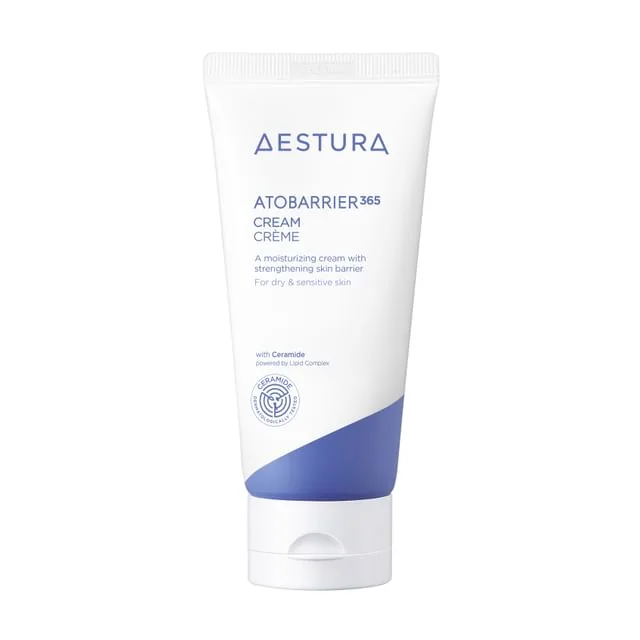
 Atobarrier 365 Cream
A Korean pharmacy cream that earns its cult following the hard way — with a lamellar lipid structure that actually rebuilds the barrier, not just coats it. If your skin has been through a rough winter, a retinoid ramp-up, or a bad reaction, this is the jar that quietly puts it back together.
 Korean Derm Clinic Recovery Pick
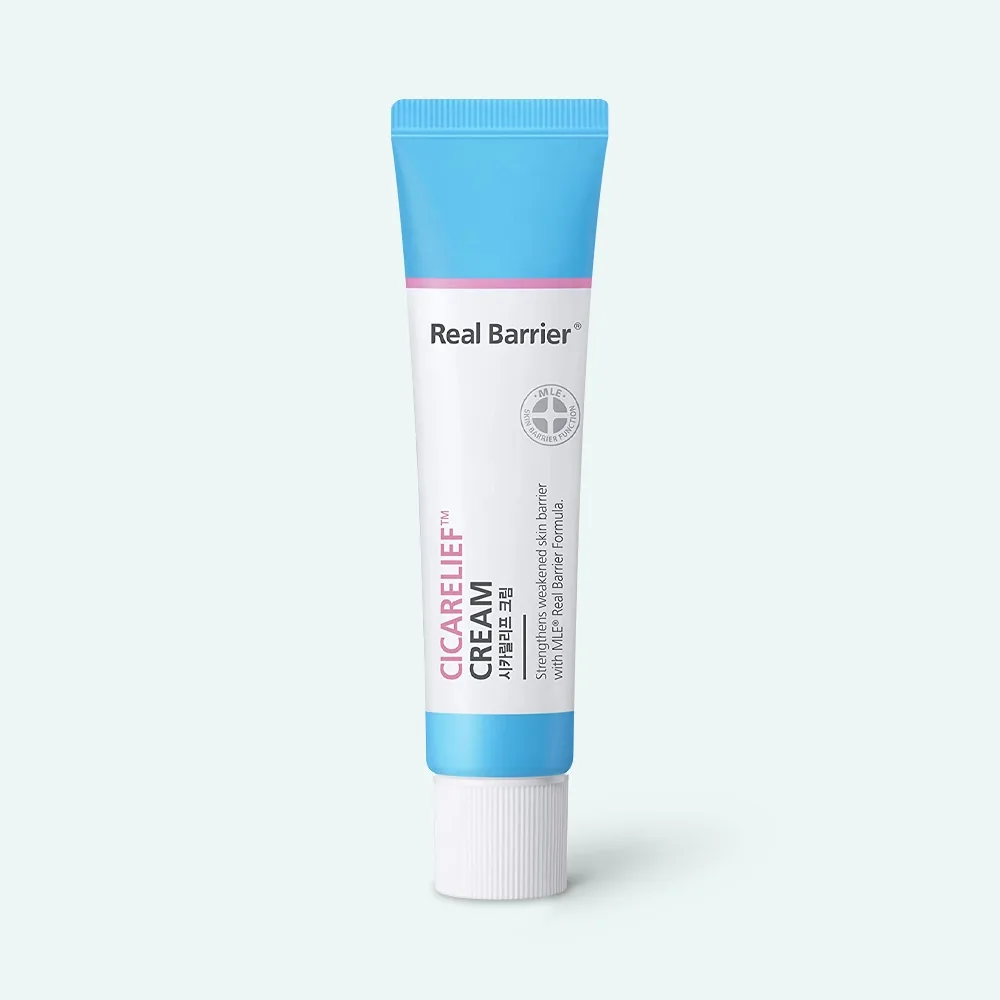
 Real Barrier Cicarelief Cream
One of the best consumer cica creams on the market, combining the full spectrum of centella actives with NeoPharm's MLE ceramide delivery and multiple complementary calming ingredients. Ideal for compromised, reactive, rosacea-prone, or recovering skin, and a staple in Korean dermatology clinic protocols. Minor limitations on packaging, but the formulation is genuinely excellent.
 Transparent 10% Panthenol Cream
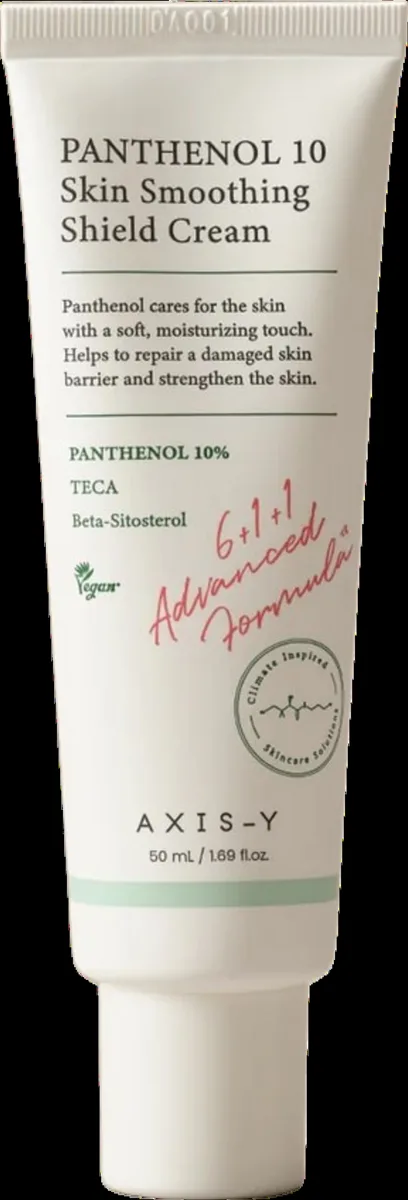
 Panthenol 10 Skin Smoothing Shield Cream
A disclosed 10% panthenol barrier cream built around a full physiological ceramide trio, a centella calming cast, and a modest shea butter occlusive. Fragrance-free, cross-season, and unusually transparent about its hero active — one of the brand's strongest moisturizer formulations.
 K-Beauty Icon
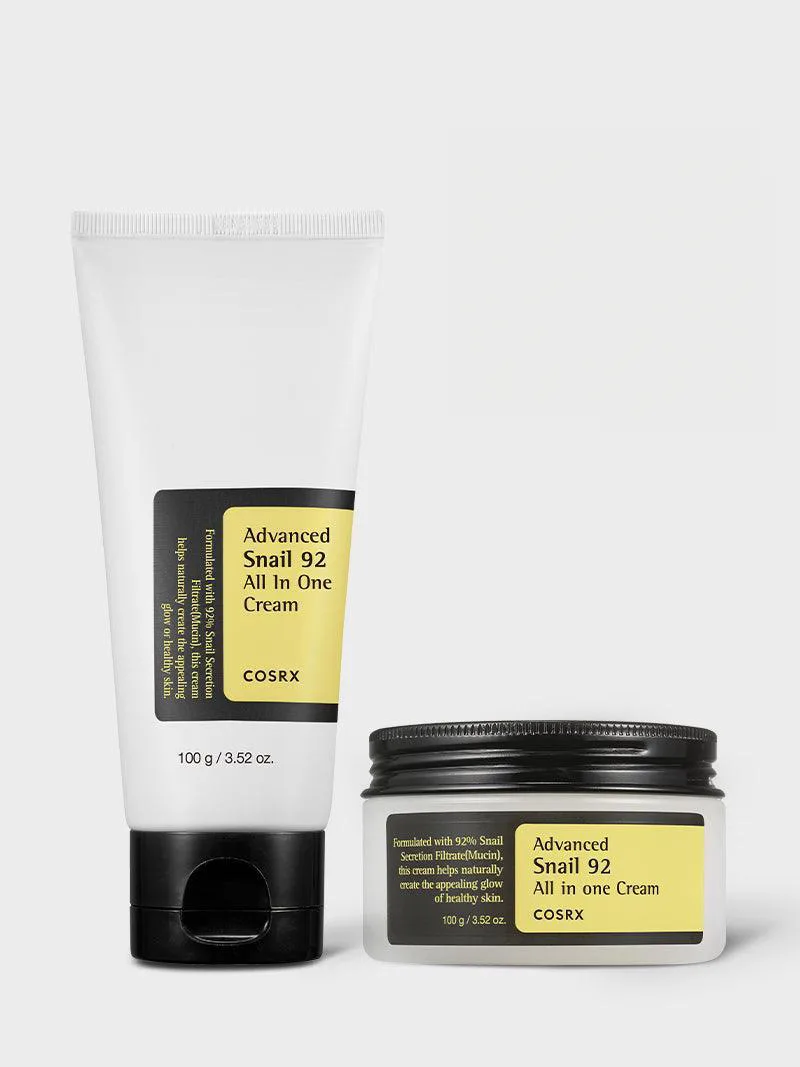
 Advanced Snail 92 All in One Cream
The cream that helped prove snail mucin to the world — and a decade later, it still deserves the reputation. At 92% snail secretion filtrate in a fragrance-free, gentle gel-cream, it delivers hydration, soothing, and gradual skin improvement across virtually every skin type. The texture takes getting used to, but 13 million sold units and 25,000+ reviews suggest most people manage.
This review reflects our independent analysis of publicly available ingredient data, manufacturer claims, and verified user reviews. We are reader-supported — Amazon links may earn us a commission at no cost to you. We do not accept paid placements; rankings are based solely on the evidence.