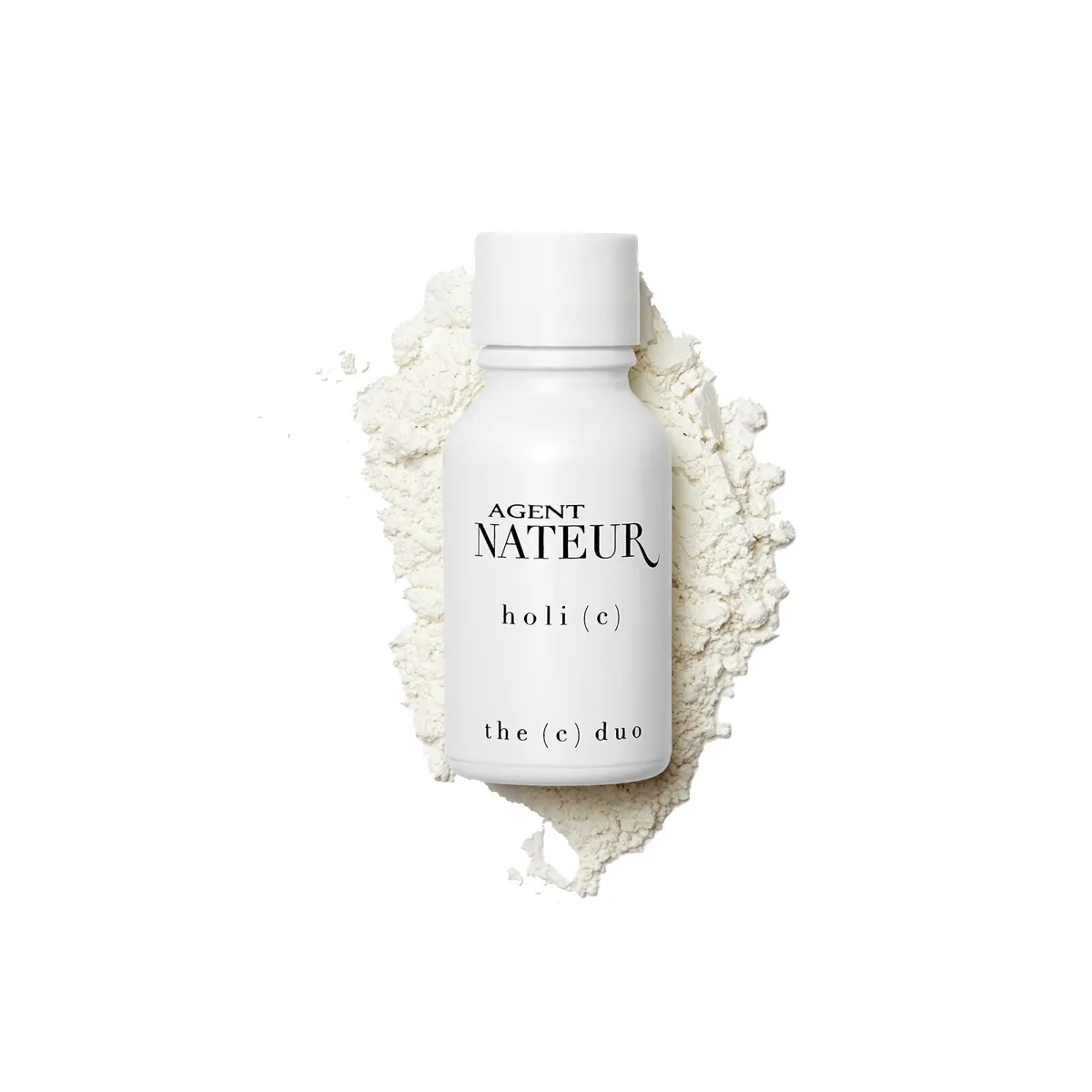
Holi(C) is a radically minimalist powder vitamin C — just sodium ascorbyl phosphate and calcium ketogluconate, activated fresh in your palm every time. The two-ingredient honesty is genuinely elegant, and it sidesteps the oxidation problem that ruins most vitamin C serums. The price is the catch: $135 for what is, structurally, a very small jar of two raw ingredients.
Holi(C) Refining Face Vitamins
Holi(C) is a radically minimalist powder vitamin C — just sodium ascorbyl phosphate and calcium ketogluconate, activated fresh in your palm every time. The two-ingredient honesty is genuinely elegant, and it sidesteps the oxidation problem that ruins most vitamin C serums. The price is the catch: $135 for what is, structurally, a very small jar of two raw ingredients.
Score Breakdown
Where this product gains points and where it loses them — broken down across the four scoring pillars.
Genuinely smart powder format that solves the vitamin C oxidation problem, but the price-per-gram is uncomfortably high for what's essentially ascorbic acid, MAP, and a few botanicals.
Pros & Cons
- ✓Two-ingredient formula sidesteps oxidation entirely
- ✓Sodium ascorbyl phosphate is gentler than L-ascorbic acid
- ✓Tolerable even for sensitive and reactive skin types
- ✓Daily-use friendly with no tingling or stinging
- ✓No fragrance, preservatives, or filler ingredients
- ✓Fresh activation means consistent potency every application
- ✗Extremely expensive for two raw ingredients in a small jar
- ✗SAP works more slowly than L-ascorbic acid for visible results
- ✗Calcium ketogluconate evidence is thinner than marketing implies
- ✗Activation ritual is fussier than a pump-bottle serum
- ✗Small jar size doesn't last long with daily use
Full Review
Most skincare products are about addition. Add humectants for plumpness, add silicones for slip, add antioxidants for marketing, add fragrance to mask the actives, add preservatives to keep the whole thing from spoiling, add stabilizers to keep the actives from breaking down. By the time a typical vitamin C serum hits the shelf, the active ingredient is one molecule competing with twenty others for room on the INCI. Holi(C) takes the opposite path. It contains sodium ascorbyl phosphate and calcium ketogluconate. That is the entire ingredient list. Two molecules in a glass jar.
The two-ingredient minimalism is not a marketing gimmick — it's a chemistry decision. Vitamin C is famously unstable in water, oxidizing on exposure to air and light and degrading into inactive forms within months of being mixed into a serum. Most brands address this by adding ferulic acid, tocopherol, and other stabilizers to slow the decay. Agent Nateur's answer is more elegant: don't add water at all. Keep the vitamin C as a dry powder, and let the user activate it fresh every single application. With nothing dissolved, nothing degrades. Your fiftieth application is as potent as your first.
The two ingredients are worth knowing individually. Sodium ascorbyl phosphate is a phosphorylated derivative of ascorbic acid that's significantly more stable than the free form, works at a skin-friendly pH around 6 to 7, and converts to active vitamin C in the skin via enzymatic action. Its evidence base for brightening and antioxidant activity is solid if more modest than L-ascorbic acid — published studies have shown SAP at 1-5% can reduce hyperpigmentation, support collagen synthesis, and provide measurable antioxidant protection, though the kinetics are slower than the pure acid form. Calcium ketogluconate is a calcium salt that the brand cites for firming and elasticity benefits. The published research on topical calcium ketogluconate specifically is thin — there's some evidence that calcium ions influence keratinocyte differentiation and barrier function, but treating this ingredient as a clinically validated firming active overstates what the literature shows. It's a reasonable supporting actor; it's not the second pillar the marketing implies.
Using the product is a small ritual. You shake a tiny amount of powder into your palm or a non-metal dish, spritz it with two or three pumps of water or a hydrating toner, and rub or stir until it forms a thin watery liquid. You then pat that liquid onto cleansed skin like a serum. There's no tingle, no warming, no waiting period — SAP is gentle enough that even sensitive skin typically feels nothing. Within a minute the liquid has absorbed and your skin looks slightly more reflective. That's it. No rinsing, no follow-up sequence. You proceed with your moisturizer.
Results are quietly real. Used daily over six to eight weeks, Holi(C) delivers a gradual brightening of overall skin tone, a softening of mild post-inflammatory marks, and a generally healthier-looking radiance. None of this is dramatic — SAP is not the sledgehammer that fresh L-ascorbic acid can be — but it is consistent, well-tolerated, and importantly, every application is delivering the same dose. Buyers who've watched their previous vitamin C serums brown over time and quietly stopped working will appreciate the difference.
The limitations are obvious and worth being honest about. The first is the price. At $135 for what is structurally a 20g jar of two raw ingredients, this is one of the most expensive ways to get vitamin C onto your face, full stop. Sodium ascorbyl phosphate is not an exotic or expensive ingredient — formulary brands sell SAP serums at small fractions of this price. Calcium ketogluconate is similarly inexpensive as a raw material. What you're paying the premium for is the powder format, the brand identity, the ritual, and the radical minimalism. For the right buyer, that combination is genuinely worth the cost. For most buyers, the math is hard.
The second limitation is that SAP is genuinely slower-acting than L-ascorbic acid. If you need fast hyperpigmentation fading or are dealing with significant post-inflammatory dark spots, a well-formulated daily L-ascorbic acid serum from a stability-conscious brand will likely deliver faster results. SAP is the patient choice — it earns its keep over months, not weeks.
The third is that the calcium story is overstated. The brand's marketing leans heavily on calcium ketogluconate as a clinically tested firming ingredient, and the published evidence does not really support that framing. Treat it as a pleasant addition rather than the second active you're paying for.
Holi(C) is, in the end, a product that rewards a very specific kind of buyer: someone who values formulation simplicity over ingredient maximalism, who prizes the freshness of every application, and who is willing to pay a real premium for both. For that buyer, the product is genuinely thoughtful and well-considered. For everyone else, there are faster, cheaper, and more comprehensive vitamin C options in every direction.
Formula
Key Ingredients
The hero actives that drive this product's performance.
| Ingredient | Function | Evidence |
|---|---|---|
| Sodium Ascorbyl Phosphate | A stable, water-soluble vitamin C derivative that converts to ascorbic acid in the skin. In this powder format, it stays inert until activated with water — meaning every application delivers fresh vitamin C without the oxidation that plagues pre-mixed serums. Gentler than L-ascorbic acid and works at a higher pH. | promising |
| Calcium Ketogluconate | A calcium salt that the brand cites for skin firming and elasticity benefits. Topical calcium has emerging evidence for influencing keratinocyte differentiation and barrier function, but the published research on calcium ketogluconate specifically as a cosmetic active is limited. | limited |
Full INCI List
Sodium Ascorbyl Phosphate, Calcium Ketogluconate
Product Flags
✓ Fragrance Free✓ Alcohol Free✓ Oil Free✓ Silicone Free✓ Paraben Free✓ Sulfate Free✓ Cruelty Free✓ Vegan✓ Fungal Acne Safe
Compatibility
Skin Match
Best For
normal combination oily dry sensitive
Works For
Not Ideal For
Addresses These Conditions
dullness hyperpigmentation dark spots sun damage aging
Use With Caution
Avoid With
Routine Step
treatment
Time of Day
AM & PM
Pregnancy Safe
Yes ✓
Layering Tips
Mix a small amount of powder with 2-3 spritzes of toner or water in your palm to form a thin liquid, then pat into clean skin. Use daily or every other day. Follow with serum and moisturizer.
Results Timeline
Immediate radiance after the first use. Cumulative brightening of dark spots and even-tone improvements after 6-8 weeks of weekly application.
Pairs Well With
hyaluronic-acidceramidesniacinamidesunscreen
Conflicts With
retinoids
Sample AM Routine
- Cleanser
- Toner
- Agent Nateur Holi(C) Refining Face Vitamins
- Moisturizer
- Sunscreen
Sample PM Routine
- Cleanser
- Toner
- Agent Nateur Holi(C) Refining Face Vitamins
- Moisturizer
Evidence
Who Should Skip
- Extremely expensive for two raw ingredients in a small jar
- SAP works more slowly than L-ascorbic acid for visible results
- Calcium ketogluconate evidence is thinner than marketing implies
- Activation ritual is fussier than a pump-bottle serum
Science & Expert Perspective
The Science
The vitamin C case for sodium ascorbyl phosphate rests on a different evidence track than L-ascorbic acid. SAP is a phosphate ester of ascorbic acid that exists as a stable salt in dry form and remains relatively stable in aqueous solution at neutral pH. After topical application, alkaline phosphatase enzymes in the skin cleave the phosphate group, releasing free ascorbic acid that can then perform the brightening and antioxidant functions associated with vitamin C — tyrosinase inhibition, collagen synthesis support, and free radical scavenging. Research has shown SAP at concentrations between 1% and 5% can reduce hyperpigmentation and improve skin tone over 8-12 weeks of consistent use, with notably better tolerability than L-ascorbic acid for sensitive skin types.
The enzymatic conversion step is both SAP's advantage and its limitation. The advantage is stability: SAP doesn't oxidize at the rate L-ascorbic acid does, meaning a SAP product retains its activity through the bottle's life span — a problem the powder format here makes essentially irrelevant. The limitation is potency: not all of the SAP applied gets converted to free ascorbic acid in the skin, and the process is slower than direct delivery of pre-formed L-ascorbic acid. For users who can tolerate the pure acid form, L-ascorbic acid will generally produce faster and more dramatic results.
Calcium ketogluconate is a calcium salt of 2-ketogluconic acid. Topical calcium has been studied for its role in keratinocyte differentiation, where calcium ions help regulate the maturation of skin cells from the basal layer to the corneal layer. There is some evidence that disrupted calcium gradients in aging skin may contribute to barrier dysfunction. However, robust published research specifically on calcium ketogluconate as a topical firming or elasticity active is limited, and the brand's claim of clinical testing for this specific molecule should be evaluated cautiously.
The powder activation format addresses vitamin C's well-known stability problem at its root by simply removing water from the equation until the moment of application.
Dermatologist Perspective
Dermatologists generally recognize sodium ascorbyl phosphate as a legitimate vitamin C derivative with reasonable evidence for brightening and antioxidant activity, particularly in patients who cannot tolerate L-ascorbic acid. Board-certified dermatologists note that SAP is well-suited for sensitive skin, rosacea-prone skin, and patients new to vitamin C who want to avoid the irritation that pure ascorbic acid can cause. The powder format is not commonly seen in dermatology recommendations because most patients prioritize convenience and consistent application, but for patients who specifically want freshness or who have struggled with oxidized serums, dermatologists may consider it a valid option. The clinical weight given to calcium ketogluconate in this product's marketing is generally not reflected in dermatological literature, and dermatologists would typically not recommend this product specifically for firming claims.
Guidance
Usage Guide
How to Use
Use daily or every other day, morning or night. Cleanse skin and pat dry. Sprinkle a small amount of powder into your palm or a non-metal dish, spritz with 2-3 pumps of water or hydrating toner, and rub or stir until it forms a thin watery liquid. Pat gently into face, neck, and décolleté. Do not rinse. Follow with your usual serums and moisturizer. In the morning, always finish with broad-spectrum sunscreen to preserve the brightening progress. Avoid combining with retinoids on the same evening if you have sensitive skin.
Value Assessment
At $135 for a small jar of two raw ingredients, Holi(C) is priced at a level that demands honest assessment. There is no larger size offered to soften the cost. Both sodium ascorbyl phosphate and calcium ketogluconate are inexpensive as raw materials — formulary brands sell SAP-based vitamin C serums at small fractions of this price, and the brand premium here is substantial. What you're paying for is the powder format, the freshness guarantee, the brand story, and the radical minimalism. For buyers who care about all of those factors deeply, the price is intentional. For buyers focused on ingredient cost or on getting the most active vitamin C per dollar, this is one of the harder products in the category to justify financially.
Who Should Buy
Buyers who value formulation minimalism, freshness, and the brand identity enough to pay a premium for them. Best suited for sensitive and reactive skin types who can't tolerate L-ascorbic acid, and for anyone who has watched their previous vitamin C serums oxidize and quietly fail.
Who Should Skip
Anyone shopping primarily on ingredient cost, anyone who needs fast hyperpigmentation fading, and skincare maximalists who want a multi-active vitamin C serum with ferulic acid, tocopherol, and supporting ingredients. Pre-formulated daily serums will deliver more comprehensive results for far less money.
Ready to try Agent Nateur Holi(C) Refining Face Vitamins?
Details
Details
Texture
Fine yellow-tan powder that activates into a thin paste when mixed with water
Scent
Faint citrus and green tea note from the powders
Packaging
Glass jar with screw-top lid that keeps the powder dry and protected from air
Finish
natural
What to Expect on First Use
First use feels like a watery essence rather than an acid treatment — the sodium ascorbyl phosphate is gentle and unlikely to sting. Skin looks slightly more luminous immediately, with cumulative brightening over weeks of use.
How Long It Lasts
About 2-3 months with daily use
Period After Opening
12 months
Best Season
All Year
Background
The Why
Founder Jena Covello developed Holi(C) after frustration with the way pre-mixed vitamin C serums oxidize and lose efficacy. The powder format was a deliberate engineering choice to deliver true L-ascorbic acid without preservatives or stabilizers, drawing on traditional apothecary practices.
About Agent Nateur Established Brand (5–20 years)
Agent Nateur was founded in 2014 by Jena Covello as a clean beauty brand built on influencer endorsements and celebrity testimonials rather than published clinical research. The brand has accumulated a loyal following but does not publish independent efficacy studies of its formulations.
Brand founded: 2014 · Product launched: 2019
Myth vs. Reality
Myths & Misconceptions
Myth
Sodium ascorbyl phosphate is just a weak version of L-ascorbic acid.
Reality
SAP is more stable, gentler on the skin, and converts to active vitamin C upon penetration. It's not as fast-acting as pure ascorbic acid but it's far less prone to degradation and works for skin types that can't tolerate the stronger form.
Myth
More ingredients in a vitamin C product means it's more effective.
Reality
This formula's two-ingredient minimalism is a deliberate stability choice. Adding humectants, oils, or stabilizers would compromise the powder's shelf-stable structure and reintroduce the oxidation problem the format was designed to solve.
FAQ
Frequently Asked Questions
How does the powder activate and how do you use it?
Mix a small amount of powder with 2-3 spritzes of water or hydrating toner in your palm or a non-metal dish until it forms a thin liquid, then pat gently into clean skin. Unlike a rinse-off mask, this is patted in like a serum and left on. Use daily or every other day.
Is Holi(C) better than a traditional vitamin C serum?
It uses sodium ascorbyl phosphate, a stable vitamin C derivative, in a powder format that stays inert until activated. This sidesteps the oxidation problem of pre-mixed serums. The trade-off is that SAP works more slowly than L-ascorbic acid and the price-per-gram is significantly higher than most vitamin C products.
Can I use Holi(C) with retinol?
Yes, generally. SAP is much gentler than L-ascorbic acid and unlikely to sting. Pair on alternating evenings rather than the same night with retinol if you're sensitive.
Is this safe for sensitive skin?
Yes — sodium ascorbyl phosphate is one of the gentler vitamin C derivatives and is well-tolerated by most sensitive skin types. The two-ingredient formula minimizes potential reactivity from extras like fragrances or extracts.
Why is Holi(C) so expensive?
You're paying for the powder format, the clean beauty supply chain, and the brand identity. The actual ingredients — ascorbic acid, MAP, bromelain, kaolin — are individually inexpensive. Whether the format and brand are worth the premium depends on your priorities.
Does it work on dark spots?
Vitamin C has well-established evidence for fading hyperpigmentation when used consistently over 6-12 weeks. As a weekly treatment, Holi(C) can contribute to brightening, though daily vitamin C serums typically deliver faster spot-fading results.
Community
Community Voices
Common Praise
"Skin glows after use"
"Solves the oxidized vitamin C problem"
"Activation ritual feels luxurious"
Common Complaints
"Steep price for a small jar"
"Stings on sensitive skin"
"Requires patience with the mixing process"
Notable Endorsements
Stocked at Credo BeautyStocked at DermstoreFeatured in clean beauty editorial coverage
Appears In
best vitamin c powder best clean beauty vitamin c best brightening treatment mask best vitamin c for dullness best vitamin c mask for dark spots
Related Conditions
dullness hyperpigmentation dark spots
Related Ingredients
You Might Also Like
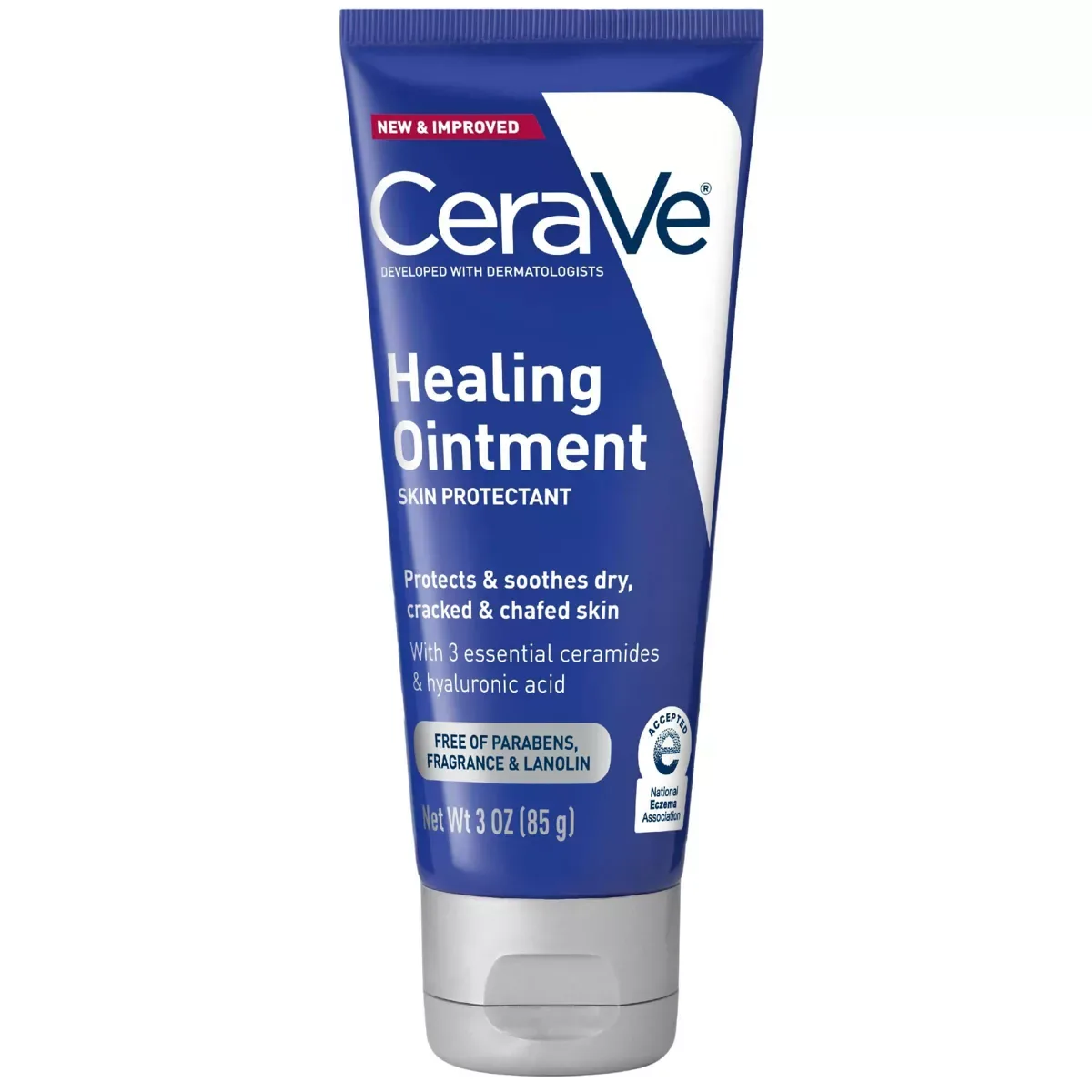 Barrier Rescue Hero
 Healing Ointment
CeraVe's Healing Ointment takes the simplest concept in skincare — seal the skin with petrolatum — and makes it genuinely intelligent by adding ceramides, hyaluronic acid, and panthenol beneath the occlusive layer. It is the gold standard drugstore occlusive for barrier rescue, slugging, and post-procedure care.
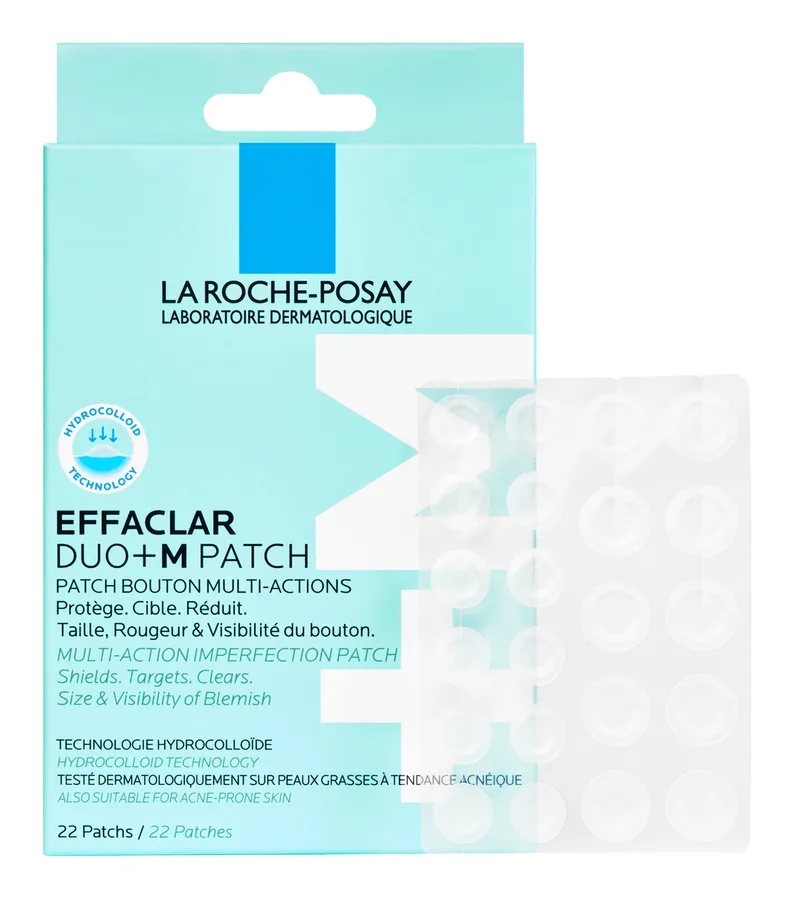 Derm Office Staple
 Effaclar Multi-Target Blemish Patches
One of the few hydrocolloid pimple patches that actually stays on overnight without curling off at 3am. At 420 microns thick with two size options in one pack and zero actives to irritate sensitive skin, this is the Effaclar line's quiet overachiever — and a legitimately good answer for anyone whose acne routine has been sabotaged by thinner patches that refuse to stay put.
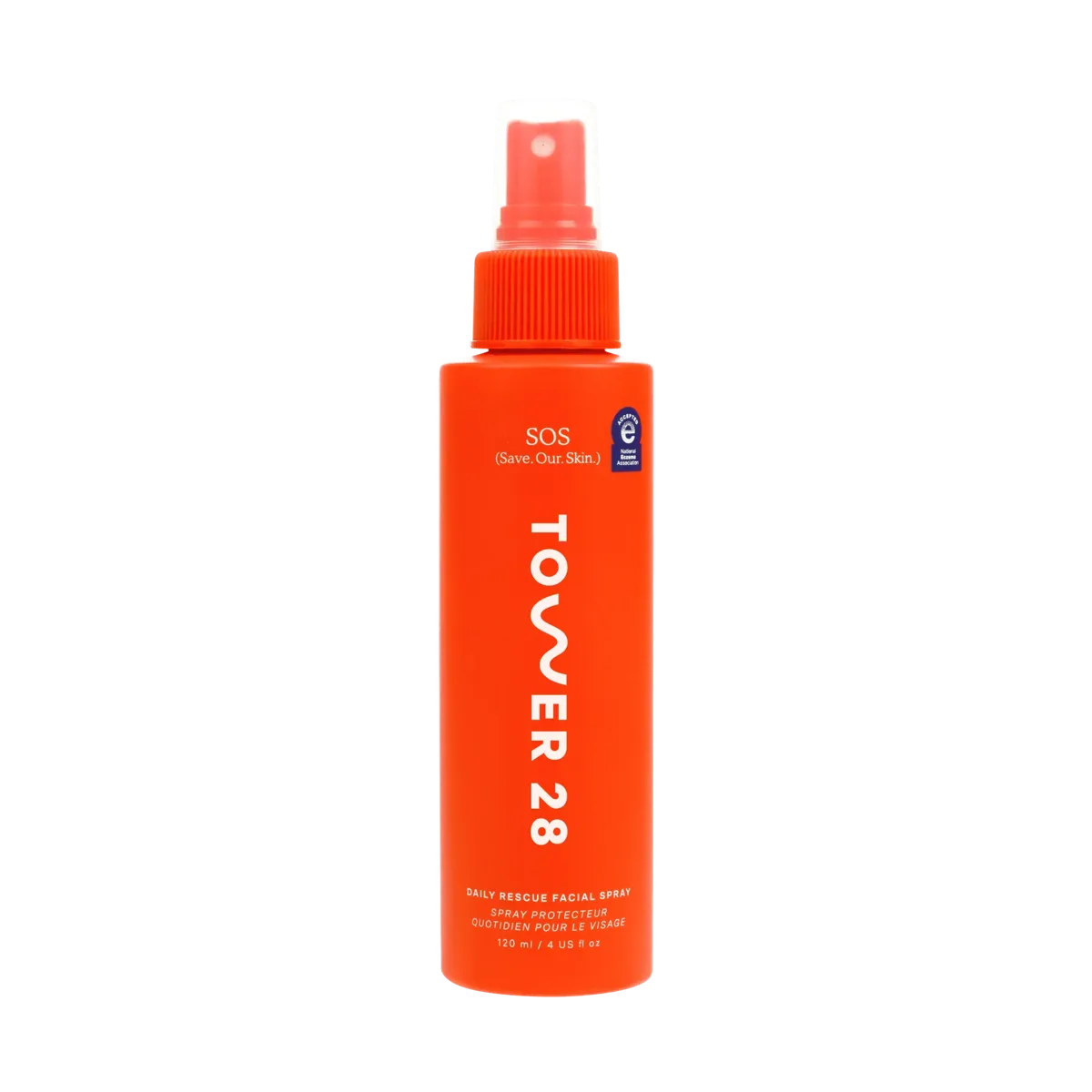 Reactive-Skin Cult Favorite
 SOS Save Our Skin Daily Rescue Facial Spray
The product that single-handedly brought hypochlorous acid into mainstream skincare. A fine-mist HOCl spray with genuine dermatology-organization validation, a near-perfect tolerability profile, and a cult following among people whose skin reacts to everything else. The price runs steeper than medical-grade HOCl, but the stabilization and design are worth the difference for daily use.
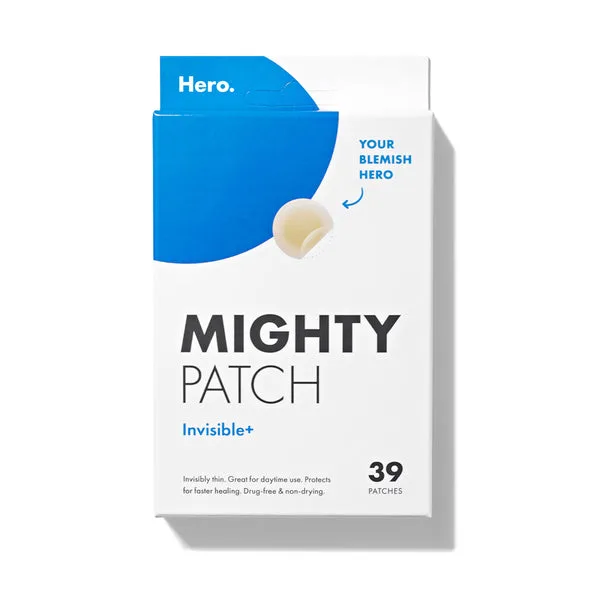
Mighty Patch Invisible+
The pimple patch that proved acne treatment could be invisible — Mighty Patch Invisible+ delivers the same fluid-absorbing hydrocolloid technology as the category-defining Original, but engineered thin enough to disappear under makeup. For daytime blemish management, nothing else comes this close to invisible.
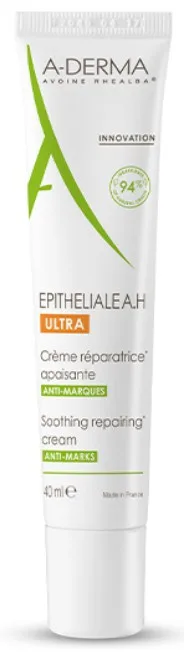 Post-Procedure MVP
 Epitheliale A.H Ultra Repairing Cream
One of the best-formulated French pharmacy repair creams on the market, full stop. Rhealba oat, three-weight HA, madecassoside, trace minerals, panthenol, and shea butter come together in a cream that handles post-procedure skin, eczema flares, friction damage, and compromised barriers with unusual competence for the price.
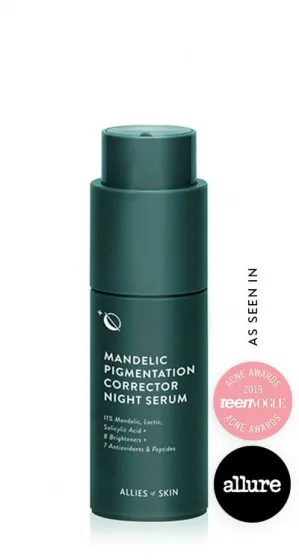 Pigmentation Specialist Pick
 Mandelic Pigmentation Corrector Night Serum
One of the most thoughtfully formulated pigmentation serums on the market. Mandelic acid leads, but the real story is the supporting cast — tranexamic acid, azelaic acid, niacinamide, and bakuchiol attacking hyperpigmentation through five different pathways. Specifically formulated to be safe on melanin-rich skin and it shows.
This review reflects our independent analysis of publicly available ingredient data, manufacturer claims, and verified user reviews. We are reader-supported — Amazon links may earn us a commission at no cost to you. We do not accept paid placements; rankings are based solely on the evidence.