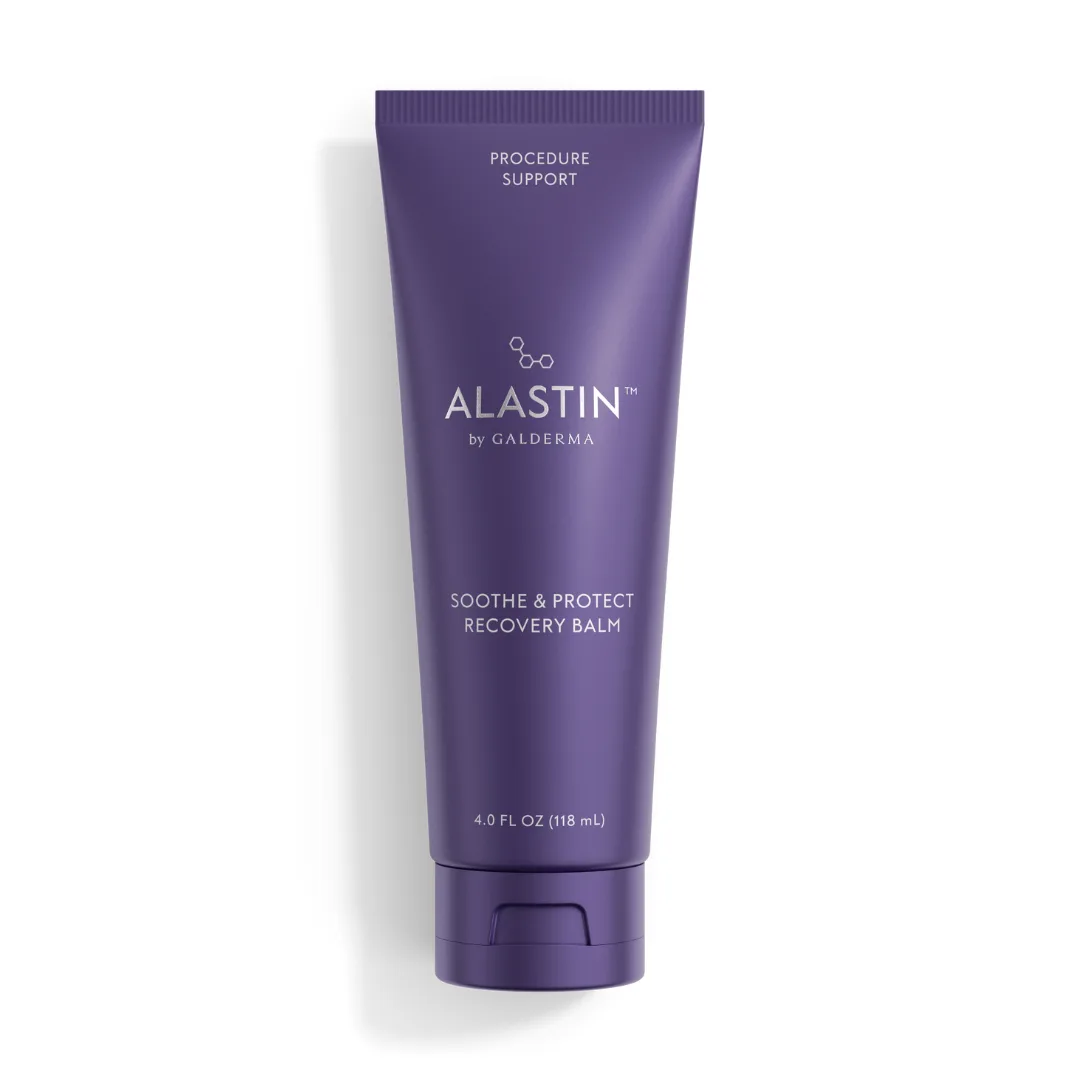
Radically simple and deliberately so — eight ingredients, petrolatum as the star, and just enough botanical actives to justify calling it a treatment rather than just a fancy jar of Vaseline. For post-procedure skin, it is exactly what it needs to be.
Soothe + Protect Recovery Balm
Radically simple and deliberately so — eight ingredients, petrolatum as the star, and just enough botanical actives to justify calling it a treatment rather than just a fancy jar of Vaseline. For post-procedure skin, it is exactly what it needs to be.
Score Breakdown
Where this product gains points and where it loses them — broken down across the four scoring pillars.
A beautifully minimalist post-procedure occlusive with only 8 ingredients — petrolatum as the gold-standard barrier, augmented with active soothing botanicals. The simplicity is deliberate and appropriate for compromised skin. At $52 for 4 oz, it is reasonably priced for the physician-dispensed channel. The niche post-procedure use case limits suitability breadth, and the petrolatum base is too heavy for daily use on oily skin.
Pros & Cons
- ✓Radically simple 8-ingredient formula minimizes irritation risk on compromised skin
- ✓Petrolatum base provides gold-standard occlusive protection reducing TEWL by up to 98%
- ✓Passed formal comedogenicity testing for facial use despite the thick petrolatum base
- ✓Physalis angulata and bisabolol provide genuine anti-inflammatory activity beyond basic occlusion
- ✓Most affordable product in Alastin's lineup at $52 for a generous 4 oz jar
- ✓Versatile — works for post-procedure recovery, eczema flares, chapped lips, and windburn
- ✗Thick, greasy texture is impractical for daily wear or use under makeup
- ✗The price premium over Aquaphor or Vaseline may be hard to justify for non-procedure use
- ✗Not suitable as a daily moisturizer for oily or acne-prone skin types
- ✗Contains BHT as a preservative, which some users prefer to avoid
- ✗Simple formula means it provides protection rather than active treatment
Full Review
Eight ingredients. That is it. In an era where even basic moisturizers routinely contain thirty to fifty components, Alastin's Soothe + Protect Recovery Balm contains eight. And the first one is petrolatum — the same ingredient that has been sitting in medicine cabinets since Robert Chesebrough patented Vaseline in 1872. This is either the most honest product in physician-dispensed skincare or the most audacious, and it might be both.
The philosophy behind this balm is disarmingly simple: when skin is at its most compromised — freshly lasered, peeled, or microneedled — the last thing it needs is complexity. Every additional ingredient is a potential trigger. Every active compound is another variable on skin that is already overwhelmed. What compromised skin needs most is protection. A barrier between its raw, healing surface and everything the world wants to throw at it.
Petrolatum is arguably the most effective occlusive agent ever studied. Research has demonstrated it reduces transepidermal water loss by up to 98% — a performance standard that no plant oil, ceramide blend, or silicone formulation has matched. It is too large molecularly to penetrate pores, which is why this product passed formal comedogenicity testing despite being, essentially, a jar of petroleum-derived wax. Pharmaceutical-grade petrolatum is remarkably pure, biocompatible, and inert — it sits on the surface doing exactly one thing extraordinarily well.
But Alastin did not just put petrolatum in a jar and add a $52 price tag. The three botanical additions are what elevate this from generic occlusive to targeted recovery product. Physalis angulata extract — derived from a plant in the cape gooseberry family — has documented anti-inflammatory and wound-healing properties. It is an unusual botanical choice for skincare, which suggests Alastin specifically sought it out for its post-procedure calming benefits rather than pulling from the standard rotation of chamomile and aloe.
Bisabolol, derived from chamomile, provides its well-documented anti-inflammatory properties. And shea butter extract — specifically the triterpene fraction rather than whole shea butter — adds another layer of soothing activity. The triterpene extraction is a nice detail: it delivers the anti-inflammatory compounds from shea without the full lipid load, keeping the formula focused.
Tocopherol (vitamin E) provides antioxidant protection, and BHT stabilizes the formula. Hydrogenated microcrystalline wax gives the balm its solid structure, and caprylic/capric triglyceride serves as a lightweight carrier for the botanical extracts.
The texture is exactly what you would expect from a petrolatum-based balm: thick, waxy, and unambiguously greasy. It melts on contact with warm skin and creates a visible, shiny layer over the treated area. This is not a product designed for cosmetic elegance — it is designed for protection. You will not apply this and head to a meeting. You will apply this and let your skin heal underneath it.
For post-procedure use, the application experience is genuinely comforting. There is something deeply reassuring about covering raw, sensitive skin with a thick protective layer. No stinging, no tingling, no sensation at all beyond mild warmth and the physical feeling of a barrier forming. It is the skincare equivalent of a warm blanket on a cold day.
The versatility beyond post-procedure recovery is where this balm earns unexpected loyalty. Users report success with eczema flares, severely chapped lips, windburned skin, and even cracked hands. The minimalist formula means it works anywhere skin needs protection and soothing without the risk of irritation from a complex ingredient list.
The value proposition is interesting. At $52 for 4 ounces, this is the most affordable product in the Alastin lineup — and the per-ounce cost of $13 is reasonable for the physician-dispensed channel. But the inevitable comparison to Aquaphor ($5-10) and plain Vaseline ($3-5) looms large. The honest assessment: the physalis angulata, bisabolol, and shea triterpenes do add genuine therapeutic value for post-procedure recovery, and the comedogenicity testing provides peace of mind for facial use. Whether those additions are worth the price premium depends on whether you are using this on lasered skin (where every soothing advantage matters) or just chapped lips (where Aquaphor works just fine).
The 4-ounce jar lasts a long time — even with generous post-procedure application, most users get two to four months from a single jar. The simple formula is also incredibly shelf-stable, with no water-based components to harbor microbial growth.
In the context of Alastin's lineup, this balm serves as the foundational layer — the last thing applied, the final protective step over the brand's more complex serums and treatments. It does not have the peptide technology, the HA-boosting innovation, or the multi-pathway active approach of its siblings. What it has is a clear understanding of what compromised skin actually needs, and the confidence to deliver exactly that without overcomplicating it.
Formula
Key Ingredients
The hero actives that drive this product's performance.
| Ingredient | Function | Evidence |
|---|---|---|
| Petrolatum | The base and primary active of this formula, providing the gold-standard occlusive barrier that prevents transepidermal water loss. Petrolatum creates a near-impenetrable moisture seal over compromised post-procedure skin — it is the most effective occlusive agent available, reducing TEWL by up to 98%. In this minimal 8-ingredient formula, it does the heavy lifting for barrier protection. | well-established |
| Physalis Angulata Extract | A botanical extract from the cape gooseberry family with documented anti-inflammatory and wound-healing properties. In this post-procedure balm it provides bioactive calming that goes beyond simple occlusion — helping soothe the inflammatory response triggered by laser treatments, peels, and other skin-resurfacing procedures. | emerging |
| Shea Butter Triterpenes | Extracted triterpene compounds from shea butter that provide targeted anti-inflammatory and skin-soothing activity without the full lipid load of whole shea butter. In this occlusive balm, they complement the petrolatum barrier with active soothing that supports the skin's recovery process. | promising |
| Bisabolol | A chamomile-derived anti-inflammatory and antioxidant that calms irritated skin. In this minimalist formula, bisabolol adds a layer of active soothing to the protective occlusive barrier, helping reduce the redness and discomfort that follow skin-resurfacing procedures. | well-established |
Full INCI List
Petrolatum, Hydrogenated Microcrystalline Wax, Physalis Angulata Extract, Caprylic/Capric Triglyceride, Butyrospermum Parkii (Shea) Butter Extract, Bisabolol, Tocopherol, BHT
Product Flags
✓ Fragrance Free✓ Alcohol Free✗ Oil Free✓ Silicone Free✓ Paraben Free✓ Sulfate Free✓ Cruelty Free✗ Vegan✗ Fungal Acne Safe
Potential Irritants
BHT
Compatibility
Skin Match
Best For
Works For
Not Ideal For
Addresses These Conditions
post procedure compromised skin barrier dryness eczema sensitivity
Use With Caution
Routine Step
occlusive
Time of Day
AM & PM
Pregnancy Safe
Yes ✓
Layering Tips
Apply as the final step in your routine to seal in all previous products. For post-procedure use, apply a generous layer over treatment serums. Can also be used on its own as a protective barrier on compromised skin. Use on lips, hands, and any area needing occlusive protection.
Results Timeline
Immediate occlusive protection and comfort on application. Noticeable barrier repair and moisture retention within 1-3 days of consistent use. Supports faster post-procedure healing over the recovery period (typically 5-14 days depending on procedure).
Pairs Well With
Alastin Regenerating Skin NectarHyaluronic acid serumsAlastin Restorative Skin Complex
Sample AM Routine
- Gentle cleanser (if tolerated)
- Treatment serum
- Alastin Soothe + Protect Recovery Balm
Sample PM Routine
- Gentle cleanser (if tolerated)
- Treatment serum
- Alastin Soothe + Protect Recovery Balm
Evidence
Who Should Skip
- Thick, greasy texture is impractical for daily wear or use under makeup
- The price premium over Aquaphor or Vaseline may be hard to justify for non-procedure use
- Not suitable as a daily moisturizer for oily or acne-prone skin types
- Contains BHT as a preservative, which some users prefer to avoid
Science & Expert Perspective
The Science
Petrolatum remains the most effective topical occlusive agent documented in dermatological literature. A landmark study published in the Journal of the Society of Cosmetic Chemists demonstrated that petrolatum reduces transepidermal water loss by up to 98% — significantly outperforming alternatives including mineral oil (~40% reduction), dimethicone (~20-30%), and plant oils (variable). This makes it the clinical gold standard for barrier restoration on compromised skin.
The moist wound healing principle, established by George Winter's 1962 research published in Nature, demonstrated that maintaining a moist environment accelerates epidermal repair. Petrolatum-based occlusives create this environment without the infection risk of wet dressings, which is why petrolatum-based products are the standard of care for post-laser and post-surgical wound management in dermatology.
Physalis angulata has been studied for its wound-healing and anti-inflammatory properties in research published in the Journal of Ethnopharmacology. The plant contains physalins — steroidal lactones with documented anti-inflammatory activity — that may contribute to the calming properties beyond simple occlusion.
Bisabolol's anti-inflammatory mechanism has been characterized in published research showing inhibition of 5-lipoxygenase and cyclooxygenase pathways, reducing prostaglandin production at the application site. This provides clinically relevant soothing for the acute inflammatory phase following dermatologic procedures.
Dermatologist Perspective
Dermatologists frequently reach for petrolatum-based occlusives as the foundation of post-procedure care protocols. Board-certified dermatologists note that the simplicity of this formula is its greatest asset — on skin that has been deliberately wounded by laser, peel, or microneedling, minimizing ingredient exposure reduces the risk of sensitization and irritation. The addition of physalis angulata and bisabolol is viewed as a meaningful upgrade over plain petrolatum for procedure recovery, though dermatologists acknowledge that plain Vaseline works adequately for patients who cannot access or afford this product. The non-comedogenic testing is particularly valued, as many patients are concerned about applying heavy occlusives to the face.
Guidance
Usage Guide
How to Use
Apply a generous layer as the final step in your skincare routine, sealing in all previous products. For post-procedure use: apply directly over treatment serums (such as Alastin Regenerating Skin Nectar) to create a protective barrier. Reapply as needed throughout the day when the balm layer thins or is removed. For general barrier repair: apply to affected areas (lips, hands, eczema patches) as needed. Consult your dermatologist for procedure-specific timing and frequency.
Value Assessment
At $52 for 4 oz, this is Alastin's most accessible product and a reasonable price in the physician-dispensed channel. The per-ounce cost of $13 is premium compared to Aquaphor ($1-2/oz) but justified by the physalis angulata extract, comedogenicity testing, and brand positioning. For post-procedure recovery where active soothing matters, the botanical additions provide genuine value. For general occlusive needs (chapped lips, dry patches), less expensive alternatives deliver comparable barrier protection. The 4 oz jar lasts 2-4 months of typical use.
Who Should Buy
Anyone undergoing skin-rejuvenating procedures (laser, chemical peels, microneedling) who needs a simple, effective occlusive barrier. Also excellent for eczema sufferers, those with severely compromised barriers, and anyone who wants a minimalist, clinically validated occlusive without the complexity of typical recovery creams.
Who Should Skip
Anyone with oily skin looking for a daily moisturizer — this is too heavy and greasy for regular wear. If your barrier is healthy and you just want everyday hydration, a lighter moisturizer serves you better. Budget-conscious shoppers who primarily need basic occlusion may find comparable protection from Aquaphor at a fraction of the price.
Ready to try Alastin Soothe + Protect Recovery Balm?
Details
Details
Texture
Thick, rich petrolatum-based balm with a waxy, protective consistency. Melts on contact with warm skin and creates a visible occlusive layer. Heavy and greasy by design — this is a barrier product, not a cosmetically elegant moisturizer.
Scent
Unscented — no detectable fragrance.
Packaging
Opaque jar with screw-top lid. Generous 4 oz size provides ample product for post-procedure recovery.
Finish
dewynon-greasy
What to Expect on First Use
Immediate comfort and protective sensation on compromised skin. The thick balm creates a physical shield over tender areas. No stinging or irritation — designed for raw, freshly treated skin.
How Long It Lasts
2-4 months depending on area of application and frequency
Period After Opening
12 months
Best Season
All Year
Certifications
Non-comedogenicHypoallergenic
Background
The Why
This balm represents Alastin's most stripped-back product philosophy. While the brand's other products feature complex peptide technology, the Soothe + Protect recognizes that sometimes compromised skin just needs protection, not actives. It is the product dermatologists reach for when a patient's skin is too raw for even the gentlest serum — the last line of defense in the recovery toolkit.
About Alastin Established Brand (5–20 years)
Alastin Skincare was founded in 2015 and acquired by Galderma in 2022. This recovery balm reflects the brand's core expertise in post-procedure skincare, offering a pared-down occlusive formula for compromised skin protection.
Brand founded: 2015
Myth vs. Reality
Myths & Misconceptions
Myth
Petrolatum clogs pores and causes breakouts.
Reality
Pharmaceutical-grade petrolatum has been extensively tested and is considered non-comedogenic. This specific product passed formal comedogenicity testing. The molecule is too large to penetrate pores — it sits on the surface creating a barrier. That said, the heavy, greasy texture makes it best suited for post-procedure use rather than daily wear on oily or acne-prone skin.
Myth
A $52 balm made mostly of petrolatum is overpriced.
Reality
The 4 oz size makes the per-ounce cost $13 — the most affordable product in the Alastin line. The physalis angulata extract, shea triterpenes, and bisabolol add genuine therapeutic value beyond plain petrolatum. The non-comedogenic testing, clinical validation, and physician-dispensed positioning also contribute to the price. That said, plain petrolatum at $5 would provide similar occlusive protection without the botanical actives.
FAQ
Frequently Asked Questions
Can I use Alastin Soothe + Protect Recovery Balm on my face?
Yes — this balm passed comedogenicity testing and is specifically designed for facial use after skin-rejuvenating procedures. The petrolatum base creates a protective barrier over treated skin without clogging pores. However, the thick, greasy texture makes it impractical for daily wear under makeup — it is best suited for post-procedure recovery or overnight use.
Is Alastin Recovery Balm just expensive petrolatum?
The base is pharmaceutical-grade petrolatum, but the formula includes three active botanical ingredients — physalis angulata extract for calming, shea butter triterpenes for soothing, and bisabolol for anti-inflammatory support. These provide therapeutic benefits beyond plain petrolatum's occlusive function. At $52 for 4 oz, it is the most affordable product in Alastin's lineup.
When should I apply this balm after a procedure?
Follow your dermatologist's specific instructions, as timing varies by procedure type. Generally, this balm is applied as the final step after treatment serums during the recovery period. It creates a protective barrier that locks in previous products and shields compromised skin from environmental irritants.
Can I use this for eczema?
Several users report success using this balm for eczema management. The simple 8-ingredient formula minimizes potential triggers, and the petrolatum base provides the occlusive barrier that eczema-prone skin needs. The anti-inflammatory botanicals add soothing benefits beyond basic petrolatum. However, this is not formulated specifically as an eczema treatment — consult your dermatologist for persistent eczema.
How does this compare to Aquaphor or plain Vaseline?
All three provide effective petrolatum-based occlusion. The Alastin balm adds physalis angulata, bisabolol, and shea triterpenes for active soothing — ingredients absent from Aquaphor and Vaseline. It has also passed formal comedogenicity testing for facial use. The trade-off is price: $52 vs $5-10 for Aquaphor. For post-procedure recovery where minimizing inflammation matters, the botanical actives add value. For basic moisture sealing, the less expensive options work well.
Community
Community Voices
Common Praise
"Excellent post-procedure barrier protection"
"Incredibly soothing on irritated and compromised skin"
"Works well for eczema and severely dry lips"
"Simple formula with no irritating additives"
Common Complaints
"Too greasy for daily use on the face"
"Essentially premium petrolatum with a few botanicals"
"Not suitable as an everyday moisturizer"
Notable Endorsements
Dispensed through dermatologist offices for post-procedure recoveryPassed comedogenicity testing despite petrolatum base
Appears In
best treatment for post procedure best treatment for compromised skin barrier best treatment for eczema
Related Conditions
post procedure compromised skin barrier eczema dryness sensitivity
Related Ingredients
You Might Also Like
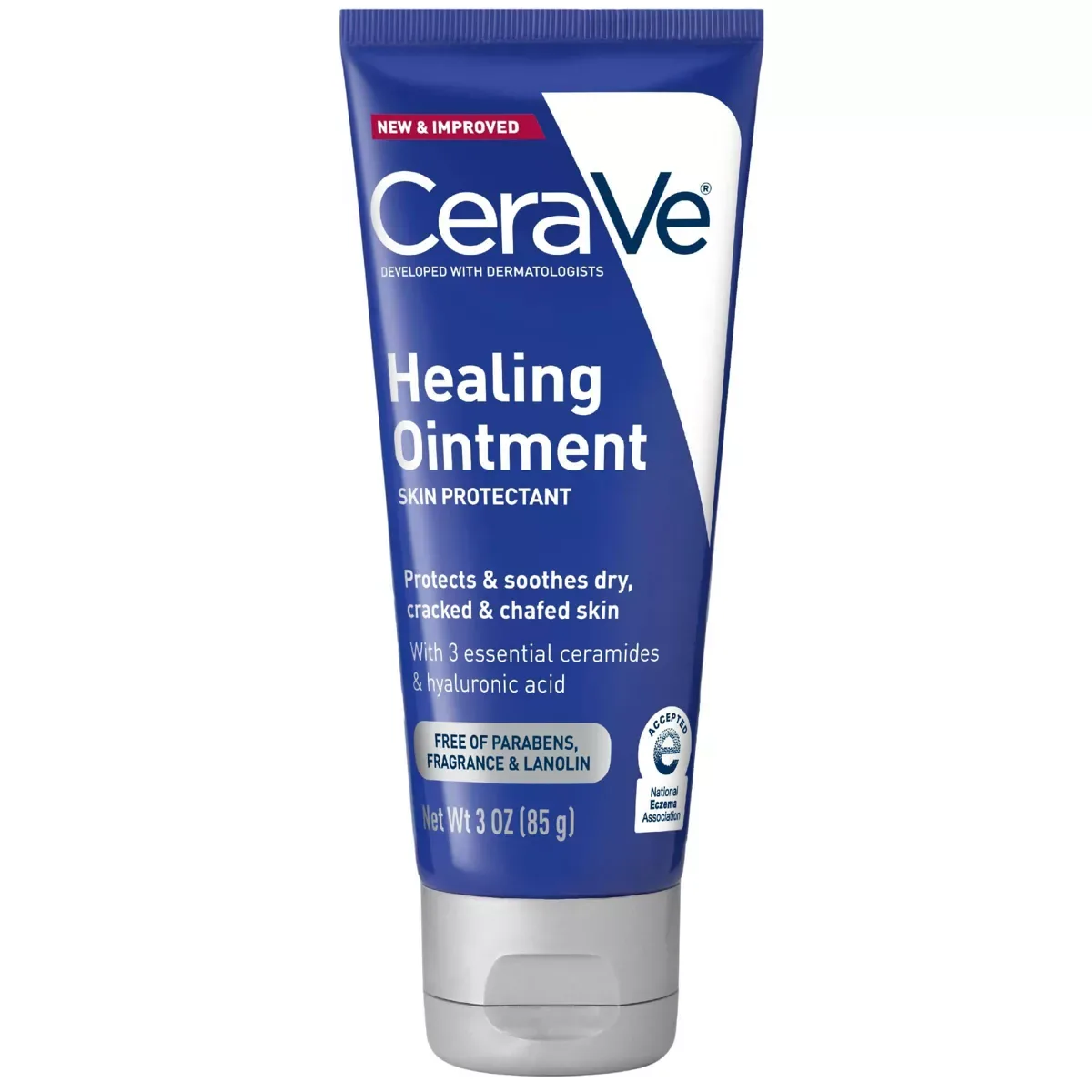 Barrier Rescue Hero
 Healing Ointment
CeraVe's Healing Ointment takes the simplest concept in skincare — seal the skin with petrolatum — and makes it genuinely intelligent by adding ceramides, hyaluronic acid, and panthenol beneath the occlusive layer. It is the gold standard drugstore occlusive for barrier rescue, slugging, and post-procedure care.
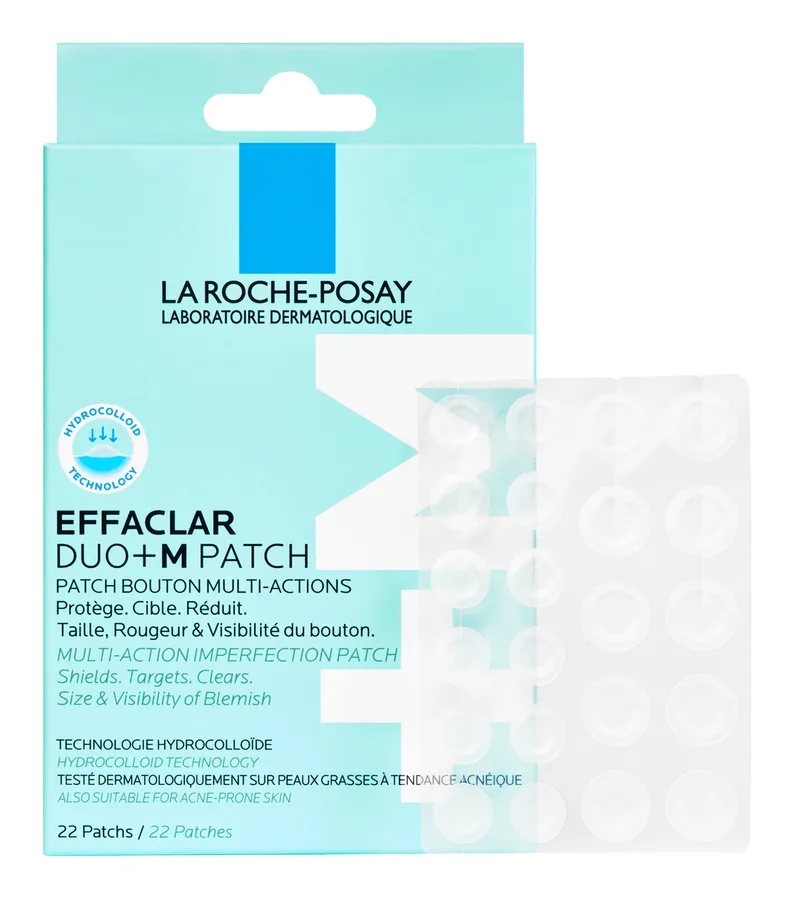 Derm Office Staple
 Effaclar Multi-Target Blemish Patches
One of the few hydrocolloid pimple patches that actually stays on overnight without curling off at 3am. At 420 microns thick with two size options in one pack and zero actives to irritate sensitive skin, this is the Effaclar line's quiet overachiever — and a legitimately good answer for anyone whose acne routine has been sabotaged by thinner patches that refuse to stay put.
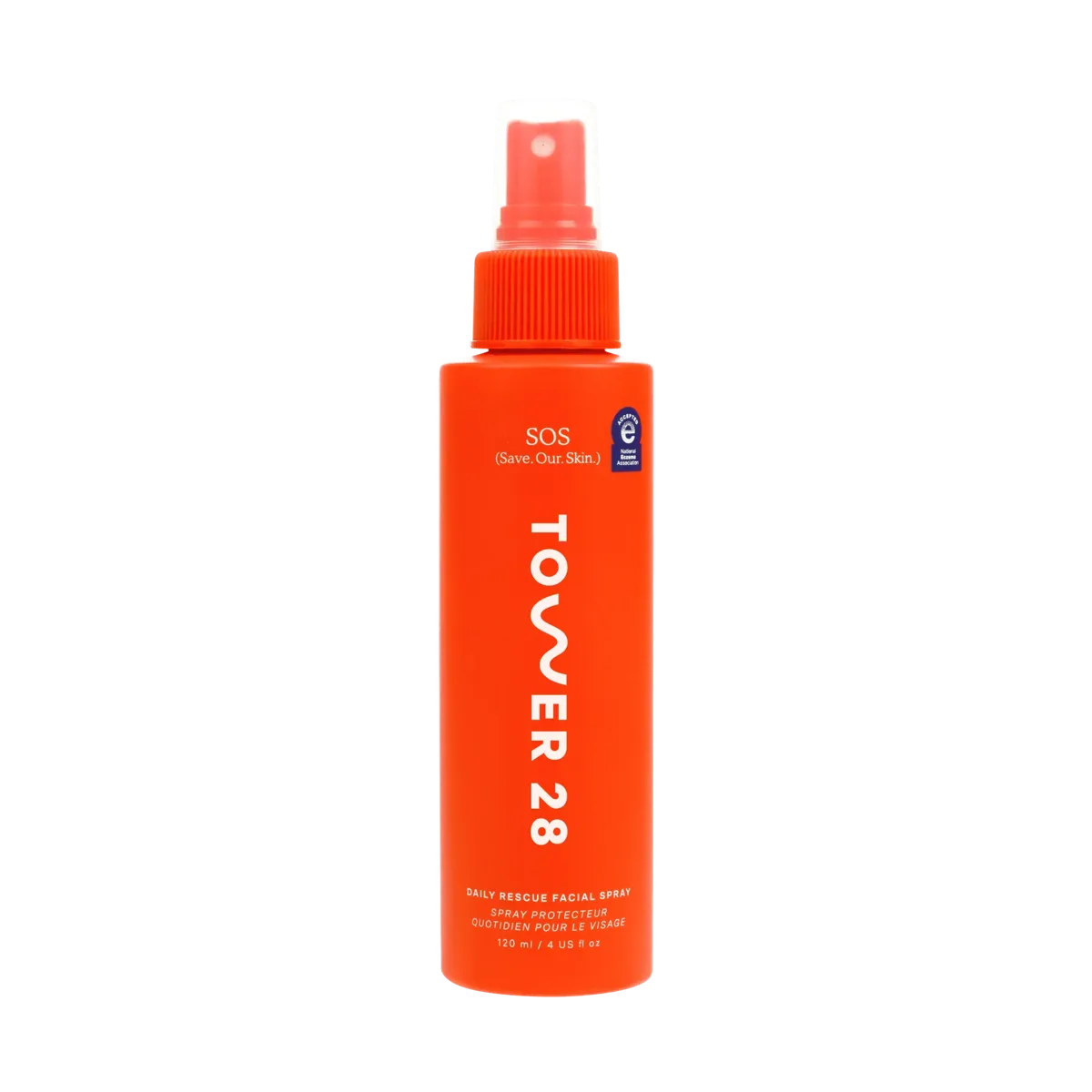 Reactive-Skin Cult Favorite
 SOS Save Our Skin Daily Rescue Facial Spray
The product that single-handedly brought hypochlorous acid into mainstream skincare. A fine-mist HOCl spray with genuine dermatology-organization validation, a near-perfect tolerability profile, and a cult following among people whose skin reacts to everything else. The price runs steeper than medical-grade HOCl, but the stabilization and design are worth the difference for daily use.
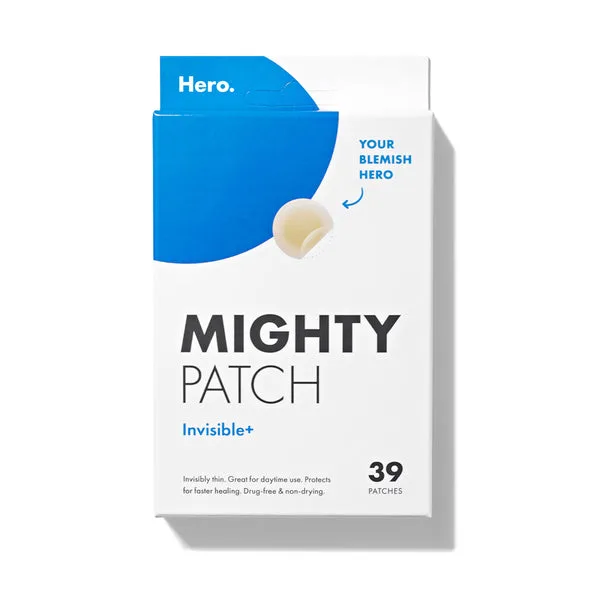
Mighty Patch Invisible+
The pimple patch that proved acne treatment could be invisible — Mighty Patch Invisible+ delivers the same fluid-absorbing hydrocolloid technology as the category-defining Original, but engineered thin enough to disappear under makeup. For daytime blemish management, nothing else comes this close to invisible.
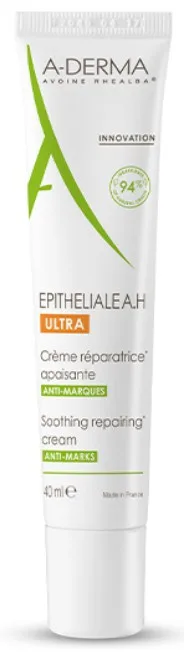 Post-Procedure MVP
 Epitheliale A.H Ultra Repairing Cream
One of the best-formulated French pharmacy repair creams on the market, full stop. Rhealba oat, three-weight HA, madecassoside, trace minerals, panthenol, and shea butter come together in a cream that handles post-procedure skin, eczema flares, friction damage, and compromised barriers with unusual competence for the price.
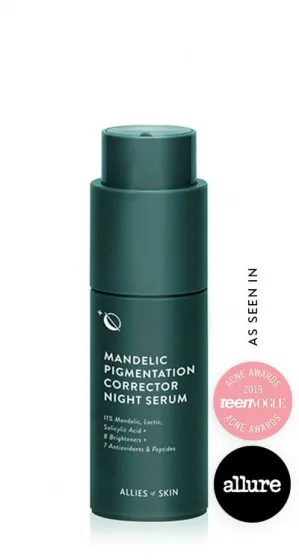 Pigmentation Specialist Pick
 Mandelic Pigmentation Corrector Night Serum
One of the most thoughtfully formulated pigmentation serums on the market. Mandelic acid leads, but the real story is the supporting cast — tranexamic acid, azelaic acid, niacinamide, and bakuchiol attacking hyperpigmentation through five different pathways. Specifically formulated to be safe on melanin-rich skin and it shows.
This review reflects our independent analysis of publicly available ingredient data, manufacturer claims, and verified user reviews. We are reader-supported — Amazon links may earn us a commission at no cost to you. We do not accept paid placements; rankings are based solely on the evidence.