The 1A Overnight Mask is what happens when a brand refuses to let any single ingredient carry the entire formulation. Retinaldehyde, a 13.5% peptide complex, niacinamide, glutathione, ergothioneine, pterostilbene, and a half-dozen other actives share the work, and the result is one of the most thoughtful retinoid formulations on the market — assuming you can stomach the price.
1A Retinal + Peptides Overnight Mask
The 1A Overnight Mask is what happens when a brand refuses to let any single ingredient carry the entire formulation. Retinaldehyde, a 13.5% peptide complex, niacinamide, glutathione, ergothioneine, pterostilbene, and a half-dozen other actives share the work, and the result is one of the most thoughtful retinoid formulations on the market — assuming you can stomach the price.
Score Breakdown
An exceptionally well-built retinal-and-peptide formula with a kitchen-sink antioxidant complex that reads more like a research formulation than a commercial product. The price is the main barrier — at over a hundred dollars for 50ml, the value math only works for users who'll actually use the full antioxidant stack rather than just the retinal.
Data Confidence: high
This formula has been on market since 2018 and has accumulated thousands of independent reviews across Sephora, Beauty Bay, Dermstore, and skincare communities like Reddit's SkincareAddiction. The scoring reflects substantial real-world feedback alongside ingredient analysis.
0/100
Overall Score
Ingredient Quality 0
Value for Money 0
Suitability Breadth 0
Irritation Risk (↑ = safer) 0
Assessment
Pros
- Retinaldehyde delivers retinoid efficacy at lower irritation than retinol
- 13.5% peptide complex is unusually high and well-supported in research
- Stacked antioxidant complex targets multiple oxidative pathways
- Functions as a complete final-step treatment without a separate moisturizer
- Airless tube protects the retinal from oxidation
- Vegan and cruelty-free with a comprehensive active stack
- Fragrance is mild enough for most users
Cons
- Premium price is hard to justify if you'd ignore the supporting actives
- Lavender hybrid oil disqualifies users with lavender sensitivity
- Maximalist formula will overwhelm sensitive complexions
- Not pregnancy-safe due to the retinaldehyde
- Botanical-heavy approach won't appeal to minimalist routines
Full Review
Most luxury skincare brands that build a formula around retinaldehyde do something pretty straightforward — they put a meaningful concentration of retinal into a vehicle that protects it from oxidation, add a few supporting ingredients to manage the irritation, and ship it. The retinal is the headline, and everything else exists to support it. Allies of Skin, founded in Singapore in 2016 by Nicolas Travis, has spent its entire existence rejecting that approach. The brand's stated philosophy is that no single ingredient should be asked to carry an entire formulation, and the 1A Retinal + Peptides Overnight Mask is the cleanest expression of that idea in the lineup. Open the INCI and the retinal is there, but it's not at the top of the page. It sits below the peptides — Sederma's Matrixyl 3000 complex (palmitoyl tripeptide-1 and palmitoyl tetrapeptide-7) plus caprooyl tetrapeptide-3 — which Allies of Skin loads in at a stated 13.5% combined concentration, well above the level that most peptide products bother to disclose. Below the retinal sit pterostilbene, ellagic acid, glutathione, and ergothioneine, four antioxidants that target different oxidative stress pathways and are studied to varying degrees in the dermatology literature. There's also withania somnifera (ashwagandha) for its mild adaptogenic activity, niacinamide for inflammation and pigmentation, and a stack of plant cell extracts that the brand calls its brightener complex. Read top to bottom, the formula reads more like a research project than a commercial product. The texture supports the maximalist approach. This comes out of an airless tube as a peach-tinted cream that melts to a satin finish on contact and absorbs into a slightly tacky film that disappears within a few minutes. There's a faint herbal note from the lavender hybrid oil — a small annoyance for users who actively dislike fragrance and a complete deal-breaker for users with lavender sensitivity, but for most people it's mild enough to ignore. The mask is formulated as a leave-on overnight treatment, which means you don't need to layer a moisturizer over the top. The argan oil, cranberry seed oil, and peptide-stabilizing emulsifiers in the formula handle the moisture barrier work themselves. The retinal does what retinal does. Within a week of nightly use, most users see a visible glow that's distinctly different from the immediate plumping a peptide serum delivers — this is the surface-renewal effect that retinoids produce as they push the cell turnover cycle. By four to six weeks the texture changes become more obvious, and by twelve weeks of consistent use, the fine line and pigmentation effects start to compound. The irritation is meaningfully lower than what users typically associate with prescription tretinoin, and even somewhat lower than equivalent-concentration retinol formulas, which is consistent with the published research on retinaldehyde — it converts to retinoic acid in one enzymatic step instead of two, which means it can deliver retinoid activity at lower concentrations and with a gentler initiation period. The honest argument against this product is the price. At around a hundred and five dollars for fifty milliliters, this is one of the more expensive retinoid products on the market, and the value math only really works for a specific kind of user. If you're going to use this product as a retinal-only treatment — ignoring the antioxidant stack, the peptides, the niacinamide — then you're paying a substantial premium for ingredients you don't really need. A bottle of Avène RetrinAL or Medik8 Crystal Retinal would deliver the same retinaldehyde benefit for half the cost. Where the math starts to work is for the user who would otherwise be running a complex routine: a peptide serum, an antioxidant serum, a niacinamide serum, and a retinoid, all layered on top of each other. Replacing four products with one well-built mask reduces the total spend, simplifies the routine, and removes the layering conflicts that arise when you try to combine multiple actives in different vehicles. For that user, the 1A Mask is a reasonable consolidation play. The other consideration is the lavender hybrid oil. Lavender is a documented contact allergen for a meaningful percentage of users, and while the concentration here is low enough that most people will be fine, anyone with a known lavender sensitivity should look elsewhere. The same is true for the brand's broader insistence on plant extracts and botanical complexes — if you prefer the absolute minimalism of a Skinceuticals or Paula's Choice formula, this won't be your aesthetic. But for users who like the maximalist approach, who want a single product to address aging, pigmentation, oxidative stress, and surface texture in parallel, the 1A Mask is one of the more comprehensive options on the market and the formulation work behind it is genuinely impressive. The price is the price. If it works for your routine and your budget, it's hard to find a better-built single-product retinoid treatment.
Formula
Ingredients
The hero actives that drive this product's performance.
| Ingredient | Function | Evidence |
|---|---|---|
| Retinal (Retinaldehyde) | Sits one step closer to retinoic acid in the conversion pathway than retinol, which means it works faster and at lower concentrations with comparable irritation. In this mask, the retinal is encapsulated for time-release delivery overnight and paired with the peptide and antioxidant complex to address fine lines while the supporting cast manages the typical retinoid irritation. | well-established |
| 13.5% Peptide Complex (Matrixyl 3000 + Tetrapeptide-3) (13.5%) | Combines palmitoyl tripeptide-1 and palmitoyl tetrapeptide-7 (the two halves of Sederma's Matrixyl 3000) with caprooyl tetrapeptide-3 to signal collagen synthesis and reduce the appearance of inflammation-driven wrinkles. The unusually high peptide load is what allows Allies of Skin to position this as a complement to the retinal rather than just a delivery vehicle for it. | promising |
| Niacinamide | Sits below the peptides in the INCI but above the retinal, suggesting a meaningful concentration that supports the formula's anti-pigmentation and anti-inflammatory targets. In combination with the retinal, niacinamide also helps mitigate the surface irritation that can come from a strong retinoid in an overnight format. | well-established |
| Glutathione + Ergothioneine | Two of the most studied endogenous antioxidants delivered topically together. Glutathione contributes brightening through its effect on the melanin synthesis pathway, while ergothioneine is one of the most stable antioxidants known and provides oxidative protection over the wear time. Their inclusion is part of why this product reads as an antioxidant-mask first and a retinoid second. | promising |
| Pterostilbene | A methylated analog of resveratrol with greater bioavailability and antioxidant activity, present in the formula as part of the nine-antioxidant complex Allies of Skin uses across its lineup. In this mask it provides additional photoaging defense alongside the ellagic acid and the glutathione complex. | emerging |
Full INCI List
Aqua, Glycerin, Caprylic/Capric Triglyceride, Propanediol, Argania Spinosa Kernel Oil, Sodium Acrylates Copolymer, Hydrolyzed Candida Saitoana Extract, Sodium Stearoyl Glutamate, Albizia Julibrissin Bark Extract, Dimethyl Isosorbide, Galactoarabinan, Palmitoyl Tetrapeptide-7, Palmitoyl Tripeptide-1, Caprooyl Tetrapeptide-3, Cassia Angustifolia Seed Polysaccharide, Sodium Hyaluronate, Oxycoccus Palustris Seed Oil, Rubus Chamaemorus Seed Oil, Niacinamide, Withania Somnifera Root Extract, Citrus Aurantium Dulcis Callus Culture Extract, Retinal, Pterostilbene, Ellagic Acid, Phenyl T-Butylnitrone, Ergothioneine, Glutathione, Mirabilis Jalapa Flower/Leaf/Stem Extract, N-Hydroxysuccinimide, Chrysin, Glutamylamidoethyl Imidazole, Lonicera Caprifolium Flower Extract, Lonicera Japonica Flower Extract, Lavandula Hybrida Oil, Pentylene Glycol, Butylene Glycol, Cyclodextrin, Caprylyl Glycol, Steareth-20, Citric Acid, Xanthan Gum, Dextran, Acetyl Tributyl Citrate, Potassium Sorbate, Phenoxyethanol
Product Flags
✗ Fragrance Free✓ Alcohol Free✗ Oil Free✓ Silicone Free✓ Paraben Free✓ Sulfate Free✓ Cruelty Free✓ Vegan✗ Fungal Acne Safe
Potential Irritants
retinallavandula hybrida oil
Common Allergens
lavender oil
Compatibility
Skin Match
Best For
Works For
Not Ideal For
Addresses These Conditions
aging hyperpigmentation dullness sun damage texture
Use With Caution
Routine Step
treatment
Time of Day
PM
Pregnancy Safe
No ✗
Layering Tips
Use as the final PM step on its own — this is a leave-on overnight mask, not something to layer a moisturizer over. Start at 2-3 nights per week and ramp up as tolerated. Always pair with broad-spectrum SPF in the morning.
Results Timeline
Initial smoothing and glow within 1-2 weeks. Brightening and texture improvements over 4-8 weeks. Fine line softening and collagen-related changes typically require 12+ weeks of consistent use.
Pairs Well With
niacinamide serums in the AMceramide moisturizers in the AMbroad-spectrum SPF
Conflicts With
other retinoidsAHAs/BHAs on the same nightvitamin C on the same night
Sample AM Routine
- Gentle cleanser
- Vitamin C serum
- Moisturizer
- SPF 50
Sample PM Routine
- Double cleanse
- Hydrating toner
- THIS PRODUCT (sealed in by itself)
Evidence
Science
The Science
Retinaldehyde occupies a distinctive position in the retinoid family because it requires only a single enzymatic conversion to become retinoic acid, the bioactive form that interacts with nuclear retinoid receptors. Retinol, by comparison, requires two conversions — first to retinaldehyde, then to retinoic acid — and the second-step conversion is generally considered the rate-limiting reaction. A 1999 study in the British Journal of Dermatology compared 0.05% retinaldehyde to 0.05% retinoic acid and 0.05% retinol over 18 weeks and found retinaldehyde produced clinical effects comparable to retinoic acid with a tolerability profile closer to retinol — which is the basis for the modern positioning of retinal as a 'best of both worlds' option. The peptide complex in 1A Mask is built around Sederma's Matrixyl 3000, which combines palmitoyl tripeptide-1 and palmitoyl tetrapeptide-7. Both of these peptides have been studied for their effects on extracellular matrix protein synthesis and their ability to modulate the inflammatory cascade involved in collagen degradation. A 2005 study by Sederma's researchers in the International Journal of Cosmetic Science showed measurable improvements in wrinkle depth and skin elasticity over 56 days of twice-daily application, though the data is industry-sponsored and the effect sizes are modest compared to a retinoid alone. The combination of peptides with retinaldehyde in the same product is a reasonable formulation strategy because the two ingredients address aging through different mechanisms — retinal upregulates cell turnover and collagen synthesis directly through receptor binding, while the peptides signal collagen production via separate fibroblast pathways. The antioxidant complex pulls together molecules with varying degrees of evidence. Glutathione has established literature for its role in skin brightening through inhibition of melanin synthesis and is one of the most studied endogenous antioxidants. Ergothioneine is unusual in being one of the most stable known antioxidants, with a half-life that significantly exceeds vitamins C and E, and recent research has explored its potential role in protecting against photoaging. Pterostilbene is a methylated analog of resveratrol with greater oral and topical bioavailability and antioxidant activity, though the dermatology-specific evidence remains thinner than for the foundational antioxidants.
Dermatologist Perspective
Dermatologists generally view retinaldehyde as a useful middle ground between prescription tretinoin and over-the-counter retinol, particularly for patients who can't tolerate prescription strength but need more activity than a basic retinol provides. Board-certified dermatologists note that the bridging position of retinal in the conversion pathway delivers measurable clinical effects without requiring a prescription, and the lower irritation profile improves long-term compliance compared to tretinoin. The peptide and antioxidant additions in formulas like the 1A Overnight Mask are considered reasonable adjuncts, though clinicians typically emphasize that the retinoid component is the active that drives most of the visible effect. As with all retinoids, dermatologists strongly recommend daily broad-spectrum SPF and caution against use during pregnancy or breastfeeding.
Guidance
Usage Guide
How to Use
Apply at night as the absolute final step in your routine, after cleansing and any hydrating toners or essences. Use a pea-sized amount for the entire face. Start with 2-3 nights per week to assess tolerance, then ramp up as your skin acclimates — most users can reach nightly use within 4-6 weeks. Do not layer a moisturizer over the top unless you have very dry skin in winter, in which case a simple barrier cream is fine. Do not combine with other retinoids, AHAs, BHAs, or vitamin C in the same evening. Always pair with broad-spectrum SPF in the morning — retinoids increase photosensitivity meaningfully.
Value Assessment
At roughly $105 for 50ml, this is a luxury-tier price for a retinoid product, and the value math depends entirely on how you'd otherwise structure your routine. If you'd be stacking a peptide serum, an antioxidant serum, niacinamide, and a separate retinoid, the consolidation argument makes sense — replacing four products with one well-built mask can come out cheaper overall and dramatically simpler. If you'd be using this as a retinal-only product, you're paying a premium for ingredients you'd ignore, and a basic 0.05% retinaldehyde product from Medik8 or Avène at half the price would serve you better. Allies of Skin has accumulated nearly a decade of track record at this point, so the brand premium isn't speculative — it's pricing for a formulation philosophy that genuinely shows up in the INCI.
Who Should Buy
Users in their late twenties or older looking for a single product to consolidate a multi-step anti-aging routine. People who want retinaldehyde efficacy without the irritation of prescription tretinoin. Anyone whose skin has plateaued on a basic retinol and needs a step up.
Who Should Skip
Pregnant or breastfeeding people. Users with lavender sensitivity. Sensitive or rosacea-prone skin types — the active stack is too aggressive. Budget shoppers who would be using this as a retinal-only product, where a Medik8 or Avène alternative delivers the same retinaldehyde benefit for less.
Ready to try Allies of Skin 1A Retinal + Peptides Overnight Mask?
Details
Details
Texture
A rich peach-tinted cream that melts to a satin emollient finish
Scent
Light herbal note from the lavender hybrid oil
Packaging
50ml airless tube that protects the retinal from oxidation and contamination
Finish
satinnon-greasy
What to Expect on First Use
Apply a pea-sized amount as the final step at night and the cream melts on contact, leaving a slight tackiness that absorbs over a few minutes. The first week may bring mild surface dryness as the retinal kicks in — this is normal retinoid acclimation, not a sign the product isn't working. Visible glow typically arrives within 7-10 days; meaningful texture changes around the 4-6 week mark.
How Long It Lasts
About 2.5-3 months with twice-weekly use ramping to nightly
Period After Opening
12 months
Best Season
All Year
Certifications
VeganCruelty-Free
Background
The Why
Allies of Skin was founded in Singapore in 2016 by Nicolas Travis, who built the brand around the philosophy that no single active should have to carry a formulation. The 1A Overnight Mask launched in 2018 as the brand's flagship multitasker, designed to deliver retinal alongside peptides and antioxidants in a leave-on overnight format that doesn't require a separate moisturizer.
About Allies of Skin Established Brand (5–20 years)
Allies of Skin was founded in Singapore in 2016 by Nicolas Travis and built a reputation for multitasking, antioxidant-heavy formulations sold at premium prices. The brand has been reviewed extensively by independent skincare communities and has accumulated meaningful track record over its first decade.
Brand founded: 2016 · Product launched: 2018
Myth vs. Reality
Myths
Myth
Retinal is just a marketing upgrade over retinol.
Reality
Retinaldehyde is one biochemical step closer to retinoic acid in the conversion pathway, which means the skin needs only one enzymatic conversion instead of two. Studies have shown comparable efficacy to higher-concentration retinol formulations with similar irritation profiles.
Myth
Antioxidant-heavy formulas are mostly marketing.
Reality
The combination of glutathione, ergothioneine, pterostilbene, and ellagic acid in this formula targets different oxidative stress pathways. Stacking complementary antioxidants is more effective than relying on a single one because skin damage involves multiple distinct radical species.
FAQ
FAQ
Is this stronger than a retinol?
Generally yes. Retinaldehyde converts to retinoic acid in one enzymatic step instead of two, making it functionally more potent than equivalent concentrations of retinol. Studies suggest a low-percentage retinal can match the efficacy of a 1% retinol with comparable tolerability.
Do I need a moisturizer over this?
Most users don't. The mask is formulated as a leave-on overnight treatment with enough emollients (argan oil, cranberry seed oil, peptide-stabilizing emulsifiers) to function as the final step. Very dry skin types may want to layer a barrier cream over the top in winter.
Can I use this with my morning vitamin C?
Yes — vitamin C in the morning and this mask at night is a complementary pairing, not a conflict. Avoid using vitamin C and the mask in the same routine, but in opposite parts of the day they work together to address pigmentation from both directions.
Is it safe during pregnancy?
No. Retinaldehyde is a vitamin A derivative and falls under the same precautionary guidance as other retinoids during pregnancy and breastfeeding. Most dermatologists advise switching to bakuchiol or peptide-only alternatives during this period.
How does this compare to the new Retinal & Peptides Repair Night Cream?
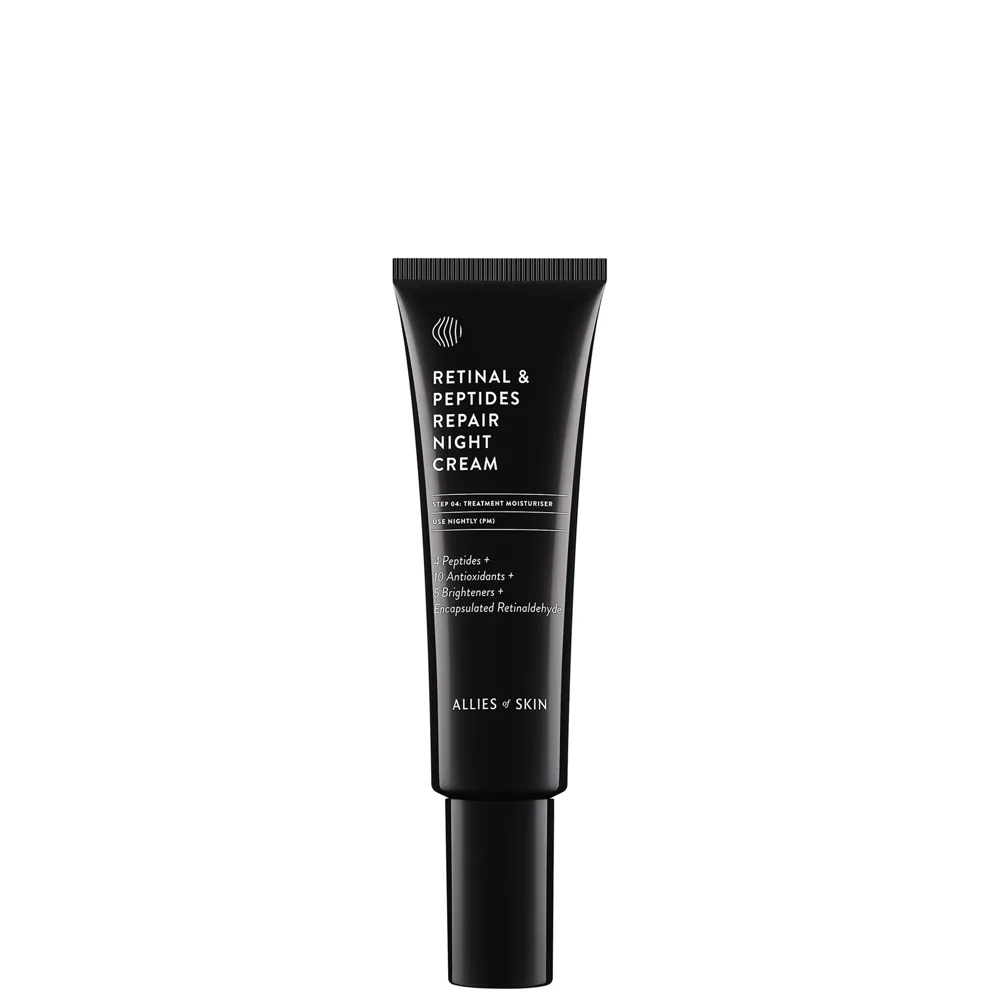
The Repair Night Cream is Allies of Skin's newer launch with a labeled 0.05% retinal concentration and a focus on barrier ceramides. The 1A Overnight Mask remains positioned as the more antioxidant-heavy multitasker. The two are complementary products in the same brand family.
How often should I use this?
Start with 2-3 nights per week to assess tolerance. Most users can ramp up to nightly use within 4-6 weeks if there's no irritation. Daily use isn't required for the formula to work — even three nights a week delivers meaningful retinal exposure.
Will it make me purge?
Retinoids can cause an initial purge in users with active acne by accelerating the surfacing of clogged pores. If you have congestion, expect 4-6 weeks of mild flares before the purge resolves. If you have clear skin, you're unlikely to experience a purge — just normal retinoid dryness.
Community
Community
Common Praise
"Visible glow within a week"
"Less irritating than expected for a retinal"
"Layered antioxidant approach feels comprehensive"
"Fragrance-free version of the brand's signature multitasker"
Common Complaints
"Premium price for the size"
"Lavender oil triggers some sensitive users"
"Active stack is overkill for users on a simple routine"
"Tubes can dispense too much product if squeezed enthusiastically"
Notable Endorsements
Featured by multiple skincare communities and ingredient-focused reviewers
Appears In
best retinal products best overnight anti aging treatments best peptide retinoid combinations best luxury retinoids
Related Conditions
aging hyperpigmentation sun damage dullness
Related Ingredients
You Might Also Like
 Barrier Rescue Hero
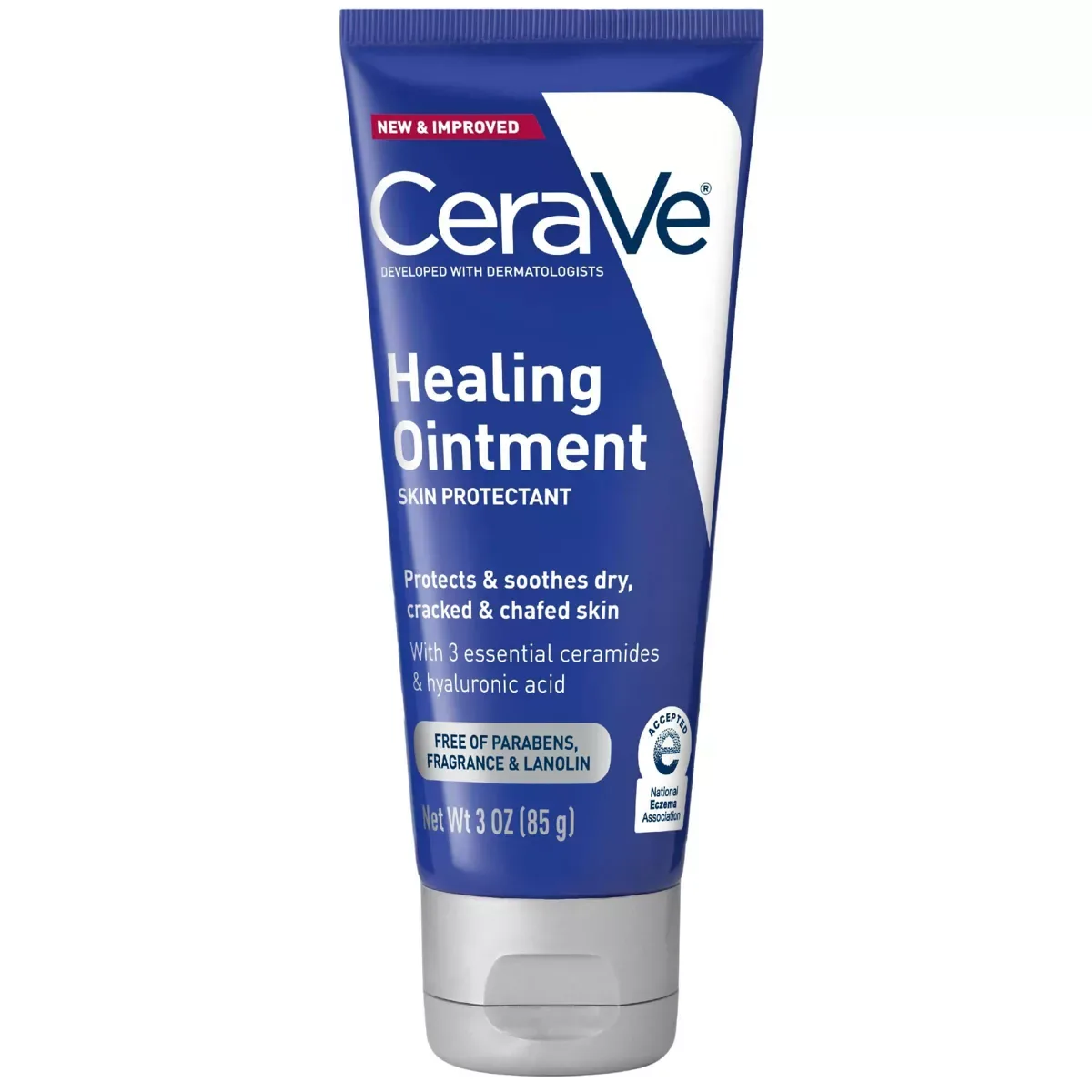
 Healing Ointment
CeraVe's Healing Ointment takes the simplest concept in skincare — seal the skin with petrolatum — and makes it genuinely intelligent by adding ceramides, hyaluronic acid, and panthenol beneath the occlusive layer. It is the gold standard drugstore occlusive for barrier rescue, slugging, and post-procedure care.
 Derm Office Staple
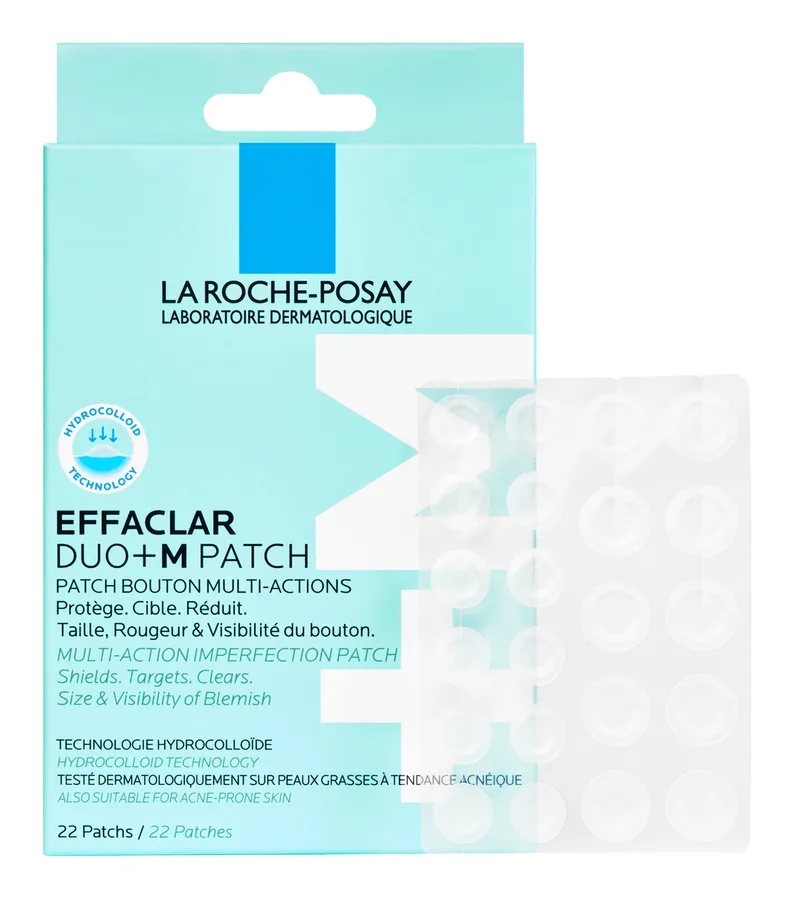
 Effaclar Multi-Target Blemish Patches
One of the few hydrocolloid pimple patches that actually stays on overnight without curling off at 3am. At 420 microns thick with two size options in one pack and zero actives to irritate sensitive skin, this is the Effaclar line's quiet overachiever — and a legitimately good answer for anyone whose acne routine has been sabotaged by thinner patches that refuse to stay put.
 Reactive-Skin Cult Favorite
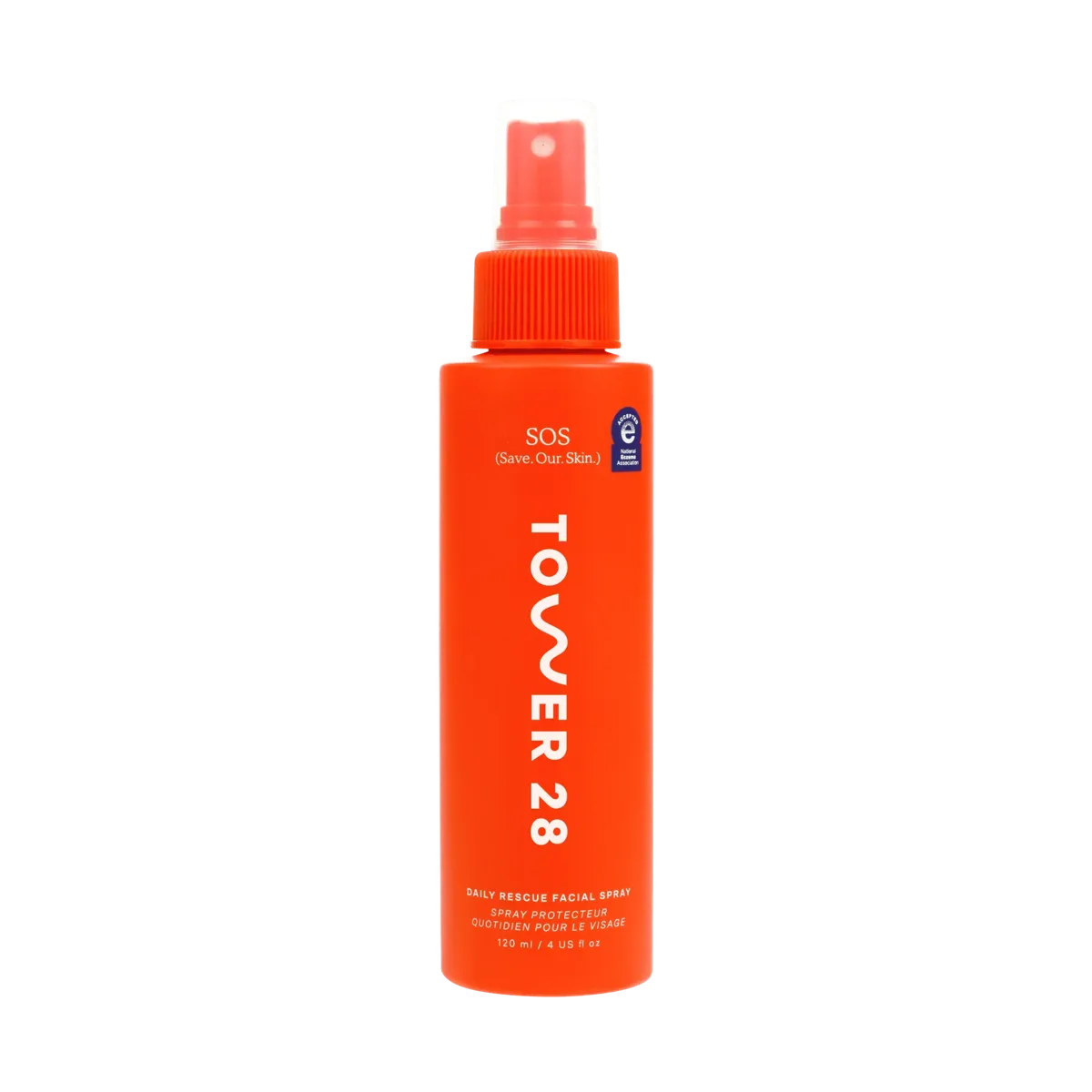
 SOS Save Our Skin Daily Rescue Facial Spray
The product that single-handedly brought hypochlorous acid into mainstream skincare. A fine-mist HOCl spray with genuine dermatology-organization validation, a near-perfect tolerability profile, and a cult following among people whose skin reacts to everything else. The price runs steeper than medical-grade HOCl, but the stabilization and design are worth the difference for daily use.
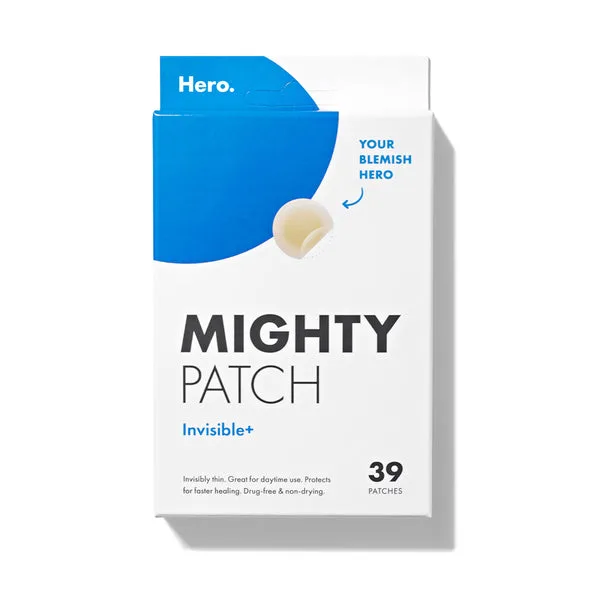
Mighty Patch Invisible+
The pimple patch that proved acne treatment could be invisible — Mighty Patch Invisible+ delivers the same fluid-absorbing hydrocolloid technology as the category-defining Original, but engineered thin enough to disappear under makeup. For daytime blemish management, nothing else comes this close to invisible.
 Post-Procedure MVP
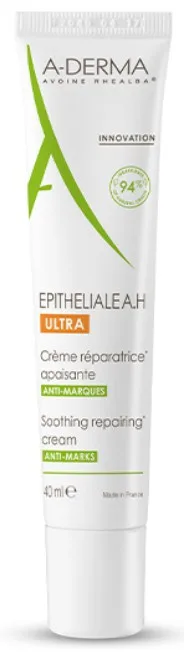
 Epitheliale A.H Ultra Repairing Cream
One of the best-formulated French pharmacy repair creams on the market, full stop. Rhealba oat, three-weight HA, madecassoside, trace minerals, panthenol, and shea butter come together in a cream that handles post-procedure skin, eczema flares, friction damage, and compromised barriers with unusual competence for the price.
 Pigmentation Specialist Pick
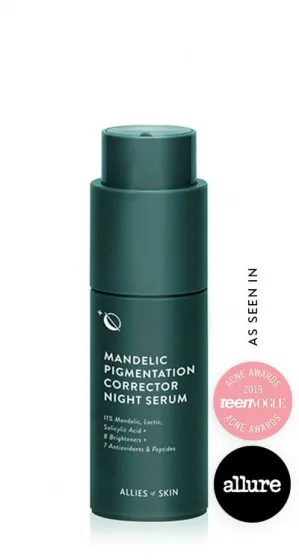
 Mandelic Pigmentation Corrector Night Serum
One of the most thoughtfully formulated pigmentation serums on the market. Mandelic acid leads, but the real story is the supporting cast — tranexamic acid, azelaic acid, niacinamide, and bakuchiol attacking hyperpigmentation through five different pathways. Specifically formulated to be safe on melanin-rich skin and it shows.