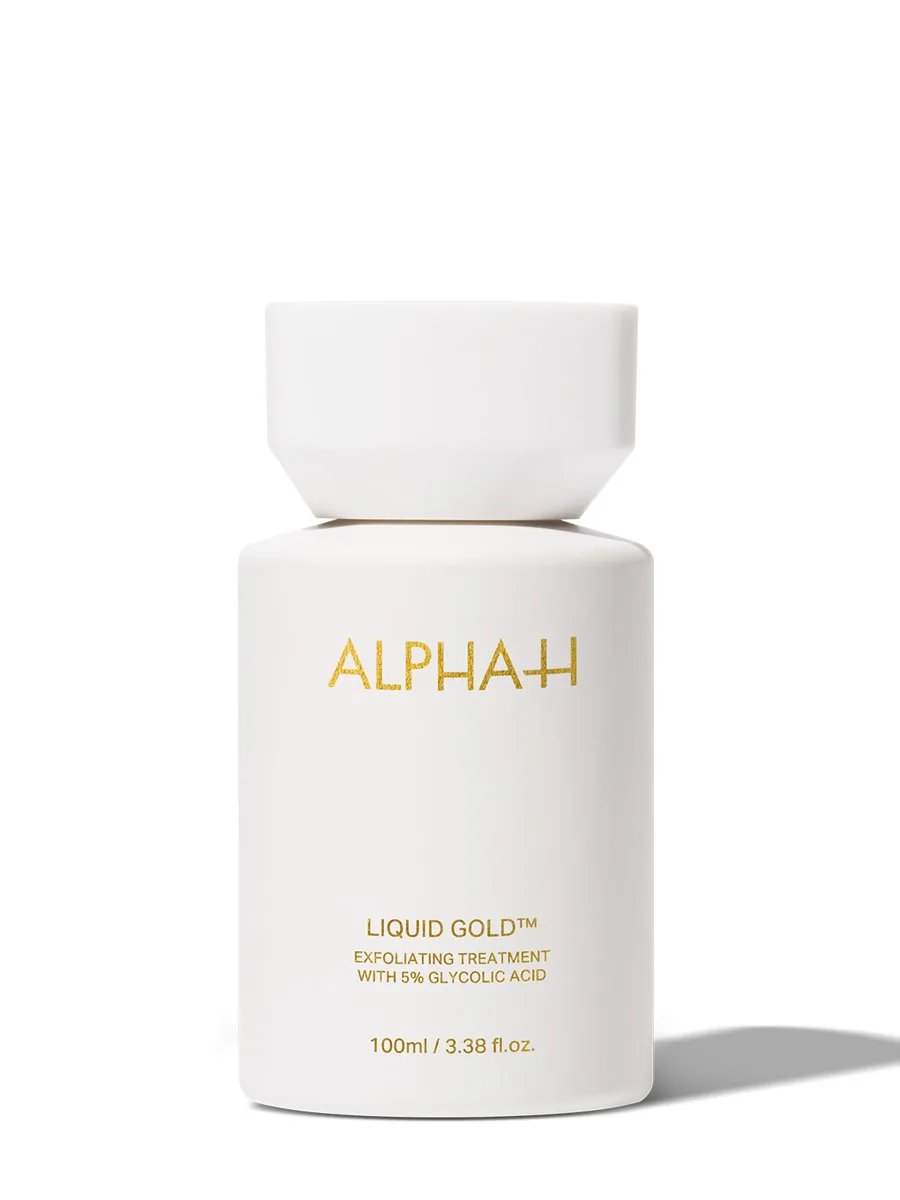
Liquid Gold has been Alpha-H's signature product since 1997, and the reason it's survived nearly three decades essentially unchanged is the pH. At 2.8, its 5% glycolic acid is in a far more active free-acid state than buffered competitors, which is what produces the genuine morning-after glow. The unnecessary fragrance and sensitive-skin caution are the only real complaints.
Liquid Gold Exfoliating Treatment
Liquid Gold has been Alpha-H's signature product since 1997, and the reason it's survived nearly three decades essentially unchanged is the pH. At 2.8, its 5% glycolic acid is in a far more active free-acid state than buffered competitors, which is what produces the genuine morning-after glow. The unnecessary fragrance and sensitive-skin caution are the only real complaints.
Score Breakdown
A nearly thirty-year-old AHA treatment with a free-acid formulation that genuinely outperforms most modern alternatives. Loses points only for the sensitive-skin caution and the inclusion of fragrance.
Data Confidence: high
Liquid Gold has been on the market since 1997 with tens of thousands of reviews across global retailers, decades of dermatologist commentary, and a well-documented cult following in the UK and Australia.
0/100
Overall Score
Ingredient Quality 0
Value for Money 0
Suitability Breadth 0
Irritation Risk (↑ = safer) 0
Assessment
Pros
- pH 2.8 puts the 5% glycolic in a far more active free-acid state than buffered competitors
- Genuine 'morning-after glow' is visible from the first application
- Licorice root extract addresses post-inflammatory pigmentation risk
- One 100ml bottle lasts six to eight months at recommended frequency
- Nearly thirty years on market with no meaningful reformulation
- Available in a 200ml size for committed users or body application
- Cumulative pigment and texture improvement is reliable and well-documented
- Fragrance-free formulation aside, the actives are well-chosen and supportive
Cons
- Contains fragrance (parfum), which adds irritation risk without benefit
- Too aggressive for sensitive, rosacea-prone, or compromised barriers
- Stings noticeably on first several uses, particularly around the nose
- Cannot be used in the same routine as retinoids without compromising the barrier
- Glass bottle with screw cap is inelegant compared to airless modern packaging
Full Review
Most modern glycolic acid products are buffered. Brands take their 5% or 7% glycolic and adjust the pH up to around 3.5 or even 4, which dramatically reduces the percentage of acid in its active free-acid form. The result is a gentler product that's easier to sell, less likely to generate complaint emails, and significantly less effective. Liquid Gold, formulated by Michelle Doherty in 1997, sits at pH 2.8. That single number is why the product has survived essentially unchanged for nearly three decades while countless reformulations of competing AHAs have come and gone, and it's why a small frosted bottle from a small Australian brand became a cult object in British beauty cabinets. The chemistry is genuinely the story here. At pH 2.8, roughly forty to fifty percent of the glycolic acid in this bottle is in its active free-acid state — the form that actually penetrates the stratum corneum and breaks the bonds between dead corneocytes. At pH 3.5, the free-acid ratio drops to under twenty percent. At pH 4, you're below ten. This is the kind of formulation detail that doesn't show up on the front of the bottle but completely determines what the product actually does to your skin. The morning-after glow that Liquid Gold devotees describe — that distinctive smoothness and brightness when you wake up — is a direct, predictable consequence of using glycolic acid in a more active form. The rest of the formula is supporting cast, but it's thoughtful supporting cast. Licorice root extract sits high on the INCI as a tyrosinase inhibitor, which addresses the very real risk that an aggressive AHA can trigger post-inflammatory pigmentation in melanin-rich skin. Hydrolyzed silk amino acids leave behind a slight humectant film that takes some of the rough edge off the burn. There are botanical extracts from apple, sugar cane, and citrus that contribute trace fruit acids — these are mostly marketing texture, but they don't hurt the formula. The glaring miss is the fragrance. Parfum sits at the bottom of the INCI but it's there, it's noticeable, and it adds nothing functional. For a product with this kind of acid load, fragrance is a pure liability — it raises the irritation potential without delivering any benefit. Alpha-H has kept it because it's part of the heritage of the original 1997 formula, and longtime fans associate the citrus-floral scent with the product's identity. That's a reasonable business decision and an unreasonable formulation decision. The texture is essentially water. You apply it on dry skin with a cotton pad or by soaking your fingertips, and it disappears in seconds. There's a noticeable tingle for the first few uses, particularly around the nose and chin where skin is thinner. The tingle dissipates once you've used the product a few times and your skin has adjusted. Two to three nights per week is the right cadence for most skin types — daily use of a 5% glycolic at this pH will compromise the barrier in nearly everyone. The morning-after results are visible from the first application: skin looks smoother, brighter, and more reflective. After two to three weeks of twice-weekly use, the texture refinement becomes obvious — fine lines from sun damage soften, surface roughness flattens, and pore appearance improves. The pigment lightening from the licorice plus the cell-turnover effect builds over six to eight weeks. The price is fair for what the product delivers. At around fifty-six dollars for a hundred milliliters that lasts six to eight months, this is meaningfully cheaper per use than most cult AHA products. The 200ml size is even better value if you plan to use it on body areas as well. The core caveats: skip this if you have rosacea, eczema, psoriasis, or any compromised barrier condition. Skip it if you're sensitive to fragrance. Skip it if you're already using a strong retinoid in the same routine. For everyone else — particularly anyone with dull, sun-damaged, or texture-bothered skin — this remains one of the best AHA treatments money can buy, almost three decades after it was first formulated.
Formula
Ingredients
The hero actives that drive this product's performance.
| Ingredient | Function | Evidence |
|---|---|---|
| Glycolic Acid (5%) | The headline active and structural backbone of the formula. At pH 2.8, this 5% glycolic concentration is unusually free-acid heavy — meaning more of the molecule is in its active, exfoliating form than in higher-pH AHA toners. This is what gives Liquid Gold its reputation for visible morning-after results that gentler glycolic products simply can't match. | well-established |
| Licorice Root Extract | Sits high on the INCI alongside the glycolic acid as a deliberate counterweight. Licorice's glabridin content inhibits tyrosinase, which addresses the post-inflammatory pigmentation that aggressive AHAs can sometimes trigger in melanin-rich skin — a thoughtful inclusion for a product this acidic. | promising |
| Silk Amino Acids | Hydrolyzed silk proteins act as a humectant film that takes some of the edge off the glycolic burn. They also leave behind the slight smoothness that gives the morning-after experience its signature 'baby skin' feel — a small but distinctive textural cue. | limited |
| Botanical Extracts (Apple, Sugar Cane, Citrus) | Marketed as 'natural AHAs,' these botanical extracts contribute trace fruit acids that round out the exfoliation profile. The actual heavy lifting is done by the synthetic glycolic acid above — these are supporting players that contribute slightly to the total acid load without changing the formula's fundamental character. | limited |
Full INCI List · pH 2.8
Aqua (Water), Glycolic Acid, Glycerin, Sodium Hydroxide, Glycyrrhiza Glabra (Licorice) Root Extract, Silk Amino Acids, Pyrus Malus (Apple) Fruit Extract, Saccharum Officinarum (Sugar Cane) Extract, Citrus Aurantium Dulcis (Orange) Fruit Extract, Citrus Limon (Lemon) Fruit Extract, Camellia Sinensis (Green Tea) Leaf Extract, Phenoxyethanol, Ethylhexylglycerin, Parfum (Fragrance)
Product Flags
✗ Fragrance Free✓ Alcohol Free✓ Oil Free✓ Silicone Free✓ Paraben Free✓ Sulfate Free✓ Cruelty Free✗ Vegan✓ Fungal Acne Safe
Potential Irritants
glycolic acid at low pHfragrance
Common Allergens
fragrance
Compatibility
Skin Match
Best For
Works For
Not Ideal For
Addresses These Conditions
dullness texture hyperpigmentation sun damage aging blackheads large pores
Use With Caution
rosacea compromised skin barrier post procedure
Avoid With
Routine Step
treatment
Time of Day
PM
Pregnancy Safe
Yes ✓
Layering Tips
Apply on dry skin after cleansing, before any other products. Wait at least one minute before layering hydrators. Do not combine with retinoids in the same routine — alternate nights. Always wear SPF 30+ the next morning.
Results Timeline
Visible 'morning after glow' the first time you use it — skin looks smoother and brighter overnight. Texture refinement and pore appearance improve over 2-3 weeks of twice-weekly use. Cumulative pigment lightening from the licorice plus exfoliation becomes visible at 6-8 weeks.
Pairs Well With
niacinamidehyaluronic-acidceramidespeptides
Conflicts With
retinolvitamin-csalicylic-acidbenzoyl-peroxide
Sample AM Routine
- Gentle cleanser
- Hydrating serum
- Moisturizer
- SPF 50
Sample PM Routine
- Cleanser
- THIS PRODUCT (2-3x/week)
- Hydrating serum
- Moisturizer
Evidence
Science
The Science
The pharmacology of glycolic acid is well-documented. Glycolic acid weakens the corneodesmosomal bonds between superficial corneocytes, accelerating desquamation and producing visible smoothing within days of application. The free-acid concentration is a function of both the total glycolic percentage and the pH — and the relationship is logarithmic, not linear. At pH 2.8, a 5% glycolic formula has substantially more bioavailable acid than the same percentage at pH 3.5, which is why the visible effect is so pronounced. Long-term studies have shown that consistent use of 5-10% glycolic acid improves skin texture, photodamage markers, and pigmentation over 12-24 weeks of treatment. The licorice root extract in this formula contains glabridin, which has demonstrated tyrosinase inhibition in laboratory studies and modest brightening effects in clinical formulations. Silk amino acids have limited published evidence beyond their humectant function. The combination here — high free-acid AHA paired with a tyrosinase inhibitor — addresses both the cell-turnover and pigment-production sides of skin renewal in a way that single-ingredient AHAs do not.
Dermatologist Perspective
Dermatologists generally view glycolic acid favorably as a topical treatment for photodamage, hyperpigmentation, and texture concerns. The 5% concentration in this formula falls within the standard cosmetic range, and the pH 2.8 formulation is on the more active end of over-the-counter AHA treatments. Board-certified dermatologists typically caution that aggressive AHAs require disciplined sun protection, since the increased cell turnover leaves freshly exposed skin more vulnerable to UV damage. Liquid Gold is commonly mentioned in dermatologist-led skincare guides as one of the more potent over-the-counter glycolic treatments — usually paired with the recommendation to start at twice-weekly frequency and to avoid combining with retinoids in the same routine. The fragrance is the most frequently cited drawback in clinical commentary on this product.
Guidance
Usage Guide
How to Use
Apply two to three nights per week on dry, freshly cleansed skin. Saturate a cotton pad or your fingertips and sweep across face and neck, avoiding the eye area and any active breakouts or broken skin. Wait at least one minute before layering hydrating serums or moisturizer. Do not combine with retinoids in the same routine — alternate nights instead. Always apply broad-spectrum SPF 30 or higher the following morning. Build up slowly — start with one application per week and increase only if your skin tolerates it without persistent redness or tightness.
Value Assessment
At around fifty-six dollars for a hundred milliliters, Liquid Gold is moderately priced for a cult AHA treatment. The 200ml size is meaningfully better per-milliliter value and is the standard recommendation for committed users or anyone planning to apply it to body areas as well. Cheaper 5% glycolic products exist — The Ordinary's 7% glycolic toner runs under ten dollars — but most are buffered to higher pH and don't deliver the same morning-after experience. The premium here is paying for the formulation pH, the licorice complement, and a nearly thirty-year track record. For users with dull, sun-damaged, or texture-bothered skin, the value is genuine. For sensitive or rosacea-prone skin, no price would justify it.
Who Should Buy
Anyone with normal, combination, or oily skin dealing with dullness, texture irregularities, sun damage, or hyperpigmentation. Particularly valuable for users who have tried gentler buffered AHAs and felt nothing — the pH 2.8 formulation is what makes the difference. Also a strong choice for users in their thirties and forties looking for a single hardworking treatment.
Who Should Skip
Sensitive skin, rosacea, eczema, psoriasis, or any compromised-barrier condition. Anyone reactive to fragrance — the parfum here is significant enough to matter. Skin currently on a strong retinoid prescription should not add this to the same routine. Pregnant users who prefer to avoid scented exfoliants entirely.
Ready to try Alpha-H Liquid Gold Exfoliating Treatment?
Details
Details
Texture
Watery liquid with no slip — applies via cotton pad or soaked fingertips
Scent
Citrus-floral, distinctly perfumed
Packaging
Frosted glass bottle with screw cap — has remained essentially unchanged since the late 1990s
Finish
non-greasyinvisible
What to Expect on First Use
Expect a noticeable tingle on the first few uses, particularly around the nose and chin. The signature experience is the morning after the first application — skin looks distinctly smoother and brighter, often called the 'Liquid Gold glow.' Sensitive skin may experience a few days of tightness as it adjusts. Build up frequency slowly.
How Long It Lasts
Approximately 6-8 months with twice-weekly application using cotton pad method
Period After Opening
12 months
Best Season
fall winter
Certifications
Cruelty-free
Background
The Why
Alpha-H founder Michelle Doherty developed Liquid Gold in 1997 as a treatment for her own scarring after a serious car accident. The original formula was sold to Australian beauty therapists for in-clinic use before retail availability. Its cult status in the UK began in the early 2000s when British beauty editors discovered it and began reordering it religiously — the product became one of Cult Beauty's founding bestsellers and has remained on its top-ten list ever since.
About Alpha-H Legacy Brand (20+ years)
Alpha-H launched Liquid Gold in 1997, just two years after the brand was founded, and it has remained the brand's signature product for nearly three decades. It is one of the longest-continuously-sold glycolic acid treatments on the global market.
Brand founded: 1995 · Product launched: 1997
Myth vs. Reality
Myths
Myth
Liquid Gold and other 5% glycolic products are interchangeable.
Reality
The pH matters more than the percentage. At pH 2.8, this formula has a far higher free-acid ratio than glycolic toners buffered to pH 3.5+, which is why the visible results land harder.
Myth
You need to use Liquid Gold every night for it to work.
Reality
Two to three nights a week is the sweet spot for most skin types. Daily use of a 5% glycolic at this pH will compromise the barrier in most users — the morning-after glow comes from intermittent, properly-spaced application.
FAQ
FAQ
How often should I use Alpha-H Liquid Gold?
Two to three nights per week is the standard recommendation. The pH 2.8 formulation is potent enough that nightly use will compromise the barrier in most skin types — the visible glow effect comes from intermittent use, not daily layering.
Can I use Liquid Gold with retinol?
Not in the same routine. The pH 2.8 free-acid load combined with retinol is too aggressive for nearly everyone. Alternate them on different nights — Liquid Gold one night, retinol another, with a hydrating night in between.
Does Liquid Gold contain fragrance?
Yes — it includes parfum, which is one of the formula's few weaknesses. The fragrance is part of the product's heritage but adds nothing functional, and is the main reason this treatment is not recommended for sensitive or fragrance-reactive skin.
Is Liquid Gold safe during pregnancy?
Glycolic acid is generally considered safe for topical use during pregnancy in concentrations up to about 10%. The 5% concentration here falls within that range. The fragrance is a separate consideration — some pregnant users prefer to avoid scented products as a precaution. Check with your prescribing doctor.
Why does Liquid Gold sting more than other glycolic products?
Because of the pH. At 2.8, this formula has a much higher percentage of glycolic acid in its active free-acid form than products buffered to pH 3.5 or above. The sting is real and is functionally tied to the product's effectiveness.
Will Liquid Gold help with hyperpigmentation?
Yes — through two mechanisms. The glycolic acid speeds turnover of pigmented surface cells, and the licorice extract inhibits tyrosinase to reduce new pigment production. Visible results on dark spots typically take 6-8 weeks of consistent twice-weekly use.
Can I use Liquid Gold on my body?
Yes. The 100ml size is generous enough to use on the back of arms for keratosis pilaris or on the chest for sun damage. Many longtime users specifically buy the 200ml for this reason.
Community
Community
Common Praise
"Genuinely visible morning-after glow"
"Smooths texture faster than gentler AHAs"
"One bottle lasts months"
"Cult product for a reason"
Common Complaints
"The fragrance is unnecessary in an exfoliating treatment"
"Stings on first use"
"Too aggressive for sensitive skin"
"Pricier than equivalent 5% glycolic from indie brands"
Notable Endorsements
Marie Claire Hall of FameCult Beauty bestseller for over a decadeVogue UK 'best AHA' coverage
Appears In
best glycolic acid treatment best exfoliant for dullness best aha for hyperpigmentation best anti aging treatment best exfoliant for texture
Related Conditions
dullness texture hyperpigmentation sun damage aging
Related Ingredients
You Might Also Like
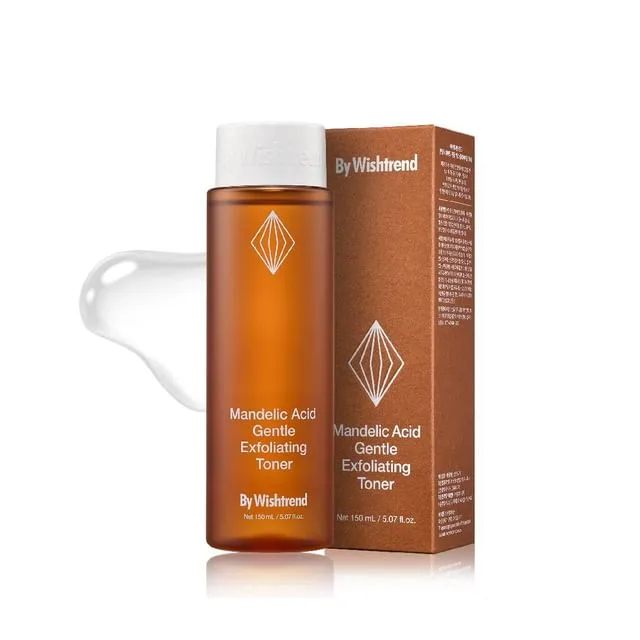 Sensitive Skin AHA Pick
 Mandelic Acid 5% Skin Prep Water
The mandelic acid prep water that quietly converted half of K-beauty Reddit away from glycolic — and for good reason. It delivers visible texture and PIH improvement at 5% without the sting or pigment risk that derails sensitive and darker skin, and it does so for around twenty bucks.
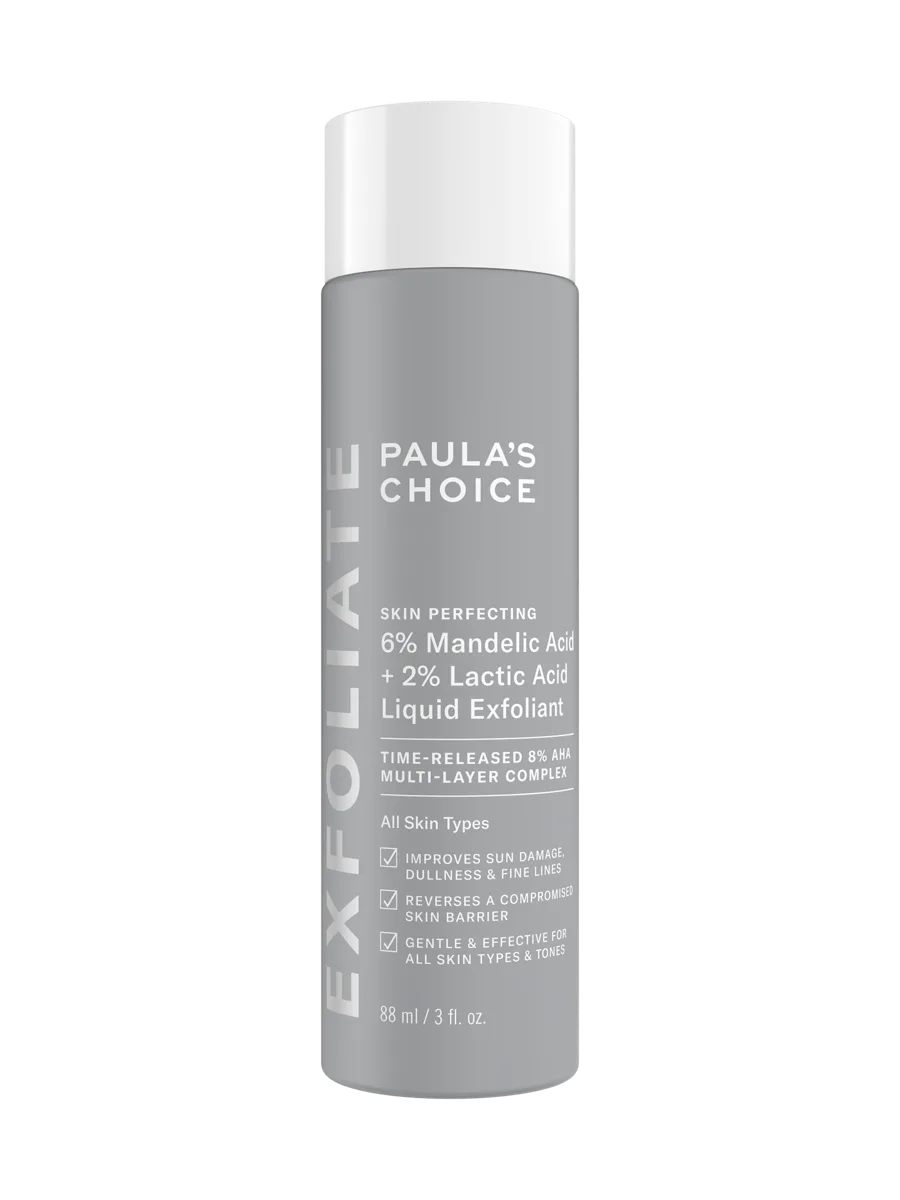 Gentle Glow Specialist
 Skin Perfecting 6% Mandelic Acid + 2% Lactic Acid Liquid Exfoliant
The exfoliant that finally treats sensitive and melanin-rich skin as the design priority rather than an afterthought. With a 4.8-star rating and 660+ reviews, this mandelic-lactic formula proves that gentleness and efficacy aren't mutually exclusive — it just requires smarter acid selection.
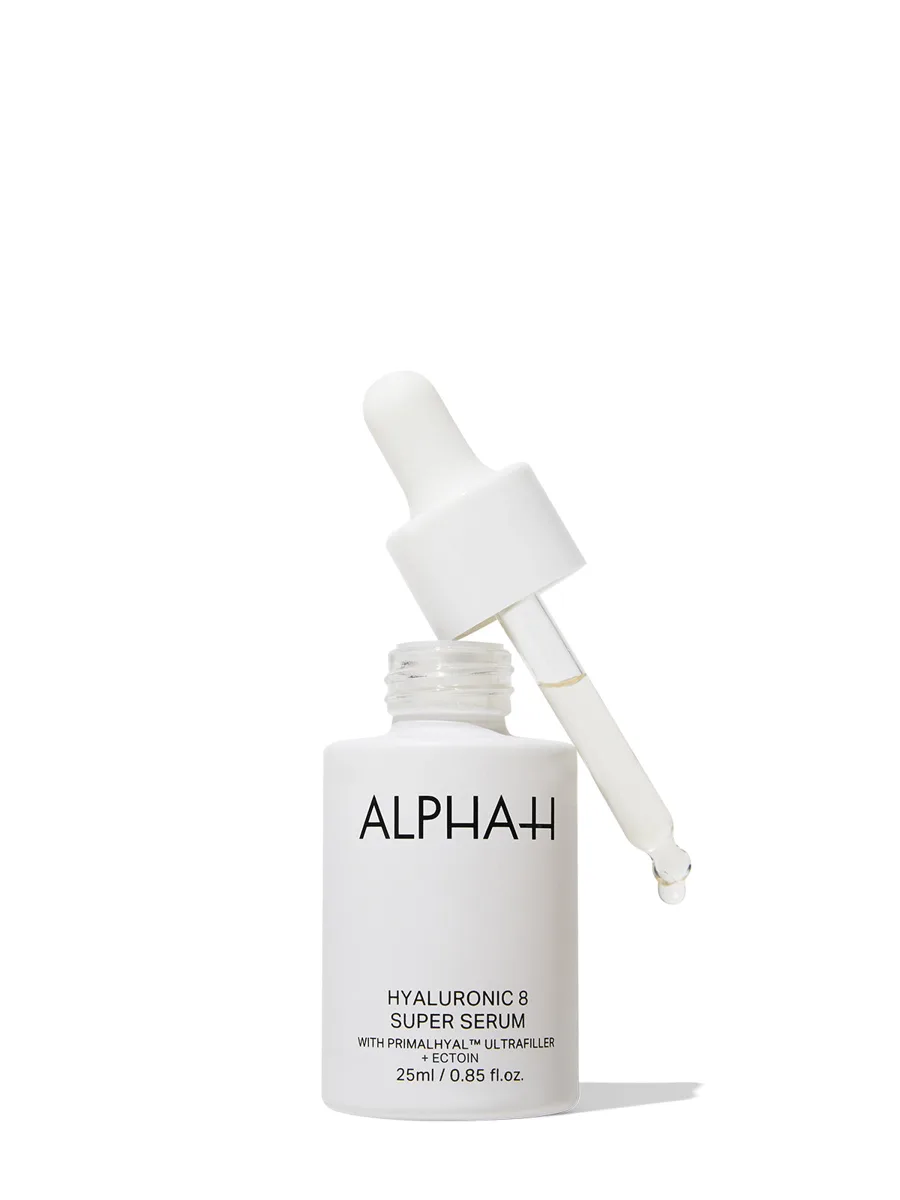 Layered Hydration MVP
 Hyaluronic 8 Super Serum
Alpha-H stacks eight molecular weights of hyaluronic acid with polyglutamic acid, ectoin, and 4% niacinamide to build a hydration system that actually outlasts the four-hour window most HA serums hit. It's overpriced compared to drugstore alternatives, but the supporting ingredients earn the premium for dehydrated, reactive, or mature skin.
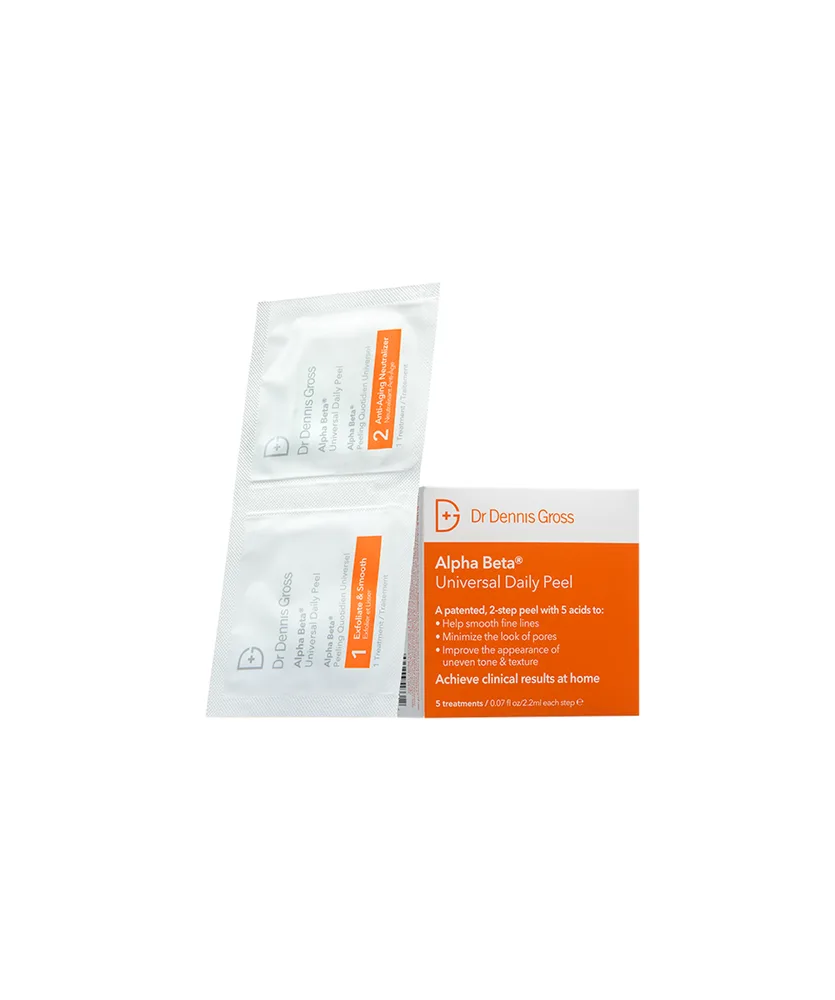 The Original At-Home Peel
 Alpha Beta Universal Daily Peel
The product that invented the at-home daily peel category in 2002 and still sits at the top of it. The five-acid Step 1 and retinol-antioxidant Step 2 deliver genuine resurfacing and anti-aging in a single five-minute routine. Expensive, but the results and track record justify the reputation.
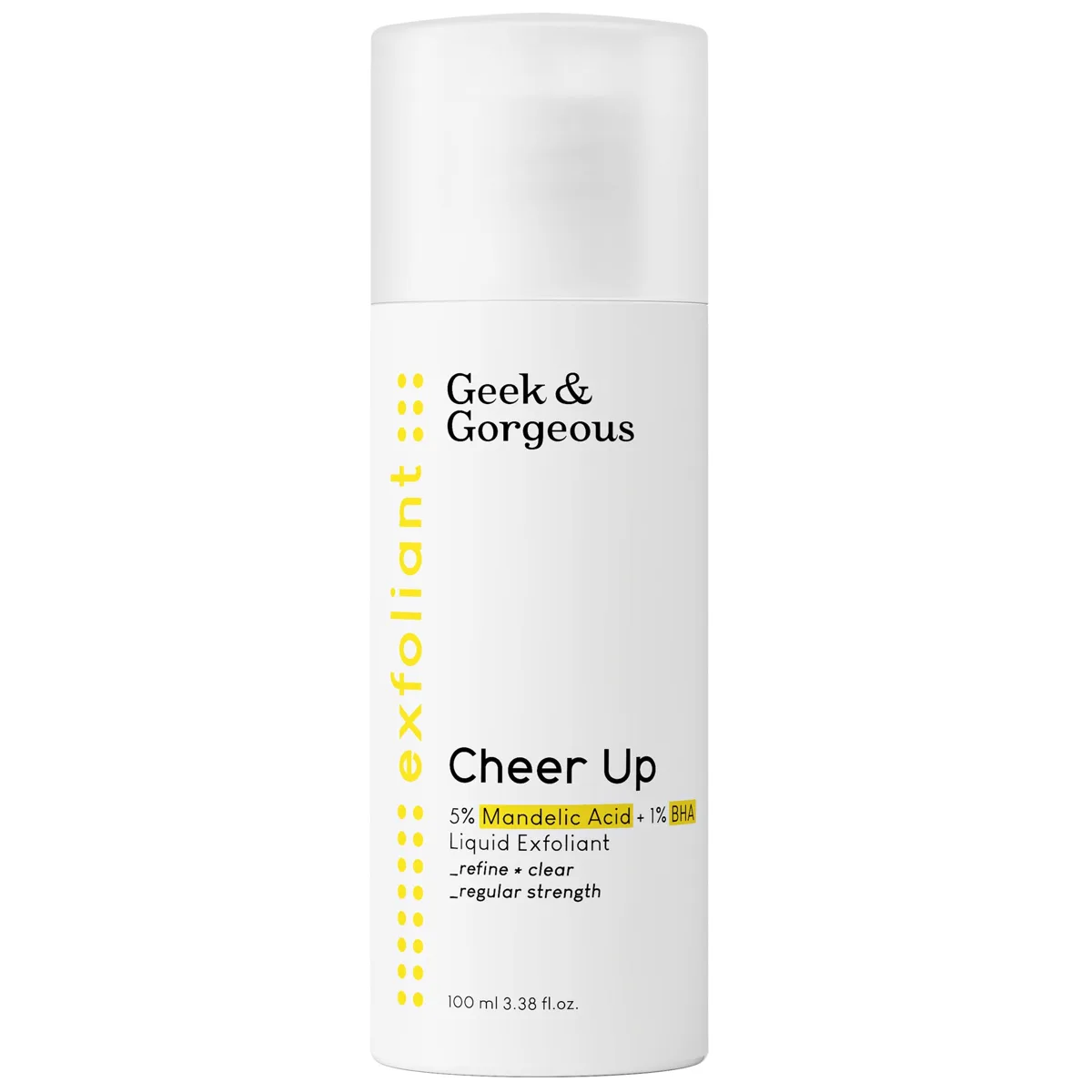 Beginner Exfoliant Pick
 Cheer Up 5% Mandelic + 1% Salicylic Exfoliant
A thoughtfully formulated beginner AHA/BHA exfoliant that uses mandelic acid — the gentlest mainstream AHA — in combination with low-strength salicylic, plus a sugar-humectant complex for comfort. At 100mL for around $12, the value is excellent, and the formulation choices reflect the kind of cosmetic-chemist thinking that separates this brand from typical indie exfoliants. Ideal for exfoliant newcomers and sensitive skin.
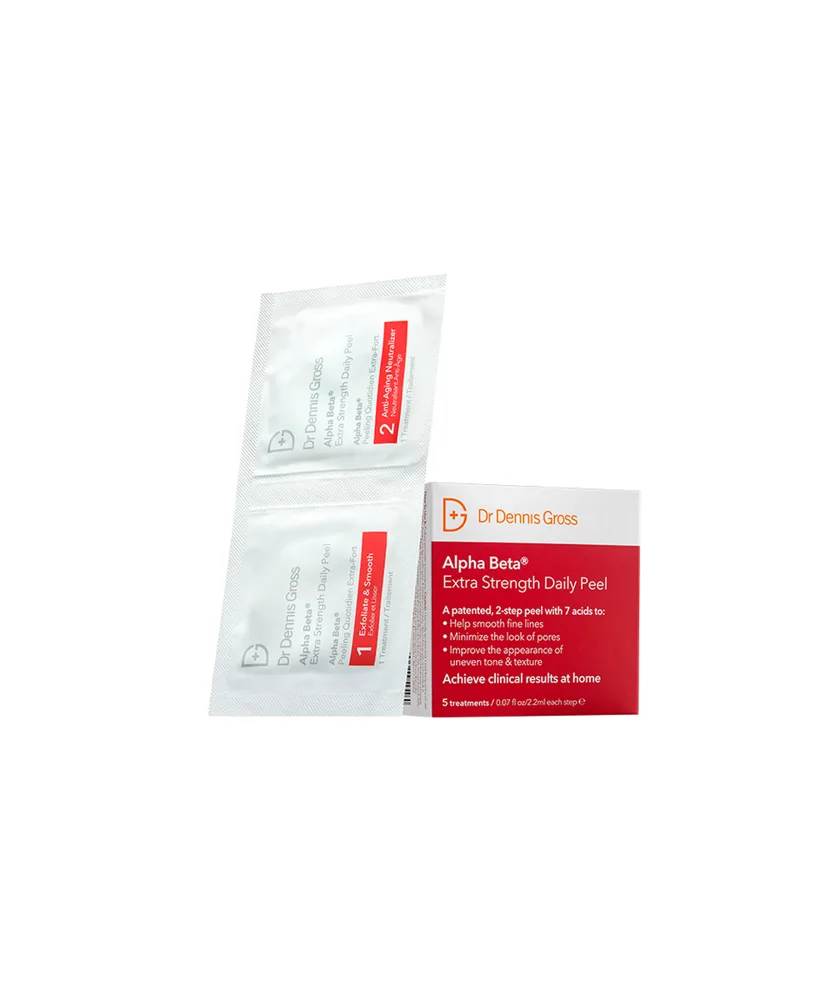 At-Home Peel Benchmark
 Alpha Beta Extra Strength Daily Peel
The harder-hitting version of the at-home peel that started the category. Step 1 delivers a serious five-acid blend and Step 2 follows with retinol and antioxidants, making this a combined resurfacing and anti-aging treatment in a single five-minute routine. Expensive but genuinely effective for experienced exfoliant users.