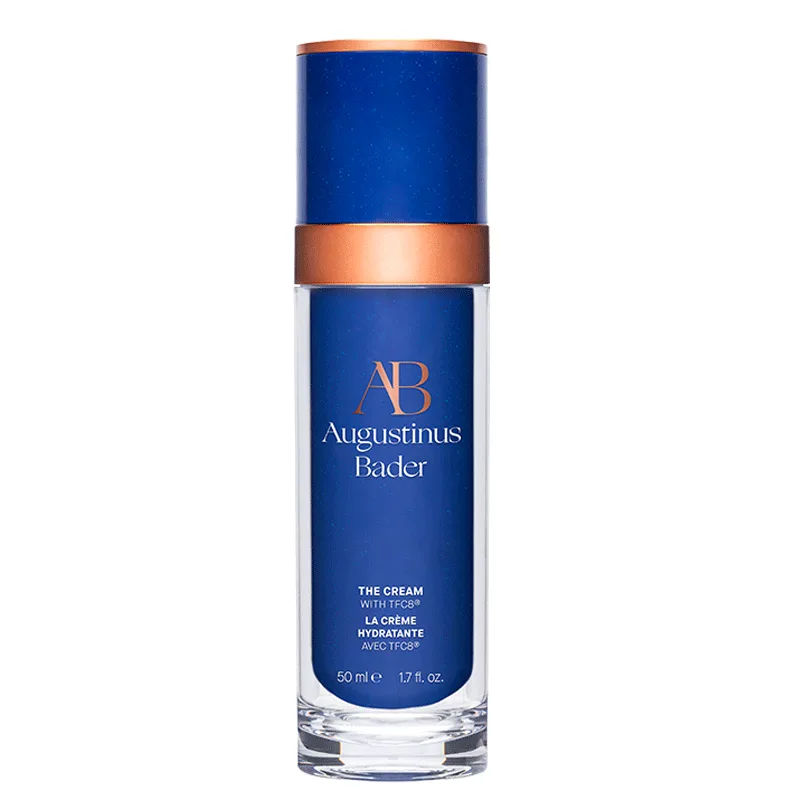
Augustinus Bader's The Cream is the rare luxury face cream where the science origin story actually holds up — built on a researcher with a real publication record and a complex that grew out of burn-healing work. The formula is well-built, fragrance-free, and sensorially excellent. The price is also $290, which is impossible to defend on ingredient cost alone. The right buyer wants the experience and can afford it; the wrong buyer expects $290 worth of measurable improvement.
The Cream
Augustinus Bader's The Cream is the rare luxury face cream where the science origin story actually holds up — built on a researcher with a real publication record and a complex that grew out of burn-healing work. The formula is well-built, fragrance-free, and sensorially excellent. The price is also $290, which is impossible to defend on ingredient cost alone. The right buyer wants the experience and can afford it; the wrong buyer expects $290 worth of measurable improvement.
Score Breakdown
Where this product gains points and where it loses them — broken down across the four scoring pillars.
A genuinely well-formulated luxury moisturizer with thoughtful ceramide, peptide and antioxidant chemistry — but at $290 for 50ml, the value math is brutally hard to defend against any well-formulated mid-range alternative.
Pros & Cons
- ✓Genuinely well-built lightweight face cream with sophisticated formulation
- ✓TFC8 complex backed by real published academic research
- ✓Two ceramides plus cholesterol and fatty acids for barrier support
- ✓Layered antioxidant package with vitamin E, C, and SOD
- ✓Truly fragrance-free — rare at the luxury tier
- ✓Velvety, fast-absorbing texture suits most skin types
- ✓Recyclable minimalist packaging
- ✗Price is impossible to justify on ingredient cost alone
- ✗Dramatic firming and rejuvenation claims hard to verify independently
- ✗Contains retinyl palmitate — not pregnancy-safe
- ✗TFC8 complex is proprietary and harder to independently study
- ✗Plant oils make it not reliably fungal-acne safe
Full Review
Almost every luxury skincare brand has a science origin story, and almost all of them fall apart the moment you read the actual papers. There is the 'discovered in the marine biome of a single Norwegian fjord' story, the 'derived from the queen bee royal jelly of a private apiary' story, the 'developed by a celebrity dermatologist's secret formula' story. They sound impressive in marketing copy and disintegrate under cosmetic chemistry scrutiny. Augustinus Bader's origin story is one of the few that doesn't disintegrate. Professor Augustinus Bader is a real biomedical researcher who spent decades at the University of Leipzig studying cell signaling and wound healing, with a particular focus on improving clinical outcomes for severe burn patients. His published work spans multiple peer-reviewed journals and predates the cosmetic brand by years. The TFC8 complex commercialized in this cream came out of that academic body of work — specifically, his investigation into how amino acids, peptides, and supporting molecules can create the molecular environment that supports cellular repair. None of this means the cosmetic cream is going to perform medical miracles on your face. It does mean the brand is sitting on top of a body of legitimate science rather than a marketing department's invention, and that's rare enough at the luxury tier to be worth acknowledging up front. Augustinus Bader the company launched in 2018 with two products: The Cream and The Rich Cream. Both used the same TFC8 complex; the difference was the carrier base. The Cream is built on caprylic/capric triglyceride — a lightweight, fractionated coconut-derived emollient — paired with glycerin and pentylene glycol as the humectant phase, and absorbs to a velvety, near-weightless finish. The Rich Cream uses a shea-butter-dominant base for the same complex and suits dry skin or winter conditions. Both are $290 for 50ml, and the choice between them is essentially a texture preference for your skin type and climate. The TFC8 complex itself isn't a single ingredient on the INCI; it's a system distributed throughout the formula. You can find it by reading the list: alanyl glutamine, arginine, glycine, lysine, phenylalanine, proline (the amino acids), palmitoyl tripeptide-8 and oligopeptide-177 (the peptides), ceramide NG and NP (the lipid-stabilizing ceramides), cholesterol-hydrogenated lecithin, oleic and palmitic acids, and supporting nutrients like dextran and superoxide dismutase. The structural idea is to provide the molecular components a cell needs for healthy function, with the brand's claim being that the layered system supports skin renewal in a way that any single active wouldn't. The proprietary nature of the exact ratios makes independent replication difficult, but the components themselves are all well-characterized in cosmetic chemistry literature. The supporting cast around the TFC8 system is meaningfully thoughtful. Vitamin E (tocopheryl acetate), Vitamin C in two forms (ascorbyl palmitate and ascorbic acid), and superoxide dismutase create a layered antioxidant defense — multiple antioxidants at lower individual doses tend to outperform any single antioxidant at high dose, which is a sophisticated formulation choice. Aloe vera juice and panthenol provide soothing function. Squalane and sunflower seed oil contribute additional emollients. There is a small amount of retinyl palmitate — the gentlest vitamin A derivative — which provides a minor anti-aging signal without the irritation of stronger retinoids. The whole formula is fragrance-free, which is genuinely rare at this price point, and uses no harsh preservatives or sensitizing essential oils. The texture is the part that makes the experience work. The Cream applies as a soft white lotion that softens on contact, spreads thin under the fingertips, and absorbs in under a minute to a velvety, cushioned finish without any greasy residue or tackiness. There is no waiting period, no settling-in, no awkward layer to navigate before sunscreen or makeup. Skin looks immediately plumper and more hydrated, which is largely the humectant phase doing its job, and over a few weeks of consistent use most users report a subtle but real improvement in smoothness, comfort, and overall skin quality. The more dramatic before-and-after results that show up in marketing materials are more variable and depend significantly on starting point — older or more sun-damaged skin tends to show more visible improvement than already-healthy skin. The honest conversation about this cream has to be about value, because the price is the elephant in every Augustinus Bader review ever written. At $290 for 50ml, you are paying $5.80 per ml for a face cream. SkinCeuticals Triple Lipid Restore — also a clinically credible brand, also a high-end formulation with ceramides, fatty acids, and cholesterol — runs about $135 for 48ml, or around $2.80 per ml. La Roche-Posay Toleriane Double Repair, which contains ceramides, niacinamide, and prebiotic thermal water, is about $20 for 75ml — under $0.30 per ml. CeraVe PM Facial Moisturizing Lotion is around $16 for 89ml. The structural ingredients responsible for visible barrier health, hydration, and antioxidant defense in The Cream are not unique to Augustinus Bader. What you're paying for above the formulation floor is the TFC8 complex (which is genuinely interesting but whose face-skin clinical data is limited and proprietary), the fragrance-free luxury formulation, the sensorial experience, the recyclable packaging, the brand story, and the academic research pedigree. None of those are nothing — for a buyer who specifically wants that combination and can comfortably afford it, the cream is one of the more defensible $290 face creams on the market. But for a buyer who would be stretching to afford it, who expects the price to translate into proportionally dramatic results, or who would be just as happy with a Skinceuticals or even a La Roche-Posay alternative, the value math doesn't work. A few additional honest notes. The cream contains retinyl palmitate, which means it isn't recommended during pregnancy — choose a retinoid-free option for those nine months. The plant oils mean it isn't reliably fungal-acne safe. The alcohol denat in the formula is at low cosmetic concentration but is worth flagging for users who specifically avoid alcohol. The 50ml tube empties in two to three months at twice-daily use, which means you're spending around $1,200 a year if you're using it as your primary moisturizer year-round. Augustinus Bader's broader pitch — that real academic biomedical research can be commercialized into a credible luxury cream — is more defensible than most of the science-stories told in this category. The Cream itself is genuinely well-built, sensorially excellent, and honestly kind of impressive in its restraint and sophistication. It is also priced at a level where the formulation quality stops being the entire conversation, and the experience and the brand have to carry the rest of the math. Whether that adds up for you is a question only you can answer — but at least with this cream, the science side of the equation is real.
Formula
Key Ingredients
The hero actives that drive this product's performance.
| Ingredient | Function | Evidence |
|---|---|---|
| TFC8 Complex (Amino Acids + Peptides + Ceramides) | Augustinus Bader's signature 'Trigger Factor Complex 8' — a proprietary stack of amino acids (alanyl glutamine, arginine, glycine, lysine, phenylalanine, proline), peptides (palmitoyl tripeptide-8, oligopeptide-177), ceramides NG and NP, fatty acids and supporting nutrients. In this lighter face cream the complex sits alongside an antioxidant package and is the brand's central pitch — the question is not whether the components are present (they are) but how much of the result is the complex doing meaningful cellular work versus the well-formulated supporting cast doing what any good moisturizer would do. | promising |
| Caprylic/Capric Triglyceride | Sits in the second slot as the dominant emollient — a lightweight, fractionated coconut-derived oil that gives The Cream its characteristically light, fast-absorbing texture. This is the structural choice that distinguishes this from The Rich Cream, which uses a heavier shea-butter-led base for the same active complex. | well-established |
| Glycerin + Pentylene Glycol | Layered humectants pulling water into the upper stratum corneum. In a lightweight cream where the lipid load is intentionally restrained, the humectant phase is doing most of the actual hydration work, which is why both glycerin and pentylene glycol appear high in the formula. | well-established |
| Ceramide NP + NG + Cholesterol + Fatty Acids | Two skin-identical ceramides paired with cholesterol and free fatty acids — the same trinity that drives barrier-repair work elsewhere in dermatology. They sit deeper in the formula than they would in a dedicated barrier cream, but their inclusion alongside the TFC8 amino acids is what gives The Cream its calming, barrier-friendly character despite being marketed as anti-aging. | well-established |
| Antioxidant Package (Vitamin E + Vitamin C + Superoxide Dismutase) | Tocopheryl acetate, ascorbyl palmitate, ascorbic acid, and superoxide dismutase create a layered antioxidant defense that complements the amino-acid complex. Multiple antioxidants at lower individual doses tend to outperform any single antioxidant at high dose — a small but meaningful formulation choice for a cream sold as a daily protective moisturizer. | well-established |
Full INCI List
Water, Caprylic/Capric Triglyceride, Pentylene Glycol, Propylene Glycol, Glycerin, Hydrogenated Phosphatidylcholine, Sorbitol, Tocopheryl Acetate, Butylene Glycol, Butyrospermum Parkii (Shea) Butter, Xanthan Gum, Panthenol, Sodium Carbomer, Alcohol, Aloe Barbadensis Leaf Juice, Hydrolyzed Rice Protein, Retinyl Palmitate, Helianthus Annuus (Sunflower) Seed Oil, Squalane, Phenoxyethanol, Cholesterol, Hydrogenated Lecithin, Ascorbyl Palmitate, Carbomer, Ceramide NP, Lecithin, Glycine Soja (Soybean) Protein, Superoxide Dismutase, Sodium Hydroxide, Alanyl Glutamine, Arginine, Ceramide NG, Citric Acid, Dextran, Glycine, Lysine, Oleic Acid, Palmitic Acid, Palmitoyl Tripeptide-8, Phenylalanine, Proline, Scenedesmus Rubescens Extract, Ascorbic Acid, Ethylhexylglycerin, Sodium Benzoate, Tocopherol, Brassica Alba Seed Extract, Disodium EDTA, Oligopeptide-177, Sodium Ascorbate, Sodium Dextran Sulfate, Potassium Sorbate
Product Flags
✓ Fragrance Free✗ Alcohol Free✗ Oil Free✓ Silicone Free✓ Paraben Free✓ Sulfate Free✓ Cruelty Free✗ Vegan✗ Fungal Acne Safe
Potential Irritants
alcohol denatretinyl palmitate
Compatibility
Skin Match
Best For
Works For
Not Ideal For
Addresses These Conditions
aging dehydration dullness sensitivity
Use With Caution
Routine Step
moisturizer
Time of Day
AM & PM
Pregnancy Safe
No ✗
Layering Tips
Apply to clean skin after toner and serum. The lightweight texture absorbs almost instantly, so it layers cleanly under sunscreen in the morning and under richer creams or oils at night for users who want additional occlusion.
Results Timeline
Immediate: skin feels hydrated and looks plumper within minutes. Short-term (1-2 weeks): noticeable improvement in skin smoothness, hydration, and overall comfort. Full benefits (4-12 weeks): more even tone, improved skin quality and resilience; the more dramatic firming and rejuvenation claims remain harder to verify independently and depend significantly on starting point.
Pairs Well With
vitamin C serumsniacinamide serumsAugustinus Bader The Face Oil
Conflicts With
high-strength acid exfoliants on the same evening for very sensitive skin
Sample AM Routine
- Gentle cleanser
- Vitamin C serum
- Augustinus Bader The Cream
- SPF 50
Sample PM Routine
- Cream cleanser
- Hydrating toner
- Niacinamide or peptide serum
- Augustinus Bader The Cream
Evidence
Who Should Skip
- Price is impossible to justify on ingredient cost alone
- Dramatic firming and rejuvenation claims hard to verify independently
- Contains retinyl palmitate — not pregnancy-safe
- TFC8 complex is proprietary and harder to independently study
Science & Expert Perspective
The Science
The science behind Augustinus Bader sits in two layers. The first is Professor Augustinus Bader's published academic work on cell signaling and wound healing at the University of Leipzig, which spans multiple peer-reviewed papers in fields ranging from regenerative medicine to burn treatment. His research demonstrated that specific combinations of amino acids and supporting molecules can support tissue regeneration in clinical contexts, and that body of work is the academic foundation for what the brand commercialized as TFC8. The second layer is the cosmetic chemistry of the actual cream, which rests on much more conventional and well-documented ingredients. Ceramide NP and NG are skin-identical ceramides supported by decades of barrier-repair research. A 2002 paper in the British Journal of Dermatology by Coderch and colleagues reviewed the role of ceramides in stratum corneum function. Cholesterol and fatty acids round out the lipid-trinity approach to barrier support that has been validated in multiple clinical settings since the 1990s. Glycerin, the most extensively studied humectant in dermatology, was reviewed by Fluhr and colleagues in a 2008 British Journal of Dermatology paper. Palmitoyl tripeptide-8 has cosmetic chemistry support as a calming peptide originally derived from alpha-MSH biology. Superoxide dismutase has been studied for decades as a topical antioxidant. Retinyl palmitate is the gentlest vitamin A derivative and contributes mild anti-aging signaling. The takeaway is that the structural cosmetic effects of this cream — hydration, barrier support, antioxidant defense, mild renewal — are driven by well-understood ingredients with strong individual evidence bases. The TFC8 complex is the formulation's distinctive but harder-to-independently-verify hero, and represents Bader's particular contribution from his academic work. Independent clinical studies of the finished cream specifically remain limited.
References
- Ceramides and skin function — American Journal of Clinical Dermatology (2003)
- Glycerol and the skin: holistic approach to its origin and functions — British Journal of Dermatology (2008)
Dermatologist Perspective
Dermatologists generally recognize Augustinus Bader as one of the more credibly science-backed brands in the luxury skincare tier, while also noting that the price-to-evidence ratio remains difficult to justify for most patients. Board-certified dermatologists acknowledge that Professor Bader's underlying academic research is real and that the TFC8 complex represents a thoughtful formulation approach, but consistently emphasize that for most cosmetic outcomes — hydration, barrier support, mild antioxidant protection, smoothness — well-formulated mid-range moisturizers from Skinceuticals, La Roche-Posay, or even drugstore brands like CeraVe deliver most of the same structural benefits at a fraction of the cost. The fragrance-free profile is recognized as a legitimate advantage for sensitive skin, and the cream is generally considered safe for daily use outside of pregnancy. For patients seeking dramatic anti-aging results, dermatologists consistently emphasize that prescription retinoids, professional treatments like microneedling or lasers, and consistent sun protection drive far more visible change than any moisturizer at any price.
Guidance
Usage Guide
How to Use
Apply to clean skin after toner and any serums, both morning and night. Use a small amount — about a pea-to-quarter sized — and spread evenly across the face and neck. The cream absorbs in under a minute. In the morning, follow with sunscreen since the cream offers no UV protection. At night, you can layer Augustinus Bader's Face Oil over the top for additional richness, or use it as your final step. Avoid use during pregnancy due to the retinyl palmitate content.
Value Assessment
At $290 for 50ml, this is one of the most expensive non-luxury-house face creams on the market — only La Mer and a handful of niche brands sit above it. Per ml, the cream costs about $5.80, compared to roughly $2.80 for SkinCeuticals Triple Lipid Restore (a similarly clinically credible formulation), or under $0.30 for La Roche-Posay Toleriane Double Repair. The structural ingredients that drive visible barrier health and hydration are not proprietary to Augustinus Bader, and the visible-results gap between this cream and a well-formulated mid-range alternative is far smaller than the price gap. What you're paying for above the formulation floor is the TFC8 complex, the fragrance-free luxury formulation, the genuine academic pedigree, and the brand experience. For a buyer who specifically values that combination and can comfortably afford the spend, it's one of the more defensible options in its tier. For a value-driven buyer, the math is brutally hard to justify, and a Skinceuticals Triple Lipid Restore or a Cerave PM delivers most of what matters at a fraction of the cost.
Who Should Buy
Users who specifically want a fragrance-free luxury face cream with genuinely science-backed pedigree, can comfortably afford the spend, and value the brand experience. Also a good fit for normal-to-combination skin in moderate climates, and for users who want a clean luxury alternative to scented creams from heritage houses.
Who Should Skip
Pregnant or nursing users (due to retinyl palmitate), value-driven shoppers, anyone expecting dramatic measurable improvement over a well-formulated mid-range cream, users with confirmed fungal acne, and people who would be just as happy with SkinCeuticals or CeraVe — which is most people.
Ready to try Augustinus Bader The Cream?
Details
Details
Texture
Lightweight white cream that softens on contact and absorbs to a velvety, slightly cushioned finish without any greasy residue
Scent
Truly fragrance-free with the faint inherent character of the lipid base
Packaging
Heavy minimalist white tube with the brand's understated branding — premium, recyclable, travel-friendly
Finish
non-greasyvelvetynatural
What to Expect on First Use
First application feels like an exceptionally well-built lightweight face cream — substantial without weight, absorbing within a minute, leaving skin noticeably softer and more comfortable. Most users report a subtle plumping effect within the first week, though more dramatic results take longer and are more variable. The fragrance-free profile is striking against most luxury creams.
How Long It Lasts
About 2-3 months with twice-daily face application
Period After Opening
12 months
Best Season
All Year
Background
The Why
Professor Augustinus Bader spent decades at the University of Leipzig researching cell signaling and wound healing, with a focus on improving outcomes for severe burn patients. His amino acid and peptide work, originally developed in that medical context, became the foundation for what the brand later commercialized as TFC8. Augustinus Bader the company launched in 2018 with two products — The Cream and The Rich Cream — both built around the same complex. The Cream is the lighter of the two, designed for normal-to-combination skin and warmer climates, while The Rich Cream uses the same complex in a more occlusive base for dry skin and winter use.
About Augustinus Bader Emerging Brand (2–5 years)
Augustinus Bader was founded in 2018 around Professor Augustinus Bader's stem-cell and wound-healing research at the University of Leipzig, where he developed an amino acid and peptide complex originally aimed at burn treatment. The TFC8 complex commercialized in this cream draws on that academic body of work, but the proprietary nature of the exact composition makes independent verification harder than for openly published actives.
Brand founded: 2018 · Product launched: 2018
Myth vs. Reality
Myths & Misconceptions
Myth
Augustinus Bader is stem cell skincare.
Reality
The TFC8 complex does not contain stem cells. Professor Bader's research used stem cell biology as a context for understanding cell signaling, but the commercial complex is composed of amino acids, peptides, ceramides, and supporting nutrients — not stem cells. The 'stem cell skincare' framing is a marketing simplification that the brand itself doesn't actually claim.
Myth
A $290 cream must be measurably better than a $30 cream.
Reality
It isn't, in any clinically validated sense. The Cream is well-formulated and has a meaningfully thoughtful active complex, but in side-by-side comparisons with well-formulated mid-range moisturizers like Skinceuticals Triple Lipid, La Roche-Posay Toleriane Double Repair, or even CeraVe PM, the visible-results gap is far smaller than the price gap suggests. You're paying for the complex, the brand experience, and the formulation refinement — not for proportionally better outcomes.
FAQ
Frequently Asked Questions
Is Augustinus Bader worth the money?
By formulation quality alone, no — there is no $290 face cream that delivers $290 worth of unique benefit over a well-formulated $40 alternative. By experience, brand pedigree, and the genuinely thoughtful TFC8 complex, it can be worth it for users who specifically want that combination and can comfortably afford it. As a value purchase, it isn't one. As a luxury indulgence with real scientific backing, it's one of the more defensible options in its tier.
What is TFC8?
TFC8 — Trigger Factor Complex 8 — is the brand's proprietary stack of amino acids, peptides like palmitoyl tripeptide-8 and oligopeptide-177, ceramides NG and NP, fatty acids, and supporting nutrients. The complex was developed from Professor Augustinus Bader's research on cell signaling and wound healing at the University of Leipzig, originally in the context of burn treatment. It's not a single ingredient; it's a system distributed throughout the formula.
What's the difference between The Cream and The Rich Cream?
The Cream is the lighter version, with a caprylic/capric triglyceride base that absorbs quickly and suits normal-to-combination skin. The Rich Cream uses the same TFC8 complex in a heavier, shea-butter-dominant base that's better for dry skin or winter conditions. They're priced identically and most users pick based on skin type and climate.
Is it safe during pregnancy?
No — The Cream contains retinyl palmitate, a vitamin A derivative that is generally avoided during pregnancy and breastfeeding. The brand's Body Cream is a safer pregnancy option. For face care during pregnancy, a retinoid-free moisturizer is the more conservative choice.
Can I use it morning and night?
Yes — the formula is designed for twice-daily use. In the morning, follow with sunscreen since the cream offers no UV protection; at night, you can layer Augustinus Bader's Face Oil over the top for additional richness.
Will it really firm and rejuvenate my skin?
It will improve hydration, smoothness, and skin comfort within a few weeks for most users. The more dramatic firming and rejuvenation claims in the brand's marketing depend significantly on your starting point — older or more sun-damaged skin often shows more visible improvement than already-healthy skin. Independent clinical studies specific to this product are limited, so realistic expectations are important.
Is it fragrance-free?
Yes — genuinely fragrance-free with no added fragrance components. The only scent is the faint inherent character of the lipid base. This is one of the few luxury face creams that is truly fragrance-free, which is part of why it appeals to sensitive skin.
Community
Community Voices
Common Praise
"lightweight texture absorbs beautifully"
"fragrance-free and well-tolerated"
"noticeable plumping effect"
"skin looks more even after consistent use"
Common Complaints
"price is genuinely difficult to justify"
"results not dramatically better than mid-range alternatives"
"TFC8 marketing is opaque and proprietary"
"50ml empties faster than expected"
Notable Endorsements
Sephora luxury exclusiveNet-A-Porter beauty bestsellerFeatured in Vogue, Harper's Bazaar
Appears In
best luxury face cream best anti aging moisturizer luxury best fragrance free luxury cream best cream with peptides luxury
Related Conditions
Related Ingredients
You Might Also Like
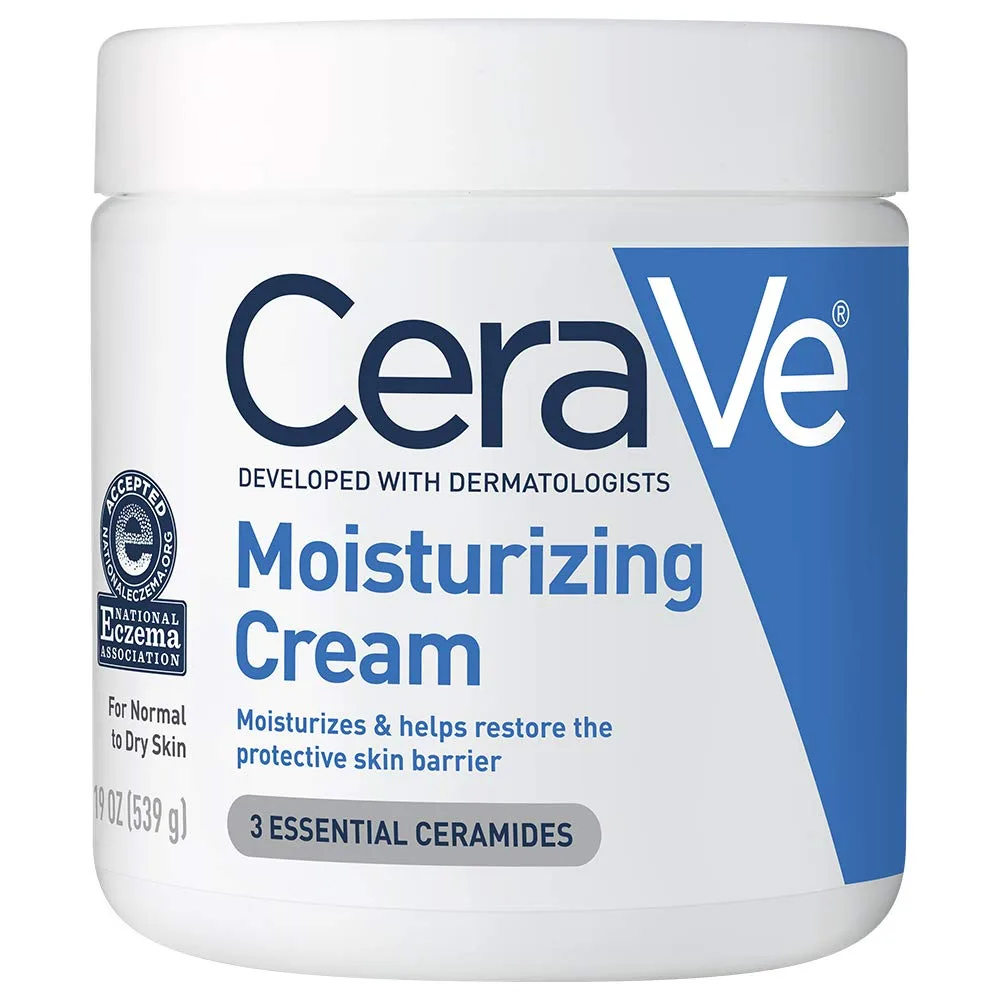 Budget Holy Grail
 Moisturizing Cream
The CeraVe Moisturizing Cream is the most important moisturizer in the drugstore — a ceramide-rich, dermatologist-developed formula that delivers barrier repair, multi-humectant hydration, and occlusive protection at a price so accessible it has no real excuse not to be in every household. Twenty-one years of consistent performance and universal dermatologist approval speak louder than any ingredient list.
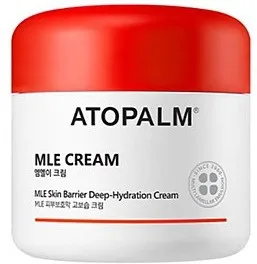 Barrier Repair Pioneer
 MLE Cream
Atopalm MLE Cream is one of the genuinely scientifically anchored barrier moisturizers in K-beauty — a fragrance-free, pseudo-ceramide cream built around a patented liquid-crystal lipid structure that mimics the skin's own intercellular matrix. For eczema, atopic skin, post-procedure recovery, or anyone with a stinging compromised barrier, it's one of the most reliably effective moisturizers in the entire category.
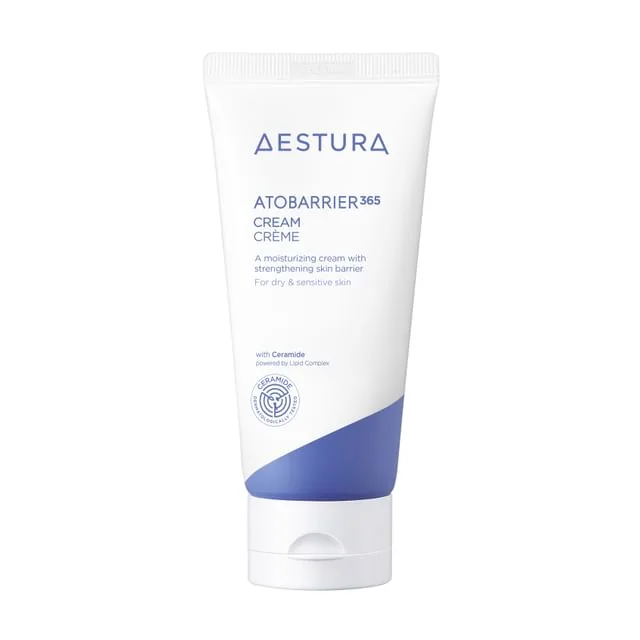 K-Beauty Barrier Repair Staple
 Atobarrier 365 Cream
A Korean pharmacy cream that earns its cult following the hard way — with a lamellar lipid structure that actually rebuilds the barrier, not just coats it. If your skin has been through a rough winter, a retinoid ramp-up, or a bad reaction, this is the jar that quietly puts it back together.
 Korean Derm Clinic Recovery Pick
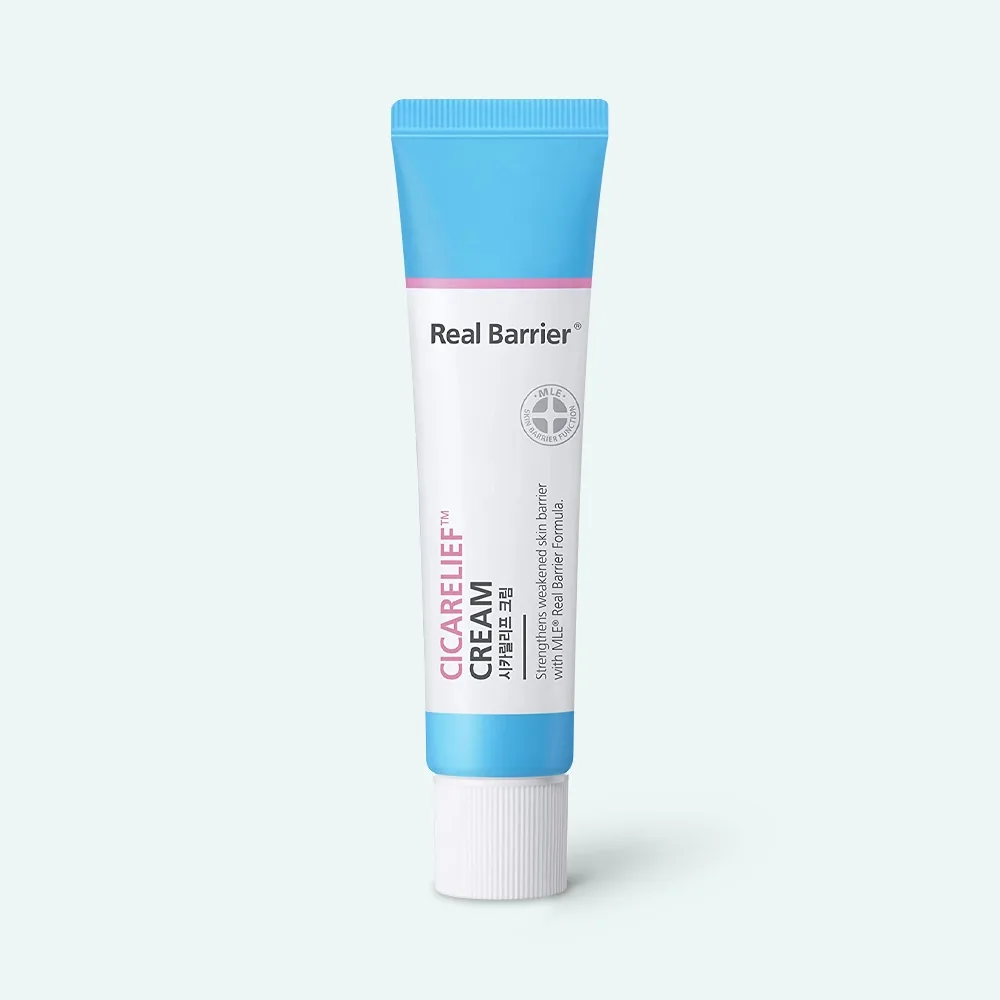
 Real Barrier Cicarelief Cream
One of the best consumer cica creams on the market, combining the full spectrum of centella actives with NeoPharm's MLE ceramide delivery and multiple complementary calming ingredients. Ideal for compromised, reactive, rosacea-prone, or recovering skin, and a staple in Korean dermatology clinic protocols. Minor limitations on packaging, but the formulation is genuinely excellent.
 Transparent 10% Panthenol Cream
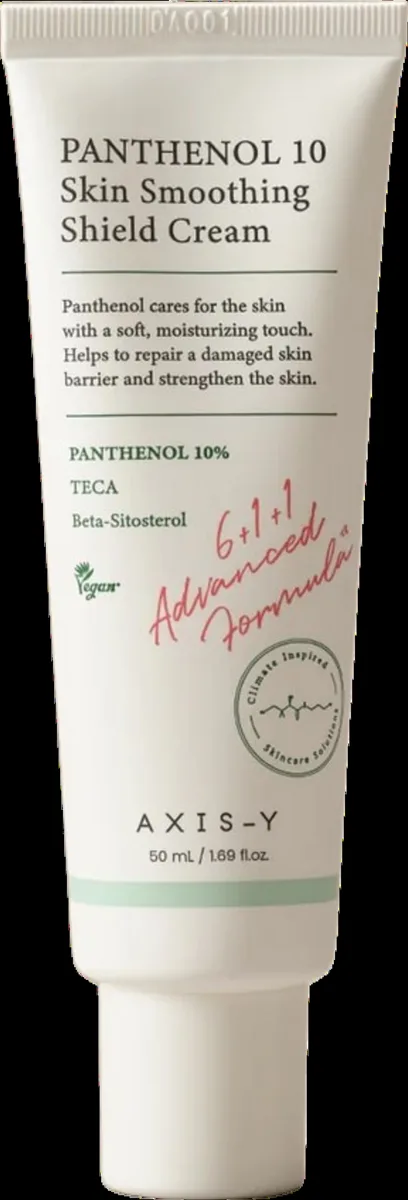
 Panthenol 10 Skin Smoothing Shield Cream
A disclosed 10% panthenol barrier cream built around a full physiological ceramide trio, a centella calming cast, and a modest shea butter occlusive. Fragrance-free, cross-season, and unusually transparent about its hero active — one of the brand's strongest moisturizer formulations.
 K-Beauty Icon
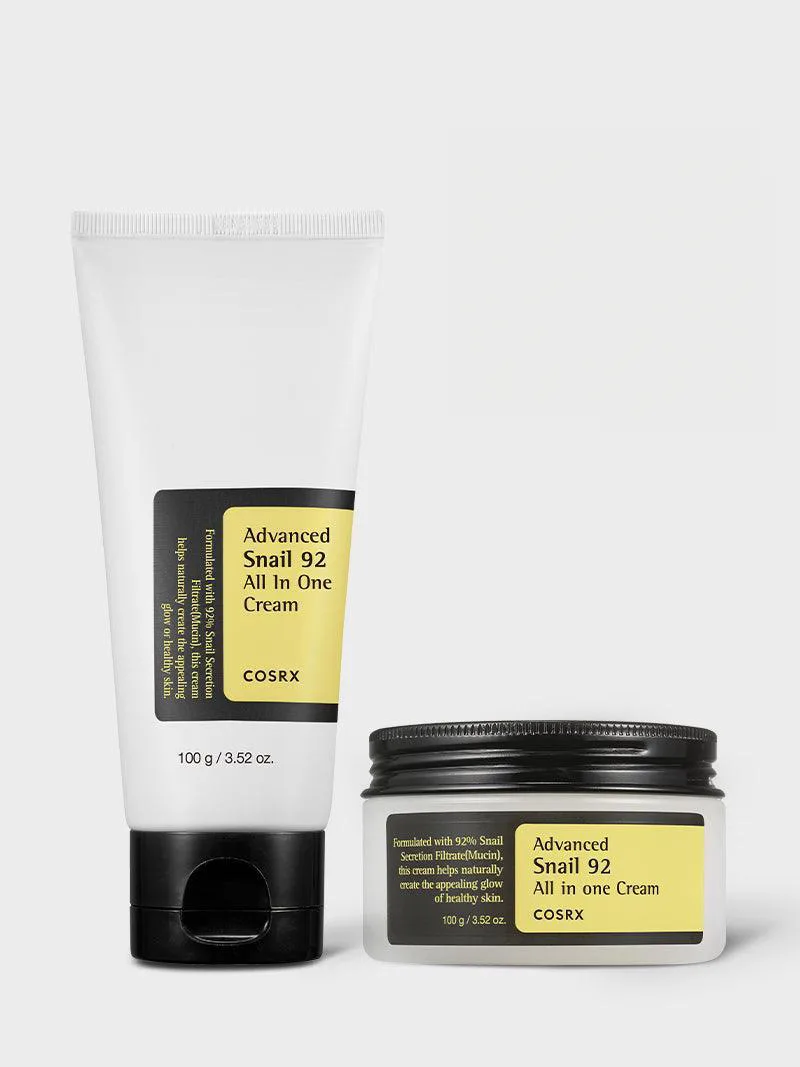
 Advanced Snail 92 All in One Cream
The cream that helped prove snail mucin to the world — and a decade later, it still deserves the reputation. At 92% snail secretion filtrate in a fragrance-free, gentle gel-cream, it delivers hydration, soothing, and gradual skin improvement across virtually every skin type. The texture takes getting used to, but 13 million sold units and 25,000+ reviews suggest most people manage.
This review reflects our independent analysis of publicly available ingredient data, manufacturer claims, and verified user reviews. We are reader-supported — Amazon links may earn us a commission at no cost to you. We do not accept paid placements; rankings are based solely on the evidence.