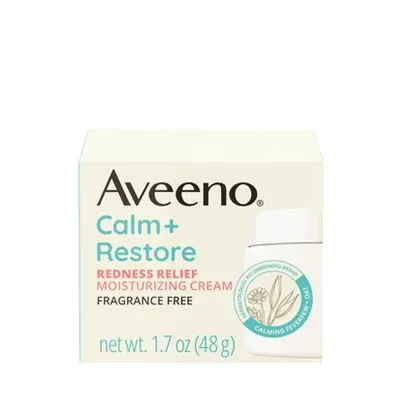
The ceramide-equipped big sister to Aveeno's Oat Gel, this cream targets dry, redness-prone skin with a barrier-repair strategy that most drugstore competitors lack. The oat-feverfew-ceramide combination is genuinely effective for reducing daily redness, though the texture doesn't work for everyone — patch test if your skin is extremely reactive.
Calm + Restore Redness Relief Moisturizing Cream
The ceramide-equipped big sister to Aveeno's Oat Gel, this cream targets dry, redness-prone skin with a barrier-repair strategy that most drugstore competitors lack. The oat-feverfew-ceramide combination is genuinely effective for reducing daily redness, though the texture doesn't work for everyone — patch test if your skin is extremely reactive.
Score Breakdown
Where this product gains points and where it loses them — broken down across the four scoring pillars.
A well-formulated redness-targeting moisturizer that combines oat, feverfew, and ceramide NP at a drugstore price. The cream format provides meaningful moisture for dry-sensitive skin. The narrower skin type compatibility (not ideal for oily skin) and the mixed user reviews on texture consistency limit the overall score.
Pros & Cons
- ✓Ceramide NP addresses the barrier dysfunction underlying chronic redness — not just symptoms
- ✓Oat and feverfew provide dual-pathway anti-inflammatory action through distinct mechanisms
- ✓Rich cream format provides sustained hydration for dry, dehydrated, redness-prone skin
- ✓Fragrance-free, hypoallergenic formula with minimal irritant potential
- ✓Excellent drugstore value at ~$20 for a multi-active redness-targeting formula
- ✓Pairs well with prescription rosacea treatments as a supportive moisturizer
- ✓Panthenol supports barrier recovery and wound healing at the cellular level
- ✗A notable minority of users report stinging or burning on application
- ✗Texture can feel sticky or gummy in warm weather or with heavy application
- ✗Too rich for oily or acne-prone skin — may cause congestion
- ✗Jar packaging is less hygienic than tube or pump alternatives
- ✗Cetearyl alcohol may trigger reactions in the most sensitive individuals
Full Review
The market for redness-relief products has a credibility problem. Most products in this category are standard moisturizers with a green label and a chamomile extract, sold on the promise of calming but delivering nothing that a basic fragrance-free moisturizer wouldn't. Aveeno's Calm + Restore Redness Relief Cream enters this space with a more substantive argument: what if redness isn't just an inflammation problem but a barrier problem too?
This premise is supported by dermatological research. Chronic facial redness — whether from sub-clinical rosacea, general sensitivity, or environmental reactivity — is frequently associated with a compromised stratum corneum. The barrier leaks moisture outward and lets irritants inward, triggering inflammatory cascades that manifest as visible redness. Treating the inflammation without repairing the barrier is like mopping a floor while the faucet runs. The ceramide NP in this formula is the faucet repair — a skin-identical lipid that integrates into the barrier's lamellar structure to patch the gaps.
This single ingredient is what distinguishes this cream from its lighter sibling, the Calm + Restore Oat Gel Moisturizer. Both products share the oat-feverfew foundation, but the gel is a surface soother while the cream is a barrier rebuilder. For dry, redness-prone skin — the type that feels tight and looks ruddy by the end of a winter day — the ceramide makes a meaningful difference.
The cream format itself contributes to the barrier-repair story. Where the gel relies primarily on glycerin and dimethicone, this cream deploys a heavier emollient system with C12-15 alkyl benzoate, cetearyl alcohol, and multiple fatty alcohols that create a more substantial occlusive layer. This keeps moisture in and irritants out, supplementing the ceramide's structural repair with physical protection. The trade-off is that oily skin types will find this too heavy, but that's a reasonable concession for a product targeting the dry-sensitive demographic.
The oat kernel flour, positioned eighth in the ingredient list, brings Aveeno's signature soothing technology. The avenanthramides in oat are potent enough that studies have compared their anti-inflammatory effects to low-dose hydrocortisone — without the thinning and dependency risks. In a leave-on cream format with twice-daily application, the cumulative anti-inflammatory exposure is substantial. Feverfew adds its own calming mechanism through parthenolide-mediated cytokine suppression, attacking redness through a second pathway.
Here's where honesty requires a caveat. The reviews are largely positive — 4.4 stars across about 600 reviews — but there's a persistent minority reporting stinging or burning on application. This isn't a typical reaction to the key ingredients, and it may relate to the cetearyl alcohol or the cream's interaction with actively inflamed or broken skin. For the target audience of redness-prone consumers, many of whom have compromised barriers by definition, this is a meaningful concern. Patch testing before full-face application is genuinely recommended here, not just a pro forma suggestion.
Some users also report a sticky or gummy texture, with occasional lumpy residue. This appears to be application-dependent — using too much product or applying over silicone-based products can cause pilling. The cream works best when applied in a thin, even layer over water-based serums, pressed gently rather than rubbed.
The panthenol inclusion is smart supporting chemistry. Vitamin B5 strengthens the barrier from the inside — it's one of the few cosmetic ingredients with genuine wound-healing data, and in a cream targeting compromised skin, it accelerates the recovery that the ceramide enables. The combination of ceramide (structural repair) + panthenol (functional repair) + oat and feverfew (inflammation control) represents a three-dimensional approach to redness that's unusual at this price point.
Speaking of price — $20 for 1.7 ounces is exceptional value for a formula with ceramide NP, oat, feverfew, and panthenol. Comparable redness-targeted creams from brands like Avene or La Roche-Posay typically cost $25-40 for similar sizes. Prescription rosacea creams are dramatically more expensive. For many consumers with mild-to-moderate facial redness, this cream provides 80% of the benefit at 20% of the cost.
Aveeno doesn't position this as a rosacea treatment, and it shouldn't be mistaken for one. Clinical rosacea requires dermatological evaluation and often prescription-strength treatments. But for the much larger population of people whose faces are chronically pink, reactive, and uncomfortable — those who haven't been diagnosed with rosacea but whose skin lives in a state of low-grade irritation — this cream offers a meaningful daily intervention at a price that doesn't punish them for having difficult skin.
Formula
Key Ingredients
The hero actives that drive this product's performance.
| Ingredient | Function | Evidence |
|---|---|---|
| Avena Sativa (Oat) Kernel Flour | Aveeno's cornerstone ingredient, providing avenanthramides and beta-glucans that actively calm inflammation and reduce redness. In this richer cream format, the oat works alongside the heavier emollient base to both soothe and seal, creating a protective environment for redness-prone skin to recover. | well-established |
| Ceramide NP | A skin-identical lipid that reinforces the stratum corneum's barrier structure. Redness-prone skin often has a compromised barrier, and this ceramide helps restore it — reducing the sensitivity that triggers flushing and irritation. This is the key differentiator from the Oat Gel in the same line. | well-established |
| Chrysanthemum Parthenium (Feverfew) Flower/Leaf/Stem Juice | A potent anti-inflammatory botanical that targets redness through inhibition of pro-inflammatory cytokine release. Feverfew's parthenolide derivatives work through a different mechanism than oat's avenanthramides, creating dual-pathway inflammation control specifically aimed at visible redness. | promising |
| Panthenol | Provitamin B5 that strengthens the skin barrier and supports moisture retention. In this cream designed for redness-prone skin, panthenol helps the compromised barrier hold water more effectively, reducing the dehydration that often accompanies chronic redness conditions. | well-established |
| Glycerin | Listed second, indicating substantial concentration. Provides the primary humectant action in the formula, drawing water into the skin's upper layers. Combined with the richer emollient base of this cream (compared to the Oat Gel), it delivers more sustained hydration for the drier skin that often accompanies redness conditions. | well-established |
Full INCI List
Water, Glycerin, C12-15 Alkyl Benzoate, Cetearyl Alcohol, Dimethicone, Arachidyl Alcohol, Cetyl Alcohol, Avena Sativa (Oat) Kernel Flour, Phenyl Trimethicone, Cetearyl Glucoside, Behenyl Alcohol, Sodium Polyacrylate, Phenoxyethanol, Panthenol, Caprylyl Glycol, Ethylene/Acrylic Acid Copolymer, Polyacrylamide, Arachidyl Glucoside, C13-14 Isoparaffin, Chrysanthemum Parthenium (Feverfew) Flower/Leaf/Stem Juice, Chlorphenesin, Disodium EDTA, Pentaerythrityl Tetra-Di-T-Butyl Hydroxyhydrocinnamate, Laureth-7, Ceramide NP
Product Flags
✓ Fragrance Free✓ Alcohol Free✗ Oil Free✗ Silicone Free✓ Paraben Free✓ Sulfate Free✗ Cruelty Free✗ Vegan✗ Fungal Acne Safe
Comedogenic Ingredients
cetearyl alcohol
Compatibility
Skin Match
Best For
Works For
Not Ideal For
Addresses These Conditions
rosacea sensitivity dryness compromised skin barrier dehydration
Routine Step
moisturizer
Time of Day
AM & PM
Pregnancy Safe
Yes ✓
Layering Tips
Apply as the final moisturizing step after serums. Rich enough to serve as a standalone moisturizer for most skin types. In the AM, follow with sunscreen. The cream is thick enough that very oily areas of combination skin may only need a thin layer.
Results Timeline
Immediate: skin feels soothed and hydrated, redness appears slightly calmed. 1-2 weeks: noticeable reduction in redness intensity and frequency of flare-ups. 4-6 weeks: visible improvement in baseline redness, skin feels stronger and less reactive to triggers.
Pairs Well With
hyaluronic acid serumniacinamideazelaic acidmineral sunscreen
Sample AM Routine
- Gentle cleanser
- Hyaluronic acid serum
- Aveeno Calm + Restore Redness Relief Moisturizing Cream
- Mineral sunscreen
Sample PM Routine
- Gentle cleanser
- Azelaic acid (if used)
- Aveeno Calm + Restore Redness Relief Moisturizing Cream
Evidence
Science & Expert Perspective
The Science
The relationship between barrier dysfunction and facial redness is well-established in dermatological literature. A 2007 study in the British Journal of Dermatology found that rosacea patients have significantly increased transepidermal water loss (TEWL) compared to healthy controls, indicating compromised barrier function. Topical application of ceramide-containing formulations has been shown to reduce TEWL and improve barrier integrity in multiple studies, including a clinical trial published in the Journal of Clinical and Aesthetic Dermatology showing improvement in barrier markers with ceramide-dominant emollients.
Colloidal oat's anti-inflammatory properties are mediated primarily by avenanthramides, which inhibit NF-kB activation — a key inflammatory signaling pathway. Research published in the Journal of Drugs in Dermatology (2012) documented that avenanthramides at concentrations found in cosmetic formulations produced significant anti-inflammatory effects, with some studies showing comparable anti-inflammatory activity to hydrocortisone without corticosteroid side effects.
Feverfew (Chrysanthemum Parthenium) has been studied specifically for its dermatological anti-inflammatory properties. Research conducted by Johnson & Johnson's R&D team and published in the Archives of Dermatological Research demonstrated that feverfew extract inhibits pro-inflammatory cytokine release and reduces UV-induced erythema in human skin models.
Panthenol's barrier-strengthening properties are supported by research showing that it stimulates epidermal lipid synthesis and improves stratum corneum hydration. A review in the Journal of Cosmetic Dermatology confirmed that panthenol improves skin barrier function, reduces TEWL, and accelerates repair of experimentally damaged skin — mechanisms directly relevant to redness-prone skin with compromised barrier integrity.
References
- Colloidal Oatmeal: History, Chemistry and Clinical Properties — Journal of Drugs in Dermatology (2012)
Dermatologist Perspective
Dermatologists recognize the connection between barrier dysfunction and facial redness, and ceramide-containing moisturizers are a standard recommendation for rosacea and redness-prone skin. Board-certified dermatologists note that this product's combination of ceramide NP with anti-inflammatory oat and feverfew addresses both the structural and inflammatory components of chronic redness — a comprehensive approach that most drugstore products in this category lack. Dermatologists often recommend this as a daily maintenance moisturizer alongside prescription rosacea treatments, as its gentle formulation won't interfere with prescription actives while providing supportive barrier repair between clinical appointments.
Guidance
Usage Guide
How to Use
Apply a pea-to-nickel-sized amount to clean, dry skin morning and evening. Press gently into the skin rather than rubbing vigorously, which can exacerbate redness. In the morning, follow with mineral sunscreen (preferred over chemical for redness-prone skin). If using prescription rosacea treatments, apply those first, allow to absorb, then layer this cream on top.
Value Assessment
At approximately $20 for 1.7 ounces, this is one of the most affordable ceramide-containing redness-relief moisturizers available. Comparable products from Avene, La Roche-Posay, and Dr. Jart+ range from $25-45 for similar sizes. The ceramide NP, oat, feverfew, and panthenol combination delivers genuine multi-active redness management at a price point accessible for daily drugstore purchase. For consumers managing redness on a budget, this represents exceptional value.
Who Should Buy
Anyone with chronic facial redness, dry-sensitive skin, or mild rosacea symptoms looking for an affordable daily moisturizer that addresses both inflammation and barrier weakness. Particularly valuable as a supportive product alongside prescription redness treatments.
Who Should Skip
Oily or acne-prone skin types — the rich formula may cause congestion. Also patch test if you have extremely reactive skin, as some users report stinging on initial application. If you prefer a lightweight texture, the Calm + Restore Oat Gel is the better option within the same line.
Ready to try Aveeno Calm + Restore Redness Relief Moisturizing Cream?
Details
Details
Texture
Medium-rich cream that's thicker than the Oat Gel but not heavy. Spreads easily and absorbs within about a minute, leaving a soft, slightly dewy finish.
Scent
No fragrance. Neutral, clean scent with no discernible product odor.
Packaging
White jar with a distinctive dark green lid. Consistent with the Calm + Restore line aesthetic. Jar format is accessible but less hygienic than a tube — use a spatula or clean fingers.
Finish
satindewynon-greasy
What to Expect on First Use
Most users experience immediate comfort — tightness and irritation subside quickly. However, a notable minority report stinging on application, particularly on very compromised or freshly irritated skin. This appears product-specific rather than allergen-related, possibly from the cetearyl alcohol or the cream's pH interacting with broken skin. Patch testing is recommended for very reactive individuals.
How Long It Lasts
2-3 months with twice-daily face application
Period After Opening
12 months
Best Season
fall winter
Background
The Why
Aveeno developed this as the richer, more targeted companion to the Calm + Restore Oat Gel Moisturizer. While the gel serves oily-sensitive skin with lightweight hydration, this cream was designed for the dry-sensitive-redness demographic — people whose facial redness is exacerbated by barrier dysfunction and dehydration. The ceramide NP addition was specifically chosen to address the barrier component that redness conditions often involve.
About Aveeno Legacy Brand (20+ years)
Aveeno was founded in 1945 and has built its entire identity on oat-based dermatological skincare. Owned by Johnson & Johnson, the brand has extensive clinical research behind its formulations and is one of the most frequently dermatologist-recommended drugstore brands in the United States.
Brand founded: 1945 · Product launched: 2022
Myth vs. Reality
Myths & Misconceptions
Myth
Over-the-counter products can't meaningfully reduce redness
Reality
While prescription treatments like metronidazole and azelaic acid are more potent for clinical rosacea, OTC products with anti-inflammatory actives and barrier-repairing ingredients can meaningfully reduce day-to-day redness intensity. This cream's oat-feverfew-ceramide combination addresses both inflammation and barrier weakness, which are the two primary drivers of visible redness.
Myth
Redness-prone skin should avoid all creams and stick to gels
Reality
Redness-prone skin that's also dry or dehydrated often needs the richer emollients and occlusives that cream formulas provide. Dehydrated skin can actually appear more red because the barrier is compromised. This cream's moisture-locking ability can paradoxically reduce redness by restoring barrier hydration.
FAQ
Frequently Asked Questions
Does this actually reduce redness?
Yes — the oat and feverfew provide anti-inflammatory action that visibly reduces redness intensity with consistent use. The ceramide NP addresses the barrier dysfunction that often underlies chronic redness. Most users see improvement within 2-4 weeks, though this is a management product, not a cure for conditions like rosacea.
Why do some people experience stinging with this cream?
A minority of users report stinging on application. This may be related to the cetearyl alcohol (a fatty alcohol that some reactive skin types respond to) or the product's interaction with very compromised skin. If stinging persists beyond the first few days, discontinue and try the Oat Gel version, which has a simpler formula.
How does this compare to the Aveeno Calm + Restore Oat Gel?
This cream is richer, contains ceramide NP (which the gel does not), and is designed for dry-sensitive skin with visible redness. The gel is lighter, absorbs faster, and works better for oily-sensitive or combination skin. Both contain oat and feverfew, but this cream adds barrier repair through its ceramide and heavier emollient base.
Can I use this with prescription rosacea treatments?
Yes — this cream pairs well with prescription azelaic acid, metronidazole, or ivermectin. Apply prescription treatments first, allow them to absorb, then layer this cream on top for moisture and additional soothing. The gentle, fragrance-free formula won't interfere with prescription actives.
Is this non-comedogenic?
While Aveeno describes this as non-comedogenic, it contains cetearyl alcohol, which some acne-prone individuals react to. If you have both redness and acne concerns, patch test on your jawline for a week before full-face use, or consider the lighter Oat Gel version.
Community
Community Voices
Common Praise
"Visibly reduces facial redness with consistent use"
"Rich and hydrating without feeling heavy"
"Fragrance-free and genuinely gentle on the most reactive skin"
"Ceramide inclusion sets it apart from the gel version"
"Affordable alternative to prescription redness treatments"
Common Complaints
"Some users report stinging or burning on application"
"Can feel slightly sticky or gummy in warm weather"
"Texture can leave lumpy residue on some skin types"
"May cause breakouts for acne-prone skin due to richer formula"
Notable Endorsements
Dermatologist recommended for rosacea-prone skin
Appears In
best moisturizer for rosacea best redness relief cream best drugstore moisturizer for sensitive skin best ceramide moisturizer drugstore
Related Conditions
rosacea sensitivity dryness compromised skin barrier dehydration
Related Ingredients
You Might Also Like
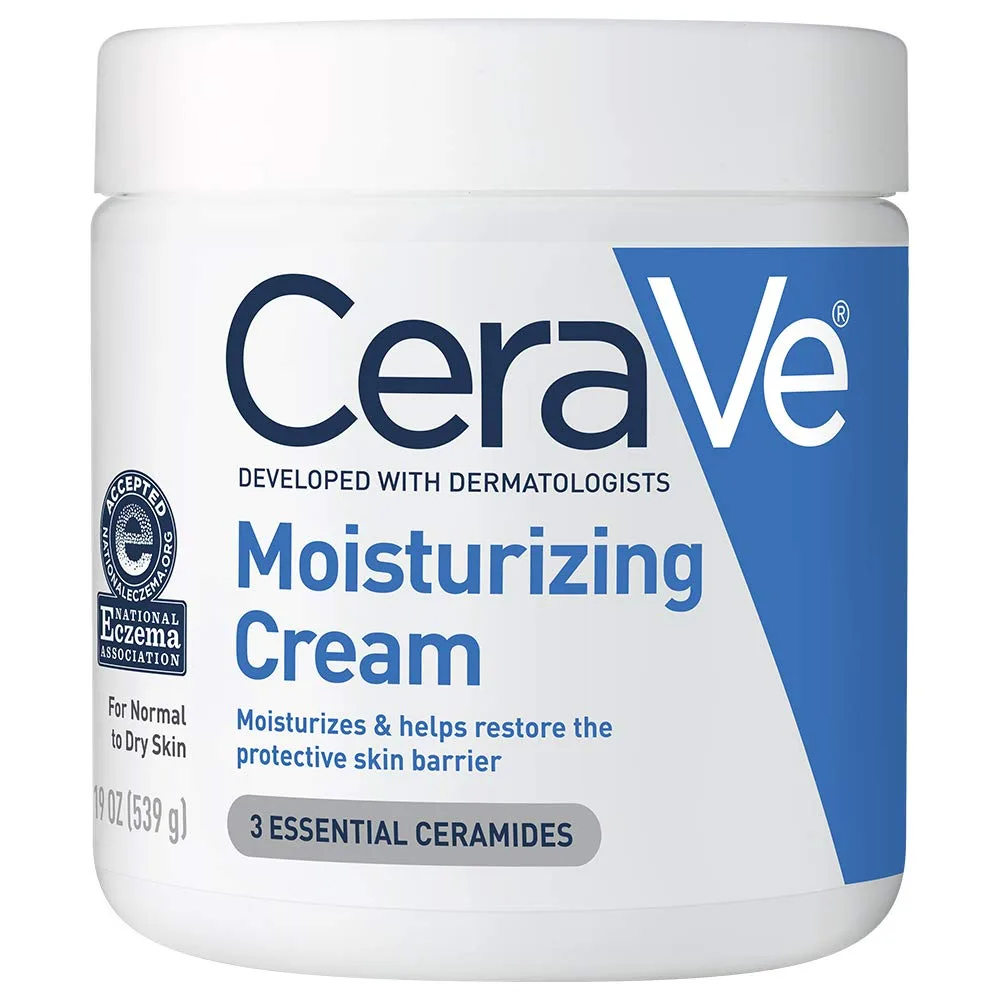 Budget Holy Grail
 Moisturizing Cream
The CeraVe Moisturizing Cream is the most important moisturizer in the drugstore — a ceramide-rich, dermatologist-developed formula that delivers barrier repair, multi-humectant hydration, and occlusive protection at a price so accessible it has no real excuse not to be in every household. Twenty-one years of consistent performance and universal dermatologist approval speak louder than any ingredient list.
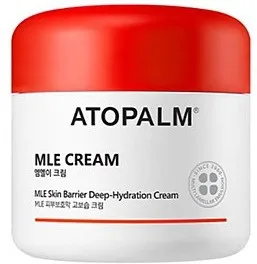 Barrier Repair Pioneer
 MLE Cream
Atopalm MLE Cream is one of the genuinely scientifically anchored barrier moisturizers in K-beauty — a fragrance-free, pseudo-ceramide cream built around a patented liquid-crystal lipid structure that mimics the skin's own intercellular matrix. For eczema, atopic skin, post-procedure recovery, or anyone with a stinging compromised barrier, it's one of the most reliably effective moisturizers in the entire category.
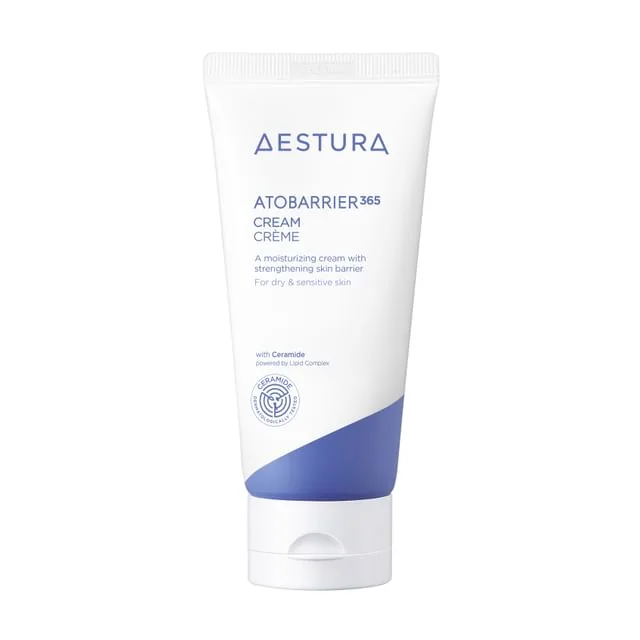 K-Beauty Barrier Repair Staple
 Atobarrier 365 Cream
A Korean pharmacy cream that earns its cult following the hard way — with a lamellar lipid structure that actually rebuilds the barrier, not just coats it. If your skin has been through a rough winter, a retinoid ramp-up, or a bad reaction, this is the jar that quietly puts it back together.
 Korean Derm Clinic Recovery Pick
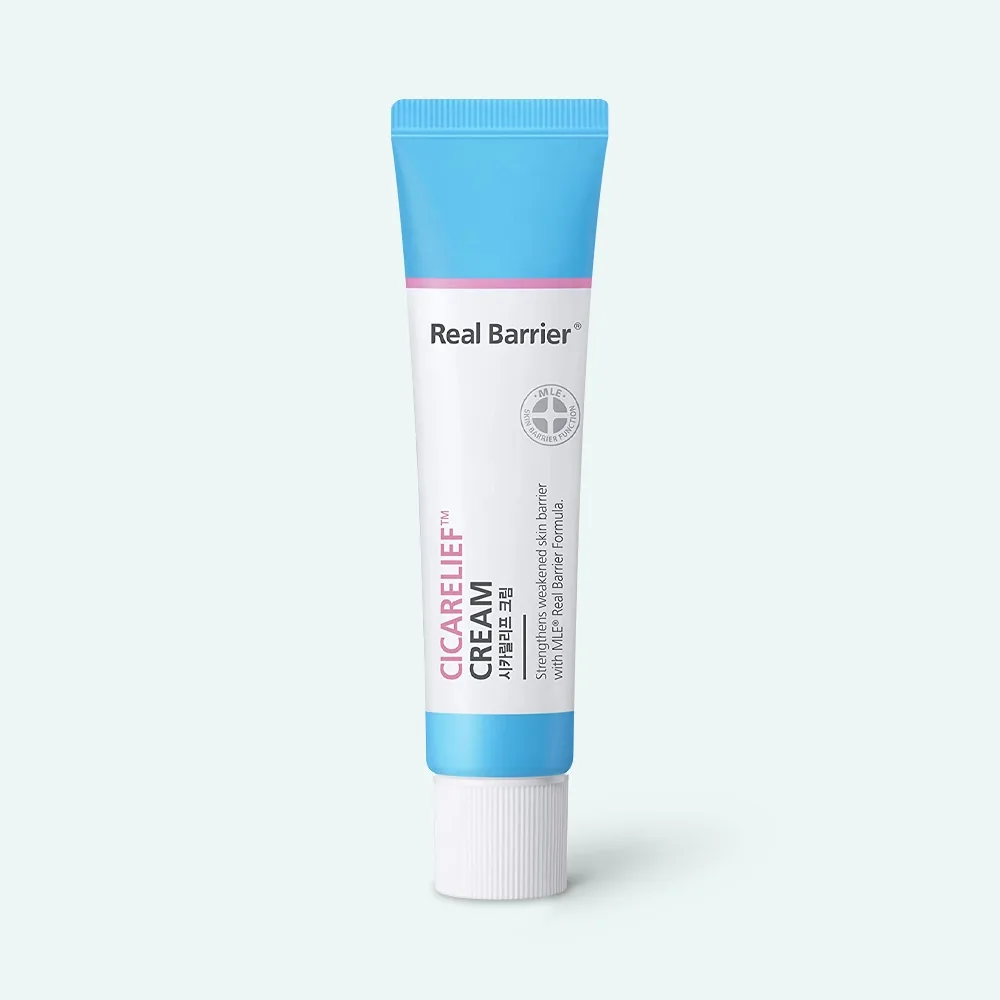
 Real Barrier Cicarelief Cream
One of the best consumer cica creams on the market, combining the full spectrum of centella actives with NeoPharm's MLE ceramide delivery and multiple complementary calming ingredients. Ideal for compromised, reactive, rosacea-prone, or recovering skin, and a staple in Korean dermatology clinic protocols. Minor limitations on packaging, but the formulation is genuinely excellent.
 Eczema Gold Standard
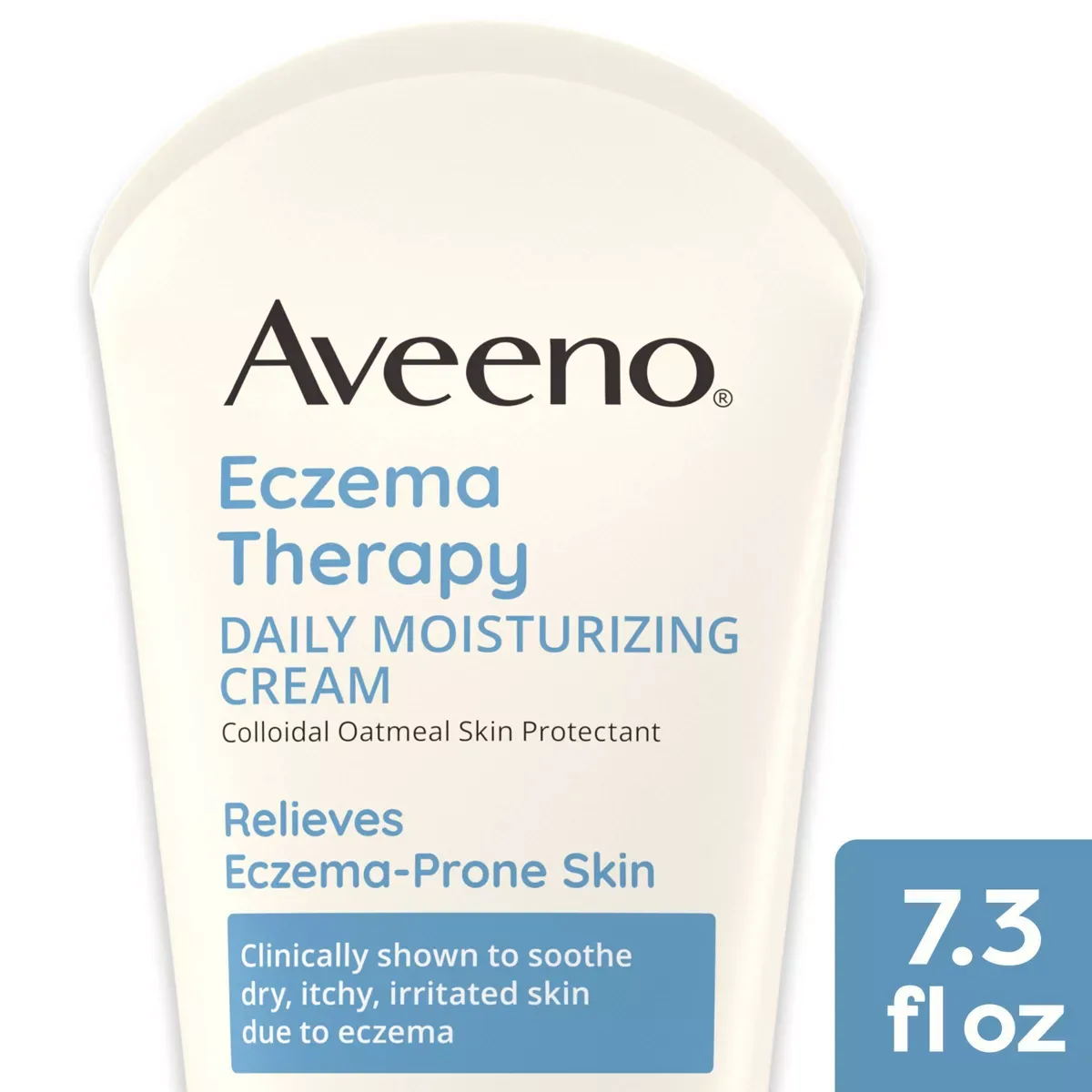
 Eczema Therapy Moisturizing Cream
The strongest formulation in Aveeno's lineup for eczema-prone skin, combining FDA-regulated colloidal oatmeal with ceramide NP and panthenol for a multi-mechanism approach to barrier repair. Steroid-free, fragrance-free, and HSA/FSA eligible — this is the drugstore eczema cream dermatologists actually recommend by name.
 Transparent 10% Panthenol Cream
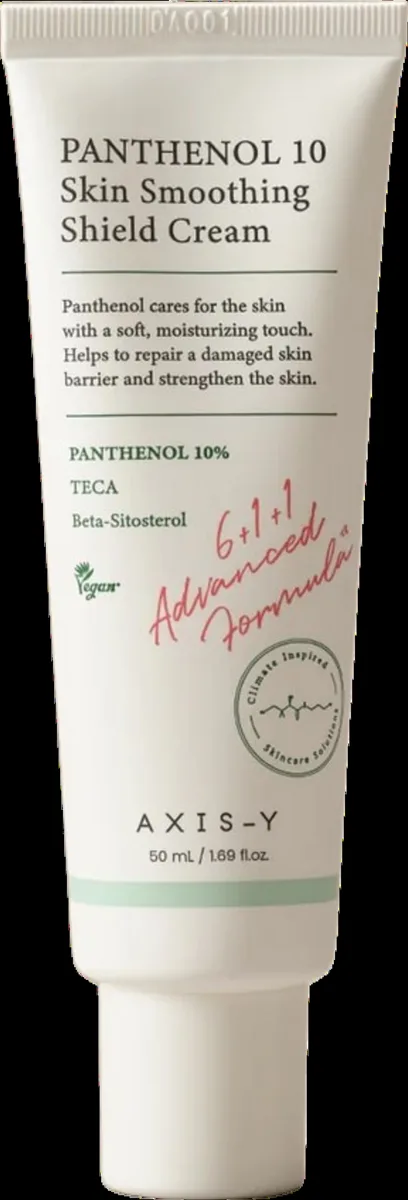
 Panthenol 10 Skin Smoothing Shield Cream
A disclosed 10% panthenol barrier cream built around a full physiological ceramide trio, a centella calming cast, and a modest shea butter occlusive. Fragrance-free, cross-season, and unusually transparent about its hero active — one of the brand's strongest moisturizer formulations.