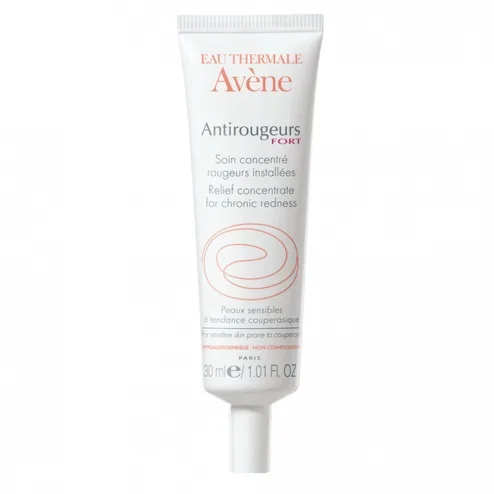
A scientifically rigorous anti-redness treatment that earned three consecutive Allure awards by targeting dilated capillaries through multiple vascular pathways simultaneously. Its discontinuation leaves a genuine gap in the OTC rosacea treatment space — the replacement formula does not replicate this specific mechanism of action.
Antirougeurs Fort Relief Concentrate
A scientifically rigorous anti-redness treatment that earned three consecutive Allure awards by targeting dilated capillaries through multiple vascular pathways simultaneously. Its discontinuation leaves a genuine gap in the OTC rosacea treatment space — the replacement formula does not replicate this specific mechanism of action.
Score Breakdown
Where this product gains points and where it loses them — broken down across the four scoring pillars.
A scientifically sophisticated anti-redness concentrate with peer-reviewed backing for its vascular-targeting actives, limited by its niche application, small tube size relative to price, and discontinued status.
Pros & Cons
- ✓Triple vascular-targeting mechanism addresses redness through capillary constriction, vessel area reduction, and anti-angiogenesis simultaneously
- ✓Peer-reviewed research from Pierre Fabre's R&D center supports the specific active ingredient combination
- ✓Needle-nose applicator enables precise targeted treatment of redness-prone zones
- ✓Fragrance-free and paraben-free — formulated to avoid common rosacea triggers
- ✓Three consecutive Allure Best of Beauty awards validate real-world efficacy
- ✓Avène Thermal Spring Water base adds clinically demonstrated anti-inflammatory properties
- ✗Small 30 mL tube at forty-five dollars makes this one of the pricier OTC redness treatments per ounce
- ✗Results vary significantly — highly effective for some rosacea subtypes but underwhelming for others
- ✗Officially discontinued and replaced with a formula using entirely different active ingredients
- ✗Texture may feel too rich for oily or combination skin types in warm or humid conditions
- ✗Limited availability as remaining stock dwindles from third-party sellers
Full Review
In rosacea forums, certain discontinued products achieve an almost mythical status. The Avène Antirougeurs Fort Relief Concentrate is one of them. Search any rosacea community and you will find threads from people who stockpiled tubes, people asking where to find remaining stock, and people reporting that the replacement product just is not the same. Three consecutive Allure Best of Beauty awards tend to create that kind of loyalty.
What made this concentrate different from the dozens of anti-redness products that line pharmacy shelves was its approach to the problem. Most anti-redness formulas take a single-track strategy: calm inflammation, and the redness should follow. The Fort took a more ambitious route. It targeted the actual blood vessels.
The formula's lead active is Ruscus aculeatus root extract — Butcher's Broom — a botanical with a long history in vascular medicine for conditions like chronic venous insufficiency. Its steroidal saponins act as vasoconstrictors, physically narrowing the dilated capillaries that create the persistent flush of rosacea. This is not an anti-inflammatory calming effect. This is a mechanical narrowing of the vessels that make your cheeks glow like a traffic signal.
Working alongside the Ruscus is hesperidin methyl chalcone, a flavonoid derivative that Pierre Fabre's own researchers studied in human skin explants. Their 2018 paper in Clinical, Cosmetic and Investigational Dermatology reported that hesperidin methyl chalcone reduced dilated vessels by 48% and total vessel area by 72% when skin was stimulated with substance P — one of the key neuropeptides involved in rosacea flushing. Those are not modest numbers.
The third player in this vascular trilogy is dextran sulfate, an anti-inflammatory polysaccharide that does something no calming cream typically bothers with: it blocks VEGF production. VEGF — vascular endothelial growth factor — is the signaling molecule that tells your body to build new blood vessels. In rosacea, chronic VEGF activity leads to progressive vascular remodeling — the reason rosacea redness tends to worsen over years rather than staying static. By inhibiting new vessel formation by up to 54% in lab models, dextran sulfate addresses not just current redness but the trajectory of future redness. This is thinking several moves ahead.
All of this sits in a base of Avène's thermal spring water, which is not simply a marketing flourish. Multiple peer-reviewed studies have demonstrated that Avène's specific water source possesses anti-inflammatory and immunomodulatory properties, affecting mast cells and dendritic cells in ways that purified water does not. The spring was recognized by the French National Academy of Medicine in 1874 — a century before skincare marketing discovered the phrase thermal water.
The texture is a velvety cream that splits the difference between a rich treatment and a lightweight emulsion. It absorbs within a minute or two, leaving a satin finish that sits comfortably under moisturizer and makeup. The needle-nose applicator tip is a thoughtful design choice — this is a targeted treatment for specific zones, not an all-over cream, and the packaging reflects that precision.
Honesty requires noting the product's limitations. At roughly forty-five dollars for a single ounce, the price-to-volume ratio asks a lot — even from a brand with genuine clinical credibility. The small tube is justified by the targeted application format, but it still stings when you squeeze out the last drop after two months. Results are also genuinely inconsistent across users. Some report dramatic, life-changing redness reduction. Others see minimal improvement. Rosacea is a heterogeneous condition with multiple subtypes and triggers, and a vascular-targeting approach will logically work better for some presentations than others.
The texture can also feel too rich for oily skin in humid conditions, though this is somewhat mitigated by using only small amounts on targeted areas rather than applying it like a moisturizer.
Avène has replaced this formula with the Redness Expert Soothing Moisturizing Concentrate, which swaps out the Ruscus-hesperidin-dextran sulfate trio for Angiopausine, a milk thistle-derived complex. The new product has its merits, but it is a fundamentally different formulation with a different mechanism — a reality that loyal Fort users have noted with varying degrees of frustration.
For the years it was available, the Antirougeurs Fort occupied a unique position in the skincare market: an OTC treatment that approached rosacea redness with the kind of multi-pathway vascular targeting you would expect from a pharmaceutical development pipeline, not a cosmetics line. Whether the replacement fills that gap is a question each rosacea sufferer will have to answer for their own skin.
Formula
Key Ingredients
The hero actives that drive this product's performance.
| Ingredient | Function | Evidence |
|---|---|---|
| Ruscus Aculeatus Root Extract (Butcher's Broom) | The formula's primary vasoconstrictor, targeting the dilated capillaries that create visible redness in rosacea-prone skin. Its steroidal saponins narrow blood vessels via calcium and alpha-1 adrenergic receptor pathways, working in tandem with hesperidin methyl chalcone to address redness from two complementary vascular mechanisms. | well-established |
| Hesperidin Methyl Chalcone | A flavonoid derivative that reduces both vessel dilation and total vessel area in skin exposed to inflammatory triggers. In Pierre Fabre's own research, it reduced dilated vessels by 48% and vessel area by 72% in substance P-stimulated skin explants — a finding specific to this formula's anti-redness mechanism. | promising |
| Dextran Sulfate | An anti-inflammatory polysaccharide that addresses rosacea's vascular remodeling component by completely blocking VEGF production and inhibiting new vessel tube formation by up to 54%. It also suppresses KLK5 and MMP-9 — enzymes directly implicated in rosacea pathology — making this more than a cosmetic redness reducer. | promising |
| Avène Thermal Spring Water | The formula's base is not ordinary purified water but Avène's thermal spring water, which has clinically demonstrated anti-inflammatory and immunomodulatory properties. It modulates mast cells and dendritic cells, providing a soothing foundation that complements the targeted vascular actives. | well-established |
| Butyrospermum Parkii (Shea Butter) | Provides emollient barrier support and additional anti-inflammatory benefits via its cinnamic acid esters. In this concentrate format, it helps maintain skin hydration in the redness-prone areas being treated without creating a heavy or greasy feel. | well-established |
Full INCI List
Avene Thermal Spring Water (Avene Aqua), Caprylic/Capric Triglyceride, Propylene Glycol Dicaprylate/Dicaprate, Pentaerythrityl Tetracaprylate/Tetracaprate, Glycerin, Glyceryl Stearate, Butylene Glycol, Cetearyl Alcohol, Stearic Acid, Butyrospermum Parkii (Shea Butter), Dimethicone, Ammonium Acryloyldimethyltaurate/VP Copolymer, Benzoic Acid, Ceteareth-33, Dextran Sulfate, Dimethiconol, Disodium EDTA, Hesperidin Methyl Chalcone, Phenoxyethanol, Ruscus Aculeatus Root Extract, Sodium Hydroxide, Tocopheryl Acetate
Product Flags
✓ Fragrance Free✓ Alcohol Free✗ Oil Free✗ Silicone Free✓ Paraben Free✓ Sulfate Free✗ Cruelty Free✗ Vegan✗ Fungal Acne Safe
Potential Irritants
Cetearyl AlcoholCeteareth-33
Compatibility
Skin Match
Best For
Works For
Not Ideal For
Addresses These Conditions
Use With Caution
Routine Step
treatment
Time of Day
AM & PM
Pregnancy Safe
Yes ✓
Layering Tips
Apply after cleansing and toning, before your moisturizer. Use the needle-nose tip to target redness-prone zones — cheeks, nasal folds, chin. A small amount goes a long way. Can be used under makeup as a localized primer for redness-prone areas.
Results Timeline
Immediate soothing and slight redness reduction on first application. Visible improvement in persistent redness within 2-4 weeks of consistent twice-daily use. Optimal anti-redness benefits at 6-8 weeks as the vascular-targeting actives accumulate their effects.
Pairs Well With
Gentle hydrating cleansersAvène Thermal Spring Water mistMineral sunscreensAzelaic acid treatments
Sample AM Routine
- Gentle cleanser
- Thermal spring water mist
- THIS PRODUCT (on redness-prone areas)
- Moisturizer
- Mineral sunscreen
Sample PM Routine
- Gentle cleanser
- Thermal spring water mist
- THIS PRODUCT (on redness-prone areas)
- Moisturizer
Evidence
Who Should Skip
- Small 30 mL tube at forty-five dollars makes this one of the pricier OTC redness treatments per ounce
- Results vary significantly — highly effective for some rosacea subtypes but underwhelming for others
- Officially discontinued and replaced with a formula using entirely different active ingredients
- Texture may feel too rich for oily or combination skin types in warm or humid conditions
Science & Expert Perspective
The Science
The scientific foundation of this concentrate is unusually robust for an OTC skincare product. A 2018 study published in Clinical, Cosmetic and Investigational Dermatology by Hernandez-Pigeon and colleagues at Pierre Fabre's R&D center directly tested the formula's key actives on human skin explants stimulated with substance P — a neuropeptide central to rosacea flushing. Hesperidin methyl chalcone reduced dilated vessels by 48%, total vessel area by 72%, and IL-8 production by 79%. Dextran sulfate inhibited PMA-induced PGE2 production by 68-70%, completely blocked VEGF production, achieved 47-54% inhibition of vessel tube formation, and suppressed KLK5 and MMP-9 expression — enzymes directly implicated in rosacea's inflammatory and vascular pathology.
The Ruscus aculeatus component draws on a broader body of vascular research. A comprehensive 2016 review in International Angiology examined the combination of Ruscus extract with hesperidin methyl chalcone and ascorbic acid, confirming vasoconstrictive effects mediated through calcium and alpha-1 adrenergic receptor pathways. While much of this research originates from venous insufficiency studies rather than dermatological applications, the vascular mechanism is directly relevant to the dilated facial capillaries that characterize erythematotelangiectatic rosacea.
Avène Thermal Spring Water itself has been studied extensively. A 2011 study published in the Journal of the European Academy of Dermatology and Venereology demonstrated anti-inflammatory, anti-radical, and immunomodulatory properties, including effects on keratinocyte differentiation and membrane fluidity. A 2020 study confirmed protective properties on skin biomechanical and ultrastructural parameters. These findings support the use of this specific water source as more than an inert vehicle.
References
- Effects of dextran sulfate, 4-t-butylcyclohexanol, pongamia oil and hesperidin methyl chalcone on inflammatory and vascular responses implicated in rosacea — Clinical, Cosmetic and Investigational Dermatology (2018)
- Combination of Ruscus aculeatus extract, hesperidin methyl chalcone and ascorbic acid: a comprehensive review of their pharmacological and clinical effects — International Angiology (2016)
- Avene Thermal Spring Water: an active component with specific properties — Journal of the European Academy of Dermatology and Venereology (2011)
- Protective properties of Avene Thermal Spring Water on biomechanical, ultrastructural and clinical parameters of human skin — Journal of the European Academy of Dermatology and Venereology (2020)
Dermatologist Perspective
Dermatologists managing rosacea frequently emphasize that persistent facial erythema involves vascular changes beyond simple inflammation — dilated capillaries and neoangiogenesis are hallmarks of the condition's progression. This concentrate's multi-pathway vascular approach aligns with current dermatological understanding of rosacea pathophysiology. Board-certified dermatologists note that while prescription treatments like brimonidine (Mirvaso) offer temporary vasoconstriction, OTC options targeting the vascular component have been limited. The combination of Ruscus extract, hesperidin methyl chalcone, and dextran sulfate represents a more comprehensive approach than single-ingredient anti-inflammatory products. Dermatologists also value the fragrance-free, paraben-free, hypoallergenic formulation — critical attributes for any product applied to rosacea-compromised skin.
Guidance
Usage Guide
How to Use
After cleansing and toning, use the needle-nose applicator to apply a small amount directly to redness-prone areas — typically the cheeks, sides of the nose, and chin. Gently blend with fingertips using light, patting motions rather than rubbing. Allow one to two minutes to absorb before applying moisturizer. Use twice daily, morning and evening, for best results. A pea-sized amount covers both cheeks and the nasal area. Do not apply to broken or actively irritated skin.
Value Assessment
At approximately forty-five dollars for one ounce, this is objectively expensive for an OTC treatment — and the single-size offering provides no economy-of-scale option. However, the targeted application format means a tube lasts two to three months when used as directed on specific redness zones rather than as a full-face cream. The per-use cost is therefore more reasonable than the sticker price suggests. Avène's established dermatological credibility and the peer-reviewed research supporting this specific active combination justify a premium over generic anti-redness creams. The value calculus is further complicated by its discontinued status — remaining stock from third-party sellers may carry significantly inflated prices that no longer reflect the product's intended positioning.
Who Should Buy
Anyone with persistent rosacea-related facial redness — particularly the erythematotelangiectatic subtype with visible dilated capillaries — who wants an OTC treatment that goes beyond simple anti-inflammatory calming. Also valuable for people whose redness has not responded well to niacinamide or centella-based anti-redness products.
Who Should Skip
If your primary concern is acne or oiliness rather than vascular redness, this targeted treatment is not designed for you. Also skip if you need a full-face moisturizer — this is a localized treatment product, not a daily cream. Given its discontinued status, investing in finding remaining stock may not be practical for long-term use.
Ready to try Avène Antirougeurs Fort Relief Concentrate?
Details
Details
Texture
A soft, velvety cream concentrate that sits between a rich cream and a lightweight emulsion. Smooth to apply with a slight slip that makes targeted application easy.
Scent
Fragrance-free. No detectable scent beyond a faint, neutral cream base smell.
Packaging
Slim white tube with a needle-nose applicator tip designed for precise, localized application to redness-prone zones. Green Antirougeurs line branding. The 30 mL size reflects its intended use as a targeted treatment rather than an all-over moisturizer.
Finish
satinnon-greasy
What to Expect on First Use
On first application, expect an immediate cooling and soothing sensation on flushed areas. The cream absorbs within a minute or two without leaving a heavy residue. Visible redness reduction builds gradually over weeks — this is not an instant concealer but a treatment that works on the underlying vascular issue.
How Long It Lasts
2-3 months with twice-daily targeted application to cheeks and nasal folds, as only a small amount is needed per use
Period After Opening
12 months
Best Season
All Year
Certifications
HypoallergenicNon-ComedogenicParaben-FreeFragrance-Free
Background
The Why
Developed at Pierre Fabre's dermatological research center in Toulouse, this concentrate was the most intensive product in Avène's Antirougeurs line — the 'Fort' (strong) designation signaling it was formulated for chronic, persistent redness rather than occasional flushing. It won Allure's Best of Beauty award three consecutive years before being quietly discontinued and replaced with the reformulated Redness Expert line.
About Avène Established Brand (5–20 years)
Avène launched in 1990 under Laboratoires Pierre Fabre, which acquired the Avène thermal spring — recognized by the French National Academy of Medicine since 1874 — in 1975. The brand's formulations are developed at a dedicated dermatological research center in Toulouse, France, and are backed by peer-reviewed studies on their thermal spring water and active complexes.
Brand founded: 1990 · Product launched: 2011
Myth vs. Reality
Myths & Misconceptions
Myth
Anti-redness creams just mask redness temporarily like a green color corrector.
Reality
This concentrate's vascular-targeting actives — Ruscus extract, hesperidin methyl chalcone, and dextran sulfate — work on the dilated capillaries and vessel formation pathways that cause persistent redness. The effects build over weeks of consistent use, addressing the underlying vascular component rather than just camouflaging it.
Myth
Thermal spring water in skincare is just marketing — water is water.
Reality
Avène's thermal spring water has been the subject of multiple peer-reviewed studies demonstrating specific anti-inflammatory and immunomodulatory properties, including effects on mast cells, dendritic cells, and CD4+ T cells. Its unique mineral composition differs meaningfully from purified water.
FAQ
Frequently Asked Questions
Is the Avène Antirougeurs Fort Relief Concentrate discontinued?
Yes, Avène has discontinued the Antirougeurs Fort Relief Concentrate and replaced it with the Avène Redness Expert Soothing Moisturizing Concentrate. The replacement uses a different active complex (Angiopausine from milk thistle) rather than the original Ruscus extract and hesperidin methyl chalcone combination.
How does this product reduce redness differently from other anti-redness treatments?
This concentrate targets redness through three complementary vascular mechanisms: Ruscus extract constricts dilated capillaries, hesperidin methyl chalcone reduces vessel dilation and area, and dextran sulfate blocks VEGF-driven new vessel formation. Most anti-redness products rely on a single anti-inflammatory approach, while this formula addresses the vascular remodeling that makes rosacea redness progressive.
Can I use the Antirougeurs Fort with prescription rosacea treatments?
This concentrate's gentle, fragrance-free formula is designed to complement a rosacea management routine. It can generally be layered with prescription treatments like azelaic acid or metronidazole, but apply it to clean skin before or after the prescription product as directed by your dermatologist. Its targeted applicator makes it easy to use alongside other treatments without over-applying.
How long does it take to see results from the Antirougeurs Fort?
Most users report an immediate soothing sensation on first use, with visible redness reduction building over 2-4 weeks of consistent twice-daily application. Optimal results from the vascular-targeting actives typically appear at 6-8 weeks. This is a treatment product that works on underlying vascular changes, not an instant cosmetic fix.
What is the best replacement for the discontinued Antirougeurs Fort?
Avène's official successor is the Redness Expert Soothing Moisturizing Concentrate, though it uses different actives (Angiopausine from milk thistle instead of Ruscus and hesperidin methyl chalcone). User reviews are mixed on whether it delivers comparable results. For a similar vascular-targeting approach, look for products containing Ruscus aculeatus extract or hesperidin methyl chalcone.
Community
Community Voices
Common Praise
"Effectively calms and reduces visible redness on cheeks and nose"
"Velvety texture that feels immediately soothing on application"
"Fragrance-free and gentle on hypersensitive rosacea-prone skin"
"Needle-nose applicator allows precise targeted treatment"
"Layers well under moisturizer and makeup without pilling"
Common Complaints
"Small 30 mL tube feels expensive for the amount of product"
"Inconsistent results — works dramatically for some users but not others"
"Has been discontinued and replaced with a different formula"
"Texture may feel too rich for oily or combination skin in warm weather"
Notable Endorsements
Allure Best of Beauty Award winner (2012, 2013, 2014)Sold through dermatologist officesSkinSAFE 91% allergen-free rating
Appears In
best treatment for rosacea best treatment for sensitivity best anti redness treatment best treatment for facial redness
Related Conditions
Related Ingredients
ruscus aculeatus root extract hesperidin methyl chalcone dextran sulfate avene thermal spring water
You Might Also Like
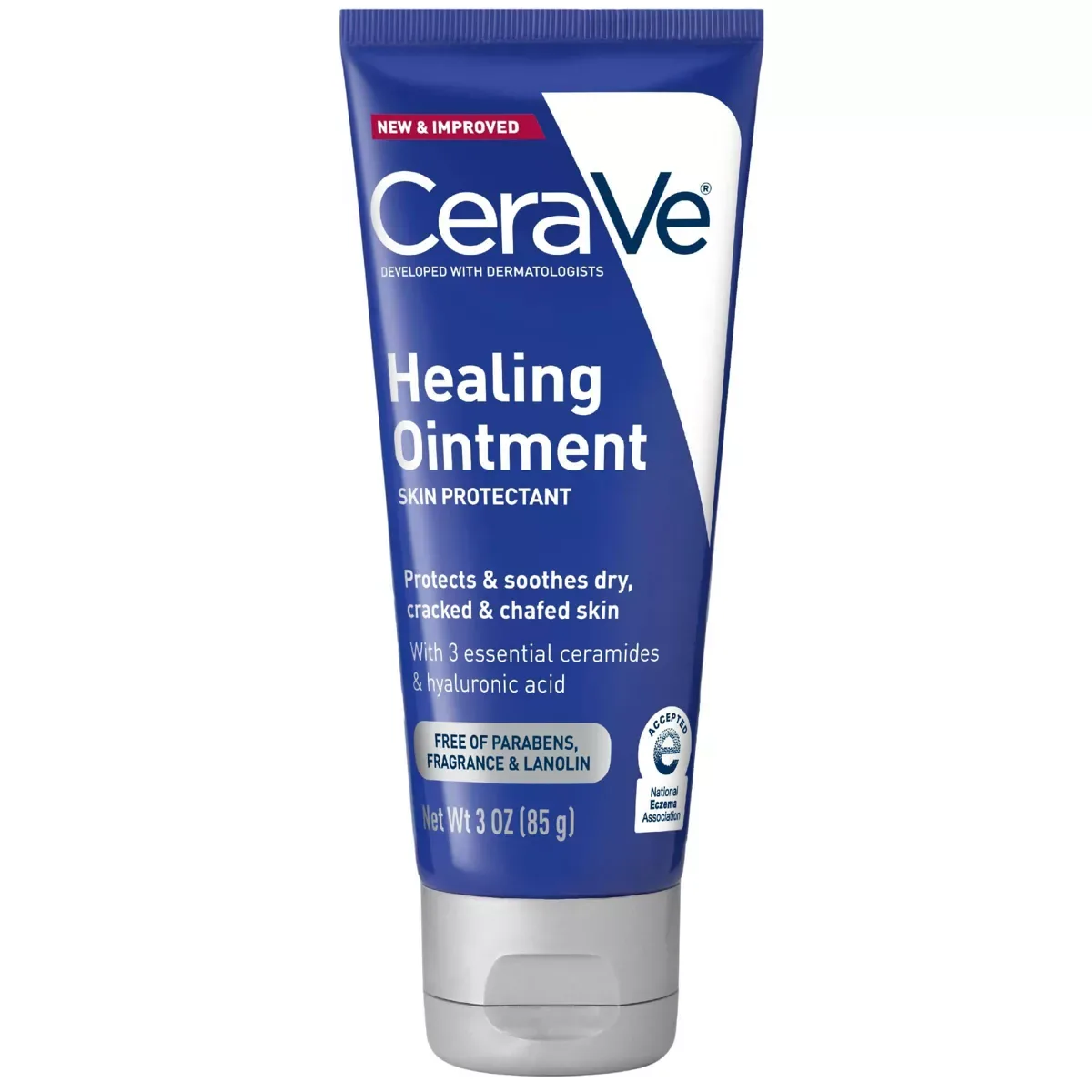 Barrier Rescue Hero
 Healing Ointment
CeraVe's Healing Ointment takes the simplest concept in skincare — seal the skin with petrolatum — and makes it genuinely intelligent by adding ceramides, hyaluronic acid, and panthenol beneath the occlusive layer. It is the gold standard drugstore occlusive for barrier rescue, slugging, and post-procedure care.
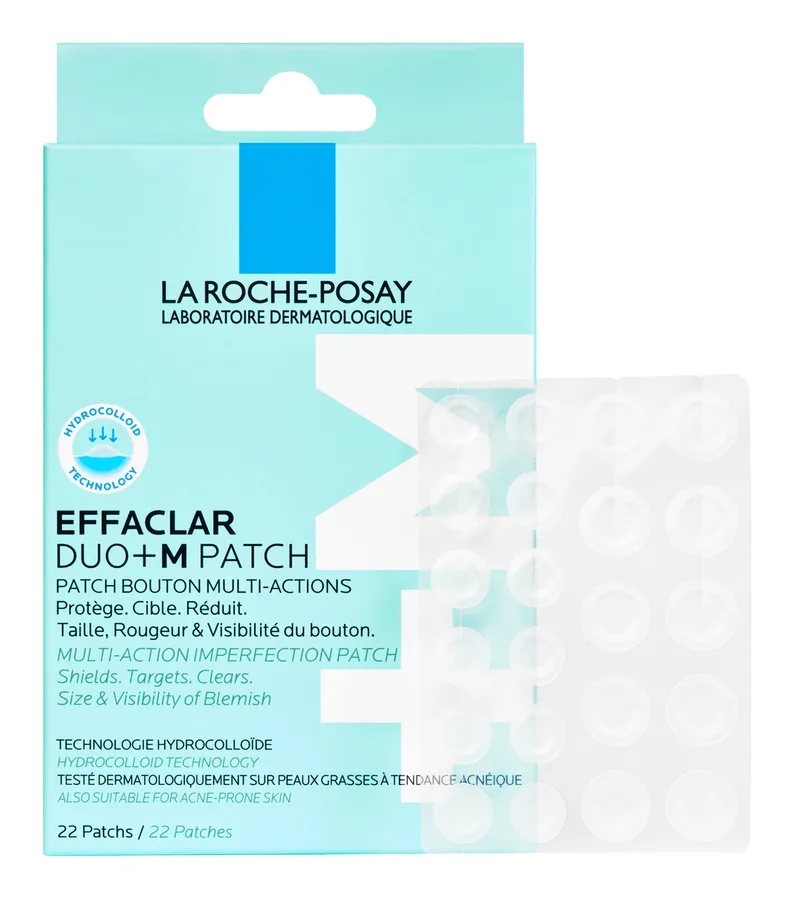 Derm Office Staple
 Effaclar Multi-Target Blemish Patches
One of the few hydrocolloid pimple patches that actually stays on overnight without curling off at 3am. At 420 microns thick with two size options in one pack and zero actives to irritate sensitive skin, this is the Effaclar line's quiet overachiever — and a legitimately good answer for anyone whose acne routine has been sabotaged by thinner patches that refuse to stay put.
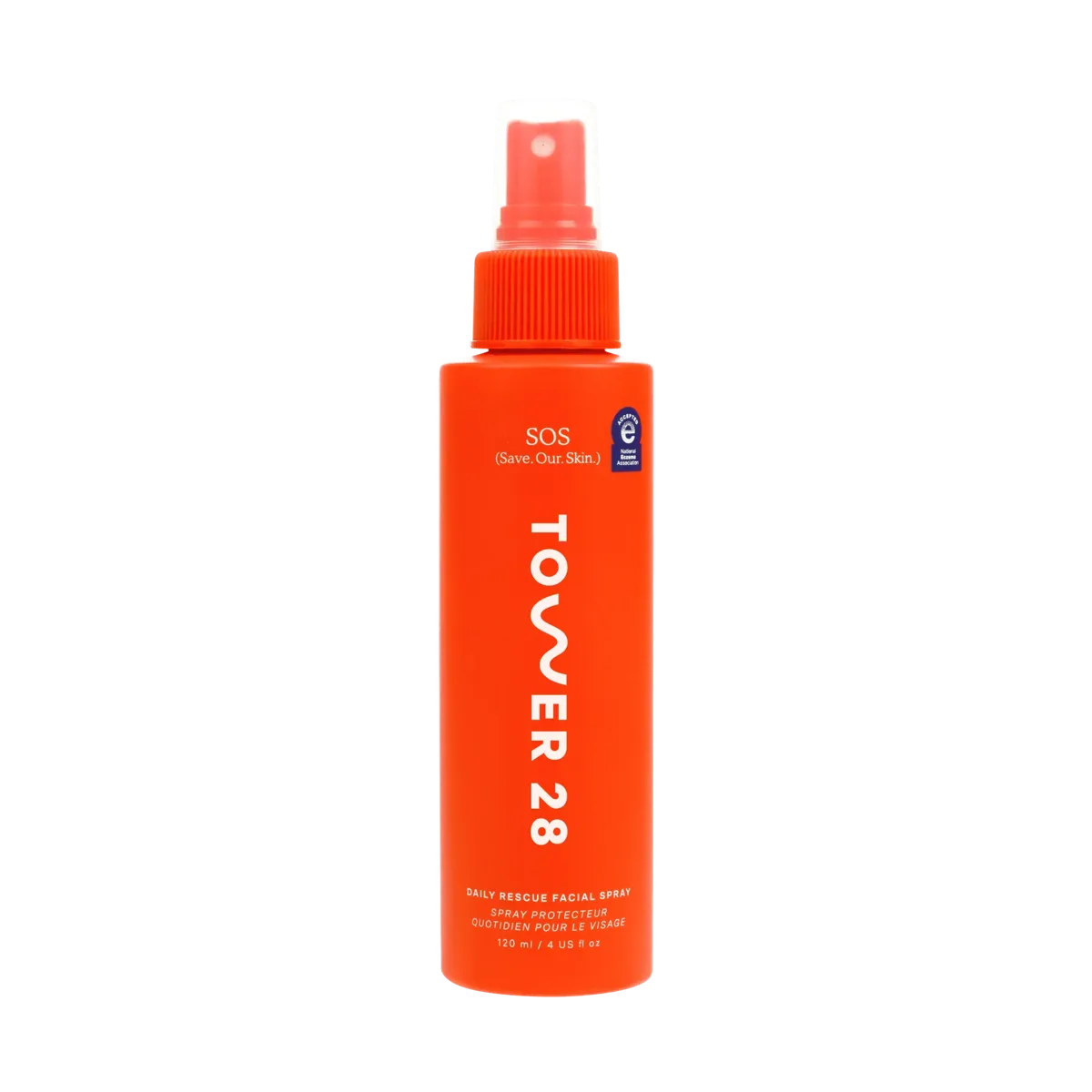 Reactive-Skin Cult Favorite
 SOS Save Our Skin Daily Rescue Facial Spray
The product that single-handedly brought hypochlorous acid into mainstream skincare. A fine-mist HOCl spray with genuine dermatology-organization validation, a near-perfect tolerability profile, and a cult following among people whose skin reacts to everything else. The price runs steeper than medical-grade HOCl, but the stabilization and design are worth the difference for daily use.
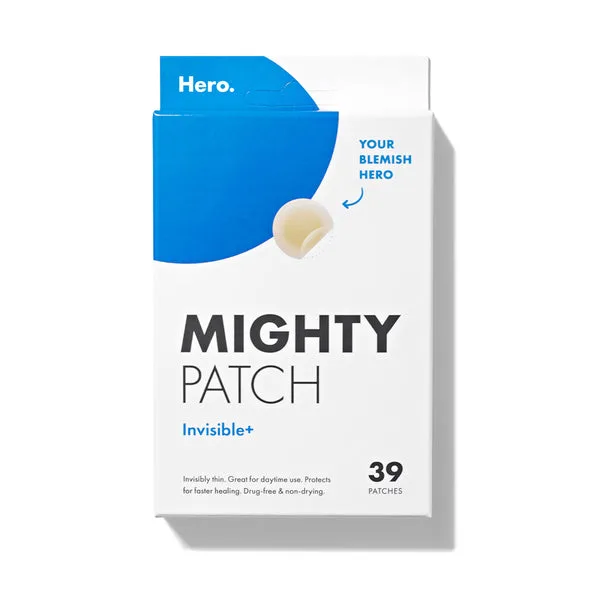
Mighty Patch Invisible+
The pimple patch that proved acne treatment could be invisible — Mighty Patch Invisible+ delivers the same fluid-absorbing hydrocolloid technology as the category-defining Original, but engineered thin enough to disappear under makeup. For daytime blemish management, nothing else comes this close to invisible.
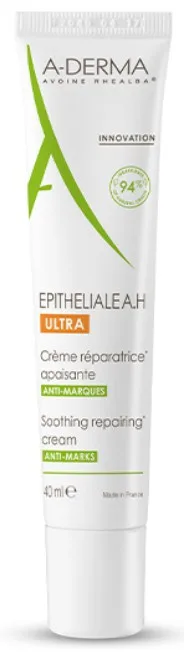 Post-Procedure MVP
 Epitheliale A.H Ultra Repairing Cream
One of the best-formulated French pharmacy repair creams on the market, full stop. Rhealba oat, three-weight HA, madecassoside, trace minerals, panthenol, and shea butter come together in a cream that handles post-procedure skin, eczema flares, friction damage, and compromised barriers with unusual competence for the price.
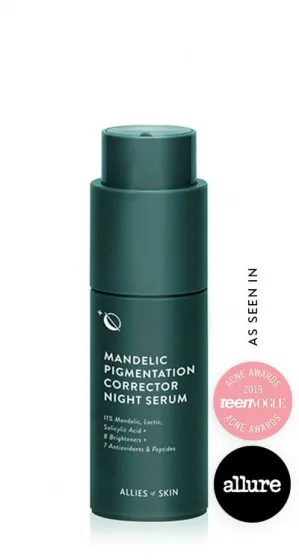 Pigmentation Specialist Pick
 Mandelic Pigmentation Corrector Night Serum
One of the most thoughtfully formulated pigmentation serums on the market. Mandelic acid leads, but the real story is the supporting cast — tranexamic acid, azelaic acid, niacinamide, and bakuchiol attacking hyperpigmentation through five different pathways. Specifically formulated to be safe on melanin-rich skin and it shows.
This review reflects our independent analysis of publicly available ingredient data, manufacturer claims, and verified user reviews. We are reader-supported — Amazon links may earn us a commission at no cost to you. We do not accept paid placements; rankings are based solely on the evidence.