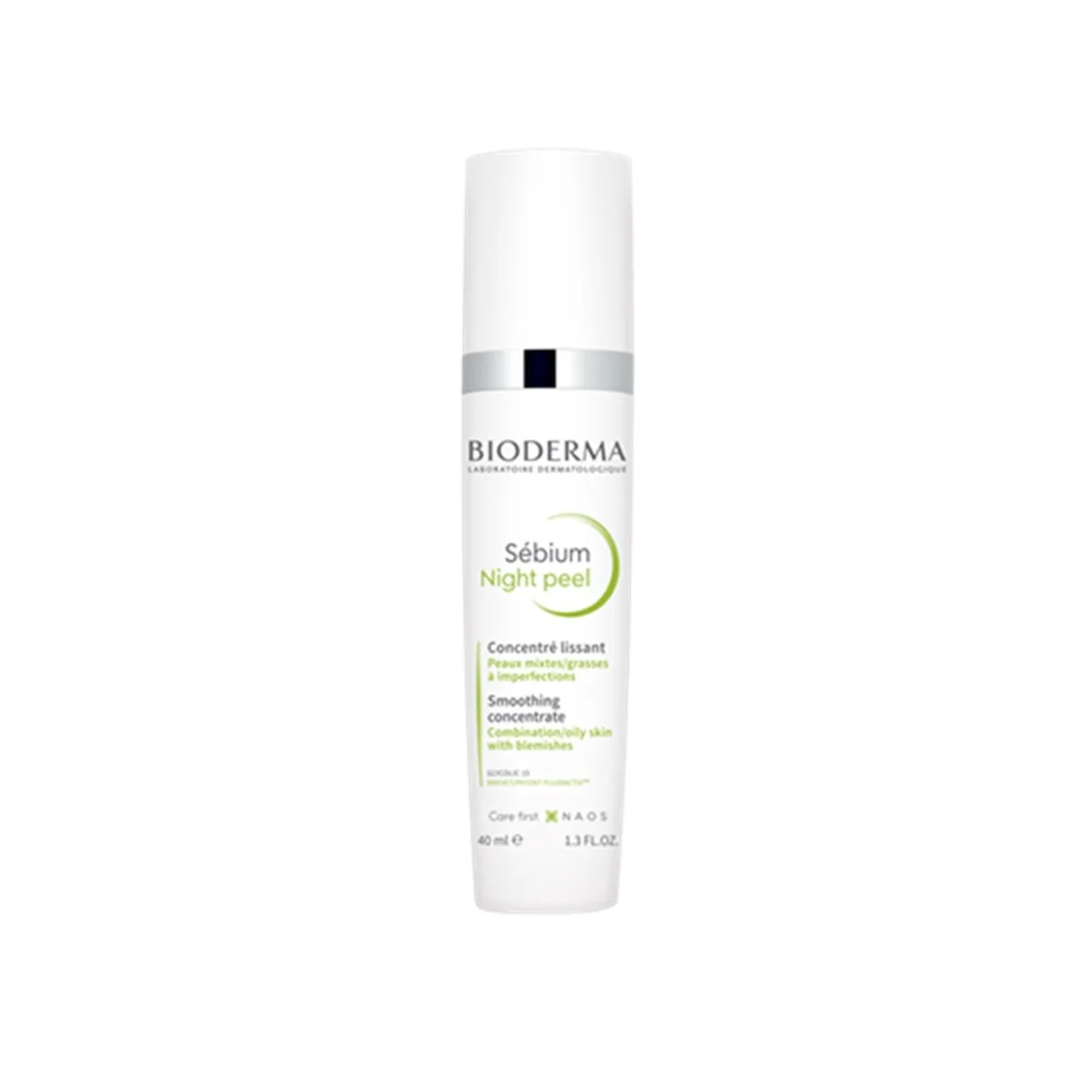
A smartly formulated overnight peel that delivers professional-grade glycolic acid with an unusual amount of biological sophistication — prebiotic microbiome support, sebum-quality correction, and barrier-recovery ingredients. Best suited for oily and combination skin types willing to commit to the 4-week cycling protocol. The fragrance inclusion is a miss.
Sebium Night Peel
A smartly formulated overnight peel that delivers professional-grade glycolic acid with an unusual amount of biological sophistication — prebiotic microbiome support, sebum-quality correction, and barrier-recovery ingredients. Best suited for oily and combination skin types willing to commit to the 4-week cycling protocol. The fragrance inclusion is a miss.
Score Breakdown
Where this product gains points and where it loses them — broken down across the four scoring pillars.
Strong formulation with professional-grade glycolic acid and innovative prebiotic support, but limited to oily/combination skin types and requires strict cycling protocol. The inclusion of fragrance in an already-irritating acid product is a notable drawback.
Pros & Cons
- ✓Professional-grade 15% glycolic acid in a tolerable overnight leave-on format
- ✓Patented Fluidactiv complex addresses sebum quality, not just surface exfoliation
- ✓Prebiotic fructooligosaccharides protect skin microbiome during acid treatment
- ✓Panthenol at meaningful concentration buffers irritation and supports barrier recovery
- ✓Short, clean ingredient list with no silicones, oils, or unnecessary fillers
- ✓Structured cycling protocol prevents tolerance and ensures sustained efficacy
- ✓Noticeable texture and clarity improvements within one 4-week treatment cycle
- ✗Contains fragrance — contradicts the otherwise clinical formulation philosophy
- ✗Dries to a tacky finish that can transfer to pillowcases overnight
- ✗Only available in 40 ml with no larger economy size option
- ✗Limited US retail availability — often requires international ordering
- ✗Cycling protocol demands discipline and planning around other actives
- ✗Not suitable for dry or sensitive skin types
Full Review
Most overnight AHA treatments follow a predictable formula: take a well-studied acid, put it in a gel, tell people to use sunscreen. Bioderma's Sebium Night Peel starts there, then asks a more interesting question — what if the problem isn't just dead skin sitting in pores, but the sebum itself going rancid?
That question is the foundation of Bioderma's Fluidactiv patent, and it's what makes this product worth discussing beyond its headline ingredient. Yes, there's 15% glycolic acid here, and it does exactly what you'd expect — dissolves the intercellular cement holding dead corneocytes together, accelerates turnover, brightens the complexion over a four-week cycle. Glycolic acid is the most studied AHA in dermatology, with decades of clinical trials confirming its efficacy for comedonal acne, texture improvement, and mild hyperpigmentation. At 15%, this sits in a productive middle ground: stronger than the 5-10% formulas lining drugstore shelves, gentler than the 30-70% peels applied by aestheticians in controlled settings.
But the formulation strategy here goes deeper than acid strength. Bioderma's NAOS Research team identified that in acne-prone skin, squalene — a natural component of sebum — undergoes oxidation, becoming comedogenic and pro-inflammatory. The Fluidactiv complex, built from mannitol, xylitol, rhamnose, fructooligosaccharides, and laminaria ochroleuca extract, targets this oxidation process. It's a biological intervention running alongside the chemical exfoliation, addressing a root cause that most peel products don't even acknowledge.
The prebiotic angle deserves attention too. Fructooligosaccharides selectively feed beneficial Staphylococcus epidermidis while the glycolic acid reshapes the skin surface — a thoughtful hedge against the microbiome disruption that high-concentration acids can cause. It's the kind of formulation detail that reveals a research team thinking about skin as an ecosystem rather than a surface to strip and rebuild.
The actual experience of using this product is less glamorous than its science. The clear gel applies easily and absorbs fast, but dries to a noticeable tackiness that can transfer to pillowcases. It's the sort of cosmetic inconvenience that separates pharmacy-developed products from consumer-first brands — the NAOS team clearly prioritized formula integrity over sensory elegance. You'll feel a mild tingle on application, especially during the first few nights, but it's well within the range of tolerable. Credit the panthenol here, present at an estimated 2.6-3.9% — high enough to meaningfully reduce transepidermal water loss and soothe the acid-treated skin overnight.
The cycling protocol sets this apart from typical daily-use exfoliants. Bioderma prescribes four weeks of nightly use followed by a full month off, repeating the cycle up to four times per year. It's a clinical rhythm rather than a consumer-friendly daily habit, and it demands some discipline. But there's logic behind it: continuous use of 15% glycolic acid risks chronic barrier compromise and tolerance development, while the rest period allows full recovery and ensures each new cycle hits with full efficacy.
Results follow a predictable arc. The first week may bring purging — small breakouts as subsurface congestion is pushed up by accelerated turnover. By week two, texture smoothing becomes visible. By the end of the four-week cycle, users consistently report clearer skin, reduced blemish frequency, and fading of post-inflammatory dark marks. What this product doesn't do particularly well is address deep pitted scarring or significantly shrink pores — those expectations are beyond what any topical AHA can deliver.
The ingredient list is refreshingly short for a product this effective. Sixteen ingredients total, no silicones, no oils, no unnecessary thickeners. But there's an asterisk: fragrance. In a formula built around a high-concentration acid — one that increases skin permeability and sensitivity — the inclusion of parfum feels like a concession to the consumer experience that contradicts the otherwise clinical formulation philosophy. It's Bioderma's most notable misstep here.
At roughly $27 for 40 ml, this isn't cheap for what amounts to a gel in a small pump bottle. But the concentration of glycolic acid, the supporting actives, and the patent-backed technology make this more than a simple AHA product. Each bottle covers a full four-week treatment cycle, and with the month-off rest period, your annual spend works out to around $80-$100 — reasonable for a treatment-grade product. The limited US availability means you may need to order from international pharmacies, which adds shipping costs and wait times.
This is a product for people who appreciate formulation intelligence over packaging aesthetics, who are willing to follow a structured protocol rather than slap on another serum, and whose oily or combination skin needs intervention beyond what daily-use acids provide. It's not trying to be everything to everyone — and it's better for that focus.
Formula
Key Ingredients
The hero actives that drive this product's performance.
| Ingredient | Function | Evidence |
|---|---|---|
| Glycolic Acid (15%) | The primary exfoliating active at professional-grade concentration, partially buffered by sodium hydroxide to balance efficacy with tolerability. In this overnight format, glycolic acid works over hours rather than the minutes of a rinse-off peel, allowing sustained but gentler keratolytic action that loosens dead cells and promotes turnover without the intensity shock of a professional peel. | well-established |
| Panthenol (2.6-3.9%) | Acts as a counterbalance to the glycolic acid's drying and irritating potential, actively reducing transepidermal water loss and supporting skin barrier recovery overnight. Its inclusion at this concentration transforms what would be a harsh peel into a more tolerable daily-wear treatment — an intentional formulation choice that allows the 15% glycolic to be used nightly rather than weekly. | well-established |
| Fluidactiv Complex (Mannitol, Xylitol, Rhamnose, Fructooligosaccharides, Laminaria Ochroleuca Extract) | Bioderma's patented complex that targets sebum quality rather than quantity — specifically preventing squalene oxidation that causes sebum to thicken and clog pores. While the glycolic acid handles surface exfoliation, Fluidactiv works at the biological level to normalize the sebum composition that drives comedone formation in the first place. | emerging |
| Fructooligosaccharides | A prebiotic sugar that selectively feeds beneficial S. epidermidis bacteria while inhibiting pathogenic strains. Unusual in an AHA peel — most high-concentration acid products disrupt the skin microbiome indiscriminately. This ingredient helps maintain microbial balance even as the glycolic acid reshapes the skin surface. | emerging |
| Rhamnose | A plant-derived sugar shown to stimulate collagen IV and procollagen I production in the dermal-epidermal junction. Complements glycolic acid's exfoliation by supporting the structural renewal happening beneath the freshly exfoliated surface, contributing to the smoother texture users report after a full 4-week cycle. | promising |
Full INCI List · pH 3.8
Aqua/Water/Eau, Glycolic Acid, Sodium Hydroxide, Panthenol, Ammonium Acryloyldimethyltaurate/VP Copolymer, Dipropylene Glycol, Hydroxyethylcellulose, Mannitol, Propyl Gallate, Xylitol, Sodium Metabisulfite, Rhamnose, Fructooligosaccharides, Caprylic/Capric Triglyceride, Laminaria Ochroleuca Extract, Fragrance (Parfum)
Product Flags
✗ Fragrance Free✓ Alcohol Free✓ Oil Free✓ Silicone Free✓ Paraben Free✓ Sulfate Free✗ Cruelty Free✗ Vegan✗ Fungal Acne Safe
Potential Irritants
Glycolic Acid (15%)Fragrance (Parfum)
Common Allergens
Fragrance (Parfum)
Compatibility
Skin Match
Best For
Works For
Not Ideal For
Addresses These Conditions
acne oiliness dullness texture blackheads dark spots large pores
Use With Caution
sensitivity dehydration compromised skin barrier rosacea
Avoid With
eczema psoriasis post procedure
Routine Step
treatment
Time of Day
PM
Pregnancy Safe
Unknown
Layering Tips
Apply as the last step in your PM routine on clean, dry skin. Do not layer other actives (retinoids, vitamin C, other AHAs/BHAs) underneath or on top. Follow the 4-week-on, 1-month-off cycle recommended by Bioderma.
Results Timeline
Mild tingling on first application is normal. Initial purging may occur during week 1-2. Noticeable texture smoothing and reduced blemishes by week 2-3. Full results — clearer skin, reduced dark marks, refined pores — visible after completing the 4-week cycle.
Pairs Well With
gentle hydrating cleanserniacinamidehyaluronic acid serumSPF 30+ sunscreen (AM)
Conflicts With
retinoidsother AHA/BHA exfoliantsbenzoyl peroxidevitamin C serums
Sample AM Routine
- Gentle hydrating cleanser
- Niacinamide serum
- Lightweight moisturizer
- SPF 30+ sunscreen
Sample PM Routine
- Gentle hydrating cleanser
- THIS PRODUCT (on dry skin, as last step)
Evidence
Who Should Skip
- Contains fragrance — contradicts the otherwise clinical formulation philosophy
- Dries to a tacky finish that can transfer to pillowcases overnight
- Only available in 40 ml with no larger economy size option
- Limited US retail availability — often requires international ordering
Science & Expert Perspective
The Science
Glycolic acid is the most extensively studied alpha-hydroxy acid in dermatology, with a mechanism of action centered on reducing corneocyte cohesion in the stratum corneum. At 15%, this formulation sits above cosmetic-grade concentrations but below professional peel strengths, offering meaningful keratolytic activity with manageable irritation potential. A comprehensive review in Clinical, Cosmetic and Investigational Dermatology (2013) documented glycolic acid's efficacy across multiple trials, noting that 75% of acne patients showed good-to-fair response to glycolic acid treatments, with only 5.6% developing side effects. A randomized, double-blind, placebo-controlled study published in the Journal of Dermatological Treatment (2014) demonstrated that glycolic acid peels significantly improved moderate acne (RR 2.30; 95% CI 1.40-3.77) and reduced sebum levels at weeks 8 and 10.
The partial neutralization with sodium hydroxide is a critical formulation detail. While the total glycolic acid is 15%, the estimated free acid concentration is 5-8%, meaning a significant portion is neutralized to its salt form. This reduces the acute irritation potential while maintaining exfoliating activity — the glycolate salt still contributes to increased cell turnover, just more gradually than the free acid form.
Panthenol's role extends beyond simple soothing. Research published in the Journal of Cosmetic Dermatology (2011) demonstrated that panthenol formulations at 1-5% significantly decreased transepidermal water loss after 30 days of use, supporting the skin barrier function that glycolic acid can compromise.
The Fluidactiv complex introduces a less conventional mechanism: targeting squalene oxidation in sebum. While the peer-reviewed evidence base for this specific patent is more limited than for glycolic acid, the underlying biology is sound — squalene peroxidation has been documented as a contributor to comedogenesis. The prebiotic component (fructooligosaccharides) draws on research published in Microorganisms (2022) showing that FOS promotes selective growth of beneficial S. epidermidis and inhibits pathogenic bacteria on the skin surface. Rhamnose, another component of the complex, was shown in a 2019 study in the International Journal of Cosmetic Science to beneficially affect the papillary dermis and increase collagen IV and procollagen I production.
References
- Glycolic acid peel therapy – a current review — Clinical, Cosmetic and Investigational Dermatology (2013)
- Clinical evaluation of glycolic acid chemical peeling in patients with acne vulgaris — Journal of Dermatological Treatment (2014)
- Panthenol-containing formulations' effect on skin moisturization — Journal of Cosmetic Dermatology (2011)
- Effects of rhamnose on skin ageing — International Journal of Cosmetic Science (2019)
- Impact of fructooligosaccharides on skin bacteria — Microorganisms (2022)
Dermatologist Perspective
Dermatologists frequently recommend glycolic acid as a first-line topical treatment for comedonal acne and mild texture concerns. Board-certified dermatologists note that the 15% concentration in this product bridges an important gap — many patients benefit from more than the 5-10% available over the counter but don't need or can't access professional 30-70% peels. The cycling protocol aligns with dermatological practice of periodic chemical peel courses rather than continuous use. The inclusion of panthenol and prebiotic ingredients reflects a dermatologically sound approach to mitigating the barrier disruption that accompanies acid exfoliation. However, dermatologists caution that patients with rosacea, eczema, or compromised barriers should avoid this product, and that the fragrance component may trigger contact sensitization in predisposed individuals.
Guidance
Usage Guide
How to Use
Cleanse and dry your face thoroughly. Apply one pump of the gel to your entire face, avoiding the eye area and lips. Use as the last step in your PM routine — do not apply moisturizer or other actives on top. Follow Bioderma's cycling protocol: apply nightly for 4 consecutive weeks, then discontinue for 1 full month. Repeat up to 4 times per year. During active use, apply broad-spectrum SPF 30 or higher every morning without exception. If significant irritation, burning, or persistent redness occurs, reduce to every other night or discontinue.
Value Assessment
At approximately $27 for 40 ml, this is a mid-range price for an AHA treatment — but the 15% glycolic acid concentration, Fluidactiv patent, and prebiotic support system put it in a different category than drugstore glycolic products. Each bottle covers one 4-week treatment cycle, and with the recommended cycling protocol, annual cost runs $80-$100 for four treatment courses. That's reasonable for a formulation with this level of research backing. The single-size offering means no economy option, and international shipping costs may add $5-10 for US buyers. For the formulation sophistication, this represents fair value — though the fragrance inclusion is harder to justify at this price point.
Who Should Buy
People with oily or combination skin dealing with recurring blemishes, blackheads, or textural roughness who want a structured, evidence-based treatment protocol. Ideal for those who appreciate pharmacy-grade formulation over cosmetic elegance and are willing to follow the cycling schedule.
Who Should Skip
Anyone with dry, sensitive, or reactive skin — the 15% glycolic acid will likely cause excessive irritation. Also skip if you cannot commit to the cycling protocol and daily sunscreen, or if fragrance in skincare is a dealbreaker for you.
Ready to try Bioderma Sebium Night Peel?
Details
Details
Texture
Lightweight clear gel that spreads easily and absorbs quickly, though it dries to a slightly tacky finish
Scent
Subtle fresh scent consistent with the Sebium range — noticeable during application but fades quickly
Packaging
White 40 ml pump bottle with green Sebium line branding. 100% recyclable plastic container with sustainably-sourced paper outer box.
Finish
non-greasylightweight
What to Expect on First Use
Expect mild tingling on first application — this is normal with 15% glycolic acid. The gel dries slightly sticky, so apply well before bedtime. Some users experience purging (small breakouts) during the first week as congestion is pushed to the surface. By week 2, skin should feel noticeably smoother.
How Long It Lasts
One 40 ml bottle covers a full 4-week treatment cycle with nightly use. With the recommended cycling protocol (4 weeks on, 1 month off), a single bottle lasts 2-4 months.
Period After Opening
12 months
Best Season
All Year
Certifications
Non-comedogenic (tested)Dermatologically tested
Background
The Why
Developed by NAOS Research laboratories in Aix-en-Provence, the Sebium Night Peel emerged from Bioderma's observation that treating acne-prone skin required more than surface exfoliation. Their research identified squalene oxidation — changes in sebum composition — as an overlooked driver of comedone formation, leading to the patented Fluidactiv complex that addresses this root cause alongside the glycolic acid's exfoliating action.
About Bioderma Established Brand (5–20 years)
Bioderma was founded in 1977 by pharmacist-biologist Jean-Noël Thorel in Aix-en-Provence, France. Operating under the NAOS group, the brand pioneered an 'ecobiology' approach to skincare and holds multiple patents including the Fluidactiv technology. Bioderma products are widely dispensed in European pharmacies and recommended by dermatologists internationally.
Brand founded: 1977 · Product launched: 2019
Myth vs. Reality
Myths & Misconceptions
Myth
A 15% glycolic acid product must be too harsh for regular overnight use
Reality
The sodium hydroxide partial neutralization and panthenol buffering in this formula reduce the effective free acid to an estimated 5-8%, making it tolerable for nightly application over a 4-week cycle. The overnight format also means slower, more sustained delivery than a short-contact peel.
Myth
All chemical peels strip and damage the skin microbiome
Reality
This formulation includes fructooligosaccharides — a prebiotic that selectively feeds beneficial bacteria while the glycolic acid works. It's specifically designed to maintain microbial balance during the exfoliation process.
FAQ
Frequently Asked Questions
How do you use Bioderma Sebium Night Peel?
Apply one pump to clean, dry skin as the last step of your evening routine. Use nightly for 4 consecutive weeks, then take a 1-month break before repeating. Do not layer with retinoids, other AHAs/BHAs, or vitamin C. Always use SPF 30+ during the day while using this product.
Can you use Bioderma Sebium Night Peel with retinol?
No — combining a 15% glycolic acid treatment with retinol significantly increases the risk of irritation, dryness, and barrier damage. Use them in alternating cycles: complete your 4-week Sebium Night Peel course, take a break, then use retinol during the off-month if desired.
Is Bioderma Sebium Night Peel good for acne scars?
This peel can improve post-inflammatory hyperpigmentation (dark marks left after acne heals) through glycolic acid's exfoliating and melanin-dispersing action. However, it has limited impact on true atrophic acne scars (pitted scarring), which typically require professional treatments like microneedling or laser resurfacing.
Does Bioderma Sebium Night Peel cause purging?
Yes, some users experience a brief purging period during the first 1-2 weeks as the 15% glycolic acid accelerates cell turnover and pushes existing comedones to the surface. This typically resolves by week 3 and is followed by clearer skin. If irritation persists beyond two weeks or worsens significantly, discontinue use.
Is Bioderma Sebium Night Peel safe during pregnancy?
The safety of 15% glycolic acid during pregnancy has not been definitively established. While low-concentration AHAs are generally considered acceptable, this is a higher-concentration treatment. Consult your dermatologist or OB-GYN before using this product during pregnancy or breastfeeding.
Why do you have to cycle Bioderma Sebium Night Peel 4 weeks on and off?
The cycling protocol prevents the skin from developing tolerance to the glycolic acid and allows the barrier to fully recover between treatment cycles. Continuous daily use of 15% glycolic acid could lead to chronic barrier disruption, increased sensitivity, and diminishing returns. The rest period ensures each new cycle delivers full efficacy.
How long does a bottle of Bioderma Sebium Night Peel last?
At one pump per night for a 4-week cycle, the 40 ml bottle typically lasts through one full treatment course. With the recommended month-off break between cycles, a single bottle can stretch across 2-4 months of calendar time.
Community
Community Voices
Common Praise
"Significant reduction in blemishes and acne within 2-4 weeks of consistent use"
"Gentle overnight format despite professional-grade glycolic acid concentration"
"Noticeable improvement in skin texture and post-acne marks"
"Lightweight gel absorbs without feeling heavy or greasy"
"Long-term users report sustained acne control over multiple cycles"
Common Complaints
"Tacky, sticky finish that can transfer to pillowcases overnight"
"The 4-week-on, 1-month-off cycling protocol is inconvenient to maintain"
"Contains fragrance, which is a concern for users with sensitive skin"
"Limited effectiveness on deep pigmentation or enlarged pores"
"Initial purging period can be discouraging for first-time users"
Notable Endorsements
Widely recommended in European pharmacy settingsWIMJ effectiveness score of 87/100
Appears In
best exfoliant for acne best exfoliant for oily skin best chemical peel for blackheads best glycolic acid treatment for texture
Related Conditions
acne oiliness dullness texture blackheads dark spots large pores
Related Ingredients
You Might Also Like
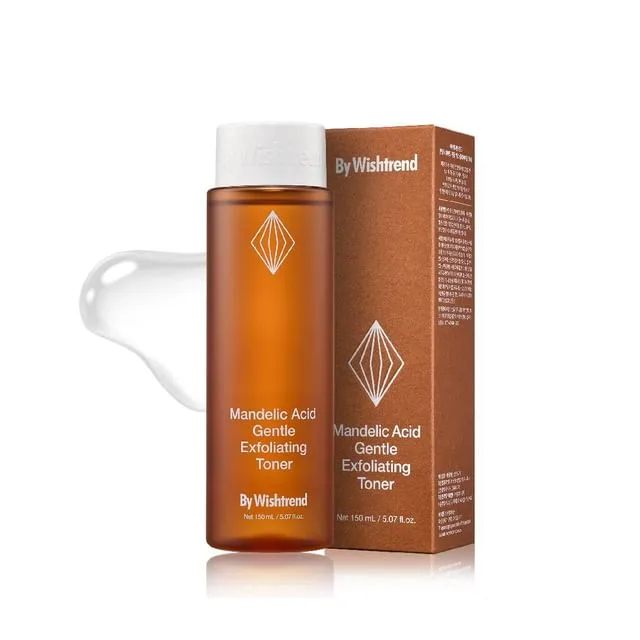 Sensitive Skin AHA Pick
 Mandelic Acid 5% Skin Prep Water
The mandelic acid prep water that quietly converted half of K-beauty Reddit away from glycolic — and for good reason. It delivers visible texture and PIH improvement at 5% without the sting or pigment risk that derails sensitive and darker skin, and it does so for around twenty bucks.
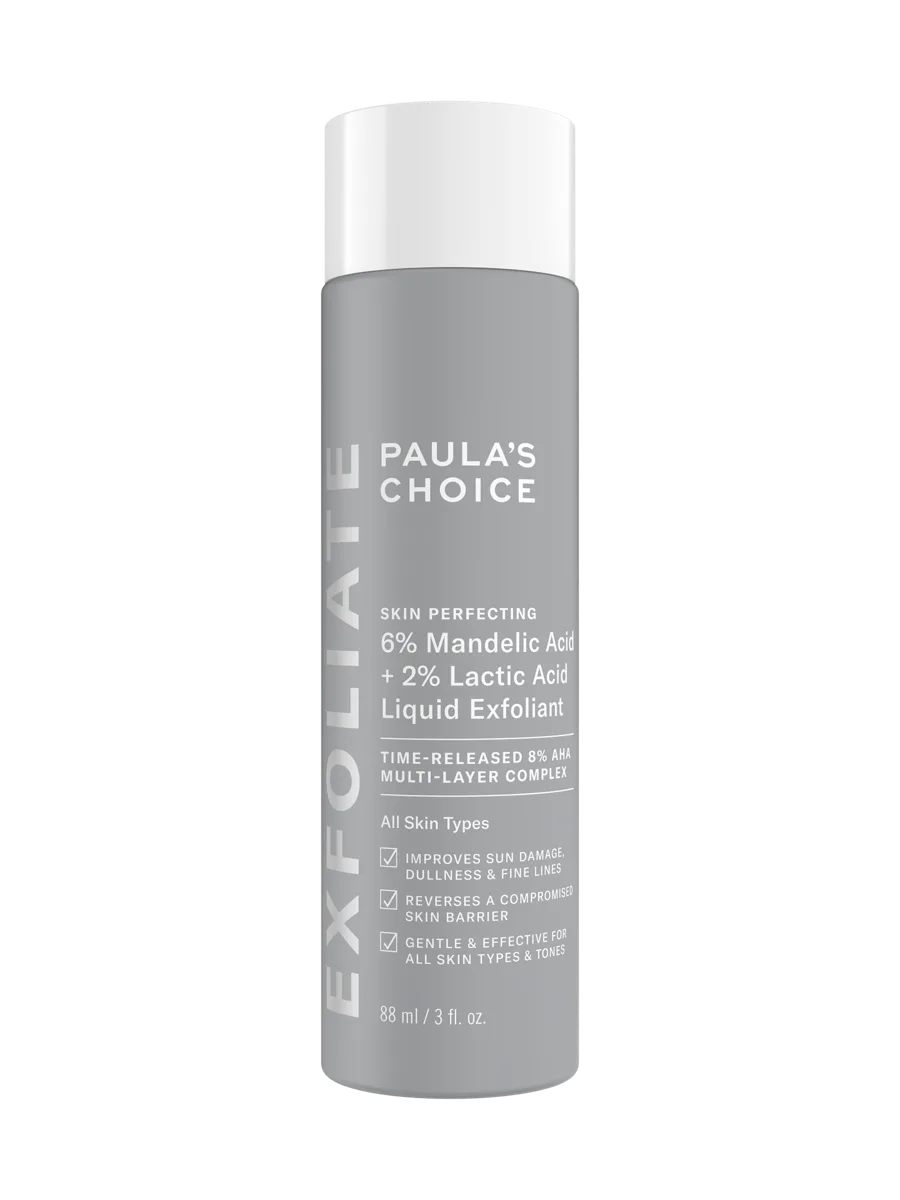 Gentle Glow Specialist
 Skin Perfecting 6% Mandelic Acid + 2% Lactic Acid Liquid Exfoliant
The exfoliant that finally treats sensitive and melanin-rich skin as the design priority rather than an afterthought. With a 4.8-star rating and 660+ reviews, this mandelic-lactic formula proves that gentleness and efficacy aren't mutually exclusive — it just requires smarter acid selection.
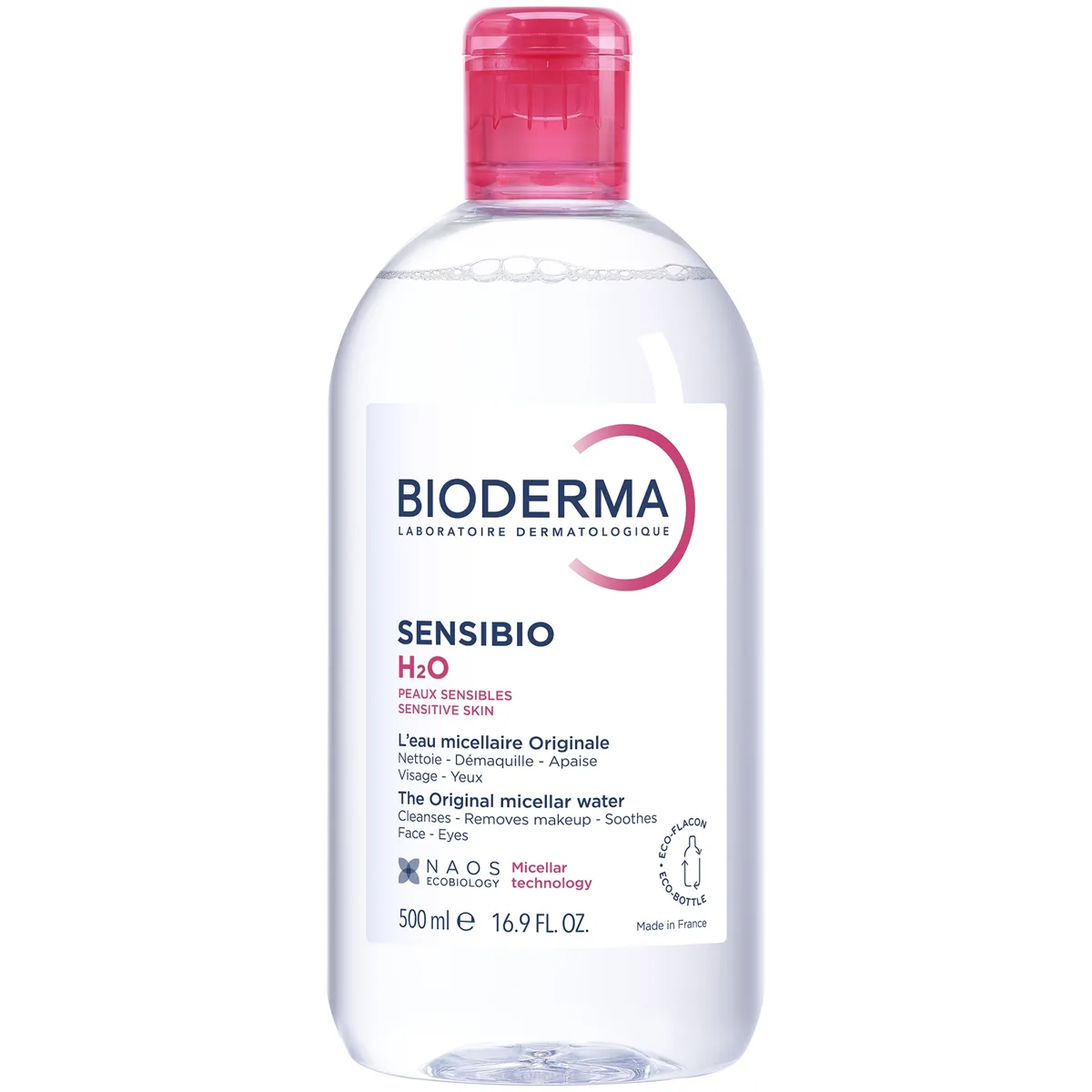 The Original Micellar Water
 Sensibio H2O Micellar Water
The product that launched an entire skincare category remains, three decades later, one of the gentlest and most effective no-rinse cleansers available. Bioderma Sensibio H2O earns its cult status through radical simplicity — 10 ingredients, zero fragrance, and a formula so mild it was originally dispensed by prescription.
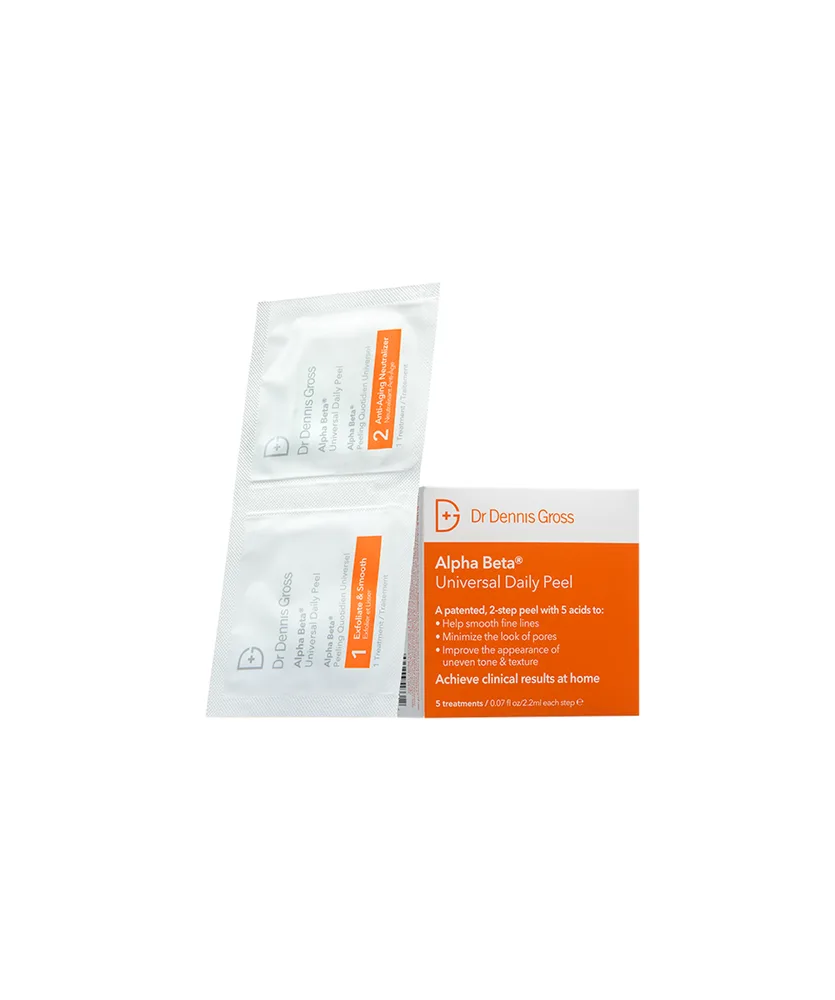 The Original At-Home Peel
 Alpha Beta Universal Daily Peel
The product that invented the at-home daily peel category in 2002 and still sits at the top of it. The five-acid Step 1 and retinol-antioxidant Step 2 deliver genuine resurfacing and anti-aging in a single five-minute routine. Expensive, but the results and track record justify the reputation.
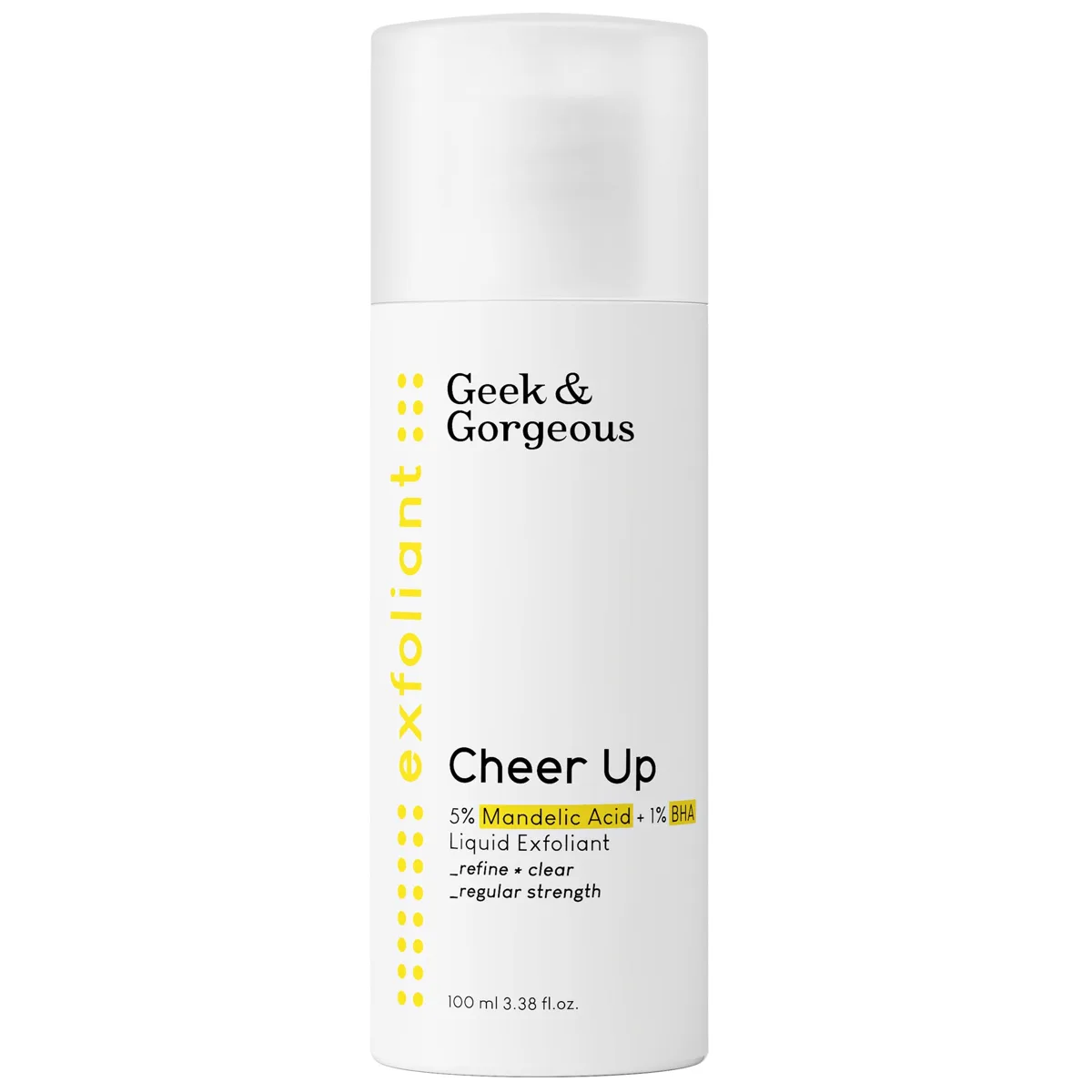 Beginner Exfoliant Pick
 Cheer Up 5% Mandelic + 1% Salicylic Exfoliant
A thoughtfully formulated beginner AHA/BHA exfoliant that uses mandelic acid — the gentlest mainstream AHA — in combination with low-strength salicylic, plus a sugar-humectant complex for comfort. At 100mL for around $12, the value is excellent, and the formulation choices reflect the kind of cosmetic-chemist thinking that separates this brand from typical indie exfoliants. Ideal for exfoliant newcomers and sensitive skin.
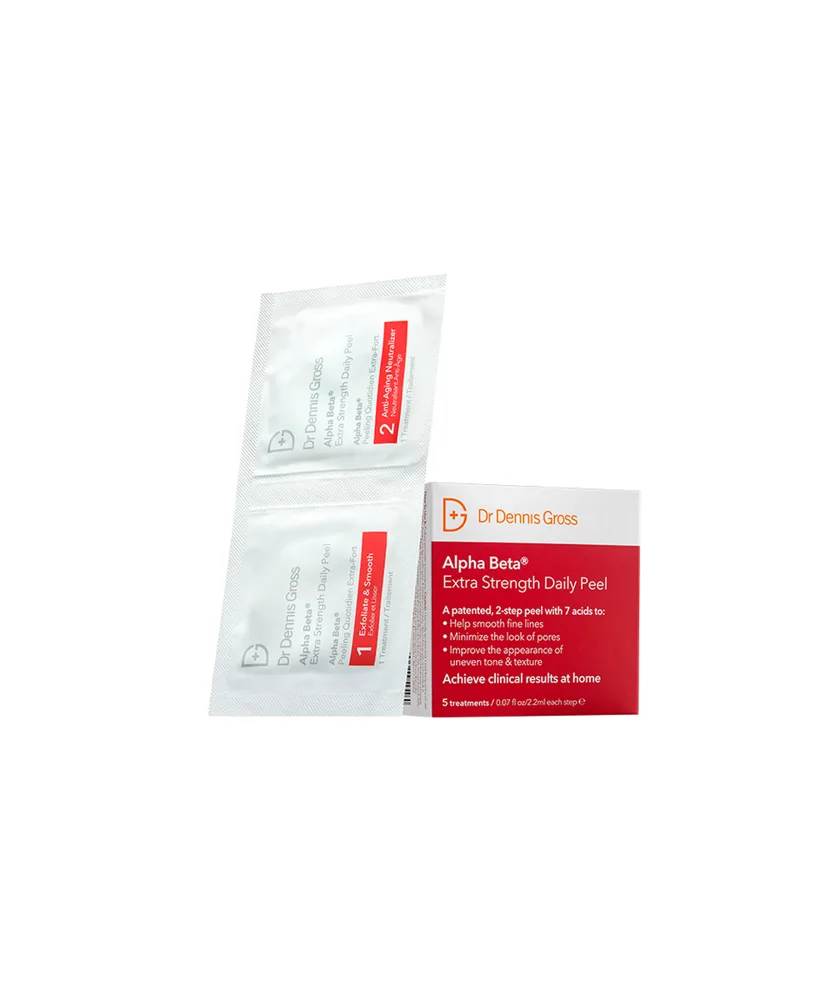 At-Home Peel Benchmark
 Alpha Beta Extra Strength Daily Peel
The harder-hitting version of the at-home peel that started the category. Step 1 delivers a serious five-acid blend and Step 2 follows with retinol and antioxidants, making this a combined resurfacing and anti-aging treatment in a single five-minute routine. Expensive but genuinely effective for experienced exfoliant users.
This review reflects our independent analysis of publicly available ingredient data, manufacturer claims, and verified user reviews. We are reader-supported — Amazon links may earn us a commission at no cost to you. We do not accept paid placements; rankings are based solely on the evidence.