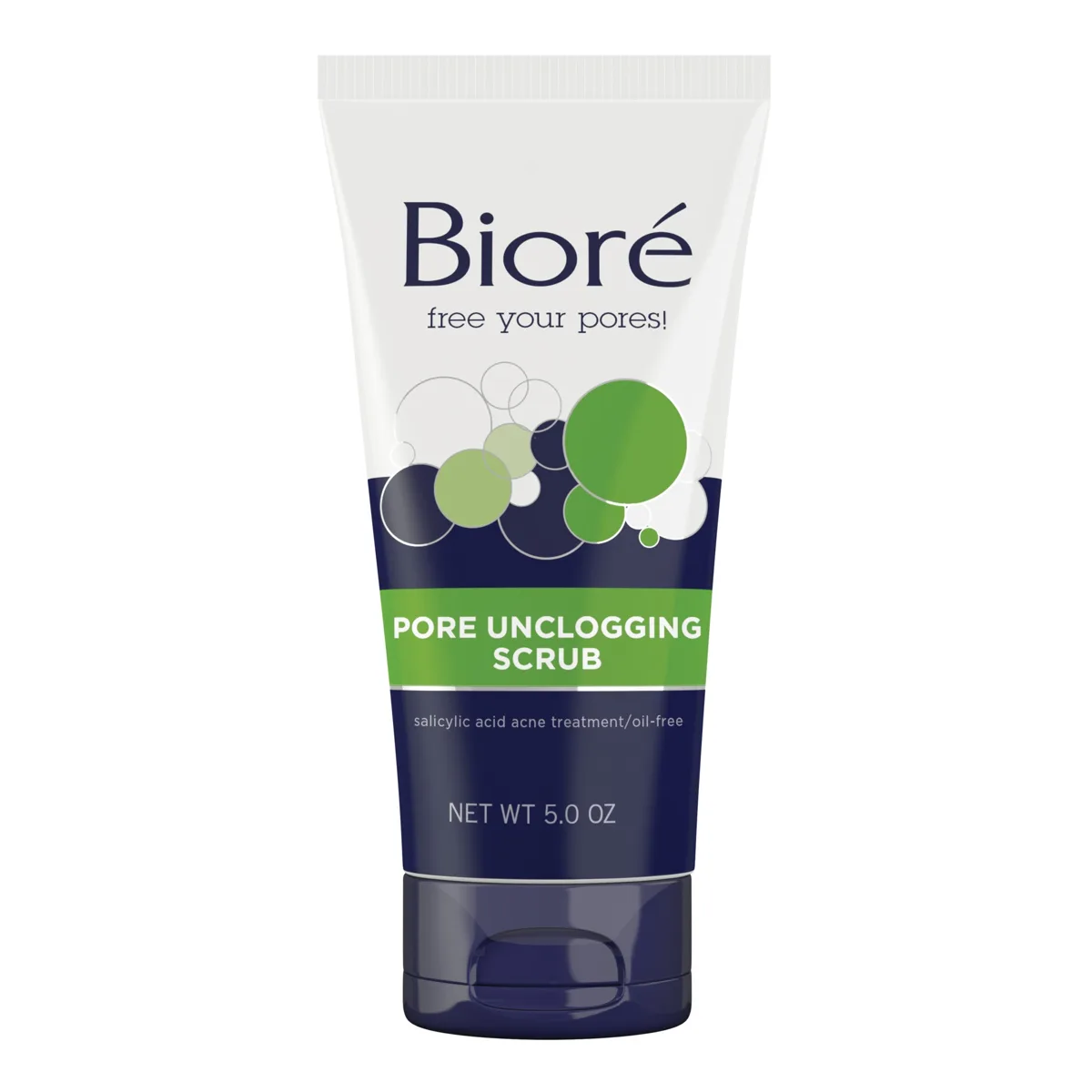
One of the few drugstore scrubs that's actually worth its shelf space — a real 2% salicylic acid product in a soft-bead wax base that respects your skin barrier more than its age suggests. For oily, blackhead-prone users it's a legitimate cheap staple. Sensitive skin should pass, and no one should confuse it with a complete acne routine.
Pore Unclogging Scrub
One of the few drugstore scrubs that's actually worth its shelf space — a real 2% salicylic acid product in a soft-bead wax base that respects your skin barrier more than its age suggests. For oily, blackhead-prone users it's a legitimate cheap staple. Sensitive skin should pass, and no one should confuse it with a complete acne routine.
Score Breakdown
Where this product gains points and where it loses them — broken down across the four scoring pillars.
A genuinely useful FDA-registered 2% salicylic acid scrub at drugstore pricing, with mild exfoliation beads and a less-harsh surfactant than Bioré's cleanser. Fragrance, menthol, and the added physical exfoliation limit its appeal to anyone with reactive or sensitized skin.
Pros & Cons
- ✓FDA-registered OTC drug with 2% salicylic acid active
- ✓Soft, round wax beads are gentler than old-style scrubs
- ✓Milder surfactant base than Bioré's own charcoal cleanser
- ✓Meaningful visible reduction in nose and chin blackheads
- ✓Dual mechanical and chemical exfoliation in one $9 product
- ✓Widely available and consistently stocked at drugstores
- ✗Added fragrance and menthol are real irritation risks
- ✗Not suitable for sensitive, rosacea, or eczema-prone skin
- ✗Cetyl alcohol disqualifies it for fungal-acne sufferers
- ✗Can over-exfoliate if stacked with retinoids or BP
Full Review
Most face scrubs on a drugstore shelf are cosmetics, which means a brand can put almost anything in them and make soft 'cleansing' claims without ever having to prove efficacy. This one is different, and the difference matters. The Bioré Pore Unclogging Scrub is registered with the FDA as an over-the-counter drug because its active ingredient is 2% salicylic acid at the maximum OTC-allowed concentration for acne treatment. That registration comes with real strings attached — specific labeling, concentration limits, and the requirement to back up its acne-treatment claim — and it puts this scrub in a different category than the vast majority of physical exfoliants sold alongside it. Understanding that context changes how you should evaluate the product, because you're essentially looking at a BHA treatment that happens to also have a gentle physical exfoliation component, not a physical scrub that happens to mention salicylic acid on the label.
The formulation itself reflects this dual purpose better than it probably has any right to. The base is a creamy, pearlescent cleansing emulsion built on sodium cocoyl isethionate — a notably milder surfactant than the sulfate system in Bioré's charcoal cleanser — so the rinse-off experience is gentler than you'd predict from a drugstore acne product. The exfoliating particles are synthetic wax and microcrystalline wax beads, both of which are uniformly round, soft enough to compress between your fingertips, and biodegradable. This is the main reason the scrub survived the mid-2010s consumer revolt against physical exfoliants: the beads are a generation removed from the walnut-shell disasters that earned the category its bad reputation, and with normal pressure they roll across skin rather than drag across it. The 2% salicylic acid sits in the continuous phase of the cream, where it gets a genuinely useful 60-to-90-second contact window during a normal face wash — not as long as a leave-on BHA, but long enough to begin partitioning into sebum-filled follicles and loosening keratin plugs from the inside.
On skin, the result is a real, repeatable effect that the right user will notice within a couple of weeks. Surface blackheads on the nose and chin visibly diminish. Texture smooths out in the cheek areas where clogs tend to hide under the skin. The skin feels cleaner in a way that isn't just the squeaky theatre of a harsh cleanser — there's actual exfoliative work happening, and the combination of mechanical and chemical action tackles blackheads from two directions simultaneously. That said, the same effectiveness that makes it useful is also what makes it a bad idea for people who don't need it. If you already run a retinoid routine, stacking this scrub into the same week asks too much of your barrier. If your skin is reactive, the fragrance and menthol combination will make itself known quickly. And if you have active inflammatory acne rather than simple blackheads and oil, no scrub — physical or chemical — is going to substitute for the real treatment you need from a dermatologist. This product sits firmly in the blackhead-and-texture-maintenance category, which is a narrower job than its packaging implies.
The sensory experience is actually one of the nicer drugstore skincare moments available at this price. The cream is smooth and satisfying to massage in, the beads provide just enough feedback to feel purposeful without scraping, and the slight mint-cool tingle from the menthol — much lower than in the charcoal cleanser — reads as refreshing rather than aggressive. The fragrance is assertive but not offensive. Rinse is clean and doesn't leave a film. Afterwards, the skin feels genuinely smoother, not stripped. The whole experience lasts about ninety seconds and leaves you feeling like you did something useful, which is more than most drugstore products can deliver on a $9 budget.
Where this scrub belongs in a routine is the key question, and the answer is: as a supporting player, two or three times a week, for people whose main skincare issues are blackheads, surface texture, and baseline oiliness. It shouldn't run every day. It shouldn't stack with retinoids or benzoyl peroxide on the same night. It shouldn't be the only thing between your skin and active cystic acne. And it shouldn't be anywhere near a sensitized or rosacea-prone face. But treated as a focused tool for a focused problem, it's one of the genuinely worthwhile products in its corner of the drugstore — a rare case where regulatory oversight, a smart formulation, and a pocket-friendly price actually line up.
Formula
Key Ingredients
The hero actives that drive this product's performance.
| Ingredient | Function | Evidence |
|---|---|---|
| Salicylic Acid (2%) | Registered with the FDA as a 2% OTC acne active in this formulation — the maximum OTC-allowed concentration. It's oil-soluble so it partitions into sebum and loosens the keratin plugs inside clogged follicles, which is the core job of a 'pore unclogging' product. In this cream-scrub base, contact time is longer than a cleanser but still relatively brief, so it behaves more like a daily maintenance BHA than a treatment peel. | well-established |
| Synthetic Wax / Microcrystalline Wax Beads | Provides the fine physical exfoliation in this scrub. Unlike the old walnut-shell and crushed-seed exfoliants that produced microtears, synthetic wax beads are uniformly round and soft enough to tumble across skin without scratching, making this one of the less abrasive physical scrubs on the drugstore shelf. | well-established |
| Sodium Cocoyl Isethionate | A mild, coconut-derived surfactant that gives this scrub its gentle foaming cleansing action. It's notably milder than the SLES used in Bioré's charcoal cleanser, which makes the overall rinse-off experience less stripping than you'd expect from a drugstore acne product. | well-established |
| Menthol | Adds the brand's signature cooling sensation at a lower level than the charcoal cleanser. It's mechanistically a cold-receptor activator, not a cleansing ingredient, and remains a potential irritant for rosacea or sensitized skin. | well-established |
Full INCI List · pH 4
Active: Salicylic Acid 2%. Inactive: Water, Sodium Cocoyl Isethionate, Glycerin, Glycol Distearate, Synthetic Wax, PEG-6 Caprylic/Capric Glycerides, Ethoxydiglycol, Microcrystalline Wax, Cetyl Alcohol, PEG-12 Dimethicone, Sodium Hydroxide, Sodium Lauroyl Lactylate, Acrylates/C10-30 Alkyl Acrylate Crosspolymer, Xanthan Gum, Fragrance, Propylene Glycol, Diazolidinyl Urea, Menthol, Benzophenone-4, Ferric Ferrocyanide, Iodopropynyl Butylcarbamate
Product Flags
✗ Fragrance Free✓ Alcohol Free✓ Oil Free✗ Silicone Free✓ Paraben Free✓ Sulfate Free✗ Cruelty Free✓ Vegan✗ Fungal Acne Safe
Comedogenic Ingredients
Cetyl Alcohol
Potential Irritants
FragranceMentholSalicylic Acid
Common Allergens
Fragrance
Compatibility
Skin Match
Best For
Works For
Not Ideal For
Addresses These Conditions
blackheads acne oiliness large pores texture
Use With Caution
rosacea sensitivity compromised skin barrier
Avoid With
Routine Step
treatment
Time of Day
AM & PM
Pregnancy Safe
No ✗
Layering Tips
Use 2-3 times per week at most if you're already using other actives (retinoids, AHAs, benzoyl peroxide). Avoid pairing with other physical exfoliants the same day. Follow with a non-stripping moisturizer and, in the AM, always sunscreen — salicylic acid does not cause photosensitivity but exfoliated skin is more vulnerable to UV.
Results Timeline
Immediately after use: smoother, softer skin texture and a temporary mattifying effect. Short-term (1-2 weeks): blackheads on nose and chin visibly diminish, fewer surface comedones. Full benefits (4-8 weeks): baseline texture improves noticeably and mild acne flares become less frequent, though deep cystic acne will need additional treatments.
Pairs Well With
hydrating-tonerniacinamide-serumoil-free-moisturizer
Conflicts With
retinoidsbenzoyl-peroxidephysical-exfoliants
Sample AM Routine
- Gentle cleanser
- THIS PRODUCT (2-3x/week)
- Niacinamide serum
- Oil-free moisturizer
- Sunscreen
Sample PM Routine
- Oil cleanser
- Gentle cleanser
- THIS PRODUCT (2-3x/week)
- Hydrating toner
- Moisturizer
Evidence
Science & Expert Perspective
The Science
The science behind this scrub sits mostly on the salicylic acid side. Salicylic acid is a beta-hydroxy acid that's oil-soluble, which is why it can partition into sebum-filled follicles and loosen the keratin plugs that create blackheads and comedones. A comprehensive review in Clinical, Cosmetic and Investigational Dermatology (2015) summarized BHA's comedolytic, anti-inflammatory, and mild antimicrobial effects and noted that OTC 2% concentrations — the exact level used here — produce measurable improvements in acne and texture when used consistently. FDA OTC monograph oversight requires this product to substantiate its acne-treatment claims at this concentration, which is a regulatory rigor that most cosmetic scrubs don't face.
The physical exfoliation component is harder to study rigorously, but work on mechanical exfoliant particle geometry (including research on bead shape and pressure distribution referenced in cosmetic-chemistry literature) suggests that uniformly round synthetic wax particles generate significantly less microtrauma than the irregular shapes of walnut shell or apricot pit. In combination with a chemical exfoliant, the physical beads likely contribute to faster removal of already-loosened surface debris rather than producing their own exfoliative effect.
The menthol content, as with Bioré's charcoal cleanser, activates the TRPM8 cold-sensing channel (McKemy et al., Nature, 2002), producing the sensation of cooling without actually cooling the skin. This is purely a sensory effect and has no cleansing or anti-acne function.
References
- Salicylic Acid as a Peeling Agent: A Comprehensive Review — Clinical, Cosmetic and Investigational Dermatology (2015)
- Identification of a cold receptor reveals a general role for TRP channels in thermosensation — Nature (2002)
Dermatologist Perspective
Dermatologists broadly accept 2% salicylic acid products as an appropriate over-the-counter option for blackhead-prone and mildly acne-prone skin, and this scrub is one of the few drugstore options where the active ingredient is actually present at the claimed strength and registered as an OTC drug. Board-certified dermatologists typically recommend it as a supporting player rather than a primary acne treatment — pairing it with a gentle cleanser, a non-comedogenic moisturizer, and sun protection, and limiting use to two or three times per week to avoid over-exfoliation. Dermatologists consistently caution against combining this scrub with retinoids or benzoyl peroxide on the same day, and against using it on active inflammatory acne where physical manipulation can worsen lesions. For sensitive skin, rosacea, or eczema, most clinicians recommend a fragrance-free leave-on BHA instead.
Guidance
Usage Guide
How to Use
Wet your face with lukewarm water. Squeeze a dime-sized amount of the cream scrub onto damp fingertips and gently massage across the face in small circular motions for 30-60 seconds, focusing on areas prone to blackheads like the nose, chin, and forehead. Use light pressure — the beads do the work, not your hands. Rinse thoroughly with cool or lukewarm water, pat dry, and follow immediately with a hydrating toner, treatment serum if any, and a non-comedogenic moisturizer. In the morning, always apply sunscreen. Start at 2x weekly and adjust based on how your skin tolerates it.
Value Assessment
At roughly $8.99 for a 5 oz tube that lasts 2-3 months with sensible 2-3x weekly use, this is one of the best per-use values in the drugstore acne aisle. The FDA OTC drug registration adds real value — you're getting a regulated 2% salicylic acid product rather than a cosmetic trying to imply activity it can't deliver. Compared to prestige-priced BHA products that charge $30+ for similar or lower concentrations, the value gap is enormous. The only thing keeping this from a higher value score is that the fragrance and menthol put it out of reach for a meaningful portion of potential users, which narrows who actually benefits from the low price.
Who Should Buy
Oily and combination skin with visible blackheads on the nose, chin, and forehead. Teens and young adults looking for an affordable, regulated acne treatment that actually works. People who enjoy the sensory feedback of a physical scrub but want it paired with a genuine active ingredient.
Who Should Skip
Sensitive, rosacea-prone, or eczema-prone skin — the fragrance and menthol will flare these conditions. Anyone with active inflammatory cystic acne, who needs clinical treatment rather than a scrub. People already running retinoids or benzoyl peroxide who don't have room in their routine for additional exfoliation.
Ready to try Bioré Pore Unclogging Scrub?
Details
Details
Texture
Pearly white cream loaded with fine, soft exfoliating beads. Foams slightly when worked into wet skin.
Scent
Fresh, slightly citrus-menthol drugstore fragrance.
Packaging
Standard squeeze tube with flip cap. Utilitarian, travel-friendly.
Finish
smoothmattefresh
What to Expect on First Use
The first use feels gentler than most drugstore scrubs — the beads are clearly softer and smaller than the old walnut-shell generation. Expect a mild cooling tingle from the menthol and a slight fresh scent. No purging in the traditional sense, but first-time users with existing clogs may see some blackheads lift over the first week.
How Long It Lasts
A 5 oz tube lasts 2-3 months with 2-3x weekly use on the full face and daily spot use on the nose.
Period After Opening
12 months
Best Season
All Year
Certifications
FDA OTC drug registration
Background
The Why
Bioré launched this scrub in 2010 as part of its pore-care expansion alongside the original Pore Strips franchise. It survived the mid-2010s backlash against physical exfoliants largely because its wax beads are visibly gentler than the walnut-shell-era scrubs that drew the criticism, and because the 2% salicylic acid content gave it legitimate acne-treatment standing.
About Bioré Legacy Brand (20+ years)
Bioré is a Kao Corporation drugstore brand founded in Japan in 1980 with deep formulation history in cleansing and pore-care categories. The Pore Unclogging Scrub is FDA-registered as an OTC salicylic acid acne drug, which provides meaningful regulatory oversight of its active ingredient concentration and claims.
Brand founded: 1980 · Product launched: 2010
Myth vs. Reality
Myths & Misconceptions
Myth
Physical scrubs always cause microtears and damage the skin barrier.
Reality
Walnut-shell and crushed-seed scrubs did. Soft, uniform wax beads like the ones in this formula are meaningfully gentler, and in combination with salicylic acid they can be an effective two-pronged approach for blackhead-prone oily skin.
Myth
2% salicylic acid in a rinse-off scrub is too brief to work.
Reality
Leave-on BHA is more potent, but contact time in a scrub used 60-90 seconds is long enough to meaningfully penetrate sebaceous follicles, especially with consistent use. The FDA registration requires Bioré to back up the acne-treatment claim.
FAQ
Frequently Asked Questions
Does Bioré Pore Unclogging Scrub actually work on blackheads?
Yes, for surface-level blackheads on oily and combination skin. The combination of 2% salicylic acid (which dissolves keratin plugs inside pores) and gentle wax bead exfoliation (which sloughs the loosened debris) is well-suited to blackhead-prone areas like the nose and chin.
How often should I use it?
Two to three times per week is the sweet spot for most people. Daily use can over-dry the skin, especially if you're also using retinoids or other actives. Users with very oily, tolerant skin can occasionally push to four times weekly.
Is it gentle enough for sensitive skin?
No — the fragrance, menthol, and 2% salicylic acid combination is too irritating for sensitive, rosacea-prone, or eczema-prone skin. A fragrance-free leave-on BHA is a better route for sensitive users.
Can I use it with retinol or benzoyl peroxide?
Not on the same day or evening. Stacking salicylic acid with retinoids or benzoyl peroxide significantly raises the risk of irritation and barrier disruption. Alternate days — scrub one evening, retinoid the next — and skip the scrub entirely if your skin is already inflamed.
Is this scrub safe during pregnancy?
Dermatologists generally recommend avoiding rinse-off salicylic acid products above 2% during pregnancy out of caution, though systemic absorption from a rinse-off is low. Talk to your OB-GYN or dermatologist before continuing use.
Does it have microbeads that pollute the ocean?
The exfoliating particles are synthetic wax and microcrystalline wax, not the plastic microbeads banned by the Microbead-Free Waters Act. They are biodegradable in typical wastewater conditions.
What skin types should avoid this product?
Anyone with sensitive, rosacea-prone, eczema-prone, or currently compromised skin. Also people with strong fungal acne tendencies, since the formula contains cetyl alcohol and is not fungal-acne safe.
Community
Community Voices
Common Praise
"Visibly reduces blackheads on nose and chin"
"Gentle beads that don't scratch"
"Great value for a 2% salicylic acid product"
"Satisfying slight cooling sensation"
Common Complaints
"Strong fragrance bothers sensitive noses"
"Menthol tingling is uncomfortable for some"
"Can over-dry if used daily"
"Cetyl alcohol flagged by fungal acne sufferers"
Notable Endorsements
FDA-registered OTC acne drugLong-time staple in Acne.org community reviews
Appears In
best scrub for blackheads best drugstore bha scrub best cheap acne treatment best exfoliant for oily skin
Related Conditions
blackheads acne oiliness large pores
Related Ingredients
You Might Also Like
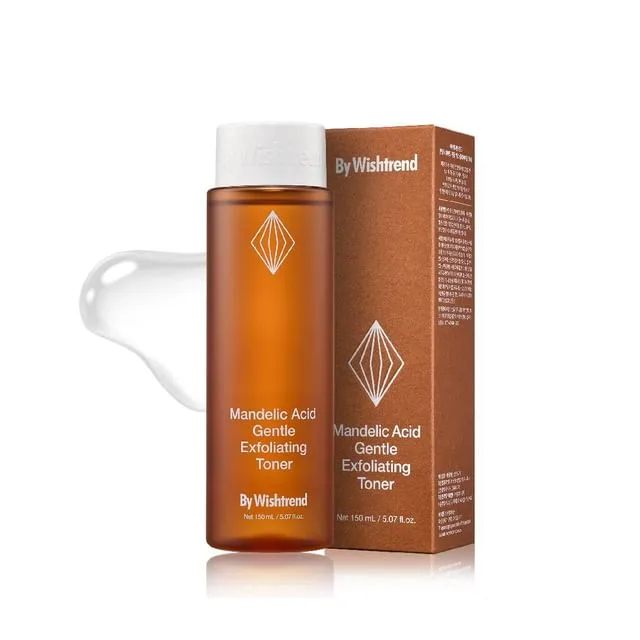 Sensitive Skin AHA Pick
 Mandelic Acid 5% Skin Prep Water
The mandelic acid prep water that quietly converted half of K-beauty Reddit away from glycolic — and for good reason. It delivers visible texture and PIH improvement at 5% without the sting or pigment risk that derails sensitive and darker skin, and it does so for around twenty bucks.
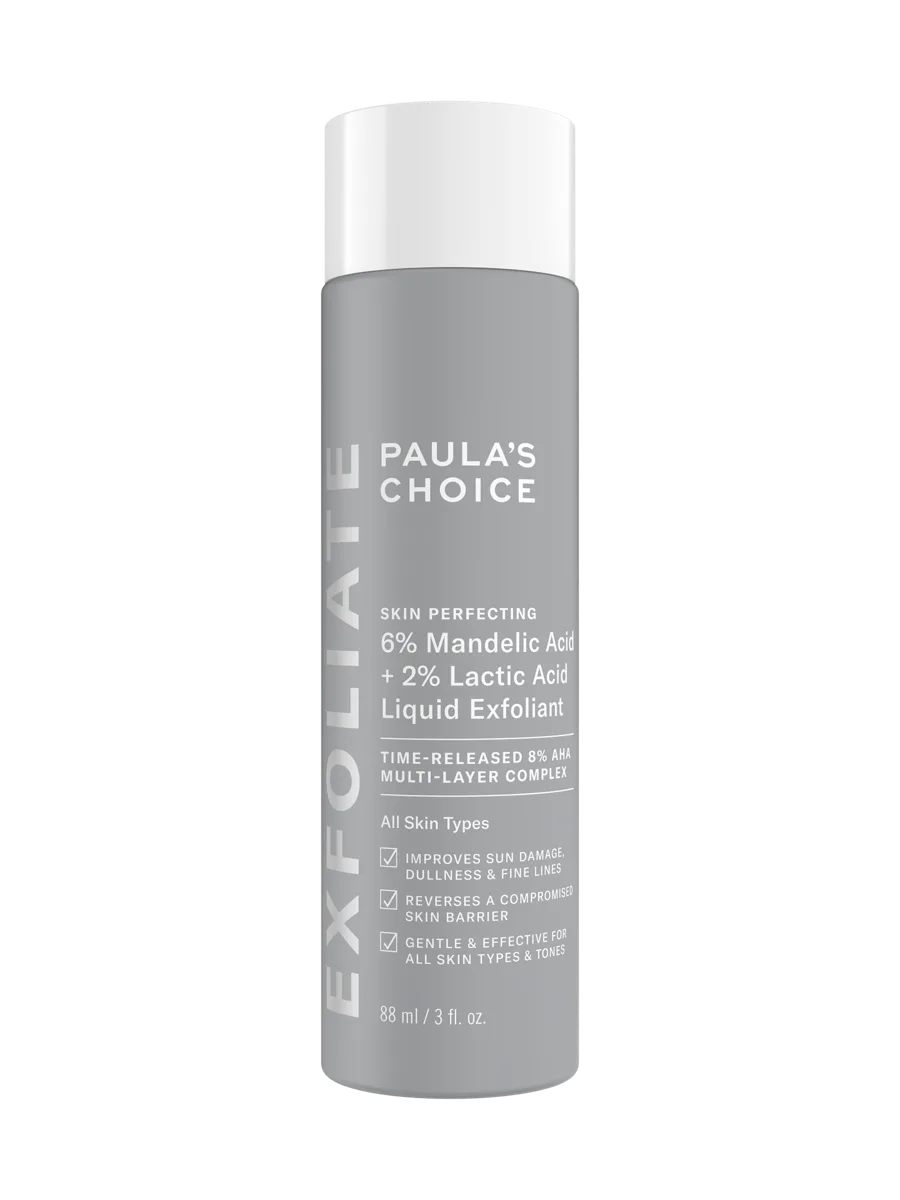 Gentle Glow Specialist
 Skin Perfecting 6% Mandelic Acid + 2% Lactic Acid Liquid Exfoliant
The exfoliant that finally treats sensitive and melanin-rich skin as the design priority rather than an afterthought. With a 4.8-star rating and 660+ reviews, this mandelic-lactic formula proves that gentleness and efficacy aren't mutually exclusive — it just requires smarter acid selection.
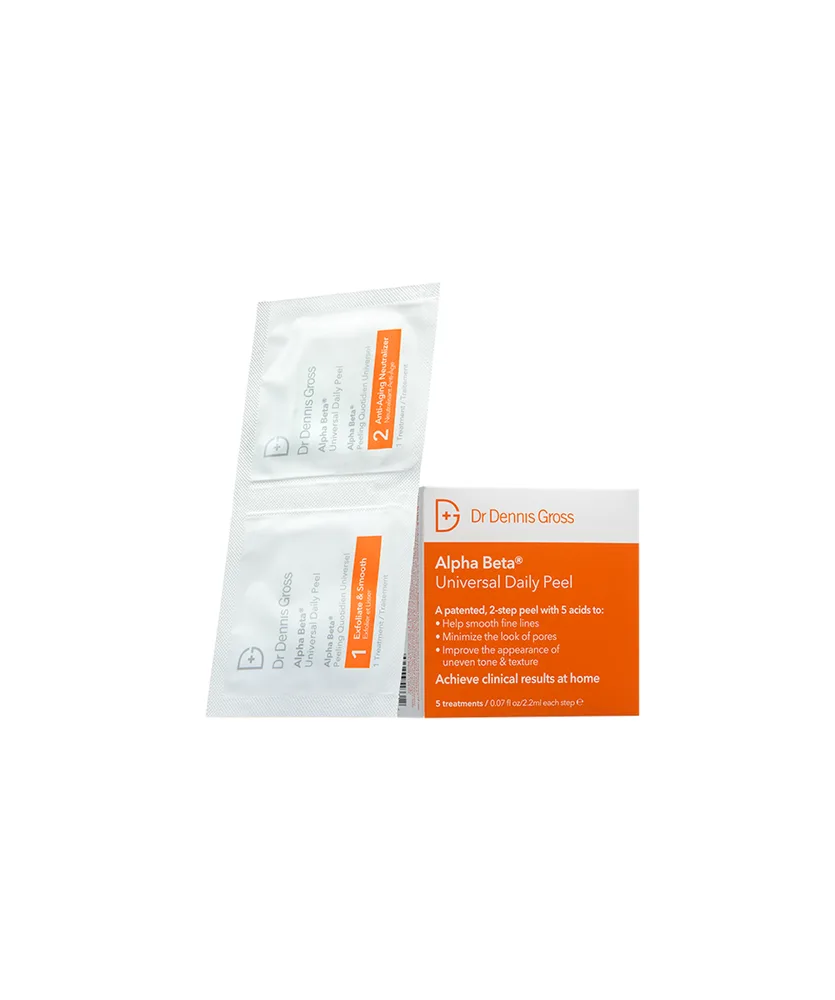 The Original At-Home Peel
 Alpha Beta Universal Daily Peel
The product that invented the at-home daily peel category in 2002 and still sits at the top of it. The five-acid Step 1 and retinol-antioxidant Step 2 deliver genuine resurfacing and anti-aging in a single five-minute routine. Expensive, but the results and track record justify the reputation.
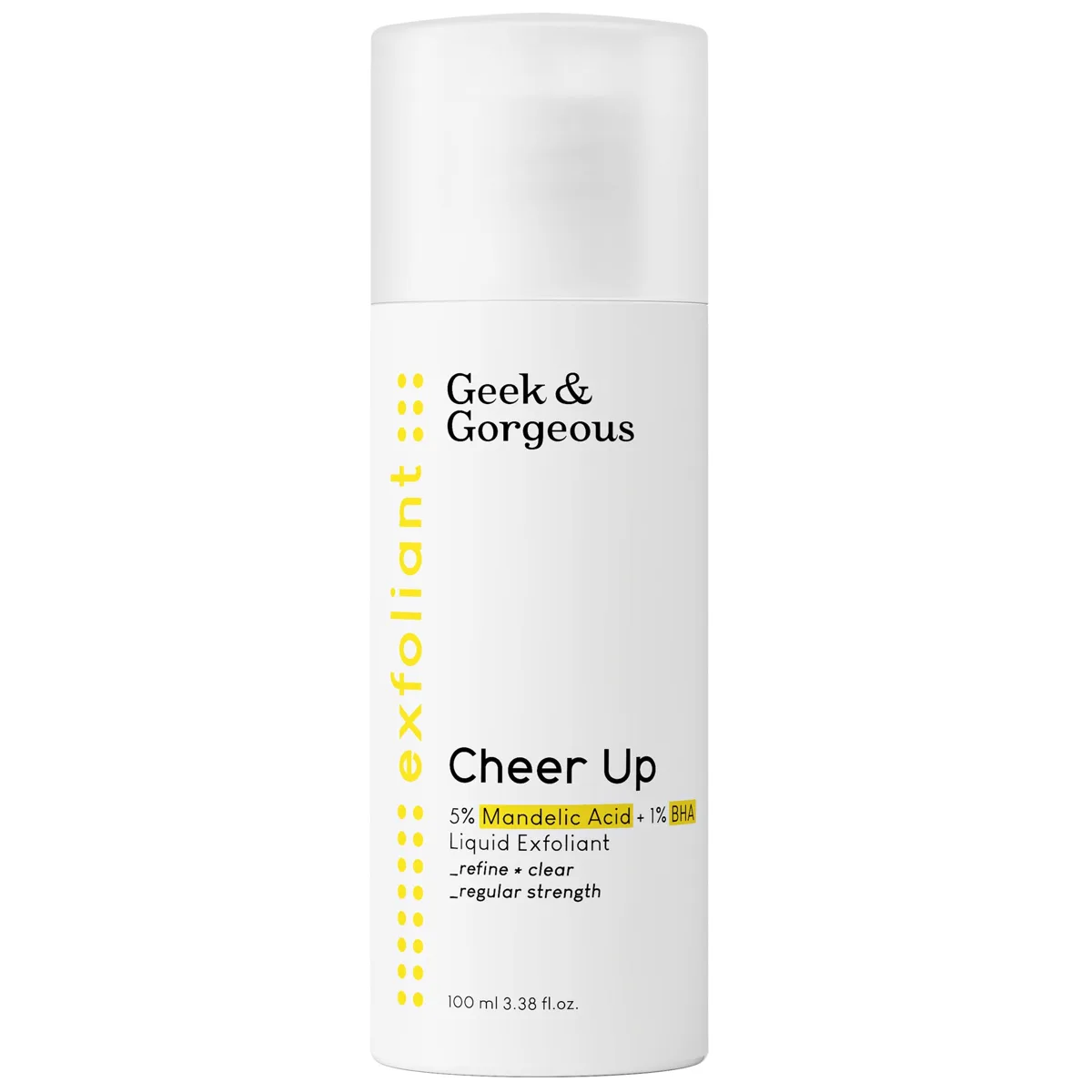 Beginner Exfoliant Pick
 Cheer Up 5% Mandelic + 1% Salicylic Exfoliant
A thoughtfully formulated beginner AHA/BHA exfoliant that uses mandelic acid — the gentlest mainstream AHA — in combination with low-strength salicylic, plus a sugar-humectant complex for comfort. At 100mL for around $12, the value is excellent, and the formulation choices reflect the kind of cosmetic-chemist thinking that separates this brand from typical indie exfoliants. Ideal for exfoliant newcomers and sensitive skin.
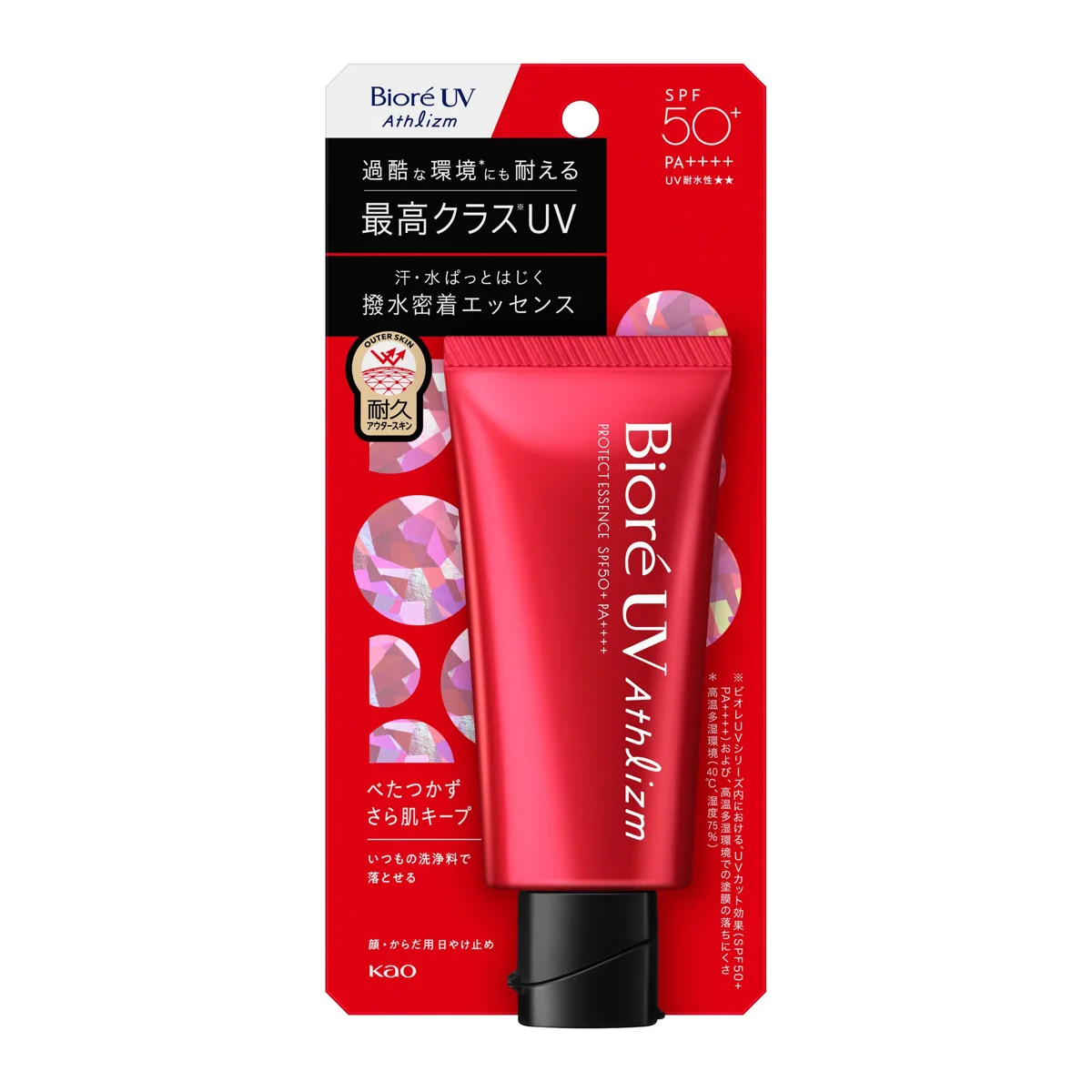 J-Beauty Sport Sunscreen MVP
 UV Athlizm Skin Protect Essence SPF 50+
One of the most capable sport sunscreens on the global market — a Japanese essence loaded with next-generation European filters that holds up through sweat, swimming, and sunshine without feeling like armor. If you can import it, it belongs in any runner, cyclist, or swimmer's bag; if you're buying for calm daily office wear, the regular Aqua Rich line is a better fit.
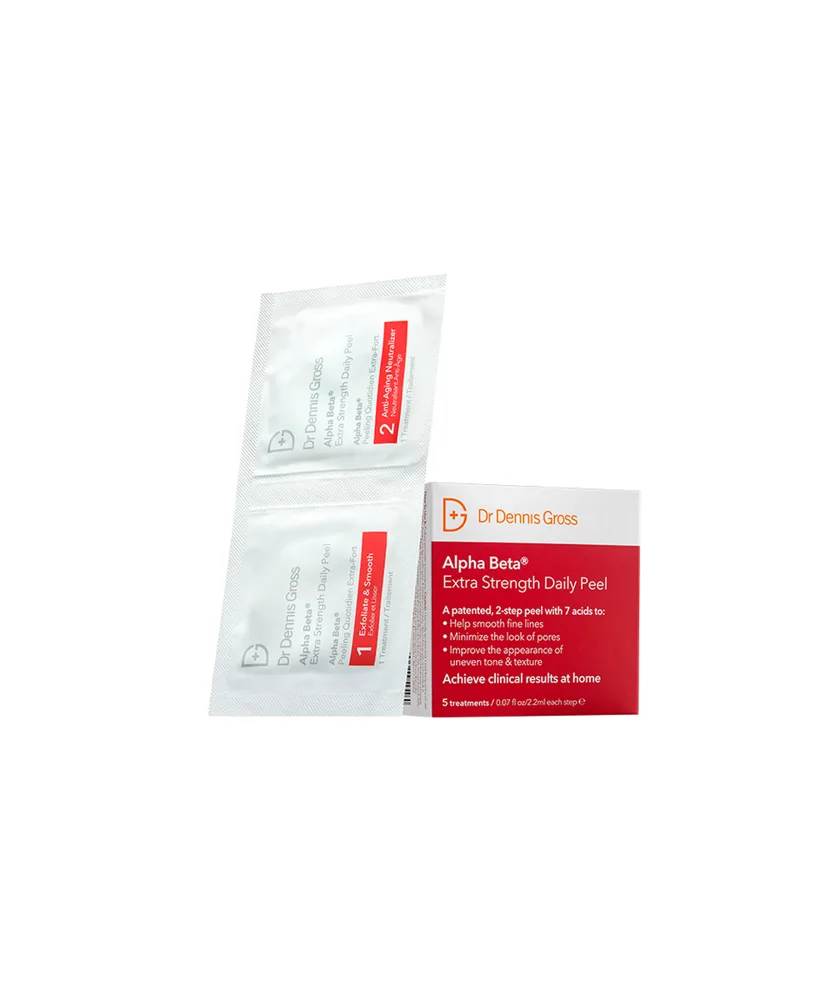 At-Home Peel Benchmark
 Alpha Beta Extra Strength Daily Peel
The harder-hitting version of the at-home peel that started the category. Step 1 delivers a serious five-acid blend and Step 2 follows with retinol and antioxidants, making this a combined resurfacing and anti-aging treatment in a single five-minute routine. Expensive but genuinely effective for experienced exfoliant users.