
The most scientifically ambitious product in Burt's Bees' lineup, and it largely delivers on its promise. Bakuchiol is a real anti-aging active with real clinical evidence, and this formula positions it prominently in a nourishing, natural-origin base. The fragrance components are an unfortunate inclusion in a daily anti-aging product, but for retinol-intolerant skin seeking evidence-based firming, this is one of the most accessible options on the drugstore shelf.
Renewal Firming Moisturizing Cream
The most scientifically ambitious product in Burt's Bees' lineup, and it largely delivers on its promise. Bakuchiol is a real anti-aging active with real clinical evidence, and this formula positions it prominently in a nourishing, natural-origin base. The fragrance components are an unfortunate inclusion in a daily anti-aging product, but for retinol-intolerant skin seeking evidence-based firming, this is one of the most accessible options on the drugstore shelf.
Score Breakdown
Where this product gains points and where it loses them — broken down across the four scoring pillars.
Bakuchiol is the genuine highlight — a clinically validated retinol alternative in a natural-origin formula. The supporting cast of sunflower oil, glycerin, and vitamin E is solid. However, the fragrance allergens limit the irritation score, and the small jar size weakens the value proposition for daily anti-aging use.
Pros & Cons
- ✓Bakuchiol positioned prominently in the formula as a clinically validated retinol alternative
- ✓No purging, peeling, or sun sensitivity — safe for retinol-intolerant skin types
- ✓Rich, nourishing emollient base with sunflower oil, beeswax, and vitamin E
- ✓Pregnancy-safe anti-aging option unlike retinol-containing products
- ✓99% natural-origin ingredients from a trusted 40-year-old brand
- ✓Fragrance-free version available for sensitive skin (check retailer availability)
- ✗Original formulation contains fragrance allergens (eugenol, geraniol, limonene, linalool)
- ✗Rich texture may be too heavy for oily or combination skin types
- ✗Small 1.8 oz jar lasts only 4-6 weeks — frequent repurchasing required
- ✗Anti-aging results are gradual and subtle — 8-12 weeks minimum for visible change
- ✗Jar packaging compromises hygiene and may degrade bakuchiol stability over time
Full Review
Bakuchiol had a good decade. In 2014, most dermatologists would have drawn a blank at the name. By 2019, a landmark study in the British Journal of Dermatology had compared it head-to-head with retinol and found comparable anti-aging results with superior tolerability. By 2021, every natural beauty brand in America was racing to put bakuchiol on their labels. Burt's Bees was earlier than most. Their Renewal line had been quietly reformulated around this Psoralea corylifolia-derived compound, betting that consumers who'd been scared off by retinol's side effects would embrace an alternative with genuine science behind it.
The bet was smart because bakuchiol solves a real problem. Retinol works. Everyone in dermatology agrees on this. But retinol also peels, dries, sensitizes, and makes skin sun-reactive. An estimated 40-50% of people who start retinol products discontinue them within the first few months due to irritation. Bakuchiol activates similar retinoid-responsive gene pathways — specifically upregulating type I collagen, type III collagen, and type IV collagen expression — without triggering the inflammatory cascade that makes retinol so uncomfortable. You get the cellular conversation without the argument.
In this formula, bakuchiol sits at position seven in the ingredient list — above the beeswax, above all the thickeners and emulsifiers, above the fragrance. For INCI-literate consumers, this placement signals a concentration that's more than decorative. While the exact percentage isn't disclosed, the positioning suggests it's present at a level comparable to the 0.5% used in clinical studies. This matters because many products list bakuchiol below their preservative system, where it's essentially a marketing ingredient rather than a functional one.
The supporting formula is quintessential Burt's Bees: sunflower seed oil for linoleic acid-rich emolliency, glycerin for humectant hydration, caprylic/capric triglyceride for lightweight conditioning, and beeswax for occlusive seal. It's a more emollient base than many anti-aging creams, which tends to favor dry-to-normal skin types. The texture is noticeably richer than the brand's daily moisturizers — closer to a traditional cream than the lightweight gels that dominate the anti-aging market. This richness is both a strength (excellent for mature, dry skin that needs both firming and moisture) and a limitation (combination and oily skin types will likely find it too heavy for morning use).
Vitamin E (tocopherol) and soybean oil provide antioxidant support that complements the bakuchiol's collagen-stimulating activity. While bakuchiol builds new collagen, the antioxidants protect existing collagen from the free-radical damage that breaks it down. It's a two-pronged approach — construction and defense — that makes more sense than either strategy alone.
The fragrance situation is this formula's most significant misstep. The original version contains parfum, eugenol, geraniol, limonene, and linalool — a full roster of EU-listed fragrance allergens. In a once-a-week face mask, this would be a minor concern. In a twice-daily anti-aging cream, it's a meaningful irritation risk applied 730 times per year. Burt's Bees acknowledged this by introducing a fragrance-free version, but retailer availability for the unscented variant is inconsistent. If you're going to commit to this product — and anti-aging is a long-term commitment — seek out the fragrance-free formulation.
Results follow bakuchiol's established timeline. The emollient base delivers immediate softening and hydration — your skin will feel noticeably better from day one. But the anti-aging effects are cellular, not cosmetic. Bakuchiol needs time to influence gene expression, stimulate fibroblast activity, and allow newly synthesized collagen to reach the surface. Most users report visible improvement in skin firmness and fine line depth after eight to twelve weeks of consistent use. Those expecting overnight transformation will be disappointed. Those who understand the biology will be appropriately patient.
The texture requires a note for anyone accustomed to lightweight gel-creams. This is a proper cream — rich, substantial, and noticeably present on the skin for about ninety seconds before it fully absorbs. The beeswax gives it a slightly occlusive quality that seals everything in but can feel heavy in humid climates or on oily T-zones. For dry skin in a temperate climate, this weight is a feature. For anyone else, it may relegate the product to nighttime-only use.
Value is adequate but not compelling. At roughly eighteen dollars for 1.8 ounces, the per-ounce cost is $10.26 — higher than most drugstore moisturizers but lower than specialty bakuchiol products from brands like Herbivore or Ole Henriksen. The jar lasts four to six weeks with twice-daily use, meaning an annual commitment of approximately $150-200. For a clinically substantive anti-aging routine at the drugstore, that's reasonable. But the small jar size makes each purchase feel less generous than Burt's Bees' typically value-oriented pricing.
The jar packaging, as always, invites the same hygiene criticism. Dipping fingers into a jar introduces bacteria and degrades the formula's antioxidants through repeated air exposure. For a product containing bakuchiol — whose stability can be affected by oxidation — a pump or tube would better preserve the active ingredient's potency over the product's lifespan.
What makes the Renewal Firming Cream worth considering, despite its imperfections, is the integrity of the core proposition. Bakuchiol is not hype. It's a plant-derived compound with peer-reviewed clinical evidence showing anti-aging efficacy comparable to retinol. Burt's Bees positioned it meaningfully in the formula rather than sprinkling it in at homeopathic levels. And they wrapped it in a natural-origin base that genuinely nourishes skin rather than just delivering an active in a cosmetically elegant vehicle. For the millions of people who tried retinol and gave up — or who never started because the warnings scared them — this is an evidence-based alternative that respects both the science and the skin.
Formula
Key Ingredients
The hero actives that drive this product's performance.
| Ingredient | Function | Evidence |
|---|---|---|
| Bakuchiol | The formula's star active — a plant-derived retinol alternative from the Psoralea corylifolia plant. Listed seventh (above the emulsifiers and thickeners), suggesting a meaningful concentration. Bakuchiol stimulates collagen production and reduces photodamage through retinol-like gene expression without the irritation, dryness, or sun sensitivity that retinoids cause. | promising |
| Glycerin | Primary humectant positioned fourth in the formula, providing essential hydration that supports bakuchiol's collagen-stimulating activity. Well-hydrated skin responds better to anti-aging actives, and glycerin's barrier-supporting properties complement the firming mission. | well-established |
| Helianthus Annuus (Sunflower) Seed Oil | Listed third as a major emollient, sunflower oil's linoleic acid content supports the skin barrier while its vitamin E works synergistically with the standalone tocopherol to protect both the formula and the skin from oxidative damage that accelerates aging. | well-established |
| Tocopherol | Pure vitamin E provides antioxidant protection that complements bakuchiol's anti-aging mechanism — while bakuchiol stimulates collagen, tocopherol defends existing collagen from free-radical degradation. Together they address aging from both the repair and prevention angles. | well-established |
Full INCI List
Water, Decyl Cocoate, Helianthus Annuus (Sunflower) Seed Oil, Glycerin, Caprylic/Capric Triglyceride, Cetyl Alcohol, Bakuchiol, Beeswax, Glyceryl Stearate Citrate, Stearic Acid, Stearyl Alcohol, Zea Mays (Corn) Starch, Tocopherol, Glycine Soja (Soybean) Oil, Cetearyl Alcohol, Coco-Glucoside, Magnesium Aluminum Silicate, Xanthan Gum, Sodium Stearoyl Lactylate, Arginine, Sclerotium Gum, Fragrance, Phenoxyethanol, Eugenol, Geraniol, Limonene, Linalool, Natural Fragrance
Product Flags
✗ Fragrance Free✓ Alcohol Free✗ Oil Free✓ Silicone Free✓ Paraben Free✓ Sulfate Free✓ Cruelty Free✗ Vegan✗ Fungal Acne Safe
Potential Irritants
FragranceEugenolGeraniolLimoneneLinalool
Common Allergens
FragranceEugenolGeraniolLimoneneLinalool
Compatibility
Skin Match
Best For
Works For
Not Ideal For
Addresses These Conditions
Use With Caution
Routine Step
moisturizer
Time of Day
AM & PM
Pregnancy Safe
Yes ✓
Layering Tips
Apply as the moisturizing step after cleansing and any water-based serums. The rich texture works well as a final step. In the morning, follow with sunscreen. Can be used alongside other anti-aging products — bakuchiol does not have the same interaction concerns as retinol.
Results Timeline
Immediate hydration and skin softening. The bakuchiol begins working at the cellular level immediately, but visible firming and fine line reduction require 4-8 weeks of consistent twice-daily use, similar to retinol timelines. Full benefits become apparent after 12 weeks.
Pairs Well With
vitamin C serumshyaluronic acid serumsniacinamideSPF products
Sample AM Routine
- Gentle cleanser
- Vitamin C serum
- Burt's Bees Renewal Firming Moisturizing Cream
- SPF 30+ sunscreen
Sample PM Routine
- Oil cleanser + water-based cleanser
- Hyaluronic acid serum
- Burt's Bees Renewal Firming Moisturizing Cream
Evidence
Who Should Skip
- Original formulation contains fragrance allergens (eugenol, geraniol, limonene, linalool)
- Rich texture may be too heavy for oily or combination skin types
- Small 1.8 oz jar lasts only 4-6 weeks — frequent repurchasing required
- Anti-aging results are gradual and subtle — 8-12 weeks minimum for visible change
Science & Expert Perspective
The Science
Bakuchiol's anti-aging credentials rest primarily on a 2019 double-blind randomized controlled trial published in the British Journal of Dermatology. The study compared 0.5% bakuchiol (applied twice daily) against 0.5% retinol (applied once daily) over 12 weeks in 44 subjects. Both groups showed statistically significant improvement in wrinkles and hyperpigmentation, with no significant difference between the two treatments. Critically, the retinol group experienced significantly more scaling and stinging than the bakuchiol group, supporting bakuchiol's superior tolerability.
The mechanism of action, while retinol-like in outcome, follows a different biochemical pathway. Bakuchiol does not bind to retinoid receptors (RARs) directly. Instead, research published in the International Journal of Cosmetic Science (2014) demonstrated that bakuchiol upregulates type I, III, and IV collagen gene expression through a retinoid-independent pathway, likely involving modulation of the CRABP-II and RXR signaling axis. This explains why bakuchiol produces similar collagen stimulation without the retinoid-mediated inflammatory response that causes dryness and peeling.
Additional research has shown bakuchiol's antioxidant properties — it inhibits lipid peroxidation and scavenges reactive oxygen species — which complement its collagen-stimulating effects. A 2020 study in Experimental Dermatology confirmed bakuchiol's ability to protect against UV-induced matrix metalloproteinase (MMP) production, the enzymatic process that degrades collagen in photoaged skin.
The sunflower seed oil base provides supporting skin benefits. Its high linoleic acid content (approximately 65%) supports the stratum corneum lipid barrier, while its endogenous vitamin E (gamma-tocopherol) adds antioxidant protection. The combination of bakuchiol's collagen stimulation with the oil base's barrier support creates a formulation that addresses aging from both the structural and protective perspectives.
References
- Prospective, randomized, double-blind assessment of topical bakuchiol and retinol for facial photoageing — British Journal of Dermatology (2019)
Dermatologist Perspective
Dermatologists increasingly recognize bakuchiol as a legitimate option for patients who cannot tolerate retinoids due to sensitivity, pregnancy, or personal preference. Board-certified dermatologists note that while bakuchiol is not a one-to-one replacement for prescription tretinoin — which remains the gold standard for photoaging treatment — it offers meaningful anti-aging benefits for patients who would otherwise use nothing. Dermatologists would recommend the fragrance-free version of this product, as the fragrance allergens in the original formulation are counterproductive in a daily-use anti-aging cream. They would also suggest consistent twice-daily application for at least 12 weeks before evaluating results, matching the study protocol that generated the clinical evidence.
Guidance
Usage Guide
How to Use
Apply a nickel-sized amount to clean, dry skin morning and evening. Unlike retinol, bakuchiol does not increase sun sensitivity, so morning use is perfectly safe — just follow with SPF 30+ sunscreen regardless. At night, apply after cleansing and any water-based serums. Can be used alongside vitamin C, AHAs, BHAs, and even retinol without interaction concerns. Allow 60-90 seconds for absorption before layering sunscreen. For best results, commit to at least 12 weeks of consistent twice-daily use.
Value Assessment
At $18.47 for 1.8 oz, this cream sits in the moderate range for bakuchiol-containing products. Specialty bakuchiol serums and creams from brands like Herbivore ($48/30mL) and Ole Henriksen ($42/50mL) cost significantly more. The per-ounce cost of $10.26 is higher than typical Burt's Bees products but justified by the bakuchiol content. The main value concern is the small jar — four to six weeks per jar means approximately $150-200 per year for consistent use. A larger economy size would substantially improve the value proposition.
Who Should Buy
Anyone seeking evidence-based anti-aging who can't tolerate retinol, is pregnant or breastfeeding, or prefers a natural-origin approach to skincare. Particularly suited for dry-to-normal skin types who want a rich, nourishing anti-aging cream. Ideal for the retinol-curious who want to start with a gentler alternative.
Who Should Skip
Oily skin types who need lightweight formulations. Anyone with fragrance sensitivity (unless you can find the fragrance-free version). People expecting dramatic, rapid wrinkle reversal — bakuchiol works gradually. Those already successfully using prescription tretinoin, which delivers stronger anti-aging results.
Ready to try Burt's Bees Renewal Firming Moisturizing Cream?
Details
Details
Texture
Rich, creamy texture that sits between a lightweight cream and a traditional cold cream. Slightly thicker than the brand's other moisturizers due to the beeswax and cetyl alcohol base. Takes about 90 seconds to fully absorb.
Scent
The original formulation has a light herbal-floral fragrance. A fragrance-free version is also available at some retailers.
Packaging
White jar with the Burt's Bees branding and 'Renewal' line designation. The 1.8 oz jar is compact. Available in both fragranced and fragrance-free versions depending on retailer.
Finish
satindewy
What to Expect on First Use
Rich, nourishing feel from the first application. No tingling, purging, or dryness — the bakuchiol works without the adjustment period that retinol requires. Skin feels immediately softer and slightly plumper from the emollient base. Anti-aging results develop gradually over 4-12 weeks.
How Long It Lasts
4-6 weeks with twice daily face application
Period After Opening
12 months
Best Season
All Year
Certifications
cruelty-free
Background
The Why
The Renewal line represents Burt's Bees' most ambitious formulation effort — an attempt to compete with clinical anti-aging products while staying true to the brand's natural ethos. When bakuchiol research emerged showing retinol-comparable results with superior tolerability, Burt's Bees reformulated the line around this ingredient. It was a strategic bet: offering mainstream consumers a credible anti-aging active that didn't require the prescription-grade caution that retinoids demand.
About Burt's Bees Legacy Brand (20+ years)
Burt's Bees was founded in 1984 in Maine by Burt Shavitz and Roxanne Quimby, pioneering the natural beauty movement in America. Acquired by Clorox in 2007 for $925 million. The Renewal line represents their most active-ingredient-focused formulation effort, centering on bakuchiol as a natural retinol alternative.
Brand founded: 1984 · Product launched: 2015
Myth vs. Reality
Myths & Misconceptions
Myth
Bakuchiol is just as effective as prescription retinol/tretinoin.
Reality
The landmark 2019 study compared bakuchiol to 0.5% retinol (not prescription tretinoin) and found comparable results for photodamage improvement. Bakuchiol is gentler and a solid option for retinol-intolerant skin, but it's not a replacement for prescription-strength retinoids in cases of significant photoaging or acne.
Myth
Natural anti-aging creams can't deliver real results.
Reality
Bakuchiol is a purified plant compound with peer-reviewed clinical evidence supporting its collagen-stimulating and anti-wrinkle effects. 'Natural origin' doesn't mean less effective — it means the active compound comes from a plant rather than being synthesized. The mechanism of action is what matters, not the source.
FAQ
Frequently Asked Questions
Does bakuchiol in Burt's Bees Renewal Cream actually work for wrinkles?
A 2019 double-blind study in the British Journal of Dermatology found that 0.5% bakuchiol produced wrinkle reduction and pigmentation improvement comparable to 0.5% retinol after 12 weeks, with significantly less scaling and stinging. This cream lists bakuchiol prominently, suggesting a meaningful concentration. Expect gradual improvement over 8-12 weeks, not overnight transformation.
Can I use Burt's Bees Renewal Cream with retinol or vitamin C?
Yes. Unlike retinol, bakuchiol does not increase sun sensitivity and doesn't have the same interaction concerns. You can safely layer this with vitamin C serums, AHAs, or even retinol products if you want to combine approaches. Apply water-based serums first, then this cream.
Is there a fragrance-free version of this cream?
Yes — Burt's Bees offers a fragrance-free version of the Renewal Firming Moisturizing Cream, though availability varies by retailer. The original formulation contains fragrance, eugenol, geraniol, limonene, and linalool. If fragrance sensitivity is a concern, specifically seek out the fragrance-free variant.
Is Burt's Bees Renewal Cream safe during pregnancy?
Bakuchiol is generally considered pregnancy-safe, which is one of its advantages over retinol (which is contraindicated during pregnancy). However, always consult your healthcare provider about specific products during pregnancy, particularly given the fragrance allergens in the original formulation.
How long does it take to see results from bakuchiol?
Like retinol, bakuchiol works by influencing gene expression related to collagen production and cell turnover. Expect to notice softer, more hydrated skin within 1-2 weeks. Visible improvement in fine lines and skin firmness typically requires 8-12 weeks of consistent twice-daily use.
Community
Community Voices
Common Praise
"Noticeably firmer, smoother skin after several weeks of use"
"Gentle enough for retinol-sensitive skin that can't tolerate prescription retinoids"
"Rich, luxurious texture that feels nourishing without excessive greasiness"
"Natural ingredient list appeals to clean beauty-conscious consumers"
"No dryness, peeling, or purging unlike traditional retinol products"
Common Complaints
"Results are subtle — don't expect dramatic wrinkle reversal"
"Contains fragrance despite being an anti-aging product used daily"
"Small 1.8 oz jar for the price doesn't last long"
"Fragrance-free version availability is inconsistent across retailers"
"Jar packaging introduces hygiene concerns for a daily-use product"
Appears In
best bakuchiol moisturizer best natural anti aging cream best moisturizer for aging best retinol alternative
Related Conditions
Related Ingredients
You Might Also Like
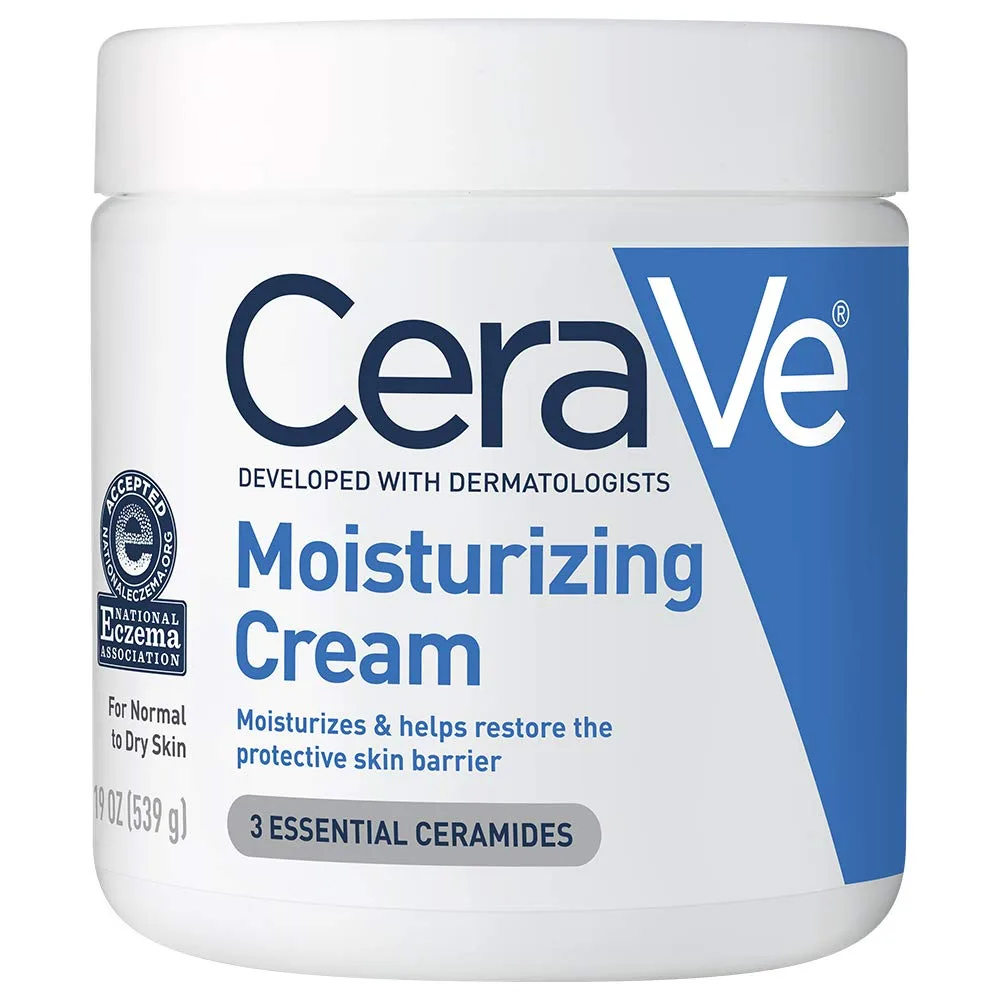 Budget Holy Grail
 Moisturizing Cream
The CeraVe Moisturizing Cream is the most important moisturizer in the drugstore — a ceramide-rich, dermatologist-developed formula that delivers barrier repair, multi-humectant hydration, and occlusive protection at a price so accessible it has no real excuse not to be in every household. Twenty-one years of consistent performance and universal dermatologist approval speak louder than any ingredient list.
 Barrier Repair Pioneer
 MLE Cream
Atopalm MLE Cream is one of the genuinely scientifically anchored barrier moisturizers in K-beauty — a fragrance-free, pseudo-ceramide cream built around a patented liquid-crystal lipid structure that mimics the skin's own intercellular matrix. For eczema, atopic skin, post-procedure recovery, or anyone with a stinging compromised barrier, it's one of the most reliably effective moisturizers in the entire category.
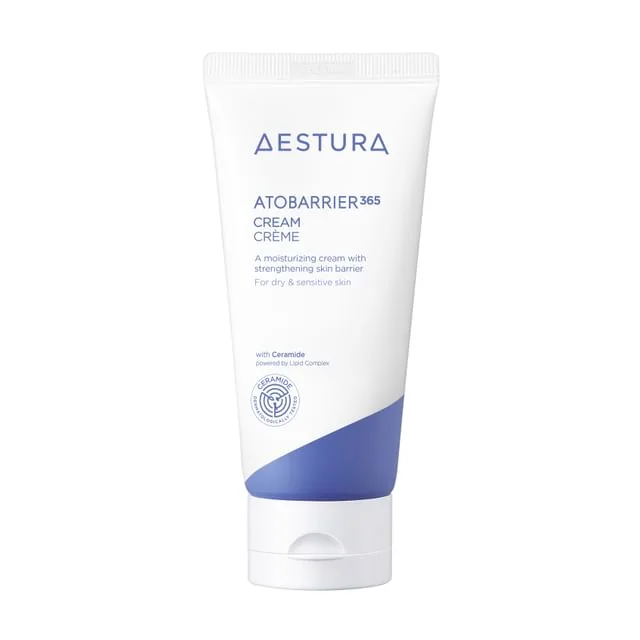 K-Beauty Barrier Repair Staple
 Atobarrier 365 Cream
A Korean pharmacy cream that earns its cult following the hard way — with a lamellar lipid structure that actually rebuilds the barrier, not just coats it. If your skin has been through a rough winter, a retinoid ramp-up, or a bad reaction, this is the jar that quietly puts it back together.
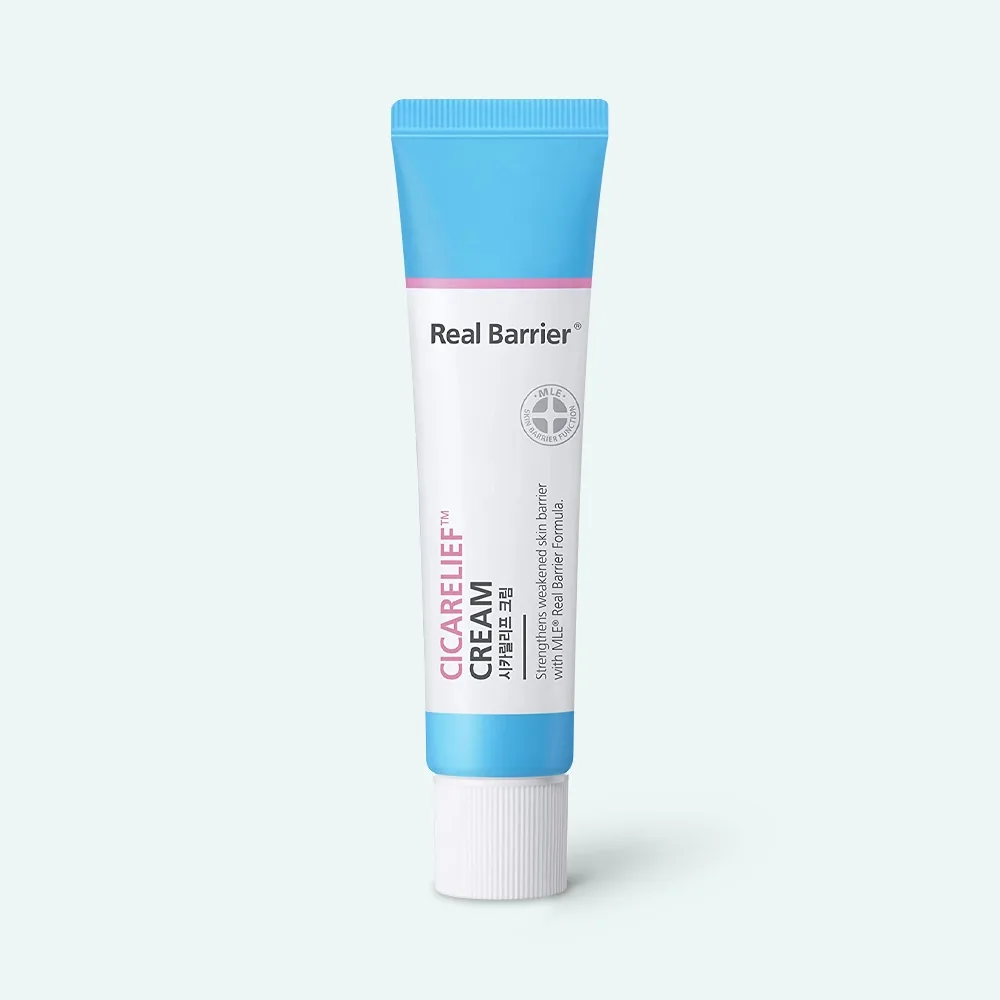 Korean Derm Clinic Recovery Pick
 Real Barrier Cicarelief Cream
One of the best consumer cica creams on the market, combining the full spectrum of centella actives with NeoPharm's MLE ceramide delivery and multiple complementary calming ingredients. Ideal for compromised, reactive, rosacea-prone, or recovering skin, and a staple in Korean dermatology clinic protocols. Minor limitations on packaging, but the formulation is genuinely excellent.
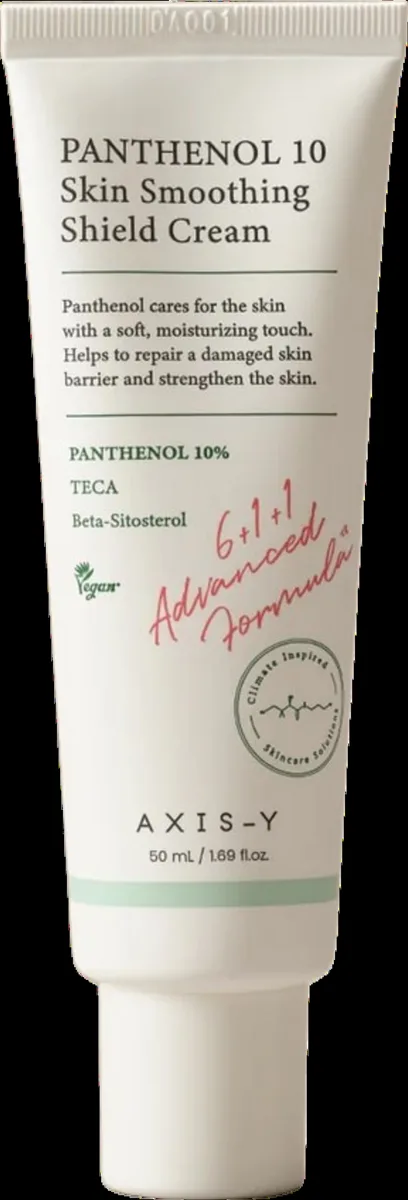 Transparent 10% Panthenol Cream
 Panthenol 10 Skin Smoothing Shield Cream
A disclosed 10% panthenol barrier cream built around a full physiological ceramide trio, a centella calming cast, and a modest shea butter occlusive. Fragrance-free, cross-season, and unusually transparent about its hero active — one of the brand's strongest moisturizer formulations.
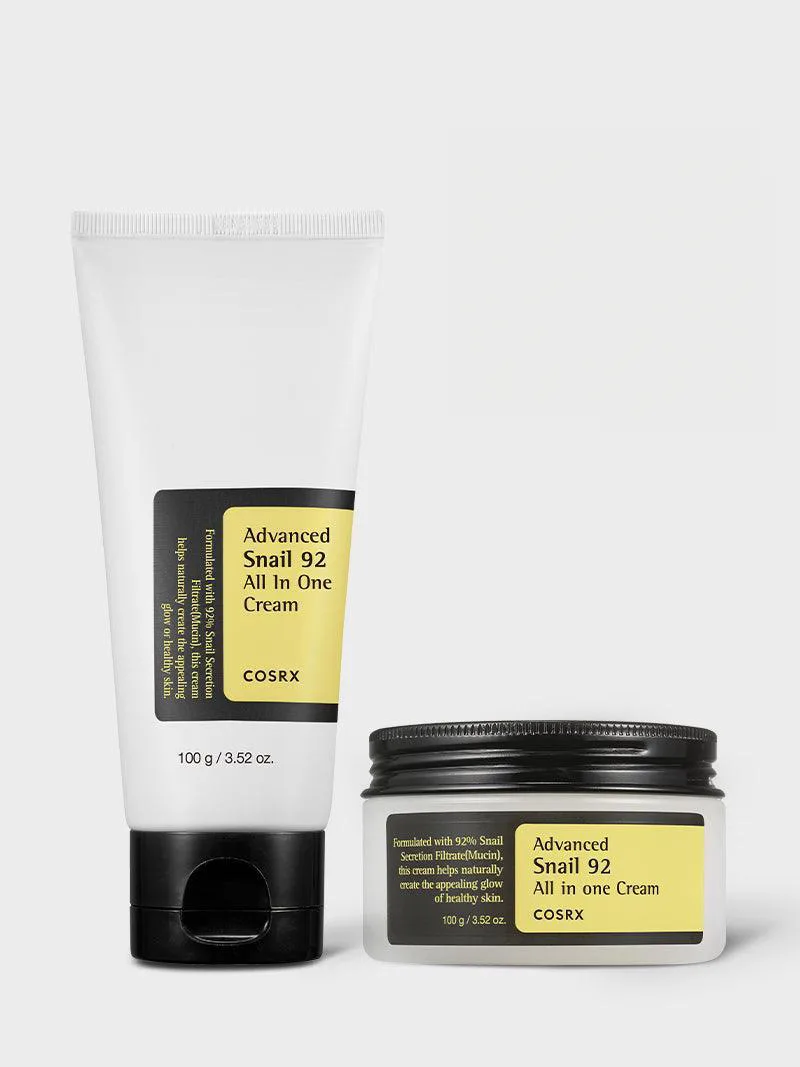 K-Beauty Icon
 Advanced Snail 92 All in One Cream
The cream that helped prove snail mucin to the world — and a decade later, it still deserves the reputation. At 92% snail secretion filtrate in a fragrance-free, gentle gel-cream, it delivers hydration, soothing, and gradual skin improvement across virtually every skin type. The texture takes getting used to, but 13 million sold units and 25,000+ reviews suggest most people manage.
This review reflects our independent analysis of publicly available ingredient data, manufacturer claims, and verified user reviews. We are reader-supported — Amazon links may earn us a commission at no cost to you. We do not accept paid placements; rankings are based solely on the evidence.