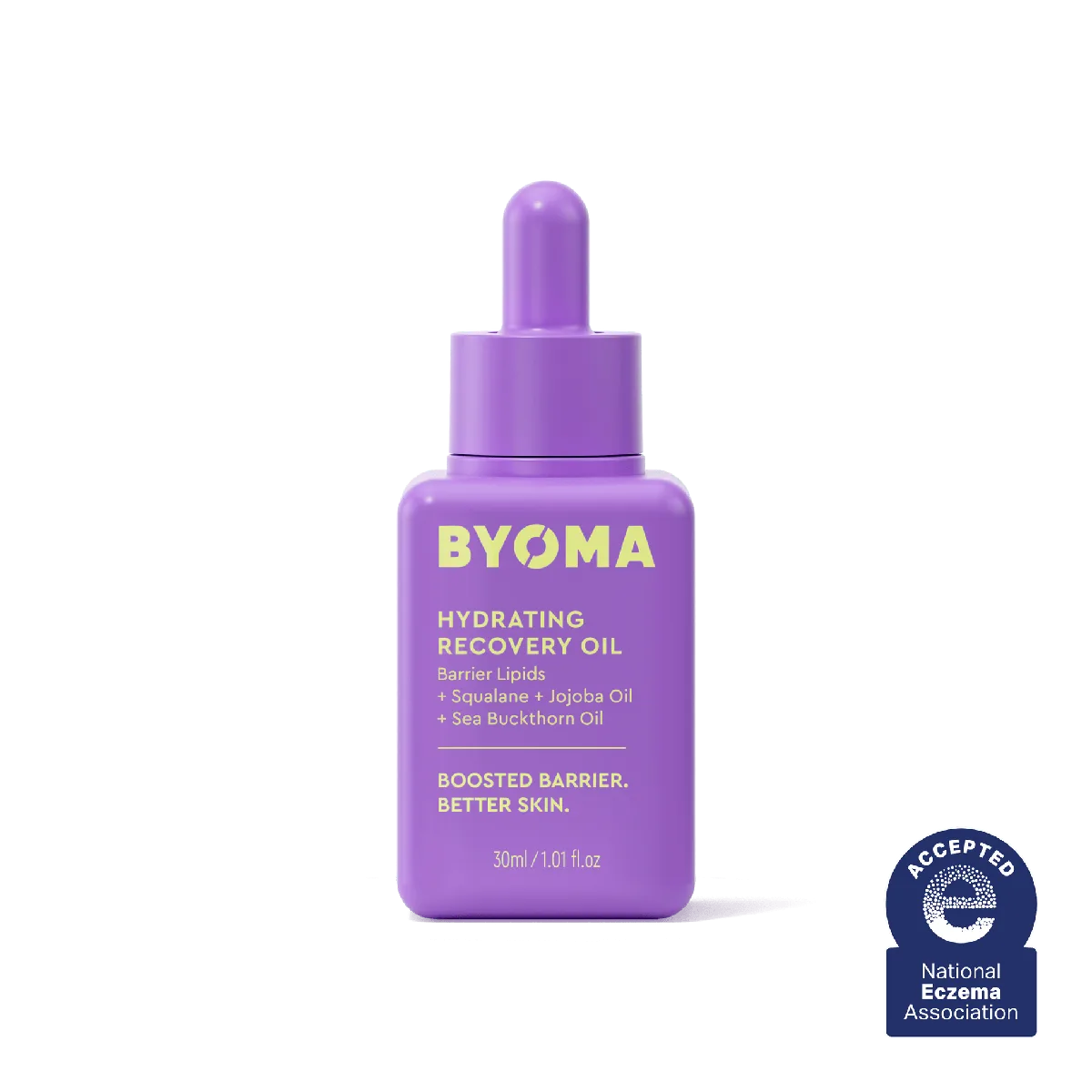
A thoughtfully curated botanical oil that goes beyond basic emolliency by including ceramide NP and sphingolipids for genuine barrier repair. Eight antioxidant-rich plant oils led by sea buckthorn and rosehip deliver nourishment and glow. The only face oil at this price point with actual barrier-repair architecture.
Recovery Oil
A thoughtfully curated botanical oil that goes beyond basic emolliency by including ceramide NP and sphingolipids for genuine barrier repair. Eight antioxidant-rich plant oils led by sea buckthorn and rosehip deliver nourishment and glow. The only face oil at this price point with actual barrier-repair architecture.
Score Breakdown
A well-composed botanical oil blend with a genuine ceramide inclusion and antioxidant-rich supporting oils. Scores lower on suitability breadth due to the oil format limiting its appeal to specific skin types, and the presence of tanacetum flower oil (blue tansy) slightly reduces the irritation risk score.
Data Confidence: medium
This product has been available since approximately 2023 with around 120 reviews at Target and growing feedback across other retailers. Our scoring reflects ingredient analysis and early real-world feedback, with the brand's track record still developing.
0/100
Overall Score
Ingredient Quality 0
Value for Money 0
Suitability Breadth 0
Irritation Risk (↑ = safer) 0
Assessment
Pros
- Ceramide NP and sphingolipids deliver genuine barrier repair in an oil-compatible format
- Eight curated botanical oils provide a broad spectrum of essential fatty acids
- Sea buckthorn and rosehip add potent antioxidant and brightening benefits
- Lighter texture than expected — absorbs without heavy greasy residue
- Squalane improves absorption and provides skin-identical lipid compatibility
- Effective final-step sealant that enhances the performance of underlying products
Cons
- Contains blue tansy essential oil — not truly fragrance-free despite marketing
- Olive fruit oil may trigger breakouts in acne-prone individuals
- Small 30 mL bottle at $17.99 is pricier per ounce than basic face oils
- Limited review base makes long-term efficacy data still developing
- Not moisturizing enough as a standalone product for very dry skin
Full Review
Face oils occupy a peculiar position in skincare. They are either beloved rituals that people swear transformed their skin, or dismissed as expensive greasiness that adds nothing a good moisturizer cannot handle. The truth, as usual, lies in the formulation. Most affordable face oils are simple carrier oils — nice enough, but essentially the same thing you could get by buying a bottle of jojoba from a health food store. Byoma's Recovery Oil earns its name by doing something genuinely different: it includes ceramide NP and sphingolipids within its botanical blend, turning a face oil into a barrier-repair treatment.
This is not a trivial distinction. The stratum corneum's barrier is a lipid structure. Delivering ceramides in an oil base means they arrive in a format that is already compatible with the barrier's own chemistry — no emulsifiers needed, no water phase to navigate. Sunflower seed oil leads the formula, providing a linoleic acid-rich base that research has shown actively supports barrier integrity. Macadamia and jojoba follow, contributing palmitoleic acid and wax esters respectively. Then comes the antioxidant cavalry: sea buckthorn oil with its distinctive golden color and omega-7 fatty acids, and rosehip oil bringing natural trans-retinoic acid for gentle skin renewal.
The eight-oil blend is deliberately varied. Each oil contributes a different fatty acid profile, creating a broad-spectrum lipid supplement for the skin. Sunflower and rosehip are high in linoleic acid — the very fatty acid that acne-prone and barrier-damaged skin tends to be deficient in. Macadamia and sea buckthorn provide palmitoleic acid, which skin naturally produces less of with age. Jojoba mimics sebum composition. Sweet almond and olive oils add oleic acid richness. Squalane, listed sixth, provides the lightest touch — a skin-identical lipid that improves the overall absorption profile of the blend.
The texture surprised me. For a formula that lists seven heavy botanical oils before squalane, it is remarkably fluid. The golden color — courtesy of sea buckthorn's carotenoid content — is striking in the bottle but disappears on application. Absorption takes a few minutes, which is normal for a face oil, but it does not leave the heavy, sheeny residue that many multi-oil blends produce. The finish is luminous rather than greasy: a soft glow that looks like well-hydrated skin rather than someone who just applied oil.
There is one ingredient choice worth discussing candidly. Tanacetum annuum flower oil — blue tansy — appears at the end of the ingredient list. While blue tansy has documented anti-inflammatory properties and is generally well-tolerated, it is an essential oil, and its presence means this is not a strictly fragrance-free product. The concentration appears minimal based on its list position, but anyone with known essential oil sensitivities should note this. It is a departure from the otherwise clean, minimalist approach that characterizes the rest of the Byoma range.
Olive fruit oil, like in the Rich Cream, is also present and represents the main comedogenicity concern. For acne-prone skin, this inclusion may be a dealbreaker. However, the overall formula has been labeled non-comedogenic and dermatologist-tested, suggesting the concentration is within a tolerable range for most skin types.
Application is straightforward and satisfying. Three to five drops pressed into the face and neck after serum and moisturizer creates an immediate luminous softness. Evening use is optimal — the oil has all night to absorb and deliver its ceramide payload without competing with makeup or sunscreen. It also mixes well into moisturizer for those who prefer fewer steps. In winter months, adding a couple of drops to the Byoma Gel Cream creates a custom enriched moisturizer that bridges the gap between the Gel Cream and Rich Cream textures.
The value question is nuanced. At $17.99 for 30 mL, this is affordable for a ceramide-containing face oil but not exceptionally cheap compared to basic single-oil options that cost $5-$10 for the same volume. What you are paying for is the formulation intelligence — the ceramide NP, the curated fatty acid spectrum, the squalane for improved absorption, and the antioxidant-rich sea buckthorn and rosehip. Whether that premium over a basic jojoba oil is worth it depends on whether you view a face oil as a delivery vehicle for barrier repair or simply as a moisture-sealing step.
The limited review base — around 150 reviews across retailers — means real-world data is still accumulating. The 4.6-star average is encouraging but should be interpreted cautiously given the smaller sample size. What the reviews consistently confirm is that the oil absorbs better than expected and delivers visible glow, though some users find it insufficiently moisturizing as a standalone treatment for very dry skin.
For anyone who enjoys face oils and wants one that does more than just sit on the surface, Byoma's Recovery Oil is a smart choice. It delivers ceramides in their most natural environment — a lipid matrix — supported by botanicals that bring their own documented benefits. It is not a replacement for a good moisturizer, but as a final sealing and nourishing step, it earns its place in a barrier-repair routine.
Formula
Ingredients
The hero actives that drive this product's performance.
| Ingredient | Function | Evidence |
|---|---|---|
| Ceramide NP | Delivered in an oil-soluble matrix of botanical lipids, ceramide NP integrates directly with the skin's lipid lamellae without needing an emulsion system. The oil base provides an ideal environment for ceramide delivery, as the stratum corneum's barrier is fundamentally a lipid structure — this is barrier repair in its most direct form. | well-established |
| Squalane | A biocompatible emollient that mirrors one of the skin's own natural lipids. In this multi-oil formula, squalane provides the lightest-weight component, improving overall absorption and preventing the heavier botanical oils from sitting on the surface. It bridges the gap between the heavier carrier oils and the skin's own lipid environment. | well-established |
| Jojoba Seed Oil | Technically a liquid wax ester rather than a true oil, jojoba closely mimics the composition of human sebum. In this formula, it provides balanced emolliency that helps regulate the skin's own oil production — making the blend more suitable for combination skin than a purely heavy-oil formula would be. | well-established |
| Sea Buckthorn Oil | A nutrient-dense botanical oil rich in palmitoleic acid, carotenoids, and vitamin E. In this recovery blend, sea buckthorn provides potent antioxidant protection and contributes to the oil's golden color. Its high omega-7 content supports skin repair and reduces inflammation in compromised barriers. | promising |
| Rosehip Fruit Oil | Rich in linoleic acid and natural trans-retinoic acid, rosehip oil provides gentle skin-renewal and brightening benefits. In this multi-oil blend, it adds anti-aging and tone-evening properties that complement the barrier-repair focus of the ceramide and squalane base. | promising |
| Sunflower Seed Oil | Listed first as the primary carrier oil, high-linoleic sunflower seed oil provides the formula's base while delivering essential fatty acids that support barrier repair. Research shows sunflower oil improves skin hydration and maintains stratum corneum integrity — making it a functional carrier, not just a filler. | well-established |
Full INCI List
Helianthus Annuus (Sunflower) Seed Oil, Macadamia Ternifolia Seed Oil, Simmondsia Chinensis (Jojoba) Seed Oil, Hippophae Rhamnoides Oil, Dipropylene Glycol, Squalane, Sphingolipids, Hydroxyacetophenone, Olea Europaea (Olive) Fruit Oil, Rosa Canina Fruit Oil, Prunus Amygdalus Dulcis (Sweet Almond) Oil, Caprylyl Glycol, Ceramide NP, Ethylhexylglycerin, Tocopherol, Dipotassium Glycyrrhizate, Tanacetum Annuum Flower Oil
Product Flags
✗ Fragrance Free✓ Alcohol Free✗ Oil Free✓ Silicone Free✓ Paraben Free✓ Sulfate Free✓ Cruelty Free✓ Vegan✗ Fungal Acne Safe
Comedogenic Ingredients
Olea Europaea (Olive) Fruit Oil
Potential Irritants
Tanacetum Annuum Flower Oil
Common Allergens
Tanacetum Annuum Flower Oil
Compatibility
Skin Match
Best For
Works For
Not Ideal For
Addresses These Conditions
dryness dehydration compromised skin barrier dullness
Use With Caution
Routine Step
treatment
Time of Day
PM
Pregnancy Safe
Yes ✓
Layering Tips
Apply 3-5 drops as the final step in your evening routine, after serums and moisturizer. Can also be mixed with your moisturizer for added nourishment. Press gently into skin rather than rubbing. For daytime use, apply before sunscreen and allow to absorb fully.
Results Timeline
Immediate glow and softness on first application. Within 1-2 weeks, dry patches diminish and skin feels more supple. Sea buckthorn and rosehip oil benefits become more visible at 4-6 weeks with improved radiance and more even tone.
Pairs Well With
hyaluronic acid serumsceramide moisturizersretinoids (applied before the oil)
Sample AM Routine
- Gentle cleanser
- Hydrating serum
- Moisturizer
- SPF 30+
Sample PM Routine
- Double cleanse
- Treatment serum
- Moisturizer
- Byoma Recovery Oil
Evidence
Science
The Science
The Byoma Recovery Oil's formulation leverages a principle that cosmetic chemists have long understood: oil-soluble barrier lipids like ceramides are most efficiently delivered through oil-based vehicles. Ceramide NP, the specific ceramide in this formula, is a naturally lipophilic molecule that integrates more readily with the stratum corneum's lipid lamellae when delivered in a compatible oil matrix rather than an oil-in-water emulsion.
Sunflower seed oil, the primary carrier, has its own evidence base for barrier support. A 2013 study published in Pediatric Dermatology found that sunflower seed oil significantly improved skin barrier function in neonates compared to olive oil, attributed to its high linoleic acid content. Linoleic acid is a crucial component of ceramide 1 (linoleoylceramide), which plays a key role in maintaining the barrier's water permeability properties.
Sea buckthorn oil contributes one of the richest natural sources of palmitoleic acid (omega-7), along with high concentrations of carotenoids, tocopherols, and phytosterols. Research in the Journal of Ethnopharmacology has documented sea buckthorn's anti-inflammatory and wound-healing properties, mediated through its complex mixture of bioactive lipids. The carotenoid content also provides natural photoprotective antioxidant activity.
Rosehip oil has been studied for its unique combination of linoleic acid, alpha-linolenic acid, and naturally occurring trans-retinoic acid. A 2015 study in Clinical Interventions in Aging found that rosehip powder supplementation improved skin elasticity and moisture content, supporting the topical use of rosehip oil for skin renewal. The presence of natural retinoids in rosehip oil adds gentle pro-renewal activity without the irritation associated with synthetic retinoids.
Jojoba oil's wax ester composition closely mimics human sebum, allowing it to penetrate the stratum corneum efficiently while helping to regulate the skin's own oil production — a mechanism that makes this blend more suitable for combination skin than a purely oleic acid-heavy oil formula.
References
- Effect of Olive Oil and Sunflower Seed Oil on the Adult Skin Barrier — Dermatitis (2013)
Dermatologist Perspective
Dermatologists recognize that oil-based delivery of barrier lipids offers certain advantages for patients with severely dry or barrier-compromised skin. Board-certified dermatologists note that face oils containing ceramides and skin-identical lipids can serve as effective adjuncts to moisturizers, particularly in winter months or for patients undergoing treatments that compromise the barrier. The multi-oil approach — combining linoleic acid-rich oils with skin-identical lipids — aligns with the current dermatological understanding that barrier repair requires a spectrum of fatty acids, not just a single ingredient.
Guidance
Usage Guide
How to Use
Apply 3-5 drops to the palms, warm between your hands, and press gently into the face and neck as the final step in your evening routine — after serum and moisturizer. The oil creates an occlusive seal that locks in all previous layers. Can also be mixed with moisturizer (2-3 drops) for a richer application. For daytime use, apply before sunscreen and allow 3-5 minutes for absorption. Avoid rubbing — pressing allows the oil to absorb more evenly and prevents disrupting underlying product layers.
Value Assessment
At $17.99 for 30 mL, the Byoma Recovery Oil costs approximately $17.81 per fluid ounce — significantly more per unit than basic face oils like pure jojoba ($6-$8 per ounce) but considerably less than premium ceramide-containing face oils from prestige brands ($40-$80 per ounce). The value lies entirely in the formulation architecture: ceramide NP, sphingolipids, and a curated eight-oil botanical blend with sea buckthorn and rosehip. If you are buying a face oil specifically for barrier-repair benefits, the ceramide inclusion justifies the premium over commodity oils. If you simply want a basic emollient seal, less expensive single oils will serve you well.
Who Should Buy
Anyone with dry, normal, or barrier-compromised skin who enjoys face oils and wants one that delivers more than basic emolliency. Especially well-suited as a winter skin rescue, a final step in a multi-product barrier-repair routine, or for anyone wanting the glow and nourishment of botanical oils with actual ceramide-based barrier benefits.
Who Should Skip
People with oily skin will likely find this unnecessary and potentially too heavy. Acne-prone individuals should be cautious due to the olive fruit oil content. Anyone with essential oil sensitivities should note the blue tansy inclusion. If you prefer a strictly fragrance-free routine, this product doesn't fully qualify.
Ready to try Byoma Recovery Oil?
Details
Details
Texture
Lightweight to medium-weight face oil with a golden hue from the sea buckthorn. Slightly more fluid than heavy botanical oils like argan or marula. Absorbs within a few minutes, leaving a soft luminous finish rather than a heavy oily sheen.
Scent
Very faint natural botanical scent from the plant oils — primarily a subtle herbal note from the blue tansy oil. No added fragrance.
Packaging
Small glass bottle with dropper cap, consistent with Byoma's brand aesthetic. The 30 mL size is standard for face oils. The dropper provides decent control over dispensing — a slight improvement over the brand's serum dropper.
Finish
glowydewylightweight
What to Expect on First Use
On first application, expect an immediate luminous glow and softened skin. The oil absorbs faster than expected for a multi-botanical blend. No adjustment period or purging. The golden color from sea buckthorn does not stain or leave visible color on skin. Best applied at night to allow full absorption without interference with makeup.
How Long It Lasts
2-3 months with nightly use of 3-5 drops
Period After Opening
6 months
Best Season
fall winter
Certifications
vegancruelty-freedermatologist-tested
Background
The Why
The Recovery Oil extended Byoma's barrier-first philosophy into the face oil category, recognizing that oil-based delivery is actually one of the most efficient ways to supply ceramides and barrier lipids directly to the stratum corneum. The curated botanical blend — featuring eight different plant oils — was designed to provide a spectrum of fatty acids that complement the ceramide NP, with sea buckthorn and rosehip adding antioxidant and brightening benefits.
About Byoma Emerging Brand (2–5 years)
Byoma was founded in 2022 by Marc Elrick in Glasgow, UK, with a focus on barrier-first skincare at accessible prices. The brand's products are dermatologist-tested and clinically validated, and it rapidly gained traction through social media, reaching $30–50 million in sales by 2023. While the formulations use well-studied ingredients, the brand's independent clinical portfolio is still developing.
Brand founded: 2022 · Product launched: 2023
Myth vs. Reality
Myths
Myth
Face oils are too heavy and will clog pores
Reality
Comedogenicity depends on specific oil composition, not the category. This blend features primarily non-comedogenic oils like jojoba (a wax ester) and squalane (skin-identical lipid). The main concern is the olive fruit oil, which can be problematic for acne-prone skin — but the overall formula is non-comedogenic.
Myth
Oils don't actually hydrate — they only seal in moisture
Reality
While oils are primarily emollient and occlusive, this formula includes ceramide NP and sphingolipids that actively repair the barrier's moisture-retention capacity. The combination of barrier repair and occlusive sealing creates lasting hydration improvement, not just surface lubrication.
FAQ
FAQ
Is Byoma Recovery Oil good for acne-prone skin?
This oil is non-comedogenic overall, but it contains olive fruit oil which can be problematic for acne-prone individuals. The jojoba and squalane base are well-tolerated, but if you have a history of olive oil-related breakouts, patch test first. For acne-prone skin, the brand's Gel Cream may be a safer choice.
Can I use Byoma Recovery Oil in the morning?
Yes, though it works best at night. If using in the AM, apply 2-3 drops after serum and before sunscreen, allowing a few minutes for absorption. The oil may affect how matte foundations sit on the skin. Evening use is optimal for overnight barrier recovery.
Does Byoma Recovery Oil contain fragrance?
The formula contains no added synthetic fragrance, but it does include Tanacetum Annuum (blue tansy) flower oil which has a natural herbal scent. This essential oil could potentially irritate very sensitive skin, though it's present in a small concentration at the end of the ingredient list.
How is this different from Byoma's other products?
The Recovery Oil is the only Byoma product that delivers ceramide NP in a pure oil base, which provides the most direct lipid-to-lipid delivery to the skin barrier. It works as a final sealing step after the brand's serums and moisturizers, adding a layer of occlusive botanical nourishment that the water-based products don't provide.
Can I mix Byoma Recovery Oil with my moisturizer?
Yes — mixing 2-3 drops into your moisturizer is an effective way to boost its nourishing properties without adding a separate step. This works particularly well in winter when skin needs extra barrier support. The ceramide NP in the oil complements any ceramide-based moisturizer.
Community
Community
Common Praise
"Lightweight for a face oil — absorbs without heavy greasiness"
"Delivers noticeable glow and radiance after application"
"Non-comedogenic despite being an oil blend"
"Fragrance-free-adjacent with only a faint natural botanical scent"
"Effective for calming dry, irritated skin"
Common Complaints
"Some users find the oil doesn't absorb well and sits on the surface"
"Not hydrating enough for very dry skin as a standalone product"
"Small bottle for the price compared to some competing face oils"
"A few users experienced reactions or increased dryness"
Appears In
best face oil for dry skin best ceramide face oil best face oil for sensitive skin best face oil under 20
Related Conditions
dryness dehydration compromised skin barrier dullness sensitivity
Related Ingredients
ceramides squalane jojoba oil sea buckthorn rosehip oil sunflower oil
You Might Also Like
 Single-Ingredient Rosehip Standard
 Organic Rose Hip Oil
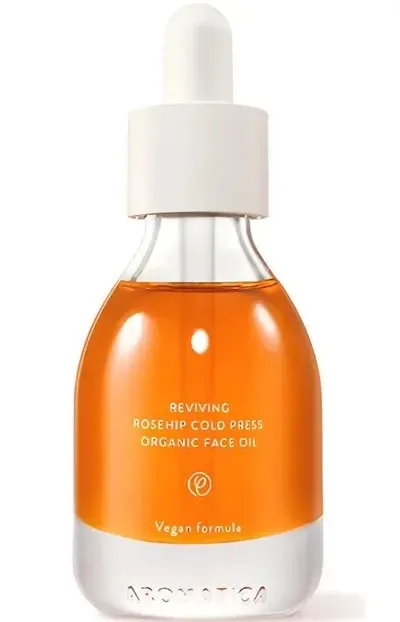
Aromatica's Organic Rose Hip Oil is one of the few rosehip products on the market that delivers what the category claims — 100% certified-organic cold-pressed Rosa canina fruit oil with no fillers, no carriers, no fragrance. The result is the genuine rosehip experience: distinct earthy scent, fast absorption, and visible improvement in scars, pigmentation, and tone over consistent use.
 Clean Beauty Pioneer
 100% Pure Argan Oil
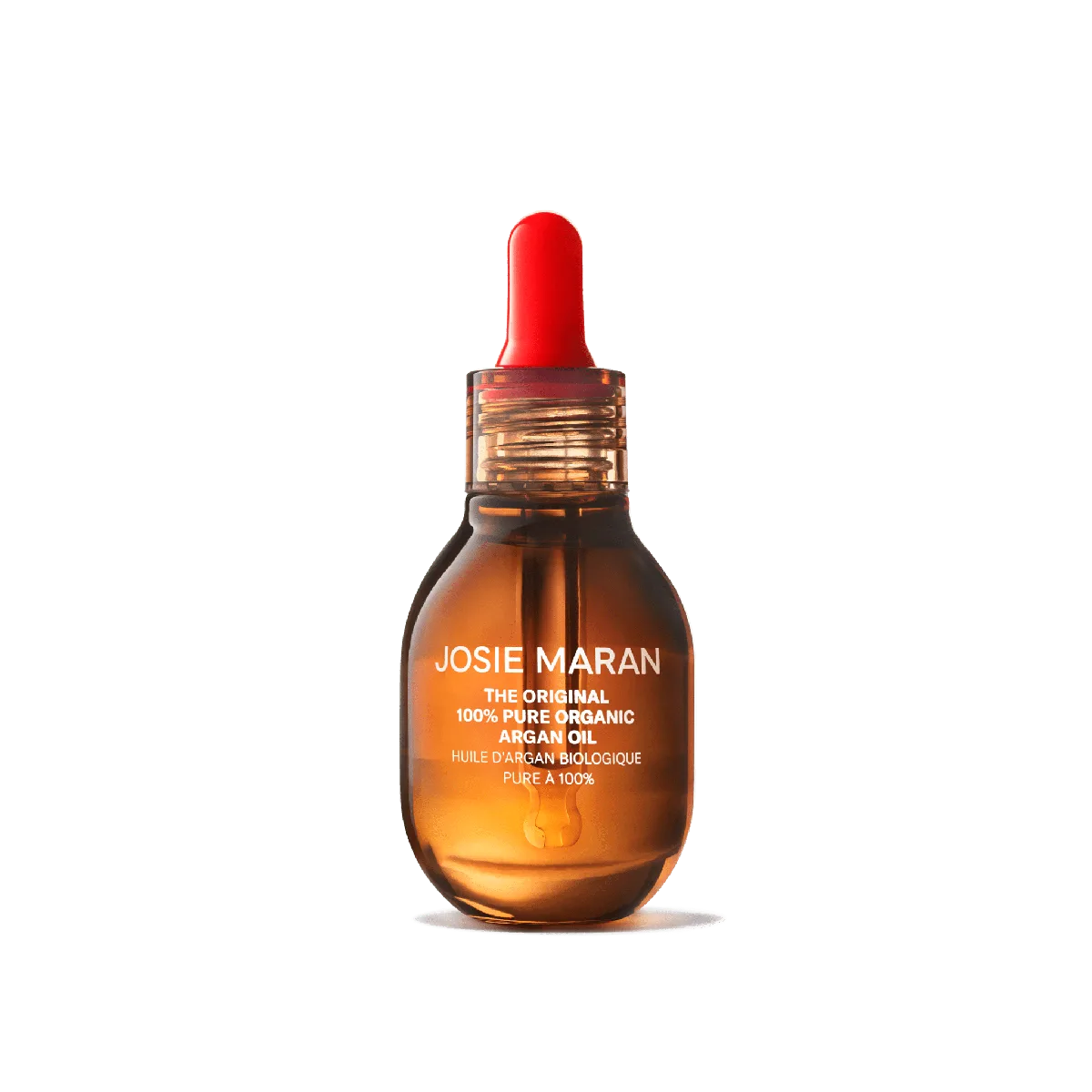
The product that single-handedly introduced argan oil to luxury skincare remains one of the purest, most versatile face oils on the market. Its single-ingredient simplicity is both its greatest strength and its limitation — you're getting impeccably sourced argan oil and nothing else, which means the $39 price tag reflects provenance and ethics more than formulation wizardry. For dry, aging, or dull skin, it delivers visible results from day one.
 Universal Skin Staple
 100% Plant-Derived Squalane
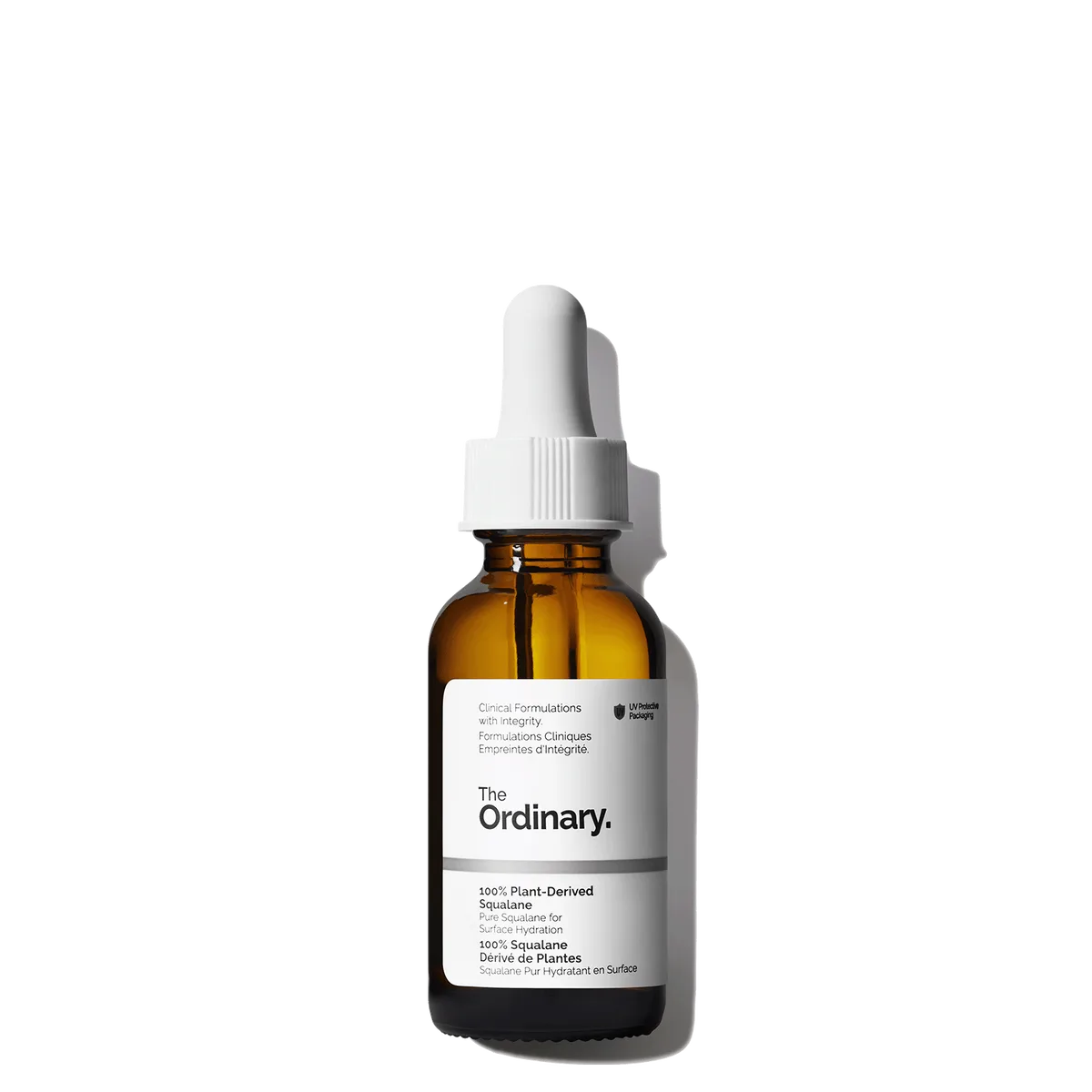
A near-universal face oil that works for virtually every skin type — including fungal-acne-prone — thanks to its skin-identical composition and zero irritants. It won't transform your skin alone, but as a lightweight sealant over active treatments, it's the $10 workhorse that makes everything else in your routine perform better.
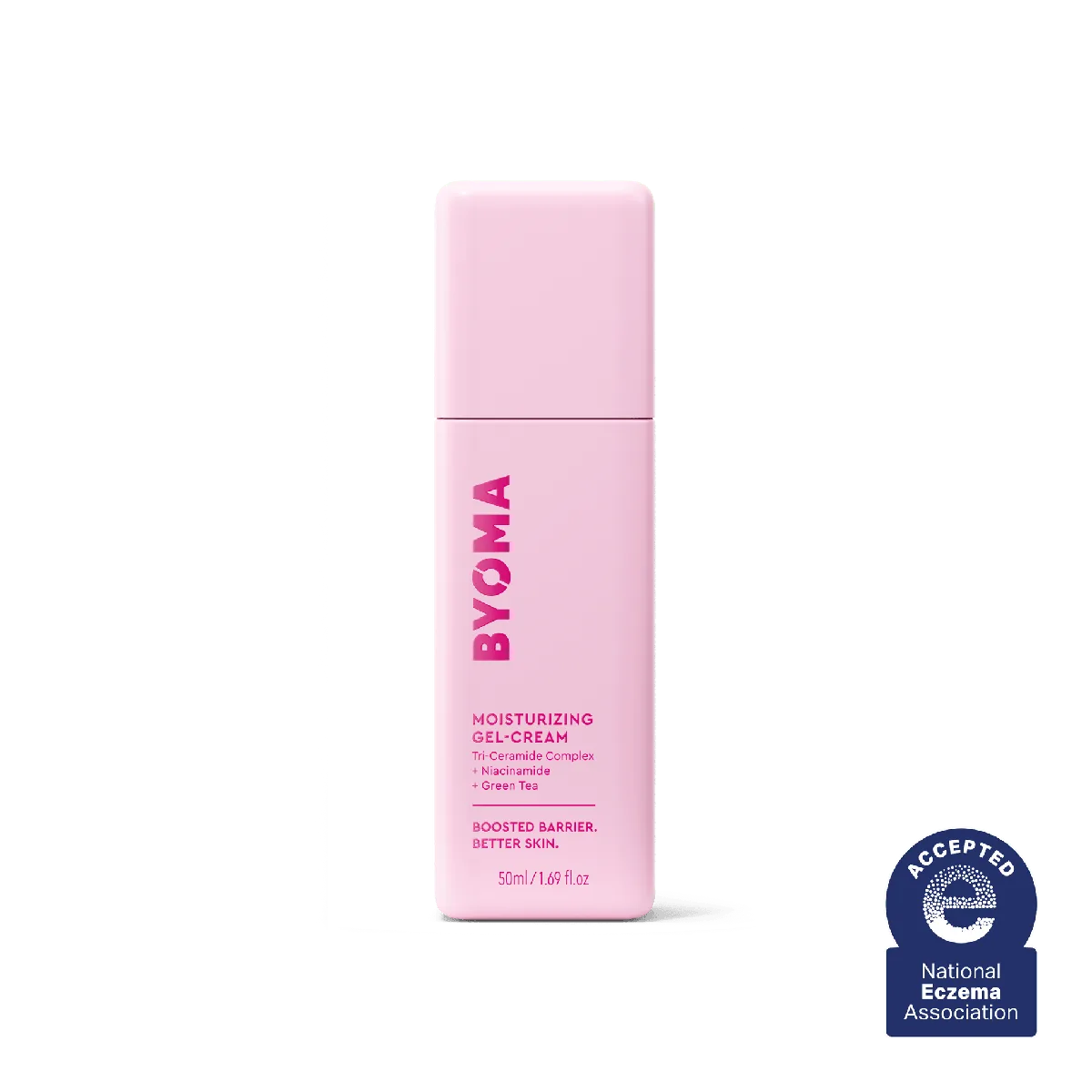 Barrier-First Daily Moisturizer
 Moisturizing Gel Cream
A smartly formulated gel-cream that delivers genuine ceramide-based barrier repair in a texture light enough for combination and oily skin. The addition of niacinamide and green tea elevates this beyond a simple hydrator, making it one of the most complete budget moisturizers available.
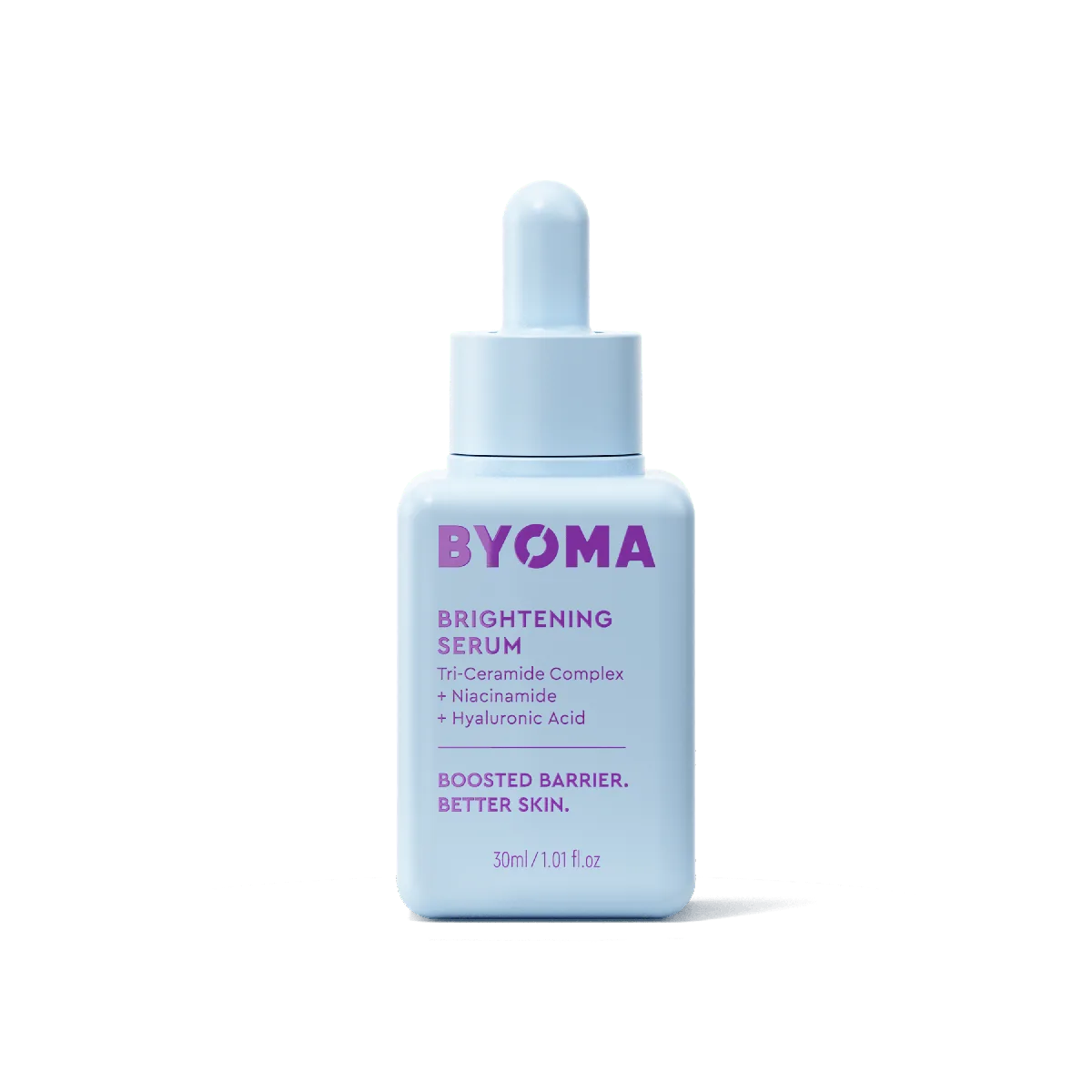 Barrier-Smart Brightener
 Brightening Serum
A genuinely smart brightening serum that refuses to sacrifice barrier health for luminosity. The niacinamide-ascorbic acid-ceramide trifecta addresses pigmentation and barrier repair simultaneously — delivering gradual but real brightening results at sixteen dollars with zero irritation potential.
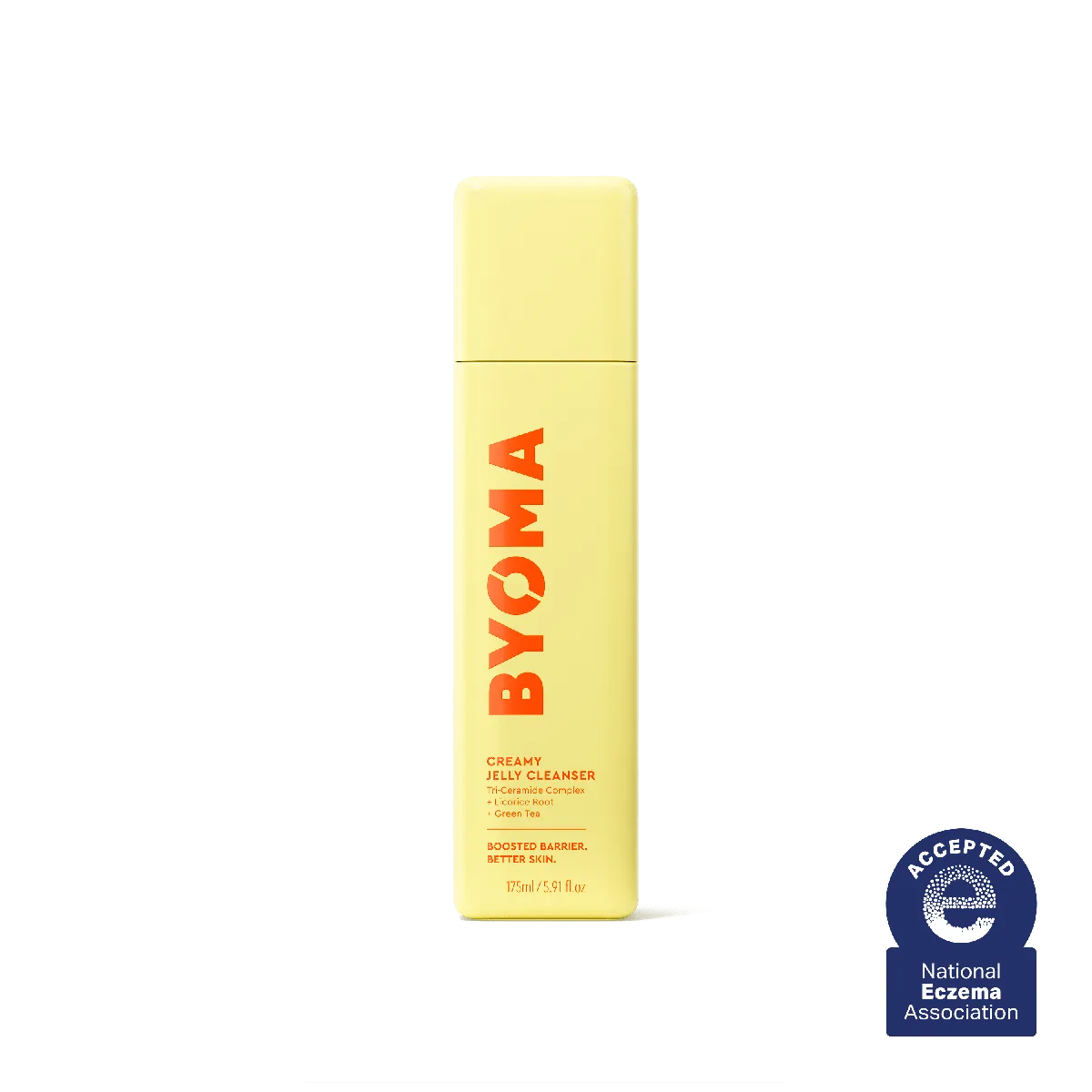 Award-Winning Barrier Cleanser
 Creamy Jelly Cleanser
An Allure award-winner that earned its accolade — this jelly-to-cream cleanser deposits barrier-repairing ceramides while it cleans, making it one of the rare cleansers that leaves skin genuinely better than it found it. At thirteen dollars for a generous tube, it is the most accessible entry point into serious barrier care.