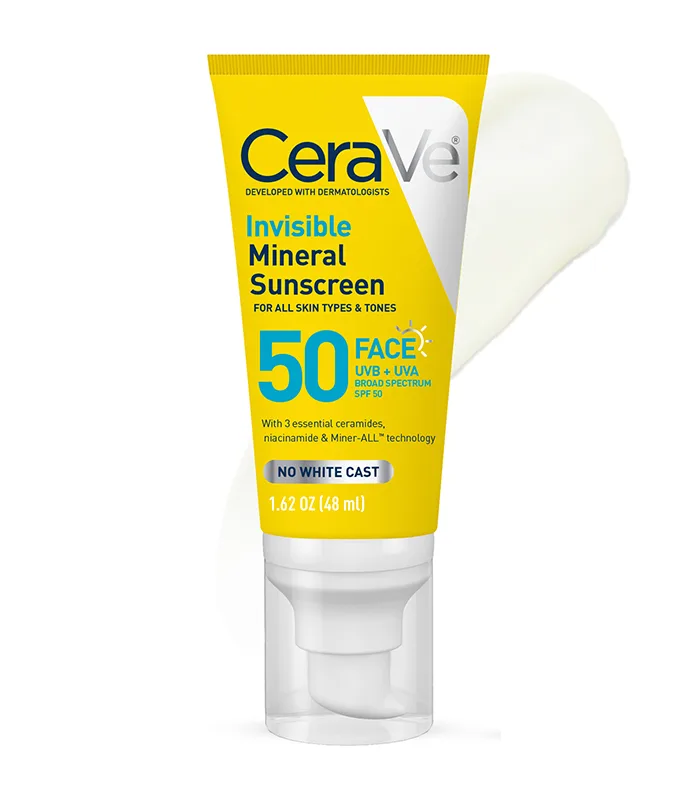
CeraVe quietly built one of the better drugstore mineral sunscreens on the market by stacking 15.35% zinc with their ceramide-niacinamide barrier system. It's not totally invisible on deep skin tones, but for sensitive faces and post-procedure recovery, it's hard to beat at this price.
Invisible Mineral Sunscreen SPF 50
CeraVe quietly built one of the better drugstore mineral sunscreens on the market by stacking 15.35% zinc with their ceramide-niacinamide barrier system. It's not totally invisible on deep skin tones, but for sensitive faces and post-procedure recovery, it's hard to beat at this price.
Score Breakdown
An impressively well-formulated mineral SPF 50 at drugstore pricing, with high zinc content, ceramides, and niacinamide. Slight chalky cast on darker tones is the main tradeoff.
Data Confidence: medium
This product launched in 2024 and has accumulated several hundred reviews across major retailers. Scoring reflects both ingredient analysis and the early real-world feedback available, plus CeraVe's strong sunscreen formulation track record.
0/100
Overall Score
Ingredient Quality 0
Value for Money 0
Suitability Breadth 0
Irritation Risk (↑ = safer) 0
Assessment
Pros
- High 15.35% zinc oxide content for genuine SPF 50 protection
- Ceramides and niacinamide support sensitive and compromised skin
- Significantly less white cast than older mineral formulas
- Lightweight satin finish blends into a natural look
- Fragrance-free and pregnancy-safe
- Excellent value compared to premium mineral SPFs
- Works well for post-procedure and rosacea-prone skin
Cons
- Still leaves a slight cast on the deepest skin tones
- Small 1.75 oz tube doesn't last long with proper use
- Can pill under silicone-heavy primers or makeup
- Slightly thicker initial texture than chemical sunscreens
Full Review
Mineral sunscreens have a reputation problem that's mostly earned. For decades, the choice in the drugstore aisle was a thick white paste in an unattractive squeeze tube, and the only way to get an SPF rating that mattered was to commit to a ghostly cast that lasted until you washed your face. The newer wave of mineral SPFs — Australian imports, Korean innovations, and a few American outliers — has fixed most of those problems, but at $30-$50 a bottle. CeraVe's contribution to the category is to take what those higher-end formulas figured out and deliver it under $16.
The formula's center of gravity is the active ingredient ratio: 15.35% zinc oxide and 2.66% titanium dioxide. That zinc concentration is unusually high for a drugstore mineral sunscreen — most competitors stop around 10-12% because going higher tends to amplify the white cast and the chalky drag. CeraVe gets away with the higher load through a silicone-rich base (cetyl PEG/PPG-10/1 dimethicone, isohexadecane, polyhydroxystearic acid) that disperses the mineral particles into a slip system that blends down dramatically with thirty seconds of working it in. It's not literally invisible — the marketing claim oversells slightly on darker skin tones — but it's notably better than most American mineral SPFs in the same price range, and it's a different category from the white wall of older zinc sunscreens.
What I find more interesting than the cosmetic engineering is the supporting ingredient list. Most cheap mineral sunscreens treat the inactive ingredients as filler — silicones, water, a preservative, done. CeraVe loaded this one with niacinamide, three ceramides delivered through their MVE technology, glycerin, sodium hyaluronate, and tocopherol. None of those are technically necessary for sun protection, but they fix the three real-world complaints that drive people away from mineral SPFs: dryness, tightness, and irritation on already-compromised skin. If you've ever tried a basic zinc sunscreen and felt your face get tight by lunchtime, that's the experience this formula was specifically designed to avoid.
The texture is a lightweight white lotion that pumps out thicker than it looks but blends down to a satin finish. It's not the dewy, glow-pushing finish of some Korean chemical SPFs, but it's also not powdery or matte in a flat way. Skin looks like skin. There's no scent beyond a faint zinc-mineral note that fades within a minute. Under makeup, most users report it works fine with one caveat: silicone-heavy primers can cause pilling. The fix is to wait a couple of minutes after application before layering anything else, and to skip the primer altogether on days you wear this.
For sensitive skin specifically — and that includes rosacea, eczema-prone skin, post-procedure recovery, and the kind of reactive skin that flares from chemical filters — this is one of the easiest recommendations in the drugstore aisle. Mineral filters sit on the skin's surface rather than absorbing, which avoids the systemic irritation pathways some people react to with avobenzone or octocrylene. The added ceramides and niacinamide aren't decorative; they actively soothe the kind of low-grade inflammation that sensitive skin lives with daily. Dermatologists routinely recommend this category of product for patients in their first weeks after a chemical peel, microneedling, or laser treatment, and this CeraVe formula is well-positioned for that role.
The weak points are mostly about size and skin tone reach. The 1.75 oz tube is small for daily use — at proper application amounts (two finger-lengths for face and neck), it lasts about six to eight weeks. Travelers will appreciate the 1.62 oz travel size, but a larger primary size would be welcome. And while the white cast is meaningfully reduced, it's not gone on the deepest skin tones. People with very deep complexions will still see a faint lightening that requires either careful blending, mixing with a tinted moisturizer, or simply choosing a tinted mineral SPF instead.
Value is the easy win. Comparable mineral sunscreens with high zinc content and barrier-support ingredients usually start around $35. At $16, this is the rare drugstore product that doesn't feel like a compromise — it feels like a deliberate choice, regardless of budget. For people who've been buying premium mineral SPFs out of frustration with drugstore options, this is genuinely worth swapping in. For people who've never tried mineral sunscreen because they assumed it would be white and chalky and uncomfortable, this is a reasonable place to find out you were wrong.
Formula
Ingredients
The hero actives that drive this product's performance.
| Ingredient | Function | Evidence |
|---|---|---|
| Zinc Oxide (15.35%) | The primary mineral filter in this formula, providing broad-spectrum UVA and UVB protection by sitting on the skin surface and reflecting and absorbing UV radiation. At 15.35%, it's a high concentration for a face sunscreen, which is what enables the SPF 50 rating without relying on chemical filters. | well-established |
| Titanium Dioxide (2.66%) | Layered with zinc oxide to broaden UVB coverage and improve cosmetic finish. The combination is what gives this product its 'invisible' claim — neither filter alone could deliver SPF 50 without ghosting on most skin tones. | well-established |
| Niacinamide | Included to calm the inflammatory response from daily sun exposure and to support barrier function alongside the ceramides. In a mineral sunscreen this is particularly useful because it helps offset any dryness from the high zinc load. | well-established |
| Ceramides NP, AP, EOP | CeraVe's signature ceramide blend, delivered via MVE technology, offsets the slight occlusivity of mineral filters by reinforcing the barrier from beneath. This is what allows daily wear without the tightness common to other zinc-based sunscreens. | well-established |
| Tocopherol (Vitamin E) | Adds antioxidant protection that complements the mineral filters by neutralizing free radicals from UVA and visible light exposure that physical blockers don't fully prevent. | promising |
Full INCI List
Active Ingredients: Titanium Dioxide 2.66%, Zinc Oxide 15.35%. Inactive Ingredients: Water, Caprylic/Capric Triglyceride, Niacinamide, Glycerin, Cetyl PEG/PPG-10/1 Dimethicone, Polyhydroxystearic Acid, Silica, Dimethicone, Isohexadecane, PEG-10 Dimethicone, Cetearyl Alcohol, Ceramide NP, Ceramide AP, Ceramide EOP, Carbomer, Behentrimonium Methosulfate, Tocopherol, Sodium Hyaluronate, Sodium Lauroyl Lactylate, Cholesterol, Phenoxyethanol, Disodium EDTA, Triethoxycaprylylsilane, Phytosphingosine, Xanthan Gum, Citric Acid, Caprylyl Glycol, Ethylhexylglycerin
Product Flags
✓ Fragrance Free✓ Alcohol Free✓ Oil Free✗ Silicone Free✓ Paraben Free✓ Sulfate Free✗ Cruelty Free✗ Vegan✓ Fungal Acne Safe
Compatibility
Skin Match
Best For
sensitive dry normal combination
Works For
Not Ideal For
Addresses These Conditions
sun damage rosacea post procedure compromised skin barrier sensitivity
Routine Step
sunscreen
Time of Day
AM
Pregnancy Safe
Yes ✓
Layering Tips
Apply as the final step in your morning routine after moisturizer. Wait 1-2 minutes for the moisturizer to absorb before applying. Use two finger-lengths for face and neck — most users under-apply mineral sunscreens and lose protection.
Results Timeline
Sun protection is immediate upon proper application. Daily use over 8-12 weeks helps prevent new pigmentation and supports gradual fading of existing sun damage when paired with brightening actives.
Pairs Well With
vitamin-c-serummoisturizerniacinamide-serumretinol
Sample AM Routine
- Cleanser
- Vitamin C serum
- Moisturizer
- CeraVe Invisible Mineral Sunscreen SPF 50
Sample PM Routine
- Cleanser
- Treatment
- Moisturizer
Evidence
Science
The Science
The protective claim of any sunscreen rests on its UV filter system, and this formula uses two of the most extensively studied filters in the FDA monograph. Zinc oxide at 15.35% provides the primary broad-spectrum coverage — zinc is unique among approved US filters in that it covers the full UVA range (320-400 nm) and most of the UVB range from a single ingredient, which is why high-zinc formulas can achieve SPF 50 without chemical filters. Titanium dioxide at 2.66% adds additional UVB coverage and improves cosmetic finish through its higher refractive index. Both filters work primarily by absorbing UV radiation, with a small reflective component, contrary to the older 'physical sunblock' framing that's now considered inaccurate. The supporting ingredient list is where this formula does work that pure-filter sunscreens skip. Niacinamide has been studied for its photoprotective and barrier-supporting effects: a 2010 study in the British Journal of Dermatology found that 4% niacinamide reduced UV-induced inflammation and supported DNA repair in irradiated skin. The three-ceramide blend (NP, AP, EOP) targets the stratum corneum lipid matrix, and a 2019 study in the Journal of Clinical and Aesthetic Dermatology demonstrated that ceramide-containing products significantly improved barrier function in patients with sensitive and compromised skin. The combination of high-zinc protection plus barrier-supporting actives is what makes this formula appropriate for post-procedure use, where the skin needs both UV defense and active recovery support. MVE delivery technology, used throughout CeraVe's line, was originally developed for sustained pharmaceutical release and was adapted for cosmetic ceramide delivery to extend lipid availability beyond initial application.
References
- Niacinamide: A B vitamin that improves aging facial skin appearance — Dermatologic Surgery (2005)
Dermatologist Perspective
Dermatologists routinely recommend mineral sunscreens for patients with sensitive skin, rosacea, melasma, and post-procedure recovery, and this CeraVe formula is increasingly cited as a budget-friendly option that doesn't sacrifice formulation quality. Board-certified dermatologists note that the 15.35% zinc oxide concentration is in the higher range for drugstore mineral SPFs, which translates to genuine SPF 50 protection rather than the borderline ratings some lower-zinc products carry. The inclusion of niacinamide and ceramides is also frequently cited as appropriate for the post-procedure window, when the skin barrier is still recovering and chemical filters may cause stinging or irritation. For pregnant patients, dermatologists generally favor mineral filters as the most well-studied option for systemic safety, and this formula's lack of chemical UV filters and fragrance makes it a common recommendation in that context as well.
Guidance
Usage Guide
How to Use
Apply as the final step in your morning skincare routine, after moisturizer and before makeup. Use two finger-lengths' worth for face and neck — under-application is the single biggest reason mineral sunscreens underperform. Squeeze the product onto your fingertips, dot it across your face, and gently work it in with circular motions for 30-60 seconds until the white cast blends down. Wait 2-3 minutes before applying makeup to avoid pilling. Reapply every two hours during direct sun exposure, after swimming, or after sweating heavily. Don't forget the ears, neck, and tops of the hands.
Value Assessment
At about $16 for the 1.75 oz tube, this delivers genuine premium-tier formulation at drugstore pricing. Comparable mineral sunscreens with this level of zinc content, barrier support, and cosmetic refinement typically start at $30-$40. The travel size at $11-$13 is also a fair value for testing tolerance before committing. The honest caveat is the size — at proper application amounts, the 1.75 oz tube only lasts six to eight weeks, so annualized cost is higher than the sticker price suggests. Even accounting for that, it's still less expensive per ounce than most premium mineral SPFs and carries a more thoughtful ingredient deck. For sensitive skin types who need a daily mineral SPF without compromising on either price or formula quality, this is currently one of the best value plays in the category.
Who Should Buy
Sensitive skin types, anyone with rosacea or eczema, people in post-procedure recovery, pregnant or breastfeeding women, and budget-conscious shoppers who want a high-quality mineral SPF without paying premium prices. Particularly good for those who react to chemical filters or want a mineral option that doesn't ghost as badly as older formulas.
Who Should Skip
Very deep skin tones who need a fully cast-free sunscreen — consider a tinted mineral version instead. Also skip if you prefer the dewy, glowy finish of Korean chemical sunscreens, or if you need a larger size for body application. Heavy makeup wearers prone to pilling may want a chemical SPF instead.
Ready to try CeraVe Invisible Mineral Sunscreen SPF 50?
Details
Details
Texture
Lightweight white lotion that blends to a near-invisible satin finish
Scent
Fragrance-free with a faint zinc-mineral note
Packaging
1.75 oz squeeze tube, also available in 1.62 oz travel size
Finish
satinlightweightnon-greasy
What to Expect on First Use
Goes on white but blends down significantly with 30-60 seconds of working it in. Skin feels comfortable, not tight or greasy. First-time mineral sunscreen users may be surprised by how light it feels compared to older zinc-only formulas.
How Long It Lasts
Approximately 6-8 weeks with daily face and neck application
Period After Opening
12 months
Best Season
All Year
Background
The Why
CeraVe expanded its mineral sunscreen lineup in 2024 in response to growing dermatologist demand for high-zinc options that wouldn't ghost on darker tones. The formulation borrows the brand's MVE ceramide delivery system to offset the dryness that high-zinc sunscreens typically cause, addressing one of the longest-standing complaints about mineral SPF.
About CeraVe Legacy Brand (20+ years)
CeraVe was developed with dermatologists in 2005 and is one of the most clinically referenced drugstore skincare brands. Its sunscreen line is widely recommended in dermatology offices for patients with sensitive or compromised skin.
Brand founded: 2005 · Product launched: 2024
Myth vs. Reality
Myths
Myth
Mineral sunscreens always leave a white cast.
Reality
This formula uses microfine zinc and titanium dispersed in a silicone-rich base specifically engineered to reduce ghosting. It still shows slightly on the deepest skin tones but is dramatically better than older mineral formulas.
Myth
Mineral SPF is less effective than chemical SPF.
Reality
At 15.35% zinc plus 2.66% titanium dioxide, this product carries an FDA-approved SPF 50 rating, which is the highest standard SPF claim allowed in the US. It is fully effective broad-spectrum protection.
FAQ
FAQ
Does it leave a white cast?
Less than most mineral sunscreens, but it's not invisible on every skin tone. Light to medium tones see almost no cast after blending. Deeper skin tones will still notice some lightening, though the high silicone content helps it disappear better than older zinc formulas.
Is it safe for sensitive skin and rosacea?
Yes — this is one of the better choices for reactive skin. Mineral filters don't penetrate the skin like chemical filters, the formula is fragrance-free, and the included ceramides and niacinamide actively support compromised barriers.
Can I wear it under makeup?
Yes, though some users report pilling under heavy foundation. Let it set for 2-3 minutes after application before applying makeup, and avoid layering with silicone-heavy primers.
Is it reef safe?
Yes. Both zinc oxide and titanium dioxide are considered reef-safer than oxybenzone and octinoxate, and this formula contains neither chemical filter.
How does it compare to CeraVe Hydrating Mineral Sunscreen?
The Invisible Mineral version is lighter, less moisturizing, and designed to wear under makeup. The Hydrating version is creamier and better for dry skin without makeup. Both use similar mineral filters.
Is it pregnancy-safe?
Yes. Mineral filters are generally considered the safest sunscreen option during pregnancy because they don't absorb systemically. There are no chemical UV filters, retinoids, or essential oils in this formula.
Community
Community
Common Praise
"Genuinely less white than most mineral SPFs"
"Doesn't break out sensitive skin"
"Lightweight texture"
"Good value for SPF 50 mineral"
Common Complaints
"Still leaves a slight cast on deep skin tones"
"Small tube size"
"Can pill under heavy makeup"
Notable Endorsements
Frequently mentioned in r/30PlusSkinCare mineral SPF threads
Appears In
best mineral sunscreen for sensitive skin best drugstore mineral spf best sunscreen for rosacea best zinc oxide sunscreen best sunscreen for post procedure
Related Conditions
sun damage rosacea sensitivity
Related Ingredients
You Might Also Like
 Budget Holy Grail
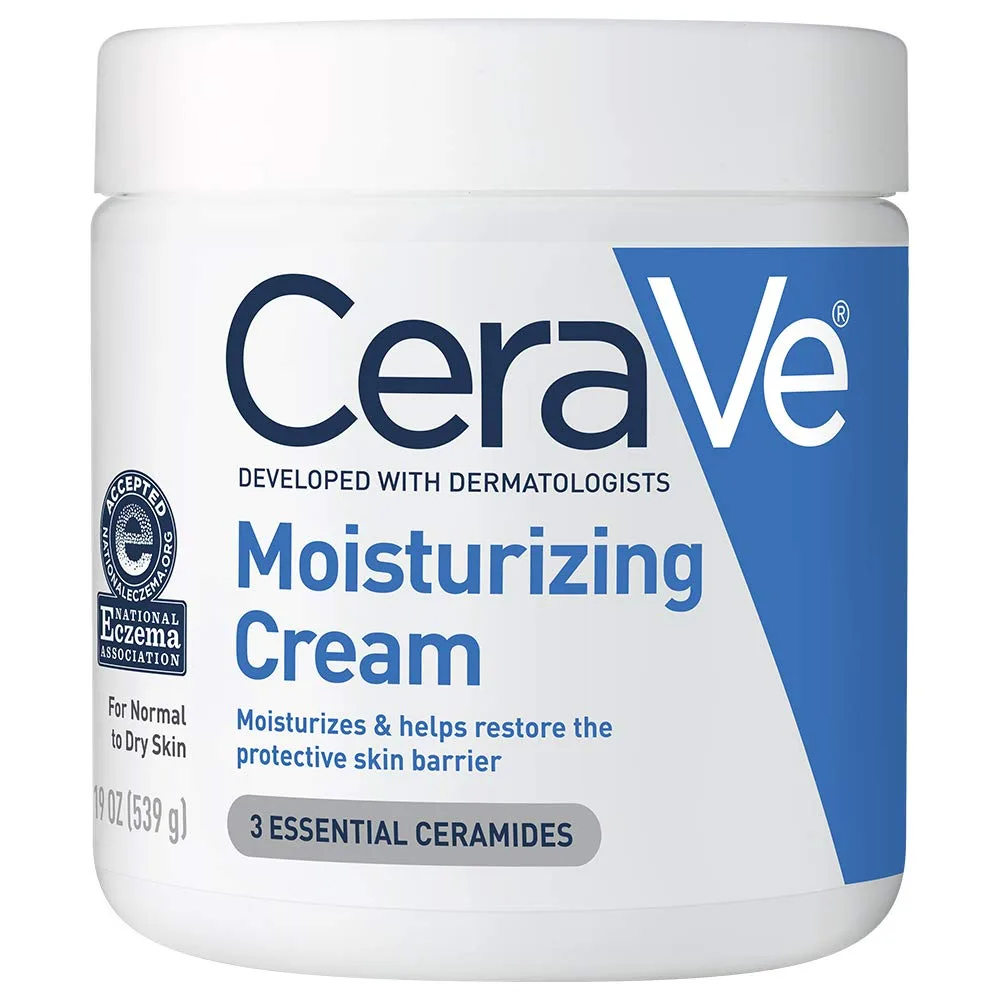
 Moisturizing Cream
The CeraVe Moisturizing Cream is the most important moisturizer in the drugstore — a ceramide-rich, dermatologist-developed formula that delivers barrier repair, multi-humectant hydration, and occlusive protection at a price so accessible it has no real excuse not to be in every household. Twenty-one years of consistent performance and universal dermatologist approval speak louder than any ingredient list.
 Barrier Rescue Hero
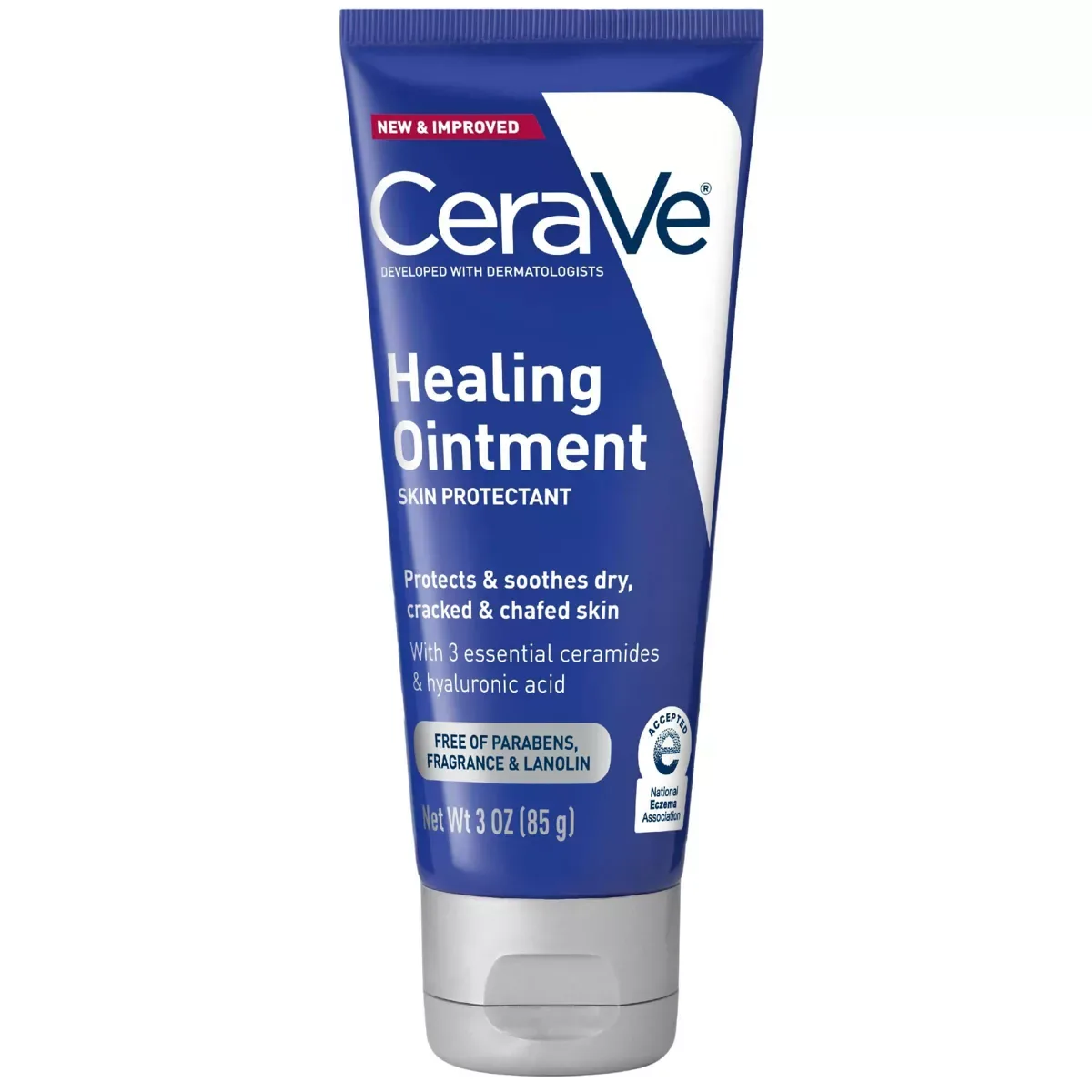
 Healing Ointment
CeraVe's Healing Ointment takes the simplest concept in skincare — seal the skin with petrolatum — and makes it genuinely intelligent by adding ceramides, hyaluronic acid, and panthenol beneath the occlusive layer. It is the gold standard drugstore occlusive for barrier rescue, slugging, and post-procedure care.
 Derm Office Staple
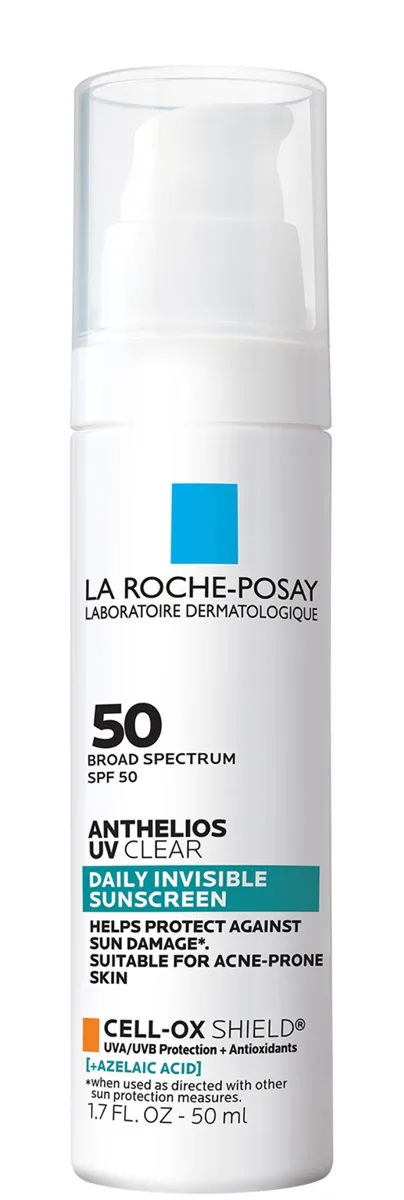
 Anthelios UV Clear Sunscreen SPF 50
One of the only US chemical sunscreens that genuinely earns its 'for sensitive and breakout-prone skin' positioning. A photostable Anthelios filter system paired with a legitimate azelaic acid dose in a lightweight serum-fluid that disappears on every skin tone. Excellent for rosacea, acne, and post-inflammatory hyperpigmentation — and probably the single best daily sunscreen in the La Roche-Posay US lineup for those conditions.
 Sensitive Skin MVP
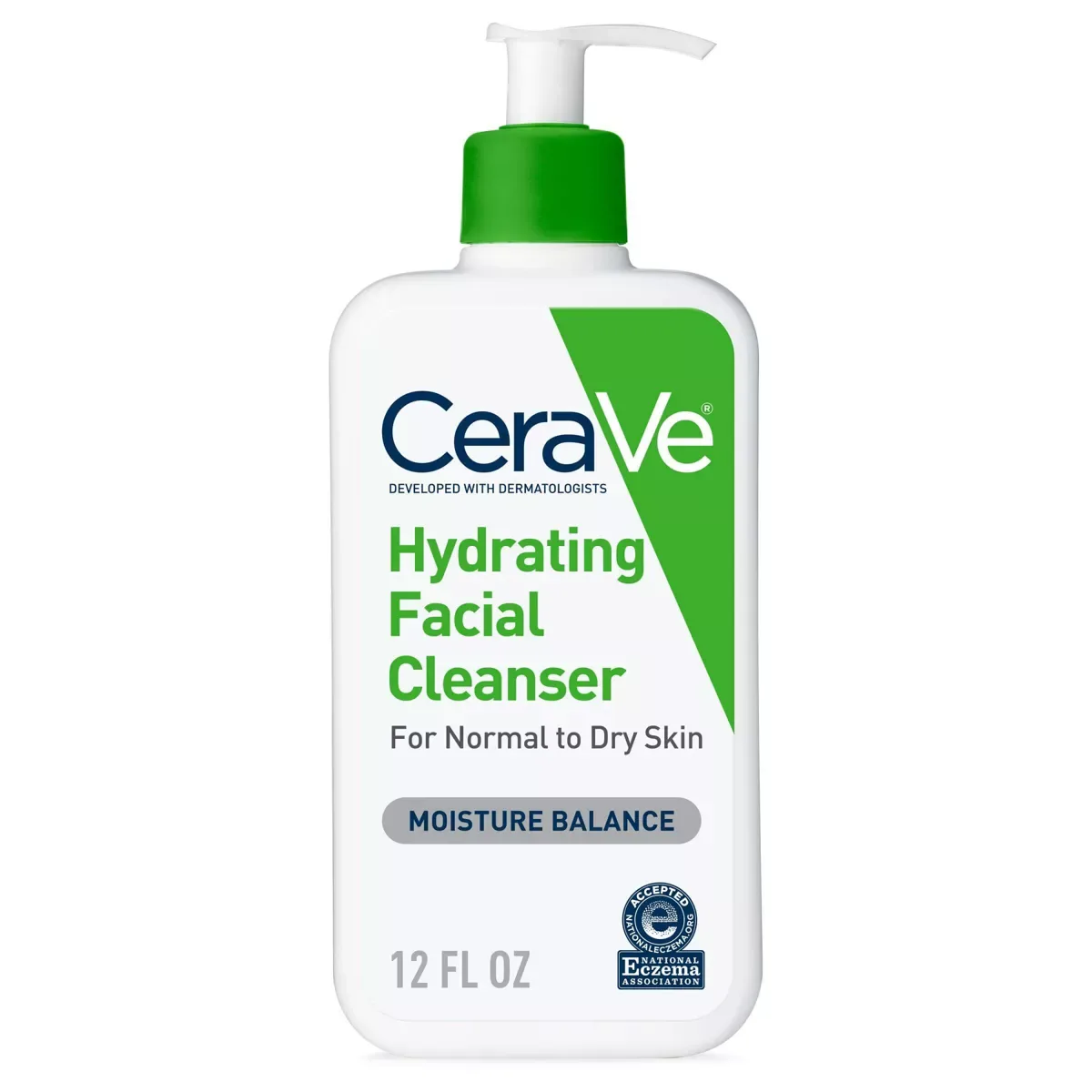
 Hydrating Facial Cleanser
The CeraVe Hydrating Facial Cleanser is the cleanser that taught a generation of dry-skin sufferers that washing your face does not have to mean punishing it. A lotion-textured, non-foaming formula that genuinely hydrates while it cleans, it remains the benchmark drugstore cleanser for anyone whose skin drinks moisture faster than most products can provide it.
 K-Beauty Daily SPF Standout
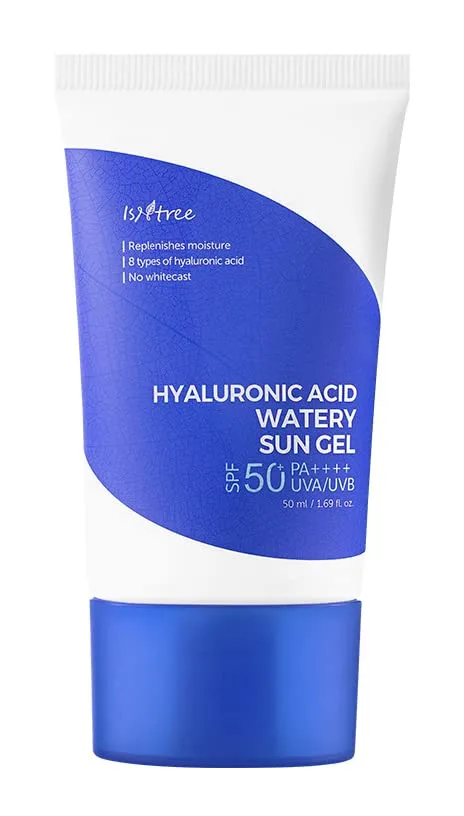
 Hyaluronic Acid Watery Sun Gel SPF 50+
One of the strongest everyday K-beauty sunscreens in the international market — modern European filters, no white cast, fragrance-free, niacinamide-boosted, and built around the brand's signature six-weight HA complex. At twenty-two dollars for 50ml, it's a case study in how much better a daily sunscreen can be when the formulator cares about both protection and wearability.
 Derm Office Staple
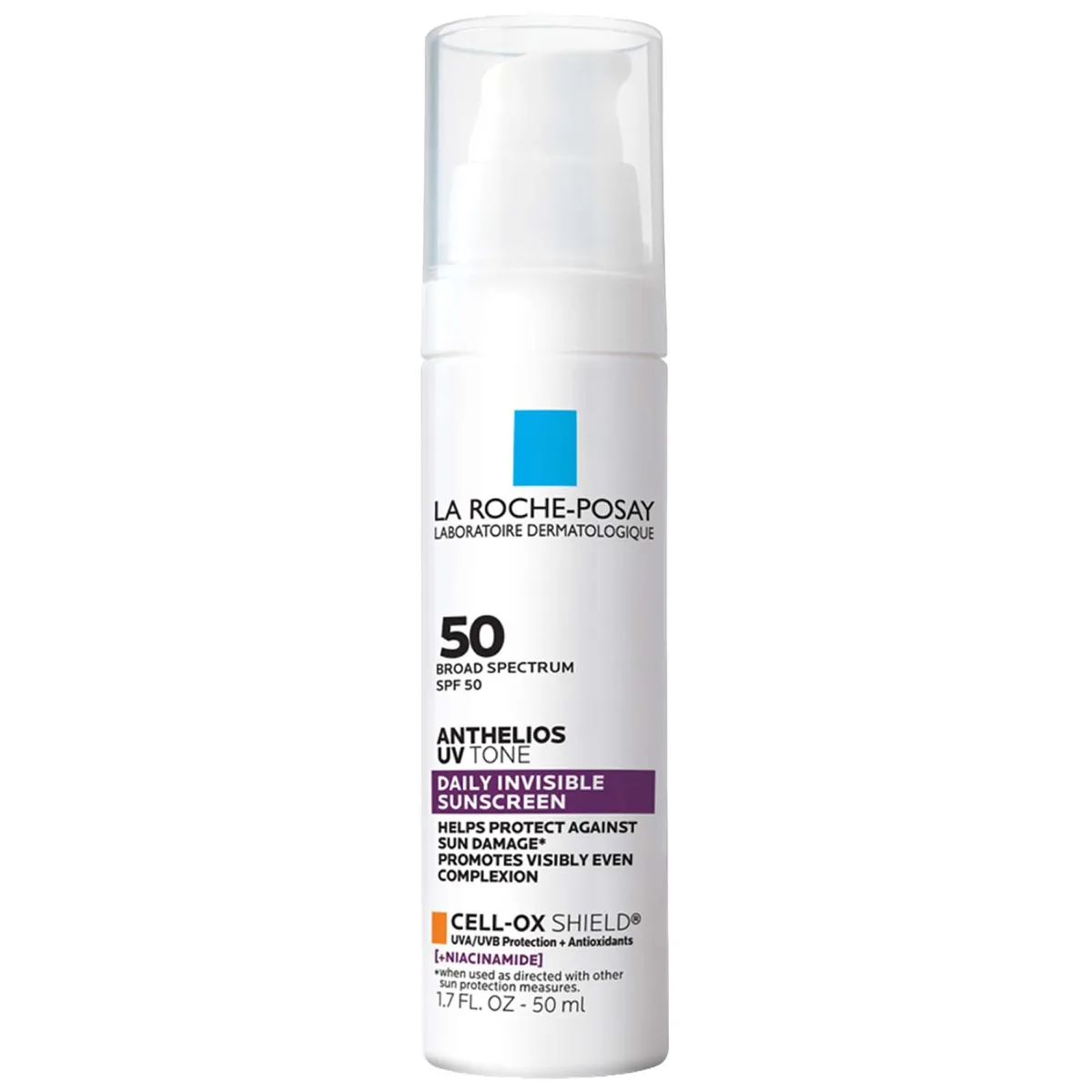
 Anthelios UV Tone Daily Invisible Sunscreen SPF 50
La Roche-Posay's most thoughtful answer yet for hyperpigmentation-prone skin that needs daily SPF. A photostable avobenzone system reinforced with Oxynex ST, paired with a meaningful dose of niacinamide, in a serum-fluid base that goes on invisible on every skin tone. Expensive for 1.7 oz but legitimately well-built — and a rare chemical sunscreen that earns its 'for dark spots' marketing.