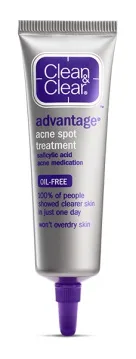
A no-frills drugstore spot treatment that does what salicylic acid in an alcohol base has always done — dissolve surface pimples fast while drying out everything in its path. Effective for oily skin with mild breakouts, but the alcohol-heavy approach feels increasingly dated when gentler alternatives exist.
Advantage Acne Spot Treatment
A no-frills drugstore spot treatment that does what salicylic acid in an alcohol base has always done — dissolve surface pimples fast while drying out everything in its path. Effective for oily skin with mild breakouts, but the alcohol-heavy approach feels increasingly dated when gentler alternatives exist.
Score Breakdown
A straightforward salicylic acid spot treatment that relies heavily on drying alcohols as the vehicle — effective for oily-skinned users with mild surface acne but harsh enough to compromise the barrier for sensitive or dry skin types. The formula is functional rather than sophisticated, and the alcohol-heavy approach is increasingly outdated in an era of barrier-conscious acne treatment.
Pros & Cons
- ✓Visibly reduces mild pimple size and redness within 12-24 hours of application
- ✓Under nine dollars for a tube lasting 3-4 months of targeted spot use
- ✓Dries completely clear and works invisibly under makeup and concealer
- ✓Narrow tube tip allows precise application to individual blemishes only
- ✓Nearly twenty years of consumer data and consistent retail availability
- ✓Current formula is fragrance-free, improving on the original version
- ✗Alcohol denat. as the second ingredient is excessively drying and barrier-compromising
- ✗Stings and burns on application to inflamed skin — a significant comfort issue
- ✗Ineffective for deep cystic or nodular acne that requires professional treatment
- ✗Can cause peeling, flaking, and post-inflammatory hyperpigmentation with overuse
- ✗Not cruelty-free certified under Kenvue ownership
- ✗Contains benzalkonium chloride, a known skin sensitizer and preservative
Full Review
The Clean & Clear Advantage Acne Spot Treatment has been on drugstore shelves since 2006. In that time, the skincare industry has undergone a philosophical revolution. We've collectively learned that stripping the skin barrier to fight acne is counterproductive. That alcohol-heavy formulations can cause more inflammation than they resolve. That treating a pimple shouldn't feel like punishment. And yet, here sits this tube of 2% salicylic acid in a denatured alcohol base, still selling, still collecting reviews, still working well enough for enough people to justify its continued existence.
The formula is aggressive by modern standards. Denatured alcohol is the second ingredient — placed high enough to indicate a significant concentration. This isn't a small amount of alcohol as a solvent; this is alcohol as the primary vehicle. It evaporates quickly, which gives the product its fast-drying convenience. It enhances salicylic acid penetration, which contributes to the speed of results. And it dries out the pimple site and surrounding skin, which is where the formula's effectiveness becomes entangled with its limitations.
Salicylic acid at 2% — the maximum OTC concentration — is a reliable comedolytic agent. It's lipophilic, meaning it dissolves in oil and can penetrate into sebum-filled pores to disintegrate the dead cell and oil plug causing the blemish. It also has inherent anti-inflammatory properties that reduce the redness and swelling of active pimples. This is well-established chemistry that works. The question is not whether salicylic acid treats pimples — it does — but whether the delivery vehicle this formula uses is worth the collateral damage.
Witch hazel water sits third in the ingredient list, adding astringent and mild anti-inflammatory properties. Glycerin provides some humectant counterbalance to the alcohol, though positioned fifth in the list, it's fighting an uphill battle against the drying forces above it. The result is a formula that effectively treats the target blemish while potentially compromising the barrier function of surrounding skin — particularly with repeated daily use.
On application, the product stings. This is most pronounced on already-inflamed pimples and less noticeable on closed comedones or early-stage blemishes. The stinging fades within ten to fifteen seconds as the alcohol evaporates. What remains is a thin, clear, slightly tight film of salicylic acid on the treatment site. By the next morning, mild surface pimples are typically visibly smaller and less red. This rapid visible result is the product's strongest selling point and the reason users keep coming back despite the sting.
For deeper, inflammatory breakouts, results take longer — two to three days of consistent application. And for cystic acne, this product is essentially ineffective. Salicylic acid works within the pore; cystic acne occurs deep in the dermis, beyond where any OTC topical can meaningfully reach. Over-applying the product to cystic lesions creates surface dryness and peeling without addressing the deep inflammation.
Clean & Clear was born in 1956 as a Revlon-developed sensitive skin line, acquired by Johnson & Johnson in 1991, and recently spun off to Kenvue. The Advantage Spot Treatment won a Glam.com Beauty Award in 2007, cementing its early reputation. The formula has been updated since — the current version removes synthetic fragrance from the original — but the core approach has remained unchanged for nearly two decades: salicylic acid, alcohol base, fast results.
The price — under nine dollars for a tube that lasts three to four months of targeted spot use — is fair for what you're getting. The narrow tube tip allows precise application without waste. It dries clear under makeup. It's portable. It's available everywhere. These practical attributes matter for a product used in the moment of a breakout emergency.
But the broader acne treatment landscape has moved on. Hydrocolloid patches drain blemishes without any active ingredients. Niacinamide-based spot treatments reduce inflammation without barrier compromise. Even other salicylic acid spot treatments now use gentler vehicles that don't rely on high-concentration denatured alcohol. This product works — but it works the way acne treatment worked in 2006, not the way it works in 2026.
For oily-skinned users who tolerate alcohol well and want the fastest possible visible reduction in a surface pimple, this delivers on its simple promise. It is not a sophisticated formula. It is not gentle. It is a salicylic acid delivery vehicle optimized for speed rather than skin health. Whether that trade-off makes sense depends entirely on your skin's tolerance and your willingness to moisturize the aftermath.
Formula
Key Ingredients
The hero actives that drive this product's performance.
| Ingredient | Function | Evidence |
|---|---|---|
| Salicylic Acid 2% (2%) | The maximum OTC concentration of this BHA, targeted here in a spot treatment format for direct application to individual blemishes. Salicylic acid penetrates into the pore to dissolve the sebum-and-dead-cell plug causing the breakout, while its anti-inflammatory properties reduce the redness and swelling of active pimples. The alcohol-based vehicle enhances penetration speed. | well-established |
| Witch Hazel (Hamamelis Virginiana) Water | Provides natural astringent and anti-inflammatory support alongside the salicylic acid. In this spot treatment, witch hazel helps tighten the skin around the blemish and reduce swelling, while its tannin content offers mild antibacterial action that complements the BHA's comedolytic effect. | promising |
| Glycerin | Serves as a humectant counterbalance to the drying effects of the denatured alcohol and salicylic acid in this formula. Without glycerin, the high-alcohol base would strip moisture from the treatment site, potentially compromising the surrounding skin barrier and worsening post-inflammatory marks. | well-established |
Full INCI List
Active Ingredient: Salicylic Acid 2%. Inactive Ingredients: Water, Alcohol Denat., Hamamelis Virginiana (Witch Hazel) Water, Polyacrylamide, Glycerin, C13-14 Isoparaffin, C12-15 Alkyl Lactate, Alcohol, Phenoxyethanol, Cetyl Lactate, Cocamidopropyl PG-Dimonium Chloride Phosphate, Laureth-7, Polysorbate 20, Sodium Hydroxide, Phenethyl Dimethicone, Xanthan Gum, Propylene Glycol, Benzalkonium Chloride, Tetrasodium EDTA
Product Flags
✓ Fragrance Free✗ Alcohol Free✓ Oil Free✗ Silicone Free✓ Paraben Free✓ Sulfate Free✗ Cruelty Free✓ Vegan✗ Fungal Acne Safe
Comedogenic Ingredients
C12-15 Alkyl LactateCetyl Lactate
Potential Irritants
Alcohol Denat.Salicylic AcidBenzalkonium ChloridePropylene Glycol
Common Allergens
Benzalkonium ChloridePropylene Glycol
Compatibility
Skin Match
Best For
Works For
Not Ideal For
Addresses These Conditions
Use With Caution
sensitivity dryness compromised skin barrier
Avoid With
Routine Step
treatment
Time of Day
AM & PM
Pregnancy Safe
Yes ✓
Layering Tips
Apply a thin layer directly to individual blemishes only — not all over the face. Use after cleansing and before moisturizer. Allow to dry completely before applying other products on top. Can be used under makeup once dry. Do not layer with other salicylic acid products, benzoyl peroxide, or retinoids on the same area at the same time.
Results Timeline
Visible reduction in pimple size and redness within 12-24 hours for surface-level blemishes. Inflammatory pimples may take 2-3 days to flatten significantly. Not effective for deep cystic acne. Best results with consistent targeted use at the first sign of a blemish.
Pairs Well With
gentle non-foaming cleanserhyaluronic acid serumceramide moisturizerniacinamide serumsunscreen
Conflicts With
other BHA products (over-exfoliation)benzoyl peroxide (combined drying)retinoids (combined irritation)AHA exfoliantsalcohol-based toners
Sample AM Routine
- Gentle cleanser
- Niacinamide serum
- THIS PRODUCT on active spots
- Moisturizer
- Sunscreen
Sample PM Routine
- Gentle cleanser
- Treatment serum (retinol on alternate nights)
- THIS PRODUCT on active spots
- Moisturizer
Evidence
Science & Expert Perspective
The Science
Salicylic acid (2-hydroxybenzoic acid) is a beta-hydroxy acid with well-documented comedolytic and anti-inflammatory properties. Its mechanism of action in acne treatment involves dissolution of intercellular lipid bonds in the stratum corneum and within the follicular lumen, promoting desquamation and unclogging of pores. A systematic review by Arif in Clinical, Cosmetic and Investigational Dermatology (2015) confirmed that 2% salicylic acid is effective for mild to moderate acne vulgaris, with significant reductions in comedone and inflammatory lesion counts.
The alcohol-based vehicle enhances salicylic acid's penetration into the pilosebaceous unit by disrupting the lipid barrier. While this improves active ingredient delivery, it simultaneously increases transepidermal water loss and can compromise the stratum corneum. Research by Lachenmeier in the International Journal of Environmental Research and Public Health has noted that denatured alcohol in topical products can cause local irritation, particularly on compromised skin.
Witch hazel (Hamamelis virginiana) contributes astringent properties through its tannin content, which causes protein precipitation and tissue contraction. A review by Thring et al. in the Journal of Inflammation (2011) found that witch hazel extracts demonstrated anti-inflammatory and antioxidant activity, though the clinical evidence for its acne-specific efficacy is limited compared to established actives like salicylic acid and benzoyl peroxide.
Dermatologist Perspective
Board-certified dermatologists have mixed views on alcohol-based acne spot treatments. While the fast-drying vehicle and salicylic acid delivery are effective for mild comedonal acne, dermatologists increasingly caution that high-alcohol formulations can worsen inflammation by compromising the skin barrier — potentially creating a cycle of irritation that perpetuates breakouts. Dermatologists typically recommend this product for oily-skinned patients with occasional mild breakouts, with the caveat that it should be used sparingly, on individual blemishes only, and always followed by a non-comedogenic moisturizer. For patients with sensitive skin, dry skin, or barrier damage, dermatologists generally steer toward alcohol-free BHA treatments or hydrocolloid patches instead.
Guidance
Usage Guide
How to Use
Cleanse face and pat dry. Apply a thin layer directly onto individual blemishes using the tube's narrow tip. Do not apply all over the face — this is a targeted spot treatment. Allow to dry completely (approximately 30 seconds) before applying moisturizer, makeup, or sunscreen. Can be used morning and evening. Start with once daily to assess tolerance, then increase to twice daily if no excessive drying or irritation occurs. Always follow with a non-comedogenic moisturizer to offset the drying alcohol content.
Value Assessment
At $8.19 for 0.75 oz, the per-ounce cost is steep ($10.92/oz), but spot treatments are used in tiny amounts — a tube typically lasts 3-4 months of regular targeted use. The daily cost of treating 2-3 blemishes is well under fifty cents. For a drugstore acne treatment with nearly twenty years of market history and consistent availability, the price is reasonable. The brand's legacy heritage means you're paying for a proven OTC approach, though not for formulation innovation — more sophisticated spot treatments exist at similar or modestly higher price points.
Who Should Buy
Those with oily or combination skin who experience occasional mild surface pimples and want a fast-acting, affordable, pharmacy-available spot treatment. Best suited for users who have no issues with alcohol-based products and prioritize speed of visible results over formulation gentleness.
Who Should Skip
Anyone with dry, sensitive, or barrier-compromised skin — the high alcohol content will exacerbate these conditions. Not appropriate for cystic or nodular acne, which requires professional treatment. Those who use retinoids or other drying actives should be cautious about layering this additional source of barrier disruption. Consumers who prioritize cruelty-free certification should look elsewhere.
Ready to try Clean & Clear Advantage Acne Spot Treatment?
Details
Details
Texture
Lightweight, slightly milky gel-cream that absorbs quickly on the skin. Thin enough for precise spot application with the narrow tube tip. Dries to a clear, slightly tight finish.
Scent
Current formula is fragrance-free with no noticeable scent beyond a faint medicinal note from the alcohol base.
Packaging
Small white squeeze tube (0.75 fl oz) with teal Clean & Clear branding and a narrow applicator tip designed for targeted spot application. Compact and portable — fits easily in a pocket or makeup bag. Standard screw cap.
Finish
mattefast-absorbing
What to Expect on First Use
On first application, expect a stinging or tingling sensation from the alcohol and salicylic acid — this is particularly noticeable on already-inflamed pimples. The product absorbs within thirty seconds and dries clear. By the next morning, a mild surface pimple typically appears visibly smaller and less red. The skin around the application site may feel tight or dry. Some initial peeling or flaking is common with regular use.
How Long It Lasts
3-4 months with targeted spot use as needed
Period After Opening
12 months
Best Season
All Year
Certifications
HSA/FSA EligibleOil-FreeParaben-FreeDermatologist-Tested
Background
The Why
Clean & Clear launched the Advantage Acne Spot Treatment in October 2006, and it quickly became one of the brand's most popular products — winning the Glam.com Beauty Award for Blemish Treatment in 2007. The formula has been updated over the years (the current version removes synthetic fragrance from the original), but the core approach remains the same: 2% salicylic acid in a fast-drying alcohol base for quick spot treatment. Nearly twenty years on, it remains a drugstore staple despite the industry's broader shift away from alcohol-heavy acne formulations.
About Clean & Clear Legacy Brand (20+ years)
Clean & Clear was originally developed by Revlon in 1956 as a sensitive skin care line, acquired by Johnson & Johnson in 1991, and spun off to Kenvue in 2023. The brand has been a drugstore acne treatment staple for decades, though it is not dermatologist-developed and relies on standard OTC acne active ingredients rather than proprietary formulation technology.
Brand founded: 1956 · Product launched: 2006
Myth vs. Reality
Myths & Misconceptions
Myth
Spot treatments that sting are working harder.
Reality
The stinging sensation comes from the denatured alcohol and salicylic acid contacting inflamed tissue — it indicates irritation, not efficacy. Effective spot treatments exist that don't sting, using gentler delivery vehicles. The sting is a formulation trade-off for fast drying, not a sign of superior acne-fighting ability.
Myth
You should apply acne spot treatments generously to make blemishes disappear faster.
Reality
Over-applying this product will increase drying and irritation without proportionally faster results. A thin, targeted layer on the blemish is sufficient. More product means more alcohol contact with surrounding healthy skin, which can cause peeling and barrier damage.
FAQ
Frequently Asked Questions
Does Clean & Clear Advantage Acne Spot Treatment work overnight?
For mild, surface-level pimples, many users see a visible reduction in size and redness by the next morning. For deeper inflammatory breakouts, expect 2-3 days of consistent application. This product is not effective for cystic or nodular acne, which requires different treatment approaches.
Why does this spot treatment sting when I apply it?
The stinging comes from the denatured alcohol (the second ingredient) and salicylic acid making contact with inflamed skin. This is a formulation trade-off — the alcohol enables fast drying and enhanced penetration, but it also irritates. If stinging is severe or persistent, reduce frequency or consider a gentler spot treatment.
Can I use this spot treatment with retinol?
Use them on different areas or alternate nights. Applying this alcohol-and-salicylic-acid treatment directly on skin that's also receiving retinol significantly increases irritation, dryness, and peeling risk. If you're using retinol as your nightly treatment, limit this spot treatment to mornings on individual blemishes.
Is this spot treatment too drying for everyday use?
For oily skin, targeted daily use on active blemishes is generally tolerable. For combination or normal skin, limit use to 1-2 times daily on individual spots and follow with a hydrating moisturizer. For dry or sensitive skin, the alcohol content makes this formula likely too drying for regular use.
Can I wear makeup over this spot treatment?
Yes. The product dries clear within thirty seconds and creates a smooth base. Allow it to dry completely before applying primer, concealer, or foundation. Some users report slight residue visibility under heavy concealer, but for most, the dried product is invisible.
Is Clean & Clear cruelty-free?
No. Clean & Clear (now under Kenvue, formerly Johnson & Johnson) is not certified by Leaping Bunny or PETA. The parent company has stated it does not test finished products on animals but cannot guarantee ingredient-level testing by suppliers. The brand sells in markets where animal testing may be required by law.
Does this work on cystic acne?
Generally not effectively. This spot treatment targets surface-level pimples by dissolving sebum plugs within pores. Cystic acne occurs deeper in the skin and typically requires prescription-strength treatments like oral antibiotics, isotretinoin, or cortisone injections. Over-applying this product to cystic lesions will primarily cause surface drying without reaching the deep inflammation.
Community
Community Voices
Common Praise
"Visibly reduces pimple size and redness within 24 hours of application"
"Affordable at under nine dollars for a targeted acne treatment"
"Dries clear and can be worn invisibly under makeup during the day"
"Oil-free, compact tube is portable for on-the-go spot treatment"
"Long track record as a reliable drugstore acne spot treatment"
Common Complaints
"High alcohol content is excessively drying and can compromise skin barrier"
"Stings and burns on application, especially on broken or inflamed skin"
"Inconsistent results — works well for some users but not others"
"Can cause peeling and flaking around the treatment area with repeated use"
"Not effective for deep, cystic, or nodular acne"
Notable Endorsements
Glam.com Beauty Award for Blemish Treatment (2007)HSA/FSA eligibleDermatologist-tested
Appears In
best treatment for acne best acne spot treatment best treatment for blackheads best drugstore acne treatment
Related Conditions
Related Ingredients
You Might Also Like
 Barrier Rescue Hero
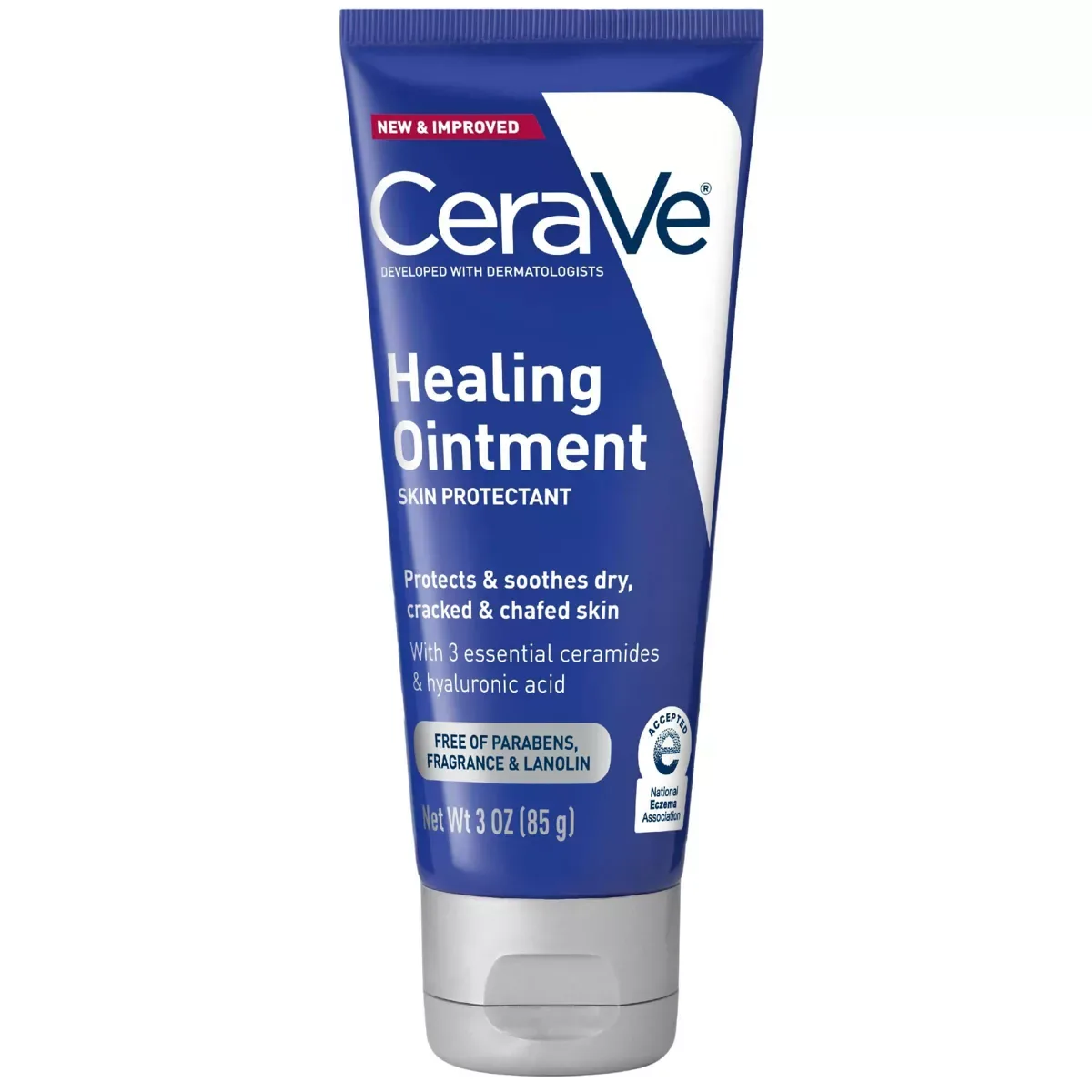
 Healing Ointment
CeraVe's Healing Ointment takes the simplest concept in skincare — seal the skin with petrolatum — and makes it genuinely intelligent by adding ceramides, hyaluronic acid, and panthenol beneath the occlusive layer. It is the gold standard drugstore occlusive for barrier rescue, slugging, and post-procedure care.
 Derm Office Staple
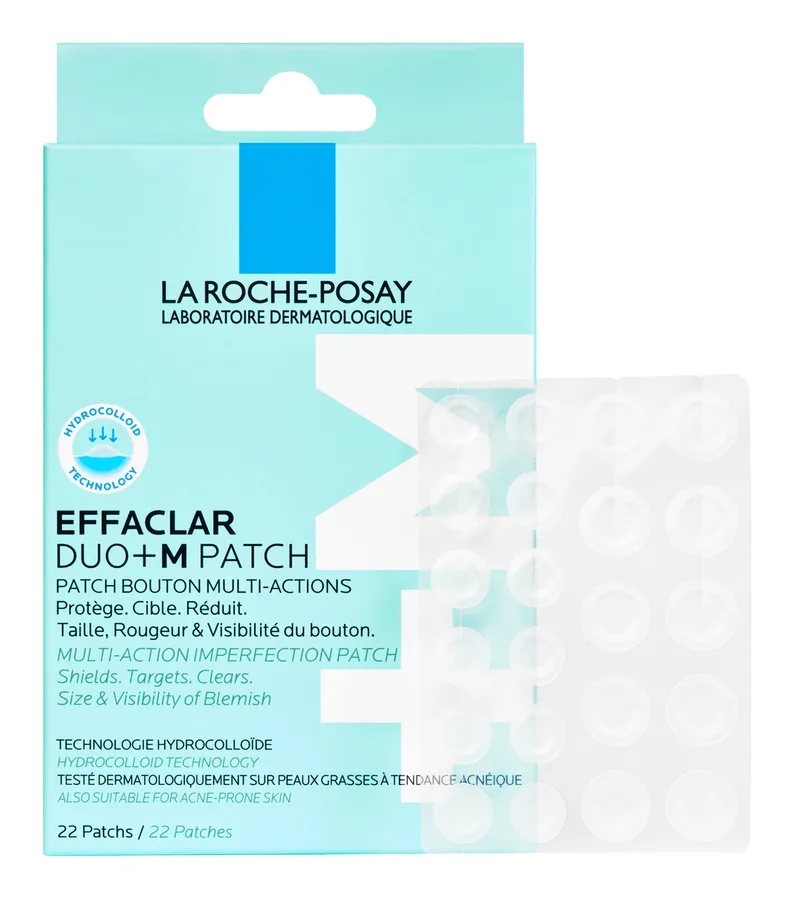
 Effaclar Multi-Target Blemish Patches
One of the few hydrocolloid pimple patches that actually stays on overnight without curling off at 3am. At 420 microns thick with two size options in one pack and zero actives to irritate sensitive skin, this is the Effaclar line's quiet overachiever — and a legitimately good answer for anyone whose acne routine has been sabotaged by thinner patches that refuse to stay put.
 Reactive-Skin Cult Favorite
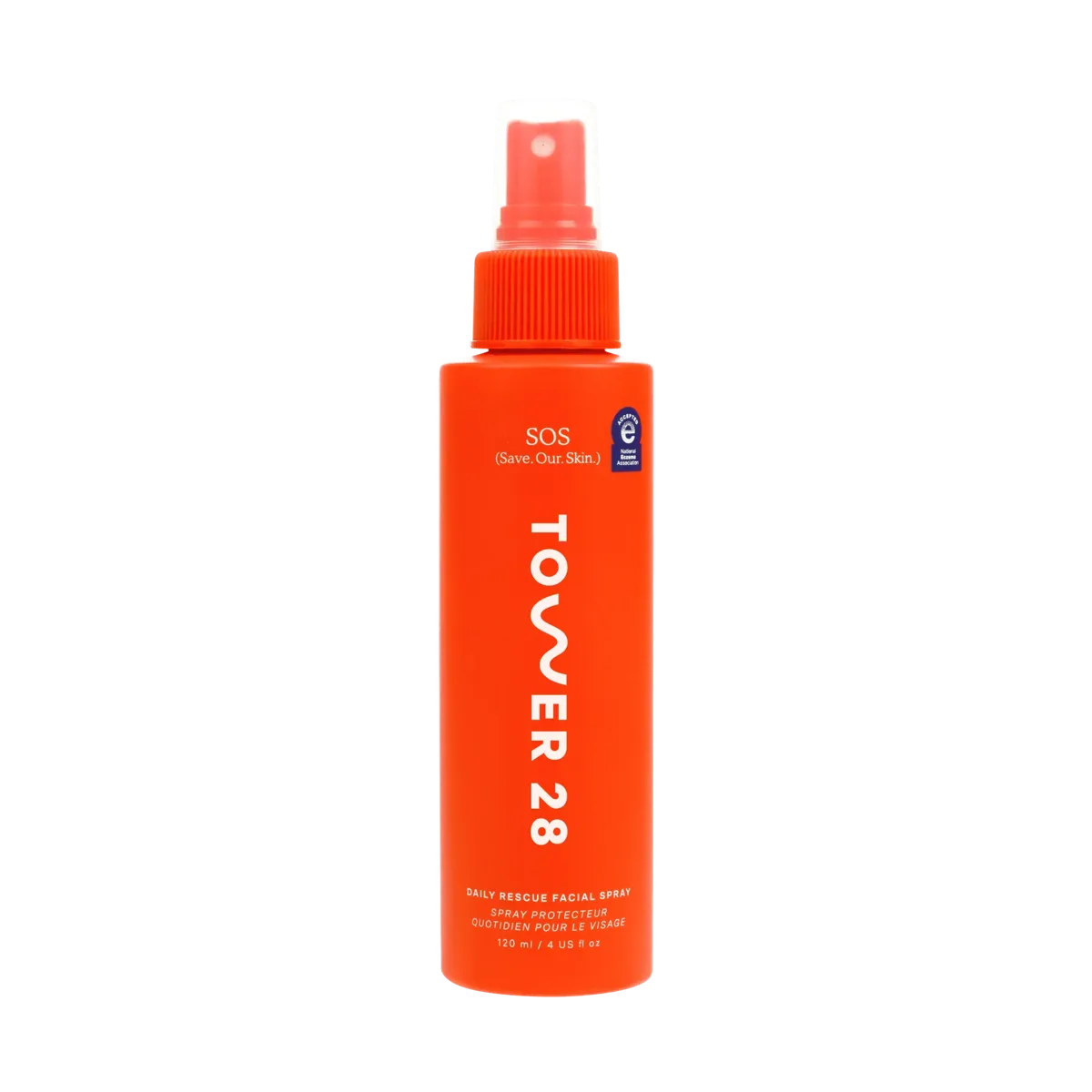
 SOS Save Our Skin Daily Rescue Facial Spray
The product that single-handedly brought hypochlorous acid into mainstream skincare. A fine-mist HOCl spray with genuine dermatology-organization validation, a near-perfect tolerability profile, and a cult following among people whose skin reacts to everything else. The price runs steeper than medical-grade HOCl, but the stabilization and design are worth the difference for daily use.
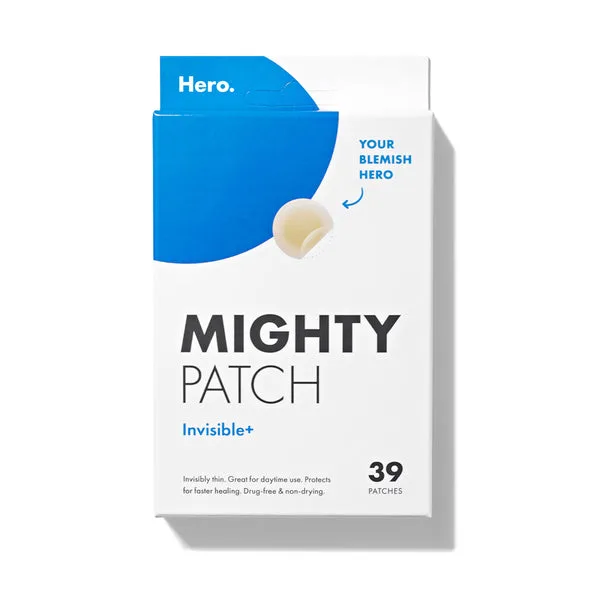
Mighty Patch Invisible+
The pimple patch that proved acne treatment could be invisible — Mighty Patch Invisible+ delivers the same fluid-absorbing hydrocolloid technology as the category-defining Original, but engineered thin enough to disappear under makeup. For daytime blemish management, nothing else comes this close to invisible.
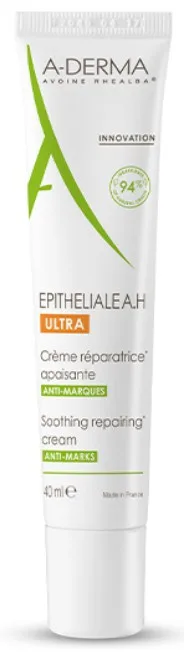 Post-Procedure MVP
 Epitheliale A.H Ultra Repairing Cream
One of the best-formulated French pharmacy repair creams on the market, full stop. Rhealba oat, three-weight HA, madecassoside, trace minerals, panthenol, and shea butter come together in a cream that handles post-procedure skin, eczema flares, friction damage, and compromised barriers with unusual competence for the price.
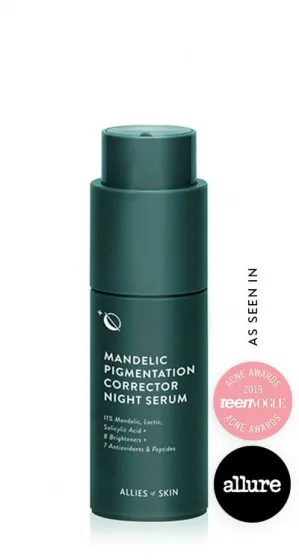 Pigmentation Specialist Pick
 Mandelic Pigmentation Corrector Night Serum
One of the most thoughtfully formulated pigmentation serums on the market. Mandelic acid leads, but the real story is the supporting cast — tranexamic acid, azelaic acid, niacinamide, and bakuchiol attacking hyperpigmentation through five different pathways. Specifically formulated to be safe on melanin-rich skin and it shows.