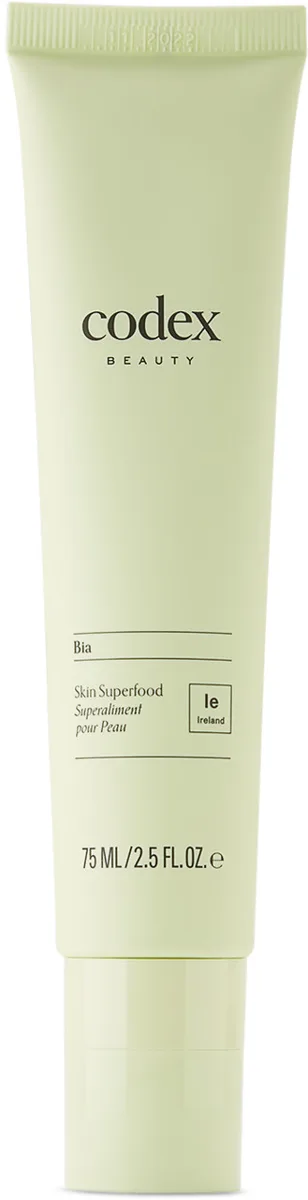
Codex's flagship moisturizer is a legitimately dense, biotech-botanical-rich barrier repair cream that earns its place in the premium clean beauty category. The price is real and the fit is specific — dry and barrier-compromised skin, not oily or fungal-acne-prone — but the formulation quality is among the better clean beauty creams available.
Bia Skin Superfood
Codex's flagship moisturizer is a legitimately dense, biotech-botanical-rich barrier repair cream that earns its place in the premium clean beauty category. The price is real and the fit is specific — dry and barrier-compromised skin, not oily or fungal-acne-prone — but the formulation quality is among the better clean beauty creams available.
Score Breakdown
Where this product gains points and where it loses them — broken down across the four scoring pillars.
A genuinely thoughtful omega-rich moisturizer with a stacked calming and barrier-support base, dragged down from top marks mainly by the price point and moderate fit for oily or acne-prone skin.
Pros & Cons
- ✓Deliberately stacked omega-rich seed oil blend with rare inclusions like echium
- ✓Full biotech botanical calming complex (Acmella, Cassia alata, centella)
- ✓Shea butter provides occlusive comfort without feeling heavy
- ✓Panthenol, bisabolol, and allantoin reinforce the calming base
- ✓Published clinical validation on finished formula — unusual for clean beauty
- ✓Reactive and post-procedure skin tolerates it well
- ✓Genuine barrier improvement with 4-8 week consistent use
- ✗Premium pricing at $65 for 75ml
- ✗Too rich for oily skin and not fungal-acne-safe
- ✗Light fragrance limits use for fragrance-allergic skin
- ✗Glass jar packaging less elegant than brand's newer airless options
- ✗Ingredient complexity makes patch testing especially recommended
Full Review
When you buy a moisturizer branded as 'omega-rich' or 'oil-blend-powered,' most of the time you're buying a marketing concept rather than a formulation choice. The actual oils in the formula often matter less than how they're positioned in the product copy, and the fatty acid ratios — which are the only thing that genuinely predicts how a plant oil will behave on skin — are rarely discussed. Codex Labs is one of the few brands that seems to take the fatty acid conversation seriously, and Bia Skin Superfood is where that seriousness shows up most clearly. The seed oil blend in this cream is deliberately stacked rather than randomly assembled. You get echium plantagineum seed oil, which is one of the richest plant sources of stearidonic acid — a precursor to longer-chain omega-3 fatty acids like EPA, and an unusual inclusion you almost never see in a commercial moisturizer. Sacha inchi (plukenetia volubilis) seed oil brings a high proportion of alpha-linolenic acid and linoleic acid, making it one of the best-balanced omega-3/omega-6 oils in cosmetic use. Rosa canina (rosehip) fruit oil adds linoleic acid plus a natural source of trans-retinoic acid precursors. Vaccinium macrocarpon (cranberry) seed oil provides an almost ideal 1:1 ratio of omega-3 to omega-6 fatty acids, which is biologically significant because that ratio is associated with anti-inflammatory signalling. Sunflower oil and jojoba oil round out the blend with additional linoleic acid content and a wax-ester structural similarity to human sebum respectively. For barrier-compromised or very dry skin, this stacked blend is meaningfully better than a single-oil formulation. The fatty acids get incorporated into the barrier lipid synthesis pathway, providing raw material for ceramide precursors and helping restore barrier function over several weeks of consistent use. This isn't pseudo-science — linoleic acid deficiency has been associated in published dermatology research with increased transepidermal water loss and barrier dysfunction, and topical application of linoleic-rich oils has been shown to improve these parameters. What this cream delivers, essentially, is the raw material for your skin to rebuild itself. Beyond the oil blend, the formulation includes the rest of Codex's characteristic toolkit: glycerin and sodium hyaluronate for humectant hydration, shea butter for occlusive comfort, panthenol and bisabolol and allantoin for calming support, Acmella oleracea and Cassia alata and centella asiatica for the biotech botanical layer. The overall ingredient list reads more like a prescription barrier repair cream than a typical clean beauty moisturizer, with the difference being that Codex has published clinical testing on the finished product rather than relying purely on ingredient-level credibility. The experience in use matches the formulation ambition. The cream is cushiony without being heavy, absorbs within a minute into a satin finish, and leaves skin feeling noticeably softer and more resilient after the first use. Over two to four weeks of consistent application, dry skin users typically report improved skin surface texture, reduced tightness, and better tolerance of other active ingredients in their routine. For post-retinol dryness, post-procedure recovery, and winter-related barrier stress, this cream functions as a legitimate rescue layer. The caveats are where the recommendation gets specific. This is not a moisturizer for oily skin — the seed oil blend and shea butter combination is richer than what most oily users need, and layering it daily under sunscreen will probably create pilling and discomfort. It's also not a fungal-acne-safe formula — the plant oils include fatty acid profiles that feed Malassezia, which means users with confirmed Malassezia folliculitis should choose simpler moisturizers without seed oils. The fragrance, while light and partly from the oils themselves, is present enough to require patch testing for fragrance-reactive users. And at $65 for 75ml, this is premium pricing — the per-ounce cost is roughly triple what a drugstore barrier-repair cream like CeraVe Moisturizing Cream costs, and meaningfully higher than comparable clean beauty alternatives. Is the premium justified? For dry, barrier-compromised, or sensitive skin users who specifically value the omega-rich oil blend, the biotech botanicals, and the published clinical validation, yes — the formulation depth is legitimate and the cream is demonstrably good at what it does. For users who just want a competent daily moisturizer without the biotech-botanical positioning, cheaper options deliver most of the barrier support at a fraction of the price. The honest assessment is that Bia Skin Superfood is the right cream for a specific buyer rather than a universal recommendation, and for that buyer it's one of the more thoughtful formulations in the premium clean beauty space.
Formula
Key Ingredients
The hero actives that drive this product's performance.
| Ingredient | Function | Evidence |
|---|---|---|
| Omega-Rich Plant Oil Blend (Echium, Sacha Inchi, Rosehip, Cranberry Seed) | A deliberately stacked blend of seed oils chosen for complementary fatty acid profiles — echium is one of the richest plant sources of stearidonic acid (a precursor to longer-chain omega-3s), sacha inchi and rosehip bring linoleic acid and omega-3/omega-6 balance, and cranberry seed oil provides an almost ideal 1:1 omega-3 to omega-6 ratio. Together they support barrier lipid synthesis. | promising |
| Acmella Oleracea Flower Extract | Codex's signature biotech botanical — the active spilanthol is studied for mild neuromodulation and potential muscle-relaxing effects. In a moisturizer, it's included for its anti-inflammatory and smoothing action rather than any acid-buffering role. | emerging |
| Centella Asiatica & Bisabolol Calming Complex | Centella and bisabolol together provide a well-studied calming and barrier-support base that offsets any reactivity potential from the seed oils and makes this cream tolerable for post-procedure or reactive skin. | well-established |
| Shea Butter | Provides the occlusive-emollient backbone of the cream, locking in the humectant-drawn hydration and creating the cushiony texture that distinguishes this moisturizer from lighter, gel-based formulations. In this formula it's paired with the seed oils to give structural emollience without heaviness. | well-established |
Full INCI List · pH 5.5
Water, Caprylic/Capric Triglyceride, Glycerin, Isostearyl Isostearate, Cetyl Alcohol, Glyceryl Stearate, Butyrospermum Parkii (Shea) Butter, Olea Europaea (Olive) Fruit Oil, Plukenetia Volubilis Seed Oil, Cetearyl Olivate, Sorbitan Olivate, Echium Plantagineum Seed Oil, Simmondsia Chinensis (Jojoba) Seed Oil, Rosa Canina Fruit Oil, Vaccinium Macrocarpon (Cranberry) Seed Oil, Helianthus Annuus (Sunflower) Seed Oil, Sodium Hyaluronate, Tocopherol, Panthenol, Allantoin, Bisabolol, Acmella Oleracea Flower Extract, Centella Asiatica Extract, Avena Sativa (Oat) Kernel Extract, Cassia Alata Leaf Extract, Camellia Sinensis Leaf Extract, Xanthan Gum, Glyceryl Caprylate, Phenethyl Alcohol, Caprylyl Glycol, Ethylhexylglycerin, Citric Acid, Parfum/Fragrance.
Product Flags
✗ Fragrance Free✓ Alcohol Free✗ Oil Free✓ Silicone Free✓ Paraben Free✓ Sulfate Free✓ Cruelty Free✓ Vegan✗ Fungal Acne Safe
Comedogenic Ingredients
shea butter (low)olive oil (low-moderate)
Potential Irritants
fragrance
Common Allergens
fragrance
Compatibility
Skin Match
Best For
Works For
Not Ideal For
Addresses These Conditions
dryness dehydration compromised skin barrier sensitivity post procedure winter skin
Use With Caution
Routine Step
moisturizer
Time of Day
AM & PM
Pregnancy Safe
Yes ✓
Layering Tips
Apply after serum and before sunscreen or sleeping mask. For very dry skin, layer under a sleeping mask overnight. For combination skin, use a thinner layer focused on dry patches.
Results Timeline
Immediate: skin feels immediately softer and more cushioned. Short-term (1-2 weeks): dryness and dehydration visibly reduced. Full benefits (4-8 weeks): sustained barrier improvement and skin resilience with consistent use.
Pairs Well With
hydrating-serumbia-exfoliating-washfacial-oilsunscreen
Sample AM Routine
- Gentle cleanser
- Hydrating toner
- Serum
- Codex Labs Bia Skin Superfood
- SPF
Sample PM Routine
- Cleanser
- Treatment serum
- Codex Labs Bia Skin Superfood
- Optional facial oil
Evidence
Who Should Skip
- Premium pricing at $65 for 75ml
- Too rich for oily skin and not fungal-acne-safe
- Light fragrance limits use for fragrance-allergic skin
- Glass jar packaging less elegant than brand's newer airless options
Science & Expert Perspective
The Science
The science of topical fatty acids and barrier repair is well-established. The stratum corneum barrier depends on a specific lipid matrix of ceramides, cholesterol, and free fatty acids, with linoleic acid playing a particularly important role as a precursor to ω-hydroxy ceramides. A 1978 study in the Journal of Investigative Dermatology demonstrated that essential fatty acid deficiency increases transepidermal water loss and impairs barrier function, establishing the foundational logic for topical fatty acid supplementation. Subsequent research has shown that topical linoleic-rich oils can help restore these parameters in barrier-disrupted skin. The specific oil blend in Bia Skin Superfood is chosen with this biology in mind. Echium plantagineum seed oil contains about 13-14% stearidonic acid, an omega-3 that can be metabolized to longer-chain omega-3s with greater biological activity — this is a rare inclusion that distinguishes echium from more common plant oils. Sacha inchi oil contains approximately 48% alpha-linolenic acid and 36% linoleic acid, giving it one of the best-balanced omega-3/omega-6 profiles in commercial plant oils. Cranberry seed oil's 1:1 omega ratio is biologically unusual and associated in some studies with anti-inflammatory activity. The calming botanical complex has its own supporting evidence. Centella asiatica's TECA fractions have reasonable clinical evidence for wound healing and anti-inflammatory effects. Bisabolol, a compound derived from chamomile, has been studied for anti-erythema and anti-inflammatory actions. Panthenol's barrier support mechanism through pantothenic acid conversion is well-characterized. Where the formulation gets into less-established territory is the Acmella oleracea and Cassia alata inclusions — both are supported by in vitro and traditional-use evidence but lack the large clinical datasets of more established ingredients. Codex's published finished-product testing addresses this gap to some degree by showing that the overall formulation delivers measurable outcomes, even when individual novel ingredients have limited standalone clinical data.
Dermatologist Perspective
Dermatologists generally support topical barrier repair approaches that use fatty acid supplementation alongside calming botanical ingredients, and this formulation fits that therapeutic logic well. Board-certified dermatologists frequently recommend omega-rich moisturizers for patients with compromised barriers, chronic dryness, or recovery from active treatments like retinoids or in-office procedures. The Codex brand's National Eczema Association Seal at the brand level adds a credibility marker for eczema-prone patients, though individual product recommendations should still account for the specific fragrance content and oil profile. For patients with oily, acne-prone, or fungal-acne-associated skin, dermatologists typically recommend simpler, lower-oil moisturizers rather than rich plant-oil blends.
Guidance
Usage Guide
How to Use
Apply to cleansed skin after your serum and before sunscreen or sleeping mask. Use a pea-to-almond-sized amount for the full face, warming it slightly between fingers before pressing into skin. For very dry skin or winter routines, layer over a hydrating serum or under a richer sleeping mask at night. Safe for twice-daily use. For combination skin, apply a thinner layer focused on dry areas rather than a uniform application. Anyone with confirmed fungal acne should choose a simpler alternative.
Value Assessment
At $65 for 75ml, Bia Skin Superfood is premium pricing for a moisturizer — significantly above drugstore barrier-repair creams and above most mid-tier clean beauty moisturizers. Comparable formulations from the premium clean beauty space (Marie Veronique, Josh Rosebrook, True Botanicals) sit in a similar price range. The formulation depth, published clinical validation, and biotech botanical inclusions justify the premium for users who specifically value those features. A 15ml travel size is available for roughly $25, which is a reasonable way to test the cream before committing to the full-size purchase. Per-ounce pricing on the full size works out to about $26/oz — premium but not extreme for the clean beauty category.
Who Should Buy
Users with dry, normal, combination, compromised, or sensitive skin who want a genuinely oil-rich barrier-support moisturizer with biotech botanical credentials and published clinical validation. Particularly good for post-procedure recovery, chronic dryness, winter barrier stress, and anyone looking for a clean beauty moisturizer that actually delivers measurable outcomes.
Who Should Skip
Oily or acne-prone skin users should look at lighter alternatives — this cream is richer than what oily skin typically needs. Users with confirmed fungal acne should avoid due to plant oil content. Fragrance-allergic users should patch test or choose a fragrance-free alternative. Budget-focused buyers can find solid barrier-repair moisturizers at a fraction of the price.
Ready to try Codex Labs Bia Skin Superfood?
Details
Details
Texture
Cushiony cream with a soft, slightly rich feel that absorbs within a minute into a satin finish.
Scent
Soft herbal-botanical with a faint nutty-oil note.
Packaging
Frosted glass jar with airless pump inner chamber (varies by size).
Finish
satindewynon-greasy
What to Expect on First Use
First use feels richly nourishing but not greasy — skin drinks the cream quickly, and after about five minutes the finish is soft and dewy rather than heavy. Most users notice immediate comfort on dry or post-procedure skin.
How Long It Lasts
About 2.5-3 months with twice-daily full-face application from a 75ml jar.
Period After Opening
12 months
Best Season
All Year
Certifications
cruelty-freeveganNational Eczema Association Seal of Acceptance (brand-level)
Background
The Why
Bia Skin Superfood was Codex Labs' launch product in 2018 and established the brand's formulation signature: biotech-supported botanical actives in a clinically tested finished product. It has held its flagship position in the brand's lineup ever since and is one of the most frequently cited Codex products in clean beauty reviews.
About Codex Labs Emerging Brand (2–5 years)
Codex Labs was founded in 2018 in California with biotech and pharma researchers on its founding team, and has published clinical testing on several of its signature products. Bia Skin Superfood was the brand's launch SKU and is still positioned as its flagship moisturizer.
Brand founded: 2018 · Product launched: 2018
Myth vs. Reality
Myths & Misconceptions
Myth
Plant oils are always comedogenic and bad for acne-prone skin.
Reality
Comedogenicity is ingredient-specific and formulation-dependent. Linoleic-acid-dominant oils like sunflower and sacha inchi are generally well-tolerated by acne-prone skin, while oleic-acid-dominant oils like olive can be more problematic. This formula mixes both, so acne-prone users should patch test and consider lighter alternatives.
FAQ
Frequently Asked Questions
Is Bia Skin Superfood good for very dry skin?
Yes — the combination of shea butter, omega-rich seed oils, and glycerin creates a nourishing cream that handles very dry skin well. For extreme dryness, layer a hydrating serum underneath or add a facial oil on top at night.
Can oily skin use it?
It's possible but not ideal. The seed oil blend and shea butter give this cream a richer profile than most oily-skin moisturizers need. Oily users should look at lighter alternatives in the Codex lineup or elsewhere.
Is it safe for eczema or sensitive skin?
The formulation is designed with sensitive and compromised skin in mind, and Codex Labs holds a National Eczema Association Seal at the brand level. The centella, bisabolol, and panthenol calming base is well-suited for reactive skin, though the fragrance complex means fragrance-allergic users should patch test first.
Does it work for fungal acne?
No — the plant oils in this formula are not fungal-acne-safe. If you have confirmed Malassezia-related folliculitis, choose a simpler moisturizer without fatty acid-rich oils.
Is it pregnancy safe?
Yes — the formulation has no actives that raise pregnancy concerns. Always check with your OB before introducing new skincare during pregnancy.
Community
Community Voices
Common Praise
"deeply nourishing"
"noticeable barrier repair"
"works through dry seasons"
"soothes post-retinol irritation"
Common Complaints
"expensive"
"too rich for oily skin"
"fragrance"
Notable Endorsements
Credo Beauty flagshipNational Eczema Association Seal of Acceptance (brand holds)published microbiome-friendly clinical data
Appears In
best barrier repair moisturizer best clean beauty moisturizer best cream dry skin best omega rich face cream
Related Conditions
dryness compromised skin barrier sensitivity winter skin
Related Ingredients
plant oil blend shea butter centella asiatica acmella oleracea
You Might Also Like
 Budget Holy Grail
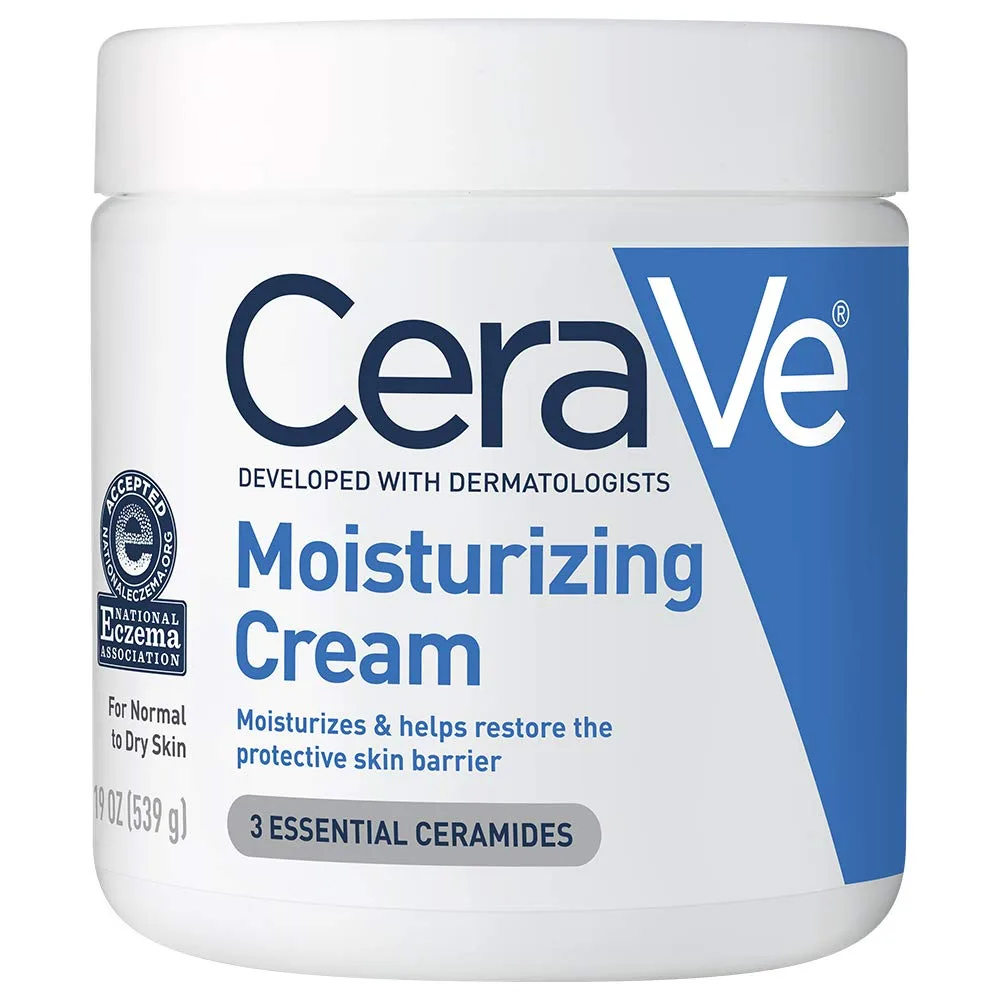
 Moisturizing Cream
The CeraVe Moisturizing Cream is the most important moisturizer in the drugstore — a ceramide-rich, dermatologist-developed formula that delivers barrier repair, multi-humectant hydration, and occlusive protection at a price so accessible it has no real excuse not to be in every household. Twenty-one years of consistent performance and universal dermatologist approval speak louder than any ingredient list.
 Barrier Repair Pioneer
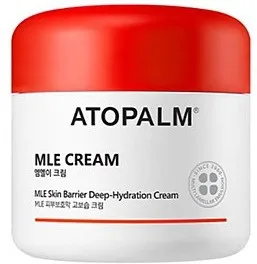
 MLE Cream
Atopalm MLE Cream is one of the genuinely scientifically anchored barrier moisturizers in K-beauty — a fragrance-free, pseudo-ceramide cream built around a patented liquid-crystal lipid structure that mimics the skin's own intercellular matrix. For eczema, atopic skin, post-procedure recovery, or anyone with a stinging compromised barrier, it's one of the most reliably effective moisturizers in the entire category.
 K-Beauty Barrier Repair Staple
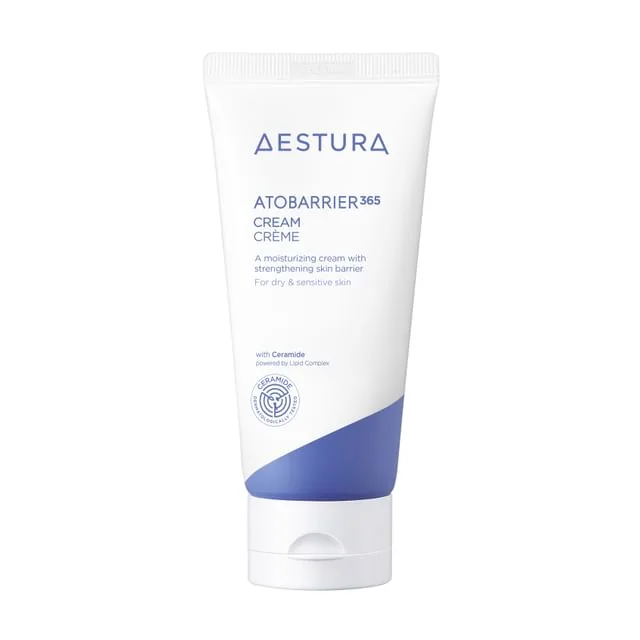
 Atobarrier 365 Cream
A Korean pharmacy cream that earns its cult following the hard way — with a lamellar lipid structure that actually rebuilds the barrier, not just coats it. If your skin has been through a rough winter, a retinoid ramp-up, or a bad reaction, this is the jar that quietly puts it back together.
 Korean Derm Clinic Recovery Pick
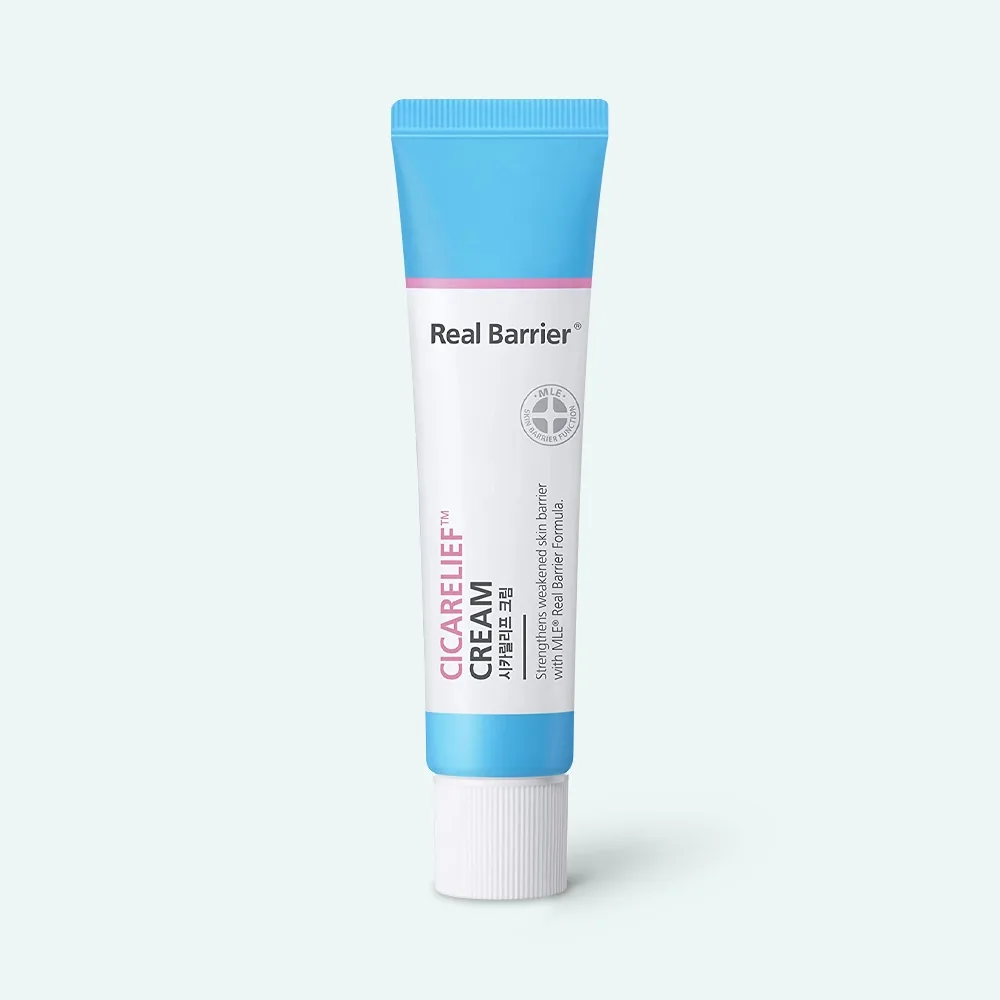
 Real Barrier Cicarelief Cream
One of the best consumer cica creams on the market, combining the full spectrum of centella actives with NeoPharm's MLE ceramide delivery and multiple complementary calming ingredients. Ideal for compromised, reactive, rosacea-prone, or recovering skin, and a staple in Korean dermatology clinic protocols. Minor limitations on packaging, but the formulation is genuinely excellent.
 Transparent 10% Panthenol Cream
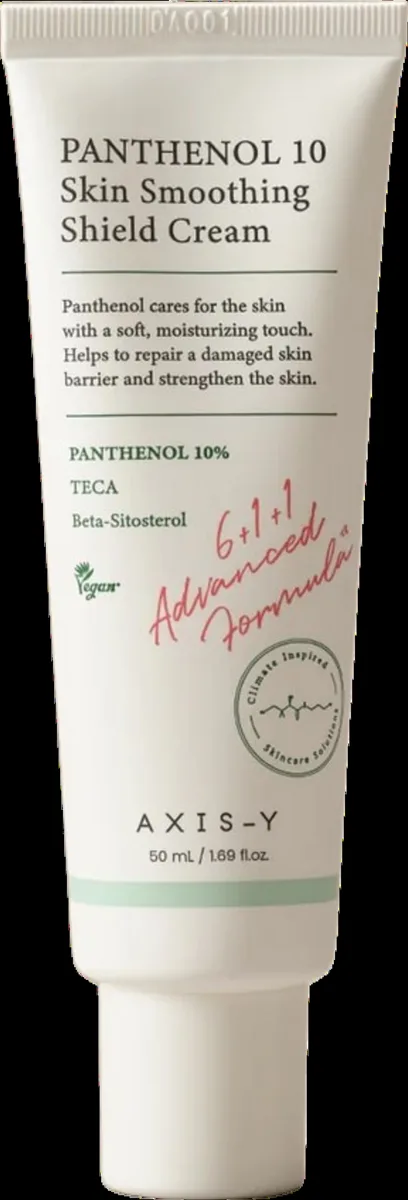
 Panthenol 10 Skin Smoothing Shield Cream
A disclosed 10% panthenol barrier cream built around a full physiological ceramide trio, a centella calming cast, and a modest shea butter occlusive. Fragrance-free, cross-season, and unusually transparent about its hero active — one of the brand's strongest moisturizer formulations.
 K-Beauty Icon
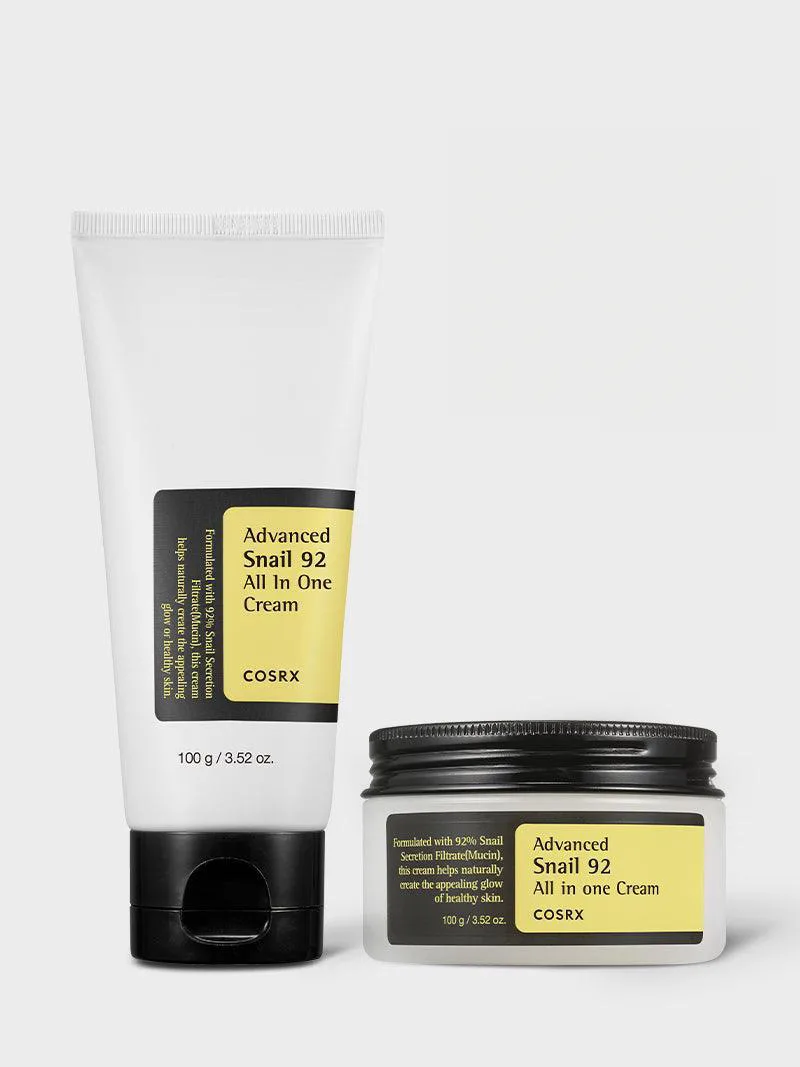
 Advanced Snail 92 All in One Cream
The cream that helped prove snail mucin to the world — and a decade later, it still deserves the reputation. At 92% snail secretion filtrate in a fragrance-free, gentle gel-cream, it delivers hydration, soothing, and gradual skin improvement across virtually every skin type. The texture takes getting used to, but 13 million sold units and 25,000+ reviews suggest most people manage.
This review reflects our independent analysis of publicly available ingredient data, manufacturer claims, and verified user reviews. We are reader-supported — Amazon links may earn us a commission at no cost to you. We do not accept paid placements; rankings are based solely on the evidence.