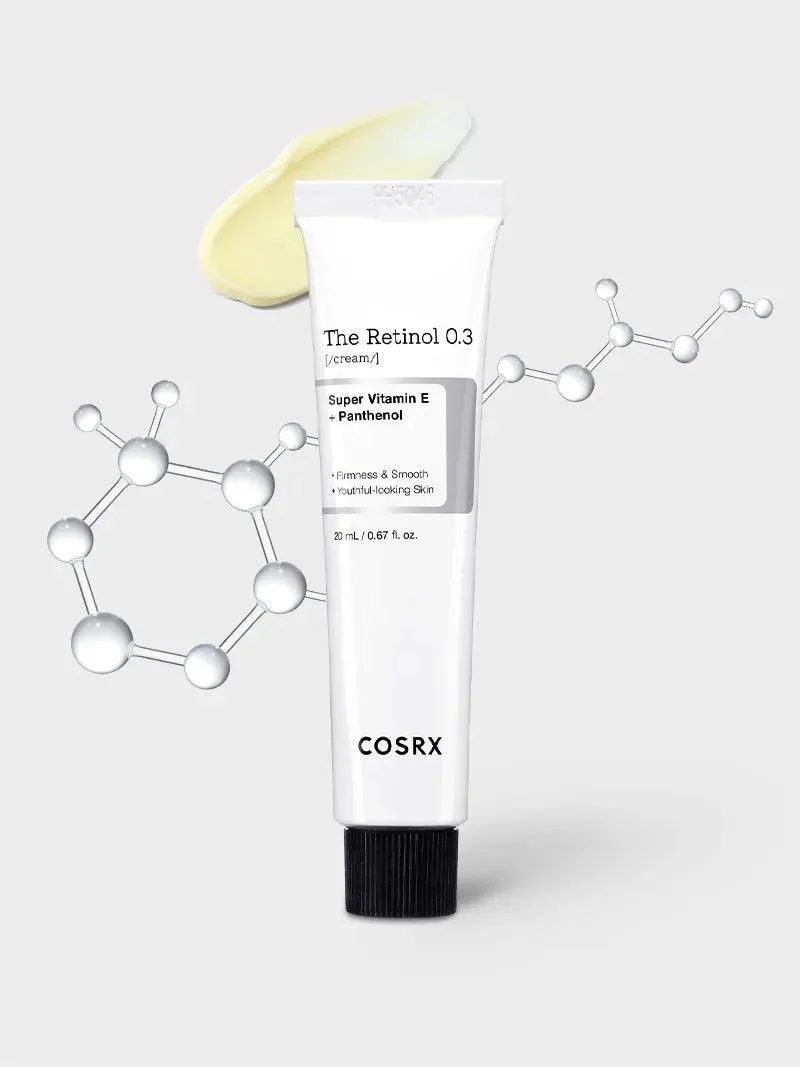
The logical next step for anyone who mastered the 0.1% — same excellent seven-antioxidant and five-HA support system, three times the retinol potency. Delivers more visible anti-aging results with a manageable adjustment period for adapted skin. The tiny tube and refrigeration requirement remain pain points, but the formulation quality is hard to fault.
The Retinol 0.3 Cream
The logical next step for anyone who mastered the 0.1% — same excellent seven-antioxidant and five-HA support system, three times the retinol potency. Delivers more visible anti-aging results with a manageable adjustment period for adapted skin. The tiny tube and refrigeration requirement remain pain points, but the formulation quality is hard to fault.
Score Breakdown
Same excellent antioxidant and hydration infrastructure as the 0.1%, now with triple the retinol concentration. The higher potency delivers more visible anti-aging results but narrows the audience — sensitive and retinol-naive skin types need to start with the 0.1% first. Value score reflects the small 20 mL tube at $29.
Data Confidence: medium
This product launched in December 2023 with approximately 500-800 reviews across retailers over two-plus years on market. The formulation closely mirrors the well-reviewed 0.1% version with a concentration increase. Scoring is well-supported by ingredient analysis and moderate user feedback.
0/100
Overall Score
Ingredient Quality 0
Value for Money 0
Suitability Breadth 0
Irritation Risk (↑ = safer) 0
Assessment
Pros
- Triple the retinol concentration with the same comprehensive seven-antioxidant stabilization system
- Five hyaluronic acids maintain the hydration buffer critical at higher retinol concentrations
- Smooth transition for 0.1% users — same texture, same feel, noticeably stronger results
- Visible texture improvement and brightening within 1-2 weeks for adapted skin
- Fragrance-free, cruelty-free, and vegan with well-studied supporting ingredients
- Lightweight cream texture absorbs quickly with a breathable satin finish
- Part of a systematic graduated approach (0.1% → 0.3% → 0.5%)
Cons
- 20 mL tube at $29 offers limited product for the price — same issue as the 0.1%
- Aluminum tube prone to cracking and paint flaking with extended use
- Requires refrigerated storage which limits portability and travel convenience
- Not suitable for retinol beginners — irritation risk is real without prior adaptation
- Not pregnancy-safe — standard for all retinol products
Full Review
Most retinol brands treat concentration tiers like different products. The beginner version gets the soothing ingredients, the hydrating extras, the gentle marketing. The stronger version strips all that away and says 'good luck' — as if adapted skin no longer needs support. COSRX took a different approach with The Retinol 0.3 Cream. They kept everything.
Launched in December 2023, exactly fifteen months after the 0.1% starter, this cream shares an almost identical ingredient list with its gentler sibling. The seven-antioxidant stabilization system — tocotrienols, tocopherol, tocopheryl acetate, ascorbic acid, 3-O-ethyl ascorbic acid, glutathione, and beta-carotene — is unchanged. The five hyaluronic acid types providing multi-depth hydration are unchanged. The panthenol, shea butter, and allantoin soothing infrastructure is unchanged. COSRX simply tripled the retinol concentration and kept the protective ecosystem intact.
This matters more than it might sound. At 0.3%, retinol becomes meaningfully more active. Cell turnover accelerates. Collagen stimulation intensifies. But so does the potential for irritation, dryness, and the flaking that makes people self-conscious about their skin while supposedly improving it. The conventional industry approach to this trade-off is to accept more side effects as the cost of stronger results. COSRX's approach is to maintain the same buffering investment at the higher concentration, so the experience of stepping up feels like turning a dial rather than flipping a switch.
In practice, this translates to a transition that most retinol-adapted users find manageable. If you've been using the 0.1% nightly for three months or longer, moving to the 0.3% typically produces mild extra peeling for one to two weeks, possibly some additional dryness around the nose and mouth, and then a return to comfortable nightly use. The five-HA complex does its job — providing surface-level moisture retention, deeper hydration, and sustained-release moisture that specifically counteracts retinol-induced barrier disruption.
Results become more visible, more quickly, compared to the 0.1%. Most users report noticeable texture improvement and brightening within one to two weeks. By the four to six week mark, fine lines show meaningful softening. By eight to twelve weeks, skin elasticity and pore appearance improvements become clear to others, not just to you scrutinizing your face in bathroom lighting. The combination of retinol's cell turnover effects with the glutathione and dual vitamin C's brightening effects creates a comprehensive anti-aging treatment in a single step.
The texture is identical to the 0.1% — lightweight cream that absorbs quickly, leaves a breathable satin finish from the polysilicone-11, and doesn't interfere with sleep or pillow contact. No fragrance, no detectable scent beyond a faint vitamin note. If you liked how the 0.1% felt on your skin, the 0.3% feels exactly the same. The difference is entirely in what happens under the surface.
The packaging complaints from the 0.1% carry over unchanged. The aluminum tube protects against light — essential for retinol stability — but can crack, ooze, and flake paint with repeated squeezing. The 20 mL size means you're managing a small tube carefully to avoid waste. COSRX recommends refrigerated storage at 3-10°C, which is more important at 0.3% because there are more retinol molecules to protect from oxidative degradation. A skincare fridge earns its counter space here.
At twenty-nine dollars for twenty milliliters — two dollars more than the 0.1% — the value calculation has the same tension. You're paying for the full support system, not just the retinol. A pea-sized amount per night means the tube lasts six to twelve weeks depending on usage frequency and how many areas you cover. Monthly cost runs roughly fifteen to twenty dollars, which is moderate for a retinol treatment but high for a twenty-milliliter product.
The honest limitation of this product is one of positioning rather than formulation. At 0.3%, this sits in the middle of COSRX's graduated system — stronger than the 0.1% starter but less potent than the 0.5% advanced option. Users who've adapted to 0.3% and want more may find the jump to 0.5% (which uses an oil base rather than a cream) a significant texture change. And users who are doing well on 0.1% may question whether stepping up is necessary — especially if their primary concern is texture and brightness rather than significant wrinkles.
But for the specific audience this targets — retinol-experienced users ready for more visible anti-aging results without abandoning the comfort of a well-buffered cream — this is one of the best-formulated intermediate retinol products available. COSRX understood that stepping up concentration doesn't mean stripping down support, and the result is a mid-strength retinol that treats the graduation like an achievement to be supported, not a hazing to be survived.
Formula
Ingredients
The hero actives that drive this product's performance.
| Ingredient | Function | Evidence |
|---|---|---|
| Retinol (0.3%) (0.3%) | Three times the concentration of the 0.1% starter, this mid-strength pure retinol accelerates cell turnover, stimulates collagen synthesis, and targets established fine lines and texture with more urgency. The same multi-antioxidant stabilization system (seven antioxidants) protects this higher concentration from degradation, maintaining potency in the tube and on the skin. | well-established |
| Tocotrienols (Super Vitamin E) | Provides 40-60 times the antioxidant potency of standard tocopherol, stabilizing the 0.3% retinol against oxidation while delivering independent anti-aging and photoprotective benefits. At this higher retinol concentration, the tocotrienol's stabilizing role becomes even more critical — more retinol means more molecules to protect from degradation. | promising |
| Five Types of Hyaluronic Acid | The same multi-depth hydration system as the 0.1% version, providing sustained moisture at five layers of the epidermis. At 0.3% retinol, the drying and barrier-disrupting effects are more pronounced, making this five-HA safety net more functionally important — it's the primary defense against the flaking and tightness that mid-strength retinol can cause. | well-established |
| Panthenol & Shea Butter | The soothing duo positioned high on the INCI list provides anti-inflammatory support and occlusive barrier protection. Panthenol penetrates and calms from within while shea butter creates a protective lipid layer on the surface — together preventing the irritation and moisture loss that 0.3% retinol can trigger during the adjustment period. | well-established |
| Glutathione & Dual Vitamin C | The same triple-antioxidant system as the 0.1% version — glutathione, ascorbic acid, and 3-O-ethyl ascorbic acid — provides retinol stabilization and independent brightening. At 0.3%, the additional brightening support from these antioxidants becomes more meaningful, helping to address the hyperpigmentation and dullness that retinol targets alongside its anti-wrinkle effects. | well-established |
Full INCI List
Water, Caprylic/Capric Triglyceride, Butylene Glycol, Glycerin, Glycine Soja (Soybean) Oil, Tocopherol, Tocopheryl Acetate, Cetearyl Alcohol, Trehalose, Panthenol, Butyrospermum Parkii (Shea) Butter, Ammonium Acryloyldimethyltaurate/VP Copolymer, Dimethicone, Glyceryl Polymethacrylate, Polyglyceryl-10 Stearate, Hydrogenated Lecithin, Helianthus Annuus (Sunflower) Seed Oil, Hydroxyethyl Acrylate/Sodium Acryloyldimethyl Taurate Copolymer, Carbomer, Retinol, Tromethamine, Glyceryl Stearate, Polysilicone-11, Sodium Sulfite, Daucus Carota Sativa (Carrot) Root Extract, Allantoin, Glyceryl Caprylate, Propanediol, Oryza Sativa (Rice) Bran Wax, Tocotrienols, Stearic Acid, Polyglyceryl-3 Methylglucose Distearate, Palmitic Acid, Ethylhexylglycerin, Disodium EDTA, Adenosine, Sodium Hyaluronate, Sorbitan Isostearate, 1,2-Hexanediol, Elaeis Guineensis (Palm) Oil, Hydrolyzed Hyaluronic Acid, Beta-Carotene, Sodium Hyaluronate Crosspolymer, Myristic Acid, Hyaluronic Acid, Lauric Acid, Sodium Acetylated Hyaluronate, Ascorbic Acid, Limnanthes Alba (Meadowfoam) Seed Oil, 3-O-Ethyl Ascorbic Acid, Glutathione
Product Flags
✓ Fragrance Free✓ Alcohol Free✗ Oil Free✗ Silicone Free✓ Paraben Free✓ Sulfate Free✓ Cruelty Free✓ Vegan✗ Fungal Acne Safe
Potential Irritants
Retinol at 0.3% — higher irritation potential than the 0.1% starter
Compatibility
Skin Match
Best For
Works For
Not Ideal For
Addresses These Conditions
aging dullness texture dark spots large pores
Use With Caution
sensitivity eczema rosacea compromised skin barrier
Routine Step
treatment
Time of Day
PM
Pregnancy Safe
No ✗
Layering Tips
Apply a pea-sized amount to clean, dry skin in the evening after serums. Start with 2-3 nights per week and build to every other night over 6-8 weeks. Follow with a ceramide or barrier-repair moisturizer. Always use sunscreen the following morning.
Results Timeline
Visible texture refinement and brightness within 1-2 weeks. Noticeable softening of fine lines at 4-6 weeks. Significant improvement in elasticity, pore appearance, and wrinkle depth at 8-12 weeks of consistent use. Adjustment period (mild peeling, redness) may last 2-4 weeks.
Pairs Well With
Hyaluronic acid serums (apply before)Ceramide moisturizers (apply after)Broad-spectrum sunscreen SPF 30+ (AM)
Conflicts With
Other retinoidsBenzoyl peroxide (use at different times)Strong AHA/BHA exfoliants on the same night
Sample AM Routine
- Gentle cleanser
- Vitamin C serum
- Moisturizer
- Sunscreen SPF 30+
Sample PM Routine
- Double cleanse
- Hydrating toner
- Hyaluronic acid serum
- COSRX The Retinol 0.3 Cream
- Rich moisturizer
Evidence
Science
The Science
At 0.3%, this cream enters the concentration range where clinical studies have demonstrated significant anti-aging effects with pure retinol.
The most-cited clinical study for OTC retinol is Kafi et al., published in the Archives of Dermatology (2007), which used 0.4% retinol and demonstrated significant increases in glycosaminoglycan and procollagen I expression in sun-damaged skin after 24 weeks. At 0.3%, the concentration is approaching this clinically validated range, and the conversion pathway — retinol to retinaldehyde to retinoic acid via endogenous skin enzymes — is well-established to produce measurable collagen synthesis and cell turnover acceleration.
The dose-response relationship for retinol is not perfectly linear. A study in the Journal of Investigative Dermatology (2006) by Varani et al. demonstrated that even low-dose retinol (0.1%) stimulated fibroblast growth and collagen production in aged human skin, while higher concentrations produced proportionally greater effects alongside proportionally greater irritation. This supports the graduated approach — each step up in concentration delivers incrementally more collagen stimulation.
The seven-antioxidant stabilization system becomes more critical at 0.3%. Retinol degradation follows first-order kinetics — the rate of degradation is proportional to concentration. More retinol molecules means more potential oxidation products (primarily retinaldehyde and then retinoic acid, but also inactive degradation products). The tocotrienol-tocopherol system provides primary radical scavenging, the ascorbic acid and 3-O-ethyl ascorbic acid regenerate oxidized tocopherols, and glutathione serves as the master redox buffer that regenerates the entire chain. This cascading antioxidant recycling is more relevant at higher retinol concentrations.
The five-HA complex addresses the well-documented barrier disruption caused by retinoids. Retinol increases transepidermal water loss (TEWL) during the adaptation period through accelerated desquamation — the shedding of corneocytes outpaces the formation of new lamellar lipid structures. Sodium hyaluronate crosspolymer's sustained moisture release and sodium acetylated hyaluronate's enhanced skin adhesion specifically target this temporary barrier vulnerability, maintaining hydration during the weeks when the skin is most susceptible to dryness.
References
- Improvement of naturally aged skin with vitamin A (retinol) — Archives of Dermatology (2007)
- Vitamin A antagonizes decreased cell growth and elevated collagen-degrading matrix metalloproteinases in human skin in vivo — Journal of Investigative Dermatology (2006)
Dermatologist Perspective
Board-certified dermatologists recognize 0.3% retinol as an intermediate concentration that delivers more visible results than starter doses while remaining within the OTC range. Dermatologists emphasize that this concentration is appropriate only for patients who have successfully adapted to lower concentrations for at least 2-3 months — introducing 0.3% to retinol-naive skin risks a level of irritation that can damage the barrier and set back the patient's skin health. The multi-antioxidant stabilization in this formula is noted favorably by dermatologists, who point out that retinol degradation in unstable products can reduce effective delivered concentration by 50% or more. Dermatologists commonly recommend the 'sandwich method' at this concentration — applying moisturizer before and after the retinol — for patients experiencing dryness, though this formula's built-in hydration system may reduce that need.
Guidance
Usage Guide
How to Use
Apply a pea-sized amount to clean, dry skin in the evening after serums and before moisturizer. Start with 2-3 nights per week for the first 4 weeks. Increase to every other night for weeks 5-8 if tolerated. Build to nightly use by week 8-12 if no persistent irritation. Avoid the immediate eye area initially. Follow with a ceramide moisturizer. Use SPF 30+ sunscreen every morning without exception. Store refrigerated at 3-10°C and in an upright position.
Value Assessment
At $29 for 20 mL, this cream is priced identically per-mL to the 0.1% version with a $2 premium. The 2-pack at $49.30 offers modest savings. Given that the formulation base is nearly identical — same antioxidants, same HAs, same soothing agents — the price difference reflects primarily the higher retinol concentration. Monthly cost runs approximately $15-20 depending on frequency. For an intermediate retinol with this level of supporting ingredient sophistication, the formulation justifies the premium, though the tiny tube remains frustrating for a product you'll want to use consistently for months.
Who Should Buy
Retinol-experienced users who have adapted to 0.1% retinol (or equivalent) for at least 2-3 months and want more visible anti-aging results. Ideal for those targeting established fine lines, pore texture, and hyperpigmentation who appreciate the security of a well-buffered formula during the step-up process.
Who Should Skip
Retinol beginners — start with the 0.1% first. Also skip if you have sensitive, rosacea-prone, or eczema-affected skin that hasn't demonstrated tolerance to lower retinol concentrations. Pregnant or breastfeeding individuals should avoid all retinol products. Users who find the 20 mL format and refrigeration requirement impractical should consider alternatives with larger tubes or more stable retinol derivatives.
Ready to try COSRX The Retinol 0.3 Cream?
Details
Details
Texture
Rich but well-absorbing cream, slightly thicker than a gel-cream. Spreads smoothly and sinks in without leaving a heavy or oily residue. The polysilicone-11 creates a breathable, non-tacky finish.
Scent
Fragrance-free with only a faint characteristic vitamin scent that dissipates immediately on application.
Packaging
20 mL opaque aluminum squeeze tube designed to protect retinol from light. COSRX recommends refrigerated storage (3-10°C). Some users report tube cracking and paint flaking with extended use — the same issue as the 0.1% version.
Finish
satinnon-greasylightweight
What to Expect on First Use
First application may produce mild warmth or tingling — a sign the higher concentration is active. Users who've adapted to 0.1% retinol typically tolerate this well. Those jumping straight to 0.3% without prior retinol experience may experience redness and peeling within the first week. The cream itself feels identical to the 0.1% — lightweight, smooth, quick-absorbing.
How Long It Lasts
6-12 weeks with 3-4 nights per week application
Period After Opening
6 months
Best Season
All Year
Certifications
Dermatologist testedHypoallergenic
Background
The Why
Launched in December 2023, exactly fifteen months after the 0.1% starter, this cream was the natural next step in COSRX's graduated retinol system. The timing was intentional — long enough for 0.1% users to build tolerance and be ready for more potency. The formulation barely changed; COSRX simply tripled the retinol while keeping the protective ecosystem intact.
About COSRX Established Brand (5–20 years)
COSRX was founded in South Korea in 2013, combining 'Cosmetics' with 'Rx' to signal a clinical approach to K-beauty. The brand has earned 135+ global beauty awards and is sold in 146+ countries, with a reputation for effective, no-frills formulations built around well-researched actives.
Brand founded: 2013 · Product launched: 2023
Myth vs. Reality
Myths
Myth
Going from 0.1% to 0.3% retinol means you'll get three times the irritation
Reality
Irritation doesn't scale linearly with concentration. If your skin has adapted to 0.1%, the transition to 0.3% is typically manageable — mild peeling for 1-2 weeks, possibly some extra dryness. The comprehensive buffering system in this formula (five HAs, panthenol, shea butter, allantoin) specifically mitigates the jump. Start at 2-3 nights per week and build up.
Myth
You need to refrigerate all retinol products
Reality
COSRX specifically recommends refrigeration for their retinol creams (3-10°C), and at 0.3%, retinol stability is a real concern — higher concentration means more molecules susceptible to oxidation. While not all retinol products require refrigeration (some have more robust stabilization systems), storing this particular product in the fridge is worthwhile given its relatively minimal preservative system.
FAQ
FAQ
Should I start with 0.1% or go straight to 0.3% retinol?
If you've never used retinol before, start with the 0.1%. The 0.3% is designed as a step-up for skin that has already adapted to lower concentrations over at least 2-3 months. Jumping straight to 0.3% without retinol experience significantly increases your risk of irritation, redness, and peeling that may make you want to quit entirely.
How does COSRX Retinol 0.3 compare to the 0.1 version?
The formulation base is nearly identical — same seven antioxidants, same five hyaluronic acids, same soothing agents. The only meaningful difference is triple the retinol concentration (0.3% vs 0.1%). This means more visible anti-aging results but also higher irritation risk. The 0.3% costs $2 more ($29 vs $27) for the same 20 mL tube size.
Do I need to refrigerate COSRX Retinol 0.3 Cream?
COSRX recommends storing this product at 3-10°C (refrigerated) and in an upright position. At 0.3%, there's more retinol to degrade, making proper storage more important. Refrigeration slows oxidation and extends the active retinol's potency. If refrigeration isn't possible, store in the coolest, darkest place available.
How often should I use COSRX Retinol 0.3?
Start with 2-3 nights per week for the first 4 weeks. If tolerated without persistent redness or peeling, increase to every other night for weeks 5-8. Most users can build to nightly use (or near-nightly) by week 8-12. Always listen to your skin — if irritation increases, reduce frequency rather than pushing through.
Can I use COSRX Retinol 0.3 around my eyes?
Proceed with caution. The eye area has thinner, more delicate skin that's more susceptible to retinol irritation. If you tolerated the 0.1% around your eyes, the 0.3% may be fine with careful, sparing application. If you experience stinging, redness, or peeling around the eyes, restrict application to the broader face and use the 0.1% for the eye area.
Community
Community
Common Praise
"Noticeable improvement in skin texture and smoothness within 1-2 weeks"
"Lightweight cream texture absorbs well without greasiness"
"Effective step-up from the 0.1% with more visible anti-aging results"
"No irritation for users who had adapted to 0.1% retinol first"
"Improved skin brightness and elasticity with consistent use"
Common Complaints
"Very small 20 mL tube runs out quickly at the $29 price point"
"Can cause retinol burn and peeling if introduced too aggressively"
"Aluminum tube packaging prone to cracking with repeated use"
"Requires refrigerated storage which limits travel convenience"
"Not clearly labeled as non-beginner product on some retail sites"
Notable Endorsements
Featured in beauty media at launch as a K-beauty retinol step-up
Appears In
best intermediate retinol cream best k beauty retinol best retinol for fine lines best retinol step up
Related Conditions
aging dullness texture dark spots large pores
Related Ingredients
You Might Also Like
 K-Beauty Icon
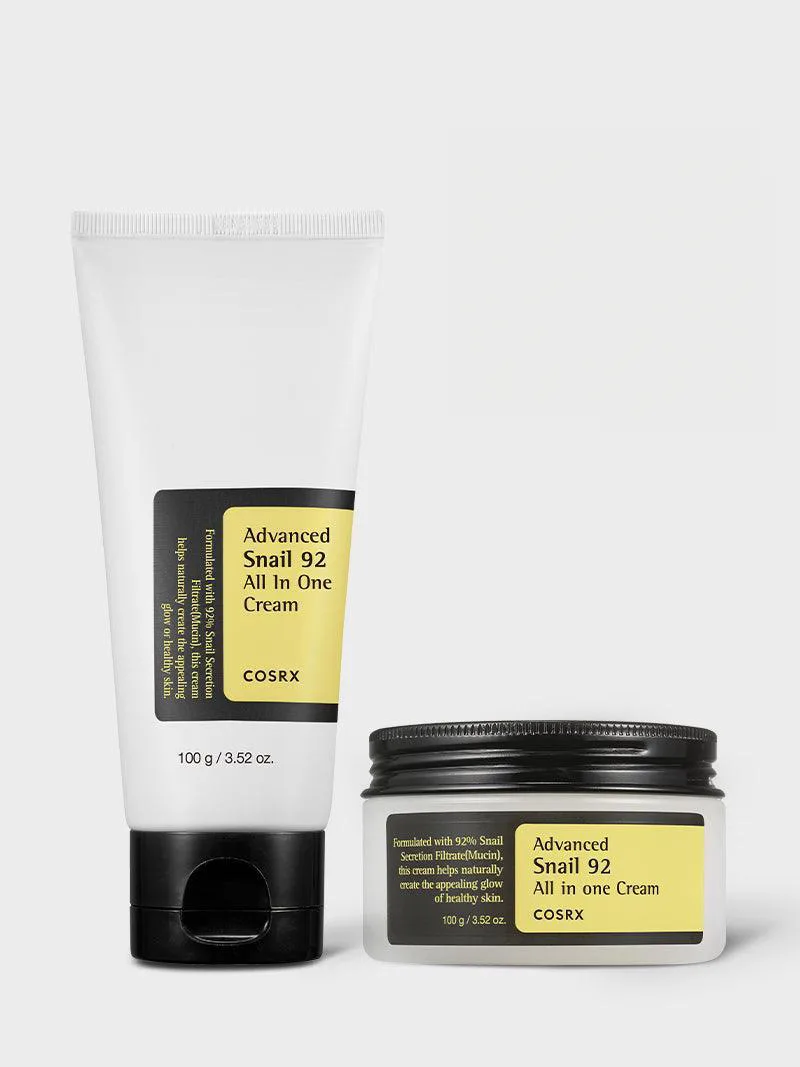
 Advanced Snail 92 All in One Cream
The cream that helped prove snail mucin to the world — and a decade later, it still deserves the reputation. At 92% snail secretion filtrate in a fragrance-free, gentle gel-cream, it delivers hydration, soothing, and gradual skin improvement across virtually every skin type. The texture takes getting used to, but 13 million sold units and 25,000+ reviews suggest most people manage.
 Beginner-Friendly Retinoid
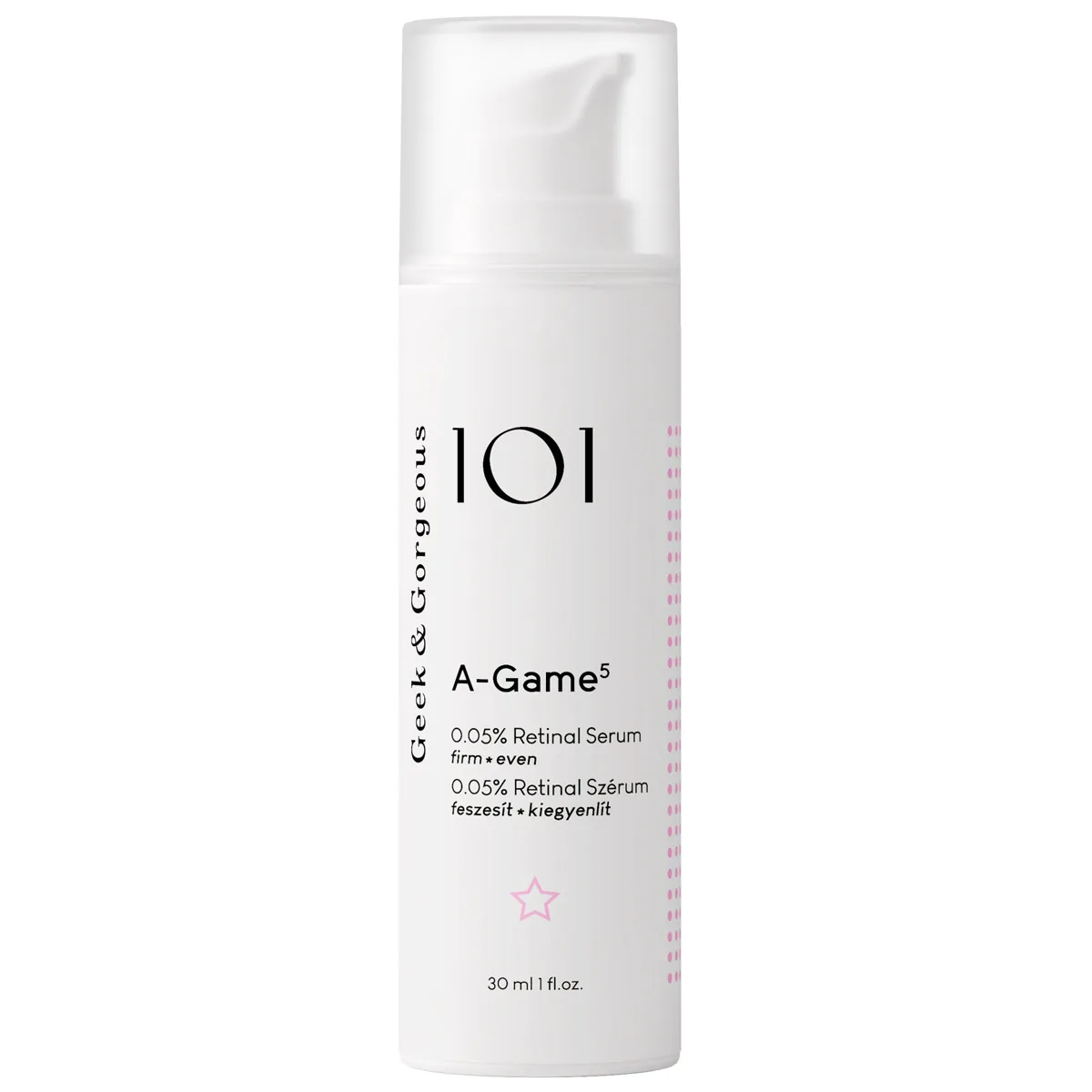
 A-Game 5 Retinal Serum
The ideal beginner's retinaldehyde serum — a properly dosed 0.05% retinal in a buffered, fragrance-free formula at a price that makes long-term retinoid use actually sustainable. Same thoughtful supporting ingredients as the higher-strength A-Game 10 at half the potency, which is exactly the point. If you've never used a real retinoid, this is one of the best entry points on the market.
 Derm-Grade Retinal at Drugstore Price
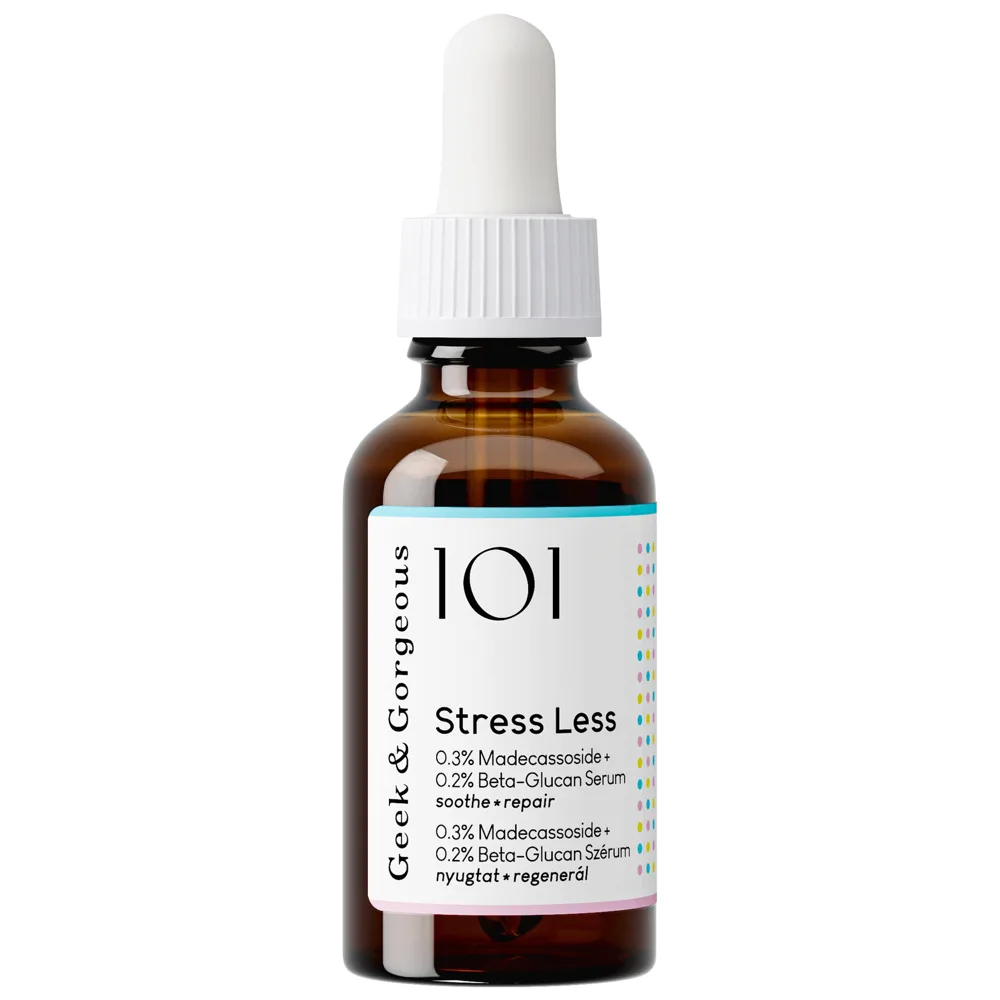
 Stress Less 0.3% Retinal Serum
A genuinely derm-grade 0.3% retinaldehyde serum at a price that shouldn't be possible. The ceramide and bisabolol buffering keeps it tolerable for experienced retinoid users, and the results — on texture, tone, and fine lines — rival premium retinals costing four times as much.
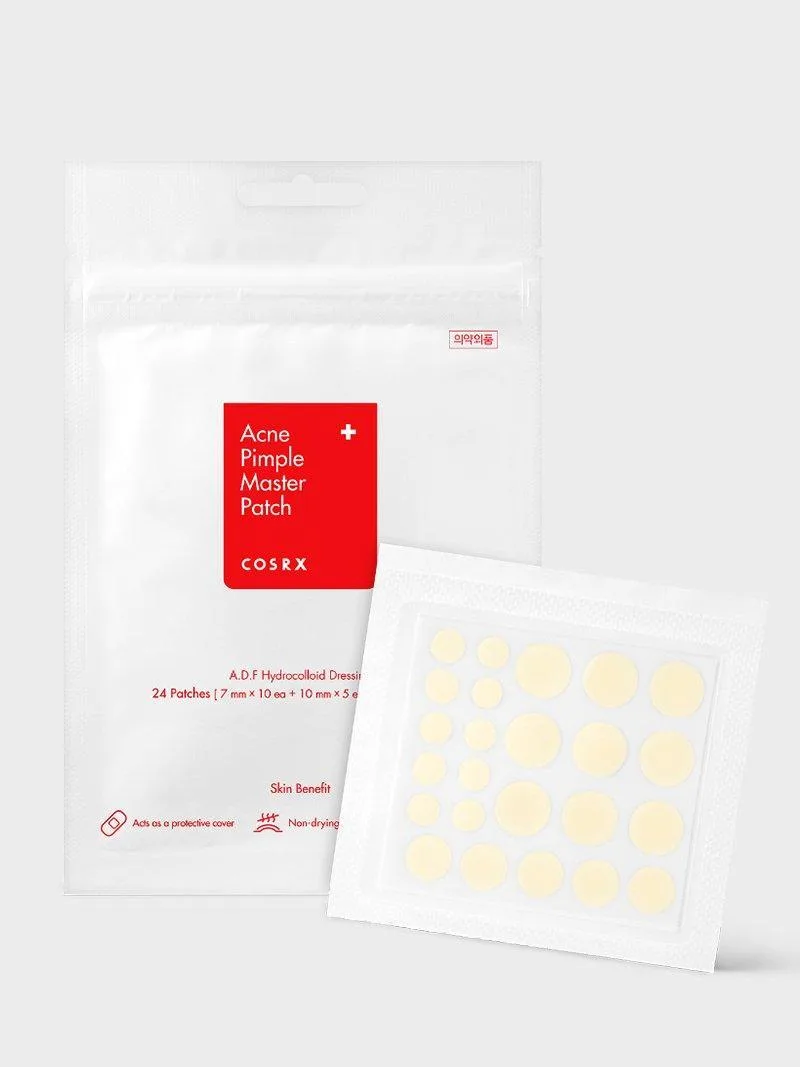 The Original Pimple Patch
 Acne Pimple Master Patch
The product that launched a category. A no-frills hydrocolloid patch that does exactly one thing — absorb fluid from surfaced blemishes and protect them while they heal — and does it so well, so cheaply, and so satisfyingly that it has sold tens of millions of units and spawned an entire industry of imitators.
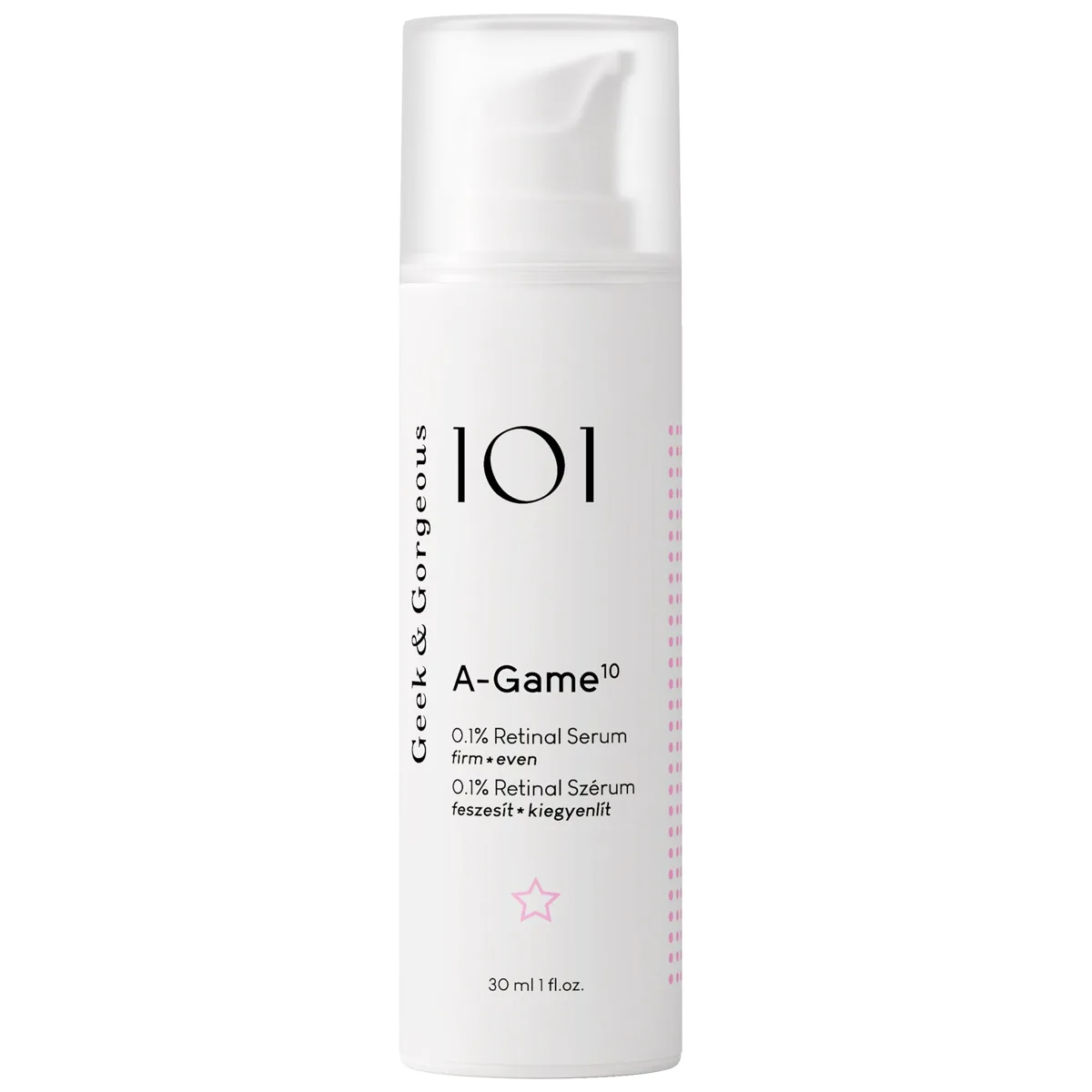 Budget Retinal Holy Grail
 A-Game 10 Retinal Serum
One of the most disruptive products in the retinoid category — a 0.1% retinaldehyde serum at around $16 when equivalent concentrations from derm brands cost $60-120. The formulation is thoughtful, the airless packaging is right, and the price point has no real competitor. Not for retinoid beginners: start with the 5 version and step up to this after a few months.
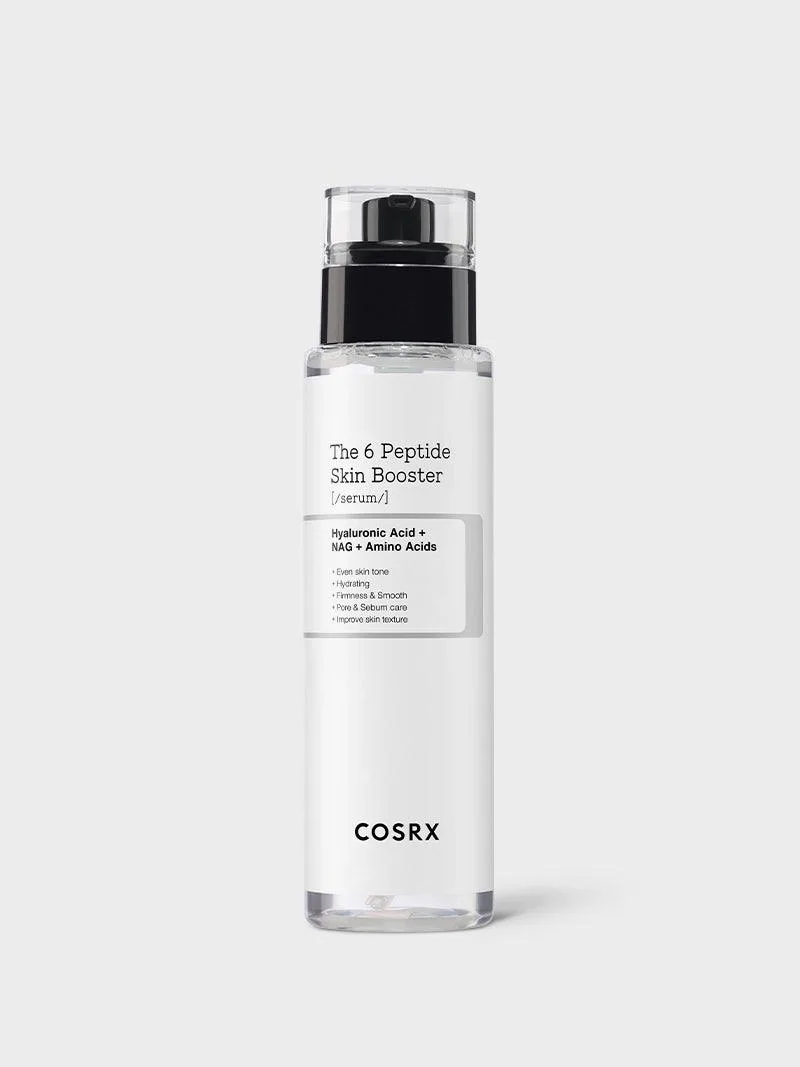 K-Beauty Peptide Powerhouse
 6 Peptide Skin Booster Serum
A remarkably well-formulated multi-peptide serum that delivers six targeted peptides, niacinamide, adenosine, and a full amino acid complex at a price that makes most prestige peptide serums look embarrassed. The lightweight, everything-friendly texture and generous 150 mL size make this one of the best values in anti-aging skincare.