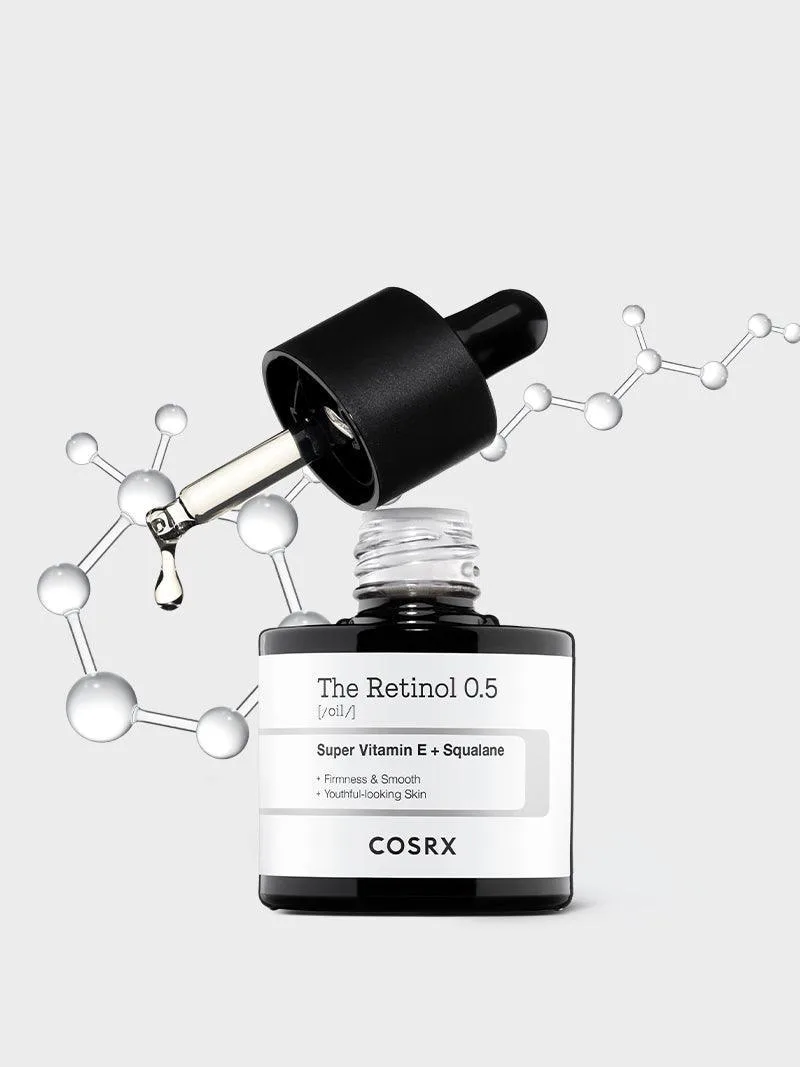
The final boss of COSRX's retinol trilogy. A 0.5% pure retinol dissolved in squalane for maximum stability, wrapped in the same antioxidant and hydration system as the cream versions. It delivers the most visible anti-aging results of the three — but the oil texture, 3-month shelf life, and narrower audience make it a specialist tool rather than a universal recommendation.
The Retinol 0.5 Oil
The final boss of COSRX's retinol trilogy. A 0.5% pure retinol dissolved in squalane for maximum stability, wrapped in the same antioxidant and hydration system as the cream versions. It delivers the most visible anti-aging results of the three — but the oil texture, 3-month shelf life, and narrower audience make it a specialist tool rather than a universal recommendation.
Score Breakdown
Where this product gains points and where it loses them — broken down across the four scoring pillars.
The most potent and innovative product in COSRX's retinol system — the anhydrous oil base maximizes retinol stability, and the formulation complexity is exceptional. However, the high concentration narrows the audience significantly, the oil texture isn't universally appealing, and the 3-month PAO creates a use-it-or-waste-it pressure.
Pros & Cons
- ✓Anhydrous squalane base provides superior retinol stability compared to water-based formulations
- ✓0.5% pure retinol — the strongest OTC concentration in COSRX's graduated system
- ✓Clinical testing showed 22% wrinkle reduction and 45% pore improvement in 2-4 weeks
- ✓Dual-phase formulation delivers both oil-phase stability and water-phase hydration benefits
- ✓Only 1-2 drops per application — extremely efficient product usage
- ✓Squalane provides built-in occlusive protection against retinol-induced dryness
- ✓Same seven-antioxidant system and five-HA complex as the cream versions
- ✗3-month PAO means you'll likely waste product — bottle contains 4-5 months of supply
- ✗Oil texture with 10-20 minute absorption window isn't practical for everyone
- ✗Too heavy and oily for oily and acne-prone skin types
- ✗Glass dropper exposes formula to air and light with each use — undermines the stability advantage
- ✗Not pregnancy-safe — standard for all retinol products
Full Review
Retinol and water don't get along. This isn't a marketing claim — it's basic chemistry. Retinol molecules are unstable and degrade through hydrolysis when suspended in water-based formulations, losing potency week by week from the moment you open the container. Most retinol creams compensate with antioxidants and light-protective packaging, but the fundamental instability remains. COSRX's solution for their highest-concentration retinol was elegantly simple: remove the water.
The Retinol 0.5 Oil uses squalane as its primary vehicle — a stable, non-comedogenic oil that creates an anhydrous environment where retinol can't hydrolyze. The retinol is dissolved directly in the oil phase, protected by tocotrienols, tocopherol, and BHT as primary antioxidants. This means the 0.5% retinol you apply on day one is much closer in potency to the 0.5% retinol you apply on day ninety than it would be in any water-based formula. For a molecule as finicky as retinol, the delivery vehicle matters as much as the concentration.
The formula is more complex than a simple oil-and-retinol solution. Examining the full INCI reveals what appears to be a hybrid formulation — a primary oil phase (squalane, soybean oil, retinol, antioxidants) combined with an encapsulated or emulsified cream component (containing the five hyaluronic acids, panthenol, shea butter, and even a secondary retinol listing). This dual-phase approach is technically sophisticated: the oil phase maximizes retinol stability and penetration, while the encapsulated cream phase delivers water-based actives that the oil alone can't provide. It's like getting a retinol oil and a retinol cream in the same dropper bottle.
The clinical testing data is solid. Conducted by the Dermacosmetic Skin Science Laboratory, the trials showed a 22% reduction in forehead wrinkles after four weeks, 17% improvement in eye area lines, and over 45% reduction in pore volume within two weeks. WIMJ rated its effectiveness at 93/100 — one of the highest scores in the retinol category. The numbers align with what 0.5% retinol research would predict, suggesting the formulation delivers its retinol effectively.
Using this product is a different experience from the cream versions. One to two drops from the glass dropper — that's all you need. The oil spreads easily with a silky slip, covering the face with a thin, dewy film. The absorption window is the first notable difference: ten to twenty minutes. Where the cream versions absorb within a minute and leave a matte finish, this oil takes its time, maintaining a visible sheen until the squalane fully integrates with the skin's lipid layer. If you're getting into bed immediately after application, expect some transfer to your pillow during that window.
By morning, the oil has completely absorbed and the results are apparent. Skin feels genuinely softer, smoother, and more luminous than with the cream versions. The occlusive protection from the squalane base means less moisture loss overnight, which translates to skin that looks plumper and more rested in the morning. Over weeks of consistent use, the anti-aging effects are more pronounced than either the 0.1% or 0.3% — fine lines soften more noticeably, texture becomes more refined, and the overall radiance improvement is visible to others, not just to you.
The three-month PAO is the product's most significant practical limitation. At one to two drops per use, three to four nights per week, the twenty-milliliter bottle contains enough product for four to five months. But COSRX says to discard after three months. This means you'll likely throw away one to two months' worth of product — or you'll keep using it past the recommended date, gambling on whether the retinol has maintained potency. Neither option feels good. The glass dropper, while precise, compounds the problem by exposing the formula to air with each use. An airless pump or sealed single-dose capsules would have been more aligned with the stability-first philosophy.
The audience for this product is deliberately narrow. You need to be experienced with retinol — ideally having used 0.3% for several months without persistent irritation. You need to be comfortable with an oil texture on your face at night. You need to be willing to refrigerate the product and use it within three months. And you need to not have oily or acne-prone skin, for which the squalane base will likely feel too heavy and the ten-to-twenty-minute absorption time too long.
For those who fit the profile — dry to normal skin, anti-aging focused, retinol-adapted, and willing to commit to the routine — this is one of the most thoughtfully formulated OTC retinol products available. The anhydrous stability advantage is real, the supporting ingredient system is excellent, and the clinical results are measurable. COSRX built the strongest retinol in their arsenal and gave it the most stable home they could engineer. The glass bottle and three-month window just mean you have to use it with intention.
Formula
Key Ingredients
The hero actives that drive this product's performance.
| Ingredient | Function | Evidence |
|---|---|---|
| Retinol (0.5%) (0.5%) | The highest concentration in COSRX's graduated system, 0.5% pure retinol delivers aggressive cell turnover acceleration and collagen stimulation for established wrinkles and significant texture concerns. Dissolved in a squalane oil base rather than a water-based cream, the retinol achieves greater stability — water is retinol's enemy, and the anhydrous vehicle dramatically slows oxidative degradation. | well-established |
| Squalane | The primary vehicle and first ingredient in this formula. Squalane is a stable, non-comedogenic oil that mimics the skin's natural sebum. As the carrier for 0.5% retinol, it serves triple duty: stabilizing the retinol in an anhydrous environment, providing occlusive barrier protection against retinol-induced dryness, and enhancing the retinol's penetration through the lipid-rich intercellular matrix of the stratum corneum. | well-established |
| Tocotrienols & Tocopherol | The vitamin E duo appears twice in the formula — in both the oil phase and the encapsulated cream phase — providing layered antioxidant protection. Tocotrienols' 40-60x greater antioxidant potency compared to standard tocopherol makes them especially valuable at this high retinol concentration, where more molecules are susceptible to oxidative degradation. | well-established |
| Five Types of Hyaluronic Acid | Present in the encapsulated cream component of this hybrid formula, the five-HA system provides the same multi-depth hydration as the cream versions. At 0.5% retinol, barrier disruption and transepidermal water loss are at their most significant, making the sustained-release crosspolymer HA and adhesion-enhanced acetylated HA critical for preventing the desert-dry feeling that derails high-concentration retinol use. | well-established |
| Glutathione & Dual Vitamin C | The same antioxidant trio as the cream versions — glutathione regenerates oxidized vitamin C, which in turn regenerates oxidized vitamin E, creating a cascading antioxidant recycling system. At 0.5% retinol, this recycling chain works harder and matters more, as the higher concentration creates more oxidative stress within the formula and on the skin. | well-established |
Full INCI List
Squalane, Glycine Soja (Soybean) Oil, Di-C12-13 Alkyl Malate, Retinol, Caprylic/Capric Triglyceride, BHT, Tocotrienols, Tocopherol, Elaeis Guineensis (Palm) Oil, Hydroxymethoxyphenyl Decanone, Water, Caprylic/Capric Triglyceride, Propanediol, Glycerin, Tocopheryl Acetate, Cetearyl Alcohol, Trehalose, Panthenol, Butyrospermum Parkii (Shea) Butter, Glycine Soja (Soybean) Oil, Ammonium Acryloyldimethyltaurate/VP Copolymer, Dimethicone, Glyceryl Polymethacrylate, Helianthus Annuus (Sunflower) Seed Oil, Polyglyceryl-10 Stearate, Hydrogenated Lecithin, Hydroxyethyl Acrylate/Sodium Acryloyldimethyl Taurate Copolymer, Carbomer, Tromethamine, Glyceryl Stearate, Polysilicone-11, Sodium Sulfite, Tocopherol, Daucus Carota Sativa (Carrot) Root Extract, Retinol, Allantoin, Glyceryl Caprylate, Oryza Sativa (Rice) Bran Wax, Tocotrienols, Stearic Acid, Polyglyceryl-3 Methylglucose Distearate, Palmitic Acid, Disodium EDTA, Ethylhexylglycerin, Adenosine, Sorbitan Isostearate, Elaeis Guineensis (Palm) Oil, BHT, Beta-Carotene, Myristic Acid, Lauric Acid, Ascorbic Acid, Limnanthes Alba (Meadowfoam) Seed Oil, 3-O-Ethyl Ascorbic Acid, Glutathione, Sodium Hyaluronate, 1,2-Hexanediol, Hydrolyzed Hyaluronic Acid, Sodium Hyaluronate Crosspolymer, Hyaluronic Acid, Sodium Acetylated Hyaluronate
Product Flags
✓ Fragrance Free✓ Alcohol Free✗ Oil Free✗ Silicone Free✓ Paraben Free✓ Sulfate Free✓ Cruelty Free✓ Vegan✗ Fungal Acne Safe
Potential Irritants
Retinol at 0.5% — significant irritation potential for unadapted skin
Compatibility
Skin Match
Best For
Works For
Not Ideal For
Addresses These Conditions
aging dullness texture dark spots large pores
Use With Caution
sensitivity eczema rosacea compromised skin barrier acne
Routine Step
treatment
Time of Day
PM
Pregnancy Safe
No ✗
Layering Tips
Apply 1-2 drops to clean, dry skin in the evening as the last active step. The oil format means this can double as a treatment and occlusive — you may not need a separate moisturizer on top, though dry skin types may benefit from one. Start with 2 nights per week and build slowly.
Results Timeline
Visible texture improvement and brightness within 1-2 weeks. Clinical testing showed 22% reduction in forehead wrinkles and 17% improvement in eye area lines at 4 weeks. Significant anti-aging results at 8-12 weeks. Adjustment period (peeling, redness) may last 2-6 weeks depending on prior retinol experience.
Pairs Well With
Hyaluronic acid serums (apply before the oil)Gentle cleanserBroad-spectrum sunscreen SPF 30+ (AM — mandatory)
Conflicts With
Other retinoidsBenzoyl peroxideStrong AHA/BHA on the same nightWater-based serums applied after (oil blocks absorption)
Sample AM Routine
- Gentle cleanser
- Vitamin C serum
- Moisturizer
- Sunscreen SPF 30+
Sample PM Routine
- Double cleanse
- Hydrating toner
- Hyaluronic acid serum
- THIS PRODUCT (1-2 drops)
Evidence
Science & Expert Perspective
The Science
The anhydrous oil delivery system in this product addresses one of the most well-documented challenges in retinol formulation: hydrolytic instability.
Retinol degradation in cosmetic formulations has been extensively studied. Research published in the International Journal of Cosmetic Science (2005) demonstrated that retinol in water-in-oil emulsions retained significantly more activity over time compared to oil-in-water formulations, with the water content being the primary driver of degradation. An anhydrous vehicle like squalane eliminates hydrolysis entirely, leaving only oxidative degradation to manage — which the tocotrienol/tocopherol/BHT system addresses.
At 0.5%, the retinol-to-retinoic-acid conversion pathway becomes pharmacologically relevant. Retinol is converted to retinaldehyde by retinol dehydrogenases, then to all-trans retinoic acid (tretinoin) by retinal dehydrogenases. The conversion efficiency is estimated at 5-20% depending on skin enzymes, meaning 0.5% retinol delivers roughly 0.025-0.1% retinoic acid equivalence — comparable to the lowest prescription tretinoin concentrations. A pivotal study by Kafi et al. in the Archives of Dermatology (2007) demonstrated that 0.4% retinol significantly improved fine wrinkles and increased procollagen I expression in photoaged skin.
Squalane as a vehicle offers additional dermatological benefits beyond stability. Research in the Journal of Cosmetic Dermatology (2012) showed that squalane has emollient, antioxidant, and potential anti-tumor properties, and its structural similarity to human sebum facilitates absorption and integration with the skin's natural lipid matrix. This enhances retinol delivery through the intercellular lipid pathway of the stratum corneum — lipophilic molecules like retinol penetrate more efficiently when carried in lipid-compatible vehicles.
The dual-phase formulation — oil exterior with encapsulated cream interior — appears designed to provide both the stability advantages of anhydrous delivery and the hydrating benefits of water-phase ingredients. The five hyaluronic acid types in the cream phase address retinol-induced transepidermal water loss, which studies in the Journal of the European Academy of Dermatology and Venereology have shown increases proportionally with retinoid concentration and duration of use.
References
- Improvement of naturally aged skin with vitamin A (retinol) — Archives of Dermatology (2007)
Dermatologist Perspective
Board-certified dermatologists view 0.5% retinol as the ceiling of effective OTC retinoid therapy. Dermatologists note that the anhydrous oil base represents a formulation approach that prioritizes the molecule's stability over user texture preferences — a trade-off that experienced patients often appreciate once they understand the science. Dermatologists commonly advise patients using 0.5% retinol to expect a 2-4 week adjustment period even with prior retinol experience, and recommend the 'sandwich method' (moisturizer-retinol-moisturizer) for those experiencing persistent dryness. The 3-month PAO is consistent with dermatological guidance on retinol degradation kinetics. For patients who need more aggressive anti-aging results than 0.5% retinol provides, dermatologists typically recommend transitioning to prescription tretinoin rather than seeking higher OTC concentrations.
Guidance
Usage Guide
How to Use
Apply 1-2 drops to clean, dry skin in the evening as the final active step. If using water-based serums (like HA serum), apply those first and let them absorb before applying this oil — oil blocks water-based products from penetrating. Start with 2 nights per week and build to every other night over 6-8 weeks. Allow 10-20 minutes for absorption before sleeping. Use SPF 30+ sunscreen every morning without exception. Store refrigerated at 3-10°C with the bottle upright. Use within 3 months of opening.
Value Assessment
At $27 for 20 mL, the per-mL cost is slightly lower than the 0.3% cream ($29/20 mL). The efficiency of 1-2 drops per use means the physical product lasts 4-5 months — but the 3-month PAO effectively makes it a 3-month supply regardless. Monthly cost is approximately $9-13 depending on frequency, which is reasonable for a high-concentration retinol with this level of formulation sophistication. The 2-pack at $45.90 is only worthwhile if you'll use both bottles consecutively within their shelf lives. Compared to other 0.5% retinol products on the market, the price is competitive, and the squalane stability advantage provides genuine added value.
Who Should Buy
Experienced retinol users (comfortable with 0.3% or equivalent for 3+ months) with normal to dry skin seeking the maximum OTC anti-aging potency. Ideal for those who prioritize results over texture elegance and understand the commitment of refrigeration, 3-month use windows, and oil-based application.
Who Should Skip
Retinol beginners (start with 0.1%). Oily or acne-prone skin types who will find the squalane base too heavy. Anyone who dislikes the feel of face oils or can't wait 10-20 minutes for absorption. Those who travel frequently and can't maintain refrigerated storage. Pregnant or breastfeeding individuals.
Ready to try COSRX The Retinol 0.5 Oil?
Details
Details
Texture
Lightweight facial oil that's thinner than most face oils. Silky on application with a noticeable oil slip. Takes 10-20 minutes to fully absorb, leaving a soft, dewy finish. Not sticky, but distinctly oily during the absorption window.
Scent
Fragrance-free with minimal detectable odor. Some users note a very faint oil-based scent that disappears on application.
Packaging
20 mL dark tinted glass dropper bottle designed to protect retinol from light. The dropper provides precise 1-2 drop dispensing. However, the dropper mechanism exposes the formula to air with each use — less ideal for retinol stability than an airless pump would be.
Finish
dewysmoothsatin
What to Expect on First Use
First application feels distinctly different from the cream versions — this is clearly an oil, with the slip and sheen to match. Mild warmth or tingling is common, especially for those stepping up from 0.3%. The squalane provides an immediate cushioning sensation. By morning, the oil has fully absorbed and skin feels noticeably softer. Adjustment period (mild peeling, sensitivity) typically lasts 2-4 weeks for adapted users.
How Long It Lasts
4-5 months with 1-2 drops, 3-4 nights per week (but PAO limits to 3 months)
Period After Opening
3 months
Best Season
fall winter
Certifications
Dermatologist testedHypoallergenicCruelty-free
Background
The Why
Released alongside the 0.1% cream in late 2022 as the advanced bookend of COSRX's graduated retinol system, this oil was designed for experienced retinol users who needed the highest OTC concentration in the most stable delivery vehicle possible. The choice of an oil base wasn't aesthetic — it was a stability decision. Retinol's arch-nemesis is water, and by eliminating water from the primary phase, COSRX gave the 0.5% concentration its best chance at remaining potent from first drop to last.
About COSRX Established Brand (5–20 years)
COSRX was founded in South Korea in 2013, combining 'Cosmetics' with 'Rx' to signal a clinical approach to K-beauty. The brand has earned 135+ global beauty awards and is sold in 146+ countries, with a reputation for effective, no-frills formulations built around well-researched actives.
Brand founded: 2013 · Product launched: 2022
Myth vs. Reality
Myths & Misconceptions
Myth
Face oils are too heavy for nighttime retinol use — they block the retinol from working
Reality
In this formula, the retinol is dissolved IN the oil — squalane is the delivery vehicle, not a barrier over the retinol. The lipophilic (fat-loving) retinol molecule actually penetrates more effectively through the skin's lipid-rich intercellular matrix when carried in an oil base. The squalane enhances delivery, it doesn't impede it.
Myth
0.5% retinol is close to prescription strength
Reality
While 0.5% is high for OTC retinol, it's still fundamentally different from prescription tretinoin (retinoic acid). Retinol must undergo two enzymatic conversions in the skin to become retinoic acid, and the conversion efficiency is estimated at roughly 5-20%. So 0.5% retinol delivers significantly less active retinoic acid than even the lowest 0.025% tretinoin prescription. It's potent for OTC, but it's not prescription-equivalent.
FAQ
Frequently Asked Questions
Why is the 0.5% retinol in an oil instead of a cream?
Retinol degrades rapidly in water-based formulations. By using a squalane oil base, COSRX eliminates the primary cause of retinol instability. At 0.5% — the highest concentration in their system — this stability advantage is critical. The oil also provides built-in occlusive protection against the dryness that high-concentration retinol causes.
Why is the PAO only 3 months?
Despite the oil base's stability advantages, 0.5% retinol still degrades with repeated air exposure from the dropper. The 3-month PAO reflects COSRX's transparency about potency — they'd rather you discard partially used product than apply degraded retinol that isn't delivering results. Store refrigerated and minimize air exposure time when using the dropper.
Can oily skin use COSRX Retinol 0.5 Oil?
The squalane base, while non-comedogenic, adds noticeable oiliness that most oily skin types won't enjoy. The 10-20 minute absorption time means you'll feel the oil film on your face while falling asleep. If you have oily skin and want high-concentration retinol, the 0.3% cream version offers similar potency in a lightweight cream base that absorbs faster.
How does COSRX 0.5% retinol compare to prescription tretinoin?
They're fundamentally different. Retinol must convert to retinaldehyde and then to retinoic acid (tretinoin) in the skin, with an estimated conversion efficiency of 5-20%. So 0.5% retinol delivers significantly less active retinoic acid than even 0.025% prescription tretinoin. The 0.5% is the strongest OTC retinol COSRX offers, but it's not a prescription replacement for severe aging or acne.
Should I use moisturizer on top of this oil?
For normal to dry skin, the squalane base may provide sufficient moisture — the oil acts as both treatment and occlusive. For very dry skin or during winter, a ceramide cream on top can add extra barrier protection. Note that the oil should be applied AFTER water-based products (serums, toners) since oil creates a barrier that prevents water-based products from penetrating.
Community
Community Voices
Common Praise
"Delivers noticeable anti-aging results — skin texture and radiance improve visibly"
"Squalane base prevents the dryness typical of high-concentration retinol"
"Gentle despite 0.5% concentration thanks to the oil vehicle and buffering system"
"A little goes a long way — only 1-2 drops per application needed"
"Skin feels softer, smoother, and more hydrated by morning"
Common Complaints
"3-month PAO is very short — may not finish the bottle before it expires"
"Oil texture feels too heavy or greasy for oily and combination skin"
"Takes 10-20 minutes to fully absorb before sleeping"
"Dropper design exposes formula to air and light with each use"
"Small 20 mL bottle — even at 1-2 drops, it outlasts the PAO"
Notable Endorsements
Clinical testing by Dermacosmetic Skin Science LaboratoryWIMJ effectiveness score of 93/100
Appears In
best high strength retinol best retinol oil best advanced retinol treatment best squalane retinol
Related Conditions
aging dullness texture dark spots large pores
Related Ingredients
You Might Also Like
 K-Beauty Icon
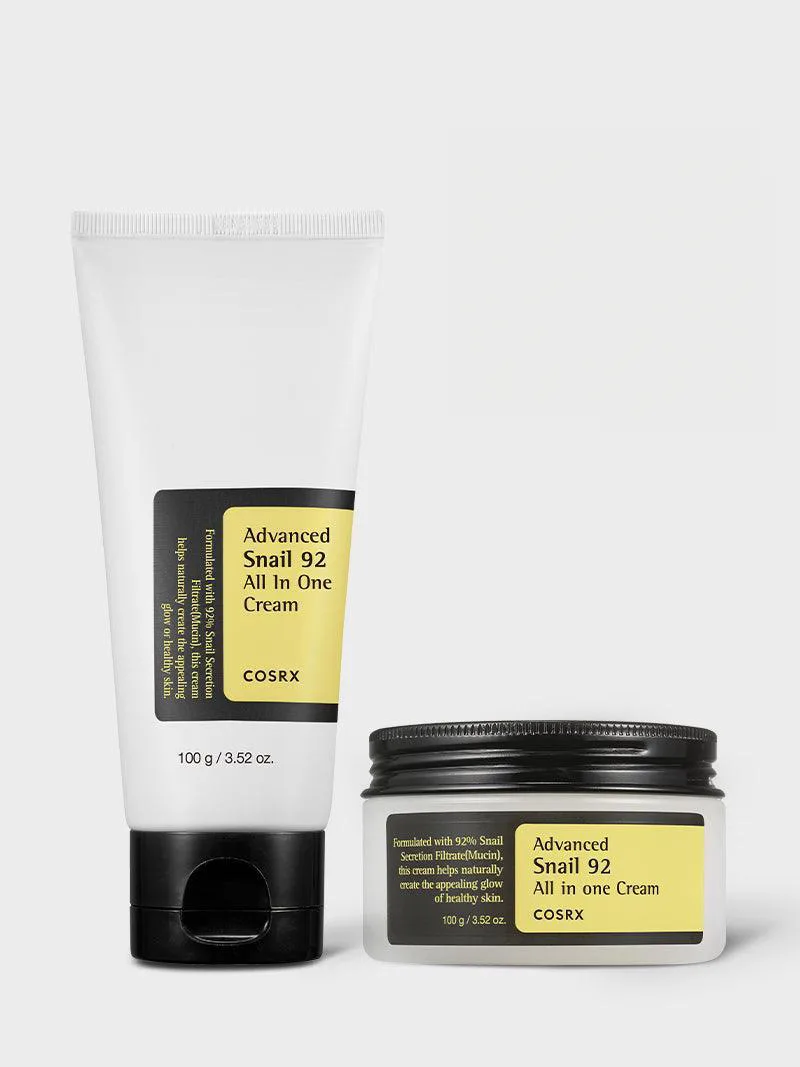
 Advanced Snail 92 All in One Cream
The cream that helped prove snail mucin to the world — and a decade later, it still deserves the reputation. At 92% snail secretion filtrate in a fragrance-free, gentle gel-cream, it delivers hydration, soothing, and gradual skin improvement across virtually every skin type. The texture takes getting used to, but 13 million sold units and 25,000+ reviews suggest most people manage.
 Beginner-Friendly Retinoid
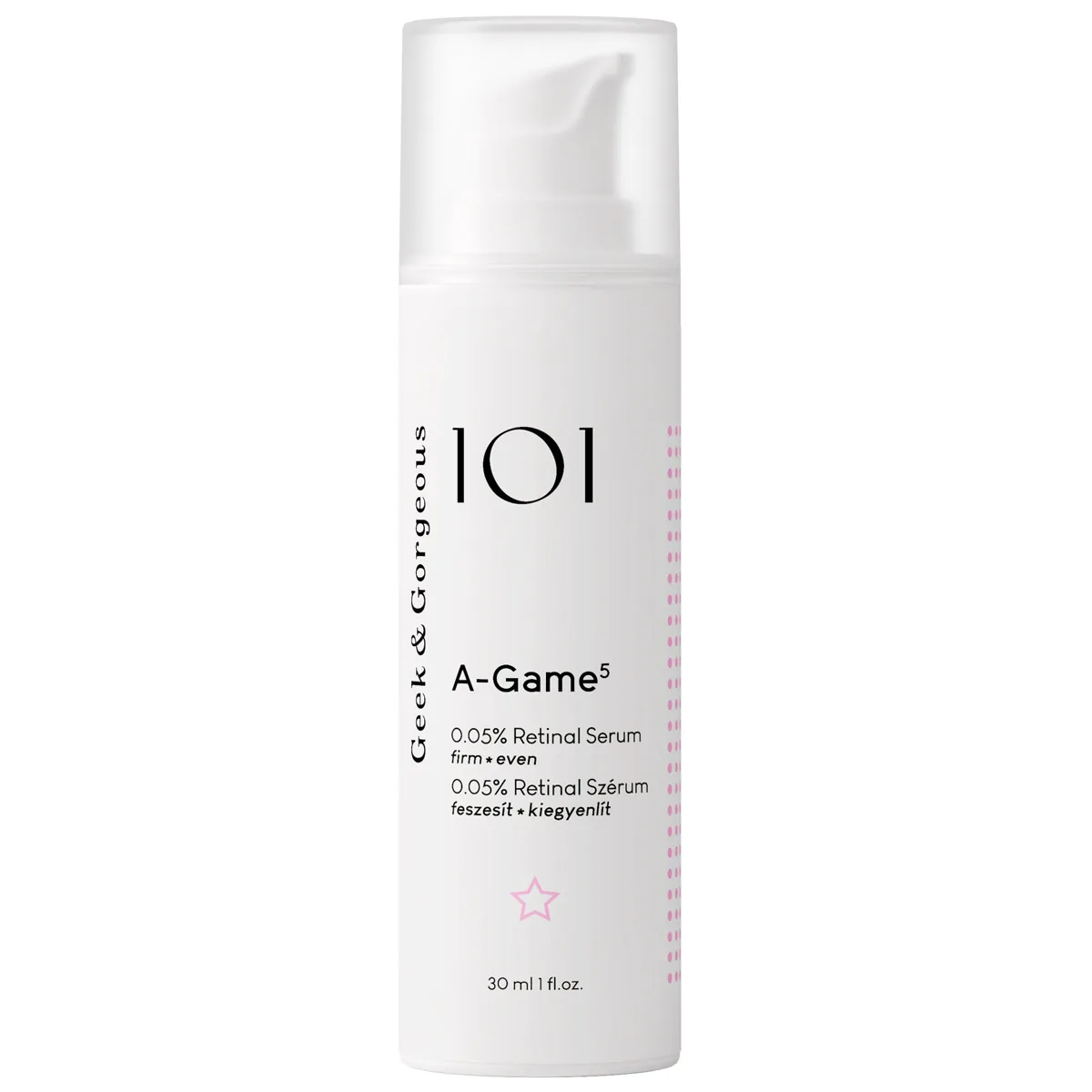
 A-Game 5 Retinal Serum
The ideal beginner's retinaldehyde serum — a properly dosed 0.05% retinal in a buffered, fragrance-free formula at a price that makes long-term retinoid use actually sustainable. Same thoughtful supporting ingredients as the higher-strength A-Game 10 at half the potency, which is exactly the point. If you've never used a real retinoid, this is one of the best entry points on the market.
 Derm-Grade Retinal at Drugstore Price
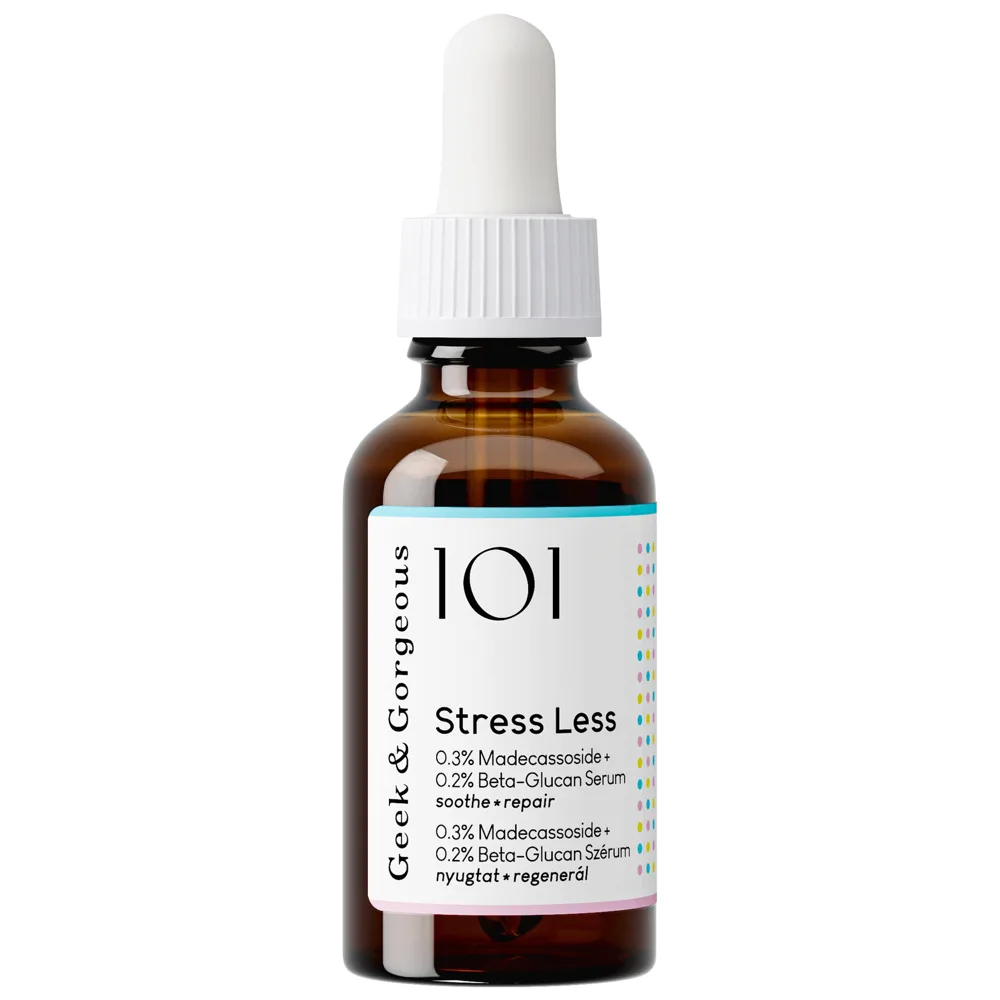
 Stress Less 0.3% Retinal Serum
A genuinely derm-grade 0.3% retinaldehyde serum at a price that shouldn't be possible. The ceramide and bisabolol buffering keeps it tolerable for experienced retinoid users, and the results — on texture, tone, and fine lines — rival premium retinals costing four times as much.
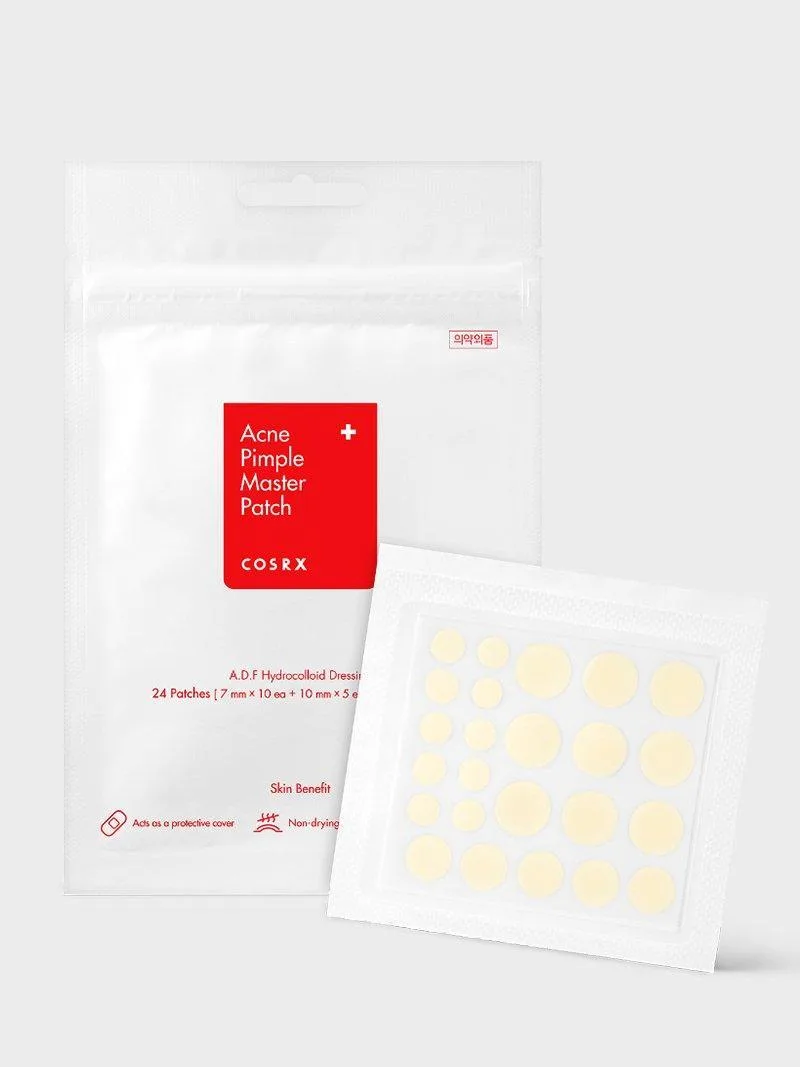 The Original Pimple Patch
 Acne Pimple Master Patch
The product that launched a category. A no-frills hydrocolloid patch that does exactly one thing — absorb fluid from surfaced blemishes and protect them while they heal — and does it so well, so cheaply, and so satisfyingly that it has sold tens of millions of units and spawned an entire industry of imitators.
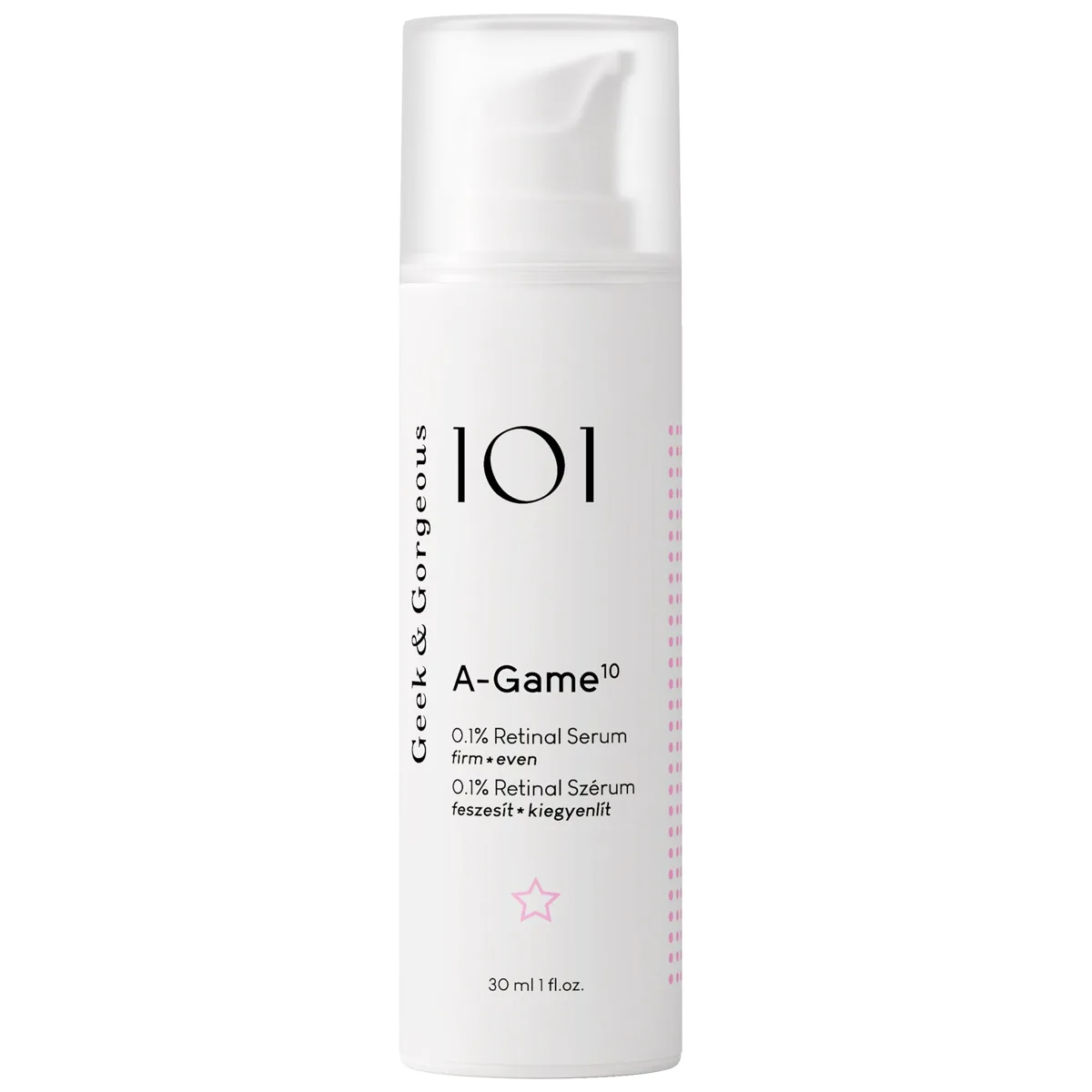 Budget Retinal Holy Grail
 A-Game 10 Retinal Serum
One of the most disruptive products in the retinoid category — a 0.1% retinaldehyde serum at around $16 when equivalent concentrations from derm brands cost $60-120. The formulation is thoughtful, the airless packaging is right, and the price point has no real competitor. Not for retinoid beginners: start with the 5 version and step up to this after a few months.
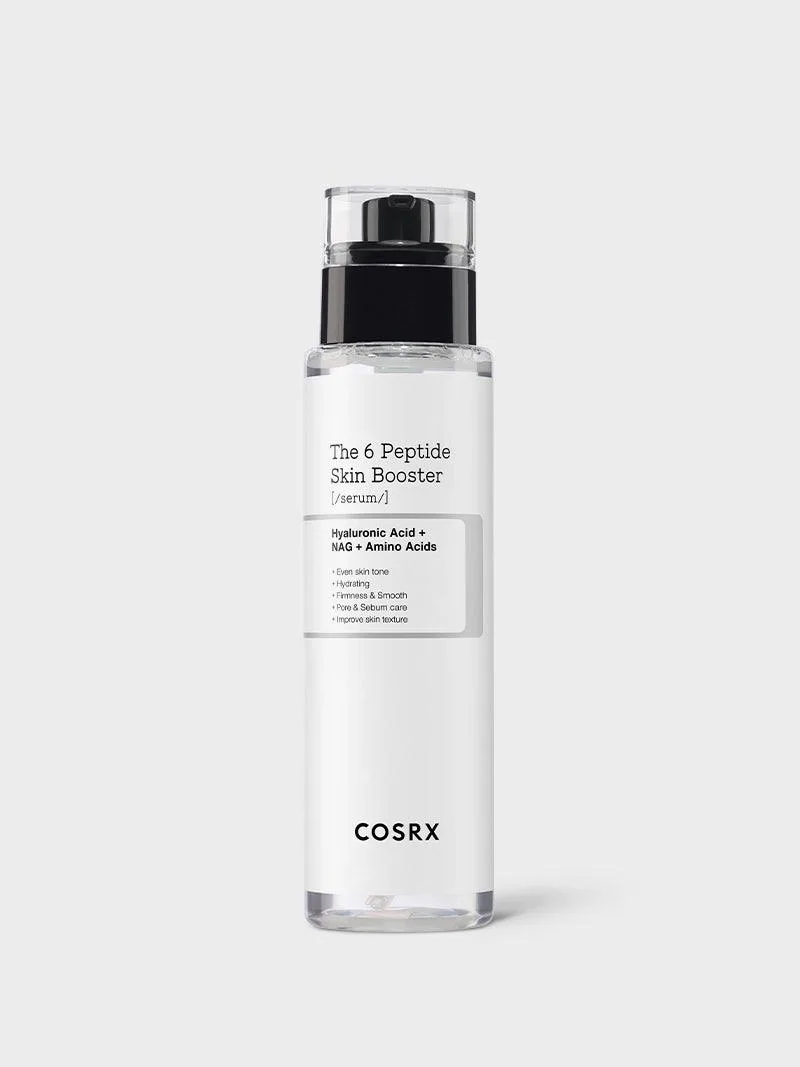 K-Beauty Peptide Powerhouse
 6 Peptide Skin Booster Serum
A remarkably well-formulated multi-peptide serum that delivers six targeted peptides, niacinamide, adenosine, and a full amino acid complex at a price that makes most prestige peptide serums look embarrassed. The lightweight, everything-friendly texture and generous 150 mL size make this one of the best values in anti-aging skincare.