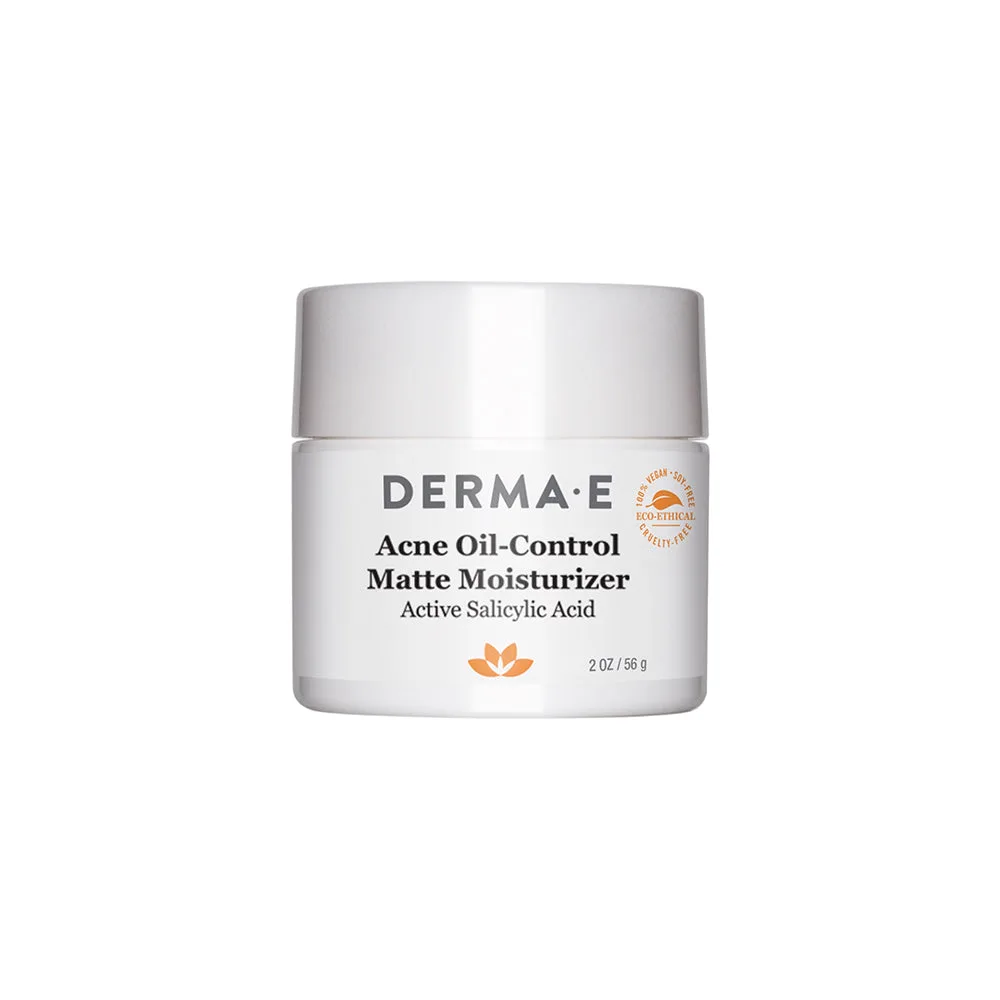
A serviceable natural-positioned daily acne moisturizer from a legacy California vegan brand, combining 0.53% salicylic acid with a supporting cast of tea tree, willow bark, and soothing botanicals. The matte finish and vegan credentials earn it a place in oily-skin routines, though the heavy essential oil load will rule it out for anyone who's reactive.
Acne Rebalancing Cream
A serviceable natural-positioned daily acne moisturizer from a legacy California vegan brand, combining 0.53% salicylic acid with a supporting cast of tea tree, willow bark, and soothing botanicals. The matte finish and vegan credentials earn it a place in oily-skin routines, though the heavy essential oil load will rule it out for anyone who's reactive.
Score Breakdown
Where this product gains points and where it loses them — broken down across the four scoring pillars.
A serviceable natural-positioned acne moisturizer with a modest 0.53% salicylic acid concentration, held back by a heavy essential oil load that limits its suitability for sensitive or reactive users.
Pros & Cons
- ✓Labeled 0.53% salicylic acid from a certified vegan brand
- ✓True matte finish that sits well under sunscreen and makeup
- ✓Legitimate 40-year track record in US natural skincare
- ✓Supporting cast of aloe, panthenol, and allantoin buffers the actives
- ✓Jojoba and caprylic/capric triglyceride keep the base non-comedogenic
- ✓Certified vegan and cruelty-free through recognized bodies
- ✓Widely carried in US drugstores and natural food retailers
- ✓Affordable for the natural-skincare segment
- ✗Heavy essential oil load risks irritation for sensitive users
- ✗Not suitable for fungal-acne-prone or barrier-compromised skin
- ✗Not pregnancy-compatible due to actives and essential oils
- ✗Strong herbal-medicinal scent isn't for everyone
- ✗Lower salicylic acid concentration than some users expect
Full Review
Most of the vegan, natural-positioned acne products you'll see on a Whole Foods shelf are five or ten years old at most, born out of the last decade's clean-beauty moment. Derma E is not one of them. The brand has been making botanical skincare since 1984, back when "vegan" was a fringe diet and "cruelty-free" was a term most shoppers didn't know existed. Forty years of quiet work in the US natural skincare category has earned Derma E a legitimate spot in the conversation, and its Acne Rebalancing Cream is a good example of what the brand does when it focuses: a specific, matte-finish moisturizer aimed at oily and acne-prone skin, built around a labeled OTC active and a cast of plant extracts that pre-date the current tea-tree-obsessed generation of indie acne brands.
The formulation is interesting for what it commits to and what it stops short of. Salicylic acid at 0.53% sits at the top of the ingredient list as the labeled active — a perfectly reasonable maintenance-level BHA concentration for a leave-on moisturizer that you're going to apply twice a day. This is not a spot treatment. It's not trying to be a replacement for a 2% leave-on BHA serum. It's trying to be a daily moisturizer that pulls some modest exfoliating weight, and on that specific brief, the active level makes sense. Below the salicylic acid you find a fairly standard emulsion system — stearic acid, cetyl alcohol, caprylic/capric triglyceride — and then the plant-extract content starts: tea tree oil, white willow bark, organic jojoba, chamomile, aloe, allantoin, panthenol.
Tea tree oil is where this cream gets both its strongest case and its biggest caveat. There's legitimate research supporting tea tree's antimicrobial activity against Cutibacterium acnes, and small studies have shown 5% tea tree oil performing comparably to 5% benzoyl peroxide for mild-to-moderate acne, with fewer side effects. That's a genuine data point in tea tree's favor. The trouble is that tea tree is also one of the more common essential oil sensitizers in the skincare world. Rosewood and lavender oil, also present here, add to the sensitization risk and the overall fragrance load. Users who tolerate essential oils well tend to love this cream and appreciate the herbal, medicinal smell that comes with it. Users who don't tolerate essential oils well will find out quickly, and this is not the cream for them.
The texture is where Derma E has genuinely nailed the brief. This is a lightweight cream that absorbs to a true matte finish — not the sticky, tacky "matte" that cheap acne products leave behind, but a clean, dry, powdery finish that sits well under sunscreen and makeup. For oily and combination skin, that finish is the main reason to buy this cream over a generic botanical moisturizer. Many users describe it as making their skin feel balanced throughout the day, with reduced midday oil break-through and less foundation breakdown in the T-zone. Those are small, concrete improvements that add up over weeks of consistent use.
The brand's own claim is that 87% of testers saw clearer skin after six weeks of use, based on in-house testing whose raw data isn't published. Treat that number with the appropriate grain of salt — it's a marketing figure, not peer-reviewed research. In real-world terms, what users consistently report is a balanced oil feel within the first two to three weeks, a modest reduction in comedone formation and small breakouts over four to eight weeks, and a stable, well-tolerated place in a broader routine if the essential oils don't bother them. It's not a cream that will transform severe cystic acne, and it's not a cream that will outperform a prescription regimen for moderate-to-severe cases. It's a maintenance cream, in the best sense of that word — a product that holds the line on oily, clog-prone skin without causing damage.
Value-wise, Derma E sits in an interesting middle bracket. At around $22 for 2 oz, it's meaningfully more expensive than drugstore acne moisturizers like CeraVe's offerings, but substantially cheaper than premium natural-brand competitors. The vegan and cruelty-free credentials are certified through the Vegan Society and Leaping Bunny rather than self-declared, which is worth something in a category where greenwashing is endemic. For a shopper specifically looking for a vegan, natural-positioned acne moisturizer from a brand with actual longevity, the value case is reasonable. For a shopper just looking for the most effective acne moisturizer at this price, a synthetic-heavy drugstore option is probably a better use of money.
The cream is not pregnancy-compatible — between the salicylic acid and the essential oils, it's a product most dermatologists will tell pregnant patients to skip. It's not fungal-acne safe for the same reasons. And it's not the right choice for rosacea, eczema, or compromised-barrier skin. Within its actual target audience, though, it does what it says on the jar, from a brand that's been doing something like this for forty years. That's a rare thing in the acne category.
Formula
Key Ingredients
The hero actives that drive this product's performance.
| Ingredient | Function | Evidence |
|---|---|---|
| Salicylic Acid (0.53%) (0.53%) | The labeled over-the-counter acne active in this moisturizer, sitting at the lower end of the effective BHA range. In this cream it provides gentle daily exfoliation rather than the aggressive turnover a 2% leave-on treatment delivers, which is why it's positioned as a daily balancing moisturizer rather than a spot treatment. | well-established |
| Tea Tree Oil (Melaleuca Alternifolia) | The botanical antimicrobial the formula's acne claim is partly built on. Sitting above the jojoba and plant extracts in this cream, it complements the salicylic acid with a secondary anti-P. acnes mechanism, though it also carries a small risk of irritation and allergy that users should patch test for. | promising |
| White Willow Bark Extract | Provides a secondary natural salicin source that works alongside the free salicylic acid at the top of the formula, gently supporting the exfoliation arc of the product. | promising |
| Jojoba Seed Oil | A non-comedogenic liquid wax that mimics the skin's own sebum, providing a lightweight moisture layer that keeps this cream from feeling stripping despite its active load. Organic sourcing is part of the brand's broader clean-beauty positioning. | well-established |
| Aloe Vera & Panthenol | The soothing-and-hydrating duo that offsets tea tree and salicylic acid's potential for irritation. In this cream they're doing the unglamorous work of keeping the skin barrier comfortable while the actives do the exfoliation and antimicrobial work. | well-established |
Full INCI List
Active: Salicylic Acid 0.53%. Other Ingredients: Purified Water, Stearic Acid, Cetyl Alcohol, Caprylic/Capric Triglyceride, Glyceryl Stearate Citrate, Melaleuca Alternifolia (Tea Tree) Leaf Oil, Glycerin, Polysorbate 60, Salix Alba (White Willow) Bark Extract, Aniba Rosodora (Rosewood) Wood Oil, Organic Simmondsia Chinensis (Jojoba) Seed Oil, Organic Chamomilla Recutita (Matricaria) Flower Extract, Organic Aloe Barbadensis (Aloe Vera) Extract, Allantoin, Panthenol, Xanthan Gum, Polysorbate 20, Potassium Sorbate, Phenoxyethanol, Ethylhexylglycerin, Lavandula Angustifolia (Lavender) Oil
Product Flags
✗ Fragrance Free✓ Alcohol Free✗ Oil Free✓ Silicone Free✓ Paraben Free✓ Sulfate Free✓ Cruelty Free✓ Vegan✗ Fungal Acne Safe
Potential Irritants
Tea Tree OilLavender OilRosewood Oil
Common Allergens
Tea Tree OilLavender OilLinalool (from essential oils)
Compatibility
Skin Match
Best For
Works For
Not Ideal For
Addresses These Conditions
acne oiliness blackheads large pores
Use With Caution
Routine Step
moisturizer
Time of Day
AM & PM
Pregnancy Safe
No ✗
Layering Tips
Apply as the final hydrating step after serums, before sunscreen in the AM. Don't layer over strong leave-on BHAs or retinoids without spacing — the combined essential oil and salicylic acid load can be cumulatively irritating.
Results Timeline
Derma E cites clinical testing suggesting 87% of users saw clearer skin after six weeks. In practice, most users report an oil-balancing effect within the first 2-3 weeks and a gradual reduction in breakout frequency over 4-8 weeks.
Pairs Well With
gentle-cleansersniacinamidehyaluronic-acid-serums
Conflicts With
strong-retinoidshigh-percentage-leave-on-bha
Sample AM Routine
- Gentle cleanser
- Niacinamide serum
- Derma E Acne Rebalancing Cream
- Sunscreen
Sample PM Routine
- Gentle cleanser
- Hydrating serum
- Derma E Acne Rebalancing Cream
Evidence
Who Should Skip
- Heavy essential oil load risks irritation for sensitive users
- Not suitable for fungal-acne-prone or barrier-compromised skin
- Not pregnancy-compatible due to actives and essential oils
- Strong herbal-medicinal scent isn't for everyone
Science & Expert Perspective
The Science
Salicylic acid at 0.53% is within the effective range for daily leave-on use. Dermatological research has shown that salicylic acid at concentrations between 0.5% and 2% can reduce comedone formation and improve acne outcomes over 8-12 weeks of consistent use, with the lower concentrations in this range typically reserved for daily moisturizers and higher concentrations reserved for targeted treatments. As a lipophilic BHA, salicylic acid penetrates into sebum-filled follicles and loosens the corneocyte adhesion that contributes to clogged pores.
Tea tree oil (Melaleuca alternifolia) has a meaningful body of research supporting its antimicrobial activity against Cutibacterium acnes, the bacterium implicated in inflammatory acne. A 2007 randomized controlled trial published in the Indian Journal of Dermatology, Venereology and Leprology compared 5% tea tree oil gel to 5% benzoyl peroxide in 60 patients with mild-to-moderate acne and found both effective, with tea tree oil showing a slower onset but fewer side effects. However, tea tree oil is also documented as a contact allergen, particularly when oxidized.
Willow bark extract (Salix alba) contains salicin, a glycoside that can be partially converted to salicylic acid in the skin. Research on the extent of this conversion is mixed, and willow bark is best understood as a mild supporting exfoliant rather than a standalone BHA.
The supporting botanical cast — chamomile, aloe vera, allantoin, panthenol — all have published evidence for anti-inflammatory and barrier-soothing activity. Their inclusion helps buffer the mild irritation that salicylic acid and essential oils can cause, which is the formulation logic behind combining all of these ingredients in a single daily moisturizer.
References
- The efficacy of 5% topical tea tree oil gel in mild to moderate acne vulgaris: A randomized, double-blind placebo-controlled study — Indian Journal of Dermatology, Venereology and Leprology (2007)
Dermatologist Perspective
Dermatologists typically position products like this one as adjunctive, maintenance-level options for patients with mild acne who specifically want a vegan or natural formulation and who are not sensitive to essential oils. Board-certified dermatologists note that 0.53% salicylic acid in a daily leave-on cream is an appropriate maintenance concentration, though they caution that it's not a substitute for prescription treatment in moderate-to-severe acne. The tea tree oil content is commonly flagged as a caveat — while there's published research supporting tea tree's antimicrobial activity in acne, dermatologists also see contact dermatitis from it in clinical practice more often than they see contact dermatitis from salicylic acid alone. Patients with rosacea, eczema, or a history of essential oil sensitivity are typically steered toward fragrance-free synthetic alternatives.
Guidance
Usage Guide
How to Use
Apply a pea-sized amount to cleansed, dry skin twice daily, focusing on the T-zone and areas prone to breakouts. In the AM, layer over your preferred serums and follow with broad-spectrum sunscreen. In the PM, apply after cleansing and hydrating serums. Avoid pairing with strong leave-on retinoids or high-percentage BHA treatments without spacing — the combined active and essential oil load can cumulate into irritation. Patch test on the inner forearm for 48 hours before full-face use if you have any history of essential oil sensitivity.
Value Assessment
At around $23 for 2 oz, this cream sits in the middle of the acne moisturizer market — more expensive than CeraVe or similar drugstore alternatives, but substantially cheaper than premium natural brands like True Botanicals or OSEA. The value case depends entirely on what you're buying it for. If you specifically want a vegan, cruelty-free, natural-positioned acne moisturizer from a brand with decades of track record, the price is reasonable and the formulation is competently built. If you just want the most effective acne moisturizer for the money, a drugstore alternative is likely a better use of funds. The single available size is the only minor drawback — there's no larger economy option.
Who Should Buy
Oily and combination skin users who specifically want a vegan, natural-positioned acne moisturizer, who tolerate essential oils well, and who are looking for a maintenance-level daily step rather than a targeted acne treatment. Particularly good if you appreciate a matte finish under makeup.
Who Should Skip
Anyone with a history of essential oil sensitivity or fragrance allergy should skip this entirely. Also avoid if you're pregnant, have rosacea or eczema, are prone to fungal acne, or are looking for a powerful active cream to address moderate-to-severe breakouts — this is a maintenance product, not a treatment.
Ready to try Derma E Acne Rebalancing Cream?
Details
Details
Texture
Lightweight cream that absorbs to a matte, powdery finish
Scent
Distinctly herbal — tea tree, lavender, and rosewood dominate the top note
Packaging
2 oz glass jar with white lid
Finish
mattenon-greasylightweight
What to Expect on First Use
First impression is the strong herbal-medicinal scent, which some users love and others find overwhelming. The cream itself absorbs quickly to a dry, matte finish that sits well under makeup. Most users experience no immediate stinging, though those sensitive to essential oils may notice mild warmth in the first few uses.
How Long It Lasts
About 2-3 months with twice-daily face application
Period After Opening
12 months
Best Season
All Year
Certifications
VeganCruelty-free (Leaping Bunny)Paraben-free
Background
The Why
Derma E launched in 1984 as one of the first natural skincare brands to focus on vitamin E as a signature ingredient, expanding over the following decades into botanical-driven products for acne, anti-aging, and barrier support. The Acne Rebalancing Cream sits in the brand's Anti-Acne Treatment System and was designed to offer a matte-finish daily moisturizer for users who wanted a vegan, cruelty-free option in a category historically dominated by synthetic-heavy formulations.
About Derma E Legacy Brand (20+ years)
Derma E was founded in 1984 in Simi Valley, California, as one of the early natural skincare brands to prioritize vegan formulations and transparency on botanicals. The brand holds legitimate certifications from the Vegan Society and Leaping Bunny, and its formulations have been sold in US drugstores and natural food retailers for four decades.
Brand founded: 1984 · Product launched: 2005
Myth vs. Reality
Myths & Misconceptions
Myth
Tea tree oil is always safer than synthetic acne actives.
Reality
Tea tree oil has real antimicrobial activity, but it's also a more frequent cause of contact dermatitis than salicylic acid or benzoyl peroxide. "Natural" and "gentle" are not the same thing — patch testing matters more with essential oil formulas than with synthetic ones.
Myth
A 0.53% salicylic acid moisturizer is too weak to matter.
Reality
For daily surface exfoliation and pore maintenance, 0.53% in a leave-on moisturizer is a reasonable concentration. It's not a spot treatment, and it's not meant to replace a 2% leave-on BHA for active breakouts, but it does meaningful daily work.
FAQ
Frequently Asked Questions
Is this cream strong enough to replace a prescription acne treatment?
No — 0.53% salicylic acid in a daily moisturizer is a maintenance-level active, not a replacement for prescription retinoids, benzoyl peroxide, or dermatologist-managed acne treatment. It works best as a gentle daily step alongside stronger targeted treatments.
Can I use this with retinol?
Potentially, but cautiously. The combination of salicylic acid, tea tree oil, lavender oil, and rosewood oil with a retinoid can be cumulatively irritating. If you use retinol, consider applying this cream on alternate mornings, or use a gentler moisturizer on retinol nights.
Why does it smell so strong?
The formula contains tea tree, lavender, and rosewood essential oils — all of which contribute to the acne-fighting positioning but also create a distinctly herbal, medicinal scent. Most users adjust to the smell within a few uses, but it's a meaningful factor if you're fragrance-sensitive.
Is it safe during pregnancy?
Many dermatologists advise caution with salicylic acid during pregnancy, and the added essential oils — particularly rosewood and lavender — are also sometimes flagged for pregnancy caution. A plain, non-active moisturizer is typically a safer pregnancy choice.
Will it break me out at first?
Some users report a short adjustment period during the first 1-2 weeks, but this is not classical retinoid-style purging. If breakouts persist beyond 3-4 weeks, it may indicate the essential oils or tea tree are aggravating your skin rather than helping.
Is it non-comedogenic?
Derma E markets the cream as non-comedogenic, and the base ingredients (jojoba oil, caprylic/capric triglyceride) are generally considered low-comedogenic. However, fungal-acne-prone users may want to avoid it due to the essential oil and plant extract load.
Community
Community Voices
Common Praise
"Matte finish"
"Gentle enough for daily use"
"Affordable for the segment"
"Doesn't feel stripping"
Common Complaints
"Strong essential oil scent"
"Can be irritating for sensitive skin"
"Salicylic acid concentration lower than some expect"
Notable Endorsements
Widely carried in US natural food and drugstore retailStocked by Whole Foods, Target, and Sprouts
Appears In
best natural acne moisturizer best vegan acne cream best tea tree moisturizer for acne best matte moisturizer for oiliness
Related Conditions
Related Ingredients
You Might Also Like
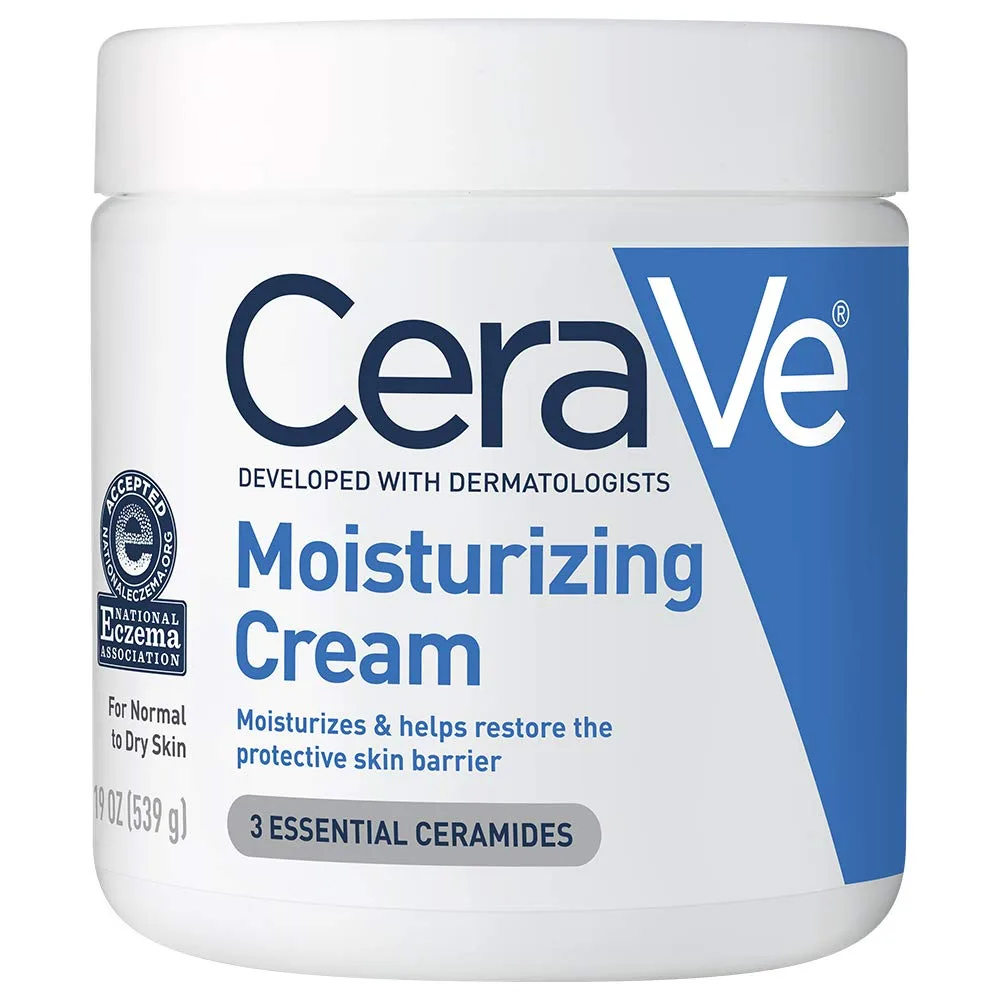 Budget Holy Grail
 Moisturizing Cream
The CeraVe Moisturizing Cream is the most important moisturizer in the drugstore — a ceramide-rich, dermatologist-developed formula that delivers barrier repair, multi-humectant hydration, and occlusive protection at a price so accessible it has no real excuse not to be in every household. Twenty-one years of consistent performance and universal dermatologist approval speak louder than any ingredient list.
 Barrier Repair Pioneer
 MLE Cream
Atopalm MLE Cream is one of the genuinely scientifically anchored barrier moisturizers in K-beauty — a fragrance-free, pseudo-ceramide cream built around a patented liquid-crystal lipid structure that mimics the skin's own intercellular matrix. For eczema, atopic skin, post-procedure recovery, or anyone with a stinging compromised barrier, it's one of the most reliably effective moisturizers in the entire category.
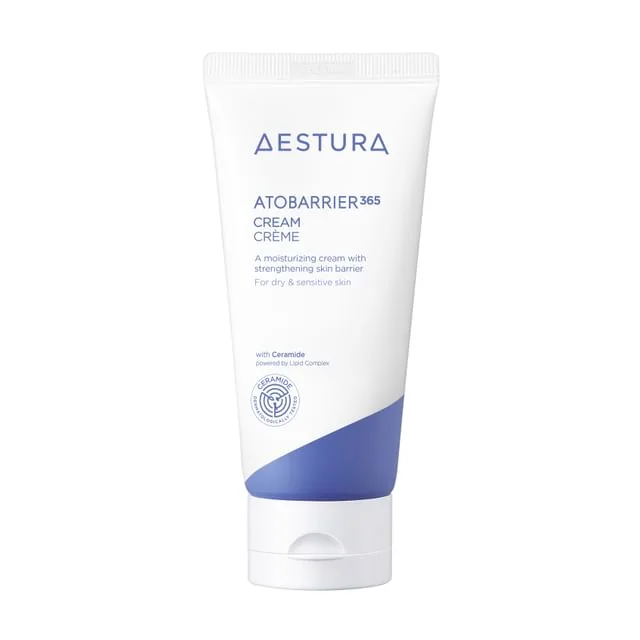 K-Beauty Barrier Repair Staple
 Atobarrier 365 Cream
A Korean pharmacy cream that earns its cult following the hard way — with a lamellar lipid structure that actually rebuilds the barrier, not just coats it. If your skin has been through a rough winter, a retinoid ramp-up, or a bad reaction, this is the jar that quietly puts it back together.
 Korean Derm Clinic Recovery Pick
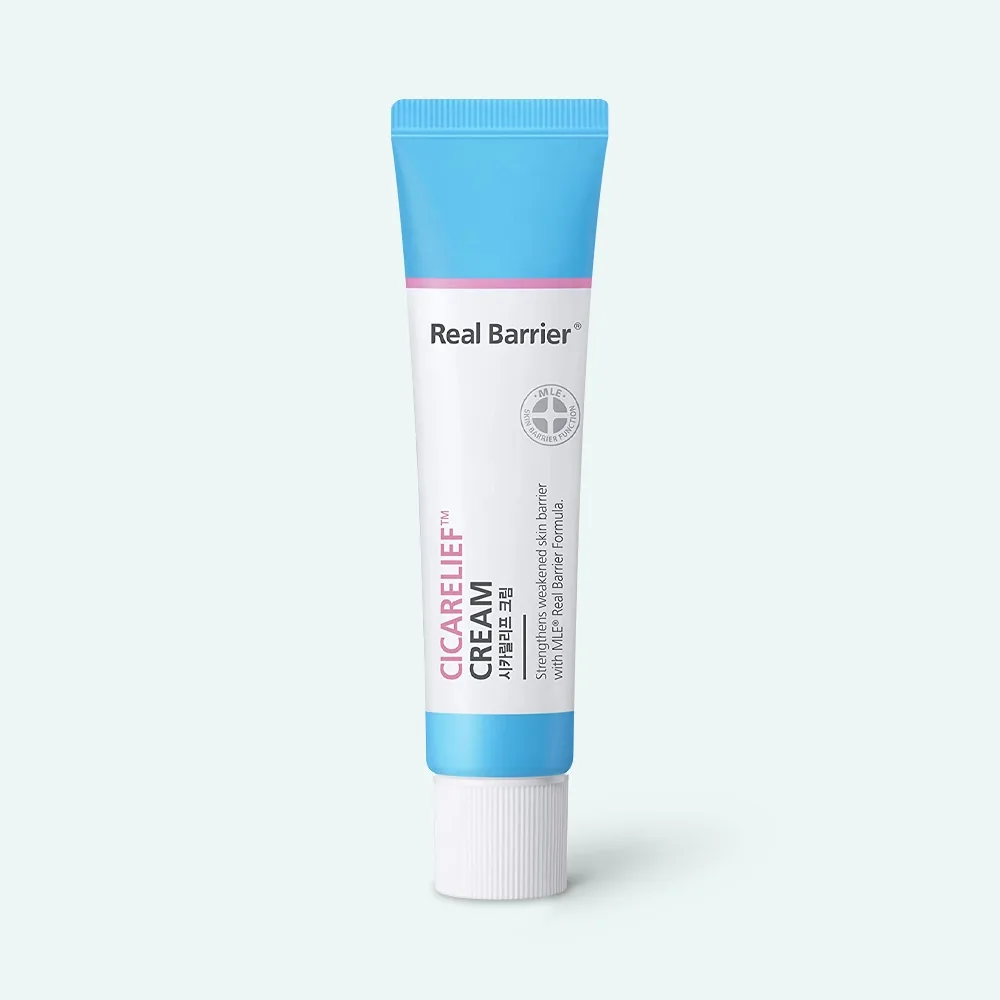
 Real Barrier Cicarelief Cream
One of the best consumer cica creams on the market, combining the full spectrum of centella actives with NeoPharm's MLE ceramide delivery and multiple complementary calming ingredients. Ideal for compromised, reactive, rosacea-prone, or recovering skin, and a staple in Korean dermatology clinic protocols. Minor limitations on packaging, but the formulation is genuinely excellent.
 Transparent 10% Panthenol Cream
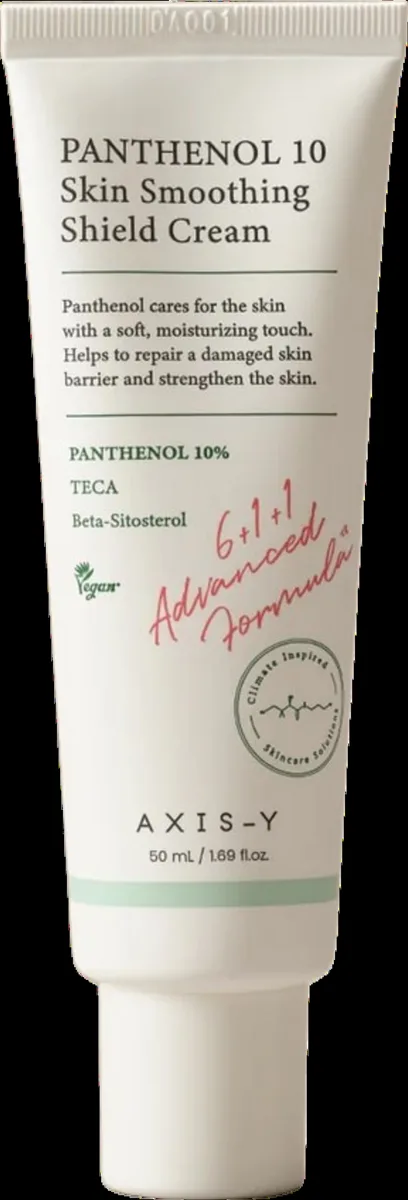
 Panthenol 10 Skin Smoothing Shield Cream
A disclosed 10% panthenol barrier cream built around a full physiological ceramide trio, a centella calming cast, and a modest shea butter occlusive. Fragrance-free, cross-season, and unusually transparent about its hero active — one of the brand's strongest moisturizer formulations.
 K-Beauty Icon
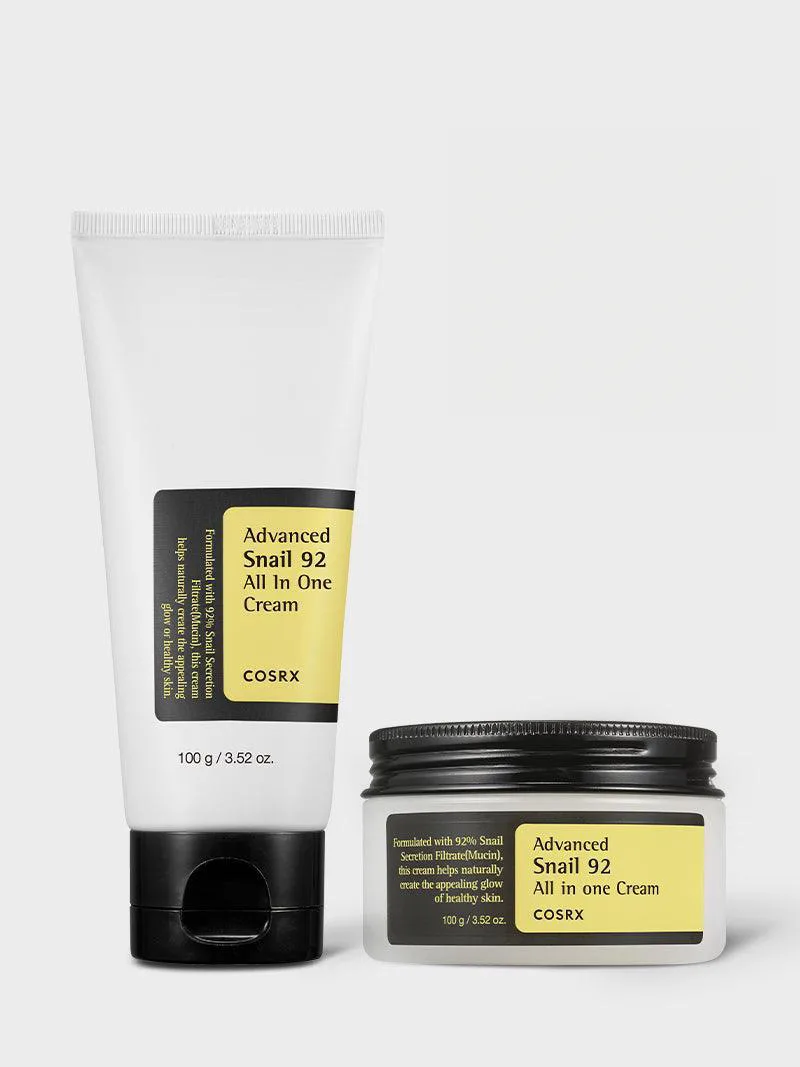
 Advanced Snail 92 All in One Cream
The cream that helped prove snail mucin to the world — and a decade later, it still deserves the reputation. At 92% snail secretion filtrate in a fragrance-free, gentle gel-cream, it delivers hydration, soothing, and gradual skin improvement across virtually every skin type. The texture takes getting used to, but 13 million sold units and 25,000+ reviews suggest most people manage.
This review reflects our independent analysis of publicly available ingredient data, manufacturer claims, and verified user reviews. We are reader-supported — Amazon links may earn us a commission at no cost to you. We do not accept paid placements; rankings are based solely on the evidence.