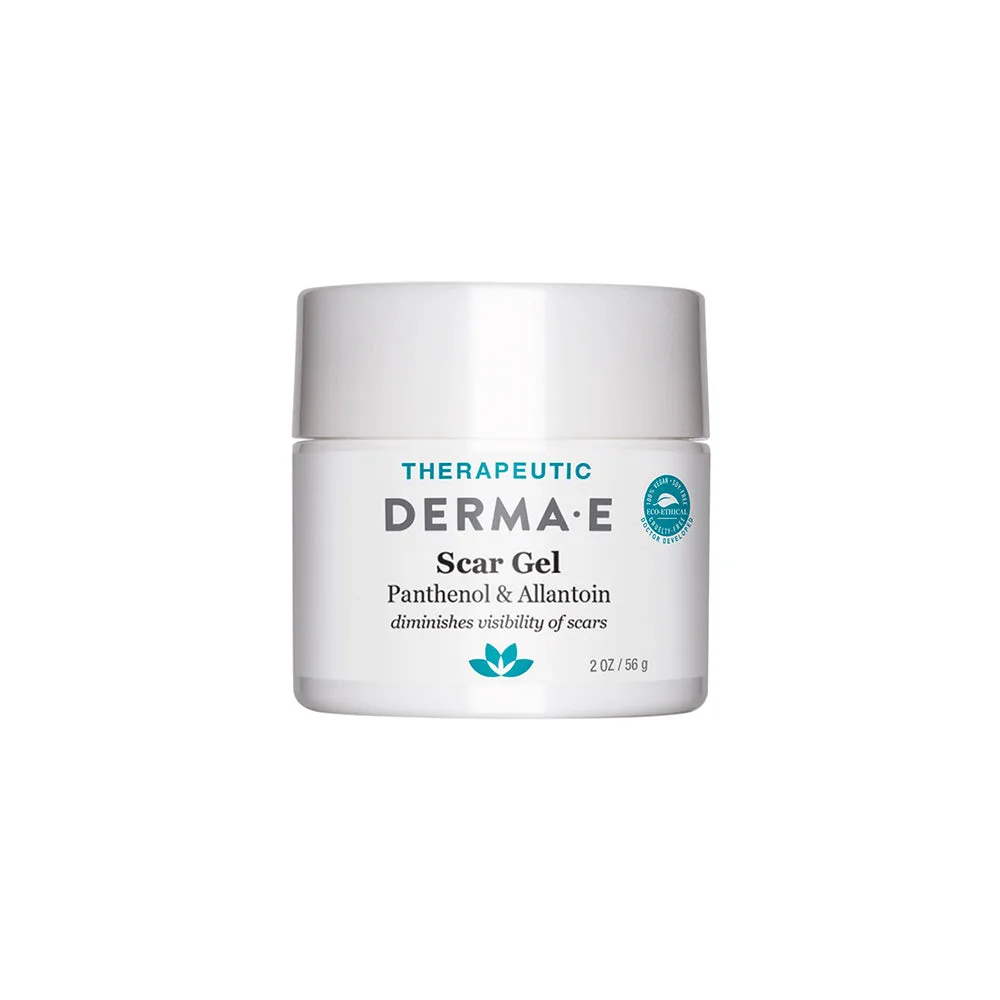
A botanical alternative to Mederma built on the same onion-extract active class but paired with panthenol and allantoin for a more supportive repair matrix. It won't erase scars — nothing topical can — but for softening appearance, reducing redness, and improving texture on cooperative scar types, it's a reasonable affordable option. The added fragrance on healing tissue is the one real misstep.
Scar Gel
A botanical alternative to Mederma built on the same onion-extract active class but paired with panthenol and allantoin for a more supportive repair matrix. It won't erase scars — nothing topical can — but for softening appearance, reducing redness, and improving texture on cooperative scar types, it's a reasonable affordable option. The added fragrance on healing tissue is the one real misstep.
Score Breakdown
A well-positioned botanical alternative to Mederma with the added benefit of panthenol and allantoin in a more supportive matrix. Loses points for the added natural fragrance oils (a meaningful drawback on healing tissue) and because onion-extract evidence remains modest compared to silicone gel sheeting.
Data Confidence: high
Derma E Scar Gel has been on the market for over a decade with tens of thousands of reviews across Amazon, Target, and iHerb, and the active ingredient class is well-studied in dermatological literature — scoring reflects both long-term user feedback and published evidence for onion extract.
0/100
Overall Score
Ingredient Quality 0
Value for Money 0
Suitability Breadth 0
Irritation Risk (↑ = safer) 0
Assessment
Pros
- Onion extract paired with panthenol and allantoin for a more complete repair matrix
- Panthenol sits at the unusually high second position on the INCI
- Lightweight gel absorbs quickly and layers well under other products
- Vegan and Leaping Bunny cruelty-free certified
- Affordable relative to prestige scar treatments
- Well-tolerated on most skin types including acne-prone
- Strong long-term track record with tens of thousands of reviews
- Suitable for body and face scars and pregnancy-safe
Cons
- Contains natural fragrance oils which aren't ideal on healing tissue
- Small 2 oz jar with no larger or refill option
- Requires months of consistent use to see results
- Jar packaging can introduce contamination with repeated finger dipping
- Deep or severe scars respond only modestly to any topical
Full Review
Walk into any drugstore and the scar gel aisle is basically one product: Mederma. The orange box, the onion-extract claim, the same positioning since the late nineties. Derma E's Scar Gel sits on the same shelf with a quieter green label and the same active ingredient class, and most shoppers walk right past it. Here's the interesting thing, though — if you actually read the INCI lists side by side, this formula is arguably the better-rounded of the two. Both products rely on Allium cepa bulb extract, the onion-derived active that's been studied for its flavonoid content and its effect on fibroblast activity in healing tissue. What Derma E does differently is pair that active with panthenol at the second position on the ingredient list, followed by glycerin, and then allantoin a few slots down. Panthenol converts to pantothenic acid in skin and has decades of evidence supporting its role in barrier repair and the soothing of compromised tissue. Allantoin is a mild keratolytic with FDA monograph status as a skin protectant. Together with the onion extract, they create a more complete repair matrix than Mederma's simpler formula, at roughly the same price. The texture is one of the reasons the product has the cult-ish user loyalty it does. It's a clear, lightweight gel that spreads thinly and absorbs in about a minute, leaving no visible residue. You can apply it morning and night, which is important because scar treatment is a consistency game — fifteen seconds of daily application for months is what produces the results that single heavy applications do not. Users consistently praise how easy it is to incorporate into a routine without feeling sticky, greasy, or interfering with anything else they put on their face or body. The results follow a predictable pattern. Within the first two to four weeks, most users notice that the scar surface feels softer and more hydrated — that's the panthenol and glycerin doing their job. Visible reduction in scar color and raised texture takes longer: eight to twelve weeks of consistent twice-daily use is typical, and older or deeper scars may need six months or more. This is not a product that delivers the dramatic before-and-after photos you'll see in its marketing within a few weeks. It's a patience product, and the reviewers who love it are the ones who stuck with it. Now, the meaningful limitation. The INCI ends with 'natural fragrance oils,' and that's a choice the formulator should reconsider. Fragrance of any kind — natural or synthetic — is generally discouraged on healing tissue, particularly on recent surgical scars where the skin is still in an early repair phase. For most users, the fragrance level is low and causes no issue, but for people with sensitive or rosacea-prone skin, it's the one ingredient in an otherwise well-built formula that would push me to suggest a patch test first. If this product were fragrance-free, it would be an easier recommendation across the board. Let's also be clear about what any topical scar product, including this one, can and can't do. No over-the-counter or prescription gel will 'erase' an established scar. The underlying collagen structure of a scar is different from surrounding skin and that difference is permanent. What topicals can do is soften the surface, reduce the active inflammation that keeps a scar looking red or raised, improve hydration so the tissue is more pliable, and modestly influence the appearance over time. For atrophic acne scars, post-surgical scars, and stretch marks in their early phase, this gel is worth a try. For deep ice-pick acne scars or severe keloids, silicone sheeting or professional treatments will almost certainly outperform it. Value-wise, at around $25 for 2 oz, it's not the cheapest option on the shelf but it's cheaper than most prestige scar treatments and roughly comparable to Mederma on a per-ounce basis. For anyone building a routine around a specific scar, it's a sensible anchor product to try consistently for at least three months before deciding if it's working. For someone with highly sensitive skin on or around the scar site, a fragrance-free silicone gel is probably a better first choice. But for most users wanting a botanical, vegan, consistently-reviewed scar gel at drugstore prices, this is one of the better options in its category.
Formula
Ingredients
The hero actives that drive this product's performance.
| Ingredient | Function | Evidence |
|---|---|---|
| Allium Cepa (Onion) Bulb Extract | The same active ingredient class that powers Mederma — onion bulb extract contains quercetin and kaempferol flavonoids that have been studied for their ability to modulate fibroblast activity in healing tissue, helping to soften the appearance of raised or discolored scars when applied consistently over several months. In this formula, it works alongside panthenol and allantoin, which is a more supportive skin-repair matrix than Mederma's original gel offers. | promising |
| Panthenol (Provitamin B5) | Sits at the second position on the INCI, which is unusually high — it converts to pantothenic acid in skin and has well-documented benefits for barrier repair and the soothing of healing tissue, making it a sensible pairing with onion extract on post-procedure or still-active scars. | well-established |
| Allantoin | A mild keratolytic and soothing agent with FDA monograph status as a skin protectant — in this gel it supports the softening of the upper layers of scar tissue and calms the mild inflammation that often accompanies healing, working synergistically with panthenol. | well-established |
| Acetyl Glycyl Beta-Alanine | A peptide-adjacent skin-signaling ingredient marketed for its role in supporting tissue rejuvenation — the evidence is more limited than for the other actives in this formula, but it adds a supportive layer to the onion-and-panthenol base without posing any meaningful irritation risk. | emerging |
| Glycerin | Third on the INCI, providing the humectant layer that keeps scar tissue supple during the long application period required for visible results — dry, contracted scar tissue responds less well to treatment than well-hydrated tissue, so this isn't filler. | well-established |
Full INCI List
Purified Water, Panthenol (Provitamin B5), Glycerin (Vegetable Derived), Carbomer, Allium Cepa (Onion) Bulb Extract, Acetyl Glycyl Beta-Alanine, Allantoin, Polysorbate 20, Phenoxyethanol, Ethylhexylglycerin, Natural Fragrance Oils
Product Flags
✗ Fragrance Free✓ Alcohol Free✓ Oil Free✓ Silicone Free✓ Paraben Free✓ Sulfate Free✓ Cruelty Free✓ Vegan✓ Fungal Acne Safe
Potential Irritants
natural fragrance oils
Common Allergens
fragrance
Compatibility
Skin Match
Best For
Works For
Not Ideal For
Addresses These Conditions
scarring post procedure hyperpigmentation texture
Use With Caution
Avoid With
Routine Step
treatment
Time of Day
AM & PM
Pregnancy Safe
Yes ✓
Layering Tips
Apply only to closed scars that have fully healed — never use on open wounds. Apply a thin layer directly to the scar twice daily and massage gently. Can be used on the body and face, but not on broken skin.
Results Timeline
Softening and hydration of the scar surface within 2-4 weeks. Visible reduction in scar color and raised texture typically requires 8-12 weeks of consistent twice-daily use, and older scars may need 6+ months for noticeable improvement.
Pairs Well With
vitamin-esilicone-sheetsniacinamide
Conflicts With
tretinoin
Sample AM Routine
- Cleanser
- THIS PRODUCT on scar area
- Moisturizer on full face
- SPF (critical for scar protection)
Sample PM Routine
- Cleanser
- THIS PRODUCT on scar area
- Moisturizer on full face
Evidence
Science
The Science
The core active in this formula is Allium cepa bulb extract, which contains quercetin and kaempferol flavonoids. These compounds have been investigated in multiple controlled trials for their ability to modulate fibroblast activity and reduce the prominence of hypertrophic and surgical scars, with outcomes typically described as modest but measurable. Published studies on onion-extract scar treatments have shown improvements in scar color, texture, and pliability versus vehicle control, though the effect sizes are smaller than those reported for silicone gel sheeting, which remains the most evidence-supported topical intervention for scar management according to current dermatological consensus. The panthenol content is where this formula diverges meaningfully from the dominant competitor. Published studies on topical panthenol document its conversion in skin to pantothenic acid and its role in increasing fibroblast proliferation, supporting re-epithelialization, and reducing transepidermal water loss on compromised tissue. These are directly relevant mechanisms for scar healing, and having it at the second position on the INCI means the concentration is meaningful. Allantoin's keratolytic and soothing effects are well-documented enough for it to hold FDA monograph status as a skin protectant. The acetyl glycyl beta-alanine is a smaller peptide-adjacent ingredient with more limited published evidence, but it poses no meaningful irritation risk. The broader consensus in dermatological literature is that topical onion extract formulas produce modest but real improvement on certain scar types — particularly fresh post-surgical and atrophic scars — when used consistently for at least 8-12 weeks, and that combining them with hydrating and barrier-supporting actives like panthenol may improve outcomes.
Dermatologist Perspective
Dermatologists typically recommend silicone gel sheeting as the first-line over-the-counter treatment for raised and hypertrophic scars, as the evidence base for silicone is stronger than for onion-extract formulas. That said, many board-certified dermatologists consider onion-extract gels a reasonable secondary option or a supportive measure, particularly for users who prefer a vegan, clean-beauty alternative or who find silicone sheeting impractical for the scar's location. This formula is commonly suggested for mild acne scarring, stretch marks in their early post-inflammatory phase, and post-cesarean scars where silicone sheeting is difficult to maintain. Dermatologists frequently note that consistency and SPF protection of the scar during daylight hours are more important than which specific topical is chosen — unprotected sun exposure on a healing scar will darken it more than any gel can lighten it.
Guidance
Usage Guide
How to Use
Apply only to fully closed, healed scar tissue — never on open wounds or broken skin. Cleanse the scar area and pat dry. Dispense a small amount of gel onto a fingertip and massage gently into the scar using circular motions for about 30 seconds. Let it absorb for 1-2 minutes before applying any other products over the same area. Apply twice daily, morning and night, for at least 8-12 weeks to see meaningful results, and continue for 3-6 months for older or more established scars. During the day, always apply broad-spectrum SPF 30+ over the scar area — sun exposure is the single biggest cause of scars darkening and failing to fade.
Value Assessment
At around $24.95 for 2 oz, this product is roughly comparable to Mederma on a per-ounce basis and significantly less expensive than prestige silicone-based scar treatments. The value case rests on the claim that the added panthenol and allantoin meaningfully improve outcomes over a bare onion-extract formula, which the ingredient data supports but published comparative studies do not definitively prove. The small size is a limitation — a 2 oz jar lasts about 3-4 months with twice-daily application to a small scar area, and there is no larger or more cost-effective size. For targeted treatment of a small scar, the math works. For treating a larger area like a surgical incision spanning several inches, budget-conscious users may want to compare with a silicone gel sheet.
Who Should Buy
Anyone with mild to moderate scars — surgical, acne-related, or stretch mark — looking for a vegan, affordable topical treatment they can use consistently for several months. Also a reasonable pick for pregnant users needing a clean-beauty option for post-cesarean scar care once the incision has fully closed.
Who Should Skip
People with highly sensitive, rosacea-prone, or recently-healed tissue should consider a fragrance-free silicone gel instead. Anyone with deep ice-pick acne scars, keloids, or severe hypertrophic scars will get better results from professional treatment — laser, microneedling, or steroid injection — than from any topical.
Ready to try Derma E Scar Gel?
Details
Details
Texture
Clear, lightweight gel that spreads thinly and absorbs within about 60 seconds.
Scent
Mild herbal-floral scent from the 'natural fragrance oils' — not overpowering but not fragrance-free.
Packaging
Small jar with twist-off lid. Practical for targeted application but not airless, and jar-format can introduce contamination with finger dipping.
Finish
non-greasylightweightinvisible
What to Expect on First Use
Sinks in quickly on first application with no stinging on closed scars. Most users see softening and hydration of the scar surface within the first 2-4 weeks, but meaningful visible improvement requires at least 8-12 weeks of consistent use. This is a patience product, not a quick fix.
How Long It Lasts
Approximately 3-4 months with twice-daily application to a small scar area.
Period After Opening
12 months
Best Season
All Year
Certifications
Leaping Bunny cruelty-freeVegan
Background
The Why
The Scar Gel is one of Derma E's longest-running targeted treatments and has been a staple in the brand's natural-derived 'skin repair' line for years. It was developed to offer a vegan, clean-beauty alternative to Mederma for users who wanted the same onion-extract active in a formula with supporting panthenol and allantoin rather than a bare-bones delivery.
About Derma E Legacy Brand (20+ years)
Derma E has been producing affordable vegan skincare since 1984 and holds Leaping Bunny cruelty-free certification. The Scar Gel is one of the brand's best-selling targeted treatments and sits in a category otherwise dominated by Mederma and silicone gels — Derma E offers a botanical alternative built around onion extract, the same active class Mederma uses.
Brand founded: 1984
Myth vs. Reality
Myths
Myth
Scar gels can 'erase' scars completely
Reality
No topical product — prescription or over-the-counter — can fully erase an established scar. This gel and others like it can soften the appearance, reduce redness, and improve texture over time, but the underlying scar structure remains.
Myth
Onion extract is just folk medicine
Reality
While not as strongly evidenced as silicone gel sheeting, onion bulb extract has been studied in multiple controlled trials for its effect on fibroblast activity and scar appearance, with modest but measurable results on certain scar types.
FAQ
FAQ
How long does it take to see results from Derma E Scar Gel?
Most users see softening and improved hydration of the scar surface within 2-4 weeks, but visible reduction in scar color and texture typically requires 8-12 weeks of consistent twice-daily application. Older, more established scars may need 6 months or more.
How does it compare to Mederma?
Both products use the same active ingredient class — onion bulb extract. This formula differs in pairing that extract with panthenol at the second position and allantoin, creating a more supportive repair matrix. Mederma has a larger body of marketing claims, but the underlying actives are similar.
Can I use it on old scars?
Yes, though older scars respond more slowly than fresh ones. Post-surgical scars within the first year typically respond best. Scars more than a year old may still show some improvement with 6+ months of consistent use, but the results are generally modest.
Is it safe to use on acne scars?
Yes — it's suitable for atrophic and post-inflammatory acne scars, though keep in mind that deep ice-pick or boxcar scars respond only modestly to any topical product, including this one.
Can I use it on open wounds?
No. This product should only be applied to fully closed, healed skin. Using it on open wounds can introduce contamination and is not what the formula is designed for.
Does it contain fragrance?
Yes — the INCI lists 'natural fragrance oils' at the end of the formula. This is a minor drawback on healing tissue, where fragrance-free products are generally preferred.
Is it safe during pregnancy?
Yes. The formula contains no retinoids, salicylic acid, or hormone-active botanicals. It's considered a pregnancy-safe option for post-cesarean scar care, though always check with a physician before applying any product to recent surgical scars.
Community
Community
Common Praise
"softens scar appearance over time"
"non-greasy gel texture"
"affordable compared to silicone options"
"works on old and new scars"
"pleasant feel"
Common Complaints
"fragrance is unnecessary on healing tissue"
"slow results requiring months of use"
"effectiveness varies by scar type"
"small 2 oz jar"
Appears In
best natural scar gel best vegan scar treatment best scar gel for acne scars best affordable scar treatment best mederma alternative
Related Conditions
scarring post procedure hyperpigmentation
Related Ingredients
You Might Also Like
 Barrier Rescue Hero
 Healing Ointment
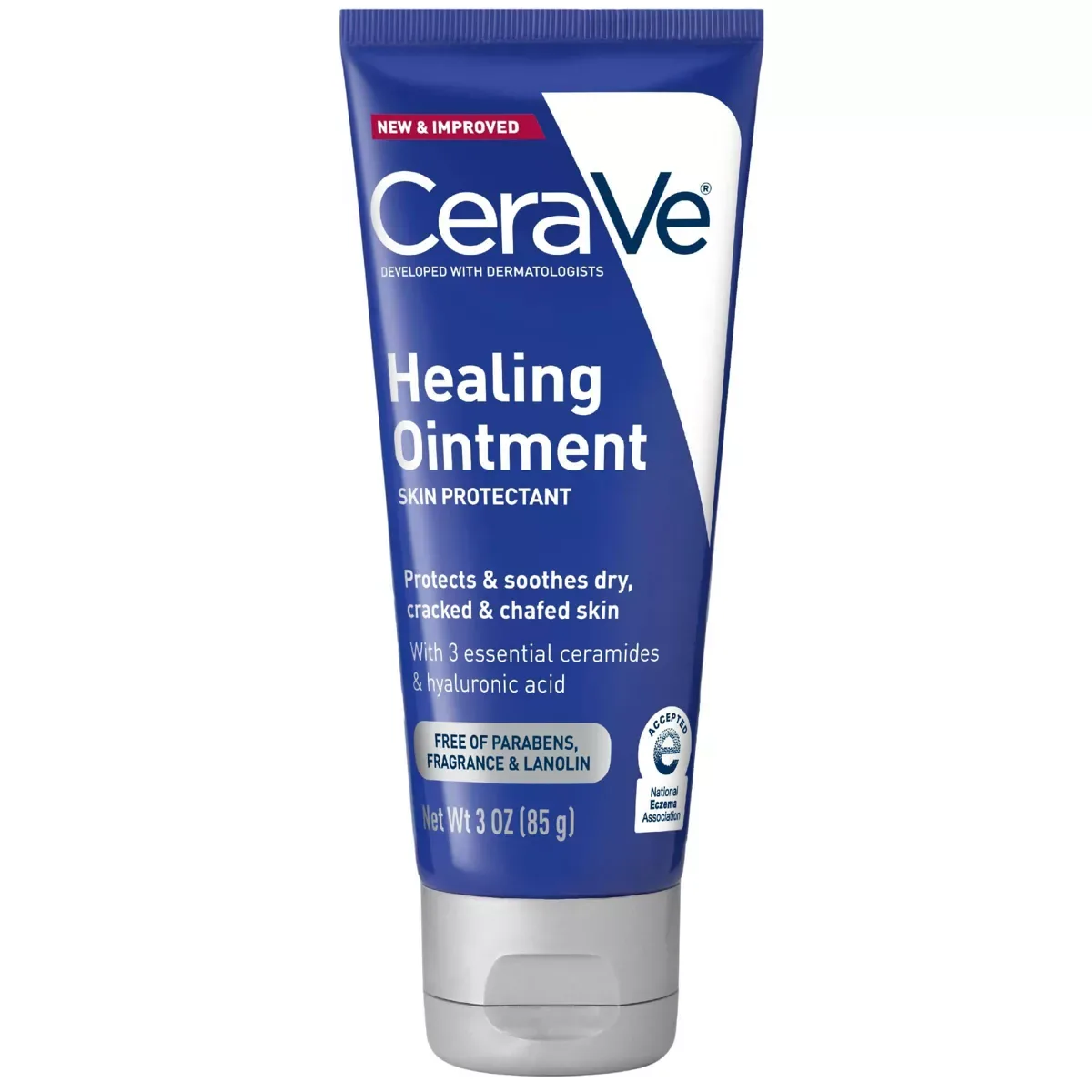
CeraVe's Healing Ointment takes the simplest concept in skincare — seal the skin with petrolatum — and makes it genuinely intelligent by adding ceramides, hyaluronic acid, and panthenol beneath the occlusive layer. It is the gold standard drugstore occlusive for barrier rescue, slugging, and post-procedure care.
 Derm Office Staple
 Effaclar Multi-Target Blemish Patches
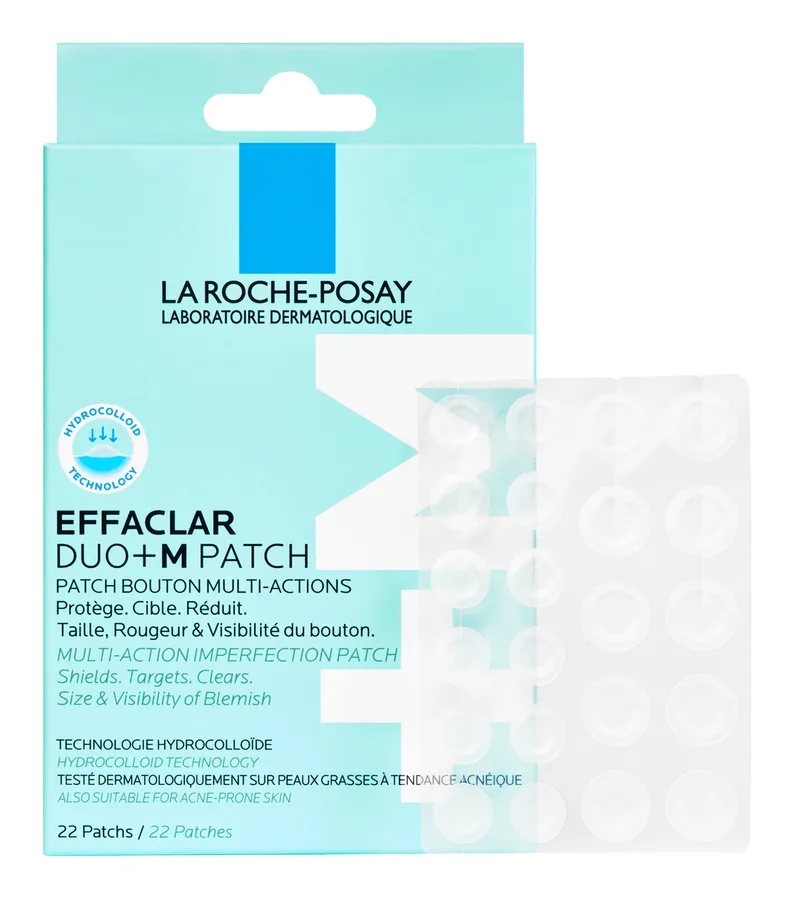
One of the few hydrocolloid pimple patches that actually stays on overnight without curling off at 3am. At 420 microns thick with two size options in one pack and zero actives to irritate sensitive skin, this is the Effaclar line's quiet overachiever — and a legitimately good answer for anyone whose acne routine has been sabotaged by thinner patches that refuse to stay put.
 Reactive-Skin Cult Favorite
 SOS Save Our Skin Daily Rescue Facial Spray
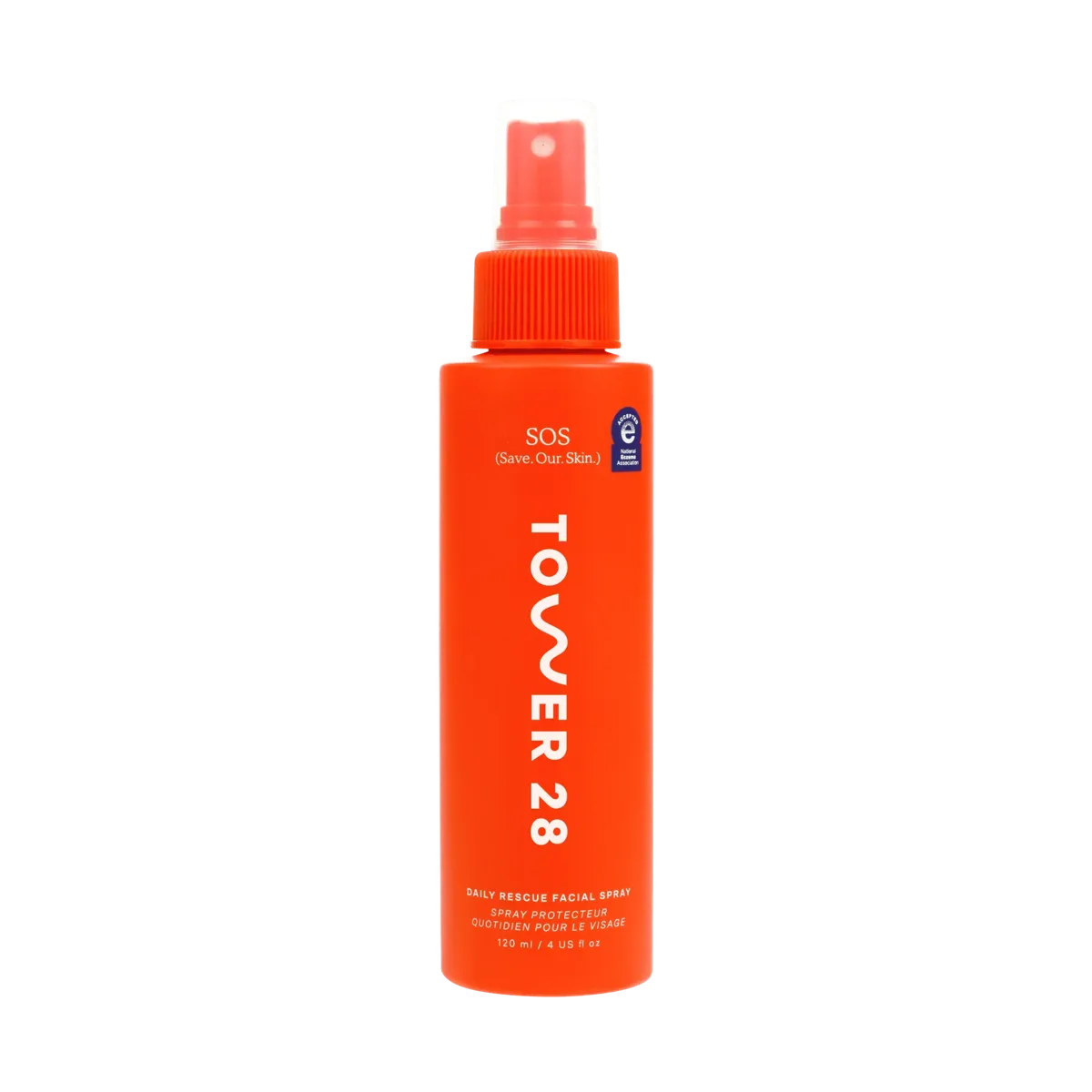
The product that single-handedly brought hypochlorous acid into mainstream skincare. A fine-mist HOCl spray with genuine dermatology-organization validation, a near-perfect tolerability profile, and a cult following among people whose skin reacts to everything else. The price runs steeper than medical-grade HOCl, but the stabilization and design are worth the difference for daily use.
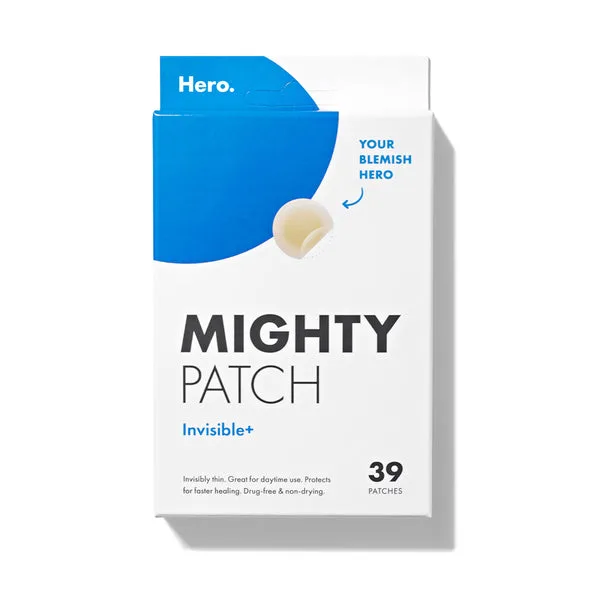
Mighty Patch Invisible+
The pimple patch that proved acne treatment could be invisible — Mighty Patch Invisible+ delivers the same fluid-absorbing hydrocolloid technology as the category-defining Original, but engineered thin enough to disappear under makeup. For daytime blemish management, nothing else comes this close to invisible.
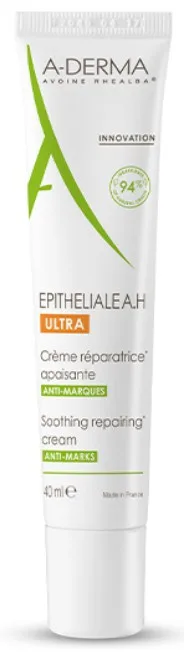 Post-Procedure MVP
 Epitheliale A.H Ultra Repairing Cream
One of the best-formulated French pharmacy repair creams on the market, full stop. Rhealba oat, three-weight HA, madecassoside, trace minerals, panthenol, and shea butter come together in a cream that handles post-procedure skin, eczema flares, friction damage, and compromised barriers with unusual competence for the price.
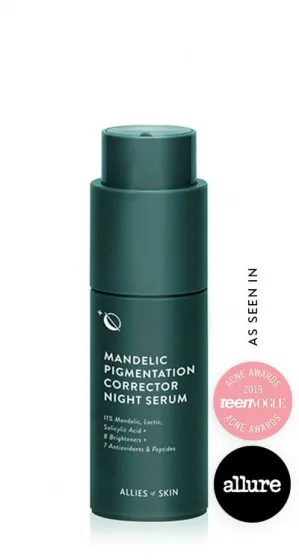 Pigmentation Specialist Pick
 Mandelic Pigmentation Corrector Night Serum
One of the most thoughtfully formulated pigmentation serums on the market. Mandelic acid leads, but the real story is the supporting cast — tranexamic acid, azelaic acid, niacinamide, and bakuchiol attacking hyperpigmentation through five different pathways. Specifically formulated to be safe on melanin-rich skin and it shows.