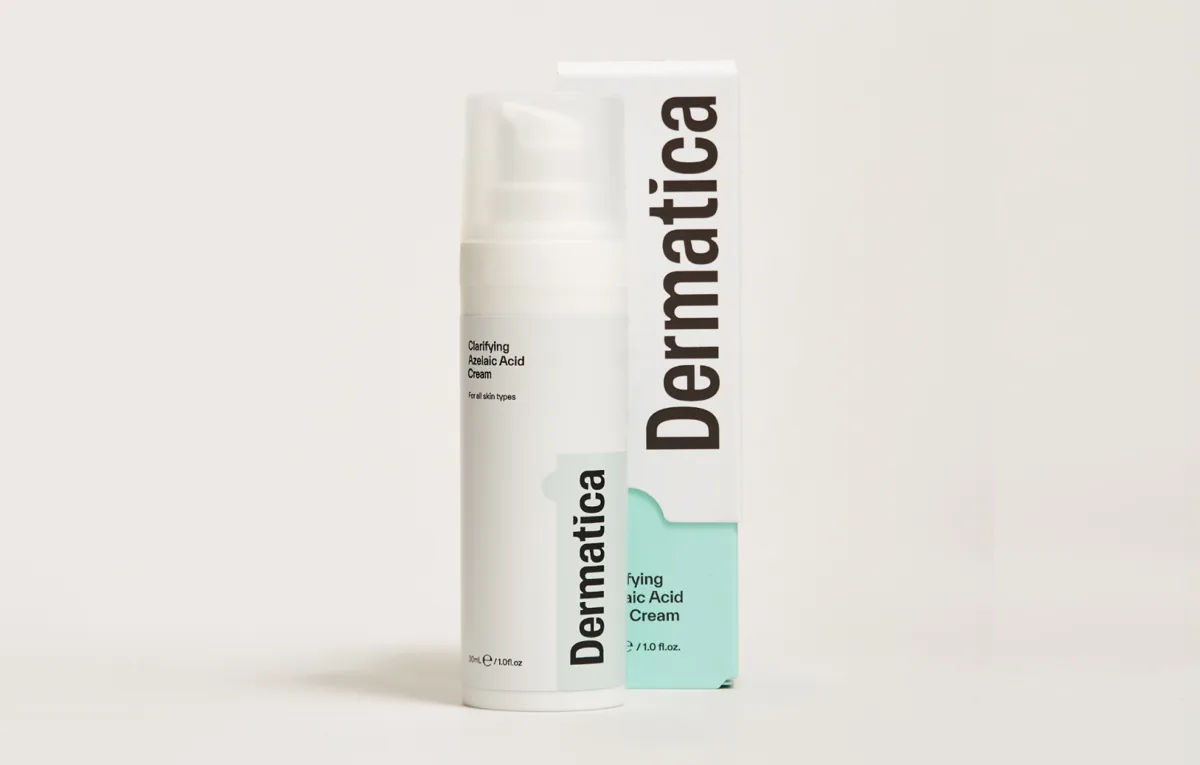
The highest over-the-counter concentration of one of dermatology's most versatile actives, delivered in a vehicle that's smarter than most prescription bases. Dermatica's ceramide-enriched 20% azelaic acid cream brings clinical-grade treatment to the masses without sacrificing skin comfort — a serious product for acne, rosacea, and hyperpigmentation that punches well above its OTC classification.
Azelaic Acid 20% Cream
The highest over-the-counter concentration of one of dermatology's most versatile actives, delivered in a vehicle that's smarter than most prescription bases. Dermatica's ceramide-enriched 20% azelaic acid cream brings clinical-grade treatment to the masses without sacrificing skin comfort — a serious product for acne, rosacea, and hyperpigmentation that punches well above its OTC classification.
Score Breakdown
An impressively formulated high-concentration azelaic acid treatment with thoughtful supporting ingredients including a full ceramide complex for barrier protection. The 20% concentration provides clinical-grade efficacy for acne, rosacea, and hyperpigmentation, supported by extensive published research.
Data Confidence: medium
This product launched in 2021 with approximately 500-800 reviews across Boots, BeautyBay, and beauty blogs. While the brand is relatively young, azelaic acid at 20% is one of the most extensively studied dermatological actives, and the formulation quality is verified by the brand's clinical dermatology team.
0/100
Overall Score
Ingredient Quality 0
Value for Money 0
Suitability Breadth 0
Irritation Risk (↑ = safer) 0
Assessment
Pros
- Maximum 20% azelaic acid concentration matches prescription-strength clinical efficacy
- Ceramide complex (NP, AP, EOP) plus phytosphingosine actively protects barrier during treatment
- Triple-action efficacy: antibacterial for acne, tyrosinase-inhibiting for pigmentation, anti-inflammatory for rosacea
- Pregnancy-safe treatment option for acne, melasma, and hyperpigmentation
- Lightweight smooth texture absorbs instantly and layers well under other products
- Fragrance-free, paraben-free, vegan, and cruelty-free formulation
- Developed by a clinical team of consultant dermatologists and pharmacists
Cons
- Mild tingling and warmth during initial 1-2 week adjustment period is common
- Small 30mL tube provides only 6-8 weeks of once-daily use
- Premium pricing per milliliter compared to lower-concentration azelaic acid products
- Limited retail availability — primarily UK-based with growing international presence
- May cause mild peeling or dryness during first few weeks of use
- Emerging brand with limited long-term track record despite strong clinical team
Full Review
There's a strange hierarchy in skincare actives. Retinoids get the glamour. Vitamin C gets the marketing budgets. Niacinamide gets the social media hype. And azelaic acid — arguably the most versatile single molecule in the entire dermatological toolkit — gets overlooked. Dermatica, a UK teledermatology company that spent its first three years writing prescriptions for custom compound treatments, decided to make their over-the-counter debut with the active most people don't know they need, at the concentration most brands are too cautious to offer.
Twenty percent azelaic acid is not a gentle introduction. This is the concentration used in prescription products — the same level that clinical trials have shown to be comparable in acne efficacy to tretinoin 0.05% and benzoyl peroxide 5%, while simultaneously demonstrating results against hyperpigmentation rivaling hydroquinone 4%. That a product this potent is available without a prescription feels almost like a regulatory oversight that consumers should quietly benefit from.
The formulation itself is where Dermatica's clinical background genuinely shows. Most high-concentration azelaic acid products — including the prescription standards — come in basic, functional vehicles that do little beyond delivering the active. Dermatica wrapped their 20% azelaic acid in a ceramide complex (NP, AP, and EOP), added phytosphingosine and cholesterol to complete the lipid barrier support system, and included squalane for comfortable emolliency. The result is a treatment product that actively protects the skin while treating it — the ceramides buffer the irritation potential of the high-concentration acid without diminishing its efficacy.
The texture reflects this dual ambition. It's lightweight and smooth, absorbing within seconds to a slightly matte finish that layers well under moisturizer and sunscreen. There's no grittiness from undissolved azelaic acid crystals, no heavy residue, no fragrance trying to mask a clinical smell. It feels like a well-made moisturizer that happens to contain a serious active ingredient. This matters more than it might seem — treatment compliance drops dramatically when a product is unpleasant to use, and Dermatica clearly engineered this for twice-daily comfort.
The first week or two will test your resolve. Twenty percent azelaic acid produces a mild tingling or warming sensation that typically lasts five to ten minutes after application. Some people describe it as a gentle prickling; others barely notice it. This is a known pharmacological effect of azelaic acid, not a sign of irritation, and it diminishes consistently as the skin acclimatizes. If you've ever used a high-percentage vitamin C serum, the sensation is comparable — noticeable but not alarming.
Once past the adjustment period, the product's versatility becomes apparent. Acne responds first — within two to four weeks, inflammatory lesions calm and new breakouts decrease in frequency and severity. Azelaic acid works differently from most acne treatments: it's antibacterial against Propionibacterium acnes, it normalizes keratinization to prevent pore blockage, and its anti-inflammatory action reduces the redness and swelling that make breakouts so visible. For hormonal acne along the jawline and chin, users consistently report meaningful improvement.
Hyperpigmentation improvements arrive more gradually, typically becoming visible at six to eight weeks. Azelaic acid inhibits tyrosinase — the enzyme responsible for melanin production — which makes it effective against post-inflammatory hyperpigmentation, melasma, and general dark spots. Unlike hydroquinone, it can be used long-term without the risk of ochronosis, and unlike many brightening agents, it's pregnancy-safe, making it one of the few evidence-based options for pregnant individuals dealing with melasma.
For rosacea, systematic reviews position azelaic acid as more effective than metronidazole 0.75% for reducing erythema and inflammatory lesions. This specific formulation's anti-inflammatory base — with ceramides and squalane rather than potentially irritating additives — makes it particularly suitable for rosacea-prone skin that reacts poorly to many treatment vehicles.
The honest limitation is size. At 30 milliliters, you're getting roughly six to eight weeks of product if used once daily on the full face. Twice-daily application cuts that in half. For a product designed for long-term consistent use, the ongoing cost accumulates — though it remains significantly cheaper than prescription azelaic acid formulations or dermatology consultations.
Dermatica is an emerging brand, and this warrants acknowledgment. Founded in 2018, they lack the decades of track record that established dermatological brands carry. However, their formulations are developed by a clinical team of consultant dermatologists and pharmacists, and the active ingredient itself has over thirty years of published clinical evidence. You're not betting on an untested ingredient — you're betting on a young brand's ability to formulate around a well-proven one. Based on this product, that bet looks increasingly solid.
At approximately twenty-five dollars for 30 milliliters, the value depends on what you're comparing it to. Against prescription azelaic acid products that cost more and come in less sophisticated vehicles, this is a bargain. Against lower-concentration OTC azelaic acid products, you're paying a premium for double or triple the active concentration and a demonstrably superior base. For the multi-condition effectiveness it provides — acne, rosacea, hyperpigmentation, and melasma in a single tube — the cost-per-condition treated is genuinely compelling.
The Dermatica Azelaic Acid 20% Cream is the kind of product that makes you wonder why more brands don't do this. Take a brilliantly effective, well-studied active. Use it at the concentration the evidence actually supports. Put it in a base that respects the skin it's treating. Sell it without a prescription. It's straightforward, evidence-driven skincare from a brand that literally started by writing prescriptions — and now they're making the prescription unnecessary.
Formula
Ingredients
The hero actives that drive this product's performance.
| Ingredient | Function | Evidence |
|---|---|---|
| Azelaic Acid 20% (20%) | The maximum over-the-counter concentration of azelaic acid, providing a triple-action treatment: antibacterial activity against P. acnes, inhibition of tyrosinase for hyperpigmentation reduction, and anti-inflammatory effects that calm rosacea. At this concentration, clinical studies show efficacy comparable to tretinoin 0.05%, benzoyl peroxide 5%, and hydroquinone 4%. | well-established |
| Ceramides NP, AP, EOP | A trio of skin-identical ceramides that buffer the potential irritation of 20% azelaic acid by reinforcing the lipid barrier. Their inclusion is strategically important — azelaic acid at high concentrations can temporarily disrupt barrier function, and these ceramides work to maintain skin integrity during treatment. | well-established |
| Squalane | Provides lightweight emolliency that works alongside the ceramide complex to keep skin comfortable during azelaic acid treatment. Its biomimetic structure helps the cream absorb smoothly without greasiness, making the high-concentration active more tolerable for daily use. | well-established |
| Phytosphingosine | A sphingoid base that supports ceramide synthesis and provides its own antimicrobial and anti-inflammatory properties — complementing the azelaic acid's antibacterial action against acne while reinforcing the barrier-repair ceramide complex. | well-established |
| Tocopheryl Acetate | Provides antioxidant protection that complements azelaic acid's own antioxidant activity, helping to neutralize free radicals generated by inflammation and UV exposure in the treated skin areas. | well-established |
Full INCI List
Aqua, Azelaic Acid, Propanediol, Squalane, Dimethicone, Glycerin, Glyceryl Stearate, PEG-75 Stearate, Phenoxyethanol, Cetyl Alcohol, Tocopheryl Acetate, Acrylates/C10-30 Alkyl Acrylate Crosspolymer, Sodium Lauroyl Lactylate, Sodium Hydroxide, Ceramide NP, Ceramide AP, Phytosphingosine, Cholesterol, Carbomer, Xanthan Gum, Ceramide EOP
Product Flags
✓ Fragrance Free✓ Alcohol Free✗ Oil Free✗ Silicone Free✓ Paraben Free✓ Sulfate Free✓ Cruelty Free✓ Vegan✗ Fungal Acne Safe
Potential Irritants
Azelaic Acid (transient tingling at 20% concentration)
Compatibility
Skin Match
Best For
Works For
Not Ideal For
Addresses These Conditions
acne rosacea hyperpigmentation melasma dark spots texture post procedure
Use With Caution
Routine Step
treatment
Time of Day
AM & PM
Pregnancy Safe
Yes ✓
Layering Tips
Apply a thin layer to clean, dry skin after cleansing and toning but before moisturizer. Start with once daily (evening) for the first two weeks to assess tolerance, then increase to twice daily if tolerated. Can be applied over or under retinoids depending on skin sensitivity — over retinoid provides a buffer, under retinoid maximizes penetration.
Results Timeline
Mild tingling and warmth expected during the first 1-2 weeks as skin adjusts. Visible reduction in active breakouts within 2-4 weeks. Hyperpigmentation improvement becomes noticeable at 6-8 weeks. Full rosacea and melasma benefits typically seen at 12-16 weeks of consistent use.
Pairs Well With
niacinamideceramide moisturizersunscreen SPF 30+retinol (with caution)
Sample AM Routine
- Gentle cleanser
- Dermatica Azelaic Acid 20% Cream
- Moisturizer
- Sunscreen SPF 30+
Sample PM Routine
- Gentle cleanser
- Dermatica Azelaic Acid 20% Cream
- Ceramide moisturizer
Evidence
Science
The Science
Azelaic acid at 20% concentration is one of the most extensively studied topical actives in dermatology. A 2023 systematic review by King et al. published in the Journal of Cosmetic Dermatology evaluated evidence across 16 acne studies and 20 rosacea studies, finding that azelaic acid significantly outperformed vehicle in global assessment scores, inflammatory lesion reduction, and erythema improvement. For acne specifically, 20% azelaic acid demonstrated efficacy comparable to tretinoin 0.05%, benzoyl peroxide 5%, and topical erythromycin 2% — with a more favorable side-effect profile than all three.
For hyperpigmentation, a pivotal study by Balina and Graupe published in Clinical Therapeutics demonstrated that 20% azelaic acid cream produced significantly greater decreases in pigmentary intensity than vehicle over 24 weeks in patients with darker skin tones. The mechanism is direct tyrosinase inhibition — azelaic acid selectively targets hyperactive melanocytes without affecting normally pigmented skin, making it safer for long-term use than hydroquinone.
The ceramide complex in this formulation (ceramides NP, AP, and EOP, along with phytosphingosine and cholesterol) addresses a practical challenge of high-concentration acid treatments: barrier disruption. Research has established that topical acids can temporarily increase transepidermal water loss by disrupting the lamellar lipid structures in the stratum corneum. By incorporating skin-identical ceramides at three different chain lengths, Dermatica's formula provides lipids that directly integrate into the barrier architecture, potentially mitigating the irritation that limits compliance with high-strength azelaic acid treatments.
References
- A systematic review to evaluate the efficacy of azelaic acid in the management of acne, rosacea, melasma and skin aging — Journal of Cosmetic Dermatology (2023)
- Azelaic acid 20% cream in the treatment of facial hyperpigmentation in darker-skinned patients — Clinical Therapeutics (1998)
Dermatologist Perspective
Board-certified dermatologists have long considered azelaic acid one of the most underutilized actives in their toolkit. Dermatologists frequently prescribe 15-20% azelaic acid formulations for acne, rosacea, and melasma — conditions that often coexist in the same patient. The availability of a well-formulated 20% over-the-counter product with barrier-supportive ingredients is viewed favorably by many clinicians, as it provides prescription-level efficacy without the access barriers of a dermatology appointment. Dermatologists particularly value azelaic acid's pregnancy safety profile, noting it is one of very few evidence-based treatment options for acne and melasma during pregnancy and breastfeeding when retinoids and hydroquinone are contraindicated.
Guidance
Usage Guide
How to Use
Start with once daily application (evening preferred) for the first two weeks to allow skin to acclimate. Apply a thin layer to clean, dry skin after cleansing and toning. Wait two to three minutes before applying moisturizer on top. After two weeks, if well tolerated, increase to twice daily — morning and evening. Always follow with sunscreen SPF 30+ in the morning, as azelaic acid can increase photosensitivity. If significant irritation occurs, reduce to every other day until tolerance builds. Can be used long-term without the safety concerns associated with hydroquinone or high-strength retinoids.
Value Assessment
At approximately $25 for 30 mL, this positions itself between drugstore azelaic acid options (typically 10% concentration at lower prices) and prescription formulations (which carry consultation fees on top of product cost). The value proposition is strongest when viewed through a per-condition lens: this single product addresses acne, rosacea, hyperpigmentation, and melasma simultaneously, potentially replacing two or three separate treatments. The ceramide-enriched vehicle also means less need for additional barrier repair products. For those who would otherwise need a dermatology consultation for prescription-strength azelaic acid, the savings are substantial — even accounting for the smaller tube size.
Who Should Buy
Anyone dealing with acne, rosacea, hyperpigmentation, or melasma who wants clinical-grade treatment without a prescription. Particularly valuable for those with multiple overlapping concerns — the ability to address acne and dark spots simultaneously with a single product is rare. Also excellent for pregnant or breastfeeding individuals who need evidence-based treatment options within the limited safe actives available during pregnancy.
Who Should Skip
If you have very sensitive skin and have never used azelaic acid before, consider starting with a 10% concentration to test tolerance before jumping to 20%. Skip if you're unable to commit to consistent daily use — azelaic acid requires weeks of regular application to show results, and sporadic use won't deliver meaningful improvements. Not ideal if you're looking for instant gratification — this is a slow-build active with a cumulative payoff.
Ready to try Dermatica Azelaic Acid 20% Cream?
Details
Details
Texture
Lightweight, smooth cream that spreads easily and absorbs quickly. Not greasy or heavy despite the high active concentration. Has a slightly matte finish once absorbed.
Scent
No added fragrance. Very faint, barely perceptible cream base scent.
Packaging
Sleek white tube with minimalist clinical branding. Hygienic tube dispensing prevents contamination. The 30mL size is small but standard for a high-concentration treatment product.
Finish
mattelightweightnon-greasy
What to Expect on First Use
Expect mild tingling or warmth for the first five to ten minutes after application — this is normal for 20% azelaic acid and typically subsides within the first two weeks of regular use. Some users experience mild flaking during the adjustment period. The cream itself feels surprisingly comfortable given the active concentration, thanks to the ceramide and squalane buffer.
How Long It Lasts
6-8 weeks with once to twice daily facial application
Period After Opening
12 months
Best Season
All Year
Certifications
Cruelty-freeVegan
Background
The Why
Dermatica built its reputation on prescription teledermatology — custom-compounded treatments prescribed by remote dermatologists. When they launched their first over-the-counter product, they chose azelaic acid at 20% for a reason: it's one of the most versatile and well-studied actives in dermatology, effective across acne, rosacea, and hyperpigmentation, yet chronically underused because most OTC products offer it at concentrations too low to match the clinical evidence. This cream was designed to close that gap.
About Dermatica Emerging Brand (2–5 years)
Dermatica was founded in 2018 as a UK-based teledermatology platform, offering prescription-strength skincare formulated under the guidance of consultant dermatologists, GPs, and pharmacists. While the brand itself is young, its formulations are developed by clinical researchers and backed by the same evidence base used in prescription dermatology. The Azelaic Acid 20% Cream is their first over-the-counter product.
Brand founded: 2018 · Product launched: 2021
Myth vs. Reality
Myths
Myth
Over-the-counter azelaic acid can't match prescription-strength results.
Reality
This cream contains 20% azelaic acid — the same concentration used in prescription formulations like Finacea and Skinoren. The clinical evidence for azelaic acid's efficacy at 15-20% applies directly to this product, regardless of whether it's dispensed with a prescription or purchased over the counter.
Myth
Azelaic acid is only useful for acne and nothing else.
Reality
Azelaic acid is a genuine multi-tasker supported by systematic reviews: it inhibits tyrosinase (reducing hyperpigmentation and melasma), has anti-inflammatory properties (effective for rosacea), provides antibacterial action (treating acne), and offers antioxidant benefits — all from a single molecule.
FAQ
FAQ
Is Dermatica Azelaic Acid 20% the same strength as prescription azelaic acid?
Yes — 20% azelaic acid is the same concentration used in prescription formulations like Finacea and Skinoren. The clinical evidence supporting azelaic acid's efficacy at 15-20% applies to this product. Dermatica's version additionally includes a ceramide complex for barrier support, which most prescription bases lack.
Can I use Dermatica Azelaic Acid 20% during pregnancy?
Yes — azelaic acid is one of the few evidence-based actives considered safe during pregnancy and breastfeeding. It's classified as Category B by the FDA. This makes it a valuable option for treating acne, melasma, and hyperpigmentation during pregnancy when retinoids and hydroquinone are contraindicated.
Why does Dermatica Azelaic Acid 20% tingle when I first apply it?
Mild tingling or warmth lasting 5-10 minutes is a normal pharmacological effect of azelaic acid at 20% concentration, not an allergic reaction. This sensation typically diminishes within the first 1-2 weeks of consistent use as your skin acclimates. If tingling is severe or accompanied by redness and swelling, reduce to every-other-day application.
Can I use Dermatica Azelaic Acid 20% with retinol?
Yes, but introduce carefully. Start by using them on alternate nights. Once tolerated, you can layer them — apply azelaic acid first for maximum penetration, or apply retinol first and azelaic acid second for a buffered approach. The ceramide complex in this formula helps protect the barrier from the combined exfoliating effects.
How long until I see results from Dermatica Azelaic Acid 20%?
Acne improvement typically becomes visible within 2-4 weeks. Hyperpigmentation and dark spots begin fading at 6-8 weeks. Rosacea erythema improvement is usually noticeable by 8-12 weeks. Full results across all conditions are typically seen at 12-16 weeks of consistent daily use. Azelaic acid is a slow-build active — consistency is more important than intensity.
Is Dermatica Azelaic Acid 20% better than The Ordinary's 10% azelaic acid?
They serve different purposes. Dermatica offers double the concentration (20% vs 10%), which clinical studies show produces more significant results for acne, rosacea, and hyperpigmentation. The Ordinary's 10% suspension is a gentler entry point for azelaic acid beginners. If you've used 10% azelaic acid and want stronger results, upgrading to this 20% formulation is the logical next step.
Community
Community
Common Praise
"Lightweight texture absorbs instantly without greasiness"
"Visible improvement in breakouts within weeks"
"Effective for hormonal acne and post-inflammatory hyperpigmentation"
"Ceramide-enriched formula feels gentle despite high concentration"
"No prescription required for 20% strength"
Common Complaints
"Tingling and warmth during initial weeks of use"
"Small 30mL tube for the price"
"Can cause mild peeling during adjustment period"
"Limited availability outside the UK"
"Some users find 20% too strong for very sensitive skin"
Notable Endorsements
Developed by Dermatica's team of consultant dermatologistsFeatured in Grazia, Boots, and UK beauty pressRecommended across r/SkincareAddictionUK
Appears In
best azelaic acid treatment best treatment for rosacea best treatment for hyperpigmentation best treatment for melasma best pregnancy safe acne treatment
Related Conditions
acne rosacea hyperpigmentation melasma dark spots texture
Related Ingredients
You Might Also Like
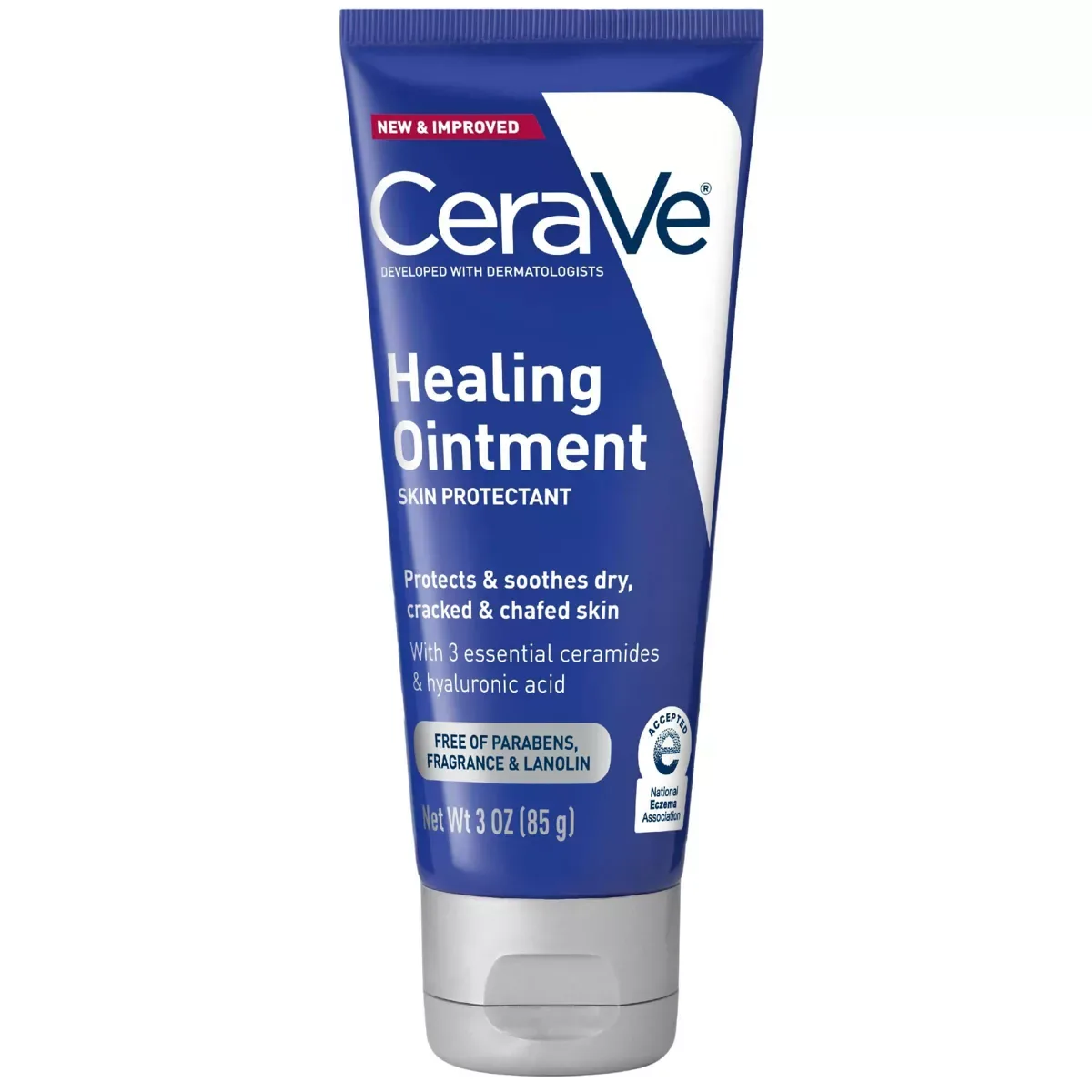 Barrier Rescue Hero
 Healing Ointment
CeraVe's Healing Ointment takes the simplest concept in skincare — seal the skin with petrolatum — and makes it genuinely intelligent by adding ceramides, hyaluronic acid, and panthenol beneath the occlusive layer. It is the gold standard drugstore occlusive for barrier rescue, slugging, and post-procedure care.
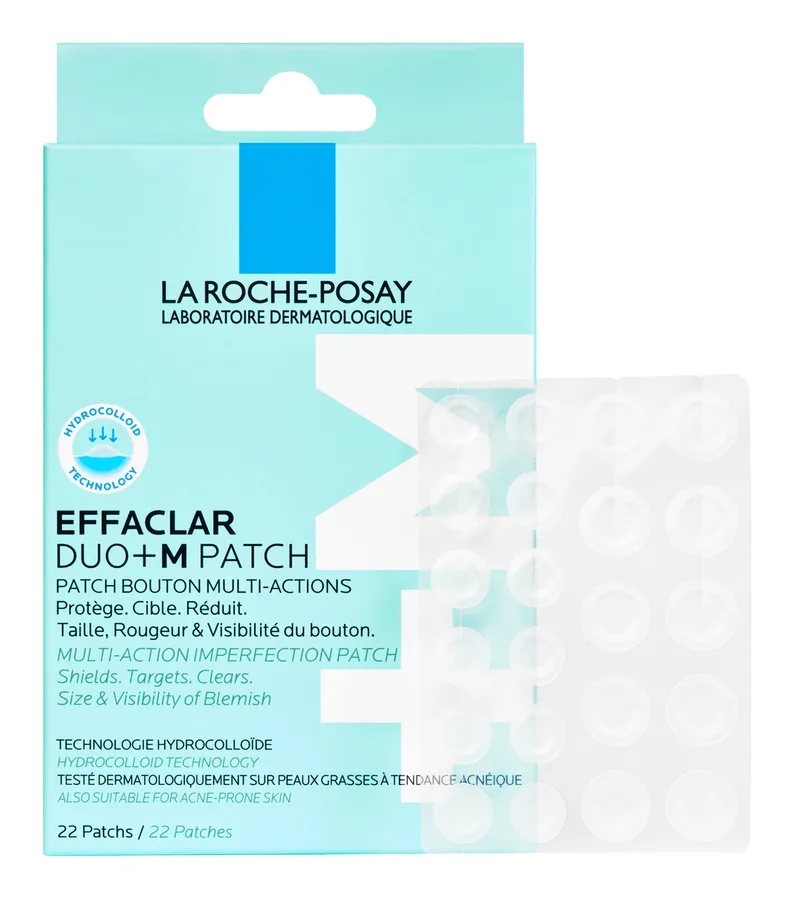 Derm Office Staple
 Effaclar Multi-Target Blemish Patches
One of the few hydrocolloid pimple patches that actually stays on overnight without curling off at 3am. At 420 microns thick with two size options in one pack and zero actives to irritate sensitive skin, this is the Effaclar line's quiet overachiever — and a legitimately good answer for anyone whose acne routine has been sabotaged by thinner patches that refuse to stay put.
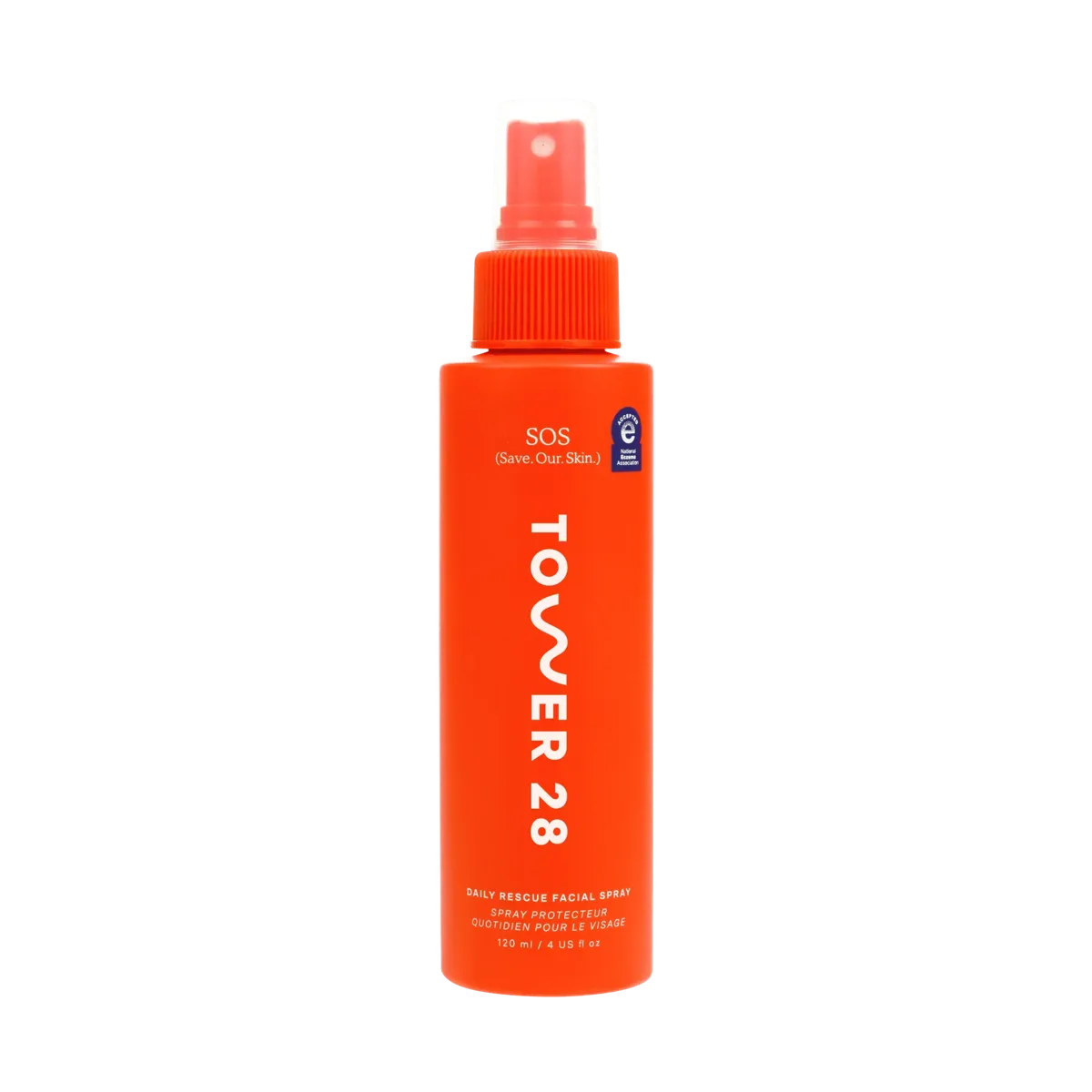 Reactive-Skin Cult Favorite
 SOS Save Our Skin Daily Rescue Facial Spray
The product that single-handedly brought hypochlorous acid into mainstream skincare. A fine-mist HOCl spray with genuine dermatology-organization validation, a near-perfect tolerability profile, and a cult following among people whose skin reacts to everything else. The price runs steeper than medical-grade HOCl, but the stabilization and design are worth the difference for daily use.
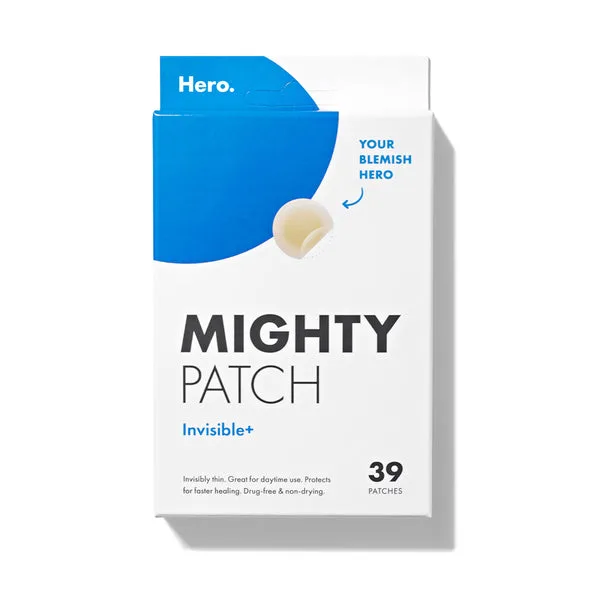
Mighty Patch Invisible+
The pimple patch that proved acne treatment could be invisible — Mighty Patch Invisible+ delivers the same fluid-absorbing hydrocolloid technology as the category-defining Original, but engineered thin enough to disappear under makeup. For daytime blemish management, nothing else comes this close to invisible.
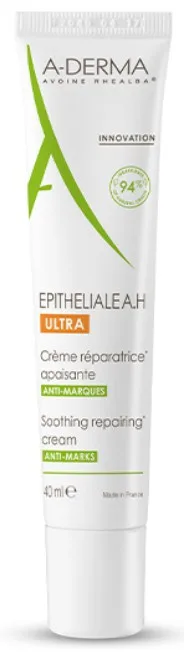 Post-Procedure MVP
 Epitheliale A.H Ultra Repairing Cream
One of the best-formulated French pharmacy repair creams on the market, full stop. Rhealba oat, three-weight HA, madecassoside, trace minerals, panthenol, and shea butter come together in a cream that handles post-procedure skin, eczema flares, friction damage, and compromised barriers with unusual competence for the price.
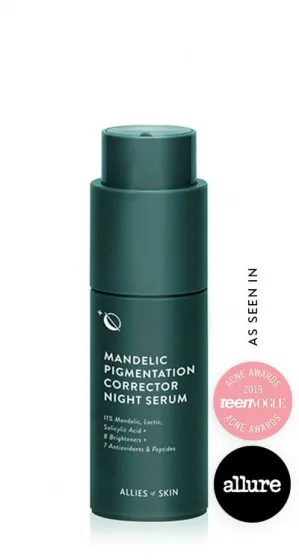 Pigmentation Specialist Pick
 Mandelic Pigmentation Corrector Night Serum
One of the most thoughtfully formulated pigmentation serums on the market. Mandelic acid leads, but the real story is the supporting cast — tranexamic acid, azelaic acid, niacinamide, and bakuchiol attacking hyperpigmentation through five different pathways. Specifically formulated to be safe on melanin-rich skin and it shows.