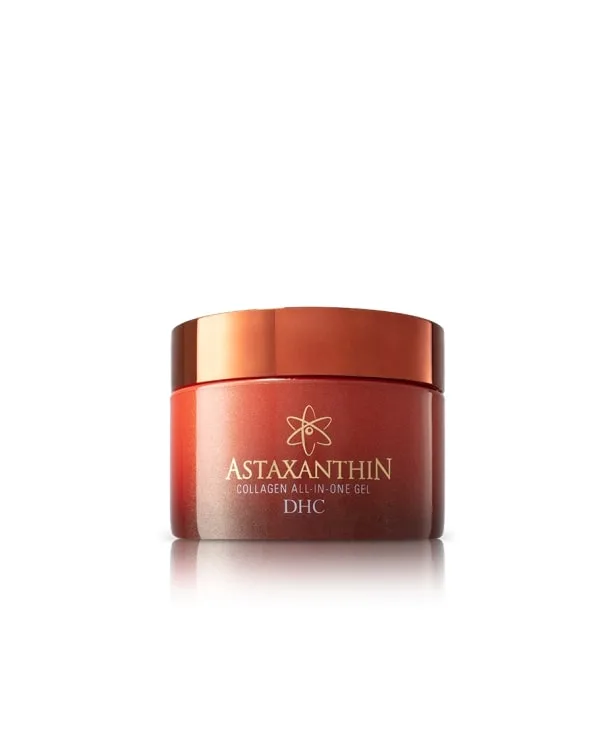
A genuinely well-built Japanese gel-cream that stacks astaxanthin, tocotrienols, and tocopherol on top of a collagen-and-squalane base, delivering immediate plumping and a real antioxidant story in a single step. At $53 for 4.2 oz it's not cheap, and the animal-derived actives rule it out for vegan users, but for the right buyer it's one of the more interesting all-in-one gels you can find on the US j-beauty shelf.
Astaxanthin Collagen All-in-One Gel
A genuinely well-built Japanese gel-cream that stacks astaxanthin, tocotrienols, and tocopherol on top of a collagen-and-squalane base, delivering immediate plumping and a real antioxidant story in a single step. At $53 for 4.2 oz it's not cheap, and the animal-derived actives rule it out for vegan users, but for the right buyer it's one of the more interesting all-in-one gels you can find on the US j-beauty shelf.
Score Breakdown
Where this product gains points and where it loses them — broken down across the four scoring pillars.
A thoughtfully layered antioxidant gel-cream with multi-tier humectants and Japanese formulation sensibilities. Loses points for the $53 price (steep for 4.2 oz of a gel-cream), a small amount of alcohol in the formula, and several animal-derived actives that limit its appeal to vegan shoppers.
Pros & Cons
- ✓Multi-layer antioxidant stack with astaxanthin, tocotrienols, and tocopherol
- ✓Fragrance-free in a category where fragrance is common
- ✓Multi-tier humectant system delivers immediate plumping
- ✓Olive-derived squalane from a brand with 30+ years of squalane expertise
- ✓Licorice-derived anti-inflammatory for sensitivity buffering
- ✓Silky, lightweight finish that replaces 2-3 routine steps
- ✓Pretty pink tint is the real astaxanthin pigment, not added dye
- ✓Pregnancy-safe with no retinoids or salicylic acid
- ✗Expensive at $53 for 4.2 oz compared to comparable gel-creams
- ✗Contains animal-derived ingredients including placental protein
- ✗Jar packaging exposes light-sensitive carotenoid to air and light
- ✗Contains alcohol lower on the INCI which may bother some sensitive skin
- ✗Gel-cream format not rich enough for very dry winter skin
- ✗Not cruelty-free, which limits the brand's appeal for ethical shoppers
Full Review
Before DHC was a skincare brand, it was a translation service in a Tokyo office building. That's not trivia — it's context. The company was founded in 1983 as the Daigaku Honyaku Center, literally 'University Translation Center,' and pivoted into cosmetics only after the founder, Yoshiaki Yoshida, took a business trip to Spain and became fascinated with the olive oil industry. The result of that pivot was the Deep Cleansing Oil, launched in 1995, which went on to become one of Japan's best-selling beauty products of all time. What matters about that story is the approach: DHC's formulations tend to be built around a single well-understood natural ingredient and the supporting cast that makes it work harder. The Astaxanthin Collagen All-in-One Gel is a more ambitious version of that approach. Instead of one hero, it stacks three antioxidants — astaxanthin, tocotrienols, and tocopherol — on top of a hydrolyzed collagen and squalane hydration base, and the whole thing is supposed to do the work of toner, essence, and moisturizer in a single step. You pump a small amount into your palm and what you get is a soft pale-pink gel-cream that reads as considered the moment it hits warm skin. It melts, it spreads thin, and it's absorbed within about 45 seconds, leaving behind a silky, dewy finish with a faint blush undertone that lingers for ten minutes before settling down. That pink tint, by the way, isn't added colorant. It's the natural red of astaxanthin, a carotenoid pigment extracted from Haematococcus pluvialis microalgae, and the visible color is a kind of visual honesty — if you can see it, the carotenoid is there in meaningful concentration. Astaxanthin is the interesting active in this formula. It's a lipid-soluble antioxidant that's been shown in specific oxidative assays to outperform vitamin E by a factor of 100 to 500 times — the exact number varies wildly depending on which study and which mechanism you cite, but the direction is clear: it's potent. DHC smartly doesn't rely on it alone. Tocotrienols, a specialized form of vitamin E with its own growing evidence base, sit just below it on the INCI, and tocopherol rounds out the antioxidant triad. On the hydration side, the formula layers butylene glycol, glycerin, pentylene glycol, and sodium hyaluronate across multiple positions on the ingredient list, creating a humectant system with multiple water-binding molecular sizes. Squalane provides the soft emollient cap — DHC is one of the original Japanese squalane brands and they still source it well — and a trace of hydrolyzed collagen and hydrolyzed elastin adds a film-forming layer that delivers the immediate plumping effect the product is marketed around. The brand also throws in stearyl glycyrrhetinate, a licorice-derived anti-inflammatory that complements the allantoin for sensitivity buffering. It's a lot of ingredients, but there's internal logic to the stack. Some honest limitations. The jar packaging is visually premium but functionally questionable for a product whose main actives are a light-sensitive carotenoid and two vitamin E isomers — an airless pump would genuinely protect those ingredients better. The formula contains alcohol, which sits low on the INCI and shouldn't pose a problem for most skin but may bother users with highly reactive skin or those who avoid alcohol-containing formulas as a matter of principle. The animal-derived actives — hydrolyzed collagen, placental protein, lactoferrin, royal jelly protein — are a dealbreaker for vegan shoppers and for anyone uncomfortable with placental-derived ingredients, which is worth knowing up front. The price is the biggest hesitation. At $53 for 4.2 ounces, this is solidly premium for a gel-cream moisturizer, and you can find more hydrating creams for less money if hydration is all you care about. What you're paying for is the antioxidant layer, the fragrance-free formulation, the j-beauty formulation sensibility, and the specific ingredient combination you won't find in the same form at the drugstore. That said, for very dry or mature skin that needs a genuinely rich night cream, this isn't it — the gel-cream format is built for normal, combination, and mildly dry skin looking for simplification with a real antioxidant story. Where it works, it works well. The immediate first-use experience is everything DHC's reputation would suggest: soft, glowy, lightweight, non-sticky, with that subtle pink finish that feels both functional and elegant. For the right user — someone in their thirties or forties looking for a one-step antioxidant moisturizer with j-beauty sensibilities, who isn't vegan and isn't budget-shopping — this is a genuinely interesting product that earns most of its price tag through formulation choices rather than packaging theatrics.
Formula
Key Ingredients
The hero actives that drive this product's performance.
| Ingredient | Function | Evidence |
|---|---|---|
| Astaxanthin (Haematococcus Pluvialis Extract) | The red-pigmented carotenoid from microalgae that gives this gel its warm blush tint — astaxanthin is a potent lipid-soluble antioxidant, approximately 100-500 times more effective than vitamin E in some oxidative assays. In this gel, it works alongside the tocotrienols and tocopherol to form a three-layer antioxidant defense against daily oxidative stress and early photoaging markers. | promising |
| Hydrolyzed Collagen | Sixth on the INCI, hydrolyzed collagen contributes film-forming humectancy and a soft, smoothed finish — it doesn't penetrate deeply enough to rebuild dermal collagen, but it provides a real surface-level plumping effect that pairs with the sodium hyaluronate for immediate softness and the 'all-in-one' hydration this product is marketed around. | promising |
| Squalane | DHC is one of the original Japanese squalane skincare brands, and the olive-derived squalane here provides a stable, non-comedogenic emollient layer that mimics sebum lipids and reinforces the barrier without any occlusive heaviness — a key reason this gel-cream feels lighter than its ingredient list suggests. | well-established |
| Tocotrienols (Vitamin E Complex) | A specialized form of vitamin E with growing evidence for greater antioxidant activity than tocopherol alone — in this gel, tocotrienols work with the astaxanthin and tocopherol to provide lipid-phase antioxidant protection and help stabilize the carotenoid pigment against oxidation. | promising |
| Stearyl Glycyrrhetinate (Licorice Root Derivative) | A lipid-conjugated derivative of glycyrrhetinic acid, the active anti-inflammatory compound from licorice root — in this formula it complements the allantoin to calm mild daily irritation and reduces the risk of reactivity on the sensitive skin types DHC tends to target. | well-established |
| Sodium Hyaluronate | Provides the humectant base note that keeps the gel's lightweight texture feeling plumping and dewy rather than dry — pairs with the glycerin, butylene glycol, and pentylene glycol stacked higher on the INCI to create a multi-tier humectant system. | well-established |
Full INCI List
Water/Aqua/Eau, Butylene Glycol, Caprylic/Capric Triglyceride, Glycerin, Hydrogenated Palm Oil, Hydrolyzed Collagen, Pentylene Glycol, Squalane, Hoplostethus/Orange Roughy Oil, Tocotrienols, Glyceryl Stearate, PEG-100 Stearate, Batyl Alcohol, Tocopherol, Porphyridium Polysaccharide, Carbomer, Potassium Hydroxide, Cetearyl Alcohol, Acrylates/C10-30 Alkyl Acrylate Crosspolymer, Stearyl Glycyrrhetinate, Cetearyl Glucoside, Allantoin, Sodium Hyaluronate, Alcohol, Hydrolyzed Elastin, Beer Extract, Polyglyceryl-10 Oleate, Placental Protein, Haematococcus Pluvialis Extract, Hydrolyzed Royal Jelly Protein, Polyglyceryl-10 Stearate, Lactoferrin, Lysolecithin, Brassica Campestris (Rapeseed) Seed Oil, Lactic Acid, Phenoxyethanol
Product Flags
✓ Fragrance Free✗ Alcohol Free✗ Oil Free✓ Silicone Free✓ Paraben Free✓ Sulfate Free✗ Cruelty Free✗ Vegan✗ Fungal Acne Safe
Potential Irritants
alcohol (low position)
Compatibility
Skin Match
Best For
Works For
Not Ideal For
Addresses These Conditions
dehydration dullness aging dryness
Use With Caution
Routine Step
moisturizer
Time of Day
AM & PM
Pregnancy Safe
Yes ✓
Layering Tips
Use as an all-in-one moisturizer replacing toner, essence, and cream — or layered over a thin hydrating toner for very dry skin. Follow with SPF in the morning.
Results Timeline
Immediate softness, glow, and plumping on first use from the multi-tier humectant system and film-forming collagen. Within 2-4 weeks, skin tone may appear subtly brighter and more even. Full antioxidant benefits against daily oxidative stress build cumulatively with 6+ weeks of consistent twice-daily use.
Pairs Well With
vitamin-cniacinamideretinol
Sample AM Routine
- Cleanser
- Vitamin C serum (optional)
- DHC Astaxanthin Collagen All-in-One Gel
- SPF 30+
Sample PM Routine
- Double cleanse
- Treatment serum (optional)
- DHC Astaxanthin Collagen All-in-One Gel
Evidence
Who Should Skip
- Expensive at $53 for 4.2 oz compared to comparable gel-creams
- Contains animal-derived ingredients including placental protein
- Jar packaging exposes light-sensitive carotenoid to air and light
- Contains alcohol lower on the INCI which may bother some sensitive skin
Science & Expert Perspective
The Science
The most scientifically interesting active in this formula is astaxanthin, a xanthophyll carotenoid most often sourced from the microalgae Haematococcus pluvialis. Published antioxidant assays have documented astaxanthin's ability to quench singlet oxygen and scavenge free radicals at rates significantly higher than vitamin E on a mole-for-mole basis — the commonly cited '100x to 500x more potent than vitamin E' figure comes from specific singlet oxygen quenching assays and should be understood as applying to that particular mechanism rather than to all antioxidant activity. Clinical studies on topical astaxanthin at concentrations between 0.035% and 0.1% have shown improvements in skin elasticity, moisture retention, and visible fine lines over 8-12 weeks of use. The tocotrienols in this formula belong to a sub-family of vitamin E compounds that some published research suggests may be more effective than tocopherol at penetrating lipid membranes and quenching free radicals; combined with tocopherol at the next INCI position, they provide a complementary lipid-phase antioxidant layer. The hydrolyzed collagen is present as a humectant and film former — current dermatological consensus is that topical collagen, even in hydrolyzed form, is too large to penetrate into the dermis where structural collagen resides, so its effect is on the surface: smoother, softer, more plump-looking skin through water retention rather than collagen rebuilding. The stearyl glycyrrhetinate is a well-studied licorice-derived anti-inflammatory, with published evidence for reducing post-inflammatory redness and supporting barrier function. The sodium hyaluronate and multiple glycols provide the humectant foundation. The formulation is notably cohesive — every ingredient has a defined supporting role in either the antioxidant layer, the hydration layer, or the barrier support, which is more than can be said for many 'all-in-one' products that include long ingredient lists as marketing padding.
Dermatologist Perspective
Dermatologists generally consider astaxanthin a well-tolerated and evidence-supported antioxidant for topical use, particularly for users seeking alternatives to L-ascorbic acid who want a lipid-soluble antioxidant rather than a water-soluble one. Board-certified dermatologists note that astaxanthin formulations are often most appropriate for users in their thirties and forties concerned with early photoaging and oxidative stress, and that the lipid-phase activity of astaxanthin complements rather than replaces the benefits of topical vitamin C in the morning routine. This gel is commonly recommended for patients who prefer a streamlined routine and have normal-to-combination skin. Dermatologists typically suggest pairing it with a dedicated sunscreen, since no moisturizer replaces SPF, and note that the animal-derived ingredients may be relevant for patients with specific dietary or ethical preferences. Patients with very sensitive or rosacea-prone skin should patch-test first given the alcohol content.
Guidance
Usage Guide
How to Use
Apply after cleansing to damp or dry skin, either as your sole moisturizer or layered over a hydrating toner for very dry skin. Dispense a pearl-sized amount onto the fingertips, warm between the hands, and press into the face and neck using light upward motions. Allow 45-60 seconds for absorption before following with broad-spectrum SPF in the morning. At night, apply as the final step after any treatment serums or retinoids. The gel's lightweight format layers cleanly under makeup. Store the jar away from direct sunlight to protect the astaxanthin and tocotrienol content, and close the lid firmly after each use.
Value Assessment
At $53 for 4.2 oz, this gel-cream sits in the premium j-beauty price bracket — roughly triple what you'd pay for a drugstore antioxidant moisturizer and comparable to prestige Korean and Japanese moisturizers at Ulta and Sephora. The value case rests on three things: the astaxanthin-and-tocotrienol antioxidant stack, the fragrance-free formulation, and the all-in-one positioning that replaces two or three other products in your routine. If you genuinely use it as a one-step moisturizer replacing toner, essence, and cream, the per-step cost is reasonable. If you're layering it with other products, the value case is harder to make. The 4.2 oz size is generous for a premium gel-cream and should last 2-3 months with twice-daily use. There is also a smaller trial size DHC occasionally offers, which is worth trying first if you're uncertain about committing to the full price.
Who Should Buy
Anyone with normal, combination, or mildly dry skin looking for a premium j-beauty all-in-one moisturizer with a real antioxidant story. Best suited for users in their thirties and forties concerned with early photoaging, or anyone who wants a lightweight fragrance-free gel-cream that replaces multiple routine steps.
Who Should Skip
Vegan users and those avoiding animal-derived ingredients should look elsewhere — this formula contains hydrolyzed collagen, placental protein, royal jelly, and lactoferrin. Users with very dry or mature skin needing a richer night cream, anyone budget-shopping, and those with rosacea sensitive to alcohol-containing formulas should also consider other options.
Ready to try DHC Astaxanthin Collagen All-in-One Gel?
Details
Details
Texture
Soft pale-pink gel-cream that melts into a silky layer on contact with warm skin and absorbs within about 45 seconds.
Scent
Virtually fragrance-free with a very faint neutral base note from the plant oils.
Packaging
Glass jar with a twist-off lid — visually premium but jar packaging exposes the astaxanthin and tocotrienols to air and light, which is a mild drawback for pigment stability.
Finish
dewylightweightglowyfast-absorbing
What to Expect on First Use
First application feels silky and immediately plumping — the layered humectants kick in within seconds. No tingling or adjustment period. Skin looks subtly pink-glowy for about 10 minutes after application before settling into a natural dewy finish. Most users are impressed on first use, which is DHC's signature brand experience.
How Long It Lasts
Approximately 2-3 months with twice-daily full-face application.
Period After Opening
6 months
Best Season
All Year
Background
The Why
DHC was founded in Tokyo in 1983 as a translation company (the name is an abbreviation of Daigaku Honyaku Center, 'University Translation Center'). The founder pivoted the company into skincare in the late 1980s after discovering olive oil as a cleansing active during a trip to Spain, and DHC's Deep Cleansing Oil, launched in 1995, became one of Japan's best-selling beauty products. The Astaxanthin Collagen line was developed as a premium anti-aging expansion built around the brand's antioxidant and collagen expertise.
About DHC Legacy Brand (20+ years)
DHC (Daigaku Honyaku Center) was founded in Tokyo in 1983 as a translation company before pivoting into cosmetics with the now-iconic Deep Cleansing Oil in 1995. The brand built its reputation on high-quality olive-oil-derived skincare and has been one of Japan's best-selling beauty exports for decades. Its formulations tend to favor well-studied Japanese skincare staples like olive squalane, tocotrienols, and hydrolyzed collagen.
Brand founded: 1983
Myth vs. Reality
Myths & Misconceptions
Myth
Topical collagen rebuilds collagen in the skin
Reality
Hydrolyzed collagen molecules are too large to penetrate into the dermis. In this formula, collagen works as a surface-level humectant and film-former, providing immediate smoothness and plumping but not structural collagen rebuilding.
Myth
The pink tint means it's colored with dye
Reality
The soft pink hue comes from the naturally red astaxanthin pigment extracted from Haematococcus pluvialis microalgae, not from added colorant — the color is a visual indicator that the carotenoid is present in meaningful concentration.
FAQ
Frequently Asked Questions
What is astaxanthin and why is it in this gel?
Astaxanthin is a red carotenoid pigment from Haematococcus pluvialis microalgae and one of the most potent lipid-soluble antioxidants available in skincare. It's been shown in some oxidative assays to be 100 to 500 times more effective than vitamin E at neutralizing specific free radicals. In this gel, it works alongside tocotrienols and tocopherol to form a multi-layer antioxidant defense.
Can this really replace a whole routine?
It can replace toner, essence, and moisturizer for normal, combination, and mildly dry skin. Very dry or mature skin may still benefit from layering a hydrating toner underneath. It does not replace sunscreen, cleanser, or dedicated treatment actives like retinol or vitamin C serum.
Is this product vegan?
No. The formula contains hydrolyzed collagen, placental protein, hydrolyzed royal jelly protein, and lactoferrin, all of which are animal-derived. Vegan users should look elsewhere.
Why is the gel pink?
The soft pink tint comes from the naturally red astaxanthin pigment extracted from microalgae — it's not added dye. The color is a visual cue that the carotenoid is present in meaningful concentration.
Does it contain fragrance?
No — this is a fragrance-free formula, which is unusual and appreciated in the j-beauty category where light fragrance is common.
Is it safe during pregnancy?
Yes. The formula contains no retinoids, salicylic acid, or hormone-active botanicals and is considered safe for pregnant users.
How does it compare to Hada Labo Premium Lotion?
This product is more of an antioxidant-forward moisturizer while Hada Labo Premium is a pure humectant hydration essence — they serve different routine roles and can technically be layered, though this gel is designed to stand alone.
Community
Community Voices
Common Praise
"lightweight yet hydrating"
"pretty pink tint"
"simplifies routine"
"dewy finish"
"noticeable glow"
Common Complaints
"expensive for the size"
"contains animal-derived ingredients"
"gel-cream not rich enough for winter dry skin"
"alcohol in formula bothers some users"
Appears In
best j beauty moisturizer best astaxanthin skincare best all in one gel best antioxidant moisturizer best japanese moisturizer
Related Conditions
Related Ingredients
You Might Also Like
 Budget Holy Grail
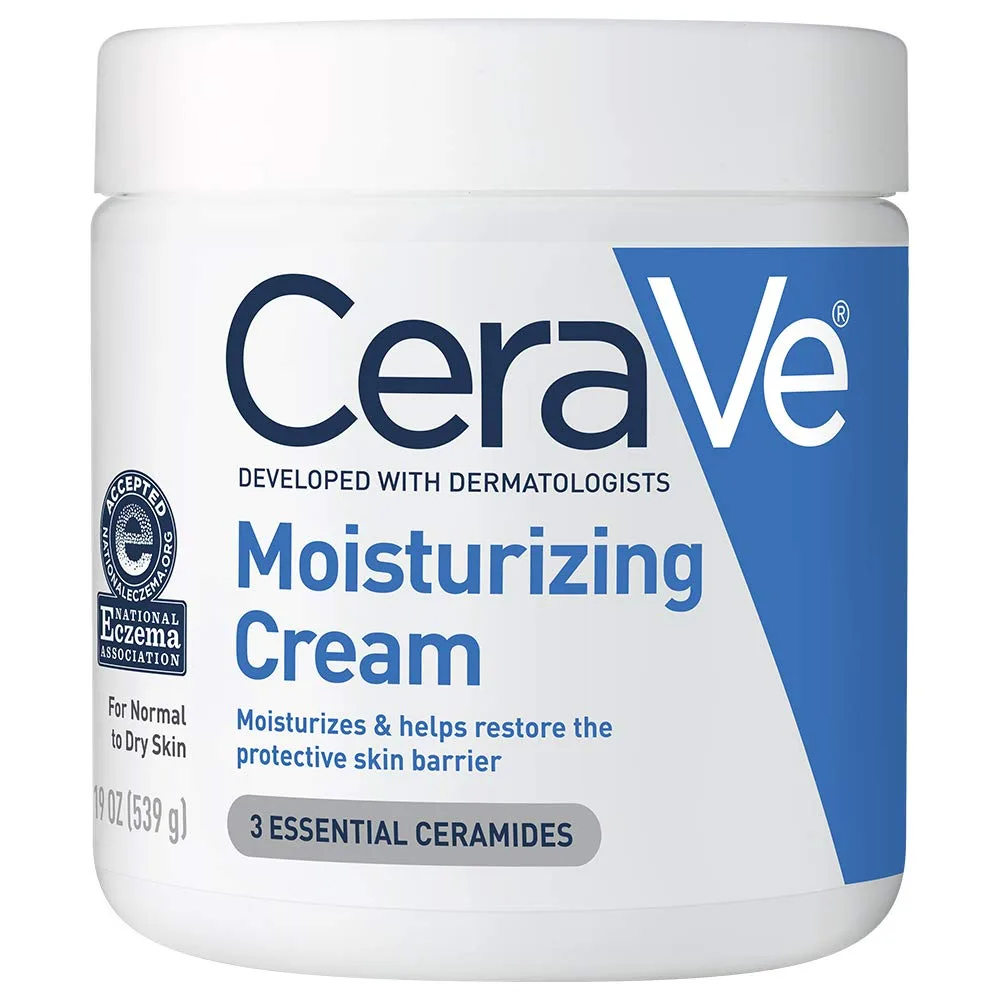
 Moisturizing Cream
The CeraVe Moisturizing Cream is the most important moisturizer in the drugstore — a ceramide-rich, dermatologist-developed formula that delivers barrier repair, multi-humectant hydration, and occlusive protection at a price so accessible it has no real excuse not to be in every household. Twenty-one years of consistent performance and universal dermatologist approval speak louder than any ingredient list.
 Barrier Repair Pioneer
 MLE Cream
Atopalm MLE Cream is one of the genuinely scientifically anchored barrier moisturizers in K-beauty — a fragrance-free, pseudo-ceramide cream built around a patented liquid-crystal lipid structure that mimics the skin's own intercellular matrix. For eczema, atopic skin, post-procedure recovery, or anyone with a stinging compromised barrier, it's one of the most reliably effective moisturizers in the entire category.
 K-Beauty Barrier Repair Staple
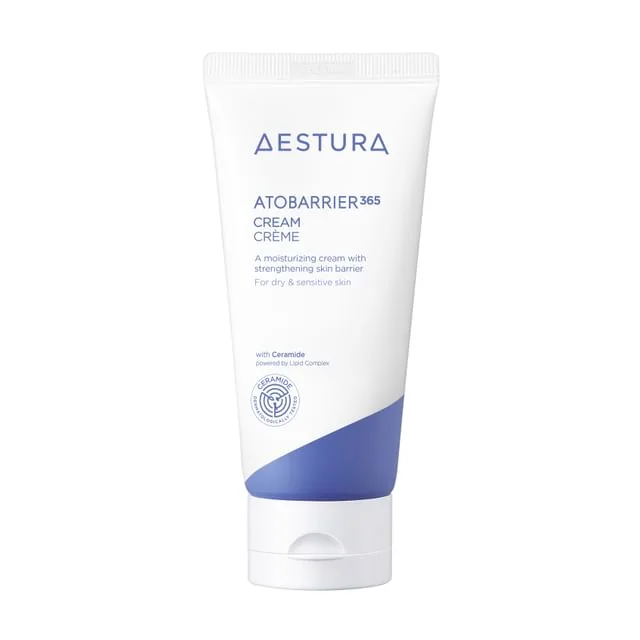
 Atobarrier 365 Cream
A Korean pharmacy cream that earns its cult following the hard way — with a lamellar lipid structure that actually rebuilds the barrier, not just coats it. If your skin has been through a rough winter, a retinoid ramp-up, or a bad reaction, this is the jar that quietly puts it back together.
 Korean Derm Clinic Recovery Pick
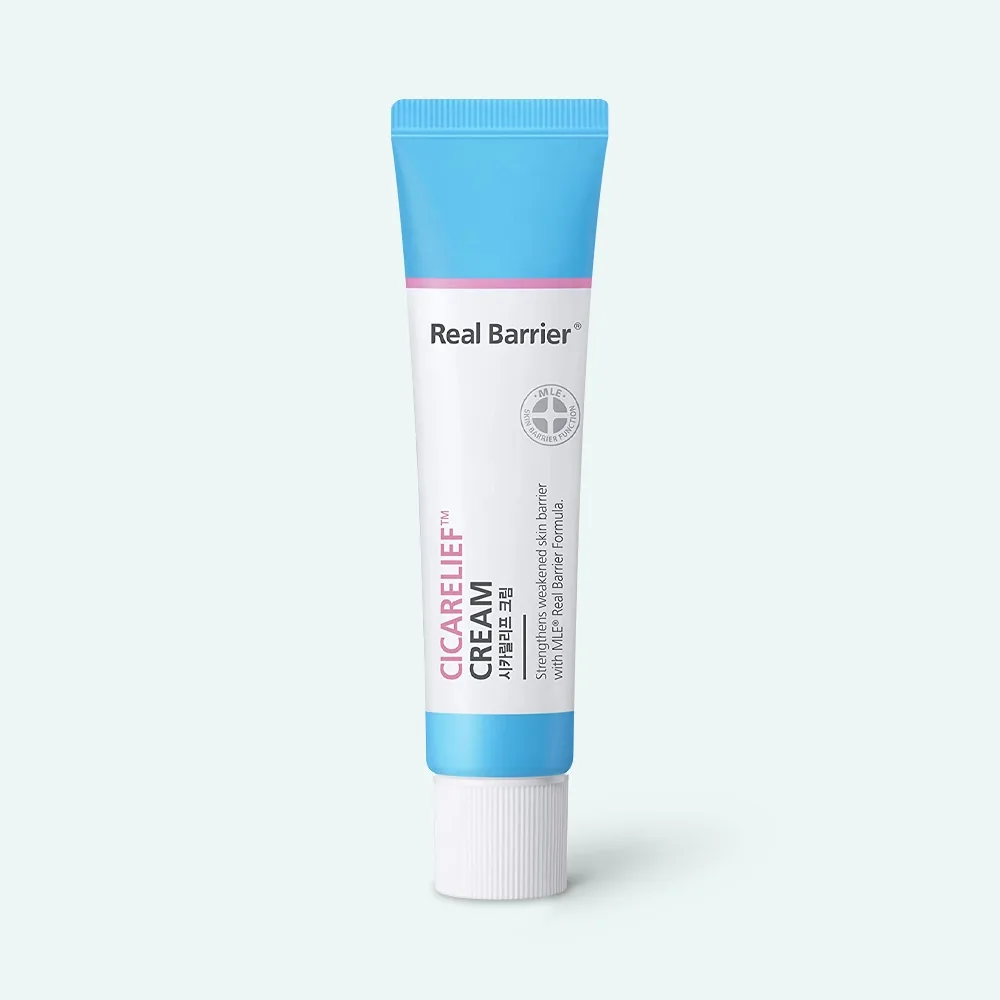
 Real Barrier Cicarelief Cream
One of the best consumer cica creams on the market, combining the full spectrum of centella actives with NeoPharm's MLE ceramide delivery and multiple complementary calming ingredients. Ideal for compromised, reactive, rosacea-prone, or recovering skin, and a staple in Korean dermatology clinic protocols. Minor limitations on packaging, but the formulation is genuinely excellent.
 Transparent 10% Panthenol Cream
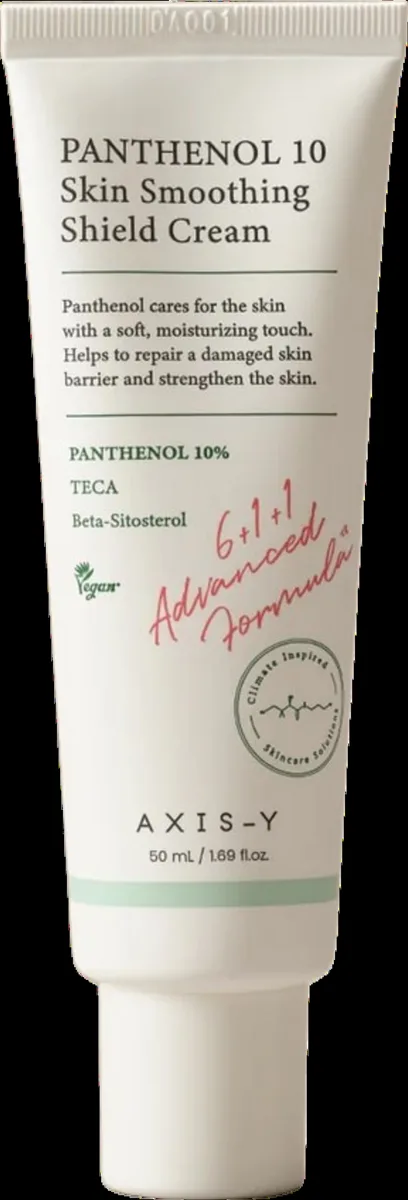
 Panthenol 10 Skin Smoothing Shield Cream
A disclosed 10% panthenol barrier cream built around a full physiological ceramide trio, a centella calming cast, and a modest shea butter occlusive. Fragrance-free, cross-season, and unusually transparent about its hero active — one of the brand's strongest moisturizer formulations.
 K-Beauty Icon
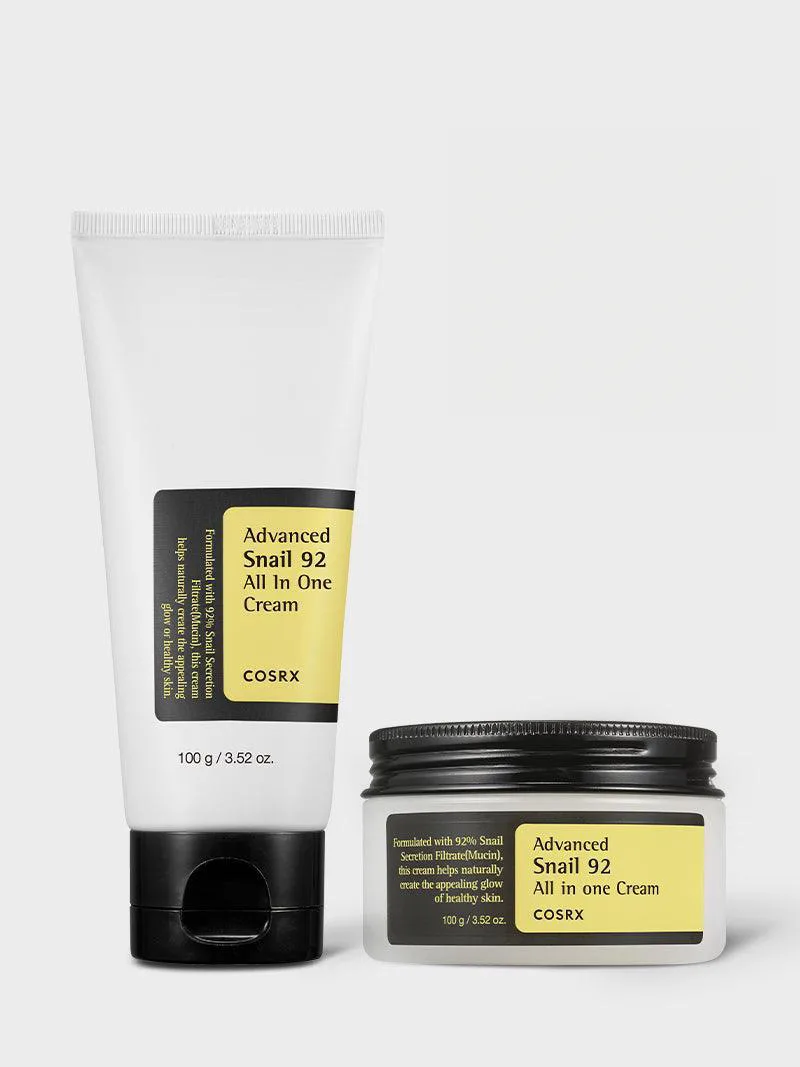
 Advanced Snail 92 All in One Cream
The cream that helped prove snail mucin to the world — and a decade later, it still deserves the reputation. At 92% snail secretion filtrate in a fragrance-free, gentle gel-cream, it delivers hydration, soothing, and gradual skin improvement across virtually every skin type. The texture takes getting used to, but 13 million sold units and 25,000+ reviews suggest most people manage.
This review reflects our independent analysis of publicly available ingredient data, manufacturer claims, and verified user reviews. We are reader-supported — Amazon links may earn us a commission at no cost to you. We do not accept paid placements; rankings are based solely on the evidence.