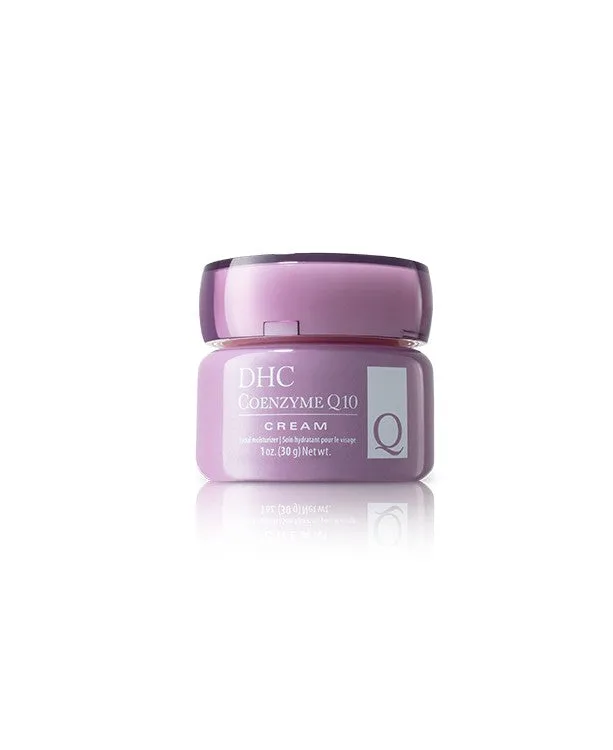
A richly satisfying Japanese CoQ10 cream that pairs ubiquinone with olive oil, tocotrienols, and a minimal fragrance-free base — one of the more thoughtfully formulated CoQ10 options on the market. At $54 for 1 oz it's expensive, and the formula is too rich for oily skin, but dry and mature skin users who want a well-built anti-aging cream with j-beauty sensibilities will find a lot to like.
Coenzyme Q10 Cream
A richly satisfying Japanese CoQ10 cream that pairs ubiquinone with olive oil, tocotrienols, and a minimal fragrance-free base — one of the more thoughtfully formulated CoQ10 options on the market. At $54 for 1 oz it's expensive, and the formula is too rich for oily skin, but dry and mature skin users who want a well-built anti-aging cream with j-beauty sensibilities will find a lot to like.
Score Breakdown
Where this product gains points and where it loses them — broken down across the four scoring pillars.
A genuinely well-formulated CoQ10 cream with a strong olive oil and tocotrienol antioxidant stack. Loses significant points on value — $54 for a 1 oz jar is premium pricing for a cream that doesn't outperform less expensive CoQ10 options on raw clinical evidence.
Pros & Cons
- ✓Olive oil and CoQ10 combination backed by DHC's 30+ years of formulation expertise
- ✓Tocotrienols and tocopherol regenerate oxidized CoQ10 for extended antioxidant activity
- ✓Fragrance-free in a category dominated by scented options
- ✓Rich, silky texture that's immediately nourishing on dry and mature skin
- ✓A little goes a long way — small jar lasts 2-3 months
- ✓Pregnancy-safe with no questionable actives
- ✓Strong j-beauty formulation philosophy with minimal filler ingredients
- ✓Over 15 years of market history and consistent user reviews
- ✗Very expensive at $54 for 1 oz
- ✗Too rich for oily or acne-prone skin
- ✗Jar packaging exposes light-sensitive CoQ10 to air and UV
- ✗Contains batyl alcohol (traditionally shark-derived) and not vegan
- ✗Not cruelty-free certified in all markets
- ✗Olive oil position on INCI makes it higher comedogenicity risk for some users
Full Review
There's a reason DHC's Q10 Cream lives on the same shelf as olive oil skincare instead of feeling like a generic anti-aging cream with CoQ10 bolted on. The brand pivoted from translation services to skincare in the mid-1990s after founder Yoshiaki Yoshida became fascinated with olive oil during a trip to Spain, and that obsession has been quietly shaping every DHC formula since. The iconic Deep Cleansing Oil is built on olive oil. The Q10 Cream is built on olive oil plus ubiquinone. Olive fruit oil sits fifth on this cream's INCI list, well above the actual CoQ10, which tells you what the formulator actually considers the base of the product. Most Western CoQ10 creams treat the ubiquinone as the sole reason to buy — a hero active floating in a generic emulsion. DHC treats it as the headline in a co-starring relationship with olive oil, and the resulting formula is more cohesive than most of its competitors. Olive oil deserves some explanation here because it's doing real work. It contains squalene (which the body also produces naturally), oleic acid, and a collection of phenolic antioxidants including oleocanthal and oleuropein. In the lipid-rich, aging skin this cream is designed for, olive oil's high oleic content provides a substantial emollient layer while the phenolics contribute their own antioxidant activity alongside the CoQ10. This is also why the cream isn't ideal for oily or acne-prone skin: olive oil is rich, and this formula doesn't pretend to be lightweight. If you have oily skin, look at DHC's CoQ10 Quick Gel or CoQ10 Milk instead — they're built on the same brand logic with different texture philosophies. The CoQ10 itself is interesting but slightly overhyped in marketing circles. Ubiquinone is a real antioxidant with real published evidence for modest improvements in fine line appearance and oxidative stress markers when used topically over 6-12 weeks, but it's not magic. Endogenous CoQ10 levels in skin do decline with age, and topical application provides a surface-level antioxidant layer, but it doesn't 'replenish' the body's internal stores. What makes it useful in skincare is its lipid solubility — it penetrates into the same layers as vitamin E and complements the aqueous antioxidant work done by vitamin C. DHC pairs it here with tocotrienols and tocopherol, which regenerate oxidized CoQ10 back to its active form and extend the effective antioxidant lifespan of both compounds. That synergy is the same principle behind the much-studied vitamin C and vitamin E combination used in prestige antioxidant serums, and it's applied here with competence. The supporting cast is minimal but deliberate. Butylene glycol and pentylene glycol contribute humectancy. Arginine and serine provide amino acid NMF support. A trace of dimethicone gives the cream its silky slip. Batyl alcohol — a natural glyceryl ether traditionally derived from shark liver oil and increasingly from vegetable sources — helps stabilize the CoQ10 emulsion and contributes to the rich, velvety texture the cream is known for. That batyl alcohol is worth flagging for anyone who avoids animal-derived ingredients, because DHC doesn't clarify the sourcing on this particular product. The texture is the part most users fall in love with. It's a pale yellow cream that looks richer than it feels — one of those formulas where a pea-sized amount warmed between the fingertips covers the whole face and absorbs within about 30 seconds, leaving behind a cushion of velvety softness rather than a greasy film. For dry or mature skin, it's immediately nourishing in a way that a lot of lightweight j-beauty formulas aren't. For oily skin, it's going to feel heavy. And for anyone who's used to a drugstore CoQ10 cream with added fragrance and a watery base, the first-use experience is a meaningful upgrade in formulation quality. Now, the value question. Fifty-four dollars for one ounce is a premium price tag even by j-beauty standards, and the case for paying it rests on a few specific things: the olive oil and tocotrienol antioxidant stack, the fragrance-free base, the j-beauty formulation philosophy, and the actual longevity of the jar (the cream is concentrated enough that 1 oz typically lasts 2-3 months with once-daily use, making the per-use cost closer to 60 cents than the upfront price suggests). If you want the cheapest CoQ10 cream that technically qualifies, this isn't it. If you want a thoughtfully built anti-aging moisturizer from a brand that's been refining this formula for over fifteen years, the math gets friendlier. The jar packaging is the one choice I'd push back on. CoQ10 is light-sensitive, and a frosted glass jar with repeated lid removal isn't the ideal protective format — an airless pump would genuinely extend the active life of the formula. For a product at this price point, better packaging is a reasonable expectation. But that aside, this is a cream that earns its reputation through real formulation quality, not marketing theatrics.
Formula
Key Ingredients
The hero actives that drive this product's performance.
| Ingredient | Function | Evidence |
|---|---|---|
| Ubiquinone (Coenzyme Q10) | The orange-pigmented quinone that gives this cream its warm yellow tint and its brand identity — ubiquinone is a lipid-soluble antioxidant involved in mitochondrial energy production and free radical scavenging. In this cream, it works alongside the olive oil and tocotrienols to support cellular energy metabolism and neutralize oxidative damage in the lipid-rich layers of aging or dry skin. | promising |
| Olive Fruit Oil | DHC's signature ingredient since the company's 1990s pivot from translation to skincare — the olive oil here sits in a high position on the INCI and provides squalene, oleic acid, and phenolic antioxidants that pair with the CoQ10 to form the core lipid-phase defense of the formula. Because olive oil has a high oleic acid content, this cream leans emollient-rich and is better suited to dry or mature skin than to oily types. | promising |
| Tocotrienols & Tocopherol (Vitamin E Complex) | A specialized vitamin E blend combining the tocotrienol and tocopherol sub-families — in this cream, they regenerate oxidized CoQ10 back to its active form, extending the effective antioxidant lifespan of both compounds in the skin. | promising |
| Batyl Alcohol | A natural glyceryl ether derived from shark liver oil (or increasingly from synthetic vegetable sources) that's common in Japanese anti-aging creams — it helps stabilize the CoQ10 emulsion and contributes to the cream's silky texture while providing mild barrier support. | emerging |
| Arginine | An amino acid that supports the skin's natural moisturizing factor and helps adjust the pH of the emulsion — in this formula it works with serine to contribute to a mild NMF-mimicking hydration layer. | well-established |
Full INCI List
Water/Aqua/Eau, Butylene Glycol, Caprylic/Capric Triglyceride, Hydrogenated Palm Oil, Olea Europaea (Olive) Fruit Oil, Stearic Acid, Pentylene Glycol, Glyceryl Stearate, PEG-100 Stearate, Batyl Alcohol, Ubiquinone, Arginine, Behenyl Alcohol, Serine, Dimethicone, Tocotrienols, Olea Europaea (Olive) Leaf Extract, Tocopherol, Phenoxyethanol
Product Flags
✓ Fragrance Free✓ Alcohol Free✗ Oil Free✗ Silicone Free✓ Paraben Free✓ Sulfate Free✗ Cruelty Free✗ Vegan✗ Fungal Acne Safe
Comedogenic Ingredients
olive oil
Compatibility
Skin Match
Best For
Works For
Not Ideal For
Addresses These Conditions
aging dryness dehydration dullness
Use With Caution
Routine Step
moisturizer
Time of Day
AM & PM
Pregnancy Safe
Yes ✓
Layering Tips
Apply as the final step in your routine after serums and treatment products. Press a small pearl-sized amount gently into dry areas and around the eyes. A little goes a long way — this cream is highly concentrated.
Results Timeline
Immediate softness and richness on first use. Within 2-4 weeks, dry or mature skin typically shows improved suppleness and reduced tightness. Visible improvement in fine line appearance is more of an 8-12 week story with consistent daily use.
Pairs Well With
vitamin-chyaluronic-acidretinol
Sample AM Routine
- Cleanser
- Hydrating toner
- Vitamin C serum
- DHC Coenzyme Q10 Cream
- SPF 30+
Sample PM Routine
- Double cleanse
- Treatment serum
- DHC Coenzyme Q10 Cream
Evidence
Science & Expert Perspective
The Science
The central active in this cream is ubiquinone (coenzyme Q10), a lipid-soluble 1,4-benzoquinone present in the mitochondrial membranes of virtually all aerobic organisms. Endogenous CoQ10 declines with age in the skin's dermal layers, and published studies have documented measurable improvements in fine line appearance, skin roughness, and oxidative stress markers when topical CoQ10 is used at concentrations around 0.3% over 6-12 weeks. The key question in any CoQ10 formulation is stability, because ubiquinone is sensitive to light and oxidation, which is one reason why this cream pairs it directly with tocotrienols and tocopherol — both forms of vitamin E regenerate oxidized CoQ10 back to its reduced (active) form, a well-documented antioxidant recycling mechanism that extends the effective life of both compounds in the skin. Olive oil contributes its own antioxidant load through oleuropein, hydroxytyrosol, and squalene, compounds that have been studied in published topical trials for their anti-inflammatory and photoprotective effects. The oleic acid content of olive oil is substantial — around 55-83% depending on source — which is part of what makes this cream emollient-rich and suitable for dry or mature skin, but also why it's poorly suited to acne-prone skin, where high-oleic oils can contribute to comedogenicity in susceptible users. The arginine and serine contribute to the amino acid pool that mimics natural moisturizing factor, supporting the hydration layer, and batyl alcohol has been studied in Japanese cosmetic literature for its mild barrier support and emulsion-stabilizing properties. The formula's simplicity is one of its strengths: fewer ingredients means less opportunity for formulation conflict, less irritation risk, and a cleaner antioxidant story. The main limitation from a scientific standpoint is packaging — CoQ10's photostability is meaningfully reduced in exposed jar formats compared to airless containers, and while the cream should remain effective for its labeled shelf life, peak potency is better preserved with sealed packaging.
Dermatologist Perspective
Dermatologists consider topical CoQ10 a reasonable antioxidant option with modest but real published evidence for improvements in fine line appearance and oxidative stress, though it's generally considered supportive rather than a primary anti-aging active. Board-certified dermatologists note that CoQ10 is best paired with vitamin C in the morning routine — where vitamin C handles aqueous-phase antioxidant work and CoQ10 handles the lipid phase — rather than used as a replacement for a proven active. This cream is commonly recommended for patients with dry or mature skin who want a fragrance-free, well-formulated anti-aging moisturizer and who don't respond well to retinol or want a gentler complementary product. Patients with oily or acne-prone skin are typically steered toward lighter CoQ10 formats like lotions or gels. Dermatologists also emphasize that no antioxidant cream replaces the need for daily broad-spectrum SPF, which does more to prevent visible aging than any topical active.
Guidance
Usage Guide
How to Use
Apply to clean, toned skin as the final step in your routine after any serums or treatment products. Dispense a pea-sized amount, warm between the fingertips, and press into the face and neck using gentle upward motions. A little goes a long way with this cream — using more won't improve results and will waste product. Follow with broad-spectrum SPF 30 or higher in the morning. At night, apply as the last step and allow 2-3 minutes for absorption before going to bed. Store the jar away from direct sunlight and close the lid firmly after each use to protect the light-sensitive CoQ10 content.
Value Assessment
At $54 for 1 oz, this cream is priced at the top of the mainstream anti-aging category. The value case is complicated: on pure ingredient cost, the formula is less impressive than prestige options with peptides, retinoids, or growth factors at similar prices; on formulation philosophy and the CoQ10-plus-olive oil story, it's a well-built cream that justifies its premium if those specific actives align with what you're looking for. The 1 oz size is smaller than you'd want, but the concentration of the cream means a jar typically lasts 2-3 months with once-daily use. Per-use, the cost works out to around 60-80 cents, which is less alarming than the upfront price. Drugstore CoQ10 creams exist at a fraction of the price but generally with fragrance, lower-quality bases, and less cohesive formulation. For users committed to the j-beauty CoQ10 story, this is a genuine upgrade. For everyone else, it's an expensive bet on a specific formulation philosophy.
Who Should Buy
Users with dry or mature skin looking for a thoughtfully formulated, fragrance-free anti-aging cream with a real antioxidant story. Best suited for those in their forties and beyond who want the j-beauty CoQ10 experience and don't mind paying a premium for the olive oil and tocotrienol formulation.
Who Should Skip
Anyone with oily or acne-prone skin — the olive oil and palm oil base is too rich and potentially comedogenic. Vegan users and those avoiding shark-derived ingredients should also look elsewhere. Budget-conscious shoppers can find adequate CoQ10 creams at a fraction of this price, though generally without the same formulation depth.
Ready to try DHC Coenzyme Q10 Cream?
Details
Details
Texture
Rich yet silky pale-yellow cream that melts on warm skin and leaves a soft, non-greasy cushion.
Scent
Fragrance-free with a faint neutral note from the olive oil and plant extracts.
Packaging
Small frosted glass jar with twist-off lid — visually premium but exposes the light-sensitive ubiquinone to repeated air contact.
Finish
velvetynaturalnon-greasy
What to Expect on First Use
First use feels immediately nourishing without being heavy. The yellow tint disappears into skin within 30 seconds and leaves a velvety cushion. No tingling or stinging. Most dry or mature skin users notice improved suppleness within the first few applications, which is part of why this product has retained a cult following for over 15 years.
How Long It Lasts
Approximately 2-3 months with once-daily use — the 1 oz size sounds small but the cream is concentrated enough that a pea-sized amount covers the full face.
Period After Opening
6 months
Best Season
All Year
Background
The Why
DHC's CoQ10 line was developed in the mid-2000s as the brand's anti-aging pillar, building on the olive oil expertise founder Yoshiaki Yoshida had established with the company's iconic 1995 Deep Cleansing Oil. The Q10 Cream quickly became a bestseller in Japan and has remained a flagship product through multiple formula refinements.
About DHC Legacy Brand (20+ years)
DHC has been a top-selling Japanese beauty brand since pivoting from translation to cosmetics in the 1980s. Its CoQ10 line has been a brand pillar for over 15 years and is one of the most visible ubiquinone-based skincare ranges in global markets. Marketed as Q10 Cream in Japan and US retail, this intensive cream is one of DHC's flagship anti-aging moisturizers.
Brand founded: 1983
Myth vs. Reality
Myths & Misconceptions
Myth
Topical CoQ10 replaces what the body loses with age
Reality
Endogenous CoQ10 levels in skin decline with age, but topical application doesn't 'replenish' internal stores. What it does is provide a surface-level antioxidant layer that can help neutralize free radicals in the upper layers of skin, with modest measurable effects on fine lines and oxidative markers.
Myth
CoQ10 is vegan
Reality
Ubiquinone itself can be sourced from either fermentation or animal sources and is considered vegan depending on production. However, this particular cream also contains batyl alcohol, traditionally derived from shark liver oil, which makes it not vegan-friendly by default.
FAQ
Frequently Asked Questions
What does CoQ10 actually do for the skin?
Topical CoQ10 (ubiquinone) is a lipid-soluble antioxidant that neutralizes free radicals and supports cellular energy production. Published studies on topical ubiquinone have shown modest improvements in fine line appearance, oxidative stress markers, and skin elasticity when used consistently over 6-12 weeks.
Is this cream too rich for oily skin?
Probably yes. The formula leads with olive oil, palm oil derivatives, and caprylic triglycerides, which creates a richer finish better suited to dry or mature skin. Oily or acne-prone users should consider DHC's CoQ10 Quick Gel or CoQ10 Milk instead.
Is it vegan or cruelty-free?
No. The formula contains batyl alcohol, which is traditionally derived from shark liver oil (though synthetic vegetable sources now exist). DHC also does not hold cruelty-free certification in all markets.
Does it contain fragrance?
No. It's fragrance-free, which is unusual in the anti-aging cream category and a meaningful advantage for sensitive or reactive skin.
How does the 1 oz size compare to other creams?
One ounce sounds small, but the cream is rich enough that a pea-sized amount covers the full face. Most users get 2-3 months from a jar with once-daily use, which makes the per-use cost more reasonable than the upfront price suggests.
Is it safe during pregnancy?
Yes. The formula contains no retinoids, salicylic acid, or hormone-active botanicals and is considered safe for pregnant users.
Community
Community Voices
Common Praise
"rich without being greasy"
"calms dry mature skin"
"pleasant silky texture"
"fragrance-free"
"a little goes a long way"
Common Complaints
"very expensive for 1 oz"
"too rich for oily skin"
"contains animal-derived batyl alcohol source"
"jar packaging not ideal for light-sensitive CoQ10"
Appears In
best coq10 cream best japanese anti aging cream best cream for dry mature skin best fragrance free anti aging cream best antioxidant moisturizer
Related Conditions
Related Ingredients
You Might Also Like
 Budget Holy Grail
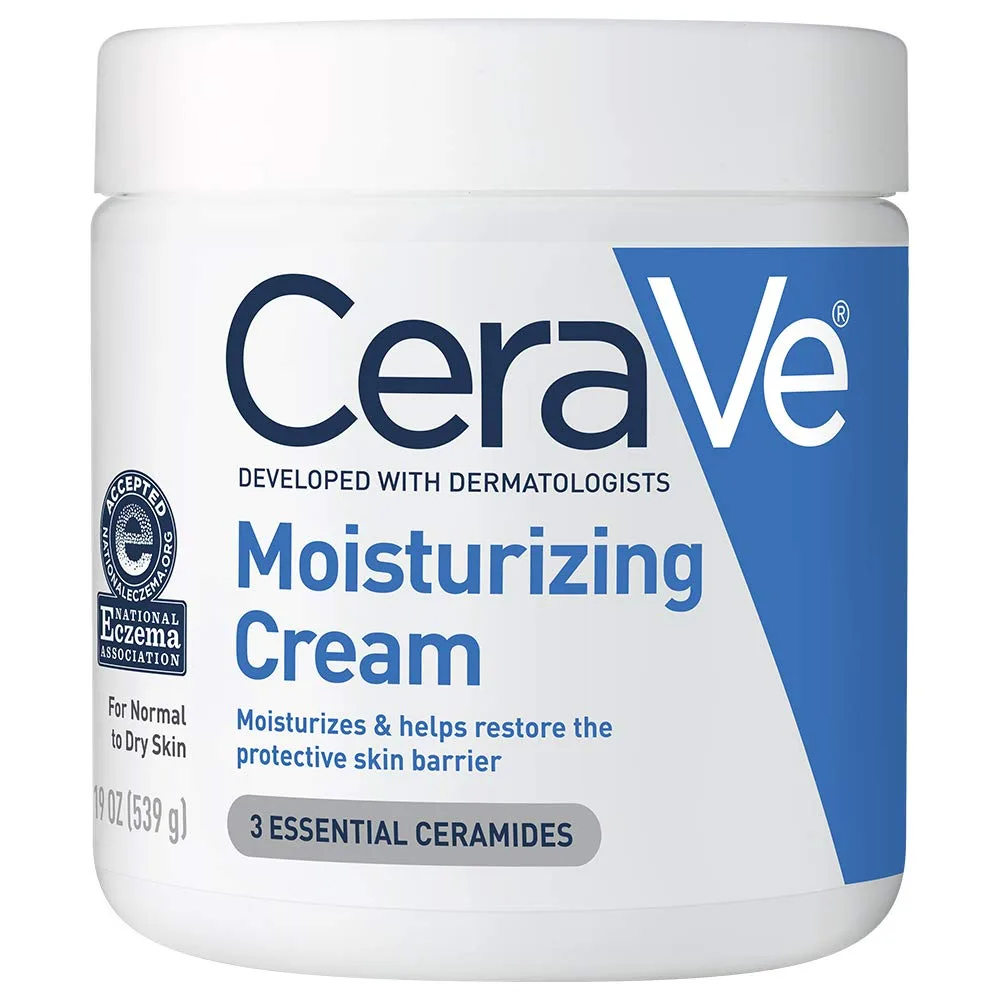
 Moisturizing Cream
The CeraVe Moisturizing Cream is the most important moisturizer in the drugstore — a ceramide-rich, dermatologist-developed formula that delivers barrier repair, multi-humectant hydration, and occlusive protection at a price so accessible it has no real excuse not to be in every household. Twenty-one years of consistent performance and universal dermatologist approval speak louder than any ingredient list.
 Barrier Repair Pioneer
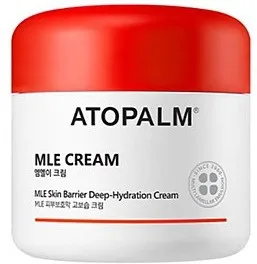
 MLE Cream
Atopalm MLE Cream is one of the genuinely scientifically anchored barrier moisturizers in K-beauty — a fragrance-free, pseudo-ceramide cream built around a patented liquid-crystal lipid structure that mimics the skin's own intercellular matrix. For eczema, atopic skin, post-procedure recovery, or anyone with a stinging compromised barrier, it's one of the most reliably effective moisturizers in the entire category.
 K-Beauty Barrier Repair Staple
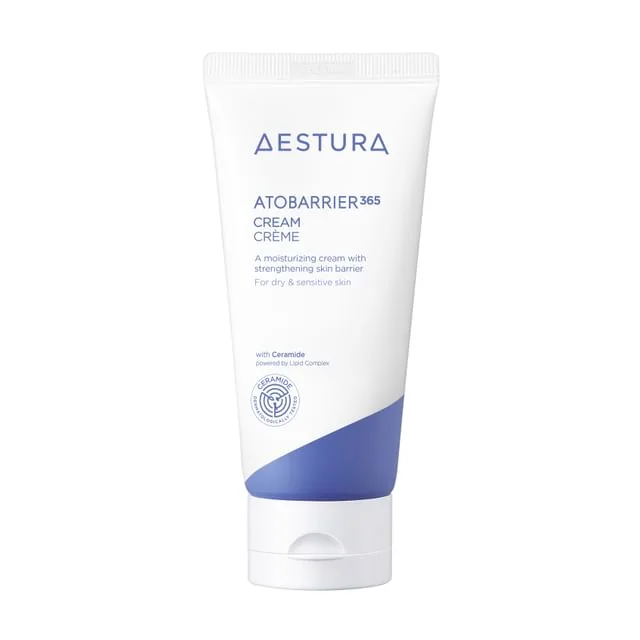
 Atobarrier 365 Cream
A Korean pharmacy cream that earns its cult following the hard way — with a lamellar lipid structure that actually rebuilds the barrier, not just coats it. If your skin has been through a rough winter, a retinoid ramp-up, or a bad reaction, this is the jar that quietly puts it back together.
 Korean Derm Clinic Recovery Pick
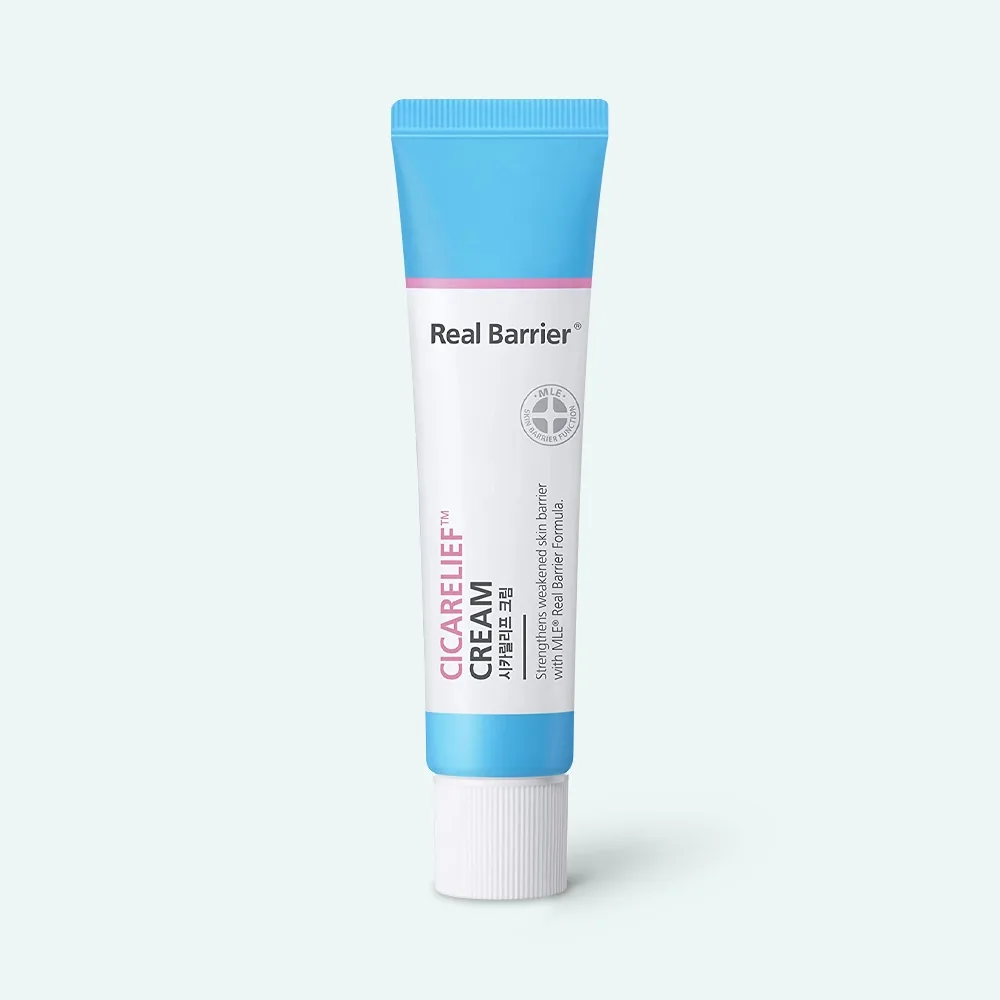
 Real Barrier Cicarelief Cream
One of the best consumer cica creams on the market, combining the full spectrum of centella actives with NeoPharm's MLE ceramide delivery and multiple complementary calming ingredients. Ideal for compromised, reactive, rosacea-prone, or recovering skin, and a staple in Korean dermatology clinic protocols. Minor limitations on packaging, but the formulation is genuinely excellent.
 Transparent 10% Panthenol Cream
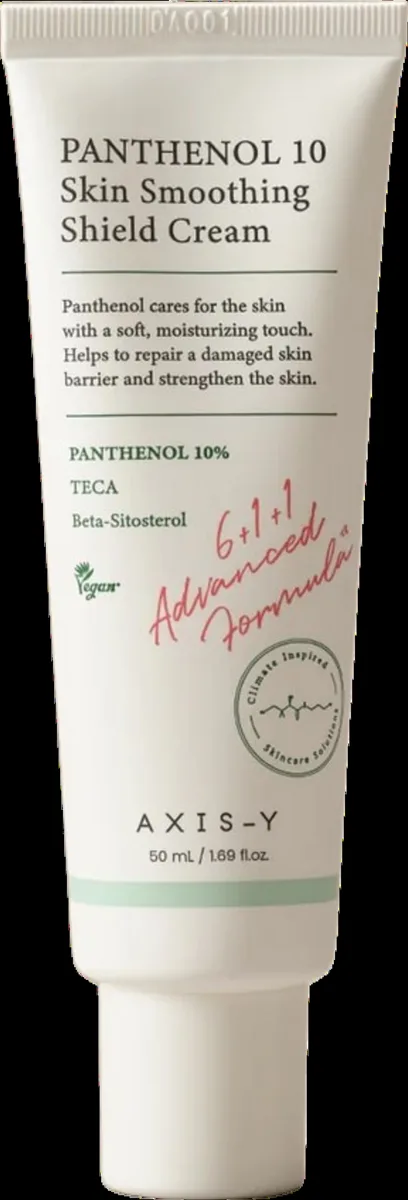
 Panthenol 10 Skin Smoothing Shield Cream
A disclosed 10% panthenol barrier cream built around a full physiological ceramide trio, a centella calming cast, and a modest shea butter occlusive. Fragrance-free, cross-season, and unusually transparent about its hero active — one of the brand's strongest moisturizer formulations.
 K-Beauty Icon
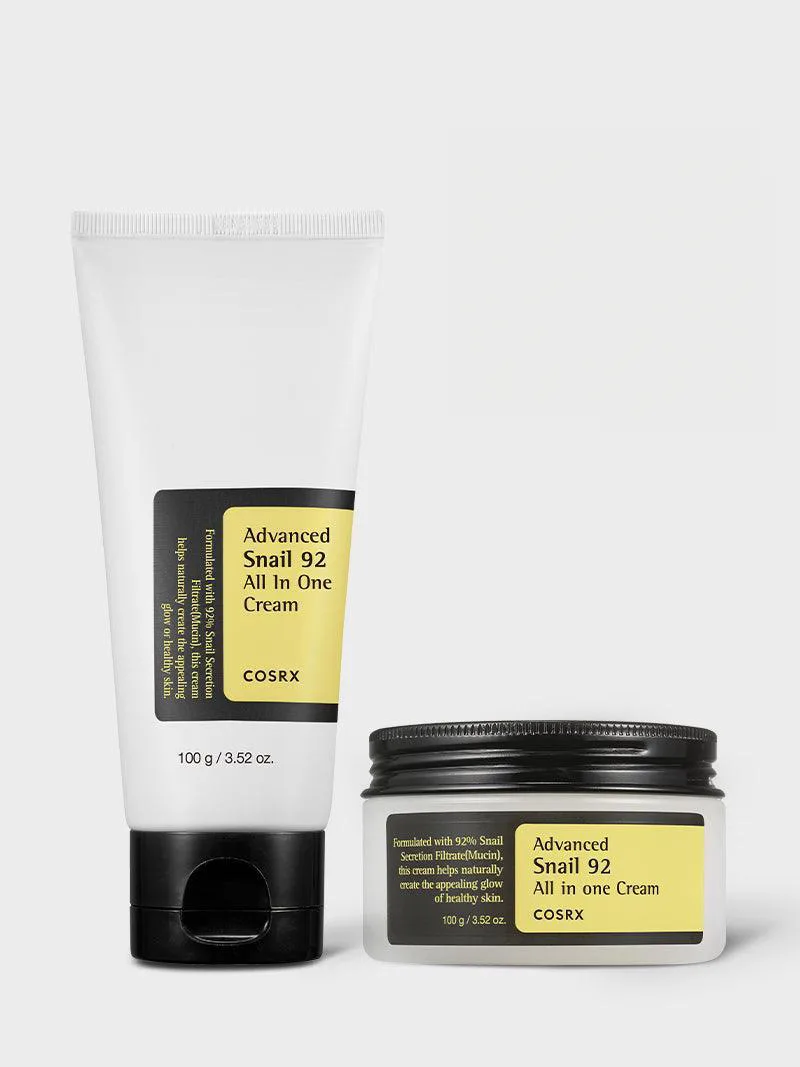
 Advanced Snail 92 All in One Cream
The cream that helped prove snail mucin to the world — and a decade later, it still deserves the reputation. At 92% snail secretion filtrate in a fragrance-free, gentle gel-cream, it delivers hydration, soothing, and gradual skin improvement across virtually every skin type. The texture takes getting used to, but 13 million sold units and 25,000+ reviews suggest most people manage.