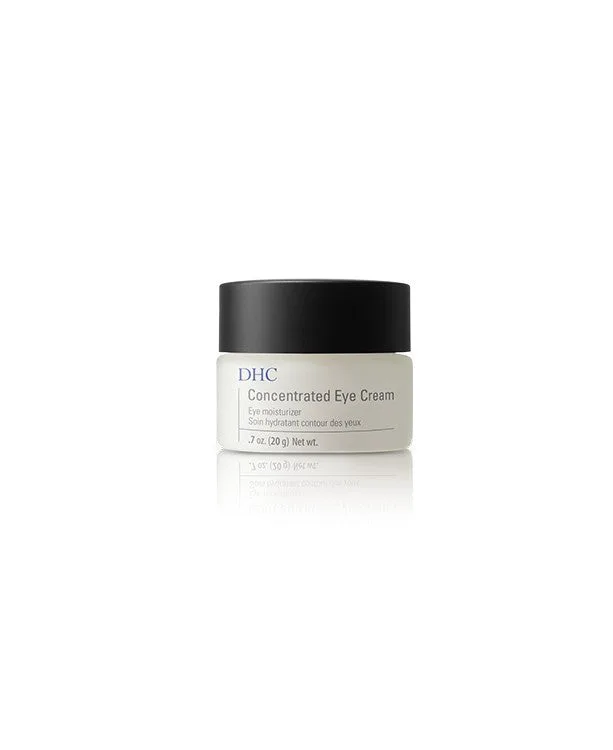
DHC's concentrated eye cream is a classic J-beauty formula that still holds up: olive-oil-rich, three-peptide, multi-decade track record. It's not a miracle dark-circle eraser and the paraben preservatives will lose some shoppers, but for dry under-eye hydration and subtle crow's-feet softening, it does exactly what its 1980s-era claims said it would.
Concentrated Eye Cream
DHC's concentrated eye cream is a classic J-beauty formula that still holds up: olive-oil-rich, three-peptide, multi-decade track record. It's not a miracle dark-circle eraser and the paraben preservatives will lose some shoppers, but for dry under-eye hydration and subtle crow's-feet softening, it does exactly what its 1980s-era claims said it would.
Score Breakdown
Where this product gains points and where it loses them — broken down across the four scoring pillars.
A classic J-beauty eye cream with a multi-peptide approach and DHC's signature olive oil base. Loses points for parabens (a dealbreaker for some shoppers) and retinyl palmitate rather than a more modern retinoid.
Pros & Cons
- ✓Peptide stack combines argireline, palmitoyl tetrapeptide-7, and carnosine for multi-pathway aging support
- ✓Olive oil base provides rich hydration without heavy feel on delicate under-eye skin
- ✓No fragrance, no essential oils, no alcohol — safe for reactive eyes
- ✓Small rice-grain-sized doses mean tube lasts 4-6 months
- ✓40-year brand heritage with consistent formulation history
- ✓Silicone-glycerin slip layers well under makeup and sunscreen
- ✗Uses dated retinyl palmitate rather than a more effective modern retinoid
- ✗Contains parabens, which will be a dealbreaker for paraben-averse shoppers
- ✗Olive oil can be comedogenic if migrated into T-zone area
- ✗Minimal effect on pigmentation-based dark circles despite marketing implications
Full Review
Almost nobody who buys DHC Concentrated Eye Cream knows the brand started as a translation company. DHC stands for Daigaku Honyaku Center — 'University Translation Center' — founded in 1983 by Yoshiaki Yoshida as a service translating academic papers for Japanese researchers. On a business trip to Europe in the mid-1980s, Yoshida became fascinated with olive oil as a skincare ingredient, a raw material almost nobody in the Japanese cosmetics industry was using at the time. He launched a single product — DHC Deep Cleansing Oil — and within a decade it was one of the top-selling cosmetics items in Japan. This eye cream is part of the 'Concentrated' line DHC built around that olive-oil legacy, and forty years later it's still one of the few mid-priced eye creams that leads with pharmaceutical-grade olive oil instead of petrolatum, shea butter, or the now-ubiquitous squalane.
The formula is a product of its era in a way that's both a strength and a weakness. On the strength side, it stacks three peptides — acetyl hexapeptide-8 (better known as argireline), palmitoyl tetrapeptide-7, and carnosine — which is more peptide complexity than you'd expect at this price point. Argireline does its well-documented trick of temporarily interfering with the neurotransmitter signaling that creates expression lines, which is why most users see the cream's most visible effect at the outer corner of the eye rather than directly under it. Palmitoyl tetrapeptide-7 hits a different pathway, reducing the low-grade chronic inflammation that drives collagen breakdown in the orbital area. Carnosine is the surprise — an anti-glycation dipeptide that protects collagen from the sugar cross-linking that stiffens skin with age. You rarely see all three in the same formula unless you're paying twice as much.
On the weakness side, DHC still uses retinyl palmitate as its retinoid. This is the gentlest, least-potent, and most-controversial of the vitamin A derivatives — it has to be converted through multiple steps in the skin before it does anything, and by the time it reaches the retinoic acid end point, the concentration is a tiny fraction of what it started as. For a 2026 audience used to retinaldehyde, HPR, and encapsulated retinol, retinyl palmitate feels like a relic. It's not doing harm, but it's not pulling its weight either. The preservative system is also paraben-based (methylparaben and propylparaben), which is toxicologically fine but reputationally dated. Shoppers who've been trained by a decade of clean-beauty marketing to avoid parabens will not love seeing them here. The cream also contains olive oil, which is comedogenic on the face for some users — you can use it safely around the eyes where most people don't break out, but don't let it migrate into the T-zone.
Texture-wise, this is where DHC earns its shelf space. The cream is rich but not heavy, with a silicone-glycerin slip that makes it disappear into the orbital skin within seconds. Under makeup, it holds up well as long as you use the right amount — a rice-grain-sized pat per eye is enough, and any more will pill. It layers beautifully over a hydrating serum and under most moisturizers and sunscreens. There's no stinging, no fragrance, no purging, and no adjustment period. You put it on and your under-eyes feel immediately softer, a small hydrated cushion that lasts about eight hours before needing refresh.
The real-world benefit depends heavily on what you're using it for. If you have dry, dehydrated under-eyes and want to soften fine lines that appear when you smile or squint, this cream does that job well — within four to six weeks most users see a noticeable difference. If you're looking for dark circle elimination, temper your expectations. The ginseng root extract claims microcirculatory benefits that can help with vascular-type darkness, but pigmentation-based dark circles from post-inflammatory hyperpigmentation or genetic shadowing won't respond much. This is an anti-aging eye cream first and a dark circle treatment a distant second.
Value is reasonable but not cheap. At around $36 for just over half an ounce, you're paying roughly twice as much per ounce as a drugstore eye cream. You're getting the peptide stack, the forty-year brand heritage, and a formula that's been iterated on for over a decade without major reformulation — which in the eye cream world is actually meaningful. The tube lasts four to six months with twice-daily use, so the annual cost works out to under $80, which puts it in the same territory as many mid-range Western eye creams with less ingredient complexity. If you're a J-beauty fan, if you specifically want an olive-oil-based formula, or if you want to try argireline without spending $80+ on a specialty brand, it's a reasonable buy. If you're paraben-averse or want a more modern retinoid, look elsewhere.
Formula
Key Ingredients
The hero actives that drive this product's performance.
| Ingredient | Function | Evidence |
|---|---|---|
| Olive Fruit Oil | DHC's signature ingredient since 1983 — sits in the top half of this eye cream as an emollient that softens the delicate under-eye skin and helps the peptides and retinyl palmitate penetrate into the lipid-rich orbital area. Cosmetically elegant here because it's buffered by silicones that prevent the heavy feel of pure oil. | well-established |
| Acetyl Hexapeptide-8 (Argireline) | A neuropeptide that temporarily reduces the depth of expression lines at the outer corner of the eye by interfering with muscle contraction signaling. In this cream it's paired with palmitoyl tetrapeptide-7 to hit both the muscular and inflammation-driven pathways of under-eye aging simultaneously. | promising |
| Carnosine | An anti-glycation dipeptide that protects the collagen in the thin periocular skin from the sugar cross-linking that stiffens it with age. Unusual inclusion in a Japanese eye cream — DHC tends to stack this with retinyl palmitate for a two-track anti-aging play, one on glycation, one on cell turnover. | promising |
| Panax Ginseng Root Extract | A traditional East Asian botanical that DHC uses for its microcirculatory benefits — the claim being that it helps reduce the stagnant blood pooling that contributes to dark circles. Evidence is thinner than the other actives here, but it's a signature part of DHC's J-beauty heritage positioning. | emerging |
Full INCI List
Water, Glycerin, Cyclopentasiloxane, Dimethicone, Butylene Glycol, Cetyl Ethylhexanoate, PEG-10 Dimethicone, Squalane, PEG/PPG-19/19 Dimethicone, Sodium Chloride, Olea Europaea (Olive) Fruit Oil, Panax Ginseng Root Extract, Glycyrrhiza Glabra (Licorice) Root Extract, Aloe Barbadensis Leaf Extract, Tocopherol, Retinyl Palmitate, Ascorbyl Palmitate, Carnosine, Acetyl Hexapeptide-8, Palmitoyl Tetrapeptide-7, Sodium Hyaluronate, Disodium EDTA, Phenoxyethanol, Methylparaben, Propylparaben.
Product Flags
✓ Fragrance Free✓ Alcohol Free✗ Oil Free✗ Silicone Free✗ Paraben Free✓ Sulfate Free✗ Cruelty Free✗ Vegan✗ Fungal Acne Safe
Comedogenic Ingredients
Olive Oil
Potential Irritants
MethylparabenPropylparaben
Compatibility
Skin Match
Best For
Works For
Not Ideal For
Addresses These Conditions
aging dryness dark circles dehydration
Use With Caution
Routine Step
treatment
Time of Day
AM & PM
Pregnancy Safe
No ✗
Layering Tips
Pat gently around the orbital bone after serums and before moisturizer. A rice-grain amount per eye is enough — more will pill.
Results Timeline
Hydration and brightness are visible within the first week. Argireline-related softening of expression lines takes 4-6 weeks. Retinyl palmitate benefits on fine lines are cumulative over 12-16 weeks.
Pairs Well With
hyaluronic-acidniacinamidevitamin-c
Conflicts With
retinoids (AM)
Sample AM Routine
- Cleanser
- Hydrating toner
- DHC Concentrated Eye Cream
- Moisturizer
- Sunscreen
Sample PM Routine
- Cleansing oil
- Cleanser
- Serum
- DHC Concentrated Eye Cream
- Moisturizer
Evidence
Who Should Skip
- Uses dated retinyl palmitate rather than a more effective modern retinoid
- Contains parabens, which will be a dealbreaker for paraben-averse shoppers
- Olive oil can be comedogenic if migrated into T-zone area
- Minimal effect on pigmentation-based dark circles despite marketing implications
Science & Expert Perspective
The Science
The most clinically-supported active in this formula is acetyl hexapeptide-8, marketed as Argireline. A 2013 study in the International Journal of Cosmetic Science examined a 10% argireline solution applied twice daily and found a measurable reduction in wrinkle depth around the eyes after 28 days, with the mechanism attributed to inhibition of SNAP-25 and soluble N-ethylmaleimide-sensitive factor attachment protein receptor (SNARE) complex formation, reducing acetylcholine release at the neuromuscular junction. The concentration in cosmetic eye creams is typically much lower than the tested 10%, so real-world results are more modest.
Palmitoyl tetrapeptide-7 (also known as Rigin) has been studied for its ability to downregulate pro-inflammatory cytokines including IL-6, which plays a role in photoaging-driven collagen degradation. A 2013 in vitro study in the Journal of Cosmetic Dermatology demonstrated this cytokine suppression effect in human fibroblast cultures, though whole-skin in vivo trials remain limited.
Carnosine's anti-glycation mechanism is well-characterized in the broader biochemical literature. Glycation is the non-enzymatic reaction between reducing sugars and the amino groups of proteins, leading to the formation of advanced glycation end products (AGEs) that stiffen collagen and elastin. Carnosine acts as a sacrificial substrate for these reactions, intercepting the reactive carbonyl intermediates before they can cross-link with skin collagen. Topical efficacy data is thinner than the mechanism deserves, but the rationale is sound.
Retinyl palmitate, by contrast, has the weakest evidence base of the common retinoid derivatives. It must be enzymatically converted to retinol, then retinaldehyde, then finally retinoic acid to exert any effect on the retinoid receptor pathway, and each step loses concentration. A 2015 review in Dermato-Endocrinology noted that retinyl palmitate's in vivo conversion efficiency is poor and that its inclusion in modern anti-aging formulations is largely driven by its stability advantages rather than its efficacy.
References
- Anti-wrinkle activity of acetyl hexapeptide-3 — International Journal of Cosmetic Science (2013)
- Retinoids in the treatment of skin aging — Dermato-Endocrinology (2015)
Dermatologist Perspective
Dermatologists generally categorize eye creams like this one as hydration-and-comfort products rather than clinical treatments. For patients with dry, dehydrated under-eye skin or early expression lines, board-certified dermatologists often suggest peptide-based eye creams as a gentle first-line option before recommending prescription tretinoin or in-office treatments. The argireline literature is considered modestly supportive, and most dermatologists frame it as a 'soft' complement to other modalities rather than a replacement for them. For dark circles specifically, dermatologists commonly note that eye creams of any formulation have limited effect when the underlying cause is pigmentation or structural — in those cases, clinical procedures or pigmentation-targeted treatments are typically more productive. The paraben preservative system is considered safe by dermatological consensus, though patient preference around parabens is acknowledged.
Guidance
Usage Guide
How to Use
Apply twice daily, morning and evening, after serums and before moisturizer. Use a rice-grain-sized amount for both eyes. With your ring finger (the weakest finger, least likely to drag delicate skin), pat the cream around the orbital bone starting from the inner corner, moving along the brow bone, and out to the crow's feet area. Avoid applying directly onto the lash line or the moist pink tissue. Let it absorb for 30 seconds before continuing your routine. If using a retinoid serum elsewhere on your face at night, apply the eye cream first as a buffer to protect the delicate periocular area.
Value Assessment
At approximately $36 for 0.52 ounces, this sits in the mid-tier eye cream market. The per-ounce cost is about twice that of a CeraVe or Olay eye cream but roughly half the price of Shiseido Benefiance or SK-II eye creams with similar peptide complexity. The tube lasts four to six months at twice-daily application, which works out to around $75-85 per year — reasonable for someone committed to a peptide-based anti-aging approach. Only one size is available, so there's no cost advantage to bulk buying. Given DHC's forty-year brand heritage and the multi-peptide formulation, the value is fair, though not a standout bargain. Shoppers who prioritize a modern retinoid or paraben-free preservation may find better value at the same price point from more recently reformulated competitors.
Who Should Buy
Anyone with dry or dehydrated under-eye skin looking for a peptide-based anti-aging eye cream with a proven multi-decade formula. A particularly strong match if you're a J-beauty fan, if you specifically want an olive-oil-based product, or if you want to try argireline without committing to a luxury-priced specialty brand.
Who Should Skip
Skip if you avoid parabens as a personal preference, if you want a more modern retinoid like retinaldehyde or encapsulated retinol, or if your primary eye-area concern is pigmentation-based dark circles rather than hydration and fine lines. Also skip during pregnancy due to the retinyl palmitate.
Ready to try DHC Concentrated Eye Cream?
Details
Details
Texture
Rich but fast-absorbing cream with a slight silicone slip.
Scent
Virtually scentless — faint neutral oil note.
Packaging
Small metal tube with screw cap. Hygienic, travel-friendly, opaque for ingredient stability.
Finish
satinvelvety
What to Expect on First Use
Expect immediate plumping of the under-eye area from the silicone-glycerin base. The peptides and retinyl palmitate work subtly — no tingling, no purging. Most users see visible hydration improvement in the first few days and softening of fine lines around week four.
How Long It Lasts
4-6 months with twice-daily application around both eyes.
Period After Opening
12 months
Best Season
All Year
Background
The Why
DHC started in 1983 as Daigaku Honyaku Center, a university translation service run by founder Yoshiaki Yoshida. Yoshida discovered olive oil as a skincare ingredient during a business trip to Europe and pivoted the company into cosmetics in 1984 with a single olive-oil-based cleansing oil. That product — DHC's Deep Cleansing Oil — became one of Japan's top-selling cosmetics products, and the eye cream is part of the olive-oil-based 'concentrated' line DHC built around that heritage.
About DHC Legacy Brand (20+ years)
DHC (Daigaku Honyaku Center) launched in 1983 in Tokyo and began as a university translation service before pivoting into olive-oil-based skincare. The brand has over four decades on market and is one of Japan's largest mail-order cosmetics companies, with extensive in-house R&D though limited independent clinical trials published in Western journals.
Brand founded: 1983
Myth vs. Reality
Myths & Misconceptions
Myth
Argireline works like topical Botox.
Reality
Argireline interferes with a different part of the neurotransmitter release pathway than botulinum toxin and produces a much milder, topical, reversible effect. It can soften the appearance of expression lines but doesn't paralyze muscle.
Myth
Parabens in eye creams are unsafe.
Reality
Methylparaben and propylparaben at cosmetic use levels are among the most extensively studied preservatives in existence, and regulatory bodies including the FDA and SCCS have repeatedly affirmed their safety. The discomfort around parabens is largely reputational, not toxicological.
FAQ
Frequently Asked Questions
Does DHC Concentrated Eye Cream actually work on dark circles?
Partially. The ginseng extract claims microcirculatory benefits that can modestly reduce vascular-type dark circles, but pigmentation-based dark circles from post-inflammatory hyperpigmentation won't respond much. Most users report hydration and brightness improvements rather than full dark circle elimination.
Can I use this eye cream during pregnancy?
No, we would not recommend it. This formula contains retinyl palmitate, a vitamin A derivative that is commonly flagged for pregnancy caution even though systemic absorption from a topical eye cream is minimal. Safer pregnancy-phase options use peptides alone without retinoids.
Does DHC Eye Cream contain parabens?
Yes. This formula contains methylparaben and propylparaben as preservatives. Both are FDA-approved and considered safe at cosmetic use levels, but if you specifically avoid parabens for personal preference, this formula isn't a match for you.
How much product should I use per application?
A rice-grain-sized amount is sufficient for both eyes. Applying more will cause pilling under foundation or when layered with other products, and won't deliver more benefit since the active peptides absorb at low concentrations.
Is this eye cream fragrance-free?
Yes, essentially. There is a very faint neutral scent from the olive oil and plant extracts but no added fragrance or essential oils, making it appropriate for fragrance-sensitive users and those with reactive skin.
Can I use DHC Eye Cream around the crow's feet area?
Yes, that's actually where argireline shows its strongest effect. Pat a small amount along the outer corner of the eye and up toward the temple using your ring finger, avoiding tugging motion on the thin skin.
Community
Community Voices
Common Praise
"Deep hydration for dry under-eye area"
"A little goes a long way"
"Doesn't sting or irritate eyes"
"Lasts many months per tube"
Common Complaints
"Contains parabens — a dealbreaker for some"
"Can pill if applied over certain serums"
"Minimal effect on dark circles"
"Small tube for the price"
Appears In
best j beauty eye cream best eye cream for dry skin best peptide eye cream under 50 best olive oil eye cream
Related Conditions
aging dryness dark circles dehydration
Related Ingredients
You Might Also Like
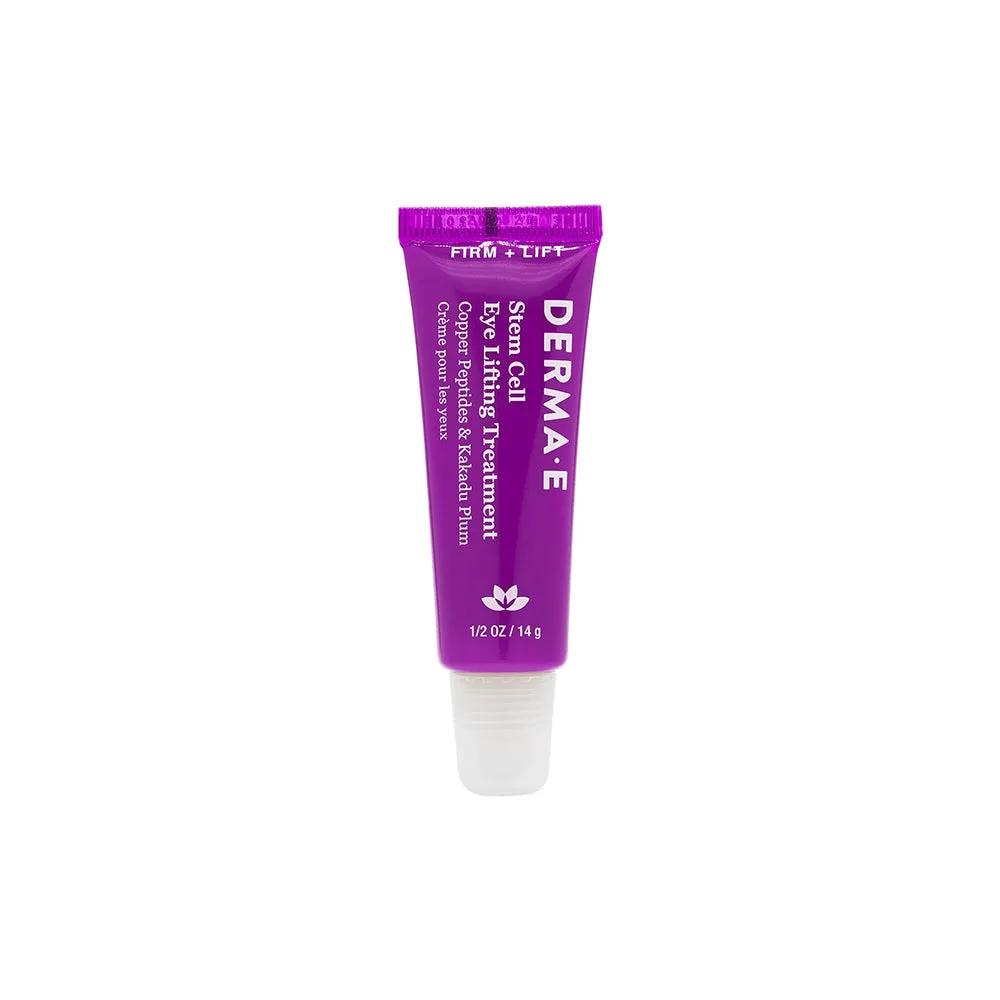 Budget Holy Grail
 Firming DMAE Eye Lift Cream
A genuinely well-formulated multi-active eye cream at a price that undercuts most of the dermatologist-developed competition by a factor of three. DMAE, high-position niacinamide, two validated peptides, caffeine, and alpha-lipoic acid in a fragrance-free base — the ingredient density is almost unreasonable for the cost. Holds up extremely well against much more expensive eye creams for daily under-eye use.
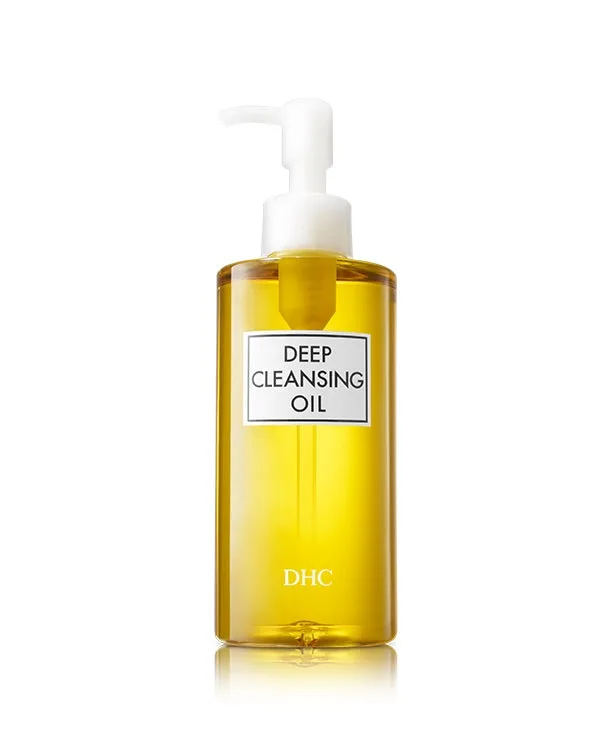 J-Beauty Gold Standard
 Deep Cleansing Oil
The cleansing oil that built an entire category. DHC's Deep Cleansing Oil is still the benchmark against which every other olive-oil-based cleansing oil is measured, and after four decades on market it remains one of the most reliable ways to remove water-resistant sunscreen and makeup without stripping the skin. The only real downside is added fragrance.
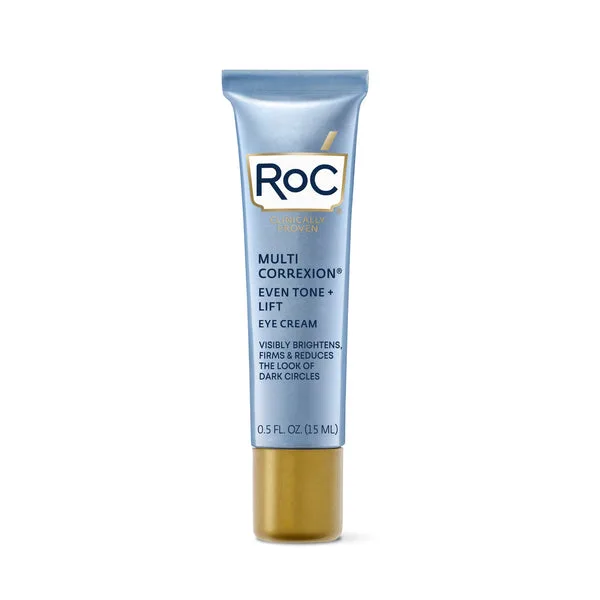 Drugstore Dark Circle Fighter
 Multi Correxion Even Tone + Lift 5 in 1 Eye Cream
A triple-pathway brightening eye cream that punches well above its drugstore weight class. Hexylresorcinol, niacinamide, and vitamin C attack dark circles from three angles simultaneously — at a price that makes twice-daily use feel like common sense rather than luxury.
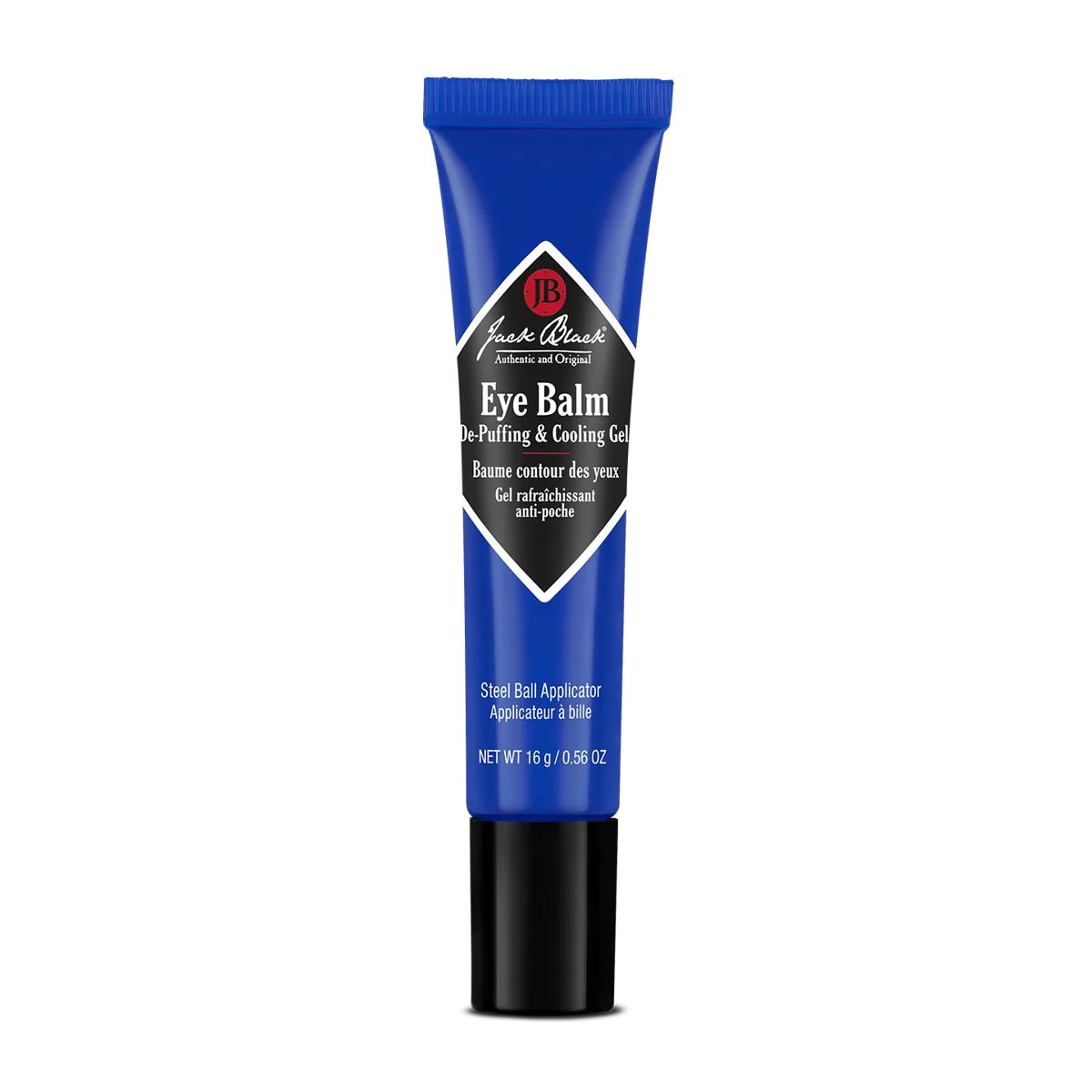 Effortless Eye Fix
 Eye Balm De-Puffing & Cooling Gel
A no-fuss eye gel that delivers genuine de-puffing and brightening results through a clean botanical-vitamin formula and a clever rollerball applicator. It won't transform genetic dark circles overnight, but for anyone dealing with puffy, tired-looking eyes — especially those who've never touched an eye product before — it's a perfectly calibrated entry point.
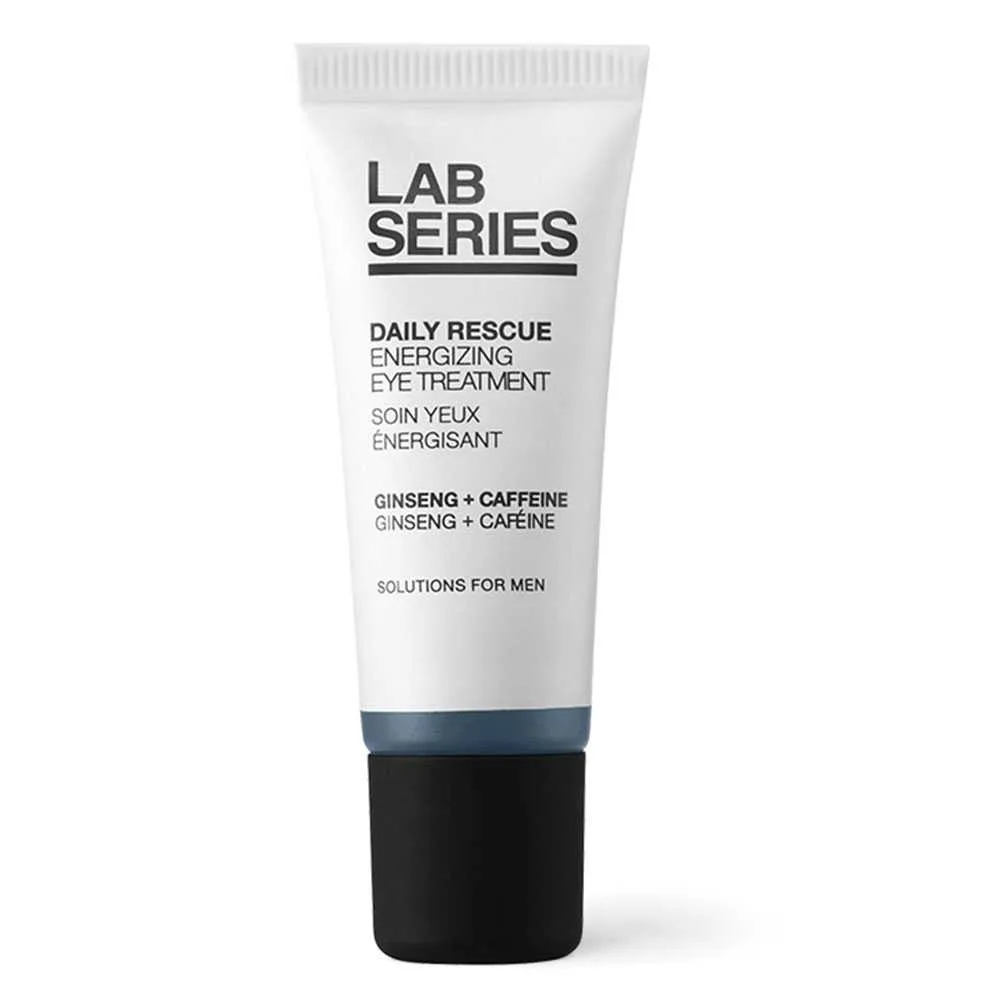 Men's Eye Area Essential
 Daily Rescue Energizing Eye Treatment
A remarkably clean-formula eye treatment — fragrance-free, alcohol-free, oil-free, silicone-free — that packs caffeine, Argireline, green tea, and hyaluronic acid into a lightweight gel-cream. It does exactly what a men's eye product should: brighten, depuff, and hydrate without any fuss or heaviness.
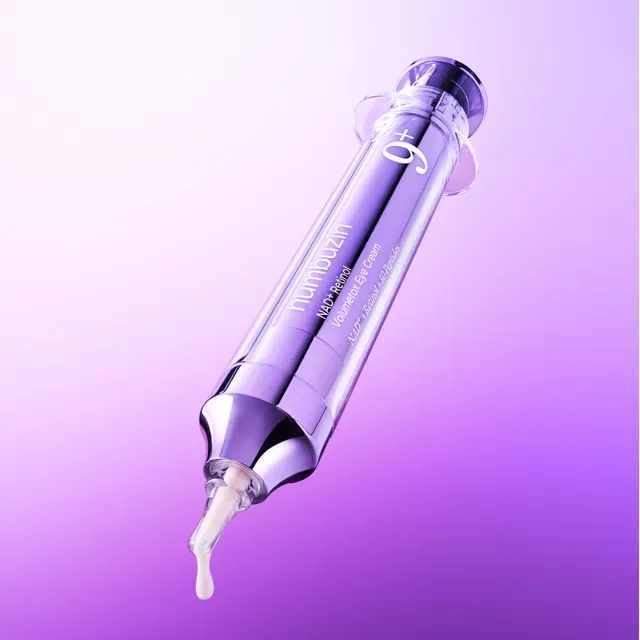 K-Beauty Eye Cream Powerhouse
 No. 9 NAD+ Retinol Volumetox Eye Cream
Numbuzin's No. 9 eye cream is an ambitious K-beauty formula that crams retinol, NAD+, 30+ peptides, niacinamide, and ceramides into a tiny tube at a price that makes luxury eye creams look like a bad investment. The NAD+ claims are ahead of the science, but the overall formulation is genuinely impressive for under $25.
This review reflects our independent analysis of publicly available ingredient data, manufacturer claims, and verified user reviews. We are reader-supported — Amazon links may earn us a commission at no cost to you. We do not accept paid placements; rankings are based solely on the evidence.