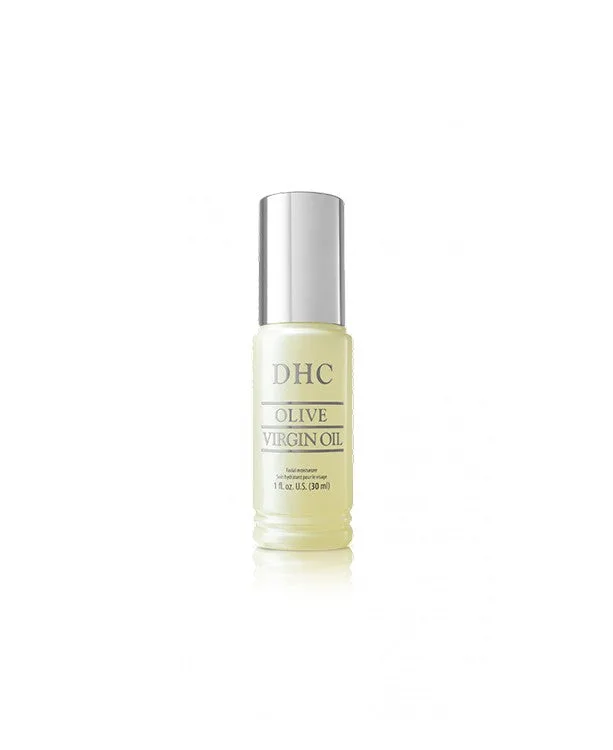
A single-ingredient ultra-purified organic olive oil, stabilized with a trace of vitamin E — about as pure a face oil as you can buy. For very dry, mature, or winter-parched skin, it's a genuinely effective barrier-support oil with quiet luxurious appeal. At $44 for 1 oz, you're paying a significant premium for DHC's brand philosophy, and users with oily or acne-prone skin should avoid it entirely.
Olive Virgin Oil
A single-ingredient ultra-purified organic olive oil, stabilized with a trace of vitamin E — about as pure a face oil as you can buy. For very dry, mature, or winter-parched skin, it's a genuinely effective barrier-support oil with quiet luxurious appeal. At $44 for 1 oz, you're paying a significant premium for DHC's brand philosophy, and users with oily or acne-prone skin should avoid it entirely.
Score Breakdown
Where this product gains points and where it loses them — broken down across the four scoring pillars.
Essentially a single-ingredient ultra-purified olive oil — impressively pure and well-stabilized, but also easily substitutable with significantly cheaper olive squalane or well-sourced cosmetic olive oil. Loses significant points on value and breadth, since olive oil is too rich and potentially comedogenic for oily or acne-prone skin.
Pros & Cons
- ✓Single-ingredient purity with only olive oil and stabilizing vitamin E
- ✓Cold-extracted from organic Spanish olives and ultra-purified in Japan
- ✓Fragrance-free with no additives beyond the vitamin E stabilizer
- ✓Genuinely effective on dry, mature, or barrier-compromised skin
- ✓Absorbs faster than culinary olive oil thanks to the purification process
- ✓Glass dropper bottle protects the oil from air and light
- ✓A little goes a long way — small bottle lasts 4-6 months
- ✓Pregnancy-safe with no questionable ingredients
- ✗Expensive at $44 for 1 oz compared to cosmetic olive oil alternatives
- ✗Comedogenic potential makes it a poor choice for oily or acne-prone skin
- ✗Olive squalane offers a lighter, less comedogenic alternative at a fraction of the price
- ✗Narrow suitability — really only shines on dry or mature skin
- ✗Not cruelty-free certified in all markets
- ✗Value case is brand-philosophy-dependent rather than formulation-driven
Full Review
Let's be honest about what this product is. It's olive oil. One ingredient, cold-extracted from organic Spanish olives, ultra-purified in Japan to strip out color and scent and particulates, stabilized with a trace of vitamin E, and sold in a small glass dropper bottle for forty-four dollars an ounce. That's it. No complex blend, no proprietary delivery system, no hero active with a catchy name. The entire product is a single ingredient that DHC has been building its brand around since founder Yoshiaki Yoshida discovered Spanish olive oil on a business trip in the 1980s. Evaluating a product this simple requires asking a slightly different question than usual. Instead of 'is this formula well-built,' the question becomes 'is the premium you're paying over alternatives worth it?' Because you can buy cosmetic-grade olive oil from other sources — sometimes for five or ten dollars for a larger bottle — and the fundamental ingredient is the same. First, what DHC's version actually is and isn't. The starting material is organic olive oil from handpicked Spanish olives, which is a higher sourcing standard than the commodity olive oil that fills most bottles on Amazon. The ultra-purification process is done in Japan and removes the color compounds (the green-gold tint of culinary olive oil), the aromatic compounds (what makes kitchen olive oil smell like kitchen olive oil), and the particulates that can trigger irritation on sensitive skin. What remains is essentially a clear, odorless, ultra-filtered fraction of olive oil that's more skin-compatible than what you'd pour on a salad. The vitamin E at the end of the ingredient list is there for two reasons: as a mild antioxidant for your skin, and as a stabilizer that protects the unsaturated fatty acids in the oil from oxidation, extending shelf life. The actual ingredient you're applying is rich in oleic acid (somewhere between 55 and 83 percent depending on source), linoleic acid, natural squalene (a component of sebum that the skin also produces), and a small load of polyphenolic antioxidants including oleuropein and hydroxytyrosol. On very dry, mature, or barrier-compromised skin, this combination is genuinely effective. It softens flaking, reduces tightness, supports the lipid barrier, and leaves behind a dewy non-greasy finish that absorbs faster than you'd expect from a pure oil. Users with winter-parched cheeks, post-procedure skin, or the kind of dry mature skin that needs lipid replenishment more than active skincare tend to fall hard for it and come back for repeat bottles. The first-use experience is quiet but immediate — a sense that something is finally giving the skin what it's been missing. The flip side is equally honest. Olive oil is a high-oleic oil, and the oleic acid fraction is known to be more disruptive to the skin barrier and more comedogenic than linoleic-acid-rich oils like grapeseed, rosehip, or hemp seed. For acne-prone skin, for oily skin, for skin that's prone to fungal acne or seborrheic dermatitis, this oil is usually a bad idea. The comedogenic potential of olive oil has been documented in rabbit ear studies and is noticeable enough in individual users that many dermatologists specifically recommend avoiding it on acne-prone complexions. DHC markets the product as suitable for all skin types, but the reality is narrower: dry and mature skin, yes; oily or breakout-prone skin, approach with caution or avoid. There's also the comparison to squalane, which is a legitimate alternative worth considering. Olive-derived squalane is the saturated, stable form of squalene — one of the components of olive oil — and it's lighter, more stable, and less comedogenic than whole olive oil. What you lose with squalane is the polyphenolic antioxidants and the linoleic acid. For many users, that tradeoff is worth it, and squalane from brands like The Ordinary costs a small fraction of this oil's price. For users specifically wanting the full spectrum of olive oil's natural components, DHC's version is the premium expression — but it's a premium, not a requirement. The packaging is practical. A glass dropper bottle is the right format for a single-ingredient oil, protects the product from light and air, and allows precise dosing. Two or three drops is genuinely all you need for the face, which means the small 1 oz size will last 4-6 months for most users. The per-use cost works out to around 20-30 cents, which reframes the $44 sticker price into something more reasonable over the life of the bottle. Who is this for, honestly? It's for someone with very dry, mature, or winter-parched skin who wants the purest form of olive oil DHC makes, trusts the brand's sourcing and purification process, and isn't looking for a more sophisticated formulation. It's not for someone looking for maximum value per dollar, for acne-prone users, or for anyone who'd be equally served by a drugstore olive squalane. What you're buying, ultimately, isn't just oil. You're buying DHC's brand philosophy in its purest form, and whether that's worth $44 depends entirely on how much you value the philosophy.
Formula
Key Ingredients
The hero actives that drive this product's performance.
| Ingredient | Function | Evidence |
|---|---|---|
| Organic Olive Fruit Oil | The entire product — this is essentially a single-ingredient face oil, cold-extracted from organic Spanish olives and ultra-purified in Japan to remove the color, scent, and particulates that characterize culinary olive oil. What remains is the skin-compatible fraction of the oil: squalene, oleic acid, linoleic acid, and polyphenolic antioxidants including oleuropein and hydroxytyrosol, delivered in their purest cosmetic form. | promising |
| Tocopherol (Vitamin E) | Added in a trace amount both as an antioxidant for the skin and — more practically — as a stabilizer to protect the unsaturated fatty acids in the olive oil from oxidation. This is one of the reasons the oil has a longer shelf life than unstabilized culinary olive oil. | well-established |
Full INCI List
Olea Europaea (Olive) Fruit Oil, Tocopherol
Product Flags
✓ Fragrance Free✓ Alcohol Free✗ Oil Free✓ Silicone Free✓ Paraben Free✓ Sulfate Free✗ Cruelty Free✓ Vegan✗ Fungal Acne Safe
Comedogenic Ingredients
olive oil
Compatibility
Skin Match
Best For
Works For
Not Ideal For
Addresses These Conditions
dryness dehydration compromised skin barrier winter skin
Use With Caution
acne fungal acne seborrheic dermatitis
Routine Step
treatment
Time of Day
AM & PM
Pregnancy Safe
Yes ✓
Layering Tips
Apply 2-3 drops after your water-based serums and before your moisturizer to lock in hydration. Alternatively, press a drop over the top of your moisturizer at night as a final occlusive layer. Also works as a body oil on damp skin after the shower.
Results Timeline
Immediate softness, glow, and reduction in tightness on first application. Within 1-2 weeks, improvements in flaking and winter dryness become more consistent. Full barrier support benefits develop at 4-6 weeks of regular use.
Pairs Well With
hyaluronic-acidpanthenolniacinamide
Conflicts With
actively inflamed acne
Sample AM Routine
- Cleanser
- Hydrating serum
- 2 drops THIS PRODUCT
- Moisturizer
- SPF
Sample PM Routine
- Double cleanse
- Treatment serum
- Moisturizer
- 2 drops THIS PRODUCT (optional occlusive)
Evidence
Who Should Skip
- Expensive at $44 for 1 oz compared to cosmetic olive oil alternatives
- Comedogenic potential makes it a poor choice for oily or acne-prone skin
- Olive squalane offers a lighter, less comedogenic alternative at a fraction of the price
- Narrow suitability — really only shines on dry or mature skin
Science & Expert Perspective
The Science
Olive fruit oil is one of the most extensively studied topical oils in cosmetic and dermatological literature. Its fatty acid profile is dominated by oleic acid (typically 55-83% depending on olive variety and growing conditions), followed by linoleic acid (5-20%), palmitic acid, and smaller amounts of stearic and palmitoleic acids. It also contains natural squalene (chemically identical to the squalene produced by human sebaceous glands), phytosterols, and a notable load of polyphenolic antioxidants including oleuropein, hydroxytyrosol, tyrosol, and oleocanthal. Published studies have documented olive oil's contribution to barrier lipid support on dry and compromised skin, with measurable improvements in hydration and reduced transepidermal water loss in several small controlled trials. The polyphenolic content has been investigated for anti-inflammatory and antioxidant effects, though most of the evidence comes from in vitro and dietary studies rather than topical trials. The comedogenic concern is real and worth explaining. High-oleic oils have been shown in published rabbit-ear comedogenicity testing to have moderate to high comedogenic potential compared with high-linoleic oils — and while the rabbit ear test is a crude model, the pattern is reproducible in clinical experience. Acne-prone skin has also been shown in published research to have lower-than-average linoleic acid content in sebum, which is thought to contribute to abnormal keratinization in the follicle. Adding more oleic acid to this environment via a topical oil can worsen the problem. The vitamin E in this product is present primarily as a formulation stabilizer protecting the polyunsaturated fatty acids from oxidation, though it also contributes a modest topical antioxidant effect. The ultra-purification process DHC uses removes aromatic and color compounds that can contribute to irritation but doesn't fundamentally change the fatty acid or antioxidant composition of the oil. Essentially, the product is a higher-grade version of the same ingredient you could buy more cheaply elsewhere — the question is whether the grade difference is meaningful enough to justify the premium.
Dermatologist Perspective
Dermatologists generally view cosmetic olive oil as a reasonable choice for very dry or mature skin but caution against its use on acne-prone, oily, or seborrheic-dermatitis-prone complexions. Board-certified dermatologists note that the high oleic acid content of olive oil is associated with increased comedogenic potential and can worsen breakouts in susceptible users. For dry or compromised skin, particularly during winter months or post-procedure, olive oil can serve as a supportive barrier layer when used alongside a well-formulated moisturizer. Dermatologists also note that olive-derived squalane is often a more tolerable alternative for users who want the olive-oil connection without the full-spectrum oleic acid load, and that dedicated barrier creams with ceramides and cholesterol typically outperform pure oils for structural barrier repair. This product is most appropriate for users with a specific interest in single-ingredient formulations and the j-beauty philosophy DHC represents.
Guidance
Usage Guide
How to Use
Apply 2-3 drops to clean skin after your water-based serums and before your moisturizer. Warm the oil between the fingertips and press gently into the face, neck, and décolletage. For an added occlusive layer at night, press a drop over the top of your moisturizer before bed. Can also be used on very dry body areas, cuticles, and the ends of dry hair, though the price makes face-only use more economical. Avoid applying to active breakouts or areas prone to fungal acne or seborrheic dermatitis. Store the bottle away from direct sunlight and close the dropper firmly after each use to protect the oil from air exposure and oxidation.
Value Assessment
At $44 for 1 oz, this is expensive for what is fundamentally a single-ingredient product. You can find cosmetic-grade olive oil from other brands for a fraction of the price, and olive-derived squalane — a lighter, more stable alternative — from brands like The Ordinary or Biossance costs less still. The value case for DHC's version rests on sourcing (organic handpicked Spanish olives), purification (done in Japan to a higher standard than most cosmetic olive oils), brand heritage (DHC's 30+ years of olive oil formulation), and the specific formulation philosophy the product represents. For users who trust and value those things, the premium is coherent. For users who simply want effective olive oil on their face, cheaper alternatives exist. The bottle's longevity helps — 1 oz lasts 4-6 months with 2-3 drops of daily use — bringing the effective per-use cost to around 20-30 cents.
Who Should Buy
Users with very dry, mature, or winter-parched skin looking for a pure, single-ingredient face oil with strong j-beauty brand heritage. Best suited for those who specifically value DHC's sourcing and purification standards, and who want the full-spectrum olive oil profile rather than a lighter squalane alternative.
Who Should Skip
Anyone with oily, combination, or acne-prone skin — the comedogenic potential is real and documented. Budget-conscious shoppers who want effective olive oil without the brand premium should look at alternative cosmetic olive oils or olive-derived squalane. Users with fungal acne or seborrheic dermatitis should avoid it entirely, as Malassezia yeasts feed on oleic acid.
Ready to try DHC Olive Virgin Oil?
Details
Details
Texture
Clear, pale-gold oil that absorbs faster than culinary olive oil thanks to the ultra-purification process.
Scent
Completely fragrance-free — the purification process removes the characteristic olive oil aroma.
Packaging
Small glass dropper bottle — a practical and protective format for a single-ingredient oil that benefits from minimal air exposure.
Finish
dewyglowynon-greasy
What to Expect on First Use
First application feels immediately soothing on dry or flaking skin. The oil absorbs more quickly than you'd expect from a pure face oil and leaves behind a soft dewy glow rather than a greasy film. No tingling or stinging. Users with very dry or barrier-compromised skin often describe a near-instant relief sensation.
How Long It Lasts
Approximately 4-6 months with 2-3 drops of daily use — the small bottle size is offset by how little product is needed per application.
Period After Opening
12 months
Best Season
fall winter
Background
The Why
DHC's founder, Yoshiaki Yoshida, discovered olive oil as a skincare ingredient during a 1980s business trip to Spain and built the entire skincare line around it — first with Deep Cleansing Oil in 1995, then expanding into a full range built on the same olive oil heritage. Olive Virgin Oil was added to the line as the purest expression of that philosophy, essentially selling the same organic Spanish olive oil DHC uses across its products in its unadulterated face-oil form.
About DHC Legacy Brand (20+ years)
DHC is one of the original Japanese olive oil skincare brands. Olive Virgin Oil is essentially the brand's single-ingredient flagship — the rawest expression of the formulation philosophy that has anchored the company since its mid-1990s pivot from translation services to cosmetics. The oil is sourced from organic Spanish olives harvested by hand and processed in Japan.
Brand founded: 1983
Myth vs. Reality
Myths & Misconceptions
Myth
You can just use kitchen olive oil on your face instead
Reality
Culinary olive oil contains color compounds, flavor compounds, and particulates that can be irritating on skin and that oxidize faster than ultra-purified cosmetic olive oil. This product isolates the skin-compatible fraction and stabilizes it with vitamin E. That said, the price premium over a well-sourced cosmetic olive oil is still significant.
Myth
Olive oil is good for all skin types
Reality
Olive oil is high in oleic acid (55-83%), which is more disruptive to the skin barrier and more comedogenic than oils high in linoleic acid (like grapeseed or rosehip). For dry and mature skin, this high-oleic profile is often beneficial. For acne-prone, oily, or seborrheic-dermatitis-prone skin, it can cause breakouts.
FAQ
Frequently Asked Questions
Is this just olive oil in a fancy bottle?
Essentially yes, but with important distinctions. It's organic Spanish olive oil that's been cold-extracted and ultra-purified in Japan to remove color, particulates, and aromatic compounds — the skin-compatible fraction remains. It's stabilized with vitamin E for shelf life. So it's olive oil, but a specific cosmetic-grade version that's different from what you'd find in your kitchen.
Why is it so expensive?
The price reflects the sourcing (organic handpicked Spanish olives), the ultra-purification process (done in Japan), and DHC's brand positioning. It is meaningfully more expensive than comparable cosmetic olive oils from other brands — the premium is as much about brand and philosophy as about the product itself.
Can I use it on acne-prone skin?
Generally not recommended. Olive oil's high oleic acid content makes it more comedogenic than lighter oils like squalane or grapeseed, and it can worsen breakouts in acne-prone users. Anyone with active acne or a history of fungal acne should avoid it.
How is this different from squalane?
Squalane is the saturated, stable form of squalene — one of the components of olive oil. Squalane is lighter, more stable, and less comedogenic than whole olive oil, but it's also stripped of olive oil's polyphenolic antioxidants and linoleic acid content. They serve slightly different purposes.
Is it fragrance-free?
Yes. The ultra-purification process removes the characteristic olive aroma, leaving an essentially odorless oil.
Is it safe during pregnancy?
Yes. Pure olive oil with a trace of vitamin E contains nothing that raises pregnancy safety concerns.
Can I use it on my body or hair?
Yes. It works well on very dry body areas, cuticles, and hair ends. Given the price, however, most users reserve it for the face and use cheaper oils for body and hair.
Community
Community Voices
Common Praise
"pure ingredient list"
"incredible on dry skin"
"light for an oil"
"no scent"
"multi-use on face and body"
Common Complaints
"very expensive for essentially olive oil"
"too rich for combination or oily skin"
"can clog pores in acne-prone users"
"small 1 oz bottle for the price"
Appears In
best j beauty face oil best single ingredient face oil best olive oil for skin best face oil for dry skin best japanese face oil
Related Conditions
dryness dehydration compromised skin barrier winter skin
Related Ingredients
You Might Also Like
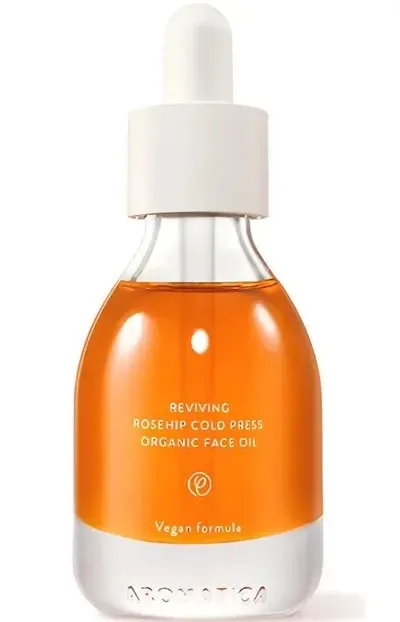 Single-Ingredient Rosehip Standard
 Organic Rose Hip Oil
Aromatica's Organic Rose Hip Oil is one of the few rosehip products on the market that delivers what the category claims — 100% certified-organic cold-pressed Rosa canina fruit oil with no fillers, no carriers, no fragrance. The result is the genuine rosehip experience: distinct earthy scent, fast absorption, and visible improvement in scars, pigmentation, and tone over consistent use.
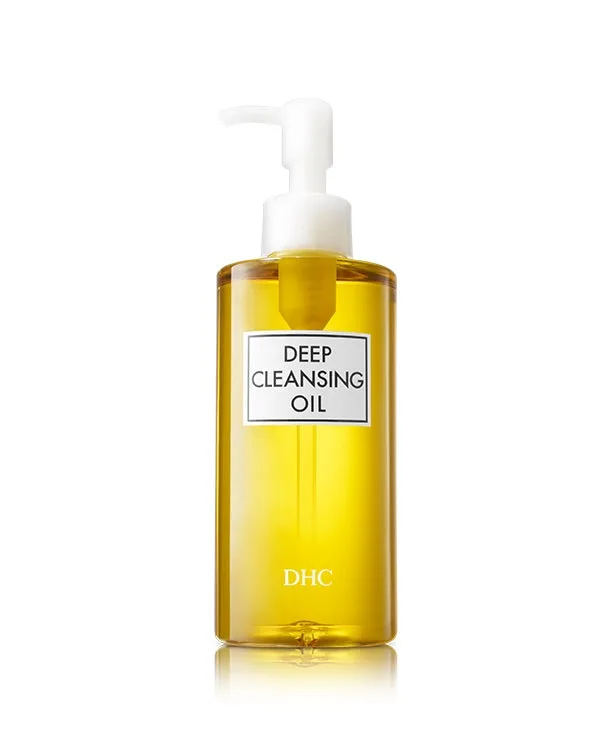 J-Beauty Gold Standard
 Deep Cleansing Oil
The cleansing oil that built an entire category. DHC's Deep Cleansing Oil is still the benchmark against which every other olive-oil-based cleansing oil is measured, and after four decades on market it remains one of the most reliable ways to remove water-resistant sunscreen and makeup without stripping the skin. The only real downside is added fragrance.
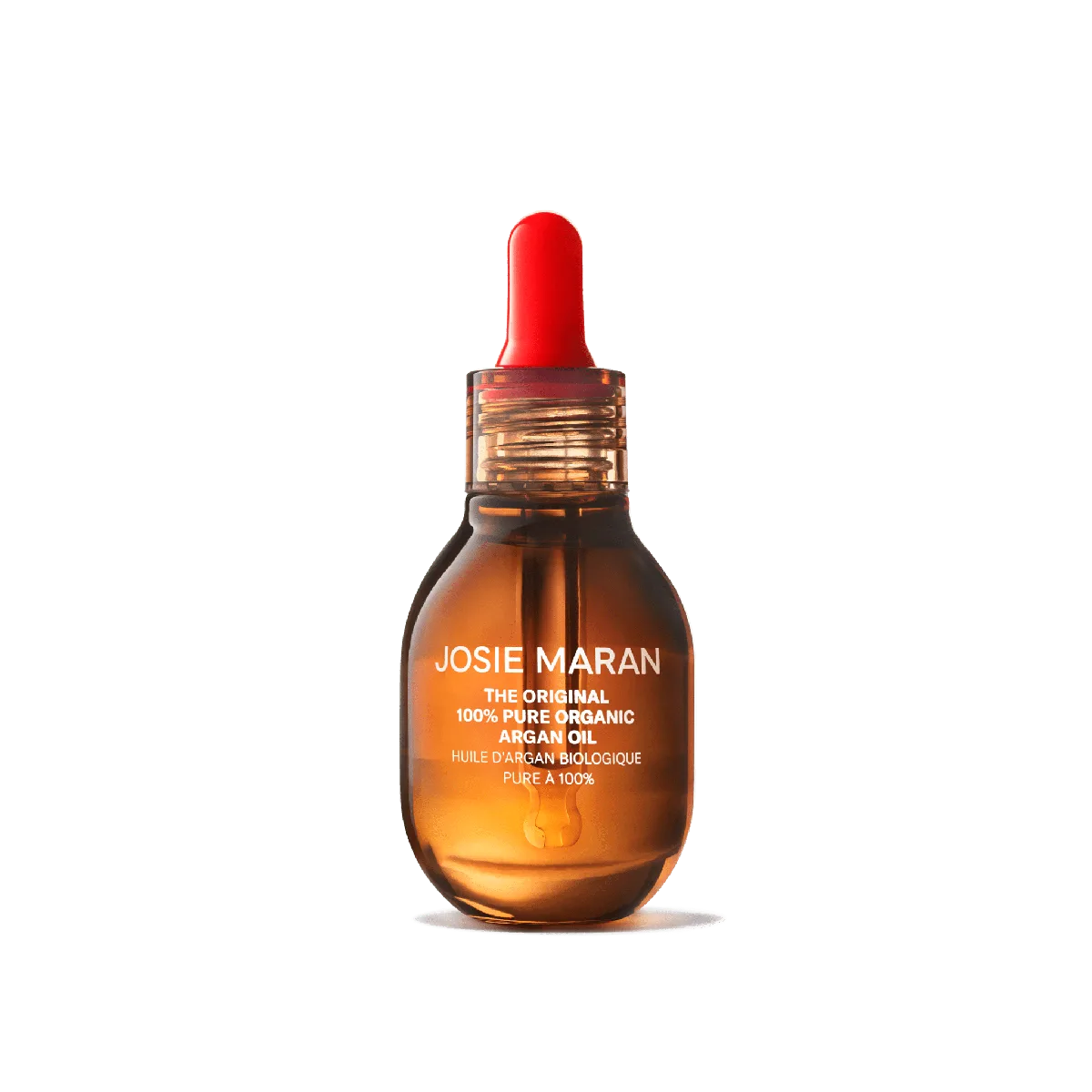 Clean Beauty Pioneer
 100% Pure Argan Oil
The product that single-handedly introduced argan oil to luxury skincare remains one of the purest, most versatile face oils on the market. Its single-ingredient simplicity is both its greatest strength and its limitation — you're getting impeccably sourced argan oil and nothing else, which means the $39 price tag reflects provenance and ethics more than formulation wizardry. For dry, aging, or dull skin, it delivers visible results from day one.
 Universal Skin Staple
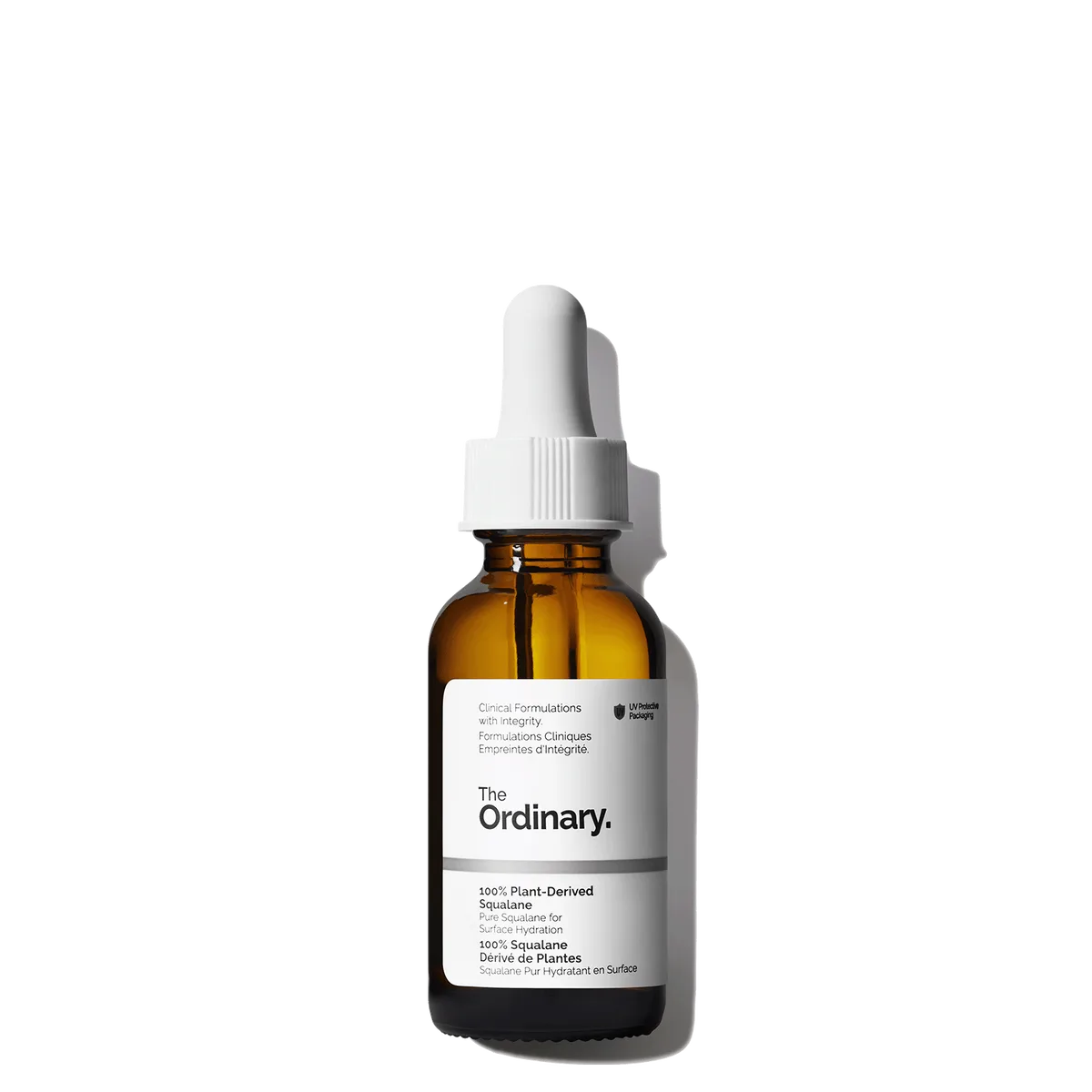
 100% Plant-Derived Squalane
A near-universal face oil that works for virtually every skin type — including fungal-acne-prone — thanks to its skin-identical composition and zero irritants. It won't transform your skin alone, but as a lightweight sealant over active treatments, it's the $10 workhorse that makes everything else in your routine perform better.
 Single-Ingredient Staple
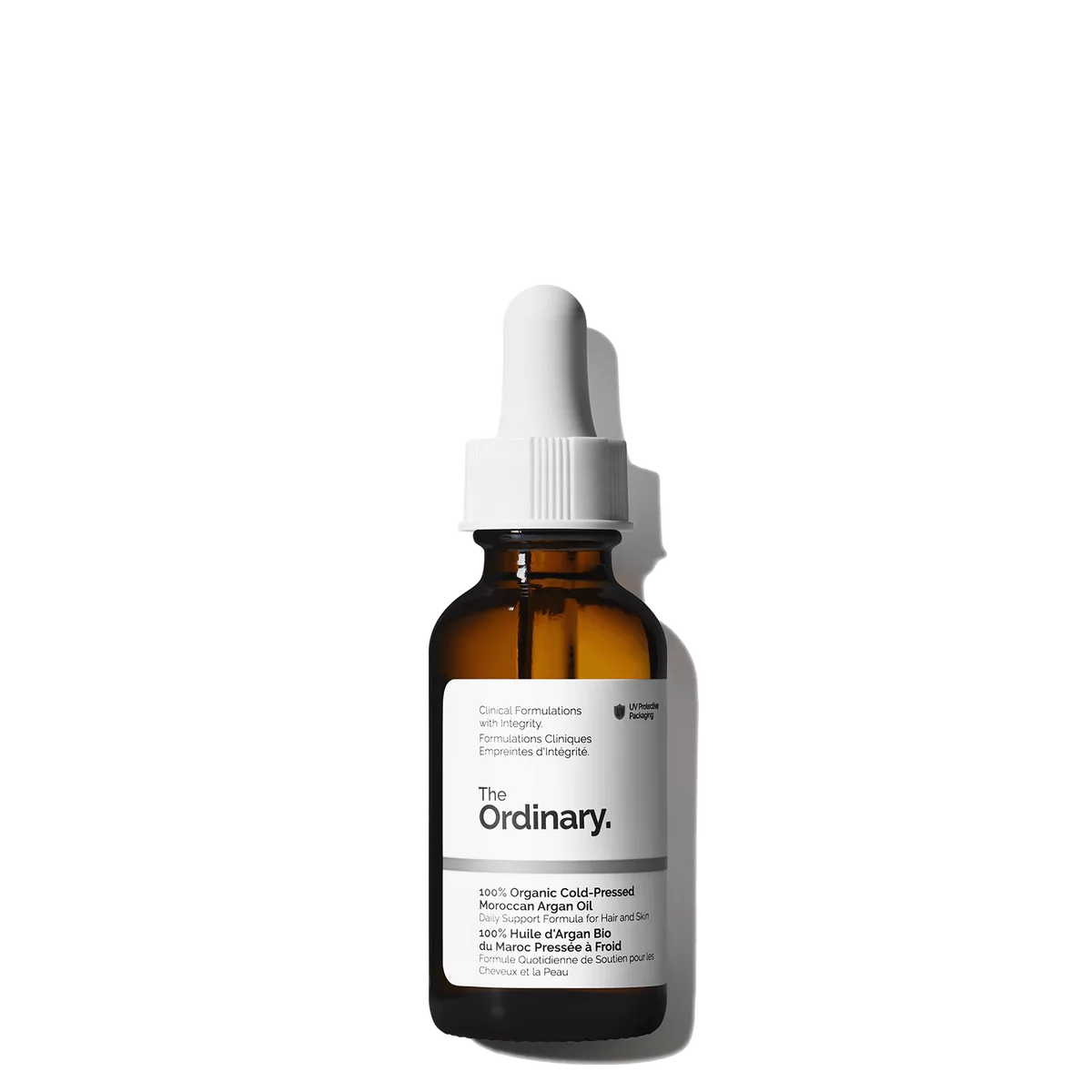
 100% Organic Cold-Pressed Moroccan Argan Oil
A no-frills, bioactive-rich argan oil that delivers genuine cold-pressed quality at a price point that makes luxury oil brands look absurd. It won't wow you with fragrance or texture elegance, but it will quietly strengthen your moisture barrier, soften stubborn dry patches, and remind you that skincare doesn't need to be complicated to be effective.
 Multi-Purpose MVP
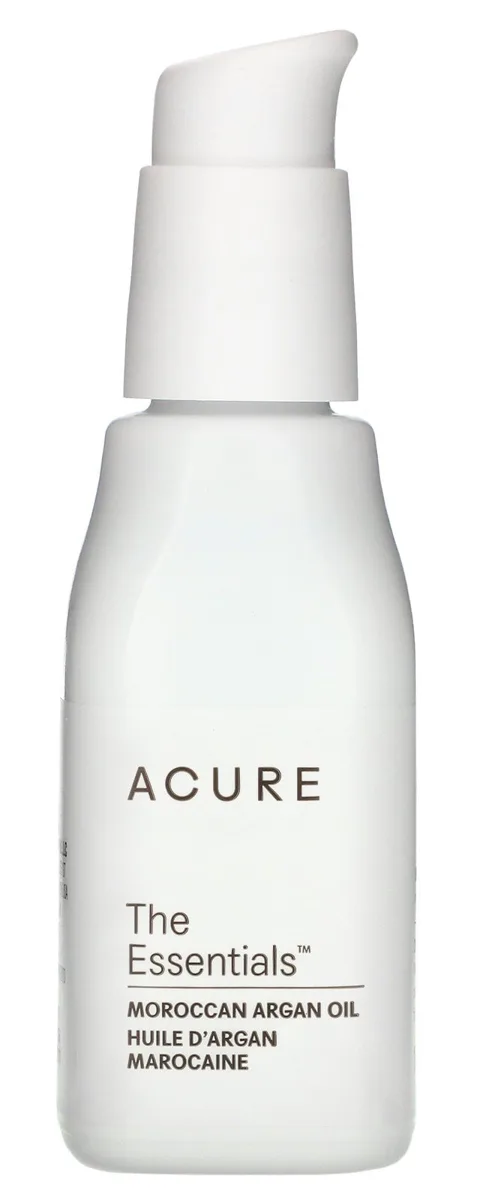
 The Essentials Moroccan Argan Oil
A 100% pure argan oil at a fair budget price — no fragrance, no carriers, no essential oils, just argan. As foundational and versatile as skincare gets, and one of the most genuinely useful products in the entire Acure lineup. If you want a multi-purpose oil for face, hair, and body, this is hard to beat at the price.
This review reflects our independent analysis of publicly available ingredient data, manufacturer claims, and verified user reviews. We are reader-supported — Amazon links may earn us a commission at no cost to you. We do not accept paid placements; rankings are based solely on the evidence.