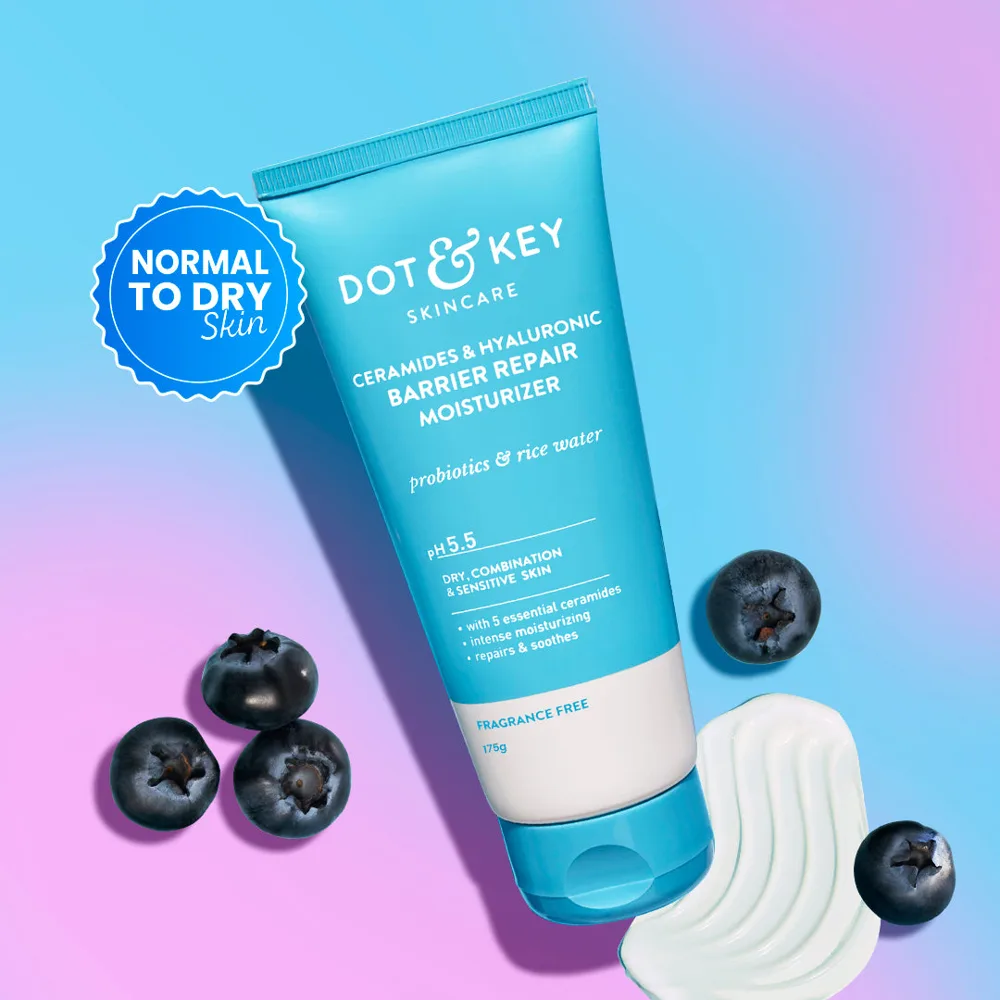
A surprisingly well-stocked ceramide barrier cream from an Indian indie brand that punches far above its $16 price tag. The lamellar ceramide complex, niacinamide, and madecassoside combination is the kind of formulation you'd expect at double the cost from a Western indie. Main drawbacks are limited international availability and a smaller size than pharmacy competitors.
Barrier Repair Hydrating Cream
A surprisingly well-stocked ceramide barrier cream from an Indian indie brand that punches far above its $16 price tag. The lamellar ceramide complex, niacinamide, and madecassoside combination is the kind of formulation you'd expect at double the cost from a Western indie. Main drawbacks are limited international availability and a smaller size than pharmacy competitors.
Score Breakdown
Where this product gains points and where it loses them — broken down across the four scoring pillars.
An impressively well-stocked barrier cream for the price, with a proper lamellar ceramide complex, niacinamide, and madecassoside. Loses some points on track record — Dot & Key is an emerging brand with less long-term validation than pharmacy competitors.
Pros & Cons
- ✓Full lamellar ceramide complex (NP, AP, EOP, cholesterol, phytosphingosine) at a budget price
- ✓Niacinamide at meaningful levels for barrier function and PIH
- ✓Madecassoside provides anti-inflammatory calming for compromised skin
- ✓Fragrance-free, alcohol-free, silicone-free formulation
- ✓Lightweight enough to layer under sunscreen without pilling
- ✓Excellent value for Indian and South Asian markets
- ✓Pregnancy-safe and reactive-skin friendly
- ✗60 mL size is smaller than pharmacy-brand competitors at similar prices
- ✗Limited availability outside of India
- ✗Emerging brand with shorter track record than legacy pharmacy brands
- ✗Shea butter may feel too rich for very oily skin in humid climates
Full Review
There's a skincare revolution happening in India that most Western beauty media hasn't fully registered yet. Over the past five years, a wave of indie direct-to-consumer brands — Dot & Key, The Derma Co, Minimalist, Foxtale, Deconstruct — have built substantial businesses selling ingredient-forward formulations at price points specifically calibrated to middle-class Indian consumers who were previously stuck choosing between generic drugstore creams and imported premium brands marked up at international airport prices. Dot & Key launched in 2018 as part of this cohort, and the Barrier Repair Hydrating Cream is one of its most widely sold products. What's interesting about it is that the formulation looks less like a drugstore bargain and more like a mid-tier Western indie cream that got mispriced.
Look at the INCI list and you can see a chemist who understood what a barrier cream actually needs. Three ceramide types — NP, AP, and EOP — plus cholesterol, plus phytosphingosine, which together create the lipid combination that has the strongest clinical support for repairing a compromised stratum corneum. Most barrier creams at this price point pick one ceramide and call it a day. Dot & Key included the supporting cast, which matters because barrier lipids work as an integrated system, not as individual stars. Niacinamide is present at a meaningful level and serves double duty — it stimulates endogenous ceramide production while also addressing the post-inflammatory hyperpigmentation concerns that are common in the deeper Indian skin tones this product was designed for. Madecassoside, the purified active from centella asiatica, adds the anti-inflammatory layer that reduces the redness and stinging that accompanies barrier disruption. Panthenol, shea butter, squalane, and sodium hyaluronate round out the formula. It's a properly assembled barrier repair stack.
What makes this product worth discussing in the same conversation as more expensive Western options is that the lamellar ceramide ratio is the actual mechanism behind barrier repair — not the brand name on the jar and not the marketing copy. The clinical research on ceramide-cholesterol-fatty acid combinations, pioneered by Peter Elias at UCSF in the 1990s and early 2000s, established that the ratio of these lipids matters more than the absolute amount of any single component. A well-formulated $16 cream with the right ratio can deliver comparable benefit to a $45 cream missing one of the components. The ingredient cost of the molecules themselves is surprisingly modest — the price premium on premium barrier creams is typically going into packaging, brand positioning, and marketing spend rather than raw materials. Dot & Key is essentially arbitraging that gap by skipping the luxury packaging and distribution-heavy marketing structure and passing the cost savings to the customer.
The texture is appropriate for a daily barrier cream — medium-weight, not heavy, with a smooth silky finish from the small amount of dimethicone in the base. It absorbs quickly enough to layer under sunscreen without pilling, which is not always true of cheap ceramide creams. There's no added fragrance, no essential oils, no alcohol, and no ingredients that commonly trigger reactive skin. The shea butter is the one ingredient that might feel too rich for very oily skin in humid weather, but for normal-to-dry and sensitive skin, it contributes the emollient cushion that users expect from a barrier cream.
The tradeoffs are real but not dealbreakers. The 60 mL size is smaller than most pharmacy-brand competitors at comparable prices — CeraVe Moisturizing Cream, for example, comes in much larger jars. Availability is mostly limited to India and select international marketplaces, so shoppers in North America or Europe will have to navigate international shipping or wait for Dot & Key's ongoing expansion. The brand itself is emerging rather than legacy — it's been on market since 2018, which is meaningful but not the decades of track record that CeraVe, La Roche-Posay, or Eucerin have. For shoppers who specifically want a brand with a long clinical research history, that's a legitimate concern. For shoppers who care more about what's in the jar than how long the company has been making it, the gap is smaller than it appears.
For Indian consumers, this is one of the best value barrier creams on the market and the formulation is strong enough to recommend without reservation. For international shoppers willing to navigate availability, it's an interesting case study in how indie brand economics can produce genuinely competitive formulations when the chemist leads with ingredient quality instead of brand story.
Formula
Key Ingredients
The hero actives that drive this product's performance.
| Ingredient | Function | Evidence |
|---|---|---|
| Ceramide NP, AP, EOP Complex | A multi-ceramide blend paired with cholesterol and phytosphingosine at the lipid ratio needed for lamellar barrier repair. At this price point, seeing three ceramide types plus cholesterol is unusually generous — most Indian indie brands at $16 pick one or two. | well-established |
| Niacinamide | Sits high in the INCI list and works alongside the ceramide complex to stimulate endogenous ceramide synthesis, compounding the topical delivery. Also addresses the post-inflammatory hyperpigmentation concerns common in deeper Indian skin tones — a smart pairing for Dot & Key's primary audience. | well-established |
| Madecassoside (Centella Asiatica) | The purified active from tiger grass that has the strongest evidence for reducing inflammation in compromised skin. Pairs with the ceramides in this formula to simultaneously rebuild barrier lipids and calm the inflammatory signaling that accompanies barrier disruption. | well-established |
| Panthenol (Pro-Vitamin B5) | Adds the humectant cushion that keeps skin soft during the barrier repair window and supports fibroblast activity during recovery. A foundational ingredient for any barrier cream — Dot & Key's inclusion at a meaningful level shows they were thinking about the full repair cascade, not just the lipid layer. | well-established |
Full INCI List · pH 5.5
Aqua, Glycerin, Caprylic/Capric Triglyceride, Cetearyl Alcohol, Butyrospermum Parkii (Shea) Butter, Niacinamide, Squalane, Ceramide NP, Ceramide AP, Ceramide EOP, Cholesterol, Phytosphingosine, Panthenol, Sodium Hyaluronate, Madecassoside, Centella Asiatica Extract, Allantoin, Tocopherol, Glyceryl Stearate, PEG-100 Stearate, Dimethicone, Xanthan Gum, Phenoxyethanol, Ethylhexylglycerin, Disodium EDTA.
Product Flags
✓ Fragrance Free✓ Alcohol Free✗ Oil Free✗ Silicone Free✓ Paraben Free✓ Sulfate Free✓ Cruelty Free✗ Vegan✗ Fungal Acne Safe
Comedogenic Ingredients
Shea Butter
Compatibility
Skin Match
Best For
dry normal sensitive combination
Works For
Not Ideal For
Addresses These Conditions
dryness dehydration compromised skin barrier sensitivity hyperpigmentation
Use With Caution
Routine Step
moisturizer
Time of Day
AM & PM
Pregnancy Safe
Yes ✓
Layering Tips
Apply after serums, before sunscreen in AM and as the final step in PM. A good buffer for retinoid or acid users.
Results Timeline
Immediate softening within the first application. Measurable barrier improvement in 2-4 weeks. Hyperpigmentation benefits from the niacinamide become visible at 8-12 weeks.
Pairs Well With
retinoidsvitamin-cniacinamidehyaluronic-acid
Sample AM Routine
- Cleanser
- Vitamin C serum
- Dot & Key Barrier Repair Hydrating Cream
- Sunscreen
Sample PM Routine
- Cleanser
- Retinoid or treatment
- Dot & Key Barrier Repair Hydrating Cream
Evidence
Who Should Skip
- 60 mL size is smaller than pharmacy-brand competitors at similar prices
- Limited availability outside of India
- Emerging brand with shorter track record than legacy pharmacy brands
- Shea butter may feel too rich for very oily skin in humid climates
Science & Expert Perspective
The Science
The lamellar ceramide approach used in this formula has the strongest clinical support of any barrier-repair strategy. A foundational study by Peter Elias and colleagues, published in the Journal of Investigative Dermatology in 2002, established that the stratum corneum intercellular lipid matrix consists of ceramides, cholesterol, and free fatty acids in an approximately 1:1:1 molar ratio, and that topical application of lipid mixtures at this ratio produces faster barrier recovery than single-lipid creams. Dot & Key's inclusion of ceramides NP, AP, and EOP alongside cholesterol and phytosphingosine represents a thoughtful application of this principle.
Niacinamide's role in barrier function is well-documented. A 2005 paper in the International Journal of Cosmetic Science found that topical 2% niacinamide increased ceramide synthesis in the stratum corneum over four weeks and reduced transepidermal water loss, indicating that niacinamide stimulates endogenous lipid production on top of the exogenous ceramides delivered by this formula. This dual mechanism is part of why ceramide-plus-niacinamide combinations outperform ceramide-only creams in barrier outcomes.
Madecassoside, the purified triterpenoid active from Centella asiatica, has been studied for its role in wound healing and anti-inflammatory activity. A 2008 randomized trial in the Archives of Dermatological Research evaluated topical madecassoside on compromised skin and found significant improvements in hydration and reduction in erythema over a four-week period. The mechanism involves downregulation of pro-inflammatory cytokines and stimulation of collagen synthesis in dermal fibroblasts.
The combination of these three evidence-based actives — lamellar ceramides, niacinamide, and madecassoside — positions this formulation within the clinical framework for barrier repair that dermatological research has validated over the past two decades.
References
- Physiological lipid mixtures and barrier repair — Journal of Investigative Dermatology (2002)
- Nicotinic acid/niacinamide and the skin — International Journal of Cosmetic Science (2005)
Dermatologist Perspective
Dermatologists routinely recommend ceramide-based barrier repair creams for patients with compromised skin barriers, eczema, atopic dermatitis, rosacea, and post-procedure recovery. The specific ceramide-cholesterol-fatty acid ratio approach used in this formula is consistent with the clinical evidence base and the same principles behind pharmacy-brand barrier repair creams. For patients in Indian and South Asian markets specifically, board-certified dermatologists often point to locally available brands like Dot & Key as legitimate alternatives to imported Western ceramide creams, provided the formulation includes niacinamide and the supporting lipid cast. The emerging-brand status is acknowledged, but dermatologists typically focus on formulation quality rather than brand heritage when making recommendations for barrier repair specifically.
Guidance
Usage Guide
How to Use
Apply morning and evening after serums and before sunscreen. Dispense one pump for the face and neck, warm between clean fingertips, and press gently into skin. Allow 30-60 seconds to fully absorb before applying sunscreen or subsequent products. For retinoid users, apply your retinoid first to dry skin, wait 10-15 minutes, then layer this cream on top as a buffer. For very dry skin or winter use, layer a thicker amount at night and allow to absorb before sleep.
Value Assessment
At roughly $16 for 60 mL, this is one of the better values in the barrier repair cream category — especially for Indian consumers where it competes directly with imported Western brands at double the price. The per-mL cost is higher than a large tub of CeraVe Moisturizing Cream, but the formulation is more complete and the texture is more cosmetically elegant. A jar lasts 6-8 weeks with twice-daily full-face use. Annual cost runs roughly $100-130, which is reasonable for a ceramide-rich moisturizer with this level of formulation quality. For international shoppers paying shipping premiums, the value equation shifts — pharmacy-brand alternatives may make more sense unless the specific ingredient profile of this product is important to you.
Who Should Buy
Normal, dry, sensitive, or combination skin looking for a well-formulated ceramide barrier cream at a genuinely affordable price. Particularly strong for Indian consumers who want a locally available alternative to imported Western brands, and for retinoid or active users who need a buffer cream to reduce irritation.
Who Should Skip
Skip if you're outside India and don't want to navigate international shipping — pharmacy-brand alternatives like CeraVe or La Roche-Posay deliver comparable benefits with better local availability. Also skip if you have very oily skin in consistently humid weather, as the shea butter may feel too rich.
Ready to try Dot & Key Barrier Repair Hydrating Cream?
Details
Details
Texture
Medium-weight cream with a smooth, slightly silky finish from the dimethicone.
Scent
Fragrance-free with a neutral base note.
Packaging
Plastic jar with pump dispenser. Reasonably hygienic but not refillable.
Finish
satinvelvety
What to Expect on First Use
Immediate softening and a cushioned feel on first application. No purging, no adjustment period. Users with dry, flaky patches typically see visible improvement in skin texture within a few days.
How Long It Lasts
6-8 weeks with twice-daily face application.
Period After Opening
12 months
Best Season
All Year
Background
The Why
Dot & Key launched in 2018 as a direct-to-consumer skincare brand in India, part of a wave of Indian indie brands responding to the gap between premium international brands and low-quality local drugstore options. The founders positioned the brand around ingredient transparency and targeted formulations at price points accessible to middle-class Indian consumers. This barrier cream is part of their ceramide line, which has become one of the brand's most reliable sellers.
About Dot & Key Emerging Brand (2–5 years)
Dot & Key launched in 2018 in India as a direct-to-consumer indie brand focused on ingredient-led formulations at mass-market prices. The brand is one of the larger indie skincare players in the Indian market, though its track record outside India is shorter and independent clinical validation remains limited.
Brand founded: 2018
Myth vs. Reality
Myths & Misconceptions
Myth
Affordable barrier creams can't deliver real ceramide benefits.
Reality
The ceramide molecule itself is not expensive — the cost driver in premium barrier creams is usually brand positioning, packaging, and marketing rather than raw ingredient cost. A well-formulated $16 barrier cream with a proper ceramide complex can deliver comparable clinical benefit to a $40 one.
Myth
A thicker moisturizer always repairs the barrier better.
Reality
Barrier repair depends on the specific lipid composition of the formula, not its thickness. A lightweight cream with the right ceramide-cholesterol-fatty acid ratio can outperform a heavy occlusive cream that's missing those building blocks.
FAQ
Frequently Asked Questions
Is Dot & Key Barrier Repair Cream good for very dry skin?
Yes. The multi-ceramide complex paired with shea butter and panthenol makes this a suitable pick for dry and dehydrated skin. Users with extremely dry or eczema-prone skin may still prefer a heavier occlusive like Cerave Moisturizing Cream or petrolatum-based alternatives for nighttime.
Can I use this with retinol?
Yes, it works as a buffer cream for retinoid users. Apply retinoid first to fully dry skin, wait 10-15 minutes, then layer this cream on top to reduce irritation. The ceramides and niacinamide help the skin tolerate the retinoid over time.
Is Dot & Key Barrier Repair Cream fragrance-free?
Yes, there is no added fragrance or essential oils in the formula. A faint neutral scent from the plant-derived ingredients is present but should not bother fragrance-sensitive users.
Will this cream help with hyperpigmentation?
Indirectly. The niacinamide content can reduce post-inflammatory hyperpigmentation over 8-12 weeks of consistent use, and a healthy barrier helps prevent new PIH from forming. For dedicated pigmentation treatment, pair with a vitamin C serum or azelaic acid.
Is this safe during pregnancy?
Yes. The formula contains no retinoids, salicylic acid, or essential oils flagged for pregnancy caution. Ceramides, niacinamide, and centella asiatica are all considered safe throughout pregnancy and breastfeeding.
How does this compare to CeraVe Moisturizing Cream?
CeraVe Moisturizing Cream is a longer-tested pharmacy-brand option with a heavier petrolatum-based formula. Dot & Key's cream is lighter, adds madecassoside and a slightly more complex ceramide blend, and is comparably priced in Indian markets. Both are legitimate barrier repair options.
Can oily skin types use this cream?
Yes, though it may feel slightly rich in hot, humid weather due to the shea butter. Try using a smaller amount or switching to a lighter gel moisturizer during summer months if you find it too heavy.
Community
Community Voices
Common Praise
"Excellent barrier repair at a low price point"
"Layers well under sunscreen"
"Fragrance-free and non-irritating"
"Visible results for dry, flaky winter skin"
Common Complaints
"Small 60 mL size runs through quickly"
"Limited availability outside India"
"Pump dispenser can be inconsistent"
Appears In
best barrier repair cream under 20 best ceramide cream india best affordable moisturizer sensitive skin best fragrance free cream drugstore
Related Conditions
dryness dehydration compromised skin barrier sensitivity
Related Ingredients
You Might Also Like
 Budget Holy Grail
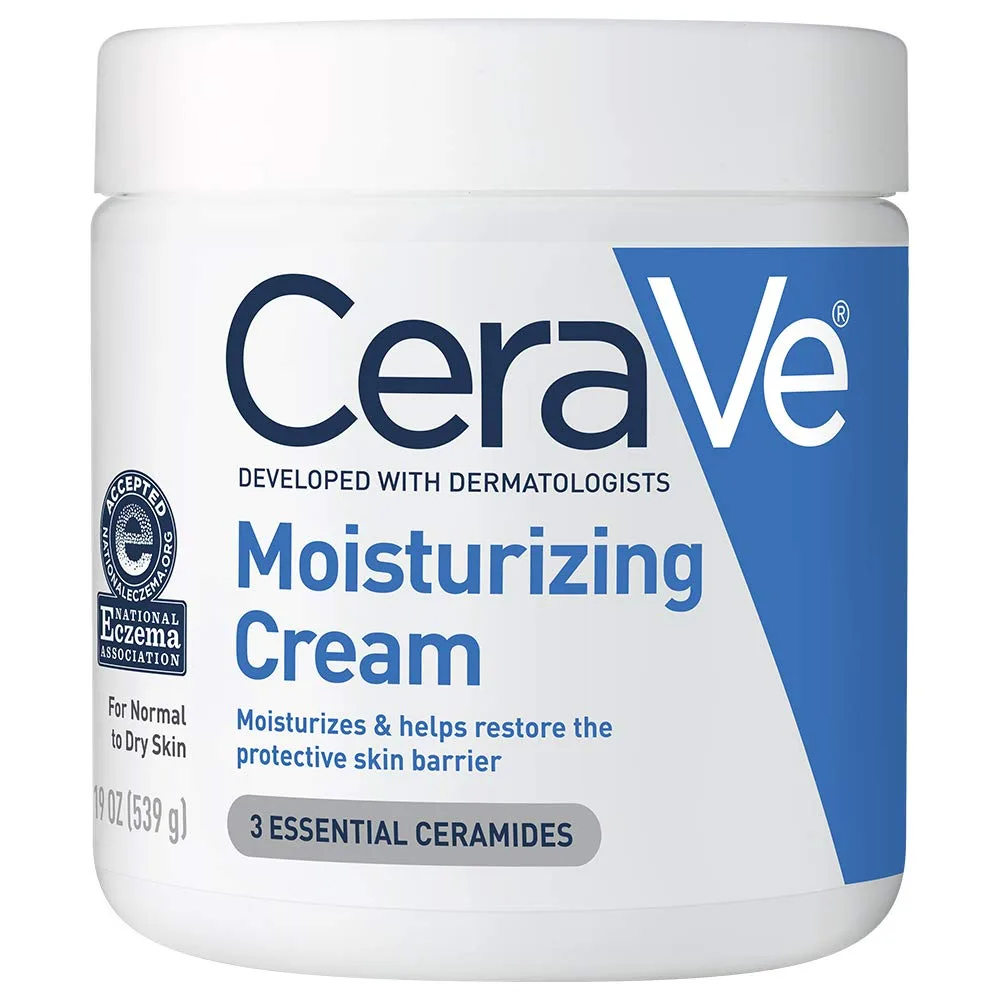
 Moisturizing Cream
The CeraVe Moisturizing Cream is the most important moisturizer in the drugstore — a ceramide-rich, dermatologist-developed formula that delivers barrier repair, multi-humectant hydration, and occlusive protection at a price so accessible it has no real excuse not to be in every household. Twenty-one years of consistent performance and universal dermatologist approval speak louder than any ingredient list.
 Barrier Repair Pioneer
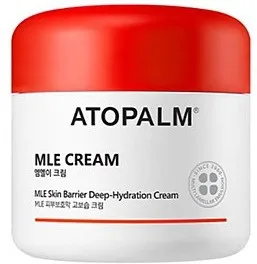
 MLE Cream
Atopalm MLE Cream is one of the genuinely scientifically anchored barrier moisturizers in K-beauty — a fragrance-free, pseudo-ceramide cream built around a patented liquid-crystal lipid structure that mimics the skin's own intercellular matrix. For eczema, atopic skin, post-procedure recovery, or anyone with a stinging compromised barrier, it's one of the most reliably effective moisturizers in the entire category.
 K-Beauty Barrier Repair Staple
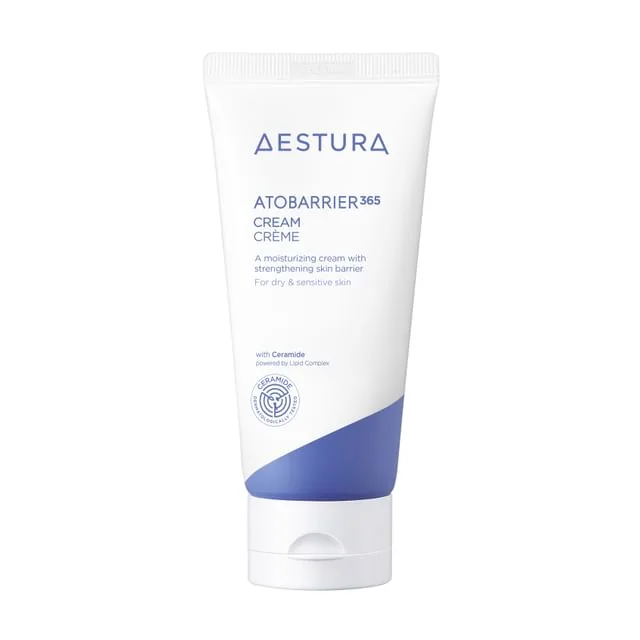
 Atobarrier 365 Cream
A Korean pharmacy cream that earns its cult following the hard way — with a lamellar lipid structure that actually rebuilds the barrier, not just coats it. If your skin has been through a rough winter, a retinoid ramp-up, or a bad reaction, this is the jar that quietly puts it back together.
 Korean Derm Clinic Recovery Pick
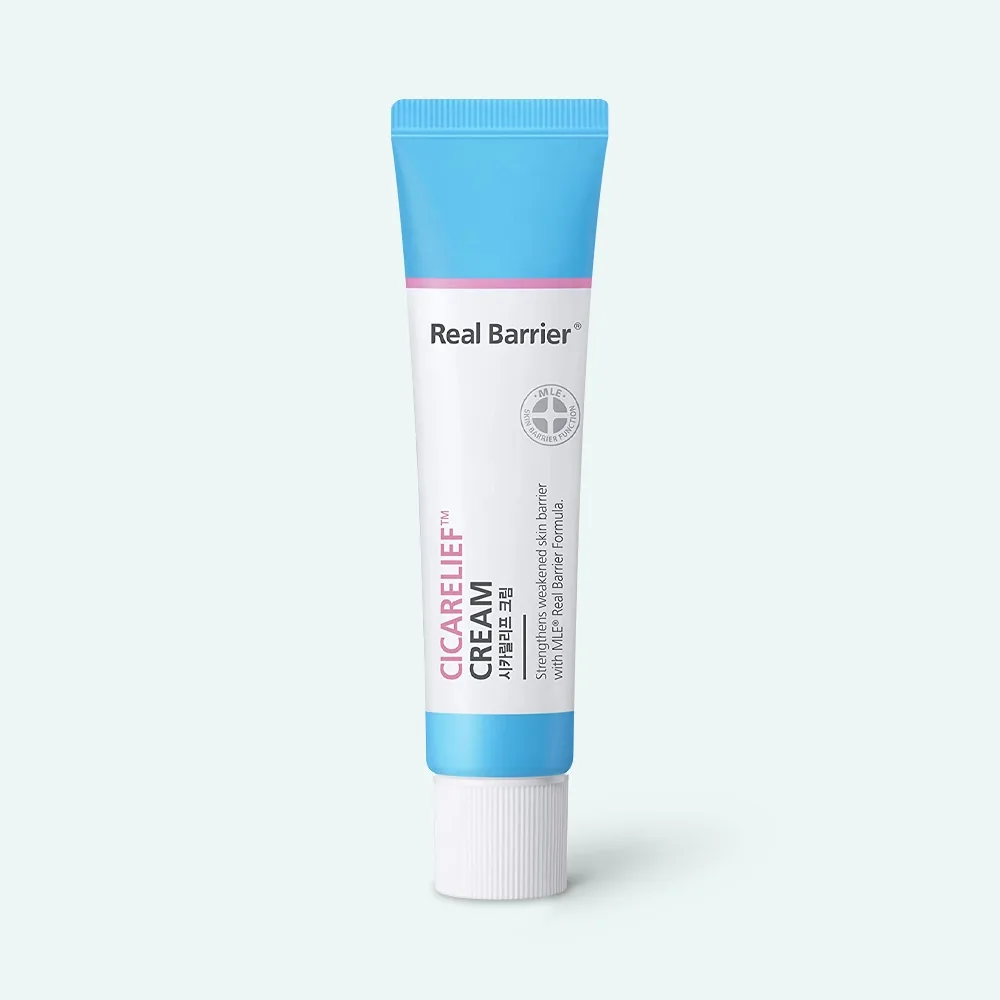
 Real Barrier Cicarelief Cream
One of the best consumer cica creams on the market, combining the full spectrum of centella actives with NeoPharm's MLE ceramide delivery and multiple complementary calming ingredients. Ideal for compromised, reactive, rosacea-prone, or recovering skin, and a staple in Korean dermatology clinic protocols. Minor limitations on packaging, but the formulation is genuinely excellent.
 Transparent 10% Panthenol Cream
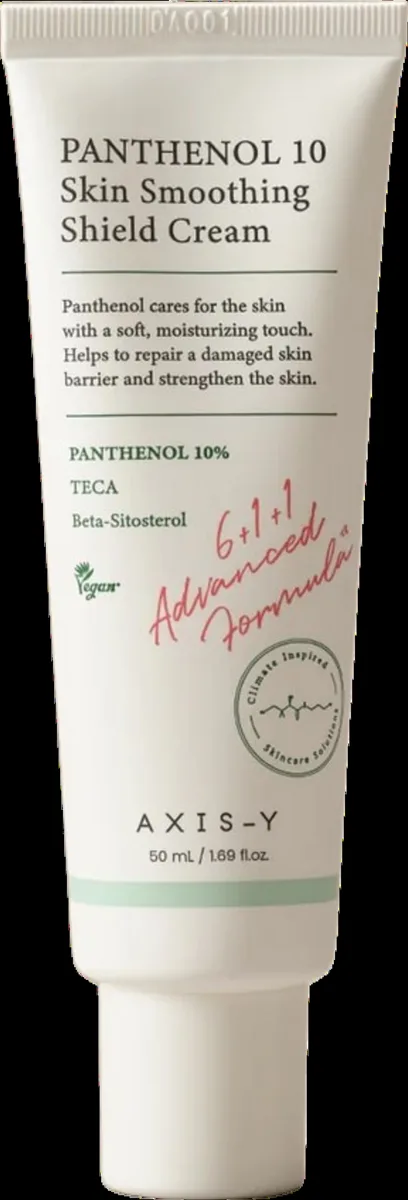
 Panthenol 10 Skin Smoothing Shield Cream
A disclosed 10% panthenol barrier cream built around a full physiological ceramide trio, a centella calming cast, and a modest shea butter occlusive. Fragrance-free, cross-season, and unusually transparent about its hero active — one of the brand's strongest moisturizer formulations.
 K-Beauty Icon
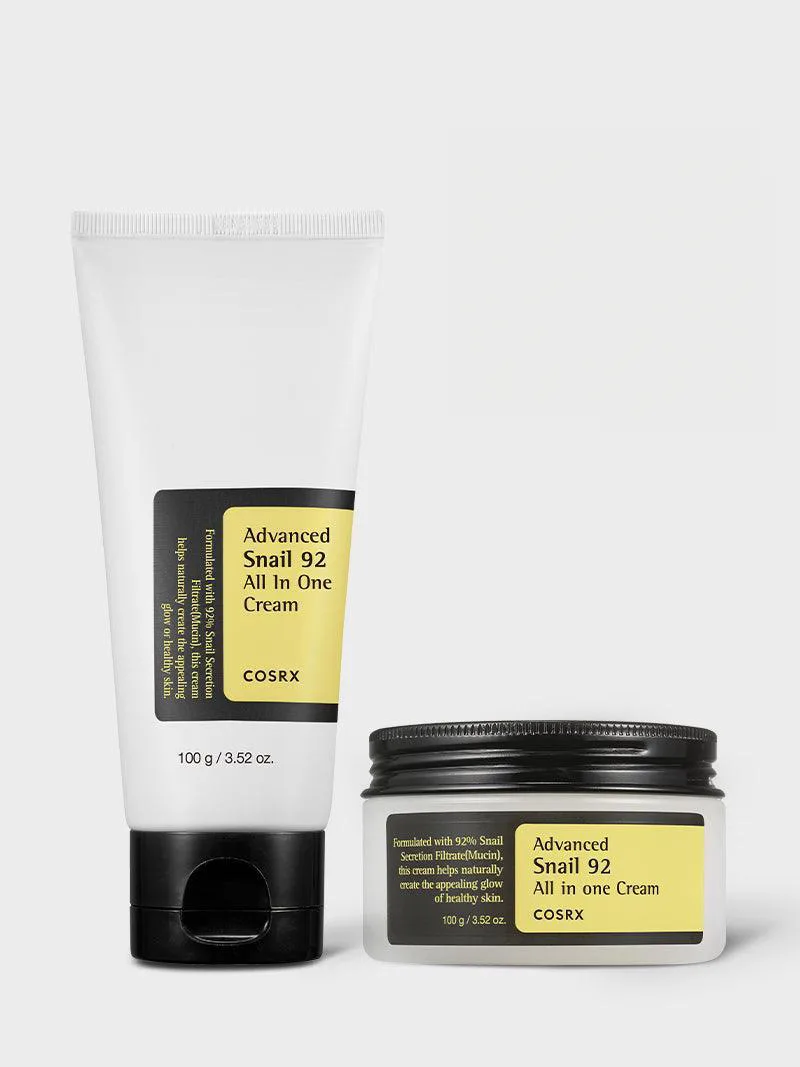
 Advanced Snail 92 All in One Cream
The cream that helped prove snail mucin to the world — and a decade later, it still deserves the reputation. At 92% snail secretion filtrate in a fragrance-free, gentle gel-cream, it delivers hydration, soothing, and gradual skin improvement across virtually every skin type. The texture takes getting used to, but 13 million sold units and 25,000+ reviews suggest most people manage.
This review reflects our independent analysis of publicly available ingredient data, manufacturer claims, and verified user reviews. We are reader-supported — Amazon links may earn us a commission at no cost to you. We do not accept paid placements; rankings are based solely on the evidence.