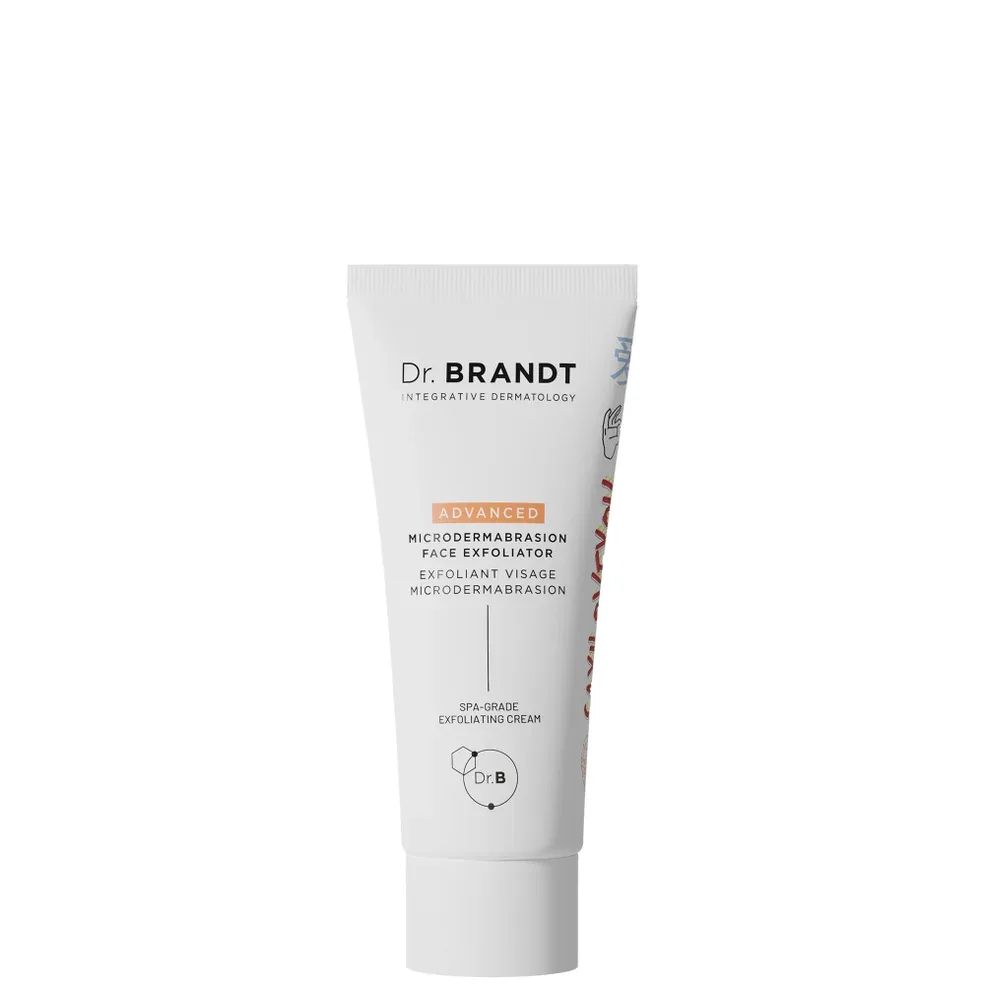
A genuinely effective, genuinely aggressive physical exfoliator that has earned two decades of cult status by using actual aluminum oxide crystals rather than the softer beads most 'scrubs' rely on. The immediate smoothing is real, but modern derm guidance has moved toward chemical exfoliation, and the price and fragrance load make it hard to recommend enthusiastically in 2026.
Microdermabrasion Exfoliating Face Cream
A genuinely effective, genuinely aggressive physical exfoliator that has earned two decades of cult status by using actual aluminum oxide crystals rather than the softer beads most 'scrubs' rely on. The immediate smoothing is real, but modern derm guidance has moved toward chemical exfoliation, and the price and fragrance load make it hard to recommend enthusiastically in 2026.
Score Breakdown
Where this product gains points and where it loses them — broken down across the four scoring pillars.
A true 'at-home microdermabrasion' in the most literal sense — effective, immediately visible, but using a mechanical approach most dermatologists have moved away from in favor of chemical exfoliation. The fragrance load and steep price compound the case against it.
Pros & Cons
- ✓Dramatic, immediately visible smoothing and brightening after one use
- ✓Uses actual aluminum oxide crystals instead of softer scrub beads
- ✓Includes supporting emollients and soothers to cushion the mechanical action
- ✓Two decades of market history and devoted repeat-purchase base
- ✓Effective for dullness, uneven texture, and shallow surface scarring
- ✓Vegan and cruelty-free
- ✗Physical exfoliation is out of step with current dermatology guidance
- ✗Strong fragrance makes the 'sensitive skin' claim shaky
- ✗Easy to over-use, risking barrier damage
- ✗Steep price for a once-weekly scrub
- ✗Conflicts with retinoids, acids, and most active routines on the same night
Full Review
If you bought skincare at Sephora any time between 2006 and about 2015, you almost certainly saw this product. It sat on the endcap next to the La Mer display, in a tall white-and-silver tube with a medicinal aura, promising to bring the in-office microdermabrasion experience home. Aluminum oxide crystals. Same mineral the dermatologist uses. Lactic acid too, as a finishing touch. Immediate results. And the pitch worked — this became one of Dr. Brandt's flagship products, and the formulation has stayed essentially unchanged because its fans would stage an uprising if it ever went away. Here's what you're getting. A thick, white cream packed with visible, uniformly-sized alumina particles — the same kind of mineral used in professional crystal-blasting microdermabrasion wands, just hand-massaged into your face instead of vacuum-propelled. The alumina does the mechanical work: it mechanically abrades the outermost layer of dead skin cells, and because the particles are uniform and hard, they do that more effectively (and more aggressively) than jojoba beads, sugar, or apricot pits. A bit of lactic acid sits lower on the INCI to finish loosening corneocytes chemically. Jojoba oil, glycerin, and allantoin provide just enough cushion and comfort to stop the whole thing from feeling like sandpaper. The immediate effect is genuine and, honestly, a little addictive. Within ninety seconds of a gentle massage, you rinse off and your face is smoother, softer, and visibly brighter than it was before you started. You can see the difference. You can feel the difference. This is why the product has survived in a category full of cheaper alternatives — the sensory promise of 'at-home microdermabrasion' is backed up, at least in the moment, by a real mechanical result. The problem is that dermatology has moved on. Twenty years ago, physical exfoliation was considered the serious option and acids were the newer, gentler alternative. Today, that framing has inverted. Most dermatologists now consider well-formulated AHAs, BHAs, and PHAs to be the more controlled, predictable, and barrier-respecting way to resurface, and they generally recommend physical exfoliation sparingly, if at all, especially for patients with any reactivity, rosacea, or acne. The case against alumina scrubs is that their aggression is not fully controllable — you can over-massage without realizing it, you can use them too often, and you can compound the micro-damage over time into a genuinely compromised barrier. That doesn't make this product dangerous, but it does make it more of a 'use carefully and occasionally' tool than a routine staple. The fragrance load is the other complicating factor. Parfum, citral, and limonene all appear on the INCI, and the scrub has a distinctly strong spa scent that users either love or cannot tolerate. For a product that markets itself as suitable for sensitive skin, that's an awkward inclusion — the people most vulnerable to reaction are also the people most likely to be drawn to anything in the microdermabrasion category hoping for a smoother, less blotchy complexion. At $79 for 60ml, it's also expensive enough that you're buying not just the scrub but the Dr. Brandt brand equity and the cachet of a physical exfoliant that has been a Sephora staple for twenty years. Where it still makes sense is narrow but real. If you have normal to oily skin, respond well to physical exfoliation, love the immediate satisfaction of a visible result, and can use it responsibly once a week — you'll probably become one of the devoted fans who make this product a multi-decade repurchase. If you have reactive skin, rosacea, an active acne flare, or any history of barrier compromise, walk past. There are more forgiving, more modern tools waiting.
Formula
Key Ingredients
The hero actives that drive this product's performance.
| Ingredient | Function | Evidence |
|---|---|---|
| Alumina (Aluminum Oxide Crystals) | The same crystals used in professional in-office microdermabrasion, suspended in a cream base so you can do a low-grade version of the treatment at home. Their uniform hardness and particle size make them more effective and more abrasive than sugar or jojoba bead scrubs — which is both the selling point and the risk. | well-established |
| Lactic Acid | Sits low in the formula to add a mild chemical-exfoliation layer underneath the physical scrub. In this product lactic acid works as a finisher — loosening corneocytes after the crystals do the mechanical work, without pushing the formula into high-strength acid territory. | well-established |
| Jojoba Seed Oil | Provides the cushioning emollience that keeps the alumina crystals from feeling too harsh during the massage. In this emulsion, jojoba is the slip layer that lets the scrub glide instead of drag. | well-established |
| Allantoin | A soothing agent included specifically to counter the minor micro-irritation that aluminum oxide scrubs can produce. Works alongside aloe and chamomile to keep post-scrub skin from feeling angry. | well-established |
Full INCI List
Water, Alumina, Caprylic/Capric Triglyceride, Glycerin, Cetyl Alcohol, Glyceryl Stearate, PEG-100 Stearate, Ammonium Acryloyldimethyltaurate/VP Copolymer, Simmondsia Chinensis (Jojoba) Seed Oil, Xanthan Gum, Phenoxyethanol, Lactic Acid, Fragrance (Parfum), Menthone Glycerin Acetal, Allantoin, Disodium EDTA, Tocopheryl Acetate, Magnesium Oxide, Propylene Glycol, Aloe Barbadensis Leaf Extract, Vitis Vinifera (Grape) Seed Extract, Chamomilla Recutita (Matricaria) Flower Extract, Camellia Sinensis Leaf Extract, Citral, Limonene
Product Flags
✗ Fragrance Free✓ Alcohol Free✗ Oil Free✓ Silicone Free✓ Paraben Free✓ Sulfate Free✓ Cruelty Free✓ Vegan✗ Fungal Acne Safe
Potential Irritants
alumina crystalsfragrancecitrallimonene
Common Allergens
limonenecitral
Compatibility
Skin Match
Best For
Works For
Not Ideal For
Addresses These Conditions
dullness texture blackheads hyperpigmentation sun damage
Use With Caution
acne rosacea sensitivity compromised skin barrier
Avoid With
eczema psoriasis post procedure
Routine Step
treatment
Time of Day
PM
Pregnancy Safe
Yes ✓
Layering Tips
Use 1-2 times weekly, never back-to-back with acids, retinoids, or other exfoliants. Follow with a gentle, fragrance-free moisturizer to offset the scrub's minor irritation. Apply sunscreen the next morning — exfoliated skin is more UV-sensitive.
Results Timeline
Immediate: smoother, brighter, softer skin right after rinsing. Short-term (2-4 weeks): more even texture and improved radiance with weekly use. Full benefits (8-12 weeks): softened acne scarring, more refined pores, and an overall smoothed look.
Pairs Well With
hyaluronic-acidceramidesniacinamide
Conflicts With
retinoltretinoinaha-bhavitamin-c
Sample AM Routine
- Gentle cleanser
- Hydrating serum
- Moisturizer
- Sunscreen
Sample PM Routine
- Cleanser
- THIS PRODUCT (1-2x/week)
- Hydrating serum
- Moisturizer
Evidence
Science & Expert Perspective
The Science
The mechanism is the most straightforward in skincare: alumina crystals mechanically abrade the stratum corneum. Aluminum oxide is one of the hardest oxides commonly used in cosmetics, and it's the same mineral used in professional microdermabrasion wands, where it's driven at high velocity against the skin under vacuum. The at-home cream version cannot replicate the depth of that treatment — hand pressure and particle velocity don't come close — but it does reliably remove the outermost layer of dead corneocytes in a way that more forgiving physical exfoliants don't. The supporting lactic acid contribution is modest. At the position where lactic acid sits in the INCI, its role is closer to 'finishing assist' than 'primary exfoliant' — it helps dissolve intercellular lipid bonds that the mechanical action has already disturbed. The critical evidence question is long-term: repeated physical abrasion has been associated with micro-tears and inflammation in some studies, which is why contemporary dermatology has largely pivoted toward chemical exfoliation. The data supporting weekly, moderate use of alumina scrubs on non-sensitive skin is reassuring; the data supporting frequent or aggressive use is not. Users who respect the 1-2x weekly frequency and follow with adequate moisturization and sun protection generally tolerate the product well. Users who over-use it tend to end up with the paradoxically dull, sensitized skin that over-exfoliation produces.
Dermatologist Perspective
Dermatologists broadly consider alumina-based physical exfoliants to be effective but aggressive, and most modern cosmetic dermatology practices recommend chemical exfoliation with AHAs, BHAs, or PHAs as a safer, more controllable alternative for routine resurfacing. That said, physical exfoliation still has a role for patients who specifically prefer the immediate tactile result and can use it responsibly. Board-certified dermatologists typically caution against using this type of product more than once or twice weekly, combining it with other actives on the same day, or using it on inflamed acne, rosacea, eczema, or post-procedure skin. For patients who do fit the use case, it's generally considered safe when paired with sunscreen and a well-maintained moisturizing routine.
Guidance
Usage Guide
How to Use
Apply a pea-sized amount to clean, damp skin once or twice a week — never daily. Massage gently in small circles for 60-90 seconds, avoiding the eye area, the corners of the nose, and any active breakouts. Do not press hard — the crystals do the work, not your fingers. Rinse thoroughly with lukewarm water and pat dry. Immediately follow with a hydrating serum and a gentle moisturizer. Always use sunscreen the next morning, as freshly exfoliated skin is more susceptible to UV damage. Never combine with retinoids, AHAs, BHAs, or vitamin C on the same night.
Value Assessment
At $79 for 60ml, this is premium-tier pricing for what is functionally a mineral-and-cream exfoliant. No larger size is offered, so there's no per-ounce break. The Dr. Brandt brand equity and the specific use of aluminum oxide (rather than cheaper scrub beads) account for some of the premium, but functionally comparable at-home physical exfoliants exist at $20-40. Where the cream justifies its cost is in the consistency of the experience — the fan base is loyal precisely because the formulation hasn't changed and the effect remains predictable. For price-conscious shoppers, a well-formulated AHA serum at a fraction of the price will provide more controllable resurfacing. For the specific experience of at-home microdermabrasion, this remains the reference product, and you're paying for that positioning.
Who Should Buy
Someone with normal, combination, or resilient oily skin who loves the immediate result of physical exfoliation, can commit to using it responsibly once a week, and specifically wants the Dr. Brandt microdermabrasion experience. Long-time fans who already know their skin tolerates the product have no reason to switch.
Who Should Skip
Anyone with sensitive, rosacea-prone, eczema-prone, or actively acneic skin. Anyone who already uses retinoids or chemical exfoliants regularly. Anyone price-conscious — well-formulated acid-based exfoliants deliver more controllable resurfacing for less money.
Ready to try Dr. Brandt Microdermabrasion Exfoliating Face Cream?
Details
Details
Texture
Thick, grainy white cream with visibly suspended aluminum oxide crystals
Scent
Distinct fresh-spa fragrance with citrus and herbal notes
Packaging
White and silver tube with a clear silver cap — clinical, medicinal aesthetic unchanged for years
Finish
non-greasy
What to Expect on First Use
On first use, the crystals feel scratchier than modern scrubs — that's the point. After a minute of gentle massage and a rinse, skin looks visibly smoother and lit from within. Some users find this thrilling; others find it overdone.
How Long It Lasts
4-6 months with once- or twice-weekly use
Period After Opening
12 months
Best Season
All Year
Certifications
vegancruelty-free
Background
The Why
This scrub is one of Dr. Brandt's oldest products, launched in the mid-2000s when cosmetic dermatology offices were built around microdermabrasion as the in-office procedure of choice. Brandt's pitch was that you could simulate a light version of the treatment at home, and the product became a Sephora mainstay and a celebrity-circle obsession.
About Dr. Brandt Legacy Brand (20+ years)
Dr. Brandt Skincare was founded in 1995 by cosmetic dermatologist Fredric Brandt, whose New York and Miami practice was widely regarded as one of the leading aesthetic derm offices of its era. The microdermabrasion line is one of the brand's oldest and most enduring products.
Brand founded: 1995 · Product launched: 2006
Myth vs. Reality
Myths & Misconceptions
Myth
At-home microdermabrasion matches in-office treatment.
Reality
No. Professional dermabrasion uses vacuum-assisted crystal blasting that penetrates far more deeply than hand massage can replicate. This product offers a small fraction of the effect.
Myth
Physical exfoliation is always worse for your skin than acids.
Reality
Not always — but modern dermatology generally prefers chemical exfoliation for its controllability. Used correctly and infrequently, alumina scrubs are safe for most non-sensitive skin types.
FAQ
Frequently Asked Questions
How often should I use this?
Once or twice a week maximum. Over-exfoliation with aluminum oxide crystals can compromise your skin barrier, leading to redness, sensitization, and paradoxically duller skin. If you're new to it, start with once weekly and assess.
Is this the same as professional microdermabrasion?
No. In-office treatments use powered crystal-blasting wands that penetrate far deeper than hand massage can. This is a diluted, at-home version that uses the same crystal material in a cream suspension.
Can I use it with retinol?
Not on the same night. Alternate days at minimum. Using physical exfoliation and retinoids together dramatically increases the risk of irritation, barrier damage, and flaking.
Will it help with acne scars?
Shallow post-inflammatory marks and surface texture can improve with consistent use over two to three months. Deep ice-pick or boxcar scarring requires in-office treatment — this product won't reach that level.
Is it safe for sensitive skin?
The brand markets it as safe for sensitive skin, but the fragrance load (citral, limonene, parfum) and the mechanical abrasion make it a poor choice for anyone with rosacea, reactive skin, or a compromised barrier.
Why is it so expensive?
Part brand equity, part the alumina crystals themselves, and part the longevity of the product's reputation. Functionally similar physical scrubs exist at a fraction of the price, though most use beads rather than mineral crystals.
Community
Community Voices
Common Praise
"Dramatic immediate smoothness"
"Visibly brighter skin after one use"
"Softens texture and shallow scars"
"Faithful fans with decade-plus routines"
Common Complaints
"Can be too harsh on sensitive skin"
"Strong fragrance"
"Very expensive for a scrub"
"Physical exfoliation is out of step with modern derm guidance"
Notable Endorsements
Allure Best of Beauty (historical)CosmopolitanHarper's Bazaar
Appears In
best physical exfoliant best at home microdermabrasion best scrub for dullness best exfoliant for uneven texture
Related Conditions
dullness texture hyperpigmentation
Related Ingredients
You Might Also Like
 Sensitive Skin AHA Pick
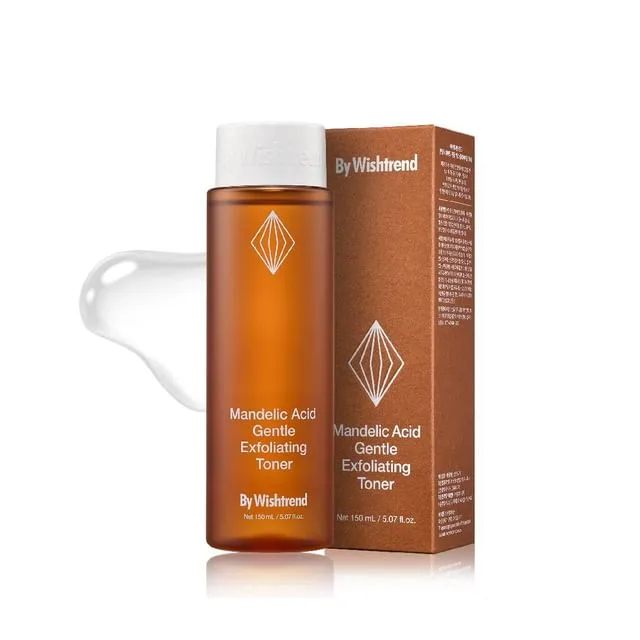
 Mandelic Acid 5% Skin Prep Water
The mandelic acid prep water that quietly converted half of K-beauty Reddit away from glycolic — and for good reason. It delivers visible texture and PIH improvement at 5% without the sting or pigment risk that derails sensitive and darker skin, and it does so for around twenty bucks.
 Gentle Glow Specialist
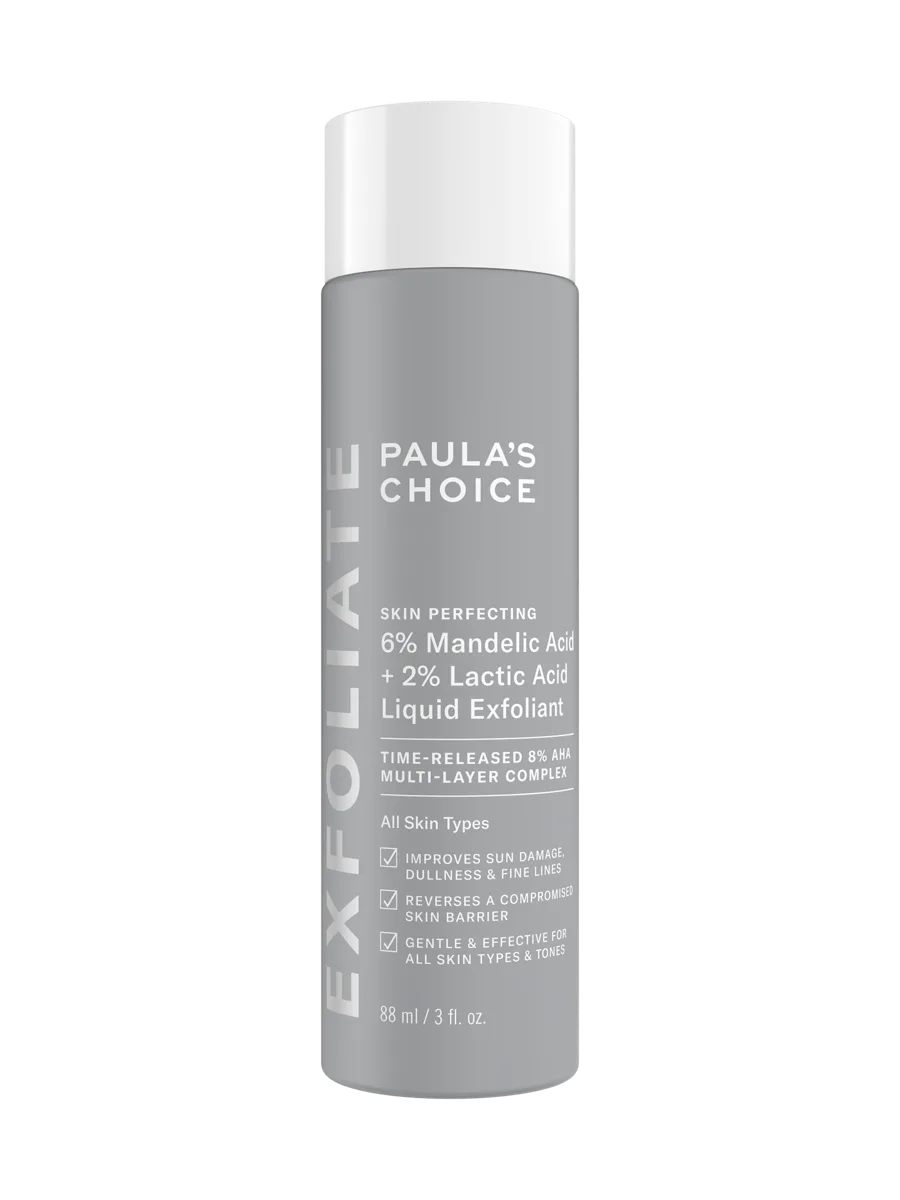
 Skin Perfecting 6% Mandelic Acid + 2% Lactic Acid Liquid Exfoliant
The exfoliant that finally treats sensitive and melanin-rich skin as the design priority rather than an afterthought. With a 4.8-star rating and 660+ reviews, this mandelic-lactic formula proves that gentleness and efficacy aren't mutually exclusive — it just requires smarter acid selection.
 The Original At-Home Peel
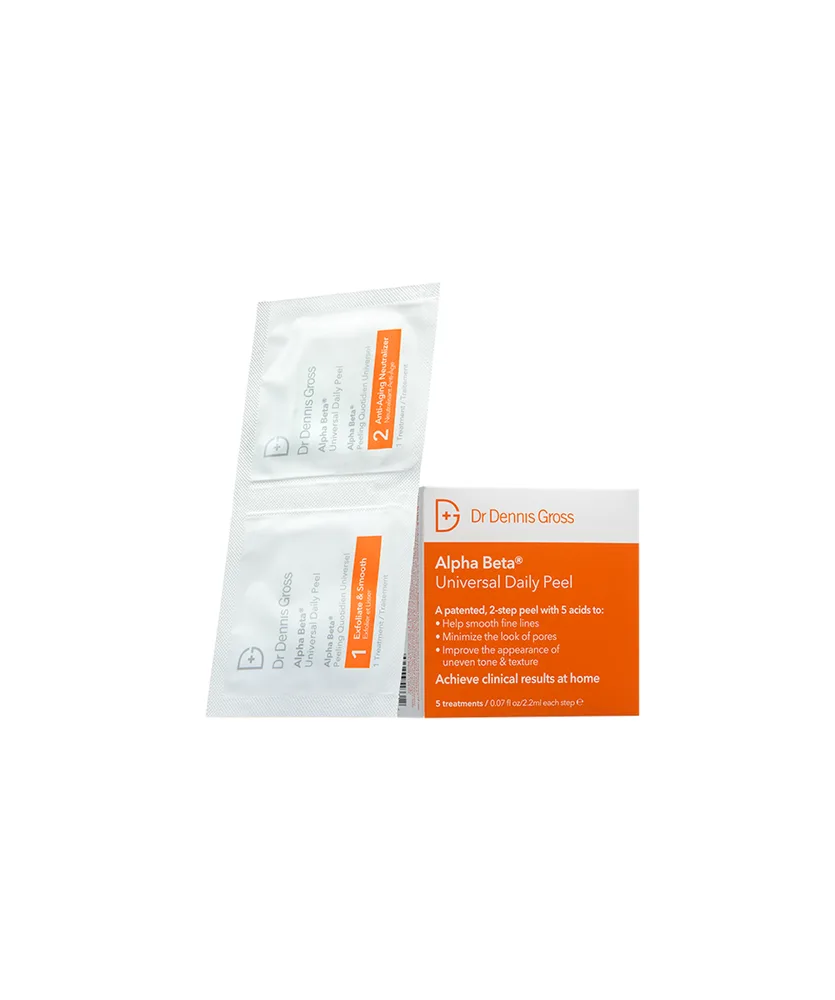
 Alpha Beta Universal Daily Peel
The product that invented the at-home daily peel category in 2002 and still sits at the top of it. The five-acid Step 1 and retinol-antioxidant Step 2 deliver genuine resurfacing and anti-aging in a single five-minute routine. Expensive, but the results and track record justify the reputation.
 Beginner Exfoliant Pick
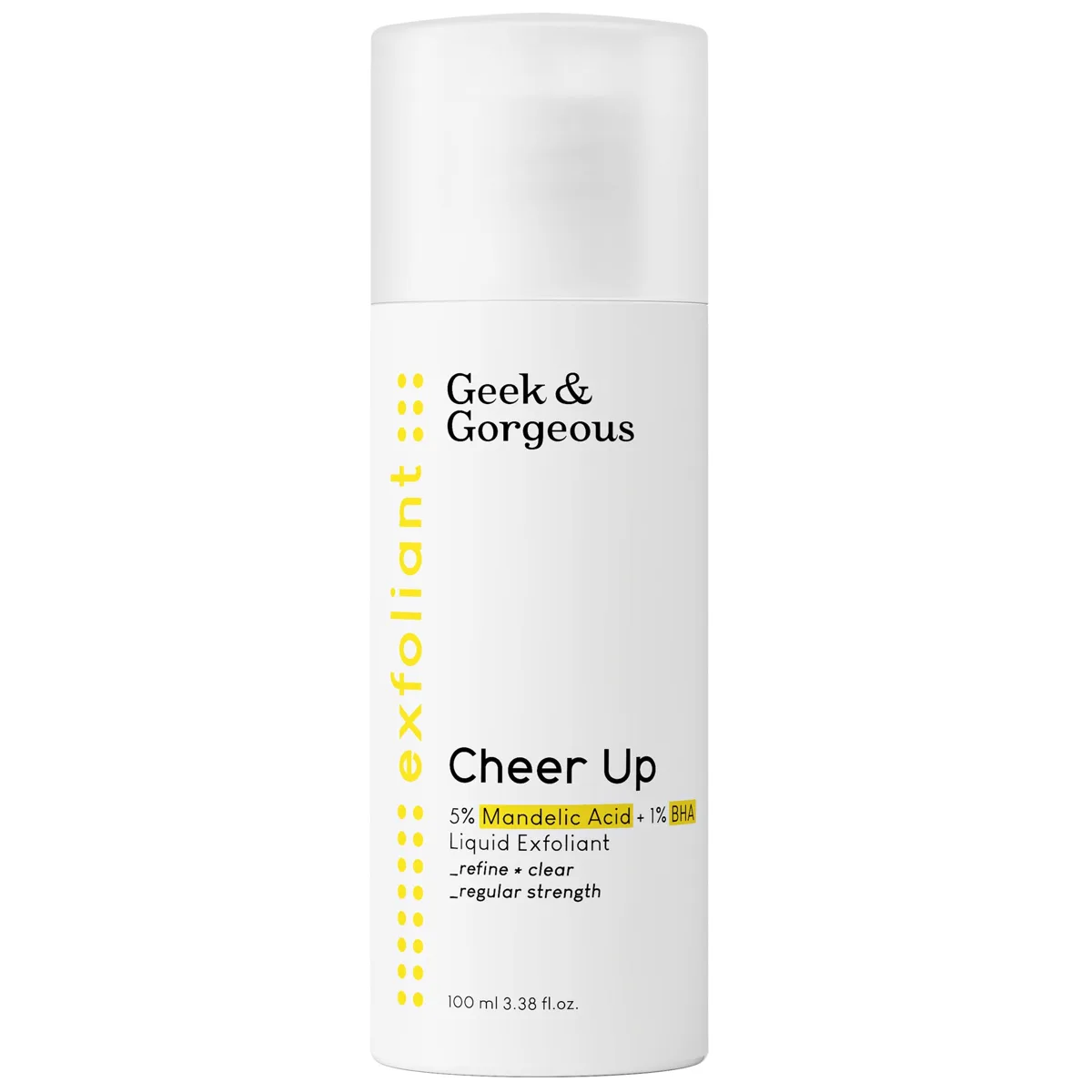
 Cheer Up 5% Mandelic + 1% Salicylic Exfoliant
A thoughtfully formulated beginner AHA/BHA exfoliant that uses mandelic acid — the gentlest mainstream AHA — in combination with low-strength salicylic, plus a sugar-humectant complex for comfort. At 100mL for around $12, the value is excellent, and the formulation choices reflect the kind of cosmetic-chemist thinking that separates this brand from typical indie exfoliants. Ideal for exfoliant newcomers and sensitive skin.
 At-Home Peel Benchmark
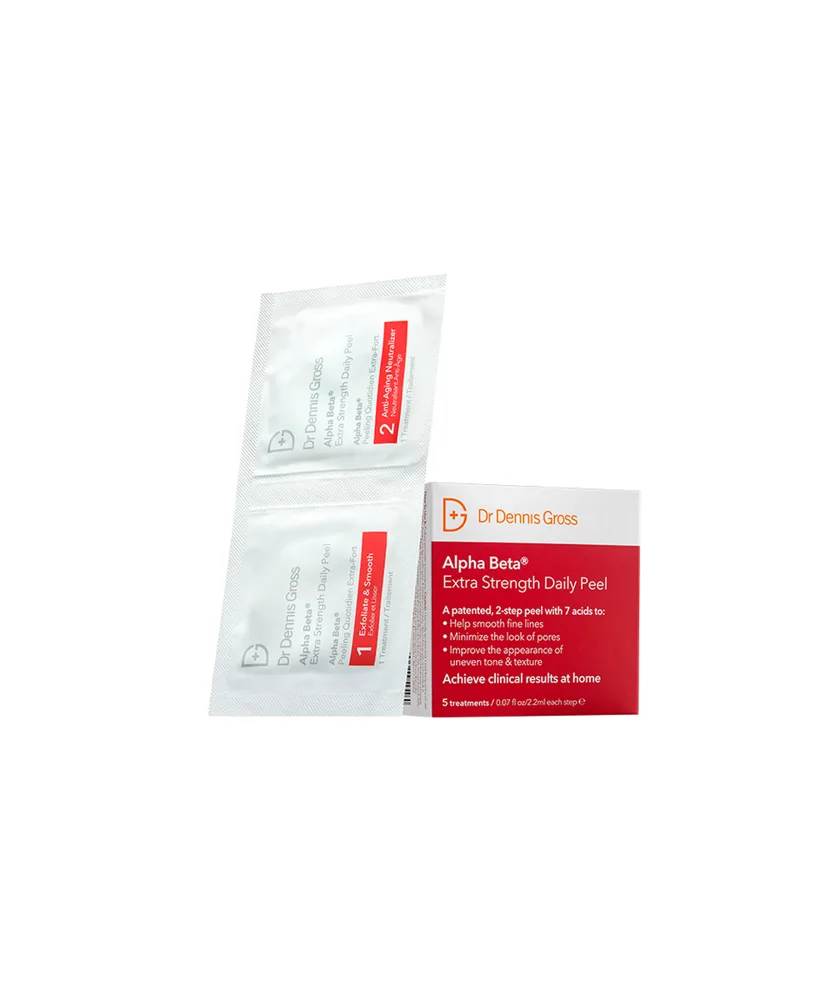
 Alpha Beta Extra Strength Daily Peel
The harder-hitting version of the at-home peel that started the category. Step 1 delivers a serious five-acid blend and Step 2 follows with retinol and antioxidants, making this a combined resurfacing and anti-aging treatment in a single five-minute routine. Expensive but genuinely effective for experienced exfoliant users.
 Pharma-Grade Budget BHA
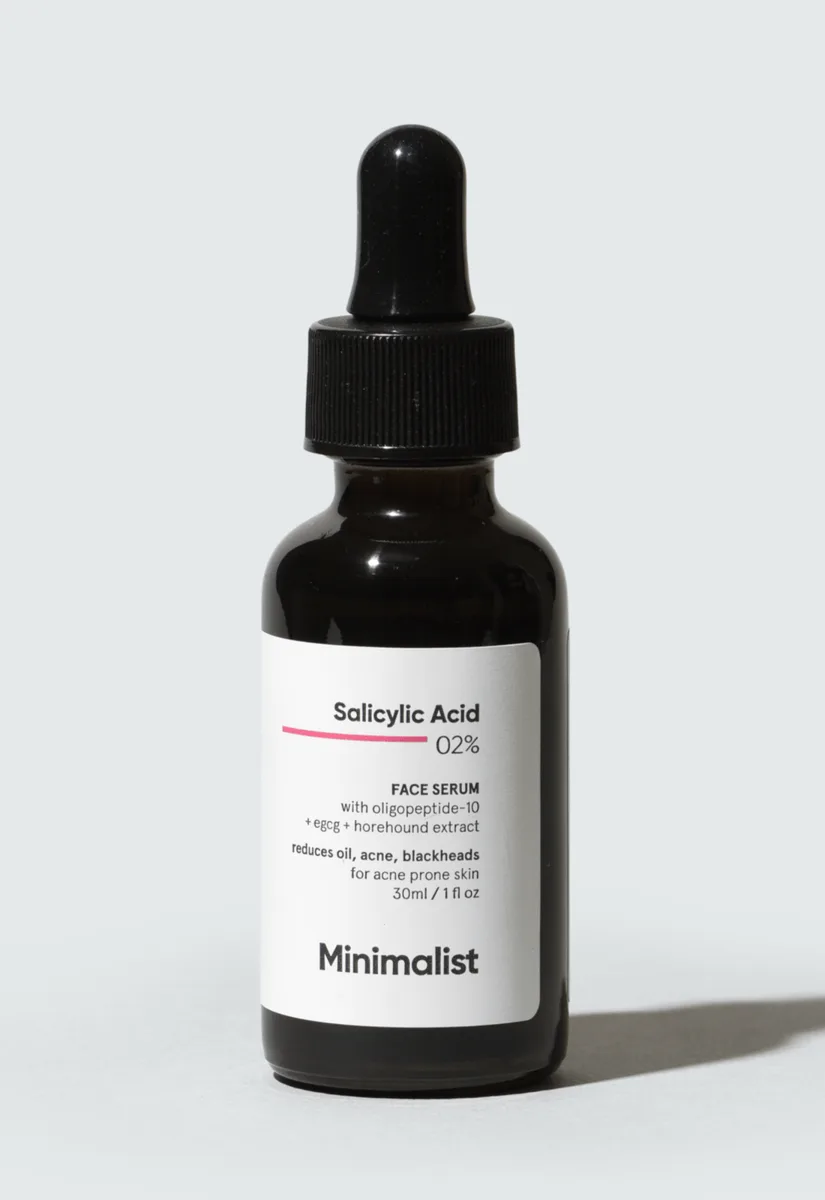
 2% Salicylic Acid Face Serum
A pharma-grade 2% BHA serum at pH 3.75, built around Merck's RonaCare salicylic acid and flanked by Marrubium Vulgare, EGCG glucoside, and Oligopeptide-10 — a supporting cast most budget salicylic serums do not bother with. At ₹599 for 30ml, it is one of the best acne serums on the Indian market and genuinely competitive with the prestige alternatives.