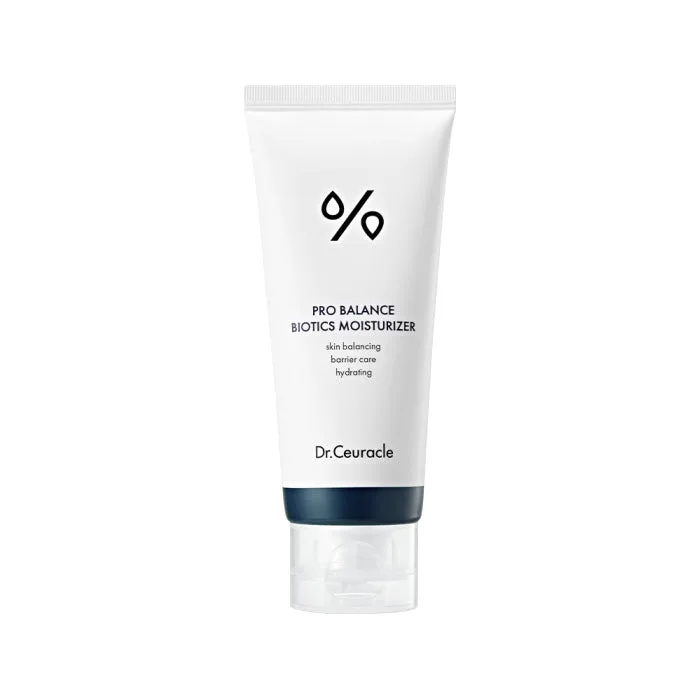
One of the more thoughtful postbiotic moisturizers on the Korean K-beauty market — this isn't a token ferment thrown into a generic cream but a full four-ferment stack layered over a lamellar ceramide complex and madecassoside anti-inflammatory support. Expensive for the category, but the integrated biome-plus-barrier approach is genuinely differentiated and particularly strong for reactive or post-procedure skin.
Pro Balance Biotics Moisturizer
One of the more thoughtful postbiotic moisturizers on the Korean K-beauty market — this isn't a token ferment thrown into a generic cream but a full four-ferment stack layered over a lamellar ceramide complex and madecassoside anti-inflammatory support. Expensive for the category, but the integrated biome-plus-barrier approach is genuinely differentiated and particularly strong for reactive or post-procedure skin.
Score Breakdown
Where this product gains points and where it loses them — broken down across the four scoring pillars.
A thoughtful Korean derm-developed cream that layers a multi-postbiotic ferment stack over a proper lamellar ceramide complex and madecassoside anti-inflammatory layer. Loses some value points because comparable formulations exist at lower price points, though the postbiotic complexity here is unusual at this price.
Pros & Cons
- ✓Four-ferment postbiotic stack is unusually comprehensive at this price point
- ✓Proper lamellar ceramide complex alongside the biome-focused ingredients
- ✓Madecassoside and asiaticoside provide clinically supported anti-inflammatory support
- ✓Fragrance-free, alcohol-free formulation suits reactive skin
- ✓Works well post-procedure or after aggressive active treatments
- ✓Korean dermatologist-developed cosmeceutical brand with a decade-plus track record
- ✓Rich but non-greasy texture absorbs well under makeup or sunscreen
- ✗Expensive compared to simpler Korean centella or ceramide creams
- ✗Limited availability outside K-beauty specialty retailers
- ✗Not vegan
- ✗Postbiotic evidence base is still emerging compared to core ingredients
Full Review
A decade ago, if you mentioned 'microbiome skincare' to a Western dermatologist, you'd have gotten a raised eyebrow and a polite change of subject. Korean dermatologists were already formulating around it. The Korean cosmeceutical scene has always moved faster than Western drugstore and indie skincare on two things — multi-step routines and ingredient novelty — and postbiotic formulations were one of its early bets. Dr. Ceuracle launched in 2012 out of that cosmeceutical tradition, built around the premise that the skin's microbial community is a legitimate therapeutic target and that fermented ingredients can support it. The brand has spent the subsequent decade quietly refining its approach, and the Pro Balance Biotics Moisturizer is the flagship of its barrier-plus-biome formulation philosophy. It's not the splashy kind of K-beauty product that ends up on Allure's best-of lists; it's the kind that Korean derms recommend to patients recovering from procedures or dealing with chronic sensitivity.
The formula is more complex than a casual reading of the INCI list suggests. Most 'probiotic' or 'postbiotic' skincare products include a single ferment extract — most commonly Lactobacillus ferment or Bifida ferment lysate — at a token concentration, primarily as a marketing hook. Dr. Ceuracle includes four different ferment ingredients: Lactobacillus ferment lysate, Lactobacillus/soybean ferment extract, Bifida ferment lysate, and Saccharomyces ferment filtrate. Each contributes a different profile of fermentation byproducts — short-chain fatty acids, peptides, cell-wall fragments, enzymes — and together they create a more complete postbiotic signature than any single ferment could deliver alone. The Bifida ferment in particular is the same class of ingredient that Estée Lauder's Advanced Night Repair built its original positioning around, and its inclusion here at meaningful levels in a sub-$40 cream is one of the things that makes this product worth discussing seriously.
What elevates this beyond just 'a cream with ferments' is the rest of the formula. Dr. Ceuracle pairs the postbiotic stack with a proper lamellar ceramide complex — ceramides NP, AP, and EOP plus cholesterol — which is the clinically supported barrier repair approach rooted in Peter Elias's work on stratum corneum lipid architecture. Then they layer in madecassoside and asiaticoside, the purified centella asiatica triterpenoids with the strongest clinical evidence for reducing inflammation and supporting wound healing. Niacinamide is present at a supporting level, as are panthenol, allantoin, and sodium hyaluronate. The result is a moisturizer that's simultaneously doing barrier repair, microbiome support, and inflammation management, rather than betting everything on a single mechanism.
This matters because skin sensitivity, reactive skin, rosacea, and post-procedure recovery are rarely single-pathway problems. A compromised barrier doesn't just leak water — it lets antigens and microbes penetrate more deeply, which triggers inflammation, which further disrupts the microbiome, which continues to compromise the barrier in a feedback loop. Breaking that loop requires intervention at multiple points, which is why the best recovery moisturizers combine lipid repair, anti-inflammatory support, and microbiome-friendly ingredients. Dr. Ceuracle's formulation is one of the more coherent expressions of this integrated approach in the Korean K-beauty market.
Texture-wise, the cream is rich but not heavy — a silky, cushioned feel that spreads easily and absorbs within about 90 seconds, leaving a soft satin finish. It's fragrance-free, alcohol-free, and builds on a silicone-glycerin emulsion base that most users find comfortable across skin types, though very oily summer skin may find it slightly too rich. Post-application, there's no stinging, no tingling, and no adjustment period — it works exactly as advertised for reactive skin. Users with barrier disruption or sensitization typically report visible calming within a few days, and the cumulative benefits on skin resilience become apparent over 6-8 weeks of consistent use.
The honest value conversation is a little complicated. At roughly $38 for 75 mL, it's expensive by K-beauty standards — Cosrx Advanced Snail 92 All In One Cream, Purito Centella Green Level Recovery Cream, and iUnik Centella Calming Gel Cream all deliver strong barrier repair at roughly half the price. What you're paying for with Dr. Ceuracle is specifically the postbiotic complexity and the dermatologist-developed cosmeceutical positioning. If you're dealing with chronic reactive skin, rosacea, or recovery from in-office procedures, the extra price is defensible — this is a genuinely more sophisticated recovery cream than a simple centella gel. If you're looking for everyday barrier support without the microbiome angle, a simpler Korean ceramide cream will serve you fine at lower cost.
The one real formulation concern is that postbiotic science is still emerging. The evidence base for topical microbiome modulation is stronger than it was five years ago but weaker than the evidence for ceramides, niacinamide, or madecassoside individually. This is not a reason to dismiss the product — the supporting ingredients are well-validated on their own — but it's worth being clear that the biome angle is more promising than definitive. Dr. Ceuracle has been betting on this category for over a decade, which gives them a track record most Western 'microbiome skincare' brands can't match, but the long-term evidence base for postbiotic efficacy continues to develop.
For reactive, post-procedure, or chronically sensitized skin looking for a thoughtfully integrated barrier-plus-biome cream, this is a legitimately strong pick. For general-purpose Korean barrier repair, cheaper alternatives exist.
Formula
Key Ingredients
The hero actives that drive this product's performance.
| Ingredient | Function | Evidence |
|---|---|---|
| Lactobacillus Ferment Lysate | The signature postbiotic active in this formula and the reason Dr. Ceuracle built the Pro Balance line around a 'biotics' positioning. Lactobacillus ferment lysate contains cell-wall fragments, short-chain fatty acids, and peptide byproducts of probiotic fermentation, which have been studied for anti-inflammatory activity and microbiome support — working with the ceramide complex in this formula to rebuild both the lipid barrier and the microbial balance simultaneously. | promising |
| Bifida Ferment Lysate | A second fermented postbiotic from Bifidobacterium — best known as the signature ingredient in Estée Lauder's Advanced Night Repair — with studied benefits for DNA repair support and barrier function. Dr. Ceuracle's inclusion of both Lactobacillus and Bifida ferments at meaningful concentrations is unusual in a sub-$40 cream. | promising |
| Madecassoside + Asiaticoside | The purified triterpenoid actives from centella asiatica with the strongest clinical evidence for anti-inflammatory and barrier-repair activity. Their inclusion alongside the postbiotic ferments targets the inflammatory component of microbiome dysbiosis — when the skin microbiome is imbalanced, inflammation accompanies it, and madecassoside addresses that inflammatory cascade directly. | well-established |
| Ceramide Complex (NP, AP, EOP) | Provides the lipid building blocks the microbiome needs to thrive — skin bacteria depend on the lipid environment of the stratum corneum, so a ceramide-rich moisturizer is effectively prebiotic as well as barrier-repairing. This is the integrated thinking that separates Dr. Ceuracle's approach from simpler postbiotic creams. | well-established |
Full INCI List · pH 5.5
Water, Glycerin, Caprylic/Capric Triglyceride, Cetyl Ethylhexanoate, Butylene Glycol, Butyrospermum Parkii (Shea) Butter, Lactobacillus Ferment Lysate, Lactobacillus/Soybean Ferment Extract, Bifida Ferment Lysate, Saccharomyces Ferment Filtrate, Niacinamide, Panthenol, Sodium Hyaluronate, Ceramide NP, Ceramide AP, Ceramide EOP, Cholesterol, Centella Asiatica Extract, Madecassoside, Asiaticoside, Glycerin, Cetearyl Alcohol, Glyceryl Stearate, PEG-100 Stearate, Dimethicone, Xanthan Gum, Tocopherol, Allantoin, Phenoxyethanol, Ethylhexylglycerin, Disodium EDTA.
Product Flags
✓ Fragrance Free✓ Alcohol Free✗ Oil Free✗ Silicone Free✓ Paraben Free✓ Sulfate Free✓ Cruelty Free✗ Vegan✗ Fungal Acne Safe
Comedogenic Ingredients
Shea Butter
Compatibility
Skin Match
Best For
sensitive dry normal combination
Works For
Not Ideal For
Addresses These Conditions
compromised skin barrier sensitivity dryness dehydration rosacea post procedure
Use With Caution
Routine Step
moisturizer
Time of Day
AM & PM
Pregnancy Safe
Yes ✓
Layering Tips
Apply after serums and before sunscreen in AM or as the final step in PM. Can be layered under facial oil for very dry skin. Works well as a post-procedure recovery cream.
Results Timeline
Immediate softening and soothing within minutes. Barrier repair is measurable at 2-4 weeks. Full microbiome rebalancing effects are cumulative over 6-8 weeks of consistent use.
Pairs Well With
retinoidsacidsvitamin-chyaluronic-acid
Sample AM Routine
- Gentle cleanser
- Hydrating toner
- Serum
- Dr. Ceuracle Pro Balance Biotics Moisturizer
- Sunscreen
Sample PM Routine
- Cleansing oil
- Cleanser
- Treatment
- Dr. Ceuracle Pro Balance Biotics Moisturizer
Evidence
Science & Expert Perspective
The Science
The postbiotic approach used in this formula sits at the intersection of several active areas of research. A 2019 review in the Journal of Drugs in Dermatology examined the evidence base for topical postbiotic applications and concluded that fermented ingredients, particularly Lactobacillus and Bifidobacterium lysates, show promising activity in reducing inflammation and supporting barrier function, though the authors noted that more randomized controlled trials are needed to establish clinical efficacy definitively.
Bifida ferment lysate has the strongest evidence base among the ferments in this product. A 2011 study in the Journal of Cosmetic Dermatology evaluated a Bifida ferment lysate-containing formulation on photoaged skin and found improvements in skin hydration, elasticity, and reduction in fine lines over 12 weeks of twice-daily application. The mechanism is thought to involve the lysate's effect on mitochondrial function in keratinocytes and its role in supporting DNA repair enzymes.
Lactobacillus ferment-derived postbiotics contribute short-chain fatty acids (acetate, propionate, butyrate) that have documented anti-inflammatory activity on epidermal keratinocytes. A 2017 paper in the British Journal of Dermatology reviewed the role of the skin microbiome in atopic dermatitis and rosacea and identified decreased microbial diversity as a feature of both conditions, providing mechanistic support for the idea that supporting microbial balance could improve barrier-compromised skin outcomes.
The ceramide complex in this formula follows the well-established lamellar ratio approach established by Peter Elias's research group at UCSF. A 2002 paper in the Journal of Investigative Dermatology established that topical application of ceramides, cholesterol, and fatty acids at physiologic ratios produces faster barrier repair than any single lipid alone.
Madecassoside and asiaticoside, the triterpenoid actives from centella asiatica, have been studied for their anti-inflammatory and wound-healing properties. A 2008 randomized trial in the Archives of Dermatological Research evaluated topical madecassoside on compromised skin and demonstrated significant improvements in hydration and reduction in erythema over four weeks.
References
- Physiological lipid mixtures and barrier repair — Journal of Investigative Dermatology (2002)
- The role of the skin microbiome in atopic dermatitis and rosacea — British Journal of Dermatology (2017)
Dermatologist Perspective
Dermatologists have become increasingly interested in the role of the skin microbiome in conditions like atopic dermatitis, rosacea, and acne over the past decade, and postbiotic formulations have emerged as a promising area for topical intervention. Board-certified dermatologists typically note that the evidence base for microbiome-targeted skincare is still developing and that the most important benefits of products in this category often come from the supporting ingredients — ceramides, niacinamide, and centella asiatica — rather than the ferments alone. For patients with reactive skin, chronic sensitivity, or post-procedure recovery needs, dermatologists often recommend moisturizers with multi-pathway anti-inflammatory and barrier-repair approaches, which aligns with this product's formulation philosophy. Korean dermatologist-developed brands like Dr. Ceuracle are sometimes recommended by Western dermatologists as cosmeceutical-tier options for patients who want more complex formulations than standard over-the-counter creams but don't need prescription-strength interventions.
Guidance
Usage Guide
How to Use
Apply twice daily, morning and evening, after serums and before sunscreen (AM) or as the final step (PM). Dispense a pea-sized amount for the face and slightly more for the neck. Warm between clean fingertips and press gently into skin using patting rather than rubbing motions. Allow 60-90 seconds to absorb before applying sunscreen or makeup. For very dry or post-procedure skin, apply a thicker layer at night. Can be used as the final step of a recovery routine after professional treatments like laser, microneedling, or chemical peels, following specific instructions from your provider.
Value Assessment
At approximately $38 for 75 mL, this is in the upper range for K-beauty barrier creams. You're paying a premium over simpler Korean centella gels (Purito, Cosrx, iUnik at roughly $15-20) and a comparable price to some dermatologist-developed Western indie creams. The value depends heavily on what you're buying it for. For chronic sensitivity, post-procedure recovery, or reactive skin that needs a multi-pathway calming approach, the four-ferment stack plus ceramides plus madecassoside combination is differentiated enough to justify the price. For general daily barrier support, cheaper Korean alternatives deliver comparable core benefits. A tube lasts 3-4 months with twice-daily use, putting the annual cost at roughly $115-150.
Who Should Buy
Sensitive, reactive, rosacea-prone, or post-procedure skin looking for a thoughtfully formulated cosmeceutical moisturizer with a multi-postbiotic ferment stack and proper lamellar ceramide complex. A particularly strong match for users who've tried simpler centella creams and want a more sophisticated biome-plus-barrier approach, or for patients recovering from in-office procedures.
Who Should Skip
Skip if you're looking for the best-value Korean barrier cream — simpler alternatives like Purito or Cosrx deliver comparable core benefits at significantly lower cost. Skip if you suffer from fungal acne (malassezia folliculitis), as the fermented ingredients can feed yeast populations in susceptible skin. Skip if you're skeptical of microbiome-targeted skincare and would prefer a purely ingredient-validated formulation.
Ready to try Dr. Ceuracle Pro Balance Biotics Moisturizer?
Details
Details
Texture
Rich but fast-absorbing cream with a silky, cushioned feel.
Scent
Fragrance-free with a neutral base note from the ferments.
Packaging
Pale tube with flip cap. Hygienic, opaque for ferment stability.
Finish
satinvelvetycushioned
What to Expect on First Use
Immediate softening and a cushioned feel on first application. No stinging, no adjustment period. Users with sensitized, reactive, or post-procedure skin typically report visible calming within the first few days of use.
How Long It Lasts
3-4 months with twice-daily face application.
Period After Opening
12 months
Best Season
All Year
Certifications
Cruelty-Free
Background
The Why
Dr. Ceuracle launched in 2012 as a Korean dermatologist-developed cosmeceutical brand with a focus on the emerging microbiome skincare category. The brand grew out of clinical practice in Korean derm offices and built its reputation on probiotic and postbiotic formulations at a time when most Western brands were still treating microbiome skincare as an experimental concept. The Pro Balance line is the brand's core barrier repair range and represents its integrated biome-plus-lipid formulation philosophy.
About Dr. Ceuracle Established Brand (5–20 years)
Dr. Ceuracle is a Korean dermatologist-developed skincare brand founded in 2012 as a clinical cosmeceutical line focused on probiotic and postbiotic formulations. The brand has over a decade on market and is distributed through Korean derm clinics and international K-beauty retailers, with solid regional clinical research supporting its postbiotic products.
Brand founded: 2012
Myth vs. Reality
Myths & Misconceptions
Myth
Probiotics in skincare add live bacteria to your face.
Reality
Topical probiotic products don't contain live bacteria — they contain fermented extracts, postbiotics, or killed cell lysates that deliver the byproducts of fermentation without the organisms themselves. The benefit comes from peptides, short-chain fatty acids, and cell-wall fragments, not from live culture application.
Myth
The skin microbiome fixes itself without intervention.
Reality
While a healthy microbiome is resilient, factors like aggressive cleansing, alcohol-based products, antibiotics, and compromised barriers can disrupt microbial balance in ways that don't self-correct quickly. Postbiotic skincare can provide the fermentation byproducts that support rebalancing — whether it's strictly necessary in healthy skin is a separate debate.
FAQ
Frequently Asked Questions
What are postbiotics in skincare?
Postbiotics are the byproducts of probiotic fermentation — short-chain fatty acids, peptides, and cell-wall fragments — that support skin microbiome balance and anti-inflammatory activity. Unlike probiotics, postbiotics don't contain live bacteria but deliver the beneficial molecules produced during fermentation.
Is Dr. Ceuracle Pro Balance Biotics worth the price?
For users prioritizing microbiome-focused formulations with multiple ferment extracts and an integrated ceramide-plus-madecassoside base, yes. For shoppers looking for a basic barrier repair cream without the postbiotic angle, simpler Korean ceramide creams like Purito Centella Cream or Cosrx Ceramide Blemish Cream deliver comparable barrier benefits at lower prices.
Can I use this with retinoids or acids?
Yes, this is one of the better post-treatment recovery moisturizers for retinoid or acid users. The combination of ceramides, madecassoside, and postbiotic ferments supports barrier recovery and reduces the inflammatory response to active ingredient use.
Is this moisturizer fragrance-free?
Yes. The formula contains no added fragrance or essential oils. The faint scent some users perceive comes from the ferments themselves and is neutral rather than perfumed.
Can I use this after procedures like laser or microneedling?
Yes, it's commonly used as a post-procedure recovery cream in Korean derm clinics. The ceramide complex supports barrier repair and the postbiotic ferments and madecassoside provide anti-inflammatory support during the healing window. Always follow specific post-procedure instructions from your provider.
Is Dr. Ceuracle cruelty-free and vegan?
Dr. Ceuracle is cruelty-free but this product is not strictly vegan due to the inclusion of fermented ingredients sourced from microbial processes and some non-vegan secondary ingredients. Check product labeling for the most current status.
Is it safe during pregnancy?
Yes. The formula contains no retinoids, salicylic acid, or essential oils flagged for pregnancy caution. Ceramides, centella asiatica, postbiotic ferments, and niacinamide are all considered safe throughout pregnancy and breastfeeding.
Community
Community Voices
Common Praise
"Genuinely calming for reactive skin"
"Rich but not greasy texture"
"Postbiotic ingredient positioning is backed by actual ferments, not just marketing"
"Works well post-procedure or after over-exfoliation"
Common Complaints
"Expensive relative to similar Korean barrier creams"
"Hard to find outside K-beauty specialty retailers"
"Not vegan"
"Tube size is smaller than expected"
Appears In
best postbiotic moisturizer best korean barrier cream best moisturizer for rosacea best post procedure recovery cream
Related Conditions
compromised skin barrier sensitivity dryness rosacea post procedure
Related Ingredients
probiotics prebiotics ceramides centella asiatica niacinamide
You Might Also Like
 Budget Holy Grail
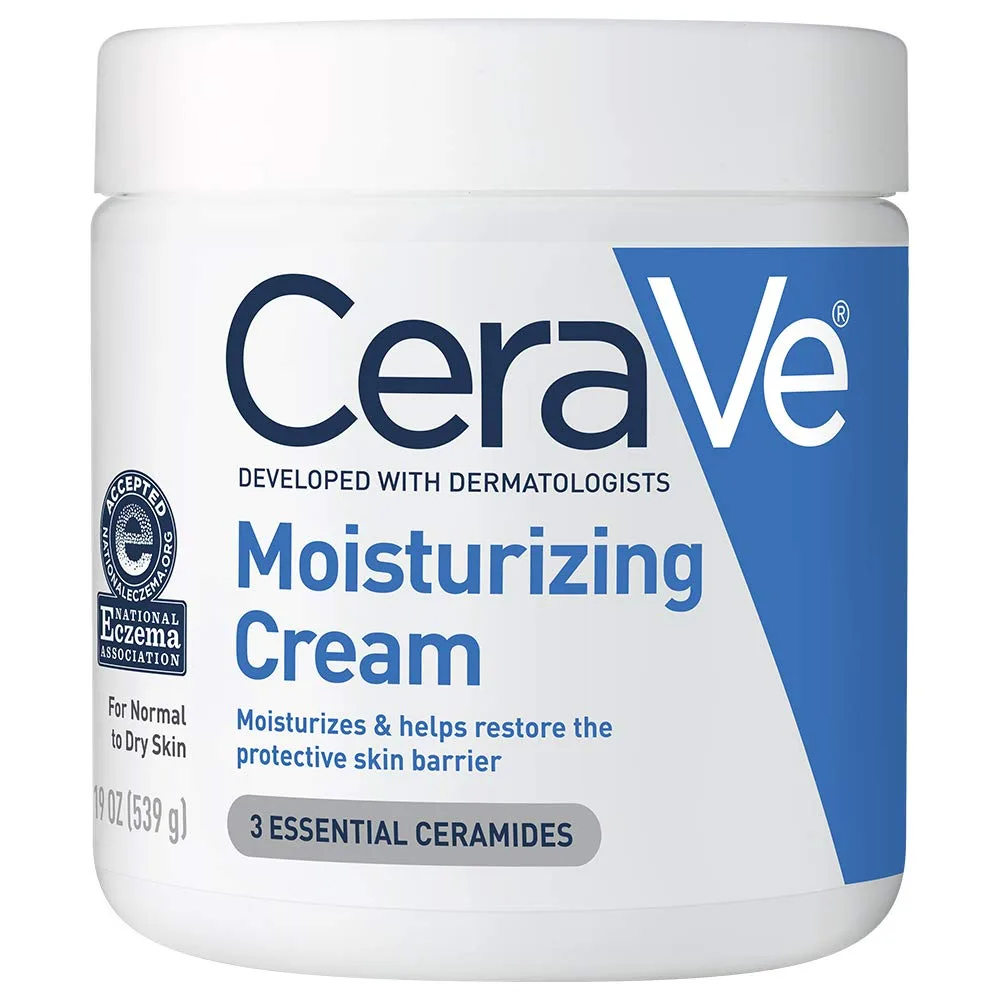
 Moisturizing Cream
The CeraVe Moisturizing Cream is the most important moisturizer in the drugstore — a ceramide-rich, dermatologist-developed formula that delivers barrier repair, multi-humectant hydration, and occlusive protection at a price so accessible it has no real excuse not to be in every household. Twenty-one years of consistent performance and universal dermatologist approval speak louder than any ingredient list.
 Barrier Repair Pioneer
 MLE Cream
Atopalm MLE Cream is one of the genuinely scientifically anchored barrier moisturizers in K-beauty — a fragrance-free, pseudo-ceramide cream built around a patented liquid-crystal lipid structure that mimics the skin's own intercellular matrix. For eczema, atopic skin, post-procedure recovery, or anyone with a stinging compromised barrier, it's one of the most reliably effective moisturizers in the entire category.
 K-Beauty Barrier Repair Staple
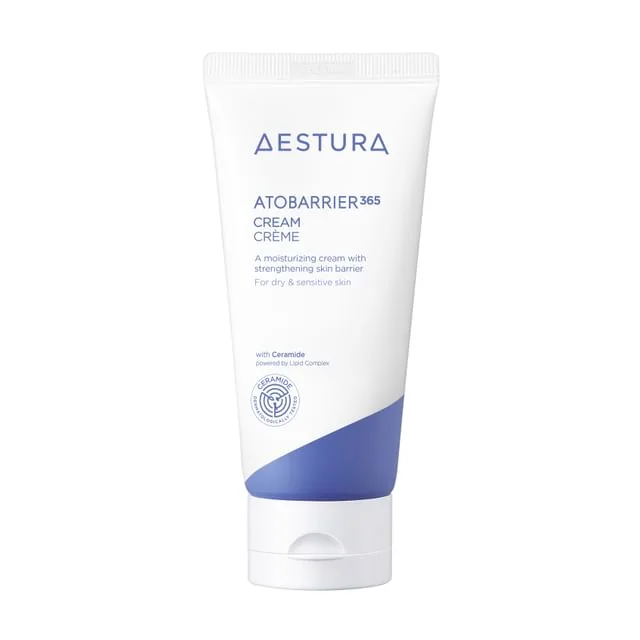
 Atobarrier 365 Cream
A Korean pharmacy cream that earns its cult following the hard way — with a lamellar lipid structure that actually rebuilds the barrier, not just coats it. If your skin has been through a rough winter, a retinoid ramp-up, or a bad reaction, this is the jar that quietly puts it back together.
 Korean Derm Clinic Recovery Pick
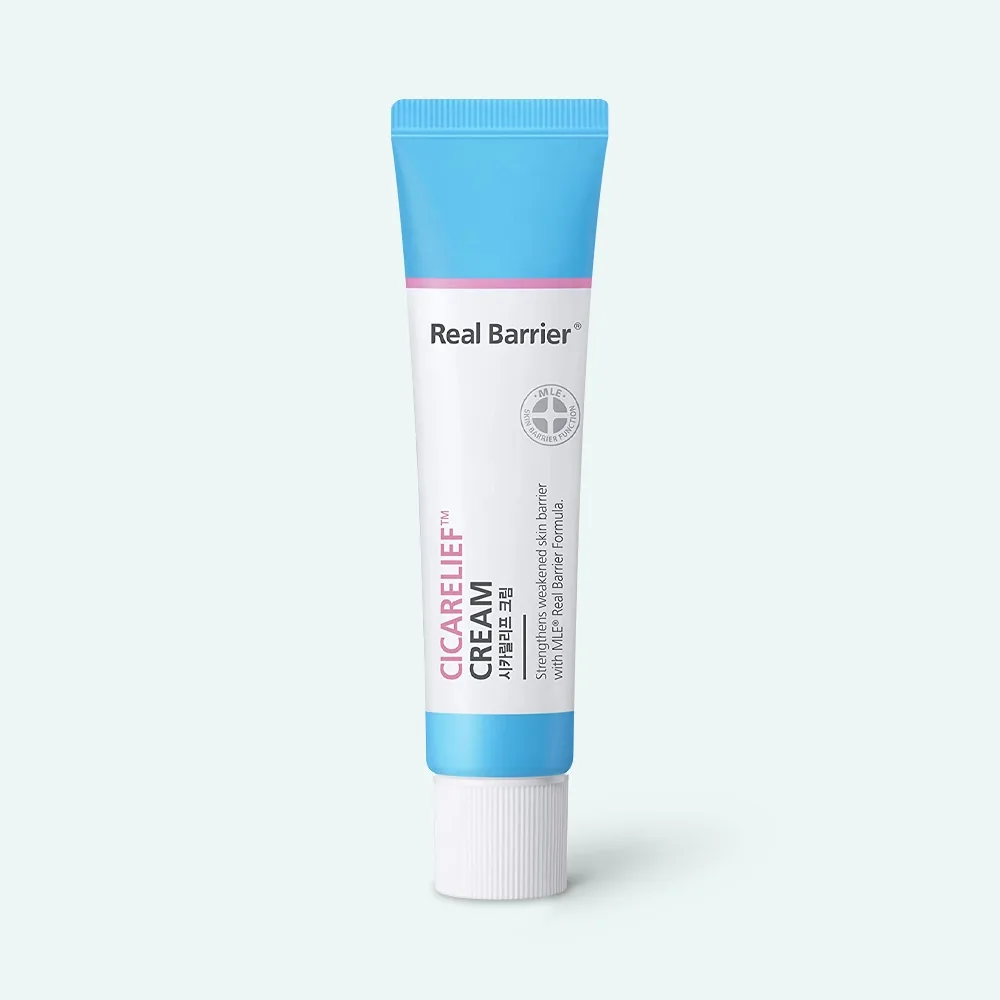
 Real Barrier Cicarelief Cream
One of the best consumer cica creams on the market, combining the full spectrum of centella actives with NeoPharm's MLE ceramide delivery and multiple complementary calming ingredients. Ideal for compromised, reactive, rosacea-prone, or recovering skin, and a staple in Korean dermatology clinic protocols. Minor limitations on packaging, but the formulation is genuinely excellent.
 Transparent 10% Panthenol Cream
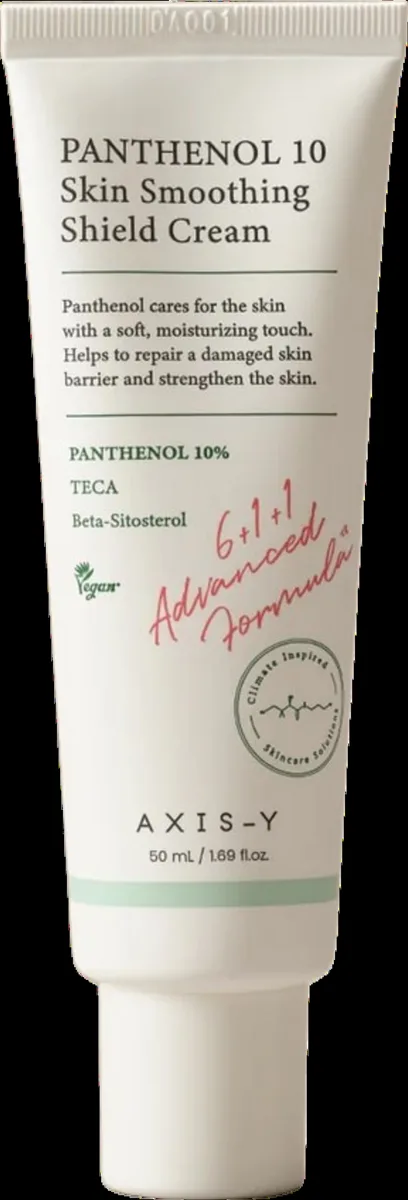
 Panthenol 10 Skin Smoothing Shield Cream
A disclosed 10% panthenol barrier cream built around a full physiological ceramide trio, a centella calming cast, and a modest shea butter occlusive. Fragrance-free, cross-season, and unusually transparent about its hero active — one of the brand's strongest moisturizer formulations.
 K-Beauty Icon
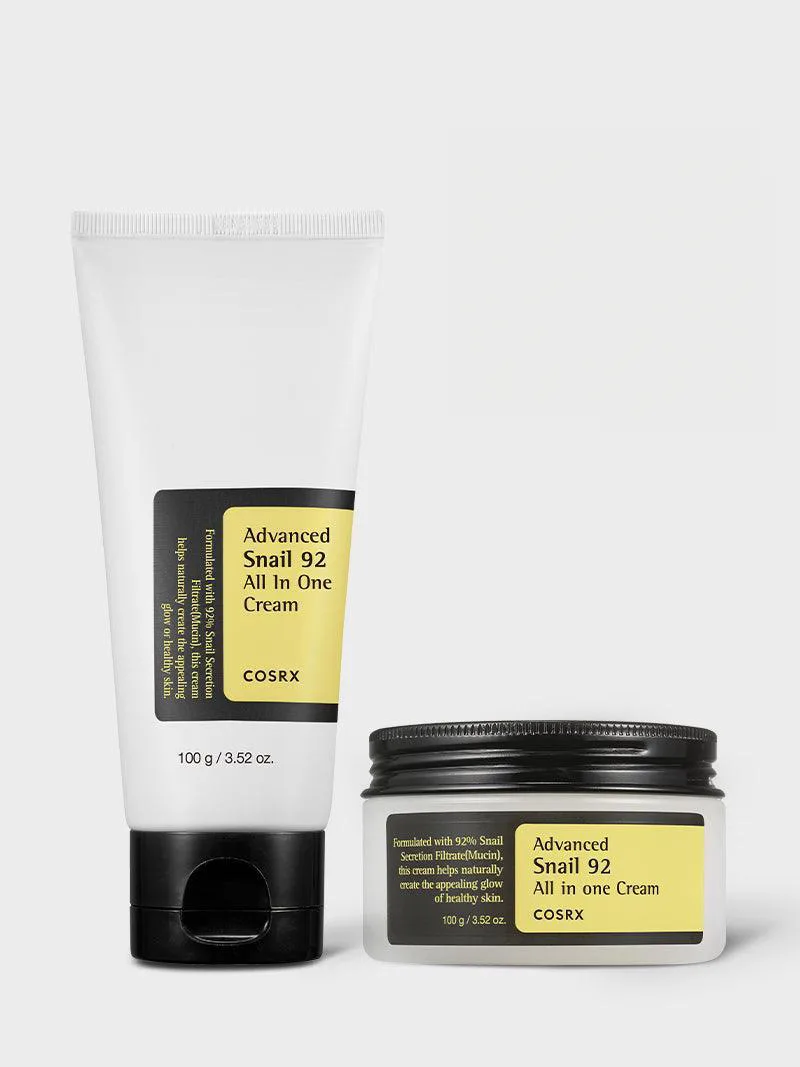
 Advanced Snail 92 All in One Cream
The cream that helped prove snail mucin to the world — and a decade later, it still deserves the reputation. At 92% snail secretion filtrate in a fragrance-free, gentle gel-cream, it delivers hydration, soothing, and gradual skin improvement across virtually every skin type. The texture takes getting used to, but 13 million sold units and 25,000+ reviews suggest most people manage.