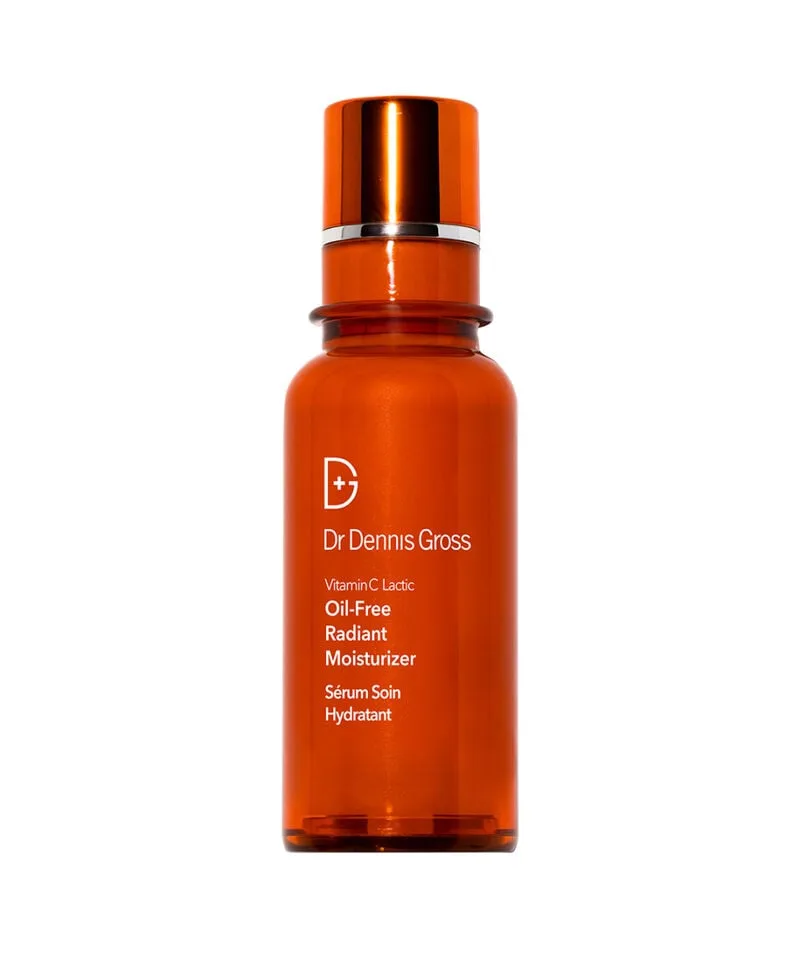
An impressively layered antioxidant moisturizer that uses a dual vitamin C derivative strategy plus ferulic acid and ergothioneine to deliver real brightening in an oil-free gel-cream. Smart formulation, calm tolerability, and a luminous finish that suits oily and combination skin especially well. The premium price and the citrus oil are the asks for forgiveness.
Vitamin C Lactic Oil-Free Radiant Moisturizer
An impressively layered antioxidant moisturizer that uses a dual vitamin C derivative strategy plus ferulic acid and ergothioneine to deliver real brightening in an oil-free gel-cream. Smart formulation, calm tolerability, and a luminous finish that suits oily and combination skin especially well. The premium price and the citrus oil are the asks for forgiveness.
Score Breakdown
Where this product gains points and where it loses them — broken down across the four scoring pillars.
An impressively layered antioxidant moisturizer with a smart vitamin C derivative strategy and a well-considered supporting cast. The premium price and the inclusion of citrus oil are the main drawbacks.
Pros & Cons
- ✓Smart dual vitamin C derivative strategy with ferulic acid amplification
- ✓Ergothioneine adds a less-common antioxidant pathway
- ✓Niacinamide and vitamin C work synergistically for brightening
- ✓Light gel-cream texture suits oily and combination skin
- ✓Visible luminous finish from the first few applications
- ✓Pregnancy-safe with vegan and cruelty-free certifications
- ✓Layers cleanly under sunscreen and makeup
- ✗Contains orange peel essential oil — irritating for sensitive users
- ✗Premium price point at $72 for 1.7 oz
- ✗Jar packaging is less protective than airless alternatives
- ✗Subtle results compared to a dedicated vitamin C serum
- ✗Lactic acid may sting on first application for very reactive skin
Full Review
The vitamin C category has a culture problem. For years, the conventional wisdom — repeated by reviewers, parroted by brands, and treated as gospel by ingredient enthusiasts — has been that L-ascorbic acid is the only form of vitamin C worth using, and that anything else is a watered-down compromise. This is partially true and largely misleading. L-ascorbic acid is the most studied form of vitamin C, but it's also notoriously unstable, irritating at the concentrations needed for visible brightening, and difficult to formulate in anything but a low-pH serum that's basically a science project to keep stable. None of which is what most people want in a daily-wear moisturizer. Dr. Dennis Gross's Vitamin C Lactic Oil-Free Radiant Moisturizer takes the heretical position that you can build a sophisticated antioxidant cream out of vitamin C derivatives, and it's surprisingly persuasive about the case.
The derivative strategy is the part worth dwelling on. The formula uses two complementary forms — ascorbyl glucoside, a water-soluble glycoside that converts to L-ascorbic acid in the skin via enzymatic hydrolysis, and tetrahexyldecyl ascorbate, an oil-soluble ester that penetrates the lipid layers more effectively than the parent molecule. That dual approach gives you a vitamin C effect across both the aqueous and lipid compartments of the skin, with stability characteristics that don't require the formula to live in an opaque amber dropper bottle. Stack ferulic acid on top as the antioxidant amplifier — the same role it plays in the iconic SkinCeuticals C+E Ferulic — and you have a layered antioxidant network in a daily moisturizer.
Niacinamide is the other half of the brightening story. It's high enough on the INCI to deliver a real dose, and it brightens through a different mechanism than vitamin C — inhibiting melanosome transfer from melanocytes to keratinocytes rather than blocking tyrosinase activity. The two ingredients are synergistic for uneven tone and post-inflammatory pigmentation, and the niacinamide's barrier-strengthening effect helps the formula tolerate the lactic acid that sits beside it. The myth that you can't combine vitamin C and niacinamide has been debunked for years, and this formula puts the proof in the bottle.
The lactic acid here is a smaller player than the name suggests. At its position in the INCI and buffered with sodium lactate, it acts as a mild humectant AHA — a gentle, gradual exfoliating effect rather than a treatment-strength acid. Over weeks of consistent use, that translates to smoother texture and slightly more reflective skin without the irritation that comes with a true exfoliating product. For oily and combination skin that doesn't tolerate aggressive acids, this is a sensible level.
Ergothioneine deserves a quick mention because most vitamin C moisturizers don't bother. It's a mushroom-derived amino acid antioxidant that protects mitochondrial function in skin cells, and it complements the more familiar vitamin C and ferulic acid through a different antioxidant pathway. It's a small ingredient flex that signals the formulator was thinking about the antioxidant network as a whole, not just chasing one buzzword active.
The texture is exactly right for the positioning. It's a gel-cream that absorbs into a slightly luminous satin finish, layers cleanly under makeup, and feels appropriate for combination and oily skin in summer. The dimethicone and squalane handle the occlusive function without leaving the heavy grease that makes most antioxidant creams feel inappropriate for oily faces. The luminous finish is real — there's a subtle radiance to skin within the first few applications that comes from the formula's slight optical brightening effect, even before the longer-term pigmentation work kicks in.
Where this formula stumbles, the issues are familiar to the prestige category. Orange peel essential oil is in the formula as a fragrance, and citrus oils are known sensitizers for a meaningful subset of users. The amount is small, but if you have rosacea or fragrance reactivity, this is the wrong product. The packaging is the same frosted glass jar Dr. Dennis Gross uses across the line — fine for a stable-derivative formula, but an airless pump would be the more thoughtful choice at the price. And $72 for 1.7 ounces is firmly in the prestige tier, which means you're paying for the formulation sophistication, the brand equity, and the brightening payload all at once.
For combination and oily skin types who want a daily-wear vitamin C moisturizer that actually does something — not a token sprinkle and not a stability-compromised serum-in-a-cream — this is one of the smarter options on the market. For sensitive skin or those on a budget, the citrus oil and the price are reasons to keep looking.
Formula
Key Ingredients
The hero actives that drive this product's performance.
| Ingredient | Function | Evidence |
|---|---|---|
| Stable Vitamin C Complex (Ascorbyl Glucoside + Tetrahexyldecyl Ascorbate) | A two-derivative approach — water-soluble ascorbyl glucoside delivers an antioxidant and brightening effect with a stable shelf life, while oil-soluble tetrahexyldecyl ascorbate penetrates deeper into the lipid layers. Combining them in this oil-free gel-cream sidesteps the formulation headaches that come with pure L-ascorbic acid in a daily moisturizer. | promising |
| Lactic Acid | Acts as a mild humectant AHA at low concentration in this formula — provides a gentle, gradual smoothing effect on dull skin without the irritation potential of a stronger acid treatment. The sodium lactate buffer keeps the pH friendly for daily use alongside the vitamin C derivatives. | well-established |
| Niacinamide | High enough on the INCI to deliver meaningful brightening and barrier support — works synergistically with the vitamin C derivatives for a multi-pathway approach to dullness and uneven tone. Also helps regulate sebum, which suits the oil-free positioning. | well-established |
| Ferulic Acid | A plant-derived antioxidant that stabilizes and amplifies the vitamin C derivatives in this formula — the same logic Dr. Skotnicki and others have used in L-ascorbic acid serums. It also extends the photoprotective benefit of the vitamin C/E pairing under daily UV exposure. | well-established |
| Ergothioneine | A mushroom-derived amino acid antioxidant that protects mitochondrial function in skin cells — a less-publicized but well-studied antioxidant that complements the more familiar vitamin C/E/ferulic acid stack. Particularly relevant for daytime use against environmental stressors. | promising |
Full INCI List
Water, Glycerin, Dimethicone, Niacinamide, Pentylene Glycol, Ascorbyl Glucoside, Tetrahexyldecyl Ascorbate, Lactic Acid, Sodium Lactate, Sodium Hyaluronate, Hydrolyzed Hyaluronic Acid, Squalane, Tocopherol, Ferulic Acid, Centella Asiatica Extract, Bisabolol, Allantoin, Panthenol, Citrus Aurantium Dulcis (Orange) Peel Oil, Dipotassium Glycyrrhizate, Adenosine, Ergothioneine, Polysorbate 20, Carbomer, Sodium Hydroxide, Phenoxyethanol, Ethylhexylglycerin, Disodium EDTA
Product Flags
✗ Fragrance Free✓ Alcohol Free✓ Oil Free✗ Silicone Free✓ Paraben Free✓ Sulfate Free✓ Cruelty Free✓ Vegan✗ Fungal Acne Safe
Potential Irritants
citrus oillactic acid
Common Allergens
citrus oil
Compatibility
Skin Match
Best For
Works For
Not Ideal For
Addresses These Conditions
dullness hyperpigmentation aging texture dark spots oiliness
Use With Caution
rosacea sensitivity compromised skin barrier
Routine Step
moisturizer
Time of Day
AM & PM
Pregnancy Safe
Yes ✓
Layering Tips
Apply after water-based serums and before SPF in the morning. Particularly effective layered over a hyaluronic acid serum and under a mineral sunscreen for daytime antioxidant protection.
Results Timeline
Skin looks more luminous within the first week. Brightening of uneven tone visible at 4-6 weeks. Full pigmentation and texture benefits typically appear at 8-12 weeks of consistent twice-daily use.
Pairs Well With
hyaluronic-acid-serumretinolmineral-spf
Conflicts With
benzoyl-peroxide
Sample AM Routine
- Gentle cleanser
- Hyaluronic acid serum
- Dr. Dennis Gross Skincare Vitamin C Lactic Oil-Free Radiant Moisturizer
- Mineral SPF
Sample PM Routine
- Cleanser
- Retinol serum (alternating nights)
- Dr. Dennis Gross Skincare Vitamin C Lactic Oil-Free Radiant Moisturizer
Evidence
Science & Expert Perspective
The Science
Stable vitamin C derivatives have a more substantial evidence base than the L-ascorbic-acid-or-nothing crowd typically acknowledges. Ascorbyl glucoside has been studied for its conversion to L-ascorbic acid via enzymatic hydrolysis by alpha-glucosidase in skin, providing a sustained-release vitamin C effect with improved stability over the parent molecule. Tetrahexyldecyl ascorbate is an oil-soluble ester with published research demonstrating penetration into the dermis and conversion to L-ascorbic acid, with antioxidant and brightening effects shown in clinical evaluations. Ferulic acid's role as a stabilizer and amplifier of vitamin C and vitamin E was established in the foundational SkinCeuticals research published in the early 2000s, and the synergy is now considered a standard formulation approach in antioxidant cosmetics. Niacinamide's brightening mechanism through inhibition of melanosome transfer is well-documented, with controlled studies demonstrating reductions in hyperpigmentation over 8-12 weeks. Ergothioneine, an amino acid derivative concentrated in certain mushroom species, has been studied for its role as a mitochondrial antioxidant with selective uptake by the OCTN1 transporter, providing intracellular protection against oxidative stress that complements the lipid-phase and aqueous-phase antioxidants in the formula.
Dermatologist Perspective
Dermatologists generally view vitamin C derivative formulations as a useful daily-wear option for patients who want antioxidant protection without the formulation challenges of L-ascorbic acid. Board-certified dermatologists frequently note that the combination of vitamin C with niacinamide and ferulic acid addresses hyperpigmentation through multiple complementary mechanisms, making it particularly suitable for melasma and post-inflammatory hyperpigmentation. This particular formula is often recommended for combination and oily skin patients who find traditional vitamin C creams too occlusive. Dermatologists typically advise patients to introduce vitamin C derivative products gradually, particularly when they contain even mild AHAs like the lactic acid in this formula, and to always pair them with daily broad-spectrum sunscreen to prevent UV-driven oxidative damage that undoes the antioxidant work.
Guidance
Usage Guide
How to Use
Apply a nickel-sized amount morning and evening to clean skin after any water-based serums. Spread evenly over face and neck, avoiding the immediate eye area where the citrus oil could irritate. In the morning, always follow with a broad-spectrum sunscreen — vitamin C and lactic acid both increase the value of consistent SPF use. Pair with a hyaluronic acid serum for extra hydration in dry climates. For maximum brightening, layer over a dedicated vitamin C serum.
Value Assessment
At $72 for 1.7 oz, this lands in the prestige moisturizer tier and asks customers to value the formulation sophistication and the dermatologist brand heritage. The dual vitamin C derivative approach plus ferulic acid plus ergothioneine is genuinely well-constructed and not what you find in $25 drugstore alternatives. Where the value pressure shows up is the comparison to dedicated vitamin C serums — the brand's own Vitamin C Lactic 15% serum delivers a higher antioxidant payload at a similar price point, which makes this moisturizer feel best as a complement rather than a replacement for a serum step. For combination and oily skin shoppers who want one product to handle both daily moisturization and antioxidant brightening, the value works. For those already using a dedicated serum, the redundancy is real.
Who Should Buy
Combination, oily, and normal skin types who want a daily-wear moisturizer with real antioxidant and brightening payload, especially those who find traditional vitamin C creams too rich. Particularly good for early signs of dullness, post-inflammatory hyperpigmentation, or uneven tone.
Who Should Skip
Anyone with rosacea, known citrus oil sensitivity, or very reactive skin should choose a fragrance-free alternative. Those on a budget will find drugstore vitamin C derivative moisturizers that approximate the formula at a quarter of the price. People who already use a strong vitamin C serum may find the brightening payload here redundant.
Ready to try Dr. Dennis Gross Skincare Vitamin C Lactic Oil-Free Radiant Moisturizer?
Details
Details
Texture
Gel-cream that absorbs into a slightly luminous satin finish
Scent
Light citrus from orange peel oil
Packaging
Frosted glass jar with twist-off lid
Finish
satinlightweightglowyfast-absorbing
What to Expect on First Use
First applications feel cool and lightweight with an immediate luminous finish. No tingling for most users, though those with very reactive skin may notice the lactic acid in the first few days. No purging or strict adjustment period.
How Long It Lasts
About 2-3 months with twice-daily face and neck application
Period After Opening
12 months
Best Season
All Year
Certifications
Leaping Bunny Cruelty-FreeVegan
Background
The Why
Dr. Dennis Gross expanded the Vitamin C Lactic line into an oil-free moisturizer in 2020 in response to demand from oily and combination-skin customers who loved the original Vitamin C Lactic serum but found dedicated vitamin C creams too rich for daily wear. The gel-cream format was designed to suit Manhattan summer humidity without sacrificing the antioxidant payload.
About Dr. Dennis Gross Skincare Established Brand (5–20 years)
Dr. Dennis Gross Skincare was founded in 2000 by board-certified dermatologist Dr. Dennis Gross, whose New York City practice has been a fixture of cosmetic dermatology for decades. The brand's Alpha Beta peel franchise has been one of the most studied and clinically endorsed at-home chemical exfoliation systems on the market.
Brand founded: 2000 · Product launched: 2020
Myth vs. Reality
Myths & Misconceptions
Myth
Vitamin C derivatives don't work as well as pure L-ascorbic acid
Reality
L-ascorbic acid is the most studied form, but stable derivatives like tetrahexyldecyl ascorbate and ascorbyl glucoside have published research demonstrating brightening and antioxidant effects. They also avoid the stability and irritation problems that make L-AA difficult to formulate at meaningful concentrations in a daily moisturizer.
Myth
Oil-free moisturizers can't really hydrate dry skin
Reality
Hydration comes primarily from humectants like glycerin and hyaluronic acid, which this formula has in abundance. Oil-free just means no plant or mineral oils — the dimethicone and squalane handle the occlusive function that locks the humectants in place.
FAQ
Frequently Asked Questions
How is this different from the Vitamin C Lactic 15% Vitamin C Brightening Serum?
The serum is a more concentrated targeted treatment with a higher vitamin C dose, while this moisturizer delivers a lower antioxidant payload in a daily-wear oil-free gel-cream format. They're complementary — many users layer the serum under this moisturizer for maximum brightening.
Can I use this with my retinol?
Yes — vitamin C derivatives and retinol pair well, and the centella, niacinamide, and panthenol in this formula buffer some of the retinol-induced dryness. Apply your retinol first, then layer this on top, or use them at different times of day.
Is this really oil-free?
Yes — there are no plant or mineral oils in the formula. The texture and skin feel come from dimethicone, squalane, and the humectant base. Note that orange peel essential oil is in the formula in small amounts as a fragrance, which is technically an oil, though it's not a moisturizing oil.
Will this help with hyperpigmentation?
The combination of niacinamide, vitamin C derivatives, and gentle lactic acid addresses hyperpigmentation through multiple mechanisms — niacinamide inhibits melanosome transfer, vitamin C reduces tyrosinase activity, and lactic acid encourages cell turnover. Expect gradual improvements over 8-12 weeks.
Is the citrus oil going to irritate my sensitive skin?
Possibly. Orange peel oil is a known sensitizer for some users, and the periorbital and reactive skin types should patch-test first. If you have rosacea or known fragrance sensitivity, choose a fragrance-free vitamin C moisturizer instead.
Is this safe to use during pregnancy?
Yes — vitamin C derivatives, niacinamide, lactic acid, and the supporting ingredients in this formula are generally considered pregnancy-safe. Always run any product past your OB if you have specific concerns.
Community
Community Voices
Common Praise
"Visibly luminous finish"
"Lightweight texture suits oily skin"
"Brightens dullness within weeks"
"Layers well under makeup"
Common Complaints
"Premium price"
"Contains citrus oil — irritating for sensitive users"
"Subtle results compared to a dedicated vitamin C serum"
Notable Endorsements
Sephora rouge favoriteFeatured in beauty editor brightening roundups
Appears In
best vitamin c moisturizer best oil free brightening moisturizer best moisturizer for dullness best antioxidant moisturizer
Related Conditions
dullness hyperpigmentation aging
Related Ingredients
You Might Also Like
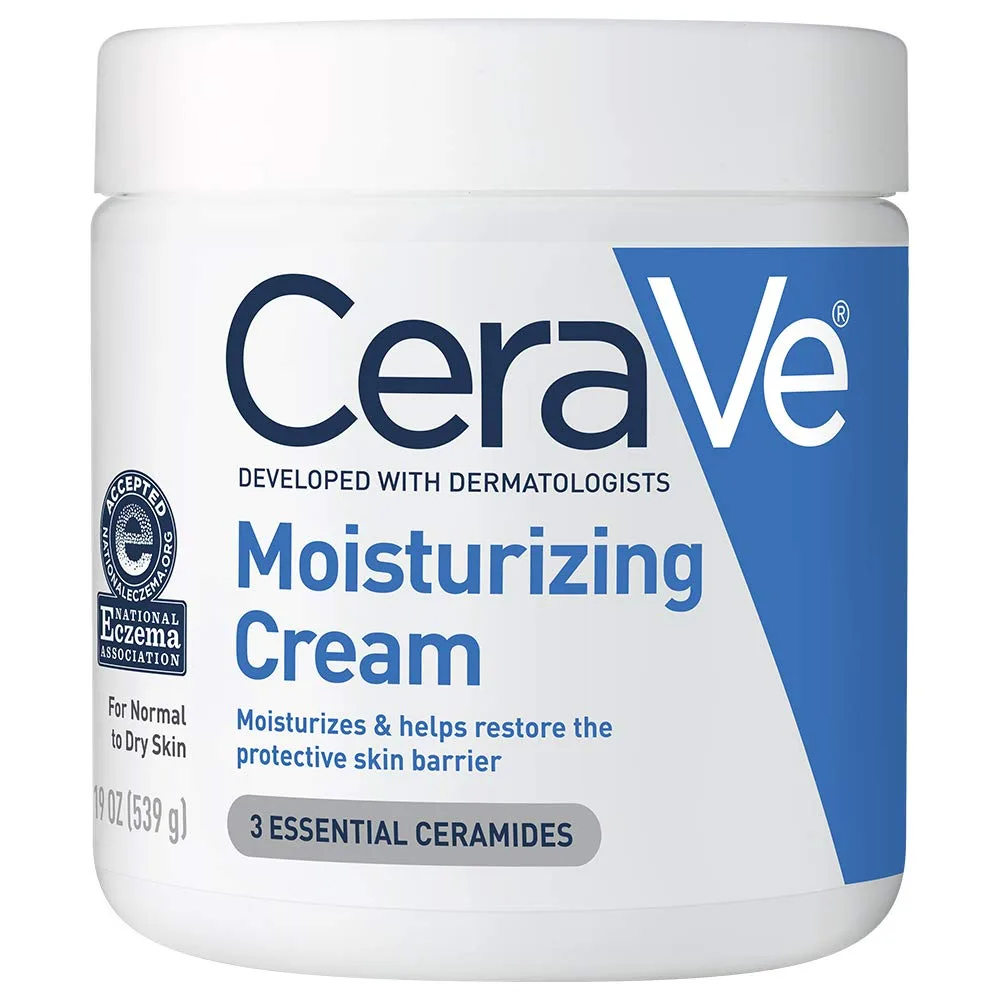 Budget Holy Grail
 Moisturizing Cream
The CeraVe Moisturizing Cream is the most important moisturizer in the drugstore — a ceramide-rich, dermatologist-developed formula that delivers barrier repair, multi-humectant hydration, and occlusive protection at a price so accessible it has no real excuse not to be in every household. Twenty-one years of consistent performance and universal dermatologist approval speak louder than any ingredient list.
 Barrier Repair Pioneer
 MLE Cream
Atopalm MLE Cream is one of the genuinely scientifically anchored barrier moisturizers in K-beauty — a fragrance-free, pseudo-ceramide cream built around a patented liquid-crystal lipid structure that mimics the skin's own intercellular matrix. For eczema, atopic skin, post-procedure recovery, or anyone with a stinging compromised barrier, it's one of the most reliably effective moisturizers in the entire category.
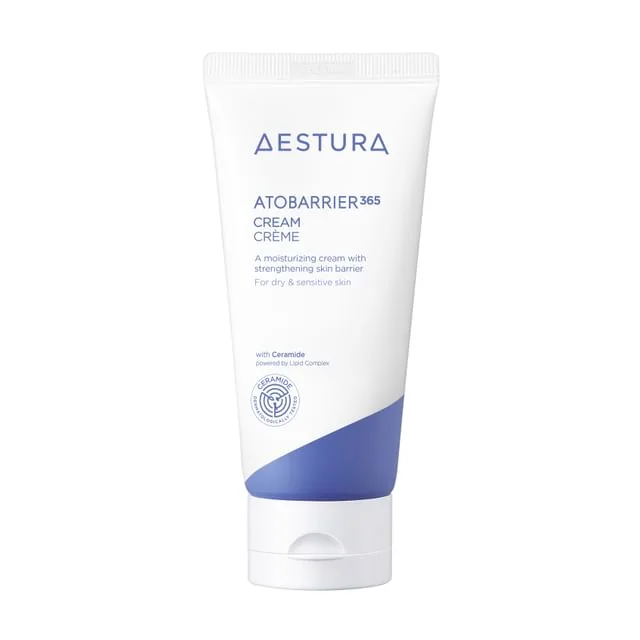 K-Beauty Barrier Repair Staple
 Atobarrier 365 Cream
A Korean pharmacy cream that earns its cult following the hard way — with a lamellar lipid structure that actually rebuilds the barrier, not just coats it. If your skin has been through a rough winter, a retinoid ramp-up, or a bad reaction, this is the jar that quietly puts it back together.
 Korean Derm Clinic Recovery Pick
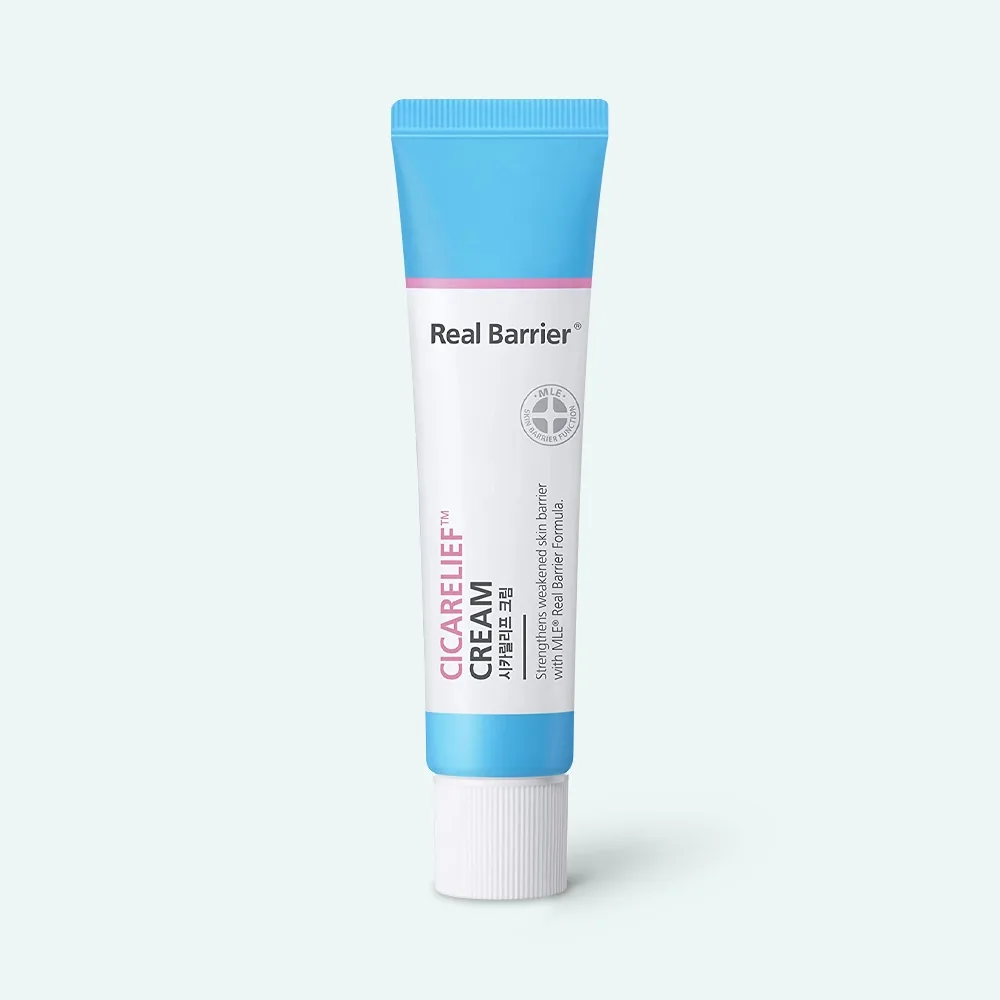
 Real Barrier Cicarelief Cream
One of the best consumer cica creams on the market, combining the full spectrum of centella actives with NeoPharm's MLE ceramide delivery and multiple complementary calming ingredients. Ideal for compromised, reactive, rosacea-prone, or recovering skin, and a staple in Korean dermatology clinic protocols. Minor limitations on packaging, but the formulation is genuinely excellent.
 Transparent 10% Panthenol Cream
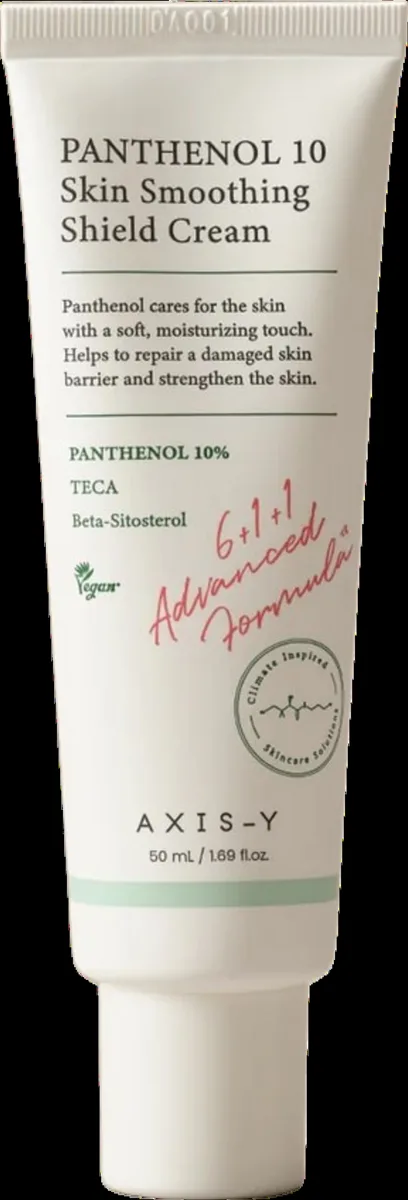
 Panthenol 10 Skin Smoothing Shield Cream
A disclosed 10% panthenol barrier cream built around a full physiological ceramide trio, a centella calming cast, and a modest shea butter occlusive. Fragrance-free, cross-season, and unusually transparent about its hero active — one of the brand's strongest moisturizer formulations.
 K-Beauty Icon
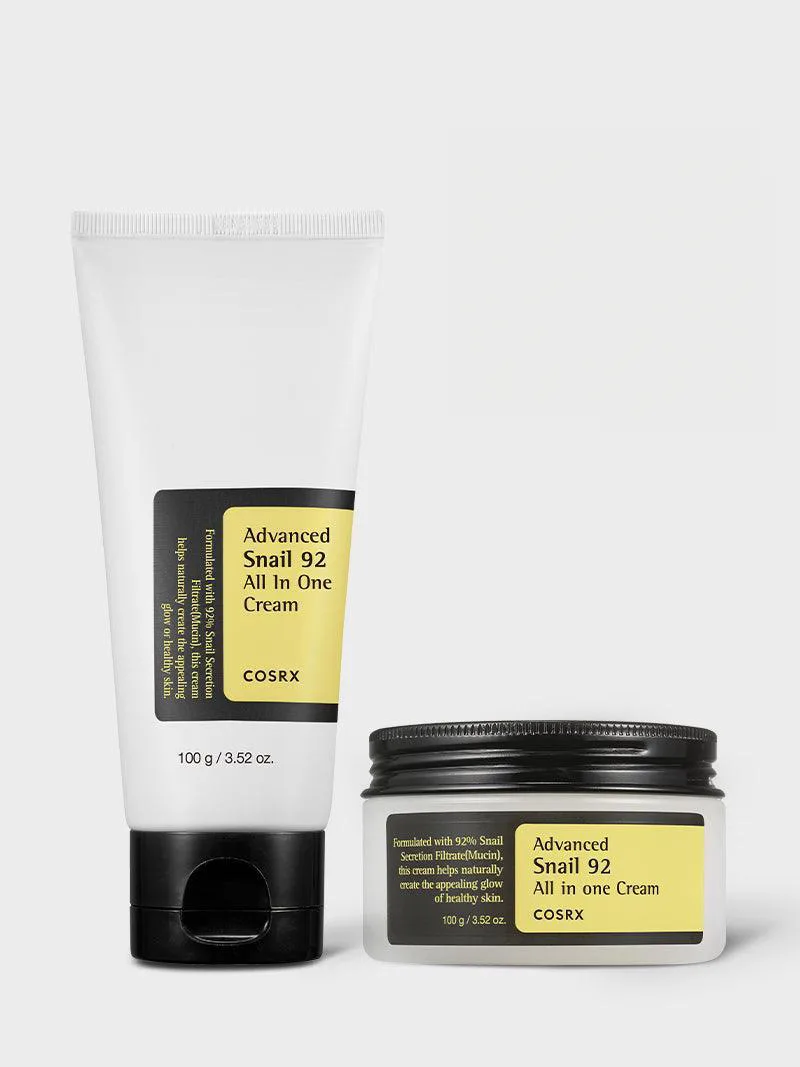
 Advanced Snail 92 All in One Cream
The cream that helped prove snail mucin to the world — and a decade later, it still deserves the reputation. At 92% snail secretion filtrate in a fragrance-free, gentle gel-cream, it delivers hydration, soothing, and gradual skin improvement across virtually every skin type. The texture takes getting used to, but 13 million sold units and 25,000+ reviews suggest most people manage.