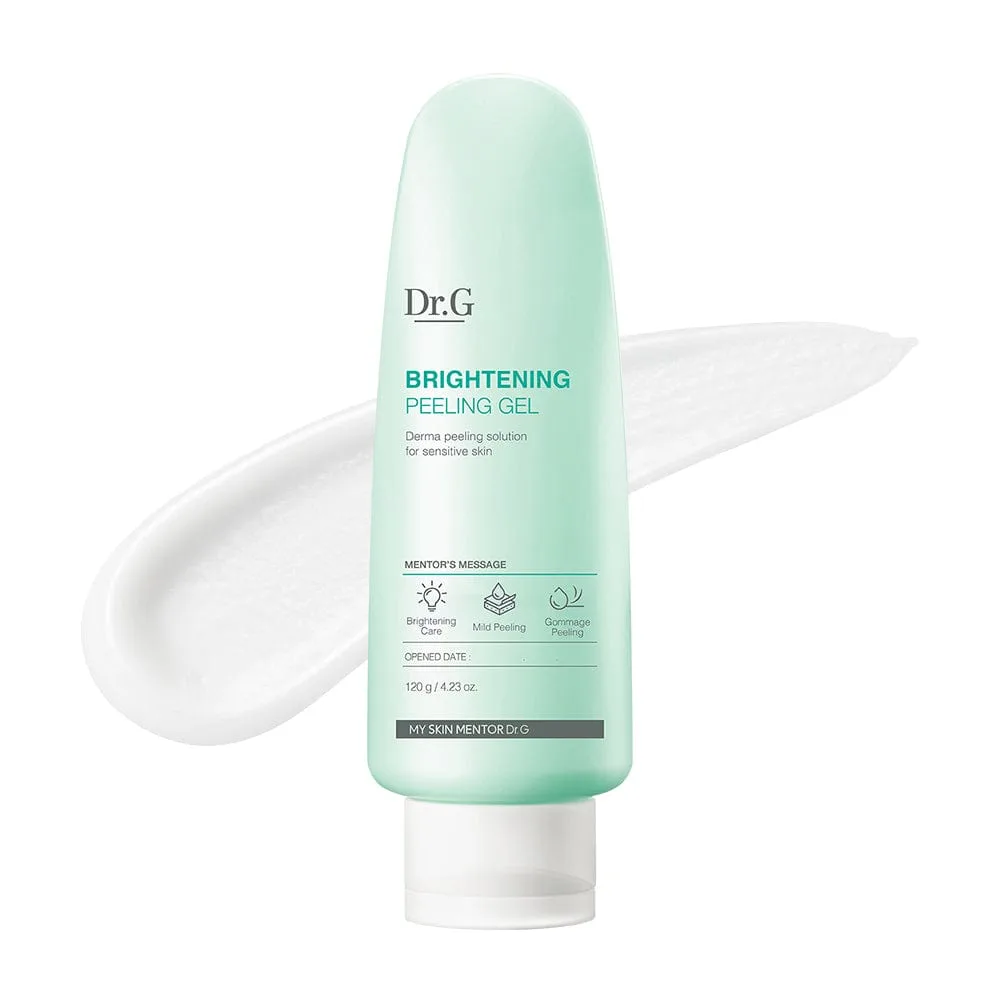
A long-running K-beauty peeling gel with real enzymatic exfoliation under the satisfying cellulose-ball theater. Cheap, effective as a weekly glow ritual, and widely loved in its home market. The fragrance and alcohol content are the main reasons it isn't suitable for sensitive users.
Brightening Peeling Gel
A long-running K-beauty peeling gel with real enzymatic exfoliation under the satisfying cellulose-ball theater. Cheap, effective as a weekly glow ritual, and widely loved in its home market. The fragrance and alcohol content are the main reasons it isn't suitable for sensitive users.
Score Breakdown
Where this product gains points and where it loses them — broken down across the four scoring pillars.
A popular K-beauty peeling gel with genuine enzymatic exfoliation and a pleasing satisfying-to-use texture. The cellulose 'peeling balls' are partly theater, but the papain and berry extracts do real work. The fragrance and alcohol content hold back the score.
Pros & Cons
- ✓Affordable K-beauty pricing with excellent cost per use
- ✓Papain enzyme provides real gentle exfoliation
- ✓Satisfying mechanical peeling-ball experience
- ✓Cellulose and papain combination suits most skin types
- ✓Over a decade of Korean market history and review volume
- ✓Includes soothing cica and panthenol supporting cast
- ✓Large 120g tube lasts 6-8 months of twice-weekly use
- ✗Contains fragrance, denatured alcohol, and lemon peel oil
- ✗Not suitable for users with sensitive skin or rosacea
- ✗The visible peeling balls are primarily cellulose, not dead skin
- ✗Modest brightening effect despite the product name
Full Review
Here's something the K-beauty section of the skincare internet will not tell you in so many words. When you rub a peeling gel on your face and those satisfying little grey-white balls start forming and rolling off, at least 90% of what you're seeing is not your dead skin. It's the cellulose polymer in the product itself, coiling up under friction with your skin's natural oils and the water you applied it onto, forming visible clumps that look for all the world like dead skin but are actually just the gel doing a mechanical magic trick. Some dead skin and sebum does get caught up in those clumps — it's not entirely theater — but the headline visual is largely the product reacting with itself. Once you know this, you either become annoyed at the K-beauty industry or you accept it as part of the charm and keep using your peeling gel. Most users, including this reviewer, land firmly in the second camp.
Dr.G has been selling this peeling gel in South Korea since 2010, and it's been one of the brand's quiet bestsellers for over a decade. Dr.G — the Dr. stands for Dr. Gowoonsesang, which is the dermatology practice of Dr. Ahn Gun-Young — is the kind of Korean brand that shows up on pharmacy shelves across Seoul and has a loyal following built more on consistent reliability than on flashy marketing or hero-ingredient drops. The Brightening Peeling Gel is a product that does what it says, costs what a drugstore product should cost, and has earned its shelf space through a decade of Korean college students, office workers, and aunties recommending it to their friends and family.
The real exfoliation work in this formula is done by papain, the enzyme from papaya that breaks down the keratin protein bonds holding dead surface cells in place. Enzymes are genuinely gentler than acids for most users because they target specific protein substrates rather than working on pH-driven cell turnover, which means they produce meaningful surface smoothing without the sting, flaking, or pH compromise of AHA or BHA exfoliants. The papain in this formula isn't at medical-grade concentrations, but it's enough to produce visible smoothness after a single use when combined with the mechanical friction of the cellulose rolling. The berry extract complex — raspberry, blueberry, strawberry, mulberry, cranberry — contributes antioxidants, trace amounts of fruit acids, and the marketing story that gives the product its 'brightening' name. The brightening effect in practice is modest and more about overall surface clearing than tyrosinase inhibition, but skin does look brighter after use, which is what users want from a weekly glow ritual.
The texture and user experience are where this product genuinely shines. You apply a generous amount to clean, dry skin, start gently rubbing in small circles, and within about twenty seconds the cellulose begins to coil up into visible balls. The satisfaction of watching those little clumps form and roll off is, empirically, part of why this product has a loyal following. It's one of the rare skincare experiences where you can see the product doing something in real time, even if what it's doing is partly cellulose theater. After 60 seconds of massage, you rinse with lukewarm water and find your skin feels noticeably smoother, clearer, and slightly brighter. Follow with toner, serum, and moisturizer as you normally would. Use it once or twice a week for a cumulative glow that builds over four to six weeks of consistent use.
The formulation has some honest shortcomings worth flagging. Denatured alcohol is present, not at the top of the list but high enough to be a consideration for users with compromised barriers. Fragrance is included — the product has a light fruity-floral scent that some users find pleasant and others find a dealbreaker. Lemon peel oil is in the formula, which can trigger photosensitivity for users with reactive skin. None of these are present at levels that cause problems for most users, but they collectively mean this isn't the right product for someone with rosacea, active eczema, sensitive skin, or known fragrance sensitivities. For those users, fragrance-free enzyme exfoliants from Paula's Choice or The Inkey List will get you better results with less reactivity.
The value case is one of the strongest in the exfoliation category. At $25 for 120 grams — more than twice the size of most exfoliant products in this price range — the cost per use works out to around fifty cents, which is approximately unbeatable. A single tube typically lasts six to eight months with twice-weekly use. For users who want a pleasant, effective weekly glow ritual without spending luxury prices, this is one of the better options on the market, and the long Korean track record backs up the ingredient promise. Just approach it as what it is: a satisfying tactile exfoliation ritual with real but modest skin benefits, not a transformation product. Treat it as a weekly reset, pair it with proper daily skincare, and it earns its place as the kind of reliable drawer staple every routine benefits from having.
Formula
Key Ingredients
The hero actives that drive this product's performance.
| Ingredient | Function | Evidence |
|---|---|---|
| Cellulose Gum (Carbomer Peeling Matrix) | The mechanical star of this peeling gel format — the polymer coils up when you rub it on skin, forming those familiar little 'peeling balls' that users often mistake for dead skin rolling off. The coiled polymer does physically lift loose dead cells and sebum, just not as dramatically as the visual effect suggests. | limited |
| Papain (Papaya Enzyme) | The enzymatic exfoliation component, breaking down keratin protein bonds in dead surface cells. In this formula, papain provides the chemical exfoliation that actually does the meaningful resurfacing work — the cellulose balls are mostly theater, the enzymes are the real exfoliation mechanism. | promising |
| Mixed Berry Extract Complex | Raspberry, blueberry, strawberry, mulberry, and cranberry extracts contribute antioxidants (particularly anthocyanins) and mild AHA activity from fruit acids. In this formula, the berry stack is where the 'brightening' claim comes from — they provide vitamin C cofactors and polyphenol protection during the exfoliation step. | limited |
| Niacinamide | Reinforces the brightening positioning by blocking melanosome transfer, and it also helps soothe any sensitivity from the enzymatic exfoliation. At the concentrations typical in a wash-off product, its contribution is modest but meaningful as a supporting actor. | well-established |
| Panthenol + Centella Asiatica | The soothing pair that keeps this peeling gel tolerable for sensitive skin. Panthenol supports barrier function while cica provides anti-inflammatory signaling — a combination that's standard in K-beauty formulations for users who want exfoliation without the harshness. | well-established |
Full INCI List · pH 5.5
Water/Aqua/Eau, Glycerin, Dipropylene Glycol, Alcohol Denat., Carbomer, PEG-60 Hydrogenated Castor Oil, Cellulose Gum, Triethanolamine, Papain, Citrus Limon (Lemon) Peel Oil, Rubus Idaeus (Raspberry) Fruit Extract, Vaccinium Angustifolium (Blueberry) Fruit Extract, Morus Alba Fruit Extract, Fragaria Chiloensis (Strawberry) Fruit Extract, Vaccinium Macrocarpon (Cranberry) Fruit Extract, Niacinamide, Panthenol, Centella Asiatica Extract, Allantoin, Tocopheryl Acetate, Disodium EDTA, Phenoxyethanol, Fragrance
Product Flags
✗ Fragrance Free✗ Alcohol Free✗ Oil Free✓ Silicone Free✓ Paraben Free✓ Sulfate Free✓ Cruelty Free✓ Vegan✗ Fungal Acne Safe
Potential Irritants
fragrancedenatured-alcohollemon-peel-oil
Common Allergens
fragrancelemon-peel-oil
Compatibility
Skin Match
Best For
Works For
Not Ideal For
Addresses These Conditions
dullness texture blackheads large pores
Use With Caution
Avoid With
compromised skin barrier post procedure
Routine Step
treatment
Time of Day
AM & PM
Pregnancy Safe
Yes ✓
Layering Tips
Apply to clean, dry skin and gently massage in small circles for 30-60 seconds. Rinse thoroughly with lukewarm water. Follow with toner, serum, and moisturizer. Use 1-2 times per week maximum to avoid over-exfoliating.
Results Timeline
Immediate smoothness and brightness after the first use. Cumulative benefits — improved texture, reduced dullness, clearer pores — appear over 4-6 weeks of consistent twice-weekly use.
Pairs Well With
niacinamidehyaluronic-acidceramidescentella-asiatica
Conflicts With
retinoidsahabhavitamin-c-ascorbic-acid
Sample AM Routine
- Gentle cleanser
- Hydrating toner
- Moisturizer
- SPF
Sample PM Routine
- Oil cleanser
- Gentle cleanser
- THIS PRODUCT (1-2x weekly)
- Toner
- Moisturizer
Evidence
Science & Expert Perspective
The Science
Papain's enzymatic exfoliation mechanism has been documented across both food-science and cosmetic literature. It functions as a cysteine protease, selectively breaking down keratin protein bonds in the stratum corneum without affecting living skin cells below. A 2010 review in the Journal of Cosmetic Dermatology examined enzymatic exfoliation approaches and noted that protease enzymes like papain provide gentler surface resurfacing than acid-based exfoliants, particularly useful for sensitive skin types. The 'peeling ball' phenomenon characteristic of K-beauty gel exfoliants is a well-documented property of carbomer and cellulose polymers interacting with water and friction — the polymer chains coil under mechanical force to form visible clumps, giving the impression of dead skin rolling off even when the actual exfoliation is primarily enzymatic. This is not a formulation flaw; it's a deliberate tactile effect combined with real surface clearing. The berry extract complex contributes polyphenols, particularly anthocyanins, which have documented antioxidant activity, though their concentrations in a wash-off formulation limit their skin benefit to modest supporting effects. Niacinamide, which is present in this formula, has a well-established evidence base for melanosome transfer inhibition and barrier support, though at wash-off concentrations its contribution is modest. Overall, the ingredient science supports the product's core claims as a gentle weekly exfoliant, though the 'brightening' positioning rests more on surface clearing than on significant pigment inhibition.
Dermatologist Perspective
Dermatologists often recommend gentle enzymatic exfoliants for patients who want the smoothing benefits of regular exfoliation without the irritation of acid-based treatments. Peeling gels like this one sit in the category of weekly ritual products rather than clinical interventions — board-certified dermatologists typically frame them as complementary to a daily routine rather than as primary treatments for texture, pigmentation, or aging concerns. The cellulose-ball mechanism, while largely a visual effect, does provide mild mechanical lift that combines with the papain's enzymatic action to produce surface smoothing. Patients with rosacea, active eczema, or compromised barriers are generally advised to avoid products containing denatured alcohol and fragrance, both of which this formula includes. For most users with normal or mildly oily skin who want a satisfying weekly exfoliation ritual, this type of product represents a reasonable and inexpensive option.
Guidance
Usage Guide
How to Use
Apply to clean, dry skin — not wet. Dispense a generous amount (about a dime to nickel size) and gently massage in small circles across face and neck for 30-60 seconds. You'll see cellulose balls forming as you rub. Rinse thoroughly with lukewarm water. Follow with toner, serum, and moisturizer. Use 1-2 times per week at most. Don't stack with other exfoliants — alternate them across different nights. Always use SPF the morning after any exfoliation session.
Value Assessment
At $25 for 120g, this is one of the better value propositions in the exfoliation category. The tube size is roughly twice that of most exfoliants at this price point, which works out to about fifty cents per use at twice-weekly application. A single tube lasts six to eight months for most users. Comparable K-beauty peeling gels from Cosrx, Some By Mi, and Klairs run $15-30 in similar sizes, so Dr.G is price-competitive within its category. For users who want a satisfying weekly glow ritual without spending serum-level money, this is a strong value. No larger size is necessary given how long the standard tube lasts.
Who Should Buy
Users with normal, combination, or oily skin who want a gentle weekly exfoliation ritual with a satisfying tactile experience. Particularly good for K-beauty enthusiasts, budget-conscious exfoliation seekers, and users who have found acid exfoliants too harsh but still want real surface smoothing.
Who Should Skip
Users with sensitive skin, rosacea, eczema, or compromised barriers should avoid this due to the fragrance and denatured alcohol content. Users looking for significant brightening or pigment reduction will find this too mild. Those seeking fragrance-free formulations will need to look elsewhere.
Ready to try Dr.G Brightening Peeling Gel?
Details
Details
Texture
Clear gel that forms soft cellulose 'peeling balls' on rubbing
Scent
Light fruity-floral fragrance
Packaging
White plastic tube with flip cap, 120 g
Finish
non-greasylightweight
What to Expect on First Use
Expect an almost immediately visible 'peeling' effect as the cellulose polymer coils up into small balls under friction. Skin feels noticeably smoother after rinsing. Some users find the satisfying visual effect oddly therapeutic. First use typically produces subtle brightness without any irritation for most skin types.
How Long It Lasts
About 6-8 months with twice-weekly face use
Period After Opening
12 months
Best Season
All Year
Certifications
Cruelty-Free
Background
The Why
Dr.G has been a staple in Korean pharmacy shelves since the early 2000s, founded by dermatologist Dr. Ahn Gun-Young. This peeling gel is one of the brand's long-running bestsellers and has been a gateway product for K-beauty exfoliation for over a decade — the kind of product you find in Korean college students' bathrooms, Seoul spa supply cabinets, and recommended-by-your-Korean-friend lists everywhere.
About Dr.G Established Brand (5–20 years)
Dr.G (short for Dr. Gowoonsesang) was founded in 2003 in South Korea and is backed by Dr. Ahn Gun-Young's dermatology practice. The brand is widely stocked in Korean pharmacies and has two decades of clinical history in its home market, with a reputation for sensitive-skin-focused formulations.
Brand founded: 2003 · Product launched: 2010
Myth vs. Reality
Myths & Misconceptions
Myth
The little balls that form during peeling gel use are dead skin rolling off
Reality
They're actually the cellulose polymer in the gel coiling up under friction with your skin oils. Some dead skin and sebum does get caught in the polymer coils, but the visible 'peeling' is mostly the polymer itself. The actual exfoliation in this product comes from the papain enzyme, which does real work on keratin bonds.
Myth
Peeling gels are gentler than AHA/BHA exfoliants
Reality
They're generally milder for most users, but not universally. The enzymatic component can still irritate sensitive skin, and the mechanical friction from rubbing can over-exfoliate if overused. Treat peeling gels like any other exfoliant — weekly at most, and stop if you see redness.
FAQ
Frequently Asked Questions
Do the 'peeling balls' actually contain my dead skin?
Mostly no — they're the cellulose polymer in the gel coiling up under friction. Some dead skin and sebum does get trapped in the coils, so what you're rinsing off is a combination of polymer residue and minor surface debris. The real exfoliation comes from the papain enzyme, not the visual balls.
How often should I use Dr.G Brightening Peeling Gel?
1-2 times per week is the sweet spot for most skin types. More frequent use can over-exfoliate and compromise the barrier. If you have sensitive skin, start at once per week and monitor for any redness or tightness before increasing.
Is this peeling gel safe for sensitive skin?
It's generally tolerated by mild sensitivity, but the formula contains fragrance, denatured alcohol, and lemon peel oil — all of which can trigger reactions in very sensitive skin. If you have rosacea, eczema, or known fragrance sensitivities, choose a fragrance-free enzyme exfoliant instead.
Can I use this with retinol or other exfoliants?
Not in the same routine. Use this peeling gel on nights you skip retinol, AHA, BHA, or vitamin C. Stacking exfoliants is the fastest way to compromise your barrier. Alternating them across different nights is the safer approach.
Will this peeling gel help with blackheads?
Yes, modestly. The papain enzyme helps break down the keratin plugs in blackheads, and the mechanical action of the cellulose provides mild surface clearing. For stubborn blackheads, pair with a BHA treatment on alternate nights for better results.
Is this Dr.G the same as the brand sold by Dr. Dennis Gross?
No, these are different brands. Dr.G (Dr. Gowoonsesang) is a Korean pharmacy brand founded in 2003 by Korean dermatologist Dr. Ahn Gun-Young. Dr. Dennis Gross is an American dermatologist's skincare line. They have similar abbreviated names but are unrelated.
Community
Community Voices
Common Praise
"Satisfying peeling-ball effect"
"Leaves skin noticeably smoother after one use"
"Affordable K-beauty exfoliant"
"Gentle enough for most skin types"
Common Complaints
"Contains fragrance and denatured alcohol"
"The peeling-balls effect is partly psychological"
"Not suitable for very sensitive skin"
Notable Endorsements
Popular in Korean beauty pressFeatured in K-beauty routines by skincare influencers
Appears In
best k beauty peeling gel best enzyme exfoliant best affordable korean exfoliant best weekly exfoliator best gentle physical exfoliant
Related Conditions
dullness texture blackheads large pores
Related Ingredients
You Might Also Like
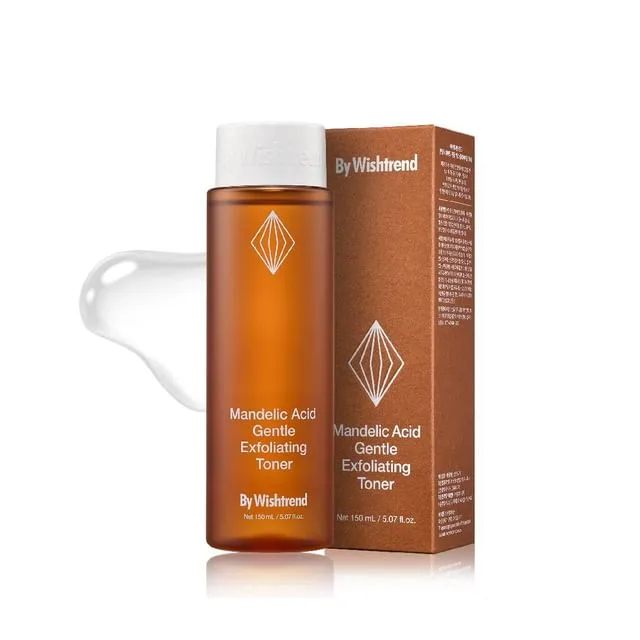 Sensitive Skin AHA Pick
 Mandelic Acid 5% Skin Prep Water
The mandelic acid prep water that quietly converted half of K-beauty Reddit away from glycolic — and for good reason. It delivers visible texture and PIH improvement at 5% without the sting or pigment risk that derails sensitive and darker skin, and it does so for around twenty bucks.
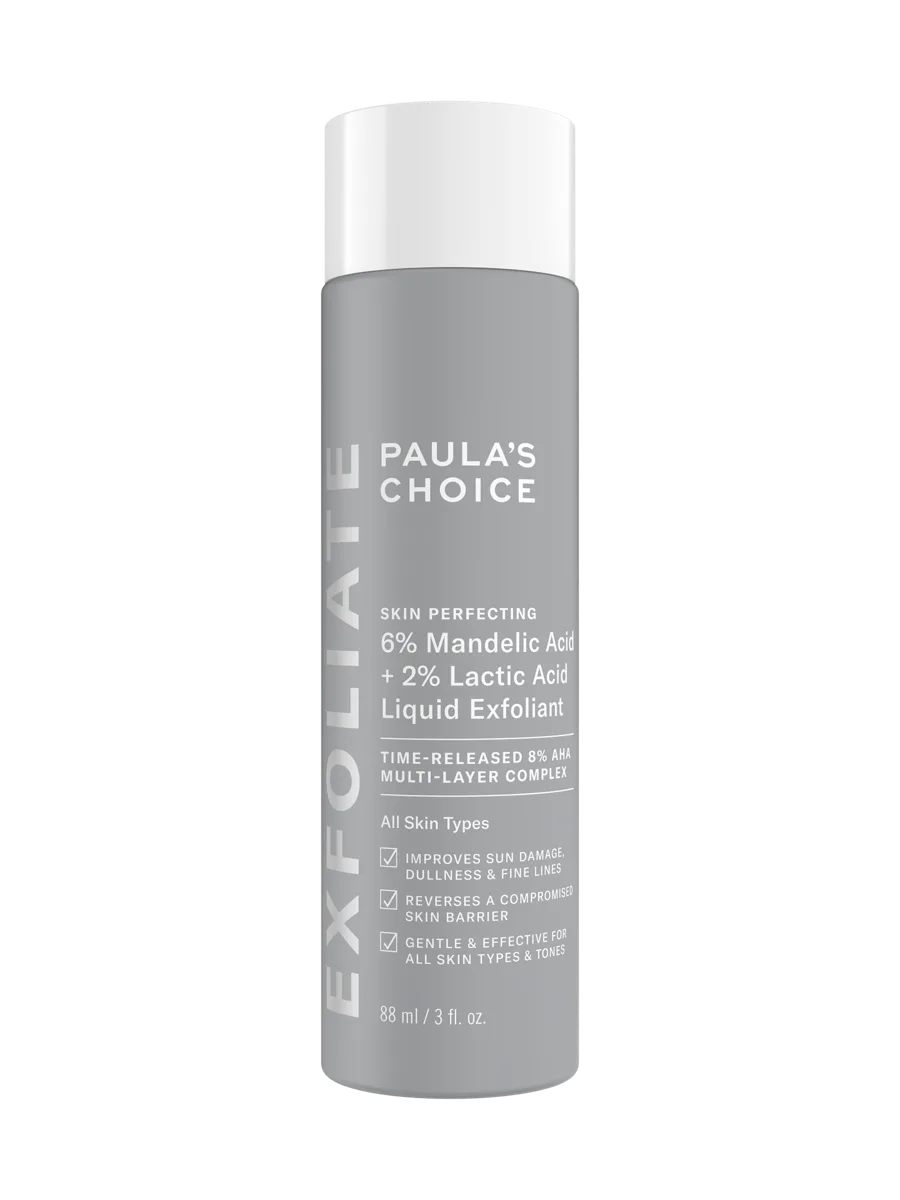 Gentle Glow Specialist
 Skin Perfecting 6% Mandelic Acid + 2% Lactic Acid Liquid Exfoliant
The exfoliant that finally treats sensitive and melanin-rich skin as the design priority rather than an afterthought. With a 4.8-star rating and 660+ reviews, this mandelic-lactic formula proves that gentleness and efficacy aren't mutually exclusive — it just requires smarter acid selection.
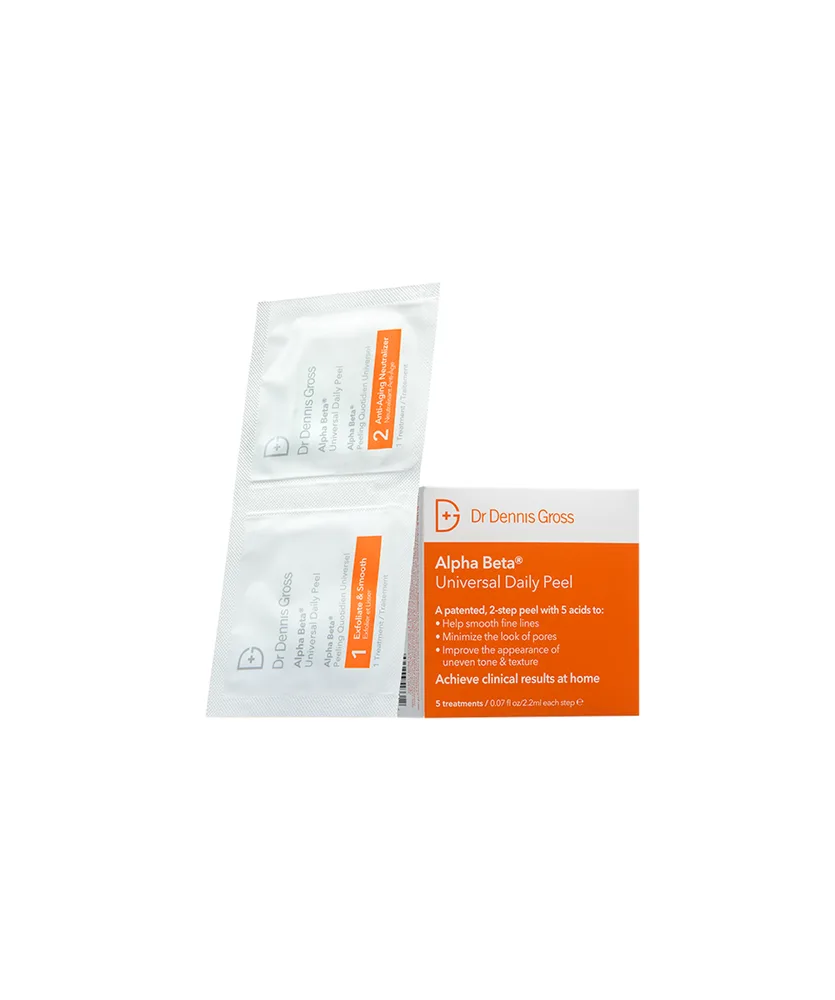 The Original At-Home Peel
 Alpha Beta Universal Daily Peel
The product that invented the at-home daily peel category in 2002 and still sits at the top of it. The five-acid Step 1 and retinol-antioxidant Step 2 deliver genuine resurfacing and anti-aging in a single five-minute routine. Expensive, but the results and track record justify the reputation.
 Beginner Exfoliant Pick
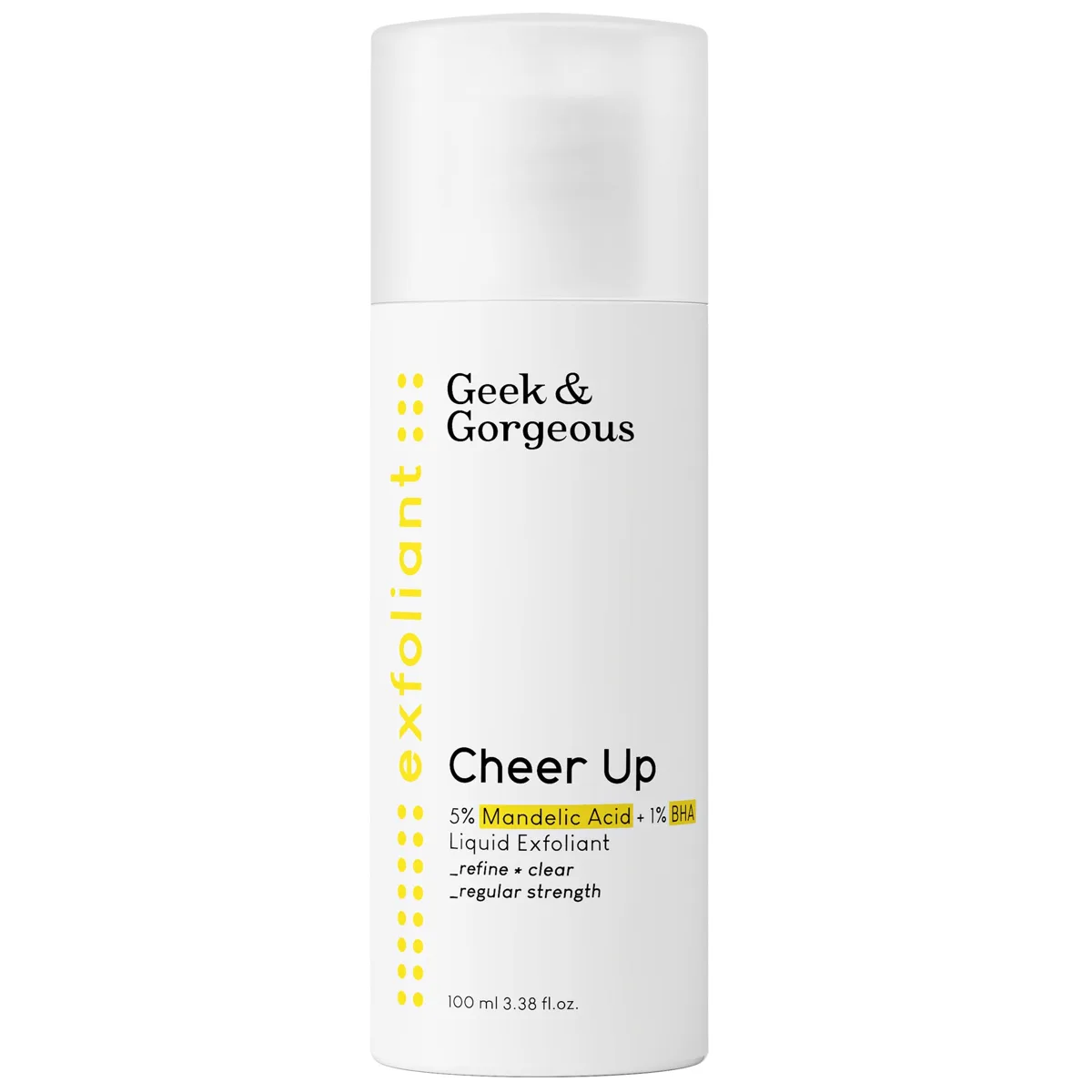
 Cheer Up 5% Mandelic + 1% Salicylic Exfoliant
A thoughtfully formulated beginner AHA/BHA exfoliant that uses mandelic acid — the gentlest mainstream AHA — in combination with low-strength salicylic, plus a sugar-humectant complex for comfort. At 100mL for around $12, the value is excellent, and the formulation choices reflect the kind of cosmetic-chemist thinking that separates this brand from typical indie exfoliants. Ideal for exfoliant newcomers and sensitive skin.
 Sensitive Skin Staple
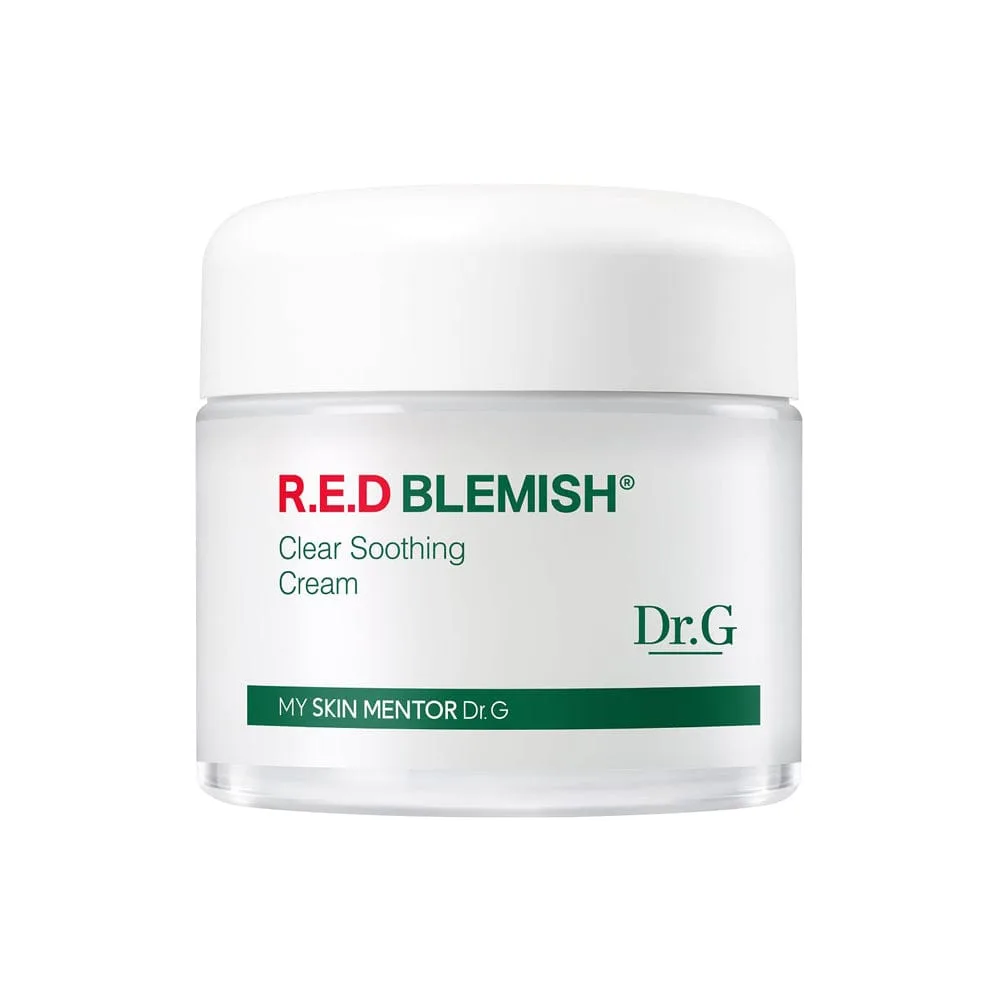
 Red Blemish Clear Soothing Cream
The Dr.G workhorse — a gel-cream moisturizer that combines a full 5-cica centella complex with a functional 5% niacinamide dose, calming reactive and acne-prone skin while supporting long-term post-inflammatory fading. Widely considered one of the strongest K-beauty sensitive-skin creams at its price.
 At-Home Peel Benchmark
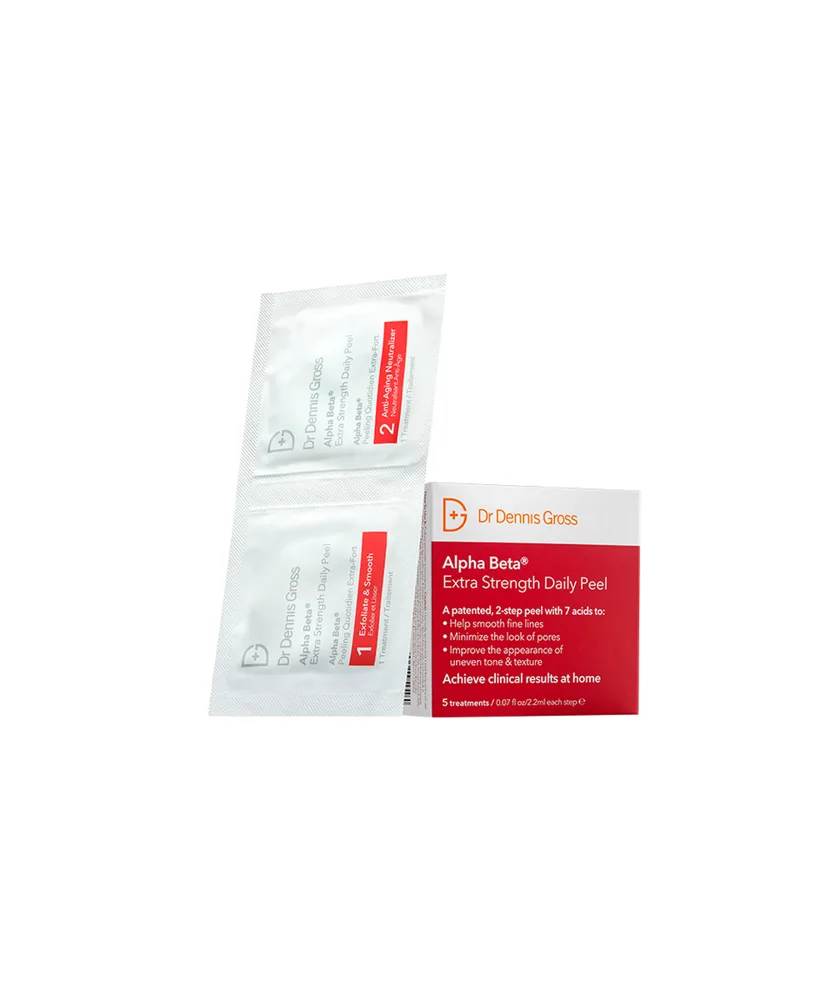
 Alpha Beta Extra Strength Daily Peel
The harder-hitting version of the at-home peel that started the category. Step 1 delivers a serious five-acid blend and Step 2 follows with retinol and antioxidants, making this a combined resurfacing and anti-aging treatment in a single five-minute routine. Expensive but genuinely effective for experienced exfoliant users.