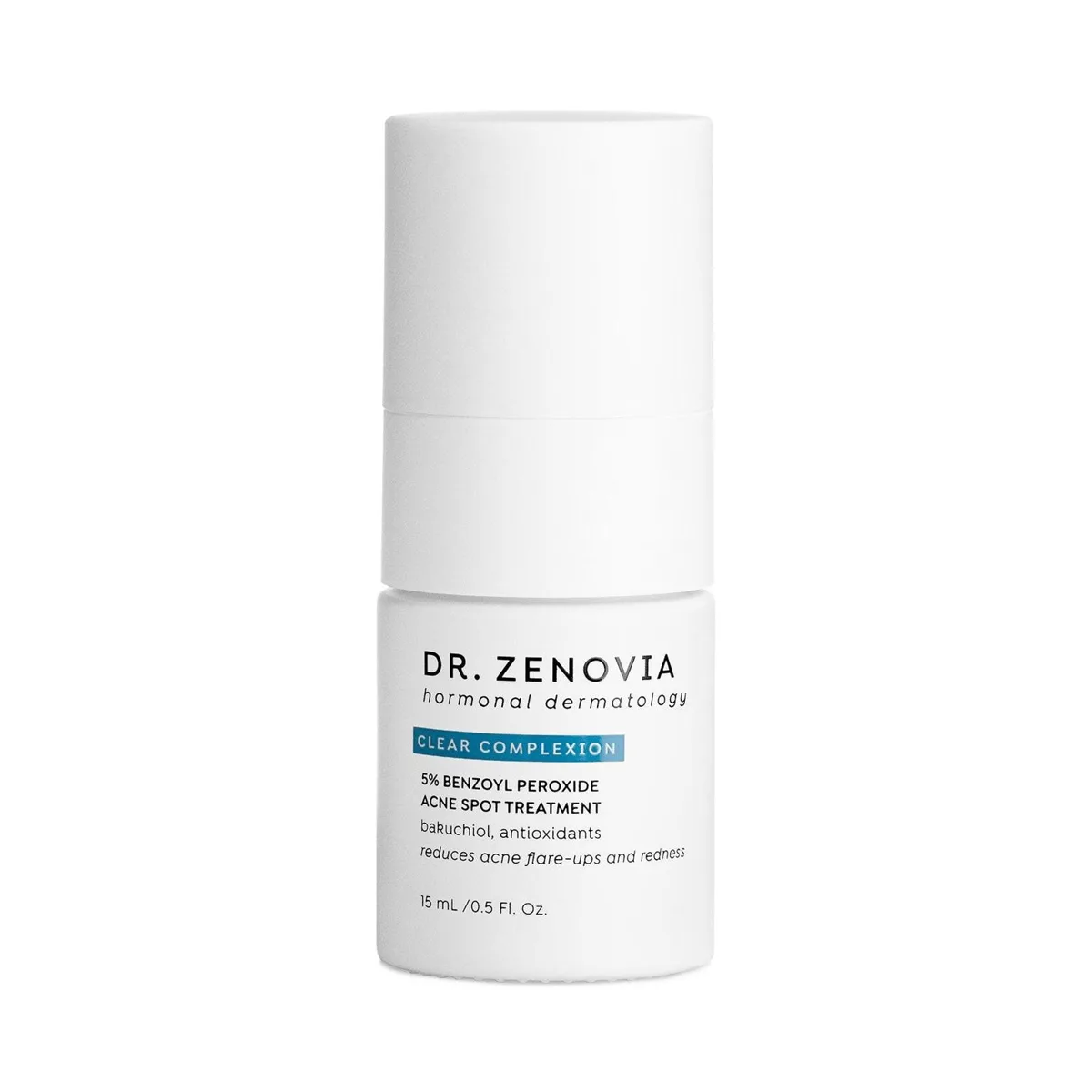
An effective 5% benzoyl peroxide spot treatment that pairs the gold-standard acne active with a thoughtful calming and pigmentation-prevention supporting cast. Stands out from drugstore BPO by addressing the dark marks that linger after the spot is gone — particularly valuable for darker skin tones.
5% Benzoyl Peroxide Acne Spot Treatment
An effective 5% benzoyl peroxide spot treatment that pairs the gold-standard acne active with a thoughtful calming and pigmentation-prevention supporting cast. Stands out from drugstore BPO by addressing the dark marks that linger after the spot is gone — particularly valuable for darker skin tones.
Score Breakdown
An effective 5% BPO spot treatment with an unusually thoughtful calming and pigmentation-prevention supporting cast. Stands out from drugstore BPO products by addressing the post-inflammatory marks that BPO alone leaves behind.
Data Confidence: high
This product has been on the market since 2019 with several thousand reviews across Sephora, Dermstore, and Ulta, and benzoyl peroxide itself has decades of clinical research supporting its efficacy and safety profile.
0/100
Overall Score
Ingredient Quality 0
Value for Money 0
Suitability Breadth 0
Irritation Risk (↑ = safer) 0
Assessment
Pros
- 5% benzoyl peroxide is the clinical sweet spot for spot treatment efficacy
- Niacinamide prevents post-inflammatory hyperpigmentation as spots heal
- Centella, bisabolol, and panthenol calm surrounding skin
- Fragrance-free and clear gel format absorbs invisibly
- Precision tip applicator allows targeted placement
- Effective on inflammatory lesions within 12-24 hours
- C. acnes does not develop resistance to BPO over time
Cons
- Will bleach colored fabrics on contact
- Premium price for a 1 oz tube format
- Cannot be layered with retinoids on the same spot
- May still cause some surrounding skin dryness despite the buffering
- Not appropriate for full-face use — spot treatment only
Full Review
Benzoyl peroxide has been the backbone of acne treatment for over half a century, and not because anyone particularly enjoys using it. It works — really works, in a way that few other over-the-counter actives do for inflammatory acne — through a mechanism so simple and physical that bacteria can't develop resistance to it. BPO releases oxygen radicals into the pore that kill C. acnes through nonspecific oxidative damage, which is the dermatology equivalent of breaking down a door instead of picking the lock. The trade-off is that BPO is also famously, miserably drying and irritating for the skin around the lesion, and it has a habit of leaving behind exactly the kind of dark marks that adult acne patients spend years trying to fade. For decades, the choice has been between effective treatment and cosmetic recovery. You couldn't really have both. Dr. Zenovia's 5% Benzoyl Peroxide Acne Spot Treatment is one of the cleaner attempts to actually solve that problem rather than just market around it.
The core active is the same 5% benzoyl peroxide that has been the standard for spot treatment for decades. The 5% concentration is the clinical sweet spot — published research has shown that 5% and 10% BPO have similar efficacy for most users, while 10% causes significantly more irritation and dryness. Lower concentrations like 2.5% are gentler but slower-acting. For a targeted spot treatment, 5% is the right answer, and the gel format with a precision tip applicator lets you place it exactly on the lesion without spreading it across the surrounding skin where it would just cause collateral damage.
The formulation choices that distinguish this from a drugstore BPO are in the supporting cast. Niacinamide is the headline. It does two things that matter for the kind of patient this product is built for. First, it reduces inflammation around the lesion, which speeds the visible recovery and reduces the redness and tenderness that make active acne uncomfortable. Second, and more importantly for long-term results, it inhibits melanosome transfer from melanocytes to keratinocytes — the mechanism that prevents new post-inflammatory hyperpigmentation from forming as the pimple heals. For darker skin tones, where every breakout leaves a brown mark that can linger for months, that pigmentation prevention is arguably as important as the antimicrobial work the BPO is doing on the spot itself. Dr. Zenovia knows this from her clinical practice, where women of color frequently come in not because they have active acne but because they have months of leftover marks from acne that has long since resolved. This formula is built with that patient in mind.
The calming layer is the other formulation tell. Centella asiatica, bisabolol, panthenol, glycerin, and aloe sit alongside the BPO to buffer the inflammatory response and support the surrounding skin's recovery. None of these ingredients reduce the BPO's effectiveness — they're all compatible with the active mechanism — but they make the difference between a spot treatment you can use and a spot treatment that leaves you with a flaky, irritated patch where the pimple used to be. The fragrance-free formulation is another quiet win, since the medicinal notes that drugstore BPO products often add to mask the BPO smell itself are unnecessary irritants on already-inflamed skin.
The texture is exactly right for a targeted spot treatment. Lightweight clear gel that absorbs quickly into the skin, dries down to invisible, and doesn't leave the white chalky cast that some BPO products produce. The precision tip applicator means you can place a small amount exactly where you need it, which both conserves product and reduces the surrounding skin exposure.
Where the asks for forgiveness are real: like all benzoyl peroxide products, this can bleach colored fabrics on contact, and even in this gentler formulation that's a non-negotiable property of the active. Let it dry fully before going to bed, and consider keeping white pillowcases and towels in rotation while you're actively using it. Thirty-two dollars for a one-ounce tube is premium pricing for the format, though the per-spot cost is small enough that a tube lasts most users four to six months. And BPO interacts with retinoids and vitamin C — applied to the same spot at the same time, they can inactivate each other or cause excessive irritation, so you'll need to manage your routine carefully if you're using multiple actives.
For adult acne patients dealing with inflammatory breakouts and the post-inflammatory marks that follow them, particularly women of color whose pigmentation concerns get inadequately addressed by mainstream BPO products, this is one of the more thoughtful spot treatments in the dermatologist-developed category. It earns its premium positioning by actually solving a problem that drugstore BPO has been ignoring for fifty years.
Formula
Ingredients
The hero actives that drive this product's performance.
| Ingredient | Function | Evidence |
|---|---|---|
| Benzoyl Peroxide (5%) (5%) | Releases oxygen radicals into the pore that kill C. acnes bacteria — the gold-standard mechanism for inflammatory acne lesions. The 5% concentration is the clinical sweet spot: effective enough to clear most inflammatory pimples within days, while remaining tolerable when used as a spot treatment rather than full-face. Resistance does not develop with BPO, unlike topical antibiotics. | well-established |
| Niacinamide | Reduces inflammation around the active lesion and prevents the post-inflammatory hyperpigmentation that often lingers after BPO clears the spot. In this formula, niacinamide is doing the work of making sure the dark mark doesn't outlast the pimple — particularly relevant for darker skin tones. | well-established |
| Centella Asiatica Extract | Calms the inflammatory response and soothes the surrounding skin. BPO's main downside is the dryness and irritation it causes adjacent to the spot — centella's triterpenes buffer that effect and help the surrounding skin recover faster. | well-established |
| Bisabolol | An anti-inflammatory chamomile derivative that pairs with the centella to create a calming envelope around the BPO active. Reduces the redness and tenderness of inflammatory lesions while the BPO does its antimicrobial work. | well-established |
| Panthenol | Provides barrier-supporting hydration to counter BPO's drying effect. Works alongside the glycerin and aloe to keep the spot treatment from leaving the surrounding skin flaky and tight. | well-established |
Full INCI List
Water, Benzoyl Peroxide (5%), Glycerin, Propanediol, Niacinamide, Centella Asiatica Extract, Allantoin, Bisabolol, Panthenol, Aloe Barbadensis Leaf Juice, Sodium Hyaluronate, Hydroxyethylcellulose, Polysorbate 20, Disodium EDTA, Phenoxyethanol, Ethylhexylglycerin
Product Flags
✓ Fragrance Free✓ Alcohol Free✓ Oil Free✓ Silicone Free✓ Paraben Free✓ Sulfate Free✓ Cruelty Free✓ Vegan✓ Fungal Acne Safe
Potential Irritants
benzoyl peroxide
Compatibility
Skin Match
Best For
Works For
Not Ideal For
Addresses These Conditions
acne inflammatory acne blackheads
Use With Caution
rosacea sensitivity compromised skin barrier eczema
Routine Step
treatment
Time of Day
AM & PM
Pregnancy Safe
Yes ✓
Layering Tips
Apply directly to active inflammatory lesions only, not to the entire face. Avoid layering with retinoids, vitamin C serums, or AHAs on the same area at the same time — they can interact and cause excessive irritation. Always follow with sunscreen during the day. BPO can bleach fabrics, so let it dry fully before contact with clothing or pillowcases.
Results Timeline
Visible reduction in redness and inflammation within 12-24 hours. Most spots resolve within 2-3 days of consistent application. Best used at the first sign of a forming pimple for fastest results.
Pairs Well With
niacinamide-serumceramide-moisturizersalicylic-acid-cleanser
Conflicts With
retinolvitamin-c-serumaha-bha-treatments
Sample AM Routine
- Gentle cleanser
- Niacinamide serum
- THIS PRODUCT (spot only)
- Lightweight moisturizer
- SPF
Sample PM Routine
- Salicylic acid cleanser
- Hydrating toner
- THIS PRODUCT (spot only)
- Ceramide moisturizer
Evidence
Science
The Science
Benzoyl peroxide is one of the most thoroughly studied acne actives in dermatology, with published research dating back over fifty years. Its mechanism of action involves the release of oxygen radicals upon decomposition in the pilosebaceous unit, which causes nonspecific oxidative damage to C. acnes bacterial cells. Because the mechanism is physical rather than enzymatic, bacteria do not develop resistance to BPO — a critical advantage over topical antibiotics like clindamycin and erythromycin, which have been undermined by widespread bacterial resistance. Comparative clinical studies have shown that 5% and 10% BPO have similar efficacy for most users, while 10% produces significantly more cutaneous irritation, supporting the choice of 5% as the optimal spot treatment concentration. Niacinamide's role in melanosome transfer inhibition is well-documented in controlled clinical studies, with effects on hyperpigmentation visible at 2-5% concentrations over 8-12 weeks of consistent use. Centella asiatica's triterpene compounds, particularly madecassoside and asiaticoside, have published research demonstrating anti-inflammatory effects through modulation of inflammatory cytokines, making them appropriate companions to acne actives that produce inflammatory side effects. Bisabolol, derived from chamomile, has additional anti-inflammatory and skin-calming effects supported by published research.
Dermatologist Perspective
Dermatologists frequently recommend benzoyl peroxide as a first-line treatment for inflammatory acne lesions, both as a spot treatment for individual lesions and as a wash-off cleanser for more extensive involvement. Board-certified dermatologists particularly emphasize BPO's lack of bacterial resistance as a major advantage over topical antibiotics, which have become increasingly compromised by widespread C. acnes resistance. The pairing of BPO with niacinamide is often highlighted as a thoughtful clinical choice for patients with melanin-rich skin, where post-inflammatory hyperpigmentation is a major component of the long-term acne picture. Dermatologists do caution patients about BPO's interaction potential with retinoids — the two actives can inactivate each other when layered directly — and about its bleaching effect on fabrics, which surprises many first-time users.
Guidance
Usage Guide
How to Use
Apply directly to active inflammatory lesions only — not to the entire face. Cleanse first, pat skin dry, and use the precision tip to place a small amount on the spot. Allow to absorb fully before applying other products around the area. Do not layer with retinoids, vitamin C serums, or AHAs on the same spot at the same time. Always follow with a broad-spectrum sunscreen during the day. Let the product dry completely before contact with fabric, since BPO can bleach colored materials. Apply 1-2 times daily until the spot resolves, typically 2-3 days.
Value Assessment
At $32 for 1 oz, this sits at the upper end of premium spot treatments and asks customers to value the formulation sophistication and the dermatologist heritage over the much cheaper drugstore alternatives. The 5% BPO concentration is comparable to drugstore products, but the niacinamide addition and the calming supporting cast meaningfully outperform the basic BPO gels available for under $10. The per-spot cost is small enough that a tube lasts most users four to six months of regular use, which softens the premium price somewhat. For adult acne patients dealing with post-inflammatory pigmentation in addition to active breakouts, the value works. For users with simple occasional pimples and no pigmentation concerns, a drugstore BPO spot treatment delivers the antimicrobial benefit at a fraction of the cost.
Who Should Buy
Adults dealing with occasional or recurring inflammatory acne lesions, particularly those who also struggle with post-inflammatory hyperpigmentation. Especially valuable for women of color whose dark marks linger longer than the original pimples. Best for users who want a targeted spot treatment rather than a full-face acne routine.
Who Should Skip
Anyone with very sensitive, rosacea-prone, or barrier-compromised skin should choose a gentler spot treatment like azelaic acid. Pregnant users should consult their physician before using BPO. Those with extensive full-face acne are better served by a wash-off BPO cleanser or a dermatologist-prescribed routine.
Ready to try Dr. Zenovia 5% Benzoyl Peroxide Acne Spot Treatment?
Details
Details
Texture
Lightweight clear gel that absorbs quickly
Scent
Fragrance-free with a faint medicinal note from the BPO
Packaging
Squeeze tube with precision tip applicator
Finish
fast-absorbinginvisiblenon-greasy
What to Expect on First Use
First application may sting briefly on active inflammatory lesions, then settles into a calm baseline. Most users notice visible reduction in redness and swelling within 12 hours. Some surrounding dryness is normal — the calming supporting cast minimizes it but doesn't eliminate it entirely.
How Long It Lasts
About 4-6 months with spot-only application
Period After Opening
6 months
Best Season
All Year
Certifications
Cruelty-FreeVegan
Background
The Why
Dr. Zenovia launched the BPO spot treatment as part of her brand's first wave of acne products in 2019, designed to give her patients an over-the-counter version of the kind of multi-functional spot treatment she wanted to offer in her clinical practice. The choice to pair BPO with niacinamide reflects her clinical focus on women of color, where post-inflammatory hyperpigmentation is often the bigger long-term problem than the pimples themselves.
About Dr. Zenovia Emerging Brand (2–5 years)
Dr. Zenovia Skincare was founded in 2019 by Dr. Zenovia Gabriel, a board-certified dermatologist whose clinical practice focuses on hormonal skincare. The benzoyl peroxide spot treatment is one of the brand's earliest core products and has been refined since launch based on customer feedback.
Brand founded: 2019 · Product launched: 2019
Myth vs. Reality
Myths
Myth
Benzoyl peroxide causes resistance over time
Reality
Unlike topical antibiotics, BPO works through nonspecific oxidative damage to bacterial cells, and C. acnes does not develop resistance to it. This is one of the reasons dermatologists often recommend BPO alongside or instead of topical antibiotics for long-term acne management.
Myth
Higher BPO concentrations always work better
Reality
Published research suggests that 5% and 10% BPO have similar efficacy for most users, but 10% causes significantly more irritation and dryness. The 5% concentration is the clinical sweet spot for spot treatment use.
FAQ
FAQ
Should I use this all over my face or just on spots?
Spot treatment only — this is formulated for direct application to active inflammatory lesions, not full-face use. Applying 5% BPO to your entire face will cause excessive dryness and irritation in most users. For full-face BPO, look for a lower concentration (2.5-4%) wash-off product.
How is this different from drugstore BPO spot treatments?
The 5% BPO concentration is comparable, but this formula adds niacinamide, centella, bisabolol, and panthenol — a calming and pigmentation-preventing supporting cast that drugstore BPO products rarely include. The result is a treatment that addresses both the active spot and the post-inflammatory marks that often follow.
Can I use this with retinol?
Not on the same spot at the same time. BPO and retinoids can interact and inactivate each other when layered directly. If you're using both, apply them at different times of day or to different areas. Some BPO formulations are stable with adapalene specifically — check with your dermatologist.
Is this safe to use during pregnancy?
Topical benzoyl peroxide is generally considered acceptable during pregnancy in small spot-treatment quantities, though recommendations vary by physician. Always run any acne treatment past your OB during pregnancy and breastfeeding.
Will this bleach my pillowcase or towels?
Yes — benzoyl peroxide can bleach colored fabrics on contact, even in this formulation. Let the product dry fully before going to bed, and consider using white pillowcases and towels while you're using BPO regularly.
How fast will it work?
Most users see visible reduction in redness and swelling within 12-24 hours. Spots typically resolve within 2-3 days of consistent application. For best results, apply at the first sign of a forming pimple rather than waiting for it to fully erupt.
Can I use this on my back or chest acne?
Yes — BPO is effective on body acne. For more extensive back or chest acne, a wash-off BPO cleanser may be more practical than a spot treatment. This product is best for individual targeted lesions.
Community
Community
Common Praise
"Visibly shrinks pimples within hours"
"Less drying than drugstore BPO"
"Doesn't leave dark marks behind"
"Clear gel that goes on invisibly"
Common Complaints
"Premium price for a small tube"
"Can still bleach fabrics"
"May be too aggressive for very dry skin"
Notable Endorsements
Sephora rouge favoriteFeatured in adult acne treatment guides
Appears In
best benzoyl peroxide spot treatment best acne spot treatment best derm developed spot treatment best bpo for adult acne
Related Conditions
Related Ingredients
You Might Also Like
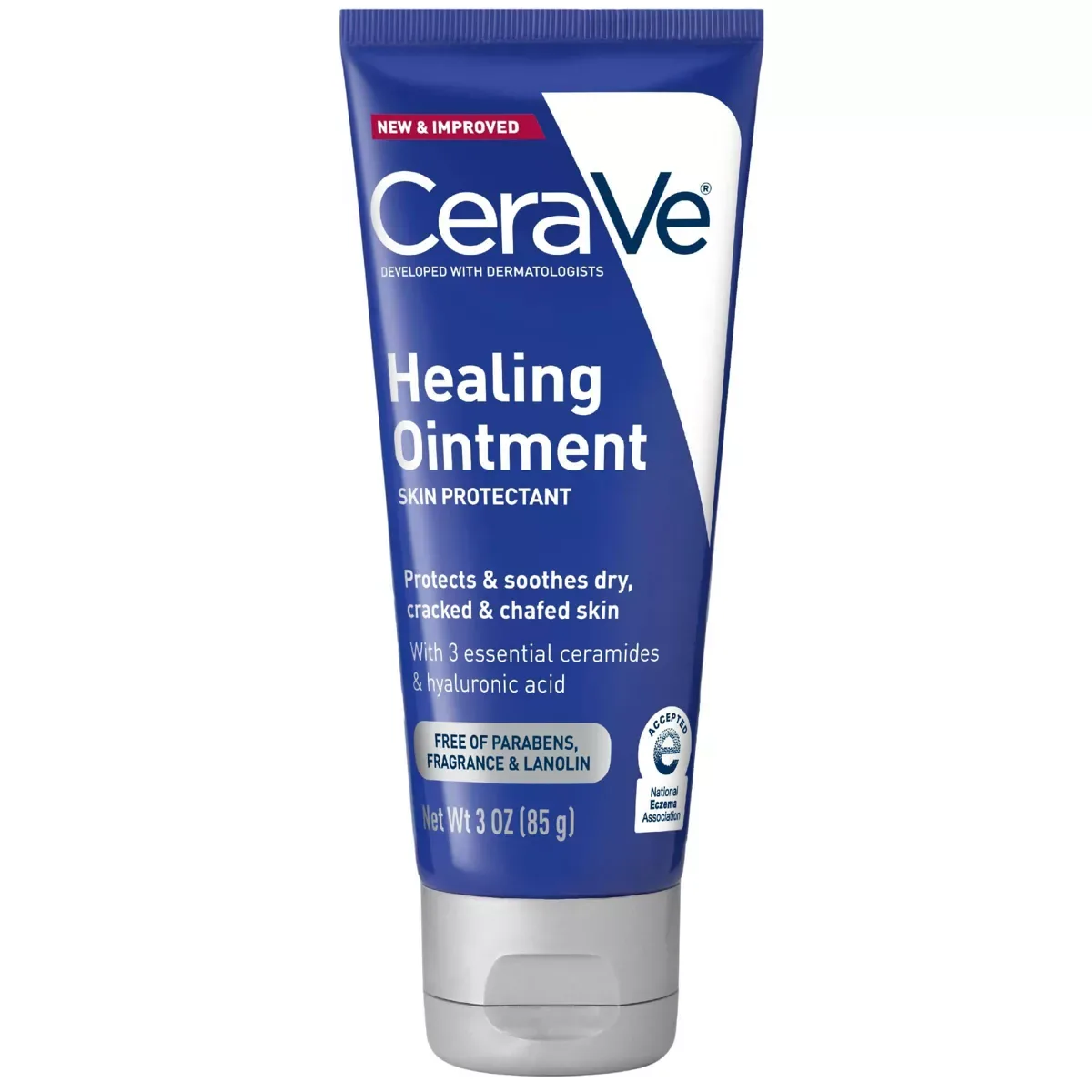 Barrier Rescue Hero
 Healing Ointment
CeraVe's Healing Ointment takes the simplest concept in skincare — seal the skin with petrolatum — and makes it genuinely intelligent by adding ceramides, hyaluronic acid, and panthenol beneath the occlusive layer. It is the gold standard drugstore occlusive for barrier rescue, slugging, and post-procedure care.
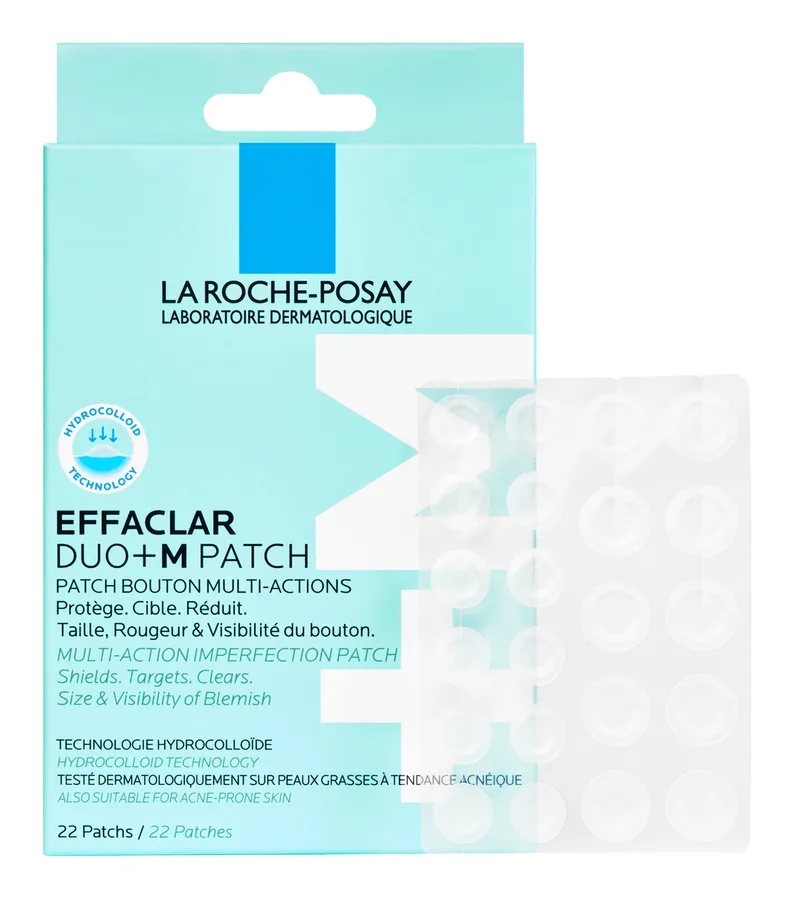 Derm Office Staple
 Effaclar Multi-Target Blemish Patches
One of the few hydrocolloid pimple patches that actually stays on overnight without curling off at 3am. At 420 microns thick with two size options in one pack and zero actives to irritate sensitive skin, this is the Effaclar line's quiet overachiever — and a legitimately good answer for anyone whose acne routine has been sabotaged by thinner patches that refuse to stay put.
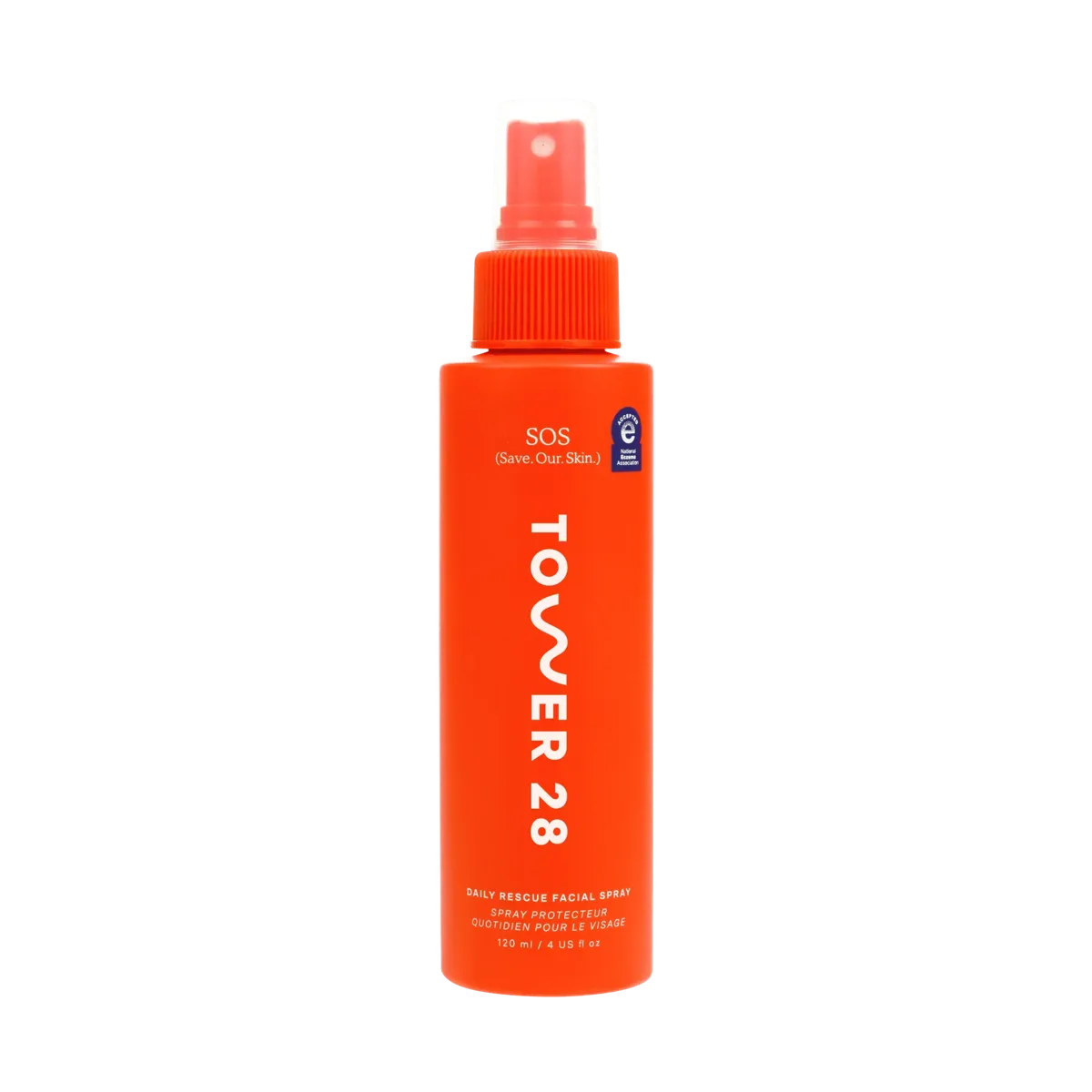 Reactive-Skin Cult Favorite
 SOS Save Our Skin Daily Rescue Facial Spray
The product that single-handedly brought hypochlorous acid into mainstream skincare. A fine-mist HOCl spray with genuine dermatology-organization validation, a near-perfect tolerability profile, and a cult following among people whose skin reacts to everything else. The price runs steeper than medical-grade HOCl, but the stabilization and design are worth the difference for daily use.
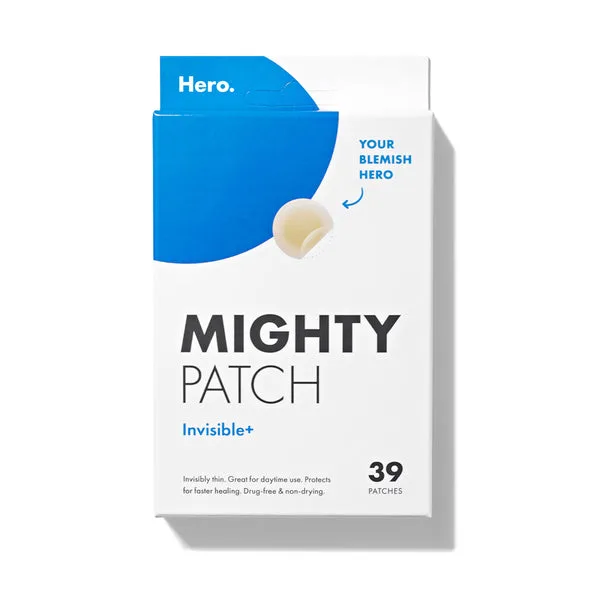
Mighty Patch Invisible+
The pimple patch that proved acne treatment could be invisible — Mighty Patch Invisible+ delivers the same fluid-absorbing hydrocolloid technology as the category-defining Original, but engineered thin enough to disappear under makeup. For daytime blemish management, nothing else comes this close to invisible.
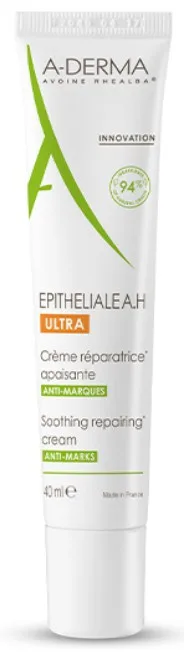 Post-Procedure MVP
 Epitheliale A.H Ultra Repairing Cream
One of the best-formulated French pharmacy repair creams on the market, full stop. Rhealba oat, three-weight HA, madecassoside, trace minerals, panthenol, and shea butter come together in a cream that handles post-procedure skin, eczema flares, friction damage, and compromised barriers with unusual competence for the price.
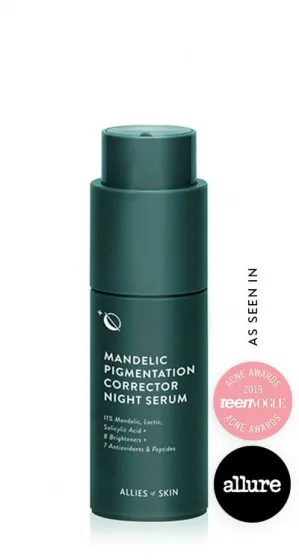 Pigmentation Specialist Pick
 Mandelic Pigmentation Corrector Night Serum
One of the most thoughtfully formulated pigmentation serums on the market. Mandelic acid leads, but the real story is the supporting cast — tranexamic acid, azelaic acid, niacinamide, and bakuchiol attacking hyperpigmentation through five different pathways. Specifically formulated to be safe on melanin-rich skin and it shows.