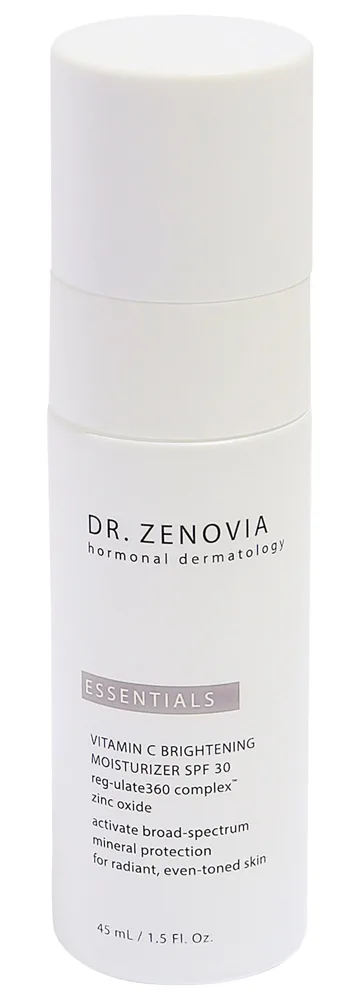
A brightening moisturizer that stacks five pigment-targeting ingredients across multiple pathways — two forms of vitamin C, tranexamic acid, alpha arbutin, and licorice. Genuinely comprehensive for hormonal hyperpigmentation and melasma. Not cheap, but the ingredient ambition is real.
Vitamin C Brightening Moisturizer
A brightening moisturizer that stacks five pigment-targeting ingredients across multiple pathways — two forms of vitamin C, tranexamic acid, alpha arbutin, and licorice. Genuinely comprehensive for hormonal hyperpigmentation and melasma. Not cheap, but the ingredient ambition is real.
Score Breakdown
A multi-active brightening moisturizer with THD vitamin C, tranexamic acid, alpha arbutin, and licorice — a genuinely comprehensive pigment-targeting complex. The price is above drugstore brightening creams but defensible for the ingredient sophistication.
Data Confidence: medium
On market since 2020 with moderate review volume (approximately 350-600 reviews across retailers). The brand has built a dedicated following for hyperpigmentation and hormonal skincare. Scoring reflects both ingredient analysis and real-world feedback.
0/100
Overall Score
Ingredient Quality 0
Value for Money 0
Suitability Breadth 0
Irritation Risk (↑ = safer) 0
Assessment
Pros
- Five pigment-targeting ingredients across multiple distinct mechanisms
- Stabilized vitamin C derivatives work at neutral pH without oxidation concerns
- Tranexamic acid addition specifically targets hormonal melasma
- Barrier-supporting cast with niacinamide, ceramides, and squalane
- Fragrance-free and pregnancy-safe formulation
- Cushiony satin finish layers well under SPF and makeup
- Dermatologist-developed with a clear clinical rationale
Cons
- Results on deep pigmentation take 12-16 weeks of consistent daily use
- Premium price compared to drugstore brightening moisturizers
- Small 1.7 oz size depletes in 2-3 months
- Efficacy depends entirely on strict daily SPF compliance
Full Review
Melasma is one of the most frustrating conditions a dermatologist can treat, and it's one of the most common reasons adult patients walk into Dr. Zenovia Gabriel's Newport Beach office. The frustration is structural: melasma is driven by hormonal fluctuations (pregnancy, birth control, perimenopause), triggered by UV exposure, and modulated by inflammation, which means any single intervention — a vitamin C serum, a hydroquinone cream, a chemical peel — tends to produce partial and inconsistent results. What actually works, in most clinical protocols, is a multi-pathway approach combined with religious sun protection, and it works slowly. This moisturizer is Dr. Zenovia's attempt to consolidate that multi-pathway approach into a single daily product, and it's one of the more ambitious brightening formulations in its price range.
The vitamin C component alone is worth pausing on, because it's not the vitamin C people usually think of. Most vitamin C products rely on L-ascorbic acid, which is the most potent form but also the most unstable and requires acidic pH to function — reasons why L-ascorbic acid serums typically come in dark glass bottles, smell faintly metallic, and turn orange over time. This moisturizer skips L-ascorbic acid entirely and uses two derivative forms instead: tetrahexyldecyl ascorbate (THD ascorbate), which is lipid-soluble and works at neutral pH, and ascorbyl glucoside, which is water-soluble and also pH-neutral. These derivatives are more stable, don't oxidize on contact with air, and convert to active vitamin C inside skin cells. The dual-vitamin-C approach means the product delivers brightening action across both the lipid and aqueous compartments of skin, which is harder to achieve with a single form in a moisturizer matrix.
The pigment-fighting supporting cast is where the formula gets interesting. Tranexamic acid is present, which is a genuinely notable inclusion — it's a targeted melasma treatment with specific efficacy against hormonal pigmentation, and it works by inhibiting the plasmin-plasminogen pathway that contributes to UV-induced melanogenesis. Clinical studies on oral tranexamic acid for melasma have shown reliable improvement, and topical formulations are a gentler alternative that produces slower but real results. Alpha arbutin adds a tyrosinase-inhibiting layer — it's a hydroquinone derivative without hydroquinone's rebound pigmentation risk, and it has solid evidence for fading post-inflammatory hyperpigmentation and sun-induced dark spots. Licorice root extract provides glabridin and liquiritin, which inhibit tyrosinase through a different mechanism and also contribute anti-inflammatory action. Niacinamide rounds out the stack by blocking melanosome transfer from melanocytes to keratinocytes — another distinct pathway in the pigmentation cascade.
Five brightening ingredients, four distinct mechanisms. That's the formulation logic, and it's honest to the clinical research on stubborn pigmentation, which consistently shows that multi-pathway approaches outperform single-ingredient products on melasma. Whether that formulation logic produces visibly better results than a well-chosen single-ingredient product is less certain — head-to-head studies are rare — but for users who have tried single-ingredient brightening products without satisfaction, the combination approach is theoretically and often practically better.
The base moisturizer itself is competent. It's a cushiony cream with a slight silicone glide that absorbs cleanly and leaves a soft satin finish. Niacinamide, squalane, ceramide NP, and sodium hyaluronate provide hydration and barrier support. Centella asiatica, bisabolol, and allantoin contribute soothing and anti-inflammatory effects, which is particularly useful because inflammation drives melanin production and chronic inflammation makes pigmentation worse. Ferulic acid is tucked into the formula as an antioxidant booster, stabilizing the vitamin C and adding its own free-radical scavenging — a detail that shows the formulator was thinking about vitamin C pharmacokinetics, not just including it for label appeal.
The texture experience is pleasant and unobtrusive. It layers well under sunscreen and makeup without pilling, and it doesn't cause the yellowing or oxidation on skin that some L-ascorbic acid products can produce. The finish is satin rather than dewy, which works across combination, normal, and dry skin. Very oily users may find it slightly richer than ideal in summer, but it's not heavy by any reasonable measure.
Results expectations are where honesty matters most with brightening products. This moisturizer will produce subtle, gradual improvement in pigmentation over weeks to months, not days. Expect early brightness and hydration in the first week, noticeable dark spot reduction around week six to eight, and meaningful melasma improvement only after 12 to 16 weeks of consistent daily use — and only if you're using broad-spectrum SPF every single day without exception. Pigmentation treatment without sunscreen is essentially futile; UV exposure reverses any brightening progress faster than any product can deliver it. This is the single most important factor in whether this moisturizer works for you, and it's not something the product itself can control.
The price conversation is reasonable. At $52 for 1.7 ounces, this lands above drugstore brightening creams (Olay Regenerist at around $30, CeraVe PM skin-brightening at around $20) but below premium options like SkinCeuticals Metacell Renewal B3 at $110 or Perricone MD Vitamin C Ester at over $100. The mid-range position is fair for the ingredient ambition — you're paying for the tranexamic acid and alpha arbutin additions, the stabilized vitamin C derivatives, and the multi-pathway approach that drugstore options typically lack. Whether it earns the premium over a single-ingredient vitamin C moisturizer depends on how stubborn your pigmentation is and how much you value the comprehensive formulation. For melasma or hormonal hyperpigmentation, it's worth the upgrade. For mild dullness or occasional dark spots, a simpler product will get you most of the way there at a lower cost.
Formula
Ingredients
The hero actives that drive this product's performance.
| Ingredient | Function | Evidence |
|---|---|---|
| Tetrahexyldecyl Ascorbate (THD Vitamin C) | A lipid-soluble, highly stable form of vitamin C that works well in the pH-neutral moisturizer format. Unlike L-ascorbic acid, which needs low pH to function, THD ascorbate converts to active vitamin C inside skin cells and doesn't degrade on contact with air. This is why a moisturizer can credibly claim vitamin C benefits without needing acidic serum conditions. | promising |
| Ascorbyl Glucoside | A second, water-soluble vitamin C derivative paired with the THD ascorbate to deliver brightening action across both lipid and aqueous skin compartments. The dual-vitamin-C approach is deliberate — it's designed to cover what a single form can't reach in a moisturizer matrix. | promising |
| Tranexamic Acid | A stand-out inclusion that specifically addresses the melasma and stubborn pigmentation often linked to hormonal fluctuations. In this formula, tranexamic acid works alongside the vitamin C, alpha arbutin, and licorice to form a multi-pathway brightening complex rather than relying on a single tyrosinase inhibitor. | well-established |
| Alpha Arbutin | A hydroquinone derivative that blocks tyrosinase without hydroquinone's rebound pigmentation risk. Included here to target existing dark spots and even overall tone. The combination with tranexamic acid and vitamin C gives this moisturizer real pigment-fighting credentials. | well-established |
| Licorice Root Extract (Glycyrrhiza Glabra) | Contains glabridin and liquiritin, which inhibit tyrosinase and reduce inflammation-driven pigmentation. In this formula, licorice rounds out the brightening stack and also provides anti-inflammatory support — useful because hormonal hyperpigmentation is often inflammatory in origin. | well-established |
Full INCI List · pH 6
Water/Aqua/Eau, Glycerin, Caprylic/Capric Triglyceride, Tetrahexyldecyl Ascorbate, Cetearyl Alcohol, Dimethicone, Niacinamide, Squalane, Ascorbyl Glucoside, Panthenol, Alpha Arbutin, Tranexamic Acid, Licorice Root Extract, Tocopherol, Ferulic Acid, Sodium Hyaluronate, Ceramide NP, Centella Asiatica Extract, Bisabolol, Allantoin, Glyceryl Stearate, PEG-100 Stearate, Cetearyl Glucoside, Xanthan Gum, Disodium EDTA, Caprylyl Glycol, Phenoxyethanol, Ethylhexylglycerin
Product Flags
✓ Fragrance Free✓ Alcohol Free✗ Oil Free✗ Silicone Free✓ Paraben Free✓ Sulfate Free✓ Cruelty Free✓ Vegan✗ Fungal Acne Safe
Compatibility
Skin Match
Best For
Works For
Not Ideal For
Addresses These Conditions
hyperpigmentation melasma dark spots dullness aging sun damage
Use With Caution
Routine Step
moisturizer
Time of Day
AM & PM
Pregnancy Safe
Yes ✓
Layering Tips
Apply after cleanser, toner, and any treatment serums. Works especially well in the morning routine followed by SPF — sunscreen is essential for any vitamin C or brightening product to work. Can also be used at night, but avoid combining directly with retinol in the same layer.
Results Timeline
Immediate hydration and subtle brightening. Visible reduction in dark spots after 6-8 weeks. Melasma and deeper pigmentation typically improve over 12-16 weeks of consistent daily use paired with rigorous SPF.
Pairs Well With
niacinamidehyaluronic-acidpeptidessunscreen
Sample AM Routine
- Gentle cleanser
- Vitamin C serum (optional)
- Dr. Zenovia Vitamin C Brightening Moisturizer
- SPF
Sample PM Routine
- Gentle cleanser
- Retinol or treatment
- Dr. Zenovia Vitamin C Brightening Moisturizer
Evidence
Science
The Science
The multi-pathway approach to hyperpigmentation reflects current clinical thinking on melasma treatment. A 2017 review in the American Journal of Clinical Dermatology summarized evidence showing that melasma responds best to combination therapies targeting multiple steps in the melanogenesis cascade. Tranexamic acid has a growing topical evidence base — a 2018 meta-analysis in the Journal of the American Academy of Dermatology reviewed multiple trials showing significant improvement in melasma severity with topical tranexamic acid at concentrations between 2% and 5%. Its mechanism involves inhibiting the plasmin-plasminogen pathway, which contributes to UV-induced melanogenesis through a different route than tyrosinase inhibition. Tetrahexyldecyl ascorbate (THD ascorbate) has been studied specifically as a stable, lipid-soluble vitamin C derivative with demonstrated tyrosinase-inhibiting activity in cell culture. A 2013 paper in the Journal of Cosmetic and Laser Therapy examined THD ascorbate's stability and skin penetration, showing advantages over L-ascorbic acid in pH-neutral formulations. Alpha arbutin has been studied for pigmentation reduction with evidence dating back to a 2004 paper in Clinical and Experimental Dermatology showing its tyrosinase-inhibiting activity. Licorice root's glabridin and liquiritin have been documented for tyrosinase inhibition and anti-inflammatory effects in multiple studies, including work published in Biological and Pharmaceutical Bulletin. Niacinamide's ability to block melanosome transfer has been established in controlled studies by Hakozaki and colleagues, with meaningful reductions in hyperpigmentation over 8-12 weeks of topical use. The formulation here combines these ingredients at what appear to be functional concentrations, creating a multi-pathway approach consistent with the clinical research.
Dermatologist Perspective
Dermatologists frequently recommend multi-pathway brightening products for patients with melasma and stubborn hyperpigmentation, particularly when single-ingredient products have failed to produce meaningful improvement. The formulation strategy in this moisturizer — combining two forms of vitamin C, tranexamic acid, alpha arbutin, licorice, and niacinamide — reflects an approach that aligns with current clinical thinking on pigmentation management. Board-certified dermatologists often emphasize that brightening products are only as effective as the patient's commitment to daily broad-spectrum sun protection. Without rigorous SPF, even the most comprehensive brightening formulation produces minimal results because UV exposure continuously reactivates the melanogenesis pathways the product is trying to inhibit. Patients with melasma are generally counseled to expect gradual improvement over months rather than weeks, and to pair topical brightening with physical sun avoidance strategies. This type of moisturizer would typically be considered appropriate for patients with mild to moderate hyperpigmentation seeking an at-home option before considering more aggressive treatments.
Guidance
Usage Guide
How to Use
Apply morning and evening after cleanser and any treatment serums. Use a pea to almond-sized amount on face and neck, avoiding immediate eye area. In the morning, follow with broad-spectrum SPF — this is essential for any brightening product to work. At night, can be applied over retinol as a buffering layer. Patience is key: expect gradual improvement over weeks to months, not days. Consistency and SPF compliance determine whether you'll see results.
Value Assessment
At $52 for 1.7 ounces, this sits in the mid-premium range for brightening moisturizers. Drugstore alternatives from Olay, Neutrogena, and CeraVe cost half as much and typically include a single brightening active — vitamin C, niacinamide, or a single derivative. Luxury tier products from SkinCeuticals and Perricone MD exceed $100 for comparable sizes. The value case here rests on the multi-pathway formulation: if you'd otherwise buy separate vitamin C serum, tranexamic acid treatment, and brightening moisturizer, consolidating into one product saves money. For users with simple brightness concerns who don't have stubborn pigmentation, a cheaper single-ingredient product may deliver similar results. For users with melasma or hormonal hyperpigmentation, the upgrade is often justified. No larger size is available.
Who Should Buy
Adults with melasma, hormonal hyperpigmentation, post-inflammatory dark spots, or uneven tone who have found single-ingredient brightening products insufficient. Particularly good for pregnant, postpartum, and perimenopausal women navigating hormonal pigmentation changes. Safe for sensitive skin types and compatible with most treatment routines.
Who Should Skip
Users with only mild dullness or occasional dark spots will find simpler and cheaper products adequate. Users unwilling to commit to daily SPF will not see meaningful results regardless of formulation. Budget-conscious users can find niacinamide-heavy drugstore moisturizers that address basic brightening needs for half the price.
Ready to try Dr. Zenovia Vitamin C Brightening Moisturizer?
Details
Details
Texture
Cushiony cream with a slight silicone glide
Scent
Fragrance-free with a mild natural note
Packaging
White airless pump tube, 1.7 fl oz
Finish
satinnon-greasynatural
What to Expect on First Use
Expect a smooth, cushiony application that absorbs in about 30 seconds and leaves a soft satin finish. First-time users typically notice subtle brightening and improved hydration within the first week, though meaningful pigment reduction takes 6-8 weeks of consistent use paired with daily SPF.
How Long It Lasts
About 2-3 months with twice-daily face application
Period After Opening
12 months
Best Season
All Year
Certifications
Cruelty-FreeVegan
Background
The Why
Dr. Zenovia Gabriel developed this moisturizer for the melasma and hormonal hyperpigmentation patients who made up a significant portion of her Newport Beach practice. Single-ingredient brightening products were producing inconsistent results, so she consolidated a multi-pathway pigment-inhibition approach into a daily moisturizer — specifically aimed at women navigating hormonal pigmentation during pregnancy recovery, perimenopause, or hormonal contraception changes.
About Dr. Zenovia Emerging Brand (2–5 years)
Dr. Zenovia Skincare was founded in 2019 by Dr. Zenovia Gabriel, a board-certified dermatologist specializing in hormonal-related skin concerns. The brand has built a moderate following, though independent clinical validation is still accumulating.
Brand founded: 2019 · Product launched: 2020
Myth vs. Reality
Myths
Myth
Vitamin C products need to be in acidic serum form to work
Reality
L-ascorbic acid does, but modern vitamin C derivatives like tetrahexyldecyl ascorbate and ascorbyl glucoside work at pH-neutral conditions and convert to active vitamin C inside skin cells. These derivatives are also more stable than L-ascorbic acid, which oxidizes quickly.
Myth
Brightening products work by bleaching the skin
Reality
Modern brightening ingredients work by inhibiting tyrosinase, the enzyme that produces melanin. They don't remove existing pigment; they slow down new pigment production so the skin gradually appears more even-toned as old pigmented cells turn over. This is why results take weeks to months rather than days.
FAQ
FAQ
Is this moisturizer safe for melasma?
Yes — this product is specifically formulated for melasma and hormonal hyperpigmentation. The multi-pathway brightening complex (vitamin C derivatives, tranexamic acid, alpha arbutin, licorice) addresses different steps in melanin production. Combine with rigorous daily SPF for best results.
Can I use this with a vitamin C serum?
Yes, layering with a vitamin C serum is fine and potentially beneficial. Apply the serum first, let it absorb, then apply this moisturizer on top. The two products contain different vitamin C forms that complement rather than conflict. Just don't stack multiple L-ascorbic acid serums together.
How long until I see results on melasma?
Melasma is notoriously slow to respond. Expect visible improvement around 12-16 weeks of consistent daily use, paired with rigorous broad-spectrum SPF every day without exception. Melasma without SPF will not improve regardless of what brightening products you use.
Is this moisturizer safe during pregnancy?
Yes — the formula contains no retinoids, hydroquinone, or salicylic acid. Vitamin C derivatives, tranexamic acid, alpha arbutin, and licorice are all generally considered safe during pregnancy. As always, confirm with your OB before introducing new products.
Can I use this at night with retinol?
Yes, but apply them separately. Use retinol first on clean skin, let it absorb for a few minutes, then apply this moisturizer on top as a buffering layer. The vitamin C derivatives in this moisturizer are compatible with retinol — just avoid layering with L-ascorbic acid serums in the same routine.
Does this moisturizer work for sun damage?
Yes, it's effective for mild to moderate sun damage including dark spots, freckles, and uneven tone from UV exposure. Expect visible improvement over 8-12 weeks with daily use and rigorous SPF. Deeper sun damage may require additional treatments like prescription hydroquinone or in-office procedures.
Community
Community
Common Praise
"Visible brightening over 6-8 weeks"
"Hydrating without heaviness"
"Targets melasma when combined with SPF"
"Gentle enough for sensitive skin"
Common Complaints
"Slow to show results on deep pigmentation"
"Expensive compared to drugstore options"
"Small 1.7 oz size"
Notable Endorsements
Recommended by Dr. Zenovia Gabriel for melasmaFeatured in Allure
Appears In
best moisturizer for melasma best brightening moisturizer best vitamin c moisturizer best moisturizer for dark spots best dermatologist brightening cream
Related Conditions
hyperpigmentation melasma dark spots dullness sun damage
Related Ingredients
vitamin c tranexamic acid alpha arbutin licorice root niacinamide
You Might Also Like
 Budget Holy Grail
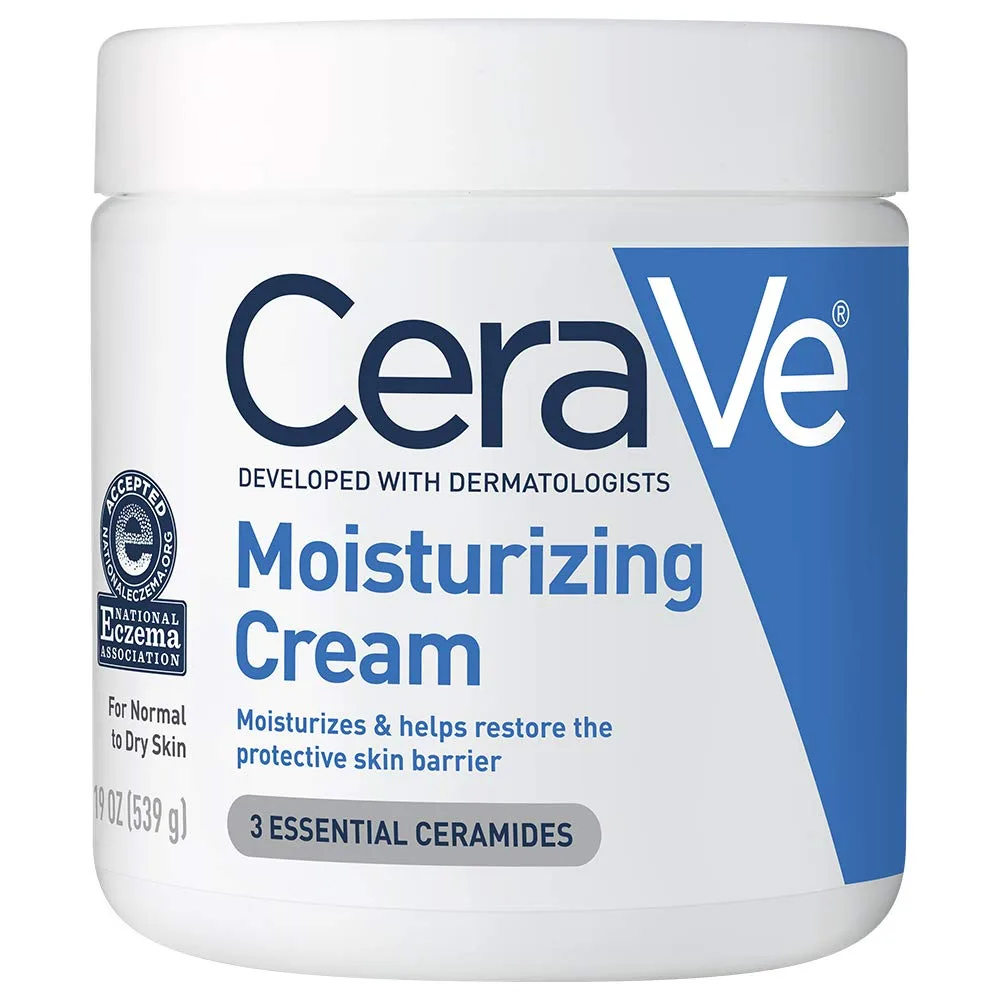
 Moisturizing Cream
The CeraVe Moisturizing Cream is the most important moisturizer in the drugstore — a ceramide-rich, dermatologist-developed formula that delivers barrier repair, multi-humectant hydration, and occlusive protection at a price so accessible it has no real excuse not to be in every household. Twenty-one years of consistent performance and universal dermatologist approval speak louder than any ingredient list.
 Barrier Repair Pioneer
 MLE Cream
Atopalm MLE Cream is one of the genuinely scientifically anchored barrier moisturizers in K-beauty — a fragrance-free, pseudo-ceramide cream built around a patented liquid-crystal lipid structure that mimics the skin's own intercellular matrix. For eczema, atopic skin, post-procedure recovery, or anyone with a stinging compromised barrier, it's one of the most reliably effective moisturizers in the entire category.
 K-Beauty Barrier Repair Staple
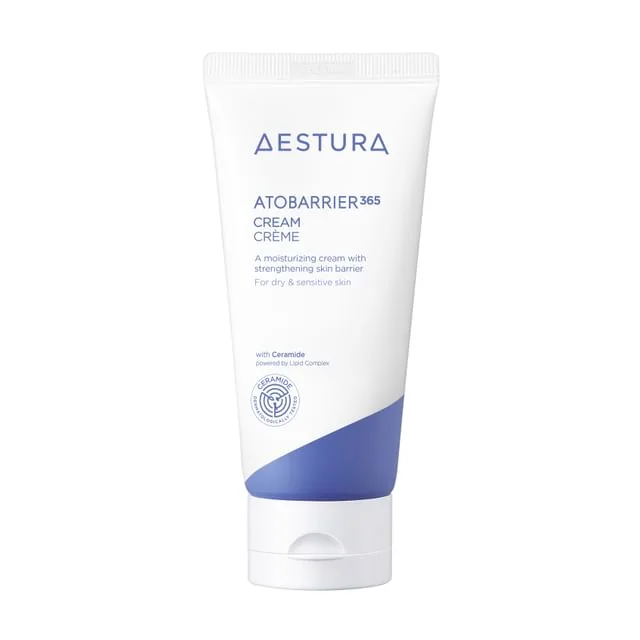
 Atobarrier 365 Cream
A Korean pharmacy cream that earns its cult following the hard way — with a lamellar lipid structure that actually rebuilds the barrier, not just coats it. If your skin has been through a rough winter, a retinoid ramp-up, or a bad reaction, this is the jar that quietly puts it back together.
 Korean Derm Clinic Recovery Pick
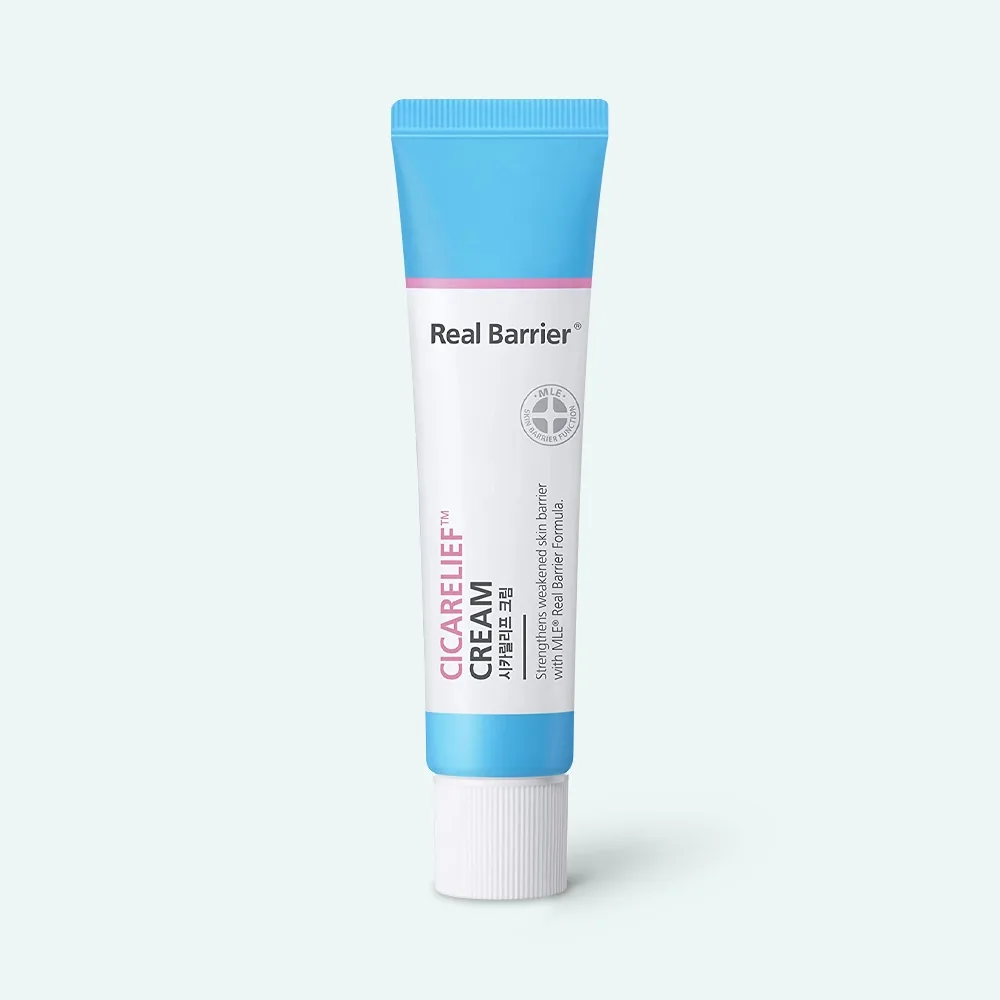
 Real Barrier Cicarelief Cream
One of the best consumer cica creams on the market, combining the full spectrum of centella actives with NeoPharm's MLE ceramide delivery and multiple complementary calming ingredients. Ideal for compromised, reactive, rosacea-prone, or recovering skin, and a staple in Korean dermatology clinic protocols. Minor limitations on packaging, but the formulation is genuinely excellent.
 Transparent 10% Panthenol Cream
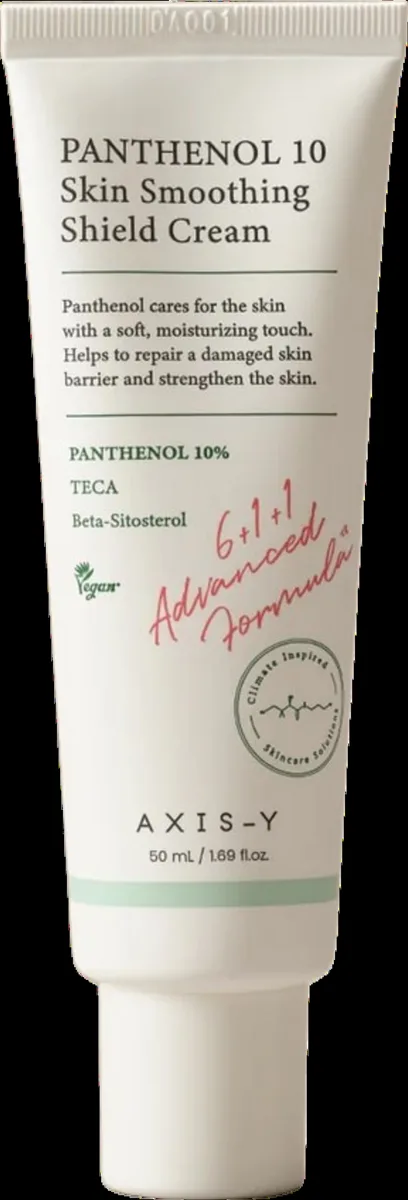
 Panthenol 10 Skin Smoothing Shield Cream
A disclosed 10% panthenol barrier cream built around a full physiological ceramide trio, a centella calming cast, and a modest shea butter occlusive. Fragrance-free, cross-season, and unusually transparent about its hero active — one of the brand's strongest moisturizer formulations.
 K-Beauty Icon
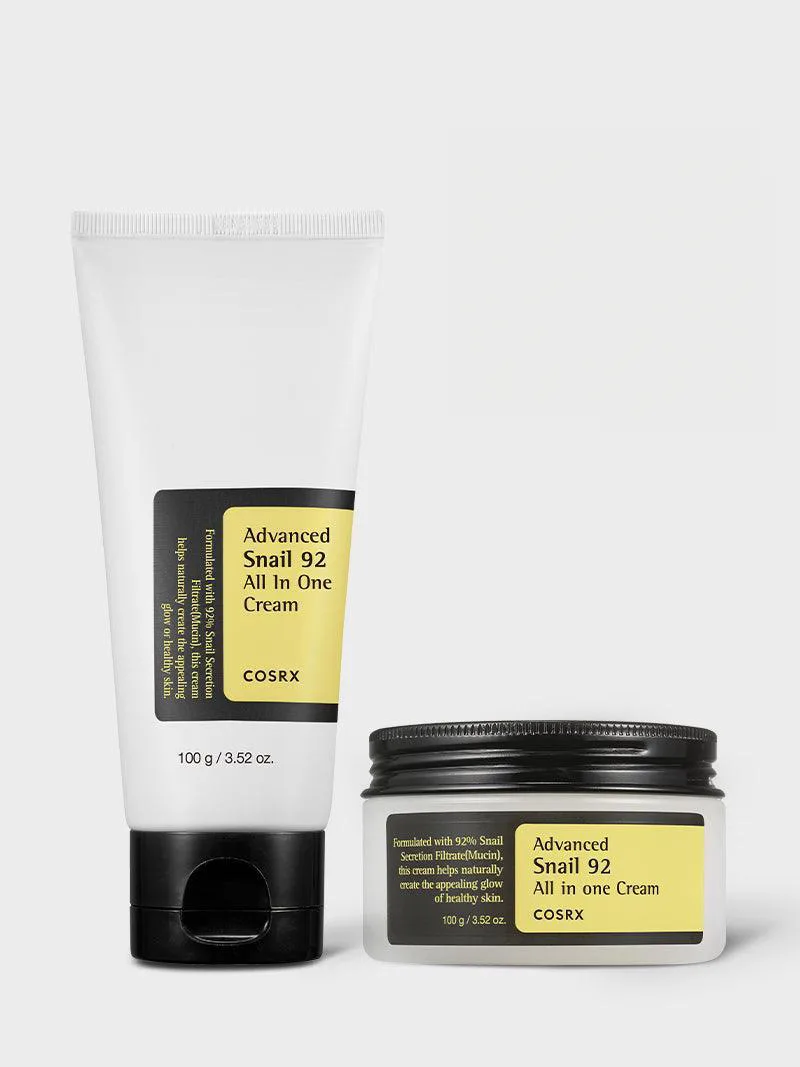
 Advanced Snail 92 All in One Cream
The cream that helped prove snail mucin to the world — and a decade later, it still deserves the reputation. At 92% snail secretion filtrate in a fragrance-free, gentle gel-cream, it delivers hydration, soothing, and gradual skin improvement across virtually every skin type. The texture takes getting used to, but 13 million sold units and 25,000+ reviews suggest most people manage.