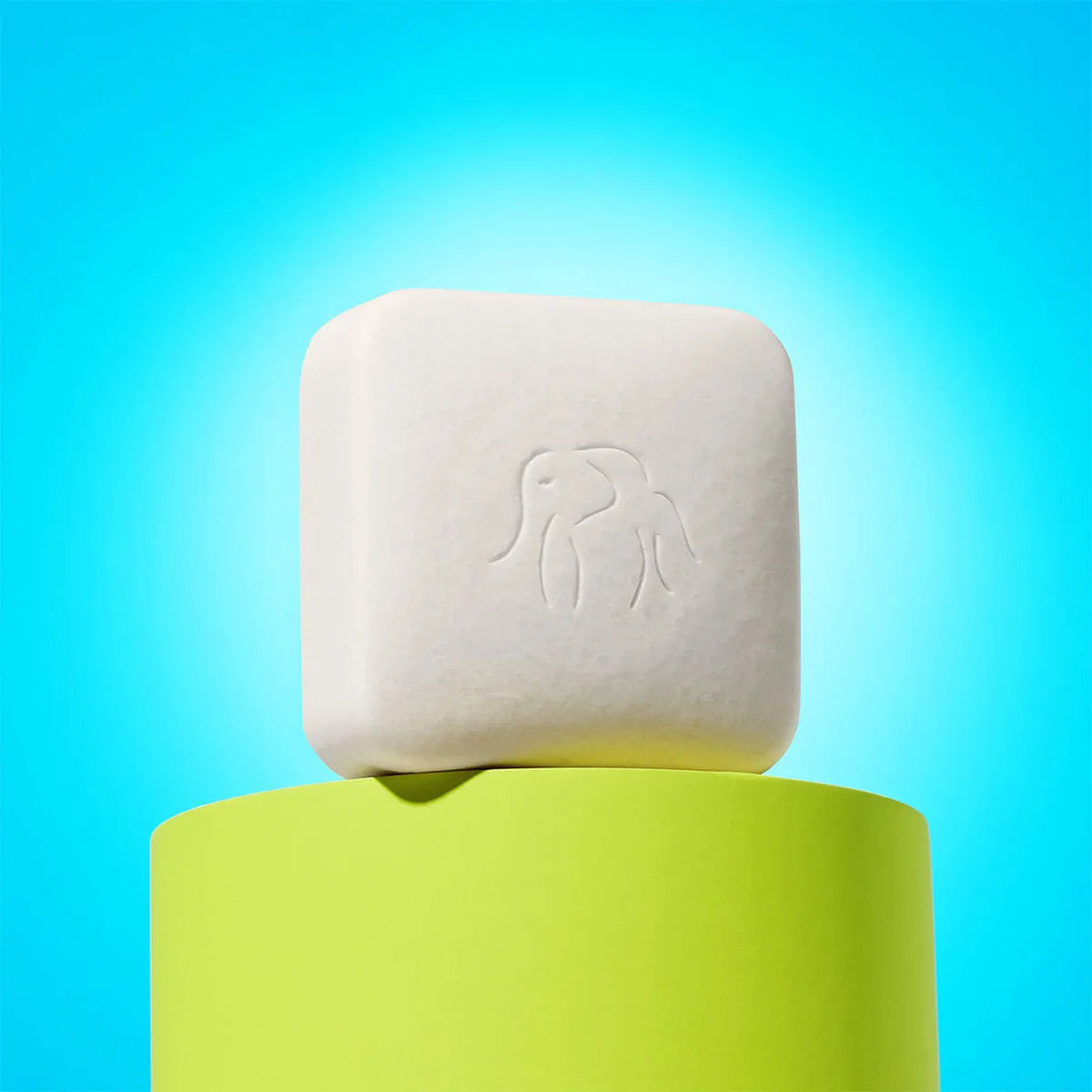
A simple, effective syndet bar that cleanses at a gentler pH than traditional soap, with marula oil and honey adding modest conditioning benefits. It's a perfectly fine face cleanser — but the $28 price tag asks you to pay a premium for an ingredient list that doesn't quite earn it.
Pekee Bar
A simple, effective syndet bar that cleanses at a gentler pH than traditional soap, with marula oil and honey adding modest conditioning benefits. It's a perfectly fine face cleanser — but the $28 price tag asks you to pay a premium for an ingredient list that doesn't quite earn it.
Score Breakdown
Where this product gains points and where it loses them — broken down across the four scoring pillars.
A simple, effective bar cleanser with marula oil and honey, but the sodium coco-sulfate surfactant, paraffin, and minimal ingredient list don't match the premium pricing. The formula is functional rather than innovative.
Pros & Cons
- ✓pH 6.5 is dramatically gentler than traditional soap bars at pH 9-10
- ✓Rich, creamy lather cleanses effectively without harsh foaming
- ✓Marula oil and honey provide conditioning and antimicrobial benefits
- ✓Fragrance-free with no essential oils or synthetic scent
- ✓TSA-friendly bar format with minimal preservative requirements
- ✓Rinses completely clean with no residue or film
- ✗Contains sodium coco-sulfate despite the brand's anti-sulfate positioning
- ✗At $28 for a simple 11-ingredient bar, the price-to-formulation ratio is steep
- ✗Can feel stripping for dry and very sensitive skin types
- ✗Paraffin inclusion sits awkwardly in a 'clean beauty' brand
- ✗Bar format requires a draining dish and raises hygiene concerns for some
- ✗Not effective at removing heavy or waterproof makeup without a first cleanse
Full Review
The Pekee Bar has been around since the beginning. It was one of six products that launched Drunk Elephant in 2013, back when Tiffany Masterson was a Houston stay-at-home mom with a blog and a conviction that certain ingredients were causing her skin problems. The bar was part of the original pitch: simple, clean, effective skincare without the 'Suspicious 6.' Over a decade later, it's still on shelves, still sparking the same debate it has from the start — can a cleansing bar really be worth $28?
The short answer is: it depends on what you're paying for. If you're paying for a syndet bar that cleanses effectively at pH 6.5 without the alkaline assault of traditional soap, yes, the Pekee Bar delivers. If you're paying for the innovative, ingredient-forward formulation that Drunk Elephant's other products — Beste No. 9, C-Firma Fresh, Lala Retro — have trained you to expect, the ingredient list might give you pause.
Let's address the elephant in the room. The first ingredient is sodium coco-sulfate. Drunk Elephant's entire brand identity is built around avoiding the 'Suspicious 6,' which includes SLS (sodium lauryl sulfate). The brand's position is that SCS is different from SLS — it's derived from whole coconut oil rather than a single fractionated fatty acid, and research suggests it's approximately 15% less irritating. This is technically accurate. But SCS is still a sulfate. It still has the capacity to strip epidermal lipids from the skin barrier. The distinction between 'sulfate-free' (which the brand implies) and 'SLS-free' (which is what they actually are) is precisely the kind of nuance that ingredient-conscious consumers — Drunk Elephant's core audience — tend to care about.
The supporting cast is modest. Disodium lauryl sulfosuccinate is a genuinely mild secondary surfactant. Wheat starch acts as a binder. Cetearyl alcohol and paraffin give the bar its structure. And then the three hero ingredients: marula oil, honey, and blueberry extract.
Marula oil, Drunk Elephant's signature, provides omega fatty acids and antioxidants that deposit a thin conditioning layer during the wash. In a rinse-off product with a 30-second contact time, the conditioning benefit is real but modest — you're getting a whisper of lipid replenishment rather than a meaningful dose. Honey contributes humectant and antimicrobial properties, drawing moisture to the skin while its natural antibacterial compounds provide a mild clarifying effect. Blueberry extract adds anthocyanin antioxidants. These are all fine ingredients doing reasonable things in a cleanser. They're not doing anything extraordinary.
The pH 6.5 formulation is the Pekee Bar's genuine selling point. Traditional soap bars run pH 9-10, which disrupts the skin's acid mantle (normally pH 4.5-5.5) and can take hours to recover. At pH 6.5, the Pekee Bar is significantly gentler — not quite matching the pH 5.5 of the Beste No. 9, but dramatically better than conventional soap. This means less barrier disruption, less transepidermal water loss, and less of the tight, squeaky feeling that makes people moisturize aggressively after washing.
The texture is genuinely pleasant. The pure white bar lathers into a rich, creamy foam that feels more luxurious than the ingredient list would suggest. It's not the voluminous, cloud-like lather of an SLS bar — the foam is denser, more cushioned, and rinses cleaner. Skin feels smooth and prepped afterward, without the residue that some cream cleansers leave behind.
For oily and combination skin types, the Pekee Bar performs well as a daily cleanser. It removes the day's oil and grime effectively, and the honey's mild antimicrobial action may benefit mild acne. For normal skin, it's a solid, uncomplicated option. For dry or sensitive skin, however, the sodium coco-sulfate can feel stripping despite the pH balance and conditioning ingredients. If you're dry, the Beste No. 9 Jelly Cleanser is the better Drunk Elephant option — four gentler surfactants, more glycerin, and a lower pH.
The bar format has both advantages and limitations. It's naturally preservative-minimal (the current formula appears to need no synthetic preservatives), TSA-friendly, and ecologically leaner than a plastic bottle of liquid cleanser. On the other hand, it requires proper storage to avoid becoming a mushy mess, it's less hygienic than a pump dispenser, and it can't remove heavy makeup without a first-cleanse step.
The paraffin inclusion is worth noting. It's a petroleum-derived wax used as a binder and emollient in the bar, and while it's cosmetically safe, it sits oddly in a brand that positions itself in the clean beauty space. It's not harmful. It's just inconsistent with the aesthetic.
At $28, the Pekee Bar is expensive for what it is. The ingredient list contains eleven ingredients, several of which (paraffin, titanium dioxide, wheat starch) are structural rather than beneficial. The active conditioning ingredients — marula oil, honey, blueberry extract, glycerin — are present but not in concentrations that justify a premium. A 4 oz bar lasts 6-8 weeks with face-only use, which works out to about $3.50-4.50 per week. That's not outrageous, but it's in the territory where you'd expect more from the formula.
The Pekee Bar is a product from Drunk Elephant's earliest days, and it shows. It's simple, functional, and genuinely better than a conventional soap bar. But it hasn't been reformulated or reimagined the way Lala Retro and C-Firma have, and its ingredient list doesn't reflect the formulation sophistication that Drunk Elephant's newer products deliver. It does what it does competently. It just doesn't do enough to justify the gap between its price and its ingredients.
Formula
Key Ingredients
The hero actives that drive this product's performance.
| Ingredient | Function | Evidence |
|---|---|---|
| Marula Oil (Sclerocarya Birrea Seed Oil) | Drunk Elephant's signature oil provides antioxidant protection and omega-6 and omega-9 fatty acids during the cleansing step. In this bar format, the marula oil deposits a thin conditioning layer as the surfactants lift impurities, helping to offset the lipid-stripping effect of the sodium coco-sulfate. | promising |
| Honey | Acts as a natural humectant and antimicrobial agent within the bar's matrix. Honey draws moisture to the skin during cleansing while its hydrogen peroxide and methylglyoxal content provide mild antibacterial action — useful for acne-prone skin without the harshness of chemical antibacterials. | well-established |
| Blueberry Fruit Extract (Vaccinium Angustifolium) | Delivers anthocyanin antioxidants that modulate NF-kB and Nrf2 pathways, providing brief anti-inflammatory and free radical protection during the wash step. While contact time is limited, the extract's soothing properties help counterbalance the surfactant system's potential for irritation. | promising |
| Glycerin | Functions as a humectant within the bar to prevent the extreme drying effect typical of bar cleansers. During the wash, glycerin attracts moisture to the skin surface, helping maintain hydration as the surfactants do their work. | well-established |
Full INCI List · pH 6.5
Sodium Coco-Sulfate, Disodium Lauryl Sulfosuccinate, Triticum Vulgare (Wheat) Starch, Cetearyl Alcohol, Paraffin, Sclerocarya Birrea Seed Oil, Water/Aqua/Eau, Titanium Dioxide (CI 77891), Honey/Mel/Miel, Glycerin, Vaccinium Angustifolium (Blueberry) Fruit Extract
Product Flags
✓ Fragrance Free✓ Alcohol Free✗ Oil Free✓ Silicone Free✓ Paraben Free✗ Sulfate Free✓ Cruelty Free✗ Vegan✗ Fungal Acne Safe
Potential Irritants
Sodium Coco-SulfateTriticum Vulgare (Wheat) Starch
Common Allergens
HoneyWheat Starch
Compatibility
Skin Match
Best For
Works For
Not Ideal For
Addresses These Conditions
Use With Caution
dryness eczema compromised skin barrier
Routine Step
cleanser
Time of Day
AM & PM
Pregnancy Safe
Yes ✓
Layering Tips
Use as your primary cleanser or as the second step in a double-cleanse routine. Lather between wet hands first, then apply the foam to the face — this gives more control than rubbing the bar directly on skin. Follow immediately with hydrating toner or serum while skin is still damp.
Results Timeline
Immediate clean, smooth feeling after first use. Within 1-2 weeks, oily skin may notice improved clarity and less congestion. The bar format means consistent surfactant delivery — results stabilize as skin adjusts to the gentle but effective cleansing.
Pairs Well With
hydrating tonersvitamin C serumsmoisturizers
Sample AM Routine
- Drunk Elephant Pekee Bar
- Vitamin C serum
- Moisturizer
- Sunscreen
Sample PM Routine
- Oil cleanser (first cleanse for makeup)
- Drunk Elephant Pekee Bar (second cleanse)
- Treatment serum
- Moisturizer
Evidence
Science & Expert Perspective
The Science
The Pekee Bar's primary surfactant, sodium coco-sulfate (SCS), occupies an interesting position in the surfactant safety literature. A 2019 study comparing SLS and SCS found that SCS has approximately 15% lower skin irritation potential than SLS, as measured by cytotoxicity and erythema induction. However, the same study noted that SCS has a stronger ability to interact with epidermal lipids — meaning it may compromise the barrier through a different mechanism than direct irritation. In a cleanser formulated at pH 6.5 with conditioning oils, this lipid interaction is partially mitigated, but it explains why some users experience dryness despite the relatively gentle pH.
The pH 6.5 formulation represents a significant improvement over traditional soap. Research has established that alkaline cleansers (pH 9-10) disrupt the skin's acid mantle, leading to increased transepidermal water loss, impaired antimicrobial defense, and altered enzymatic activity in the stratum corneum. While pH 6.5 is still above the skin's natural range (4.5-5.5), it causes substantially less barrier disruption than alkaline alternatives.
Honey's dermatological benefits are well-documented. Its wound-healing and antimicrobial properties have been studied extensively, with the mechanisms including osmotic dehydration of bacteria, hydrogen peroxide generation, and the presence of methylglyoxal. In a wash-off cleanser, the brief contact time limits therapeutic potential, but honey's humectant properties — it contains approximately 80% natural sugars that attract water — provide meaningful conditioning during the cleansing step.
Marula oil has been clinically evaluated for skincare applications. Komane et al. (Journal of Ethnopharmacology, 2015) confirmed its non-irritant profile and moisturizing properties, with oleic acid content of approximately 69% facilitating integration into the skin's lipid structure. In the Pekee Bar, marula oil provides a lipid counterbalance to the surfactant system, depositing a thin conditioning film during the rinse phase.
Blueberry extract's antioxidant activity is supported by research. A 2020 study in Oxidative Medicine and Cellular Longevity demonstrated that Vaccinium angustifolium extracts modulate NF-kB and Nrf2 pathways, reducing UV-induced inflammation and boosting endogenous antioxidant defenses. While the contact time in a cleanser is limited, anthocyanins can bind to skin proteins even during brief exposure.
References
- Safety and efficacy of Sclerocarya birrea (A.Rich.) Hochst (Marula) oil: A clinical perspective — Journal of Ethnopharmacology (2015)
Dermatologist Perspective
Dermatologists generally prefer liquid syndet cleansers over bar formats due to hygiene and pH concerns, but acknowledge that the Pekee Bar's pH 6.5 formulation is a significant improvement over conventional soap bars. Board-certified dermatologists note that for patients who prefer bar cleansers, a syndet bar at this pH range causes substantially less barrier disruption than traditional soap. The honey and marula oil provide modest conditioning benefits appropriate for a rinse-off product. Dermatologists caution, however, that the sodium coco-sulfate may still be too stripping for patients with eczema, rosacea, or severely compromised barriers, for whom a completely sulfate-free liquid cleanser would be preferable.
Guidance
Usage Guide
How to Use
Wet hands and the bar with lukewarm water. Lather the bar between your palms to build a creamy foam, then apply the lather to your face with your hands — avoid rubbing the bar directly on facial skin for more controlled application. Massage for 30 seconds, then rinse thoroughly. Pat dry. Always store the bar on an elevated, draining dish between uses to prevent it from becoming waterlogged. Can be used morning and evening.
Value Assessment
At $28 for 4 oz, the Pekee Bar is a premium cleansing bar. The ingredient list — eleven components including structural ingredients like paraffin and wheat starch — is simple compared to Drunk Elephant's more sophisticated formulations. A 4 oz bar lasts 6-8 weeks with face-only use, working out to roughly $3.50-4.50 per week. The value proposition rests primarily on the pH-balanced syndet format and the brand's ingredient exclusion philosophy. Consumers specifically seeking a fragrance-free, lower-pH bar cleanser with conditioning oils will find it serviceable. Those looking for Drunk Elephant's usual formulation depth will find the ingredient list underwhelming for the price.
Who Should Buy
Those with normal, combination, or oily skin who prefer bar cleansers and want a fragrance-free, lower-pH option that's gentler than traditional soap. Also a solid choice for travelers who want TSA-friendly face cleansing without liquid restrictions, and for minimalists who appreciate the simplicity of an eleven-ingredient formula.
Who Should Skip
Dry or eczema-prone skin types who need the gentlest possible surfactant system — Drunk Elephant's own Beste No. 9 Jelly Cleanser is significantly milder. Strict ingredient purists who take issue with sodium coco-sulfate being marketed as sulfate-free. Vegans, since the formula contains honey. Anyone who finds the $28 price point unjustifiable for an 11-ingredient bar cleanser.
Ready to try Drunk Elephant Pekee Bar?
Details
Details
Texture
Pure white solid bar that lathers into a rich, creamy foam when worked between wet hands. Not as voluminously foamy as SLS-based bars, but produces a satisfying, cushioned lather.
Scent
No added fragrance or essential oils. Has a very faint, barely perceptible natural scent from the honey and marula oil — essentially unscented in practice.
Packaging
Standard bar format in Drunk Elephant's signature colorful outer packaging. The bar itself is pure white. Sold without a dish — the brand recommends storing on an elevated, draining surface to prevent the bar from becoming waterlogged and soft.
Finish
non-greasyfast-absorbing
What to Expect on First Use
First use delivers a satisfying, creamy lather that rinses clean. The bar feels more luxurious than a typical soap but the cleansing experience is straightforward — no tingling, no notable sensory effects. Dry skin types may notice tightness after rinsing.
How Long It Lasts
6-8 weeks with twice-daily face-only use
Period After Opening
12 months
Best Season
All Year
Certifications
Leaping Bunny
Background
The Why
The Pekee Bar was part of Drunk Elephant's original six-product lineup when Tiffany Masterson launched the brand in 2013. Named with the brand's signature playful wordplay, it was designed as a clean-ingredient alternative to harsh facial bars and complicated multi-step cleansing routines. As one of the OG products, it represents the brand's earliest formulation philosophy — though the ingredient list reveals some ingredients (sodium coco-sulfate, paraffin) that sit awkwardly within the 'Suspicious 6'-free positioning the brand later adopted.
About Drunk Elephant Established Brand (5–20 years)
Drunk Elephant was founded by Tiffany Masterson in 2012, and the Pekee Bar was one of the original six products in the brand's debut lineup in 2013. Acquired by Shiseido for $845 million in 2019, the brand built its reputation around avoiding the 'Suspicious 6' ingredients, though the Pekee Bar's inclusion of sodium coco-sulfate has drawn scrutiny from ingredient purists.
Brand founded: 2012 · Product launched: 2013
Myth vs. Reality
Myths & Misconceptions
Myth
Bar cleansers are harsh and outdated compared to liquid cleansers.
Reality
The Pekee Bar is a syndet bar formulated at pH 6.5 — dramatically gentler than traditional soap (pH 9-10). Modern syndet bars can deliver effective cleansing with conditioning ingredients in a convenient, preservative-minimal format. The key is the surfactant system and pH, not the physical form.
Myth
Sodium coco-sulfate is completely different from sodium lauryl sulfate.
Reality
SCS is derived from whole coconut oil rather than a single fractionated fatty acid like SLS, and research shows it has approximately 15% lower irritation potential. However, it can still interact with and strip epidermal lipids. It is technically a sulfate, and its presence in a brand that markets itself as avoiding sulfates is a legitimate point of tension.
FAQ
Frequently Asked Questions
Is the Drunk Elephant Pekee Bar sulfate-free?
Not exactly. While Drunk Elephant claims it avoids sulfate surfactants, the Pekee Bar contains sodium coco-sulfate (SCS), which is technically a sulfate. SCS is derived from whole coconut oil and is approximately 15% gentler than SLS, but it's not sulfate-free in the strict chemical sense. This is a legitimate point of criticism.
Is the Pekee Bar good for acne?
It can be helpful for mild acne thanks to honey's antimicrobial properties and the clarifying surfactant system at pH 6.5. The bar effectively removes excess oil and impurities without heavily disrupting the acid mantle. However, for persistent or inflammatory acne, you'll need dedicated acne treatments — the Pekee Bar is a cleanser, not an acne treatment.
How should I store the Pekee Bar?
Always store on an elevated, draining dish or rack that allows air circulation around the bar. Never leave it sitting in a puddle of water or directly on the shower floor — it will become mushy and dissolve faster. A well-drained soap dish is essential for getting the full 6-8 weeks of use from each bar.
Can I use the Pekee Bar on my body?
Yes — the formula is gentle enough for full-body use, though the 4 oz bar will deplete much faster when used on a larger surface area. For body cleansing, Drunk Elephant's Kamili Cream Body Cleanser is specifically formulated for body skin and offers a more conditioning experience.
Is the Pekee Bar vegan?
No — the Pekee Bar contains honey, which is an animal byproduct. It also contains paraffin, which while not animal-derived, is a petroleum product that some consumers in the vegan/clean beauty space avoid. For a vegan alternative from Drunk Elephant, the Beste No. 9 Jelly Cleanser is both vegan and cruelty-free.
Community
Community Voices
Common Praise
"Rich, creamy lather feels luxurious during the wash"
"Skin feels clean and smooth without a filmy residue"
"Fragrance-free and gentle enough for daily use"
"pH 6.5 is significantly gentler than traditional soap bars"
"Convenient, travel-friendly bar format that's TSA-approved"
Common Complaints
"Can feel stripping or drying for dry and sensitive skin types"
"Expensive at $28 for a 4 oz cleansing bar"
"Bar format raises hygiene concerns for some users"
"Not effective at removing heavy or waterproof makeup alone"
"Contains sodium coco-sulfate despite brand's anti-sulfate positioning"
"Bar becomes mushy if not stored on a draining dish"
Appears In
best cleanser for oily skin best fragrance free cleanser best bar cleanser for face
Related Conditions
Related Ingredients
You Might Also Like
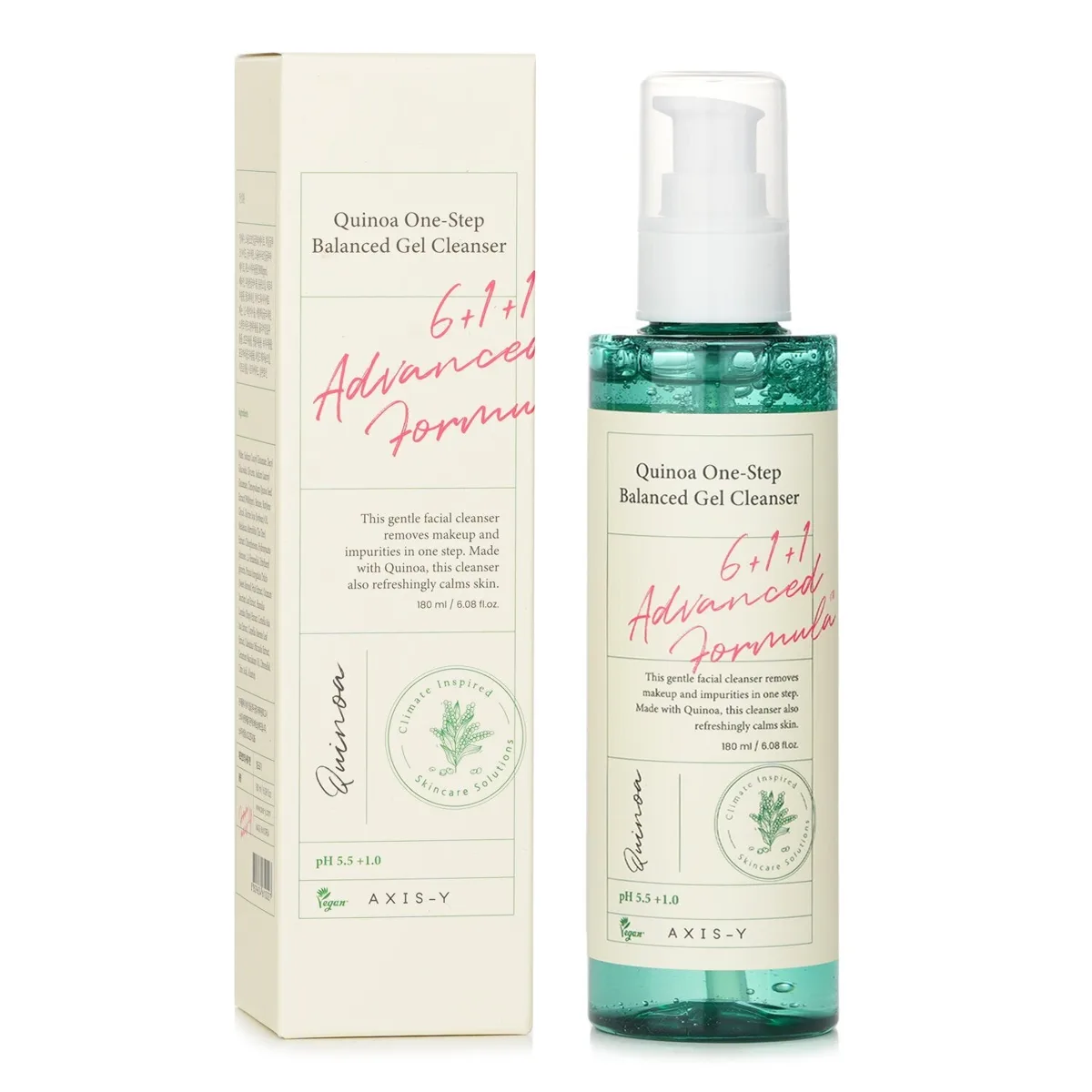 Quinoa-Led Gentle Daily Cleanser
 Quinoa One Step Balanced Gel Cleanser
A fragrance-free, sulfate-free gel cleanser built around quinoa seed extract and a gentle amphoteric-plus-nonionic surfactant pair. Non-stripping, broadly suitable, and priced reasonably — one of the safest recommendations in the daily gentle cleanser category.
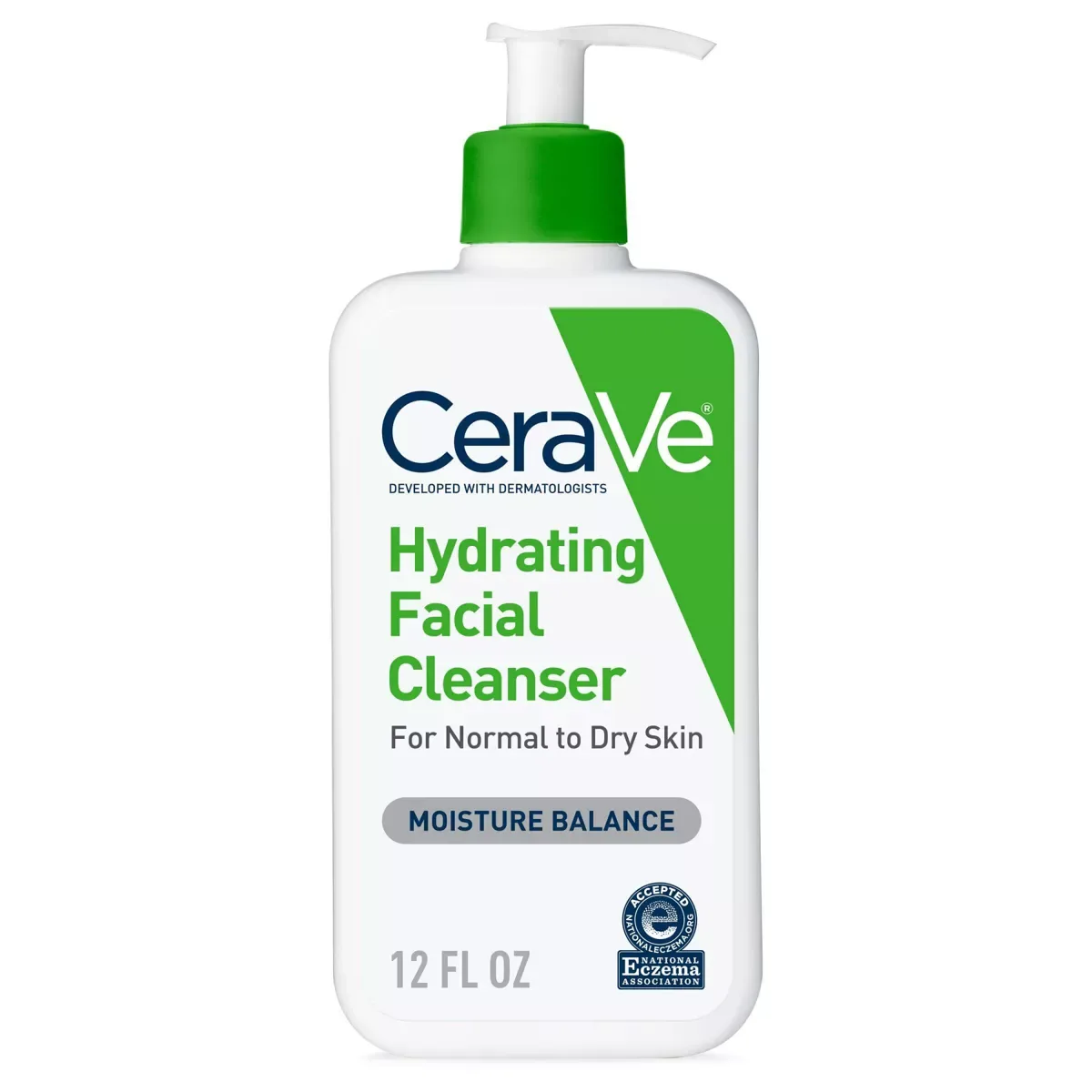 Sensitive Skin MVP
 Hydrating Facial Cleanser
The CeraVe Hydrating Facial Cleanser is the cleanser that taught a generation of dry-skin sufferers that washing your face does not have to mean punishing it. A lotion-textured, non-foaming formula that genuinely hydrates while it cleans, it remains the benchmark drugstore cleanser for anyone whose skin drinks moisture faster than most products can provide it.
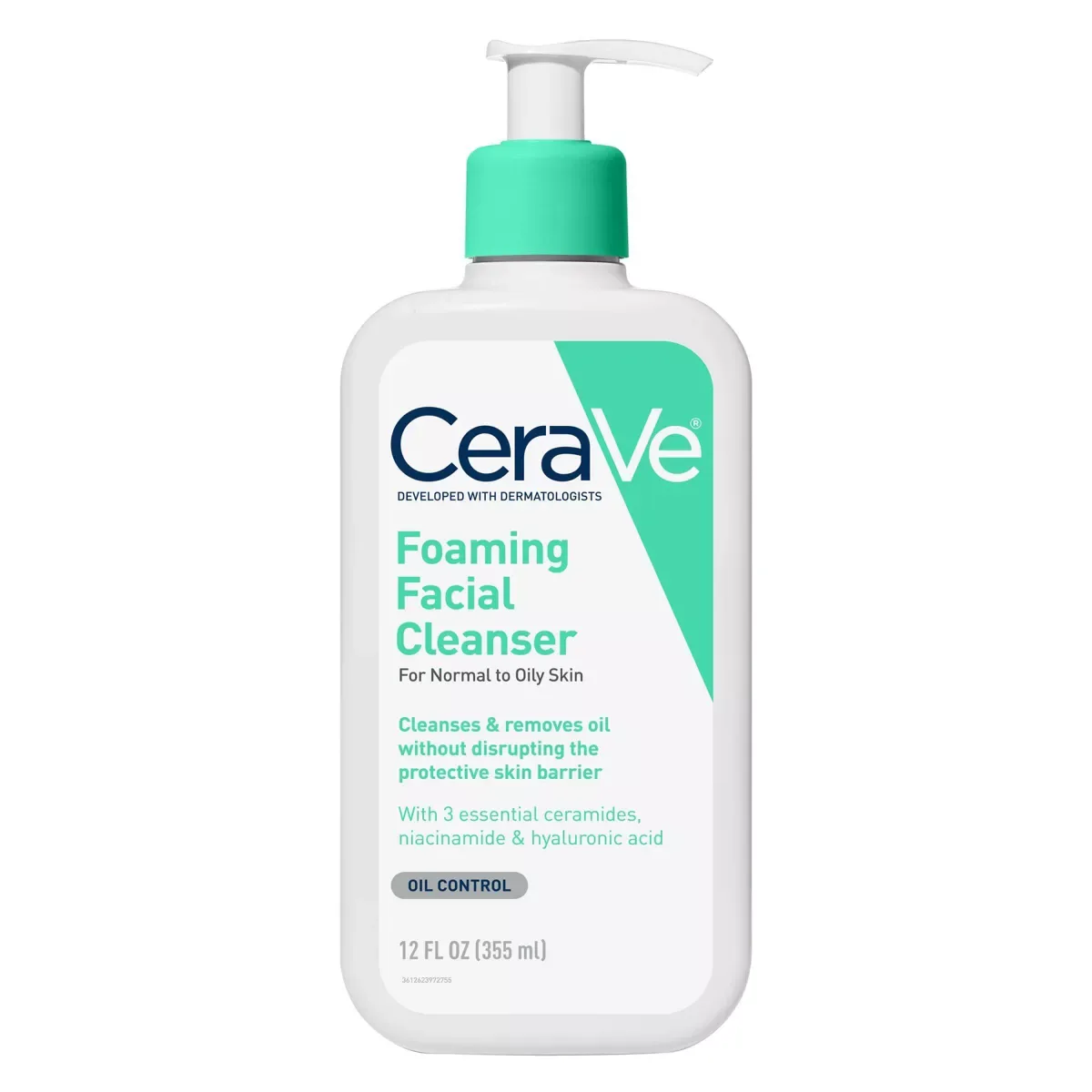 Derm Office Staple
 Foaming Facial Cleanser
The CeraVe Foaming Facial Cleanser is the rare drugstore cleanser that dermatologists actually use themselves — a genuinely gentle foaming wash that removes excess oil without triggering the rebound sebum production that plagues most lathering cleansers. At under sixteen dollars for a bottle that lasts months, it makes skipping it almost irrational.
 Cult-Status Makeup Eraser
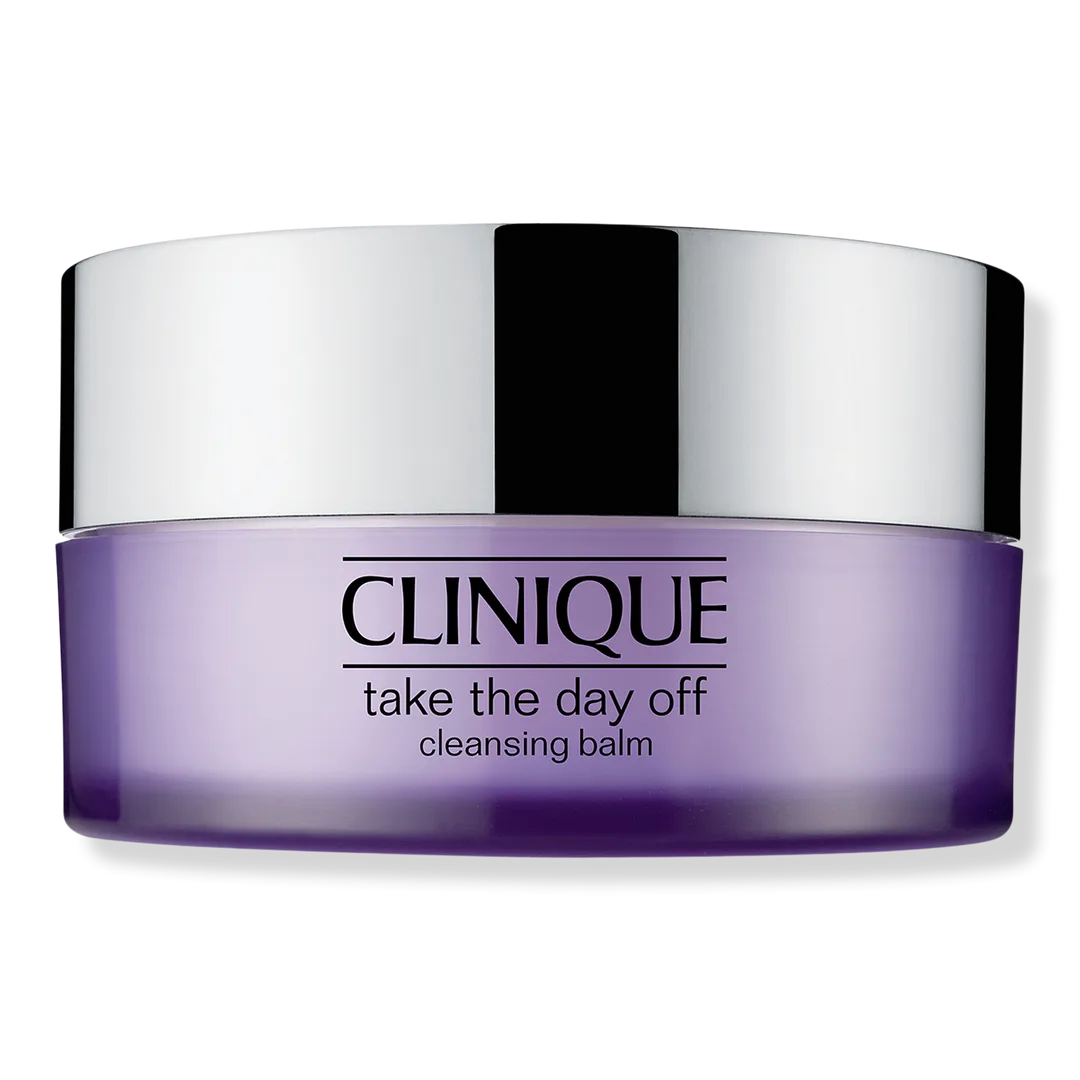
 Take the Day Off Cleansing Balm
The cleansing balm that earned its cult status through radical restraint — nine ingredients, zero fragrance, and the ability to dissolve anything from waterproof mascara to SPF 50 without disturbing even the most reactive skin. Not the most glamorous product in any routine, but possibly the most universally reliable.
 Japanese Drugstore Classic
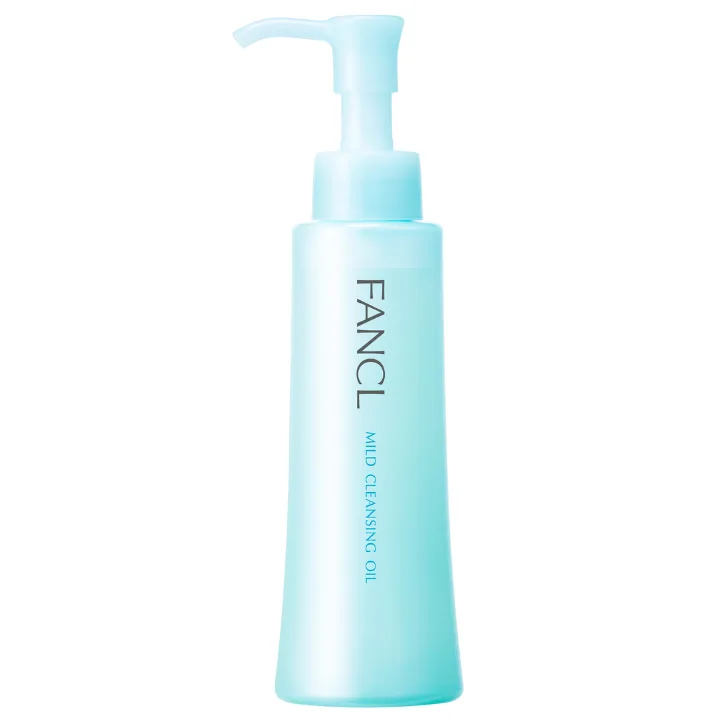
 Mild Cleansing Oil
A two-decade-old Japanese drugstore staple that still outperforms most modern cleansing oils on the single metric that matters: does it remove sunscreen cleanly without leaving a film. The fragrance-free, ester-based formula is gentle enough for reactive skin and thoughtfully augmented with vitamin C and plant oils. Quietly one of the best first-cleanse options on the market.
 The Original Micellar Water
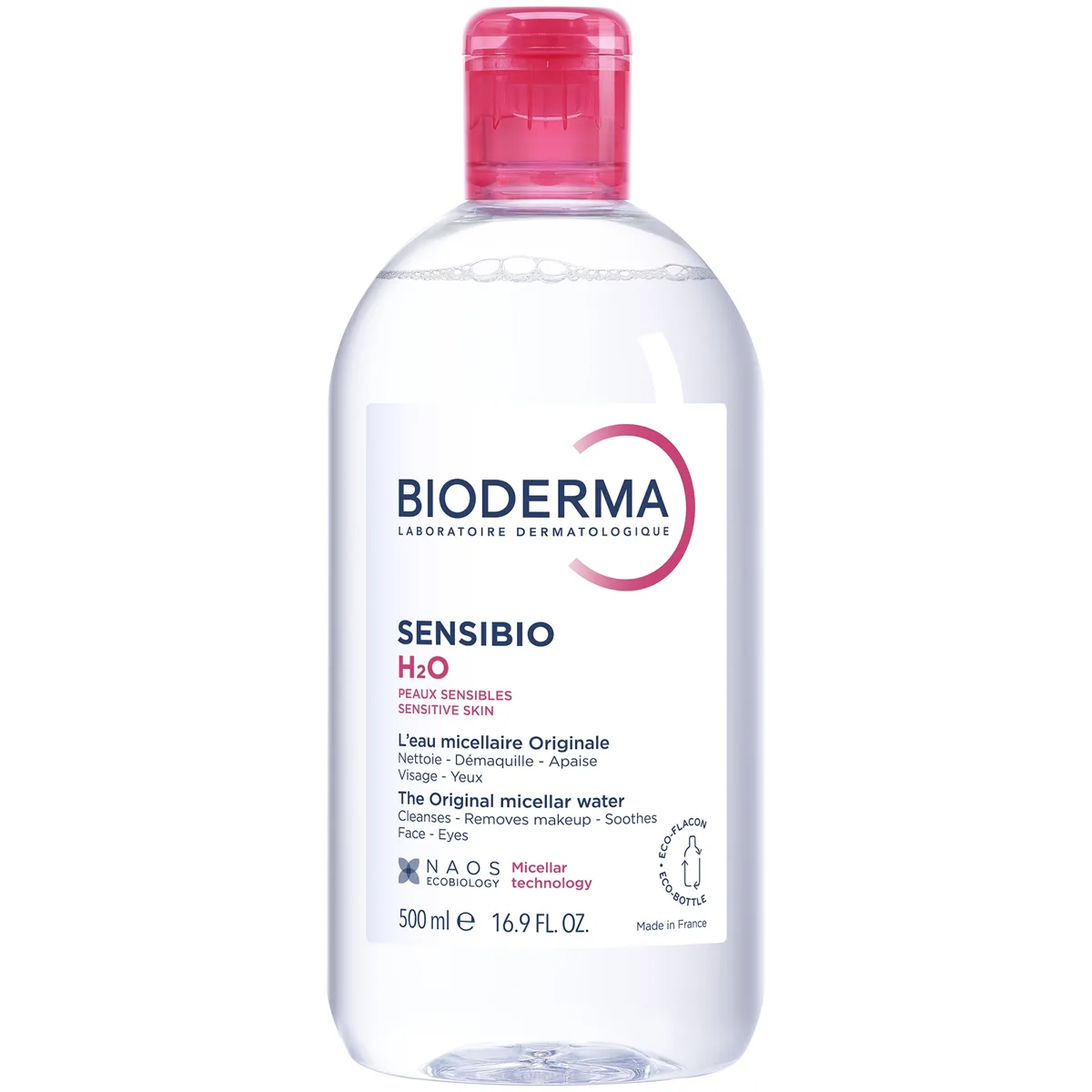
 Sensibio H2O Micellar Water
The product that launched an entire skincare category remains, three decades later, one of the gentlest and most effective no-rinse cleansers available. Bioderma Sensibio H2O earns its cult status through radical simplicity — 10 ingredients, zero fragrance, and a formula so mild it was originally dispensed by prescription.