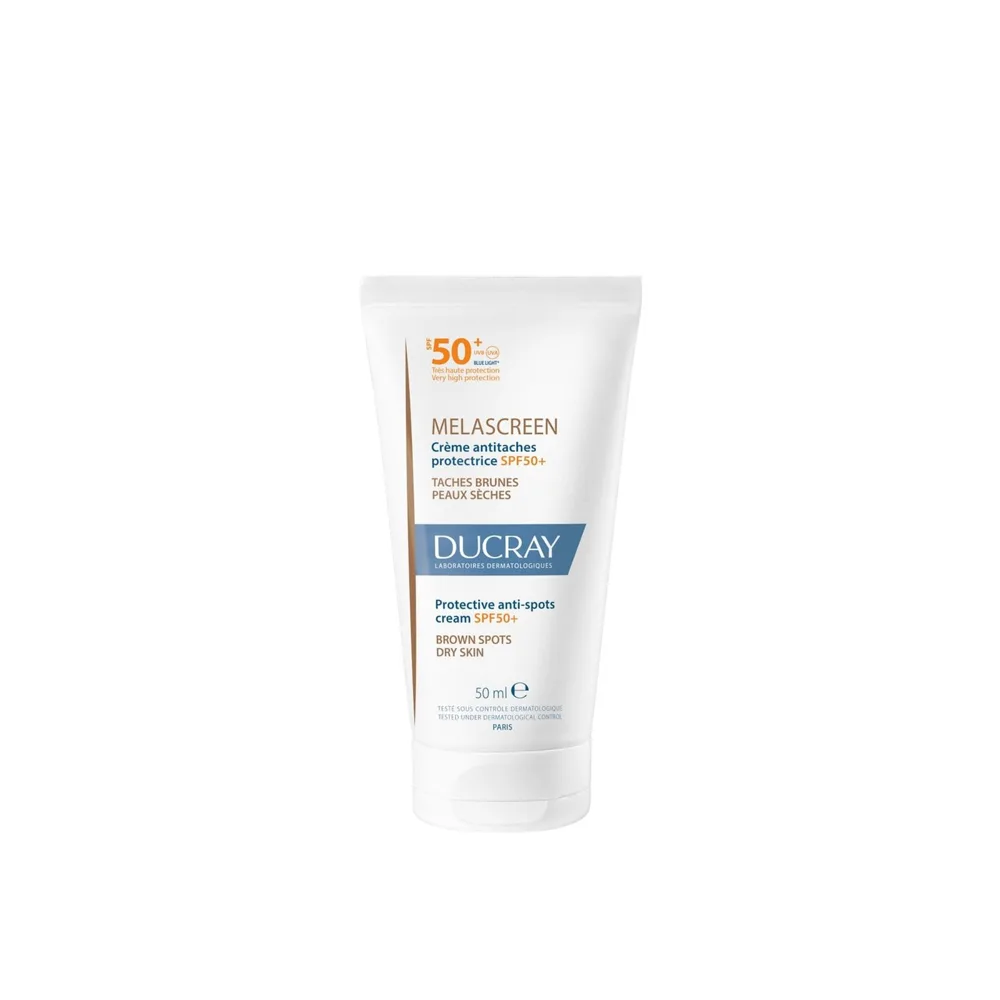
One of the most thoughtful melasma day creams on the European pharmacy market — four brightening mechanisms layered with broad-spectrum SPF 50+ in a single daily product. Specifically built for the patient population most prone to melasma treatment failure: people who skip either the active treatment step or the sunscreen step. Pregnancy-safe, well-tolerated, and clinically credible.
Melascreen Depigmenting Cream SPF 50+
One of the most thoughtful melasma day creams on the European pharmacy market — four brightening mechanisms layered with broad-spectrum SPF 50+ in a single daily product. Specifically built for the patient population most prone to melasma treatment failure: people who skip either the active treatment step or the sunscreen step. Pregnancy-safe, well-tolerated, and clinically credible.
Score Breakdown
A genuinely thoughtful pigmentation cream that combines four brightening mechanisms with high-protection sunscreen in a single daily product. Held back slightly by the small tube and the inclusion of glycolic acid, which can be too active for the most sensitive users.
Data Confidence: high
Melascreen has been on European pharmacy shelves since the early 2010s with the SPF 50+ Depigmenting variant available since 2014. Published Ducray clinical data and over a decade of dermatologist recommendations support the scoring.
0/100
Overall Score
Ingredient Quality 0
Value for Money 0
Suitability Breadth 0
Irritation Risk (↑ = safer) 0
Assessment
Pros
- Four brightening mechanisms work in parallel (dioic acid, niacinamide, resorcinol, glycolic acid)
- Broad-spectrum SPF 50+ with strong Tinosorb-based UVA coverage
- Pregnancy-safe — appropriate for hormonal melasma during pregnancy
- Single-product approach addresses the most common adherence failure in melasma treatment
- Light non-greasy texture that layers under makeup
- Published Ducray clinical data and a decade of European pharmacy track record
Cons
- Small 30 ml tube makes per-ounce price relatively high
- Glycolic acid too active for the most sensitive or barrier-compromised users
- Slight whitecast possible on the deepest skin tones
- Requires reapplication every 2 hours for sustained outdoor sun protection
- Octocrylene filter is a potential allergen for a small subset of users
Full Review
Ask any dermatologist what the single biggest cause of melasma treatment failure is, and they won't give you a complicated answer about hormones or genetics. They'll tell you it's the patient skipping either the brightening treatment or the sunscreen, or both. Melasma is a uniquely punishing condition because the relationship between pigment and UV exposure is so direct: even small amounts of unprotected sun exposure will rapidly reactivate the melanocytes and undo weeks of treatment progress. The clinical literature on melasma is full of trials showing that patients who consistently apply both their depigmenting treatment AND broad-spectrum SPF every single morning, reapplying as needed, will see meaningful improvement. The same trials also show that the average patient does this for about three weeks before adherence collapses. The treatments work. The patients can't sustain the protocol.
Ductray's Melascreen Depigmenting Cream is built around a specific solution to that adherence problem: combine the depigmenting treatment AND the high-protection sunscreen into a single product that takes one step to apply. It eliminates the most common point of failure — the patient who applies their brightening cream and then forgets the sunscreen, or the patient who applies sunscreen but skips the brightening cream because they're in a rush. Whether that consolidation is worth the trade-offs depends entirely on whether you'd otherwise be one of those patients, but for the population most prone to melasma treatment failure, it's a genuinely thoughtful piece of formulation design.
The brightening side of the formula is built around four mechanisms operating in parallel. Octadecenedioic acid (dioic acid) is a saturated fatty diacid with research showing it inhibits PPAR-gamma and reduces tyrosinase expression — the rate-limiting enzyme of melanin synthesis — over 8-12 weeks of consistent use. Niacinamide adds a different mechanism: it inhibits the transfer of finished melanosomes from melanocytes to surrounding keratinocytes, reducing the visible expression of pigment without bleaching the underlying cells. Phenylethyl resorcinol (Symwhite 377) is a potent tyrosinase inhibitor with research suggesting it's significantly more effective than kojic acid in lab studies. And glycolic acid at a low daytime-appropriate concentration accelerates surface turnover of pigmented cells, helping the skin shed existing dark patches faster while the deeper-acting actives prevent new pigment from forming. Each of these mechanisms targets a different point in the melanin pathway, so they compound rather than overlap.
The sunscreen side is a five-filter system using octocrylene, ethylhexyl salicylate, Tinosorb S (Bis-Ethylhexyloxyphenol Methoxyphenyl Triazine), Tinosorb M (Methylene Bis-Benzotriazolyl Tetramethylbutylphenol), and Uvinul A Plus (Diethylamino Hydroxybenzoyl Hexyl Benzoate). This is a serious modern photoprotection cocktail with strong UVA coverage from the Tinosorbs and Uvinul, which matters specifically for melasma because UVA wavelengths are the primary trigger for pigment reactivation. The SPF 50+ rating combined with Tinosorb-driven UVA protection is roughly the gold standard for melasma sun care, and matches what European dermatologists typically recommend.
In hand, the cream is light and smooth — surprising for a high-SPF product layered with active treatments — with a satin finish that absorbs in about a minute and layers cleanly under makeup. There's minimal white cast on most skin tones; a small number of users with very deep skin tones report a slight initial whitecast that fades within a few minutes. The formula is fragrance-free and pH-balanced, with the glycolic acid producing only a mild tingle in the first few applications before the skin acclimates.
Results follow the typical melasma treatment timeline. Most users see early improvement around the four-to-six-week mark — modest but visible reduction in surface pigment density. Meaningful improvement in established melasma and post-inflammatory hyperpigmentation accumulates over eight to twelve weeks. Full effect requires twelve to sixteen weeks combined with strict daily SPF reapplication. This is consistent with what the dermatology literature predicts for any well-formulated combination depigmenting treatment, and Ductray's published clinical data on the Melascreen line tracks the same curve.
The limitations are real but manageable. The 30 ml tube is small, which at $38 puts the per-ounce price in the high end of the mid-market. There's no larger size available. The glycolic acid is too active for the most sensitive users — patients with diagnosed rosacea or compromised barriers should consider the gentler Melascreen UV Light Cream instead, which provides similar sun protection without the AHA. The chemical filter system, while photostable, includes octocrylene, which is a known potential allergen for a small subset of users. And like any high-SPF treatment cream, it requires reapplication every two hours during sun exposure to maintain protection — single morning application is not enough for outdoor activities, regardless of the active ingredients in the formula.
The broader credibility argument is the strongest part of the case for this cream. Pierre Fabre has been making dermatology products since the 1960s and Ducray itself dates to 1930, with the Melascreen line as one of its longer-standing and better-researched product platforms. Published clinical data on the active combinations is on file with European regulators, and the line has been recommended in French dermatology pigmentation protocols for over a decade. You're not buying an experimental formula — you're buying into a long-running, refined approach to a notoriously difficult skin condition.
For patients with mild-to-moderate melasma who need a daily product they'll actually apply, for pregnant or breastfeeding patients dealing with hormonal melasma who can't use prescription options, and for anyone whose treatment has stalled because they keep skipping the sunscreen step, this is one of the better pharmacy-grade options on the market. It's not magic, and it's not a replacement for dermatologist-managed care in severe cases, but it's a credible, clinically-grounded foundation for a daily melasma routine.
Formula
Ingredients
The hero actives that drive this product's performance.
| Ingredient | Function | Evidence |
|---|---|---|
| Octadecenedioic Acid (Dioic Acid) | A patented saturated fatty diacid that inhibits PPAR-gamma and reduces tyrosinase expression, producing measurable improvement in hyperpigmentation over 8-12 weeks. In this formula, it works alongside the niacinamide and phenylethyl resorcinol to attack pigment formation through multiple mechanisms simultaneously, while the high-protection sunscreen filters prevent new sun-induced pigment from forming on top. | promising |
| Niacinamide | Inhibits the transfer of melanosomes from melanocytes to keratinocytes, reducing the visible expression of pigment without bleaching the underlying melanocytes. In this Melascreen formulation it provides a daily, well-tolerated brightening pathway that complements the more targeted dioic acid and resorcinol actives. | well-established |
| Phenylethyl Resorcinol (Symwhite 377) | A potent tyrosinase inhibitor with research suggesting it's significantly more effective than kojic acid or hydroquinone equivalents at inhibiting the rate-limiting enzyme of melanin synthesis. Its inclusion here is what gives the formula real depigmenting power beyond the niacinamide-only brightening creams in the same price range. | promising |
| Glycolic Acid | At a low daytime-appropriate concentration, glycolic acid accelerates the turnover of pigmented surface cells, helping the skin shed existing dark spots faster while the deeper-acting tyrosinase inhibitors prevent new pigment from forming. The pairing of mild AHA exfoliation with high-protection sunscreen is unusual and clinically important — most AHA products demand evening-only use. | well-established |
| Broad-Spectrum SPF 50+ Filter System | Combines five complementary photostable filters (octocrylene, ethylhexyl salicylate, Tinosorb S, Tinosorb M, and Uvinul A Plus) for high UVA and UVB protection. This isn't an afterthought — for a depigmenting cream, the sunscreen is doing equal work to the brightening actives, since unprotected sun exposure rapidly undoes any pigment correction. | well-established |
Full INCI List · pH 5
Aqua, Octocrylene, Diethylhexyl Butamido Triazone, Glycerin, Diethylamino Hydroxybenzoyl Hexyl Benzoate, Bis-Ethylhexyloxyphenol Methoxyphenyl Triazine, Caprylic/Capric Triglyceride, Niacinamide, Cetearyl Alcohol, Dimethicone, Ethylhexyl Salicylate, Methylene Bis-Benzotriazolyl Tetramethylbutylphenol, Octadecenedioic Acid, Glycolic Acid, Phenylethyl Resorcinol, Glyceryl Stearate, PEG-100 Stearate, Tocopherol, Sodium Hydroxide, Carbomer, Caprylyl Glycol, Phenoxyethanol, Disodium EDTA
Product Flags
✓ Fragrance Free✓ Alcohol Free✗ Oil Free✗ Silicone Free✓ Paraben Free✓ Sulfate Free✗ Cruelty Free✓ Vegan✗ Fungal Acne Safe
Potential Irritants
glycolic-acidphenoxyethanoloctocrylene
Common Allergens
cetearyl-alcohol
Compatibility
Skin Match
Best For
Works For
Not Ideal For
Addresses These Conditions
hyperpigmentation melasma dark spots sun damage dullness
Use With Caution
sensitivity compromised skin barrier
Routine Step
treatment
Time of Day
AM
Pregnancy Safe
Yes ✓
Layering Tips
Apply as the morning treatment-and-sunscreen-in-one step. Reapply every 2 hours with sun exposure for sustained UV protection.
Results Timeline
Visible reduction in surface pigmentation within 4-6 weeks of consistent daily use. Meaningful improvement in melasma and post-inflammatory hyperpigmentation over 8-12 weeks. Full effect requires 12-16 weeks combined with strict daily SPF 50+ application.
Pairs Well With
vitamin-cniacinamidetranexamic-acidazelaic-acid
Conflicts With
evening retinoids in the same routine
Sample AM Routine
- Gentle cleanser
- Vitamin C serum (optional)
- Ducray Melascreen Depigmenting Cream SPF 50+
- Lip and eye SPF
Sample PM Routine
- Gentle cleanser
- Tranexamic acid or retinoid serum
- Moisturizer
Evidence
Science
The Science
The depigmenting side of this cream draws on multiple distinct evidence bases. Octadecenedioic acid (dioic acid) has published clinical research, including work in the British Journal of Dermatology, demonstrating that topical application reduces hyperpigmentation through PPAR-gamma modulation and tyrosinase inhibition over 8-12 week treatment windows, with efficacy comparable to hydroquinone in some comparative studies and a substantially better tolerability profile.
The niacinamide brightening evidence base is well-established. Published work has consistently shown that topical niacinamide reduces visible hyperpigmentation by inhibiting melanosome transfer from melanocytes to keratinocytes — a mechanism distinct from tyrosinase inhibition, which is why niacinamide combines productively with other brightening actives rather than producing redundant effects.
Phenylethyl resorcinol has more recent but interesting data. Published in vitro and clinical studies have characterized it as one of the more potent tyrosinase inhibitors in topical formulation, with research suggesting significantly greater inhibitory effect than kojic acid or hydroquinone equivalents at comparable concentrations. Its inclusion alongside dioic acid means the formula is hitting tyrosinase from multiple angles.
The sunscreen filter system represents modern broad-spectrum photoprotection. The combination of Tinosorb S, Tinosorb M, and Uvinul A Plus provides the strong UVA coverage that's specifically critical for melasma management, since UVA wavelengths trigger pigment reactivation more effectively than UVB. Published photostability data on these filters confirms they maintain their protective effect throughout typical wear periods, which matters for a treatment cream that needs to deliver actives and sun protection simultaneously.
The strategic point of combining these ingredients is that melasma is a condition where any single intervention is rarely enough. Multi-mechanism treatment combined with aggressive sun protection is the dermatology-standard approach, and this cream operationalizes it in a single daily product.
Dermatologist Perspective
Dermatologists treating melasma uniformly emphasize two non-negotiables: consistent daily depigmenting treatment and aggressive broad-spectrum sun protection. Board-certified dermatologists familiar with the Melascreen line frequently recommend the Depigmenting Cream as the daily morning product for patients with mild-to-moderate melasma, particularly for patients who've struggled with the adherence demands of multi-product regimens. It's also commonly recommended for pregnant and breastfeeding patients dealing with hormonal melasma, since the active ingredients are pregnancy-safe alternatives to prescription options like hydroquinone that aren't appropriate during pregnancy. Dermatologists typically note that for severe or recalcitrant melasma, this cream is best used as one component of a broader treatment plan that may include prescription tranexamic acid, evening retinoids, or in-office procedures.
Guidance
Usage Guide
How to Use
Apply a generous layer to the entire face and neck every morning as the final step of your AM routine — this product replaces both your morning treatment and your sunscreen step. Reapply every 2 hours during direct sun exposure to maintain UV protection. Pair with vitamin C serum applied first if desired. In the evening routine, follow with a separate brightening or retinoid treatment (tranexamic acid, retinaldehyde, or prescription tretinoin) for around-the-clock pigment management. Continue daily use for at least 12-16 weeks before evaluating full results.
Value Assessment
At around $38 for 30 ml, this sits at the higher end of mid-market pharmacy pricing. The per-ounce cost is meaningful for a daily-use product, but the consolidation argument has real value: replacing a separate brightening cream and a separate high-SPF sunscreen with one product saves money for patients who'd otherwise need both. For patients who would otherwise be using a $30 brightening cream plus a $25 SPF 50+ sunscreen, this cream is a slight net savings. For patients who'd otherwise just use a basic moisturizer, it's a meaningful upgrade in cost and effort.
Who Should Buy
Patients with mild-to-moderate melasma who need a single-product daily approach, pregnant and breastfeeding users dealing with hormonal melasma, anyone with sun-induced hyperpigmentation looking for both treatment and protection in one step, and patients who've previously failed melasma treatments due to adherence issues with multi-product regimens.
Who Should Skip
People with severe or recalcitrant melasma requiring prescription treatment, patients with diagnosed rosacea or significantly compromised barriers (the glycolic acid may be too active), users with octocrylene allergies, and anyone needing a fragrance-free mineral-only sunscreen alternative.
Ready to try Ducray Melascreen Depigmenting Cream SPF 50+?
Details
Details
Texture
Light, smooth white cream that absorbs in about 60 seconds with a satin finish
Scent
None
Packaging
White squeeze tube with flip cap, 30 ml
Finish
satinlightweight
What to Expect on First Use
Expect a slight tingle on application from the glycolic acid in the first few uses, which usually resolves within a week. No stinging on intact skin. Visible pigment improvement begins around the 4-week mark with strict daily use and consistent SPF reapplication.
How Long It Lasts
2-3 months with daily morning application
Period After Opening
6 months
Best Season
All Year
Background
The Why
Ducray developed the Melascreen Depigmenting Cream variant in 2014 in response to a long-standing clinical observation: melasma patients are notoriously poor at applying both their depigmenting treatment AND adequate daily sunscreen, and the result is that many treatments fail because the sun keeps reactivating pigment faster than the treatment can fade it. The single-product approach was Pierre Fabre's solution — eliminate the second step that patients were skipping.
About Ducray Legacy Brand (20+ years)
Ducray, founded in 1930 and part of Pierre Fabre, has nearly a century of pharmacy-grade dermatology research behind it. The Melascreen line is its long-running pigmentation platform with published clinical data on the active combinations and broad European pharmacy distribution under dermatologist recommendation.
Brand founded: 1930 · Product launched: 2014
Myth vs. Reality
Myths
Myth
Glycolic acid in a daytime sunscreen makes your skin more sun-sensitive and is dangerous.
Reality
At the low concentration used in this formula, glycolic acid produces gentle surface turnover without significant photosensitization. The concern about AHAs and sun applies primarily to high-concentration evening peels, and is fully mitigated here by the SPF 50+ protection built into the same product.
FAQ
FAQ
How is Melascreen Depigmenting Cream different from Melascreen Eclat or UV Light Cream?
The Depigmenting Cream contains active brightening ingredients (dioic acid, phenylethyl resorcinol, glycolic acid) alongside SPF 50+ protection — it's the corrective product. The UV Light Cream is a lighter, primarily protective sunscreen designed for melasma maintenance. Melascreen Eclat is a serum used for more targeted nighttime treatment.
Can I use Melascreen Depigmenting Cream during pregnancy?
Yes. The active ingredients (dioic acid, niacinamide, phenylethyl resorcinol, glycolic acid at low concentrations) are all considered pregnancy-safe under standard OB/GYN guidelines, and the sunscreen filters are well-tolerated. This makes it one of the few effective melasma treatments appropriate during pregnancy, when hormonal melasma is most likely to develop.
How long until I see results from Melascreen Depigmenting Cream?
Visible reduction in surface pigmentation typically begins around 4-6 weeks of consistent daily use, with meaningful improvement in melasma and post-inflammatory hyperpigmentation over 8-12 weeks. Full effect requires 12-16 weeks combined with strict daily SPF reapplication every 2 hours during sun exposure.
Can I use this cream with vitamin C or tranexamic acid?
Yes — applying a vitamin C serum first in the morning and then layering this cream on top is a common and effective strategy. Tranexamic acid serum is best used in the evening routine to complement the daytime work this cream does, giving the skin around-the-clock pigment management.
Does this sunscreen leave a white cast on darker skin tones?
The filter system is mostly chemical (organic) rather than mineral, so there's minimal white cast on most skin tones. Some users with very deep skin tones report a slight initial whitecast that absorbs within a few minutes, but it's not typically a dealbreaker.
Is Melascreen Depigmenting Cream enough on its own for severe melasma?
For severe or recalcitrant melasma, this cream is best used as one component of a multi-product approach that may include prescription tranexamic acid (oral or topical), a nighttime retinoid, and dermatologist-prescribed treatments. For mild-to-moderate melasma, consistent daily use of this cream alone produces meaningful improvement.
Community
Community
Common Praise
"visible fading of melasma over months"
"high SPF protection in same product"
"layers under makeup well"
"pleasant non-greasy texture for a sunscreen"
Common Complaints
"small 30 ml tube for the price"
"slight whitecast on deeper skin tones"
"glycolic acid too active for some sensitive users"
"needs reapplication for sustained sun protection"
Notable Endorsements
French pharmacy melasma protocol staplerecommended in European pigmentation guidelines
Appears In
best melasma creams with spf best depigmenting creams best french pharmacy pigmentation products best ducray products best pregnancy safe melasma treatments
Related Conditions
hyperpigmentation melasma dark spots sun damage dullness
Related Ingredients
dioic acid niacinamide phenylethyl resorcinol glycolic acid octocrylene
You Might Also Like
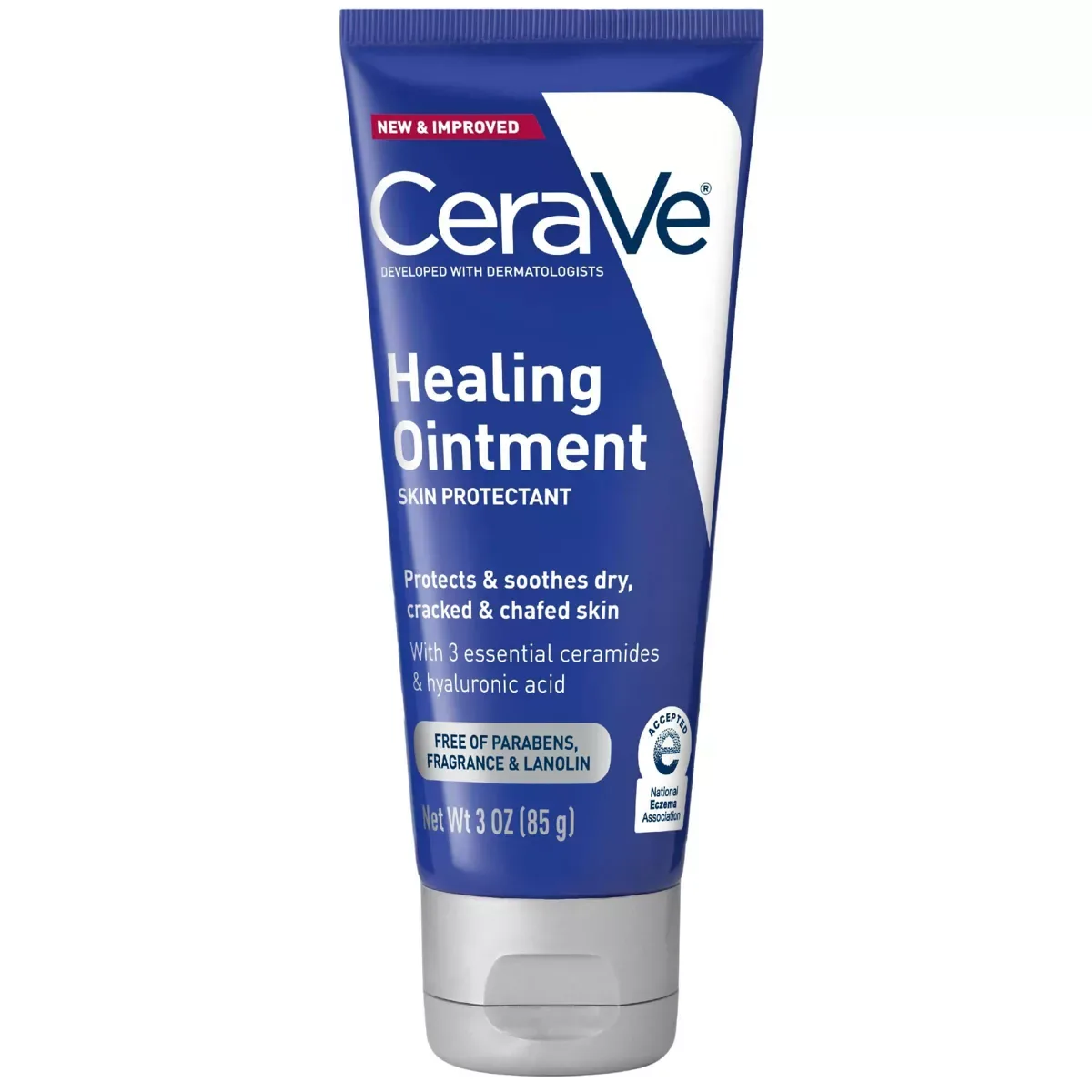 Barrier Rescue Hero
 Healing Ointment
CeraVe's Healing Ointment takes the simplest concept in skincare — seal the skin with petrolatum — and makes it genuinely intelligent by adding ceramides, hyaluronic acid, and panthenol beneath the occlusive layer. It is the gold standard drugstore occlusive for barrier rescue, slugging, and post-procedure care.
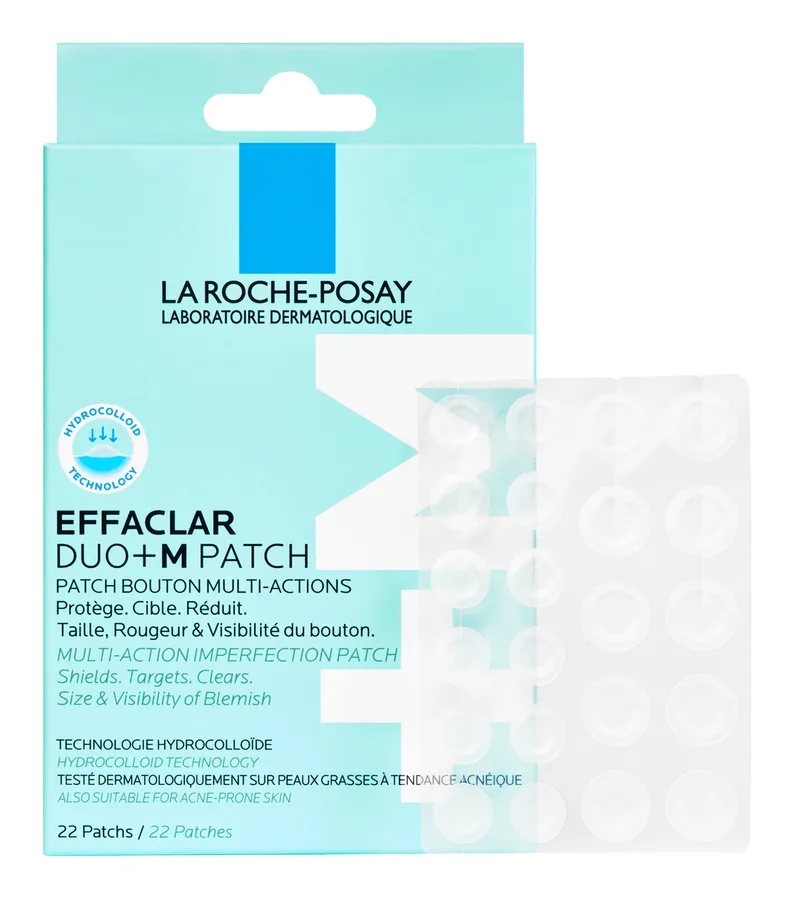 Derm Office Staple
 Effaclar Multi-Target Blemish Patches
One of the few hydrocolloid pimple patches that actually stays on overnight without curling off at 3am. At 420 microns thick with two size options in one pack and zero actives to irritate sensitive skin, this is the Effaclar line's quiet overachiever — and a legitimately good answer for anyone whose acne routine has been sabotaged by thinner patches that refuse to stay put.
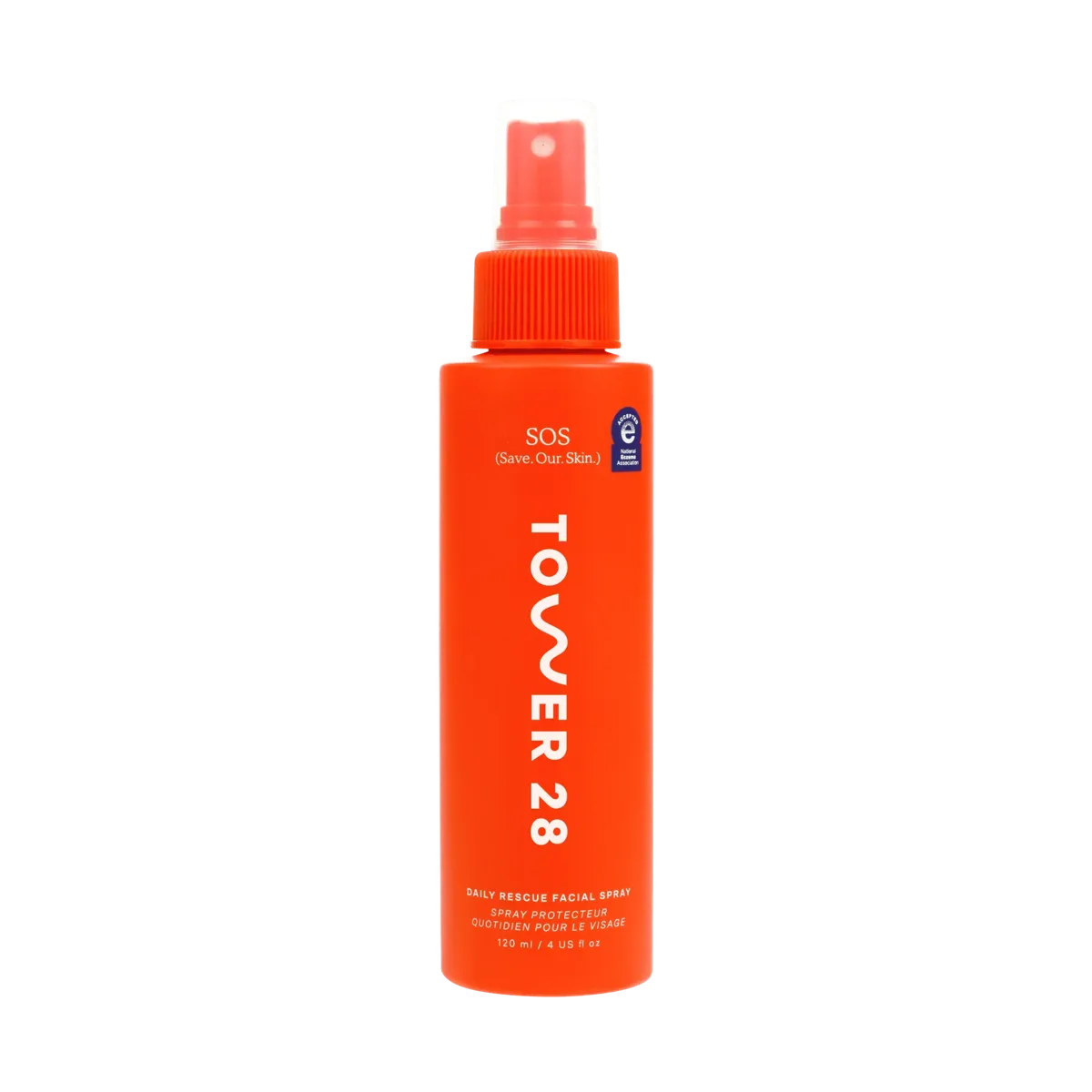 Reactive-Skin Cult Favorite
 SOS Save Our Skin Daily Rescue Facial Spray
The product that single-handedly brought hypochlorous acid into mainstream skincare. A fine-mist HOCl spray with genuine dermatology-organization validation, a near-perfect tolerability profile, and a cult following among people whose skin reacts to everything else. The price runs steeper than medical-grade HOCl, but the stabilization and design are worth the difference for daily use.
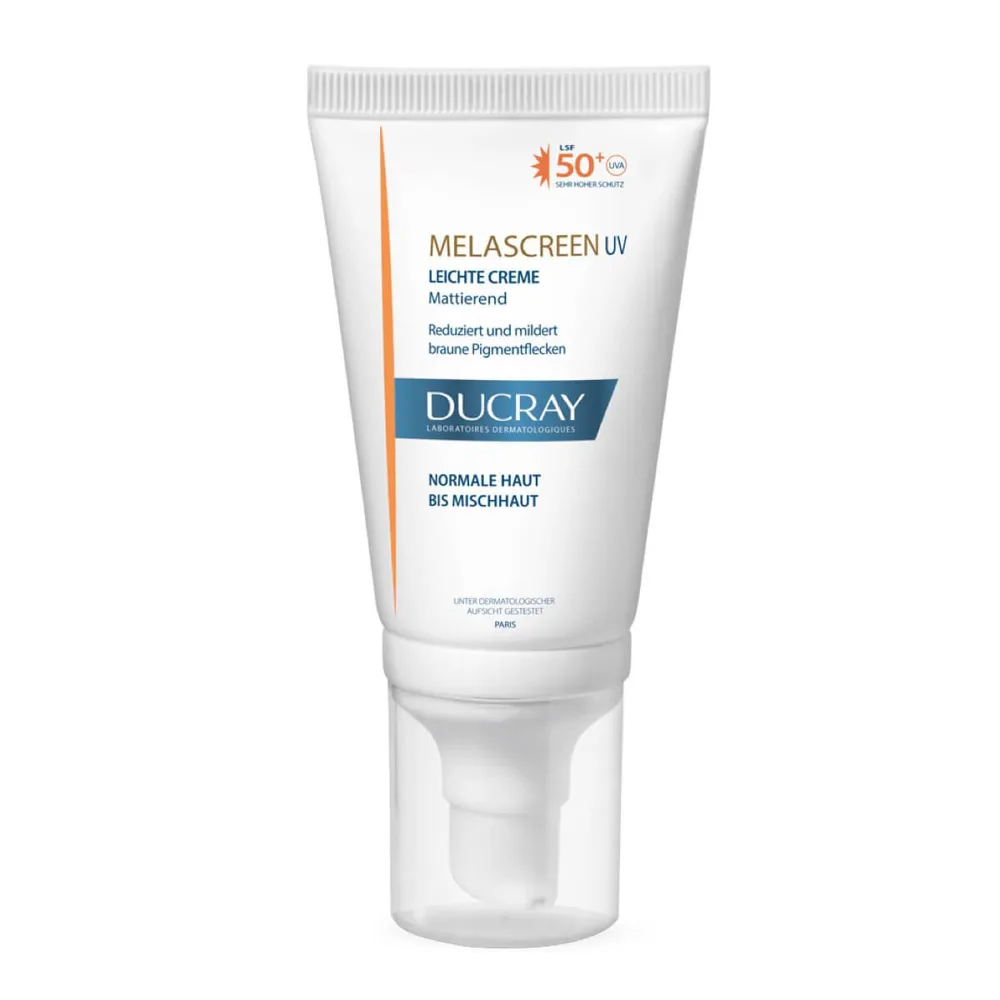 Melasma Daily Sunscreen
 Melascreen UV Light Cream SPF 50+
The daily-driver companion to Ductray's Melascreen line — a broad-spectrum SPF 50+ with strong UVA coverage and supporting brightening actives, in a formulation gentle enough for indefinite use. The right choice for melasma maintenance, pregnant patients, and anyone who wants daily sun protection that does a little more than just block UV. The lighter sibling to the Depigmenting Cream variant.
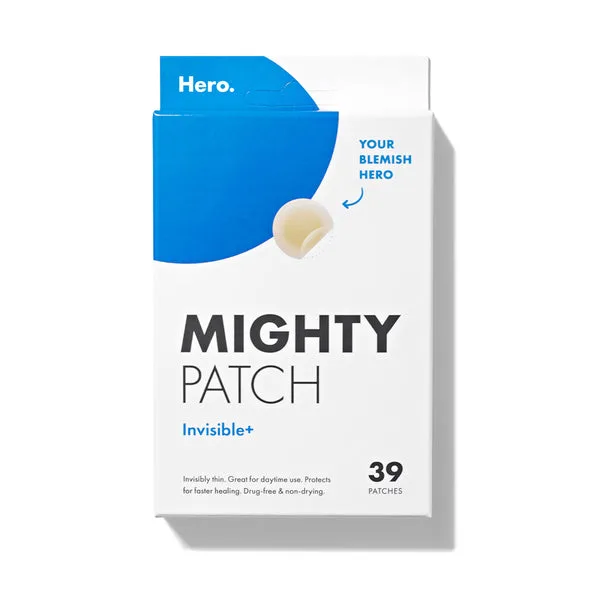
Mighty Patch Invisible+
The pimple patch that proved acne treatment could be invisible — Mighty Patch Invisible+ delivers the same fluid-absorbing hydrocolloid technology as the category-defining Original, but engineered thin enough to disappear under makeup. For daytime blemish management, nothing else comes this close to invisible.
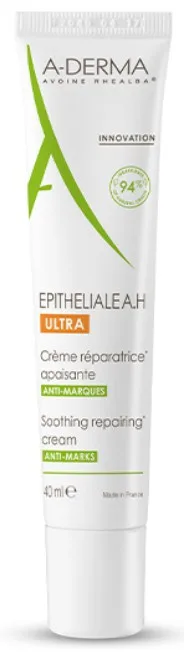 Post-Procedure MVP
 Epitheliale A.H Ultra Repairing Cream
One of the best-formulated French pharmacy repair creams on the market, full stop. Rhealba oat, three-weight HA, madecassoside, trace minerals, panthenol, and shea butter come together in a cream that handles post-procedure skin, eczema flares, friction damage, and compromised barriers with unusual competence for the price.